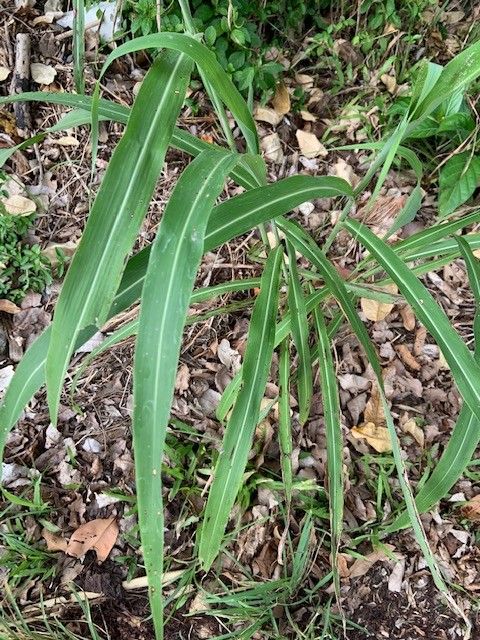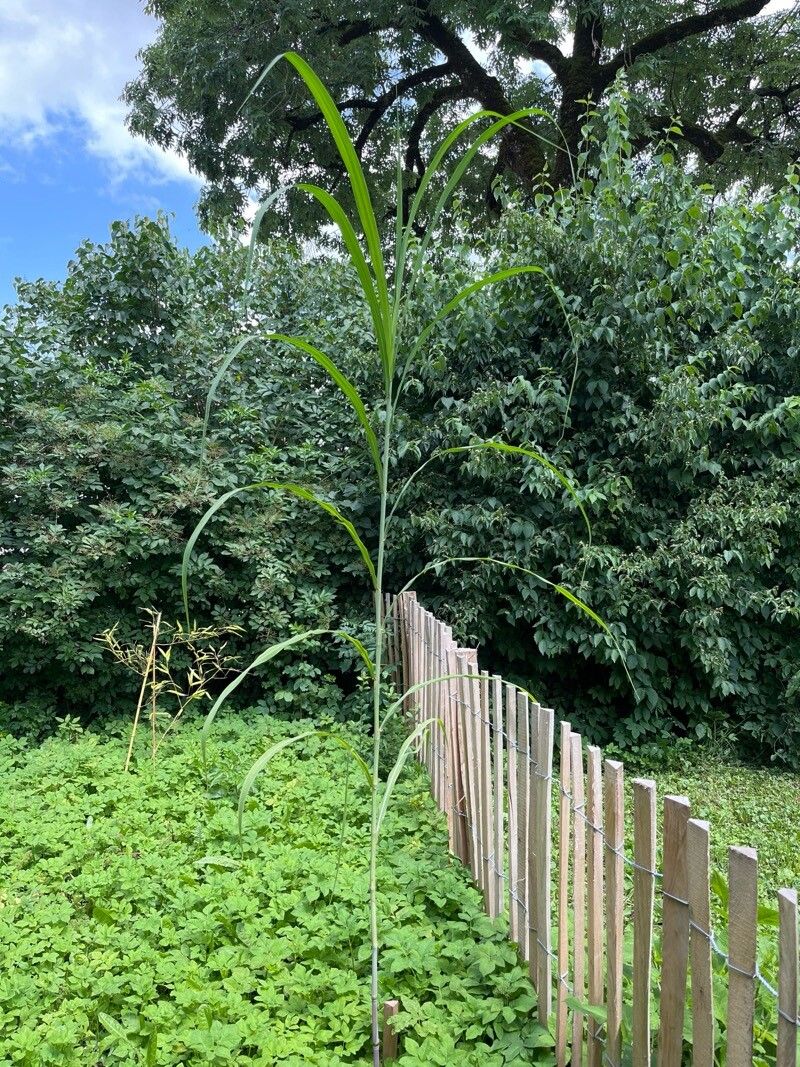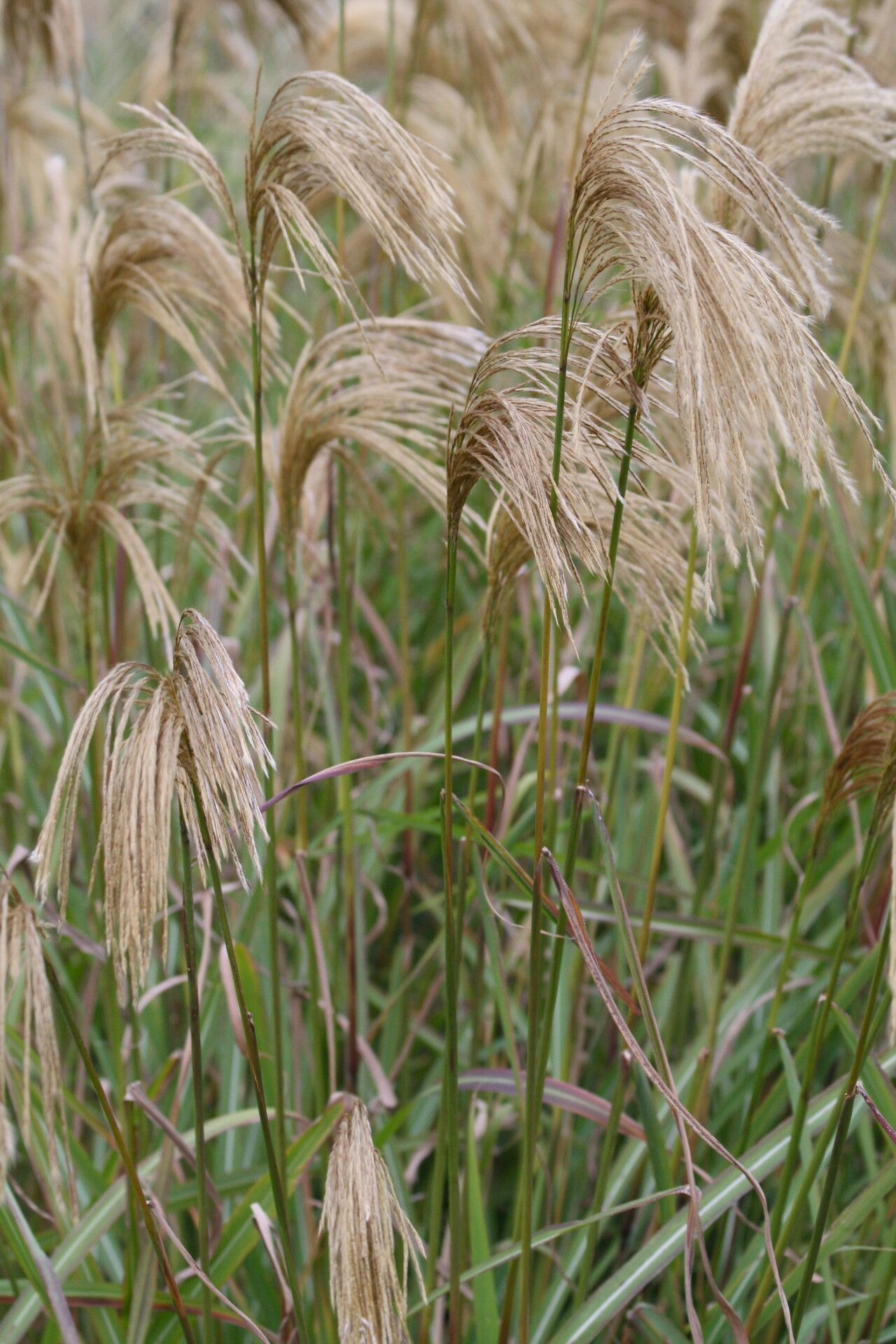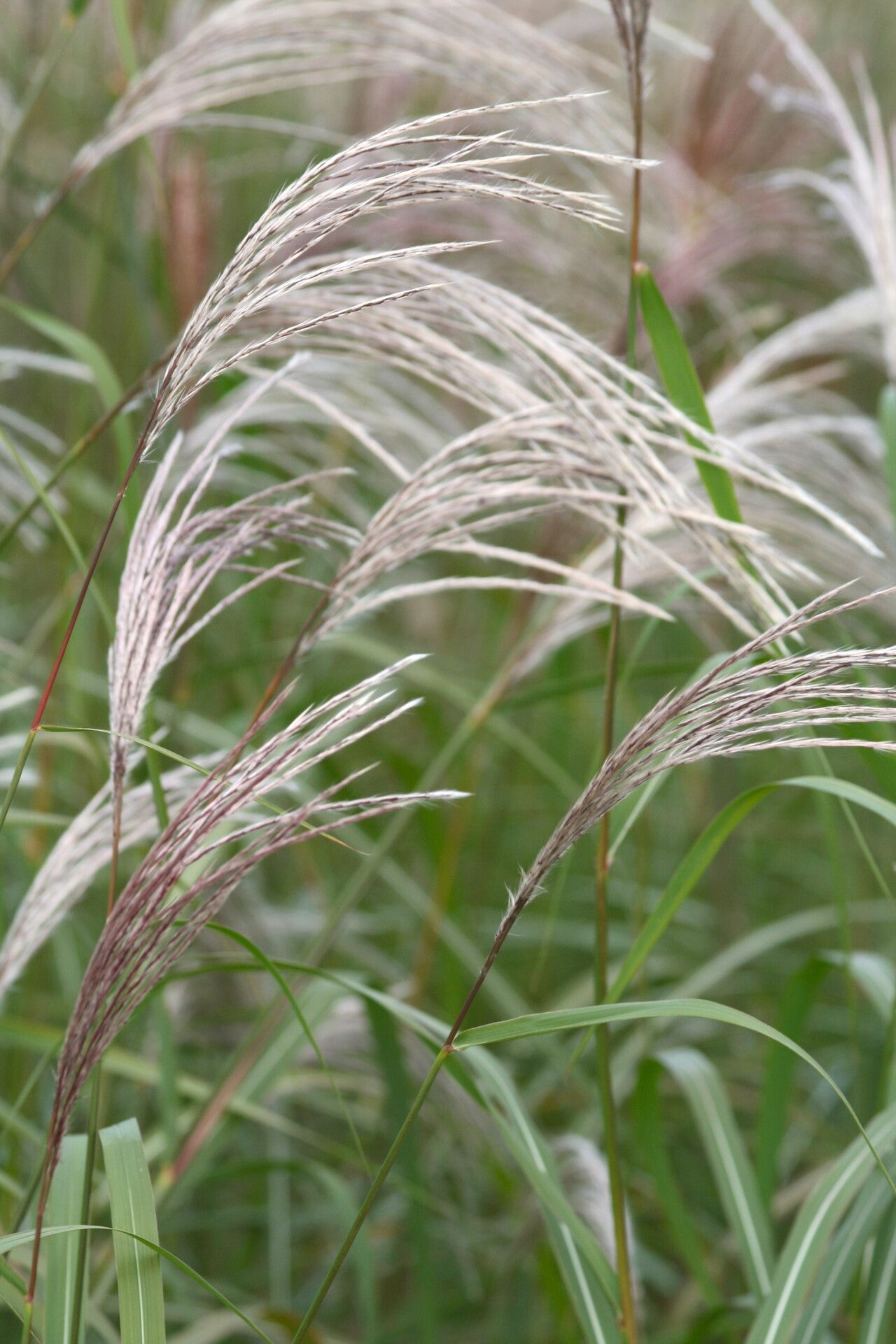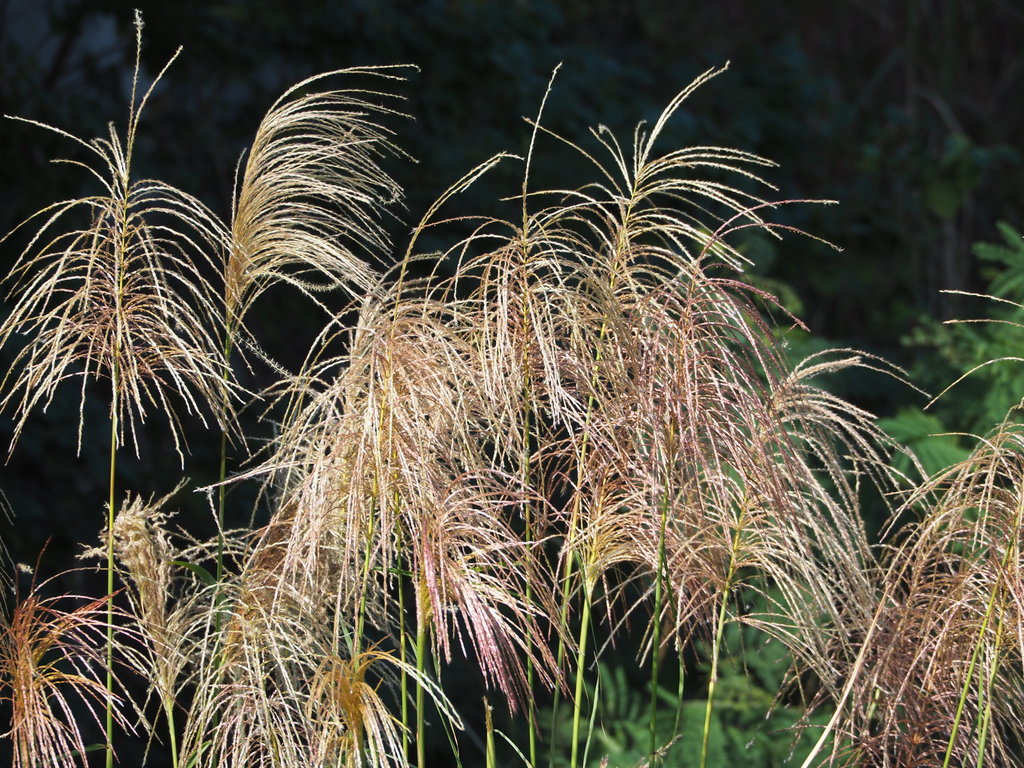
Miscanthus sinensis, commonly known as Chinese silver grass or maiden grass, is a perennial ornamental grass native to Asia. This popular landscaping plant is cherished for its attractive appearance and low maintenance needs. It can grow up to 6 feet tall and 4 feet wide, featuring long green leaves that transform to a golden hue in the fall. In late summer or early fall, the plant produces feathery plumes that can extend up to 12 inches, providing an elegant touch to gardens and landscapes.
Miscanthus sinensis thrives in full sun but can tolerate some shade and various soil types, as long as they are well-draining. While it is drought-tolerant once established, the plant benefits from regular watering during its first growing season.
Beyond its ornamental appeal, Miscanthus sinensis is also studied for its potential in bioenergy production due to its high biomass yield and low input requirements compared to traditional crops like corn or soybeans.
In summary, Miscanthus sinensis is not only an attractive and versatile plant that enhances any landscape, but it also offers significant potential for sustainable energy production.
Chinese silver grass is disease-resistant and generally not susceptible to illnesses. In terms of care, this plant is fairly low-maintenance. When grown outdoors it needs only minimal watering, and larger specimens normally do not need pruning. Smaller plants, however, should be pruned once they have finished blooming. Chinese silver grass is suitable for anyone with an outdoor area, such as a garden or deck, and does not require extensive care experience.
How to keep Miscanthus Sinensis.
Light
Chinese silver grass thrives when it receives abundant sunlight. Plenty of light supports healthy foliage and vigorous growth. Because it originally grew in open fields with constant sun, it can tolerate some shade but performs best in full light. Excessive shade or overly intense sunlight can affect its ability to thrive.
Water
Chinese silver grass flourishes in moderate climates with periodic rainfall. It needs consistent moisture but should not be overwatered. Watering twice a week is ideal, letting the soil dry out slightly between waterings. This ornamental grass is adaptable to different levels of precipitation, adding beauty and resilience to any garden.
Humidity
This plant will thrive in moderate humidity, which is probably the level in your home. However, misting it a few times a week can be very beneficial. Make sure the room has good ventilation.
Temperature
Chinese silver grass grows well in the temperature range of 41 to 95 ℉ (5 to 35 ℃), which is its preferred temperature range. It is a temperate plant and is commonly cultivated in regions with mild climates. During the summer months, water the plants frequently while keeping them out of direct sunlight. In winter, lowering the temperature can promote root growth.
Fertilizer
Chinese silver grass benefits from extra nutrients to encourage healthy new growth. In spring, spreading compost around the base of the plant will effectively supply the nutrition it needs. Fertilizing supports vigorous growth and helps the plant withstand diseases and pests.
Pruning
Cut back your Japanese silver grass in the early spring. This will stimulate rapid new growth and better blooms. To prevent self-seeding, you can cut back your grass in the fall, right before the flower heads dry out. However, this method will sacrifice the popular winter display the Japanese silver grass is known for.
Pot & Repot
When repotting Chinese silver grass, select a pot 1-2 inches (2.5–5.1 cm) larger with ample drainage. Use a well-draining potting mix. Repot in spring or fall, making sure the root ball is slightly lower than the rim of the flower pot. Water thoroughly after repotting and place it in a warm spot with indirect sunlight.
Toxicity
All parts of the Japanese silver grass are toxic to both humans and animals. When ingested in large quantities
Further reading →
The toxicity and danger assessments provided are for reference only. We do not assure their accuracy, so it's crucial not to depend on them. Seek professional advice when necessary for accurate guidance.
Botanical profile.
- Plant Type
- Grass
- Life Cycle
- Perennial
- Genus
- Miscanthus
- Family
- Poaceae
- Hardiness Zone
- 4-10
- Mature Height
- 0.91 m to 2.13 m
- Mature Spread
- 0.91 m to 1.52 m
- Leaf Color
- Green, White, Variegated, Yellow, Silver
- Leaf Type
- Deciduous
- Flower Color
- Silver, Pink
- Flower Size
- 0.51 cm to 2.03 cm
- Bloom Time
- Mid summer, Late summer
- Planting Time
- Spring, Summer
- Harvest Time
- Early spring, Fall, Winter
- Native Area
- Russia, Indonesia, Japan, Philippines, Koppen, South Korea, China
Other names.
Reader questions.
When should I water my Chinese Silver Grass?
Correct and timely watering of Chinese Silver Grass is crucial for maintaining its health. You should water the plant when the top 1-2 inches of soil become dry. The plant's need for water can also be indicated by changes in leaf color and wilting. It is particularly important to not overwater or underwater, as this can lead to root problems or even plant death. In hot and dry climates, the grass may require more frequent watering. Observing the plant's growth and the condition of its leaves can help you determine the right watering schedule.
Why should I add fertilizer to my Chinese silver grass?
Fertilizing Chinese silver grass is important for a couple of reasons. First, it provides your plant with the necessary nutrients to promote healthy new growth. Second, the additional nutrients also contribute to the overall health of the plant, making it more resilient against diseases and pests.
What are the sunlight requirements for Chinese silver grass?
Chinese silver grass requires full sun, which means it thrives in locations receiving above 6 hours of sunlight a day. However, it can also grow in partial sun, receiving about 3-6 hours of sunlight daily. It's important to observe how sunlight moves through your garden to pick the perfect spots for your plants, ensuring a balance of light and shade that matches their needs.
What is the preferred temperature range for growing Chinese Silver Grass?
Chinese Silver Grass, or Miscanthus sinensis, grows well in a temperature range of 41 to 95°F (5 to 35°C), which is its preferred temperature range. This temperate plant thrives in areas with mild climates, requiring frequent watering during the summer months while avoiding direct sunlight. In winter, the temperature can be lowered to promote root growth, although it has strong cold resistance and typically does not require special frost protection measures. However, if winter temperatures are expected to drop below -30°C, providing cold protection with soil or straw cover is advisable. It's recommended to water the plant abundantly before the first freeze in autumn to keep the soil moist through winter and early spring.
How should I water my Chinese Silver Grass?
Watering Chinese Silver Grass effectively involves using a watering can with a shower spout to ensure even distribution. The plant benefits from deep watering at its base to avoid issues such as fungal diseases and root rot. Utilizing a soil moisture meter can be helpful in managing water levels accurately. For potted plants, bottom watering is an option to encourage healthy root growth and prevent diseases caused by overwatering. It's critical to focus on watering at the base and to ensure there is no standing water to avoid disease.
When should I fertilize my Chinese silver grass?
To ensure the survival of Chinese silver grass in your garden, it's important to properly time fertilization. This plant doesn't require a lot of nutrients and should not be fertilized when it's dying back. While you can use diluted fertilizer at the beginning of the growing season, it's not advised. Instead, it's better to apply mulch or compost around the plant's base.
How does sunlight affect the growth of Chinese silver grass?
Sunlight plays a critical role in the healthy growth and vegetation of Chinese silver grass. Originating from open fields where it is exposed to abundant sunlight conditioned it to prefer full light exposure, although it can tolerate some shade. Nevertheless, excessive shade or extreme sunlight can adversely impact its growth, underscoring the importance of finding the right balance for optimal flourishing.
How does Chinese Silver Grass respond to low temperatures?
Chinese Silver Grass is cold-tolerant and performs best when the temperature is kept above 5°C. During winter, it's crucial to ensure the temperature remains above -25°C. When temperatures fall below -30°C, the plant may not show immediate adverse reactions, but there could be a noticeable decrease in sprouting or even a failure to sprout during spring. To mitigate this, it's recommended to remove any parts that have failed to sprout in spring, as part of the plant's care routine.
How much water does Chinese Silver Grass really need?
The amount of water Chinese Silver Grass requires depends on several factors including the size of the plant and pot, and the specific environmental conditions. It is important to give the plant a thorough soaking so that the water reaches the deep roots, but the frequency of watering will vary. Signs of proper hydration include lush, vibrant leaves and vigorous growth, while signs of underwatering or overwatering can range from wilting and slow growth to yellowing leaves and soggy soil. Adequate drainage is essential to avoid waterlogging.
When should I not put fertilizer on my Chinese silver grass?
If you don't use packaged fertilizers, no need to worry about when to stop feeding Chinese silver grass. Simply add a layer of compost or mulch in the spring, and it will be enough to keep the plant happy all year long. When the plant is dormant in the winter, there's no need to mulch or compost.
Can artificial lighting be used for Chinese silver grass and how?
Yes, artificial lighting can be utilized for Chinese silver grass, especially when natural sunlight is insufficient, like in winter or less sunny spaces. For optimal growth indoors, LED lights can be a great choice, offering customizable wavelengths needed by the plants. Full sun plants require 30-50W/sq ft of artificial light, while partial sun plants need 20-30W/sq ft. The light source should be placed 12-36 inches above the plant to mimic natural sunlight, and most plants will benefit from 8-12 hours of light per day.
What should be done if Chinese Silver Grass experiences high temperatures?
In the summer, when temperatures soar above 35°C, Chinese Silver Grass may exhibit signs of stress such as leaves becoming lighter in color, curling, being prone to sunburn, and in extreme cases wilting and drying out. Address these symptoms by trimming away the sunburned and dried-up parts. Additionally, relocating the plant to a shadier location or using a shade cloth to protect it from the midday and afternoon sun can be beneficial. Ensuring the plant is watered in the morning and evening will keep the soil moist and help the plant to cope with the high temperatures.