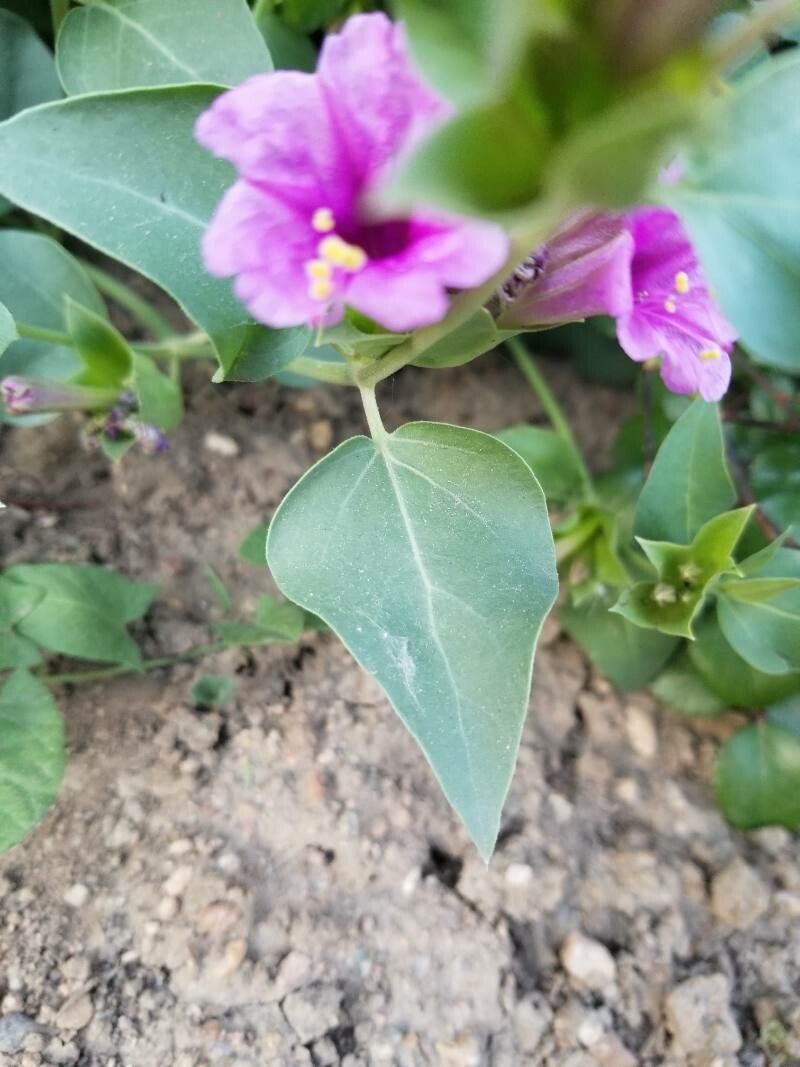
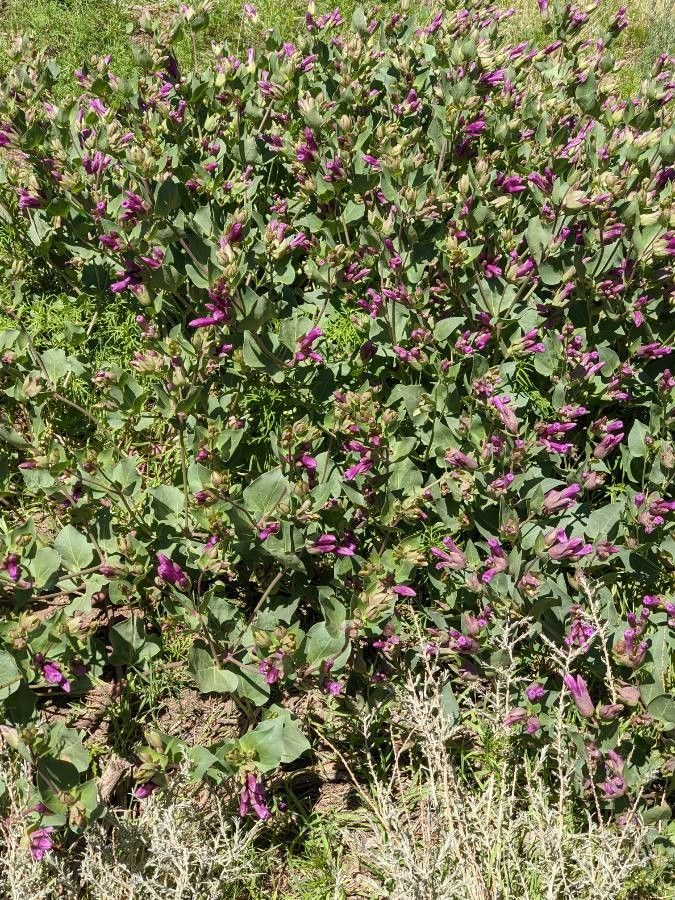
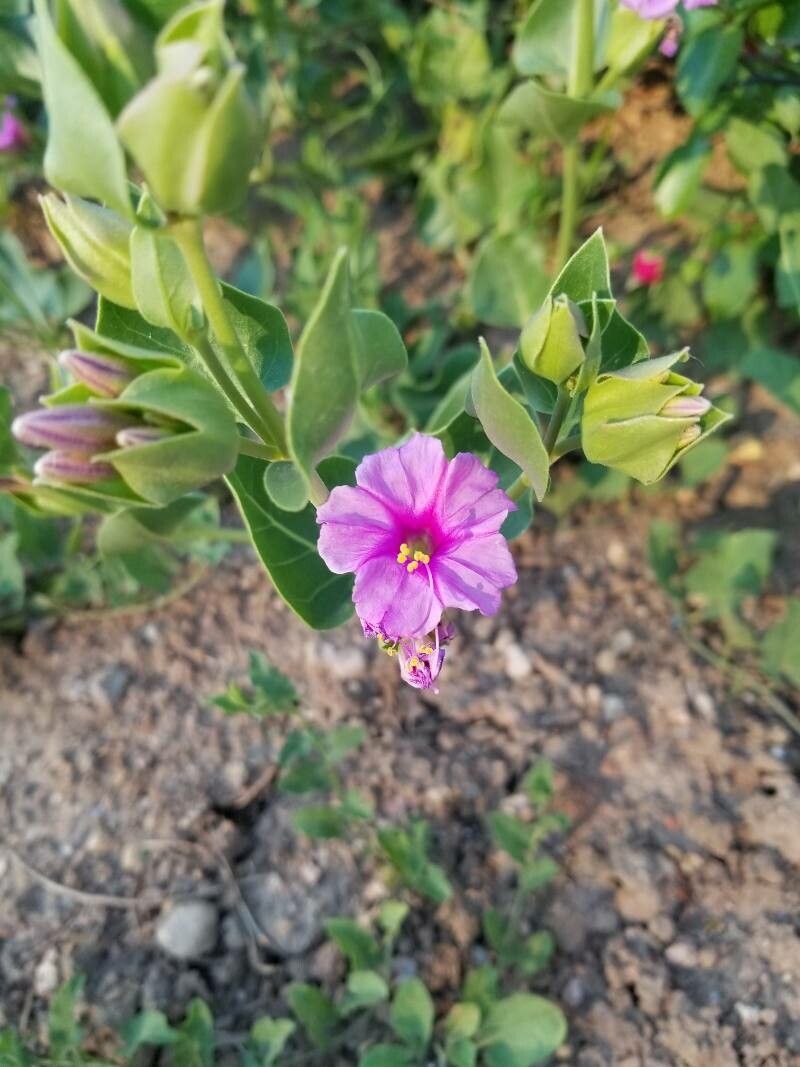
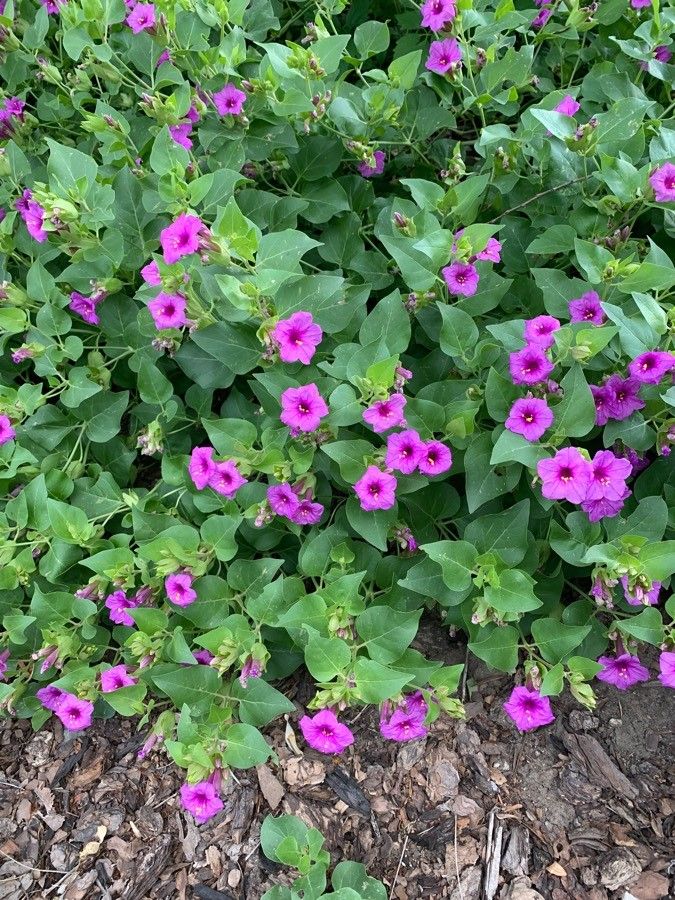
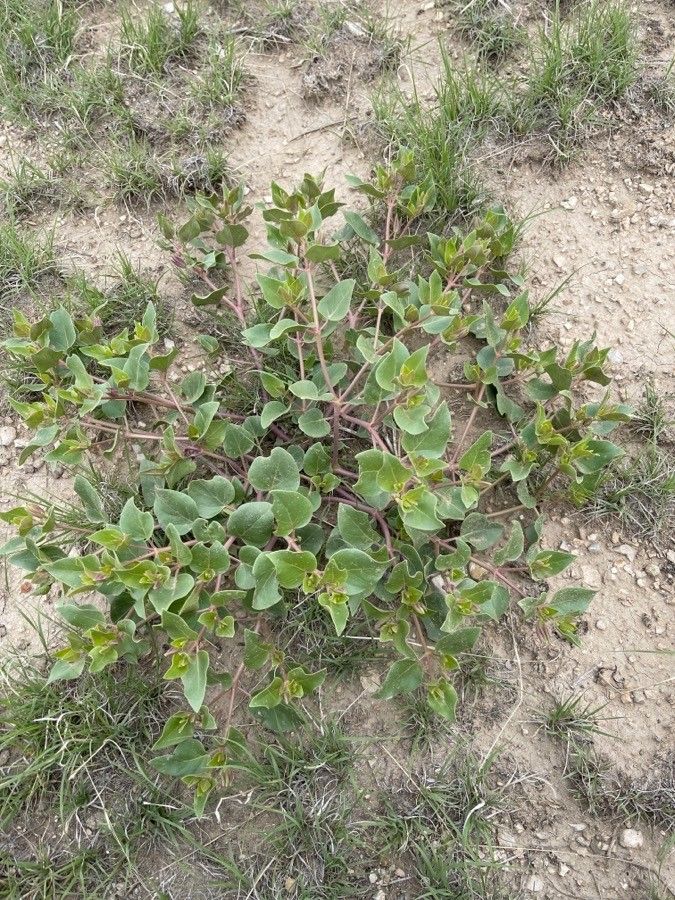
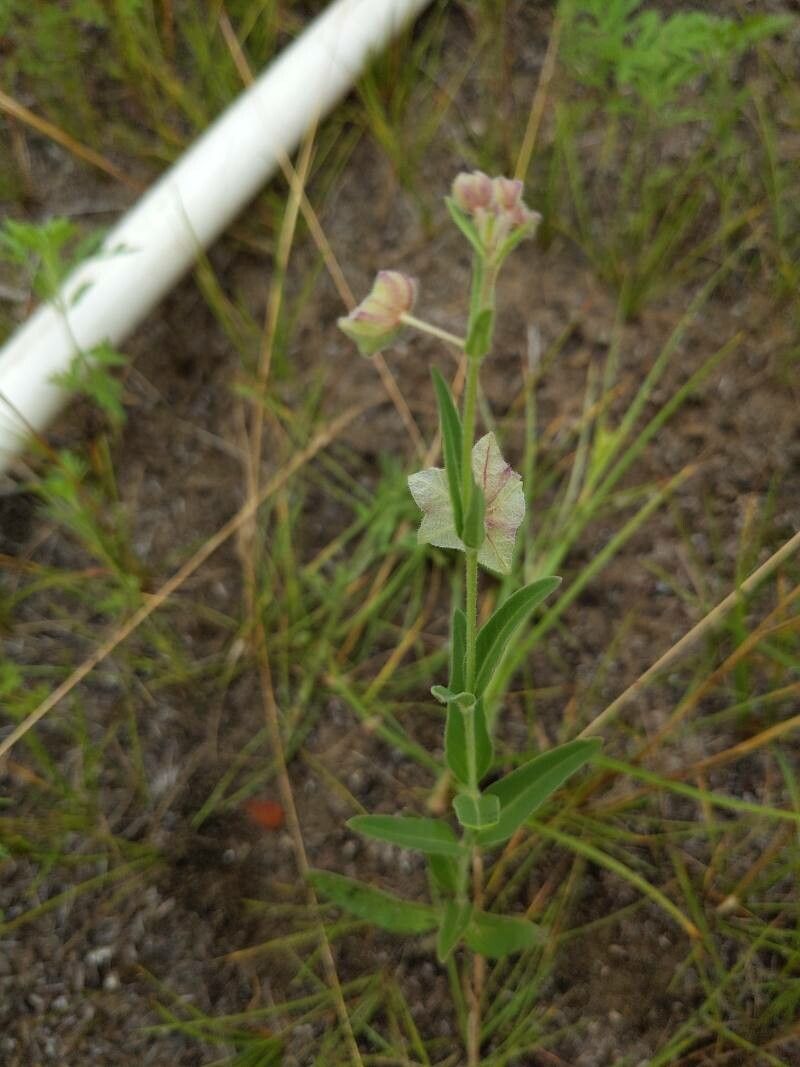
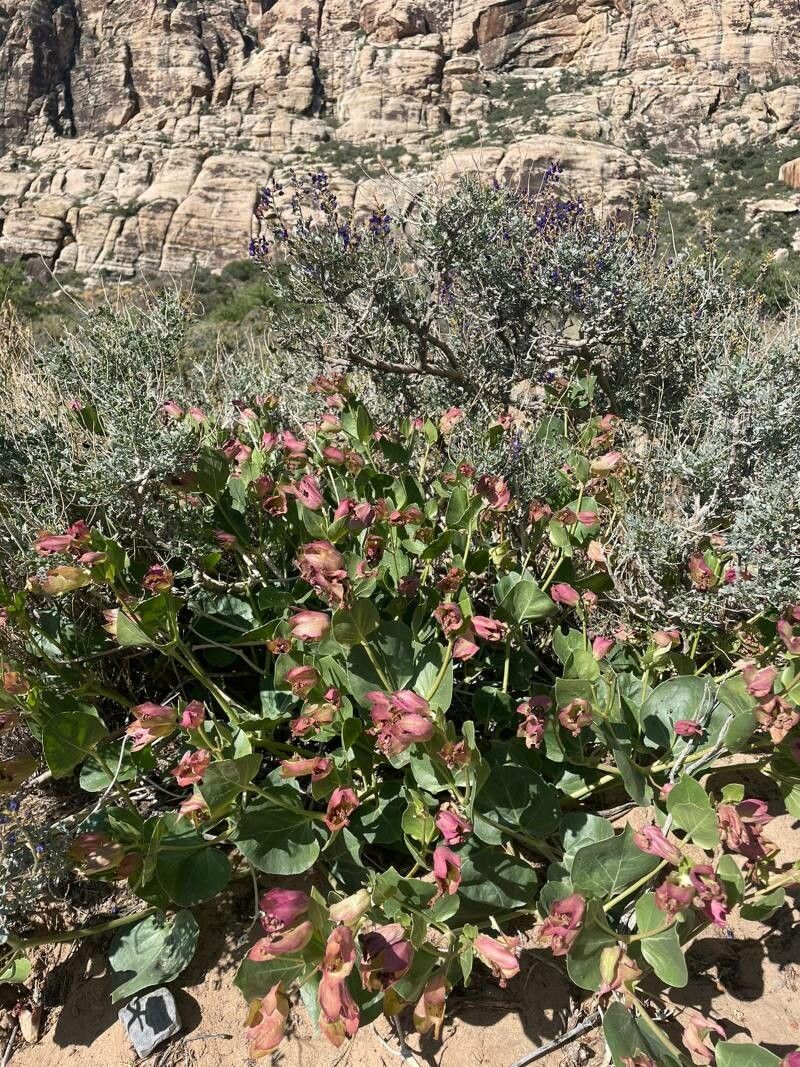
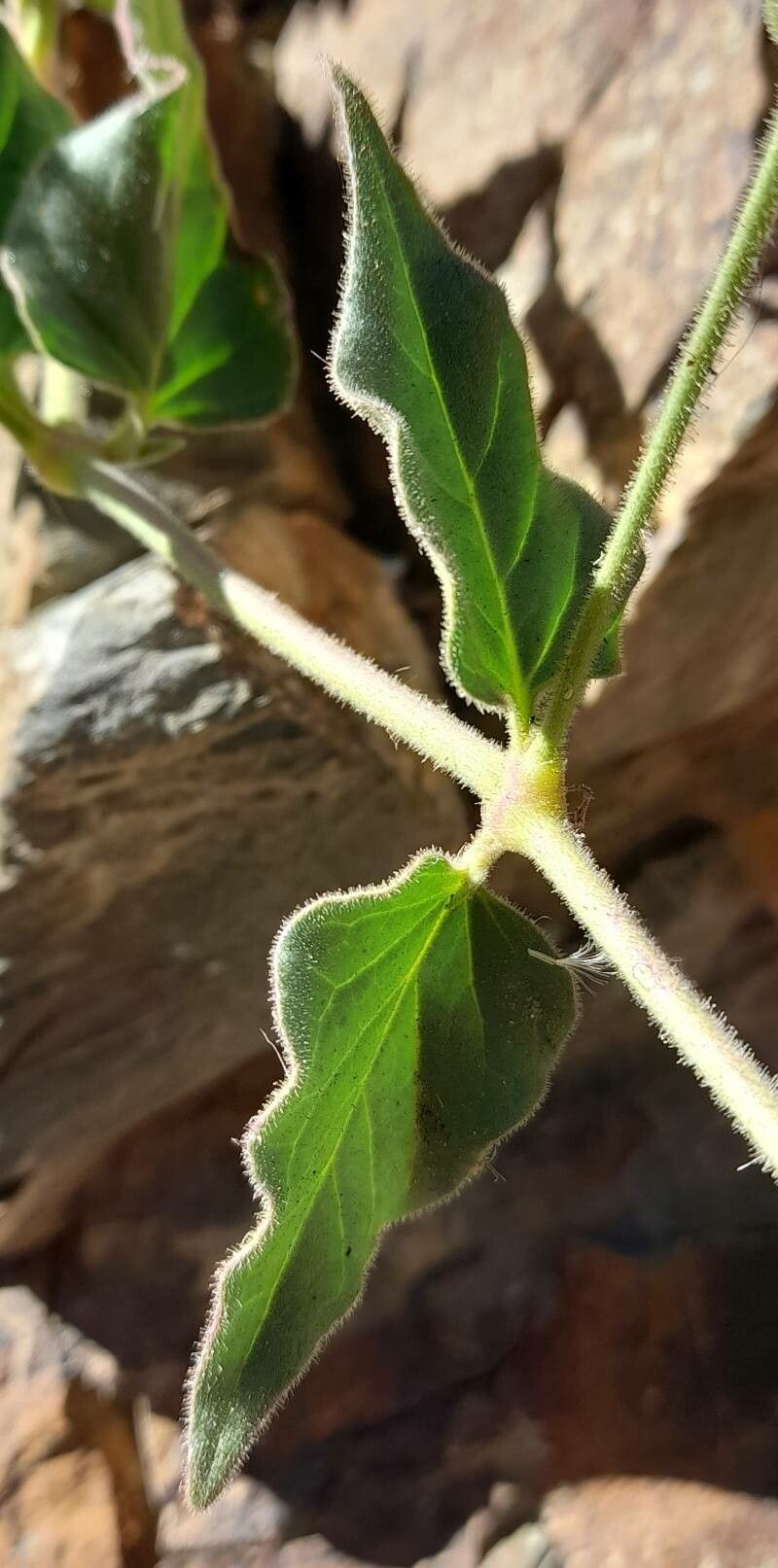
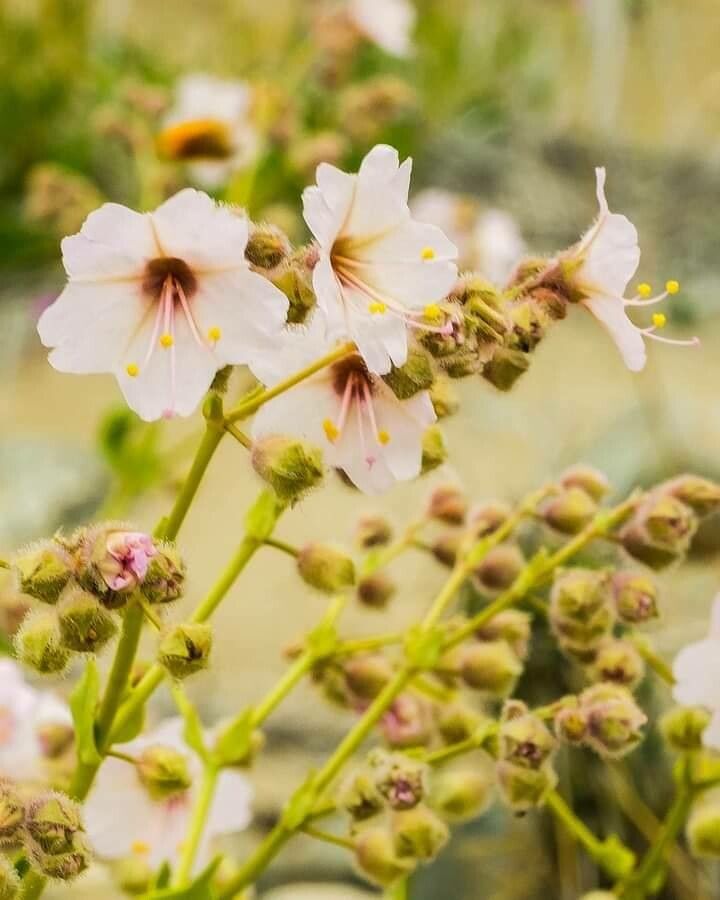
Mirabilis multiflora is a species of flowering plant in the four o'clock family known by the common name Colorado four o'clock that is native to the southwestern United States from California to Colorado and Texas, as well as far northern Mexico, where it grows in mostly dry habitat types in a number of regions.
Colorado four o'clock has strong resistance to disease and is generally not prone to illnesses. Still, it can be affected by pests and diseases present nearby. Such infections are generally not serious. Regarding care, this plant requires medium maintenance. It should be pruned regularly to preserve a good appearance and healthy growth. Applying fertilizer can also encourage flowering. Colorado four o'clock is appropriate for anyone with an outdoor area, like a garden or patio, and does not demand extensive care experience. It may need more attention when cultivated indoors.
How to keep Mirabilis Multiflora.
Light
The Colorado four o'clock does best with abundant sunlight, originating from a background that favored plenty of light. As it grows it develops healthy, full blooms, though it can also tolerate reduced sun. Care is needed to avoid both too much sun and too little, since either can harm the plant's vigor.
Water
The Colorado four o'clock plant is exceptionally drought-tolerant and thrives in arid environments with minimal moisture. Water it every 1-2 weeks and ensure it has well-draining soil. Deep soaking during the growing season encourages strong root development and vibrant blooms.
Temperature
Colorado four o'clock is native to temperate environments and prefers a temperature range of 32 to 90 °F (0 to 32 °C). It may need seasonal adjustments to maintain these optimal conditions.
Fertilizer
The best time to fertilize a Colorado four o'clock is in early spring, when it is coming out of dormancy and starting active growth. Fertilization supplies essential nutrients for healthy development. Although Colorado four o'clock has fairly low fertilizer requirements, applying fertilizer annually can improve its survival and encourage better, longer-lasting flowers.
Pruning
The perennial Colorado four o'clock plant is known for its funnel-shaped flowers and its ability to tolerate drought. For optimal growth and blooming, pruning should be done from early to late spring by cutting the plant back to its main stems. This practice encourages new growth and blooms, improves foliage density, and enhances air circulation, which reduces the risk of disease. As a result, you'll enjoy vibrant flowering throughout the summer.
Botanical profile.
- Plant Type
- Herb
- Life Cycle
- Perennial
- Genus
- Mirabilis
- Family
- Nyctaginaceae
- Hardiness Zone
- 3-8
- Mature Height
- 91 cm
- Mature Spread
- 61 cm to 91 cm
- Leaf Color
- Green
- Leaf Type
- Deciduous
- Flower Color
- Purple
- Flower Size
- 5.08 cm
- Bloom Time
- Summer, Early fall
- Planting Time
- Spring, Summer, Autumn
- Harvest Time
- Late summer, Fall
- Native Area
- Mexico
Other names.
Reader questions.
How should I water my Colorado four o'clock plant?
To properly water the Colorado four o'clock plant, it is recommended to use filtered water at room temperature. Tap water may have harmful particles that can affect the plant's health. Considering the plant's origin in a warm environment, it is advised to avoid using cold water, as it can be a shock to the plant's system. Additionally, overhead watering should be avoided to prevent any issues with the foliage. Instead, it is best to apply filtered room temperature water directly to the soil until it becomes completely soaked. This method benefits the plant by providing moisture to the roots, promoting their growth and nutrient absorption.
Why do I have to add fertilizer to my Colorado four o'clock plant?
Fertilization is important for the Colorado four o'clock for a few reasons. Firstly, it provides essential nutrients that support the growth of the plant both above and below the ground. However, the Colorado four o'clock has relatively low fertilization needs. While it can survive without fertilization, annual fertilization can greatly benefit the plant. It helps to keep it alive and may also enhance the quality and longevity of its flowers. Therefore, for those wanting their Colorado four o'clock to thrive, regular fertilization is recommended.
What are the sunlight requirements for Colorado four o'clock?
Colorado four o'clock requires full sun, receiving above 6 hours of sunlight, or partial sun, about 3-6 hours of sunlight daily. It's important to observe the movement of sunlight in your garden to find the optimal balance of light and shade for these plants, ensuring their health and happiness.
What is the optimal temperature range for Colorado four o'clock?
Colorado four o'clock thrives in temperate environments and prefers a temperature range of 32 to 90°F (0 to 32°C). To maintain these optimal conditions, seasonal adjustments may be necessary, especially in regions where temperatures significantly deviate from this range. The plant exhibits strong cold resistance, making it well-suited to survive without special frost protection in many winter conditions. However, in extremely cold weather, where temperatures are expected to drop below -35°C, protective measures such as covering the plant with soil or straw are advisable. Additionally, before the arrival of the first freeze in autumn, abundant watering is recommended to ensure the soil remains moist entering a frozen state, which helps prevent drought and water scarcity during the winter and early spring.
What should I do if I give too much or too little water to my Colorado four o'clock?
Overwatering is a more common issue than underwatering for the health of your Colorado four o'clock plant. When overwatered, the stems and leaves may wilt and turn yellow. Prolonged overwatering can also lead to diseases like root rot, mold, and mildew which can be fatal for the plant. On the other hand, underwatering is less common due to the plant's drought tolerance, but it is still possible. In cases of underwatering, the leaves will become brittle and brown. It is important to identify and address overwatering signs promptly as some diseases, like root rot, cannot be reversed if left unattended for too long. Reduce your watering schedule immediately if you notice early signs of overwatering. Additionally, check the soil's drainage and replace it with a loose, well-draining potting mix if it drains poorly. If you see signs of underwatering, simply increase the frequency of watering until the signs disappear.
When should I fertilize my Colorado four o'clock plant?
The best time to fertilize a Colorado four o'clock is in late winter to early spring when the plant is transitioning from dormancy to active growth. Fertilizing at this time promotes healthy growth and sets the plant up for a successful season. While early spring is generally the most beneficial time for fertilization, it is also acceptable to fertilize in the fall. However, it is not recommended to fertilize in the summer or winter.
How does Colorado four o'clock respond to sun exposure?
The Colorado four o'clock plant thrives under generous exposure to sunlight, promoting healthy, full blossoms thanks to its origin in sunny environments. While the plant can endure lower levels of sunlight, both excessive and insufficient sun exposure can adversely affect its vitality. Special attention is needed to shield the plant from harm due to these extremes.
How does Colorado four o'clock react to low temperatures?
Colorado four o'clock is notably cold-tolerant, ideally maintaining a temperature above 0°C. During winter, it should be protected to ensure temperatures do not fall below -30°C. It can survive without noticeable harm when the temperature falls below -35°C, but there might be a decrease in sprouting or even no sprouting at all during the spring. If this occurs, it's recommended to remove any parts of the plant that have failed to sprout as a way to encourage new growth.
How many times should I water my Colorado four o'clock plant?
If your Colorado four o'clock is in a pot, the most accurate way to determine if it needs water is by checking the soil with your finger. If the top two to three inches of soil are dry, it's time to water it. If you're growing it outdoors in the ground, you can use the same method to test the soil. Again, if the top few inches are dry, it's time to water. Typically, during spring and early fall, you'll need to water this plant about once a week using this method. However, in extremely hot weather, you may need to water it twice a week or even more. Nevertheless, mature and well-established Colorado four o'clock plants can tolerate drought well.
When is the best time to not fertilize my Colorado four o'clock?
To properly care for your Colorado four o'clock, it is important to know when to fertilize it. Generally, you should only fertilize this plant during late winter and early spring. This is because the plant has low fertilization needs and a single feeding during this time is sufficient. It is not recommended to continue fertilizing during the spring, summer, and fall as this can easily result in overfertilization and its associated issues. However, there is an exception to this rule. If you missed fertilizing in the spring, it is acceptable to feed the plant in the fall. Additionally, during the winter months, when the Colorado four o'clock is in a dormant growth phase and not producing new growth, fertilization is not necessary.
What artificial lighting requirements do indoor Colorado four o'clock plants have?
Indoor Colorado four o'clock plants require adequate lighting for optimal growth, especially when natural sunlight is insufficient. Artificial lights, like LED, are recommended as they can be customized to provide necessary wavelengths. For full sun plants, 30-50W/sq ft is required, partial sun plants need 20-30W/sq ft, and full shade plants need 10-20W/sq ft. The artificial light source should be placed 12-36 inches above the plant and kept on for 8-12 hours a day to mimic natural daylight hours.
What should be done if Colorado four o'clock experiences high temperatures?
During the summer months, it is crucial to ensure that Colorado four o'clock does not endure temperatures above 32°C. Exceeding this threshold can lead to the leaves becoming lighter in color, prone to curling, susceptible to sunburn, and in severe cases, the entire plant may wilt and dry out. To mitigate these issues, sunburned and dried-up parts of the plant should be trimmed away. Relocating the plant to a shaded area or employing a shade cloth can protect it from direct sun during the midday and afternoon. Additionally, watering the plant in the morning and evening will help keep the soil moist and support the plant's overall health during hot periods.