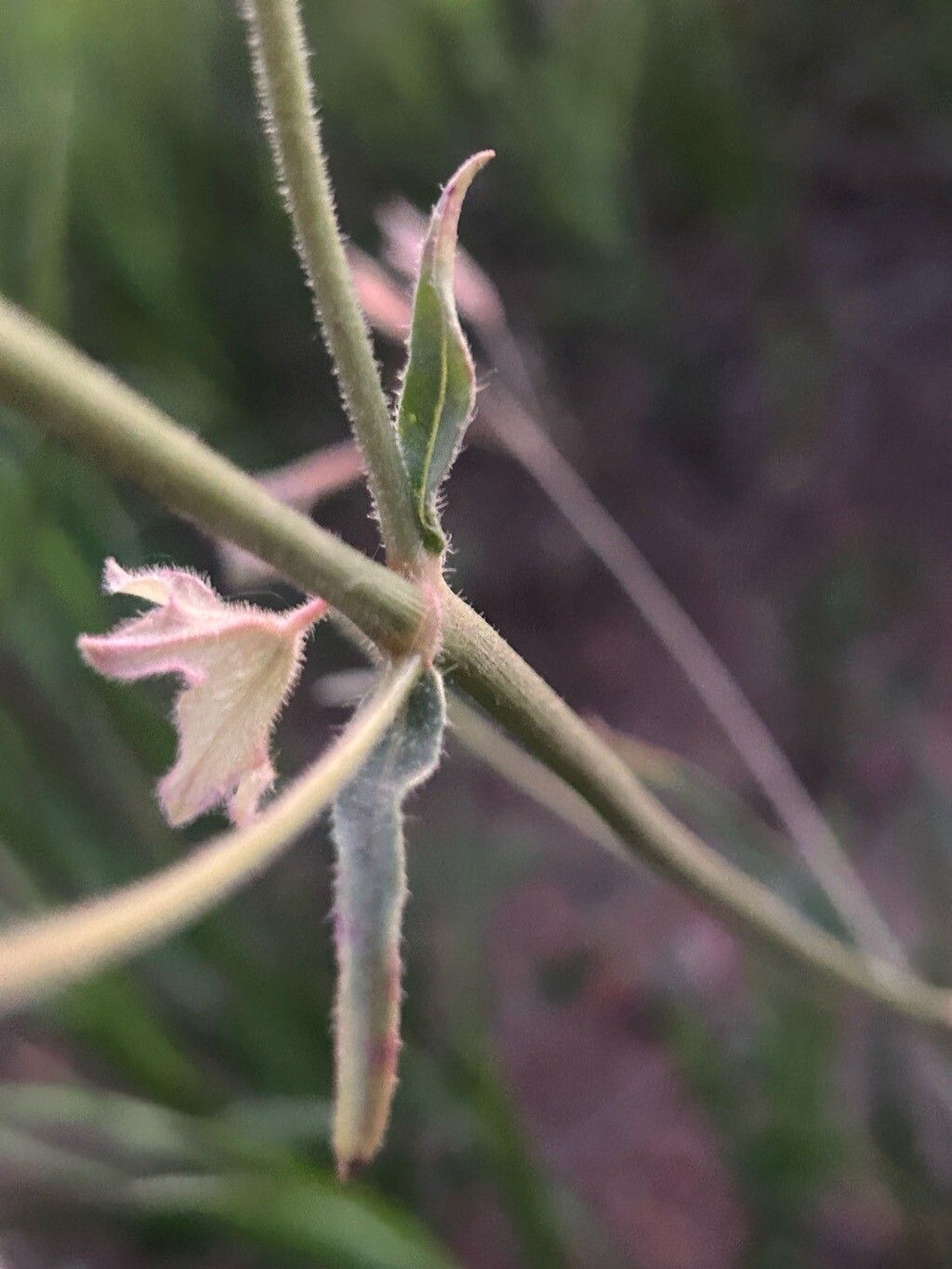
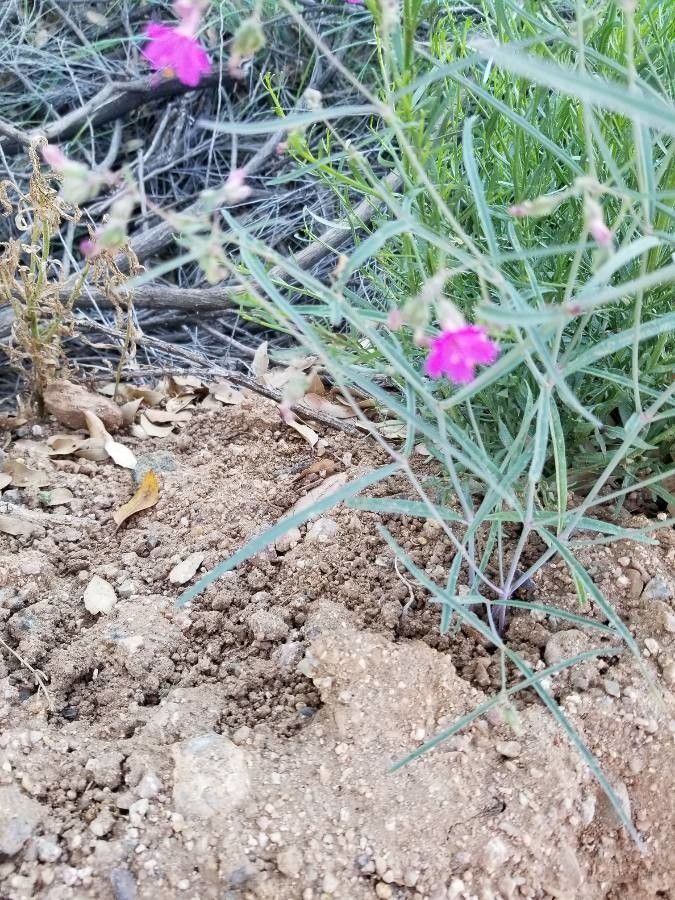
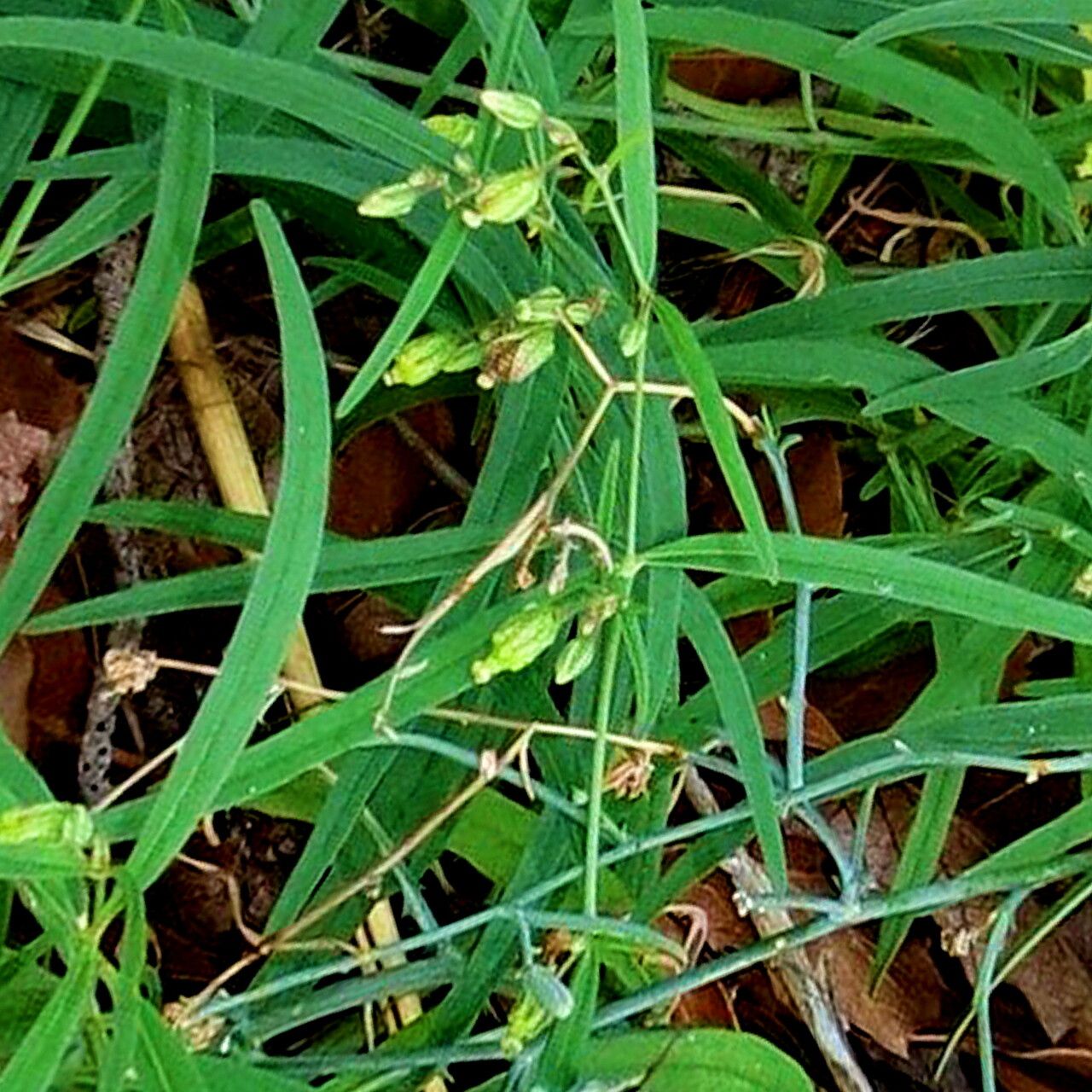
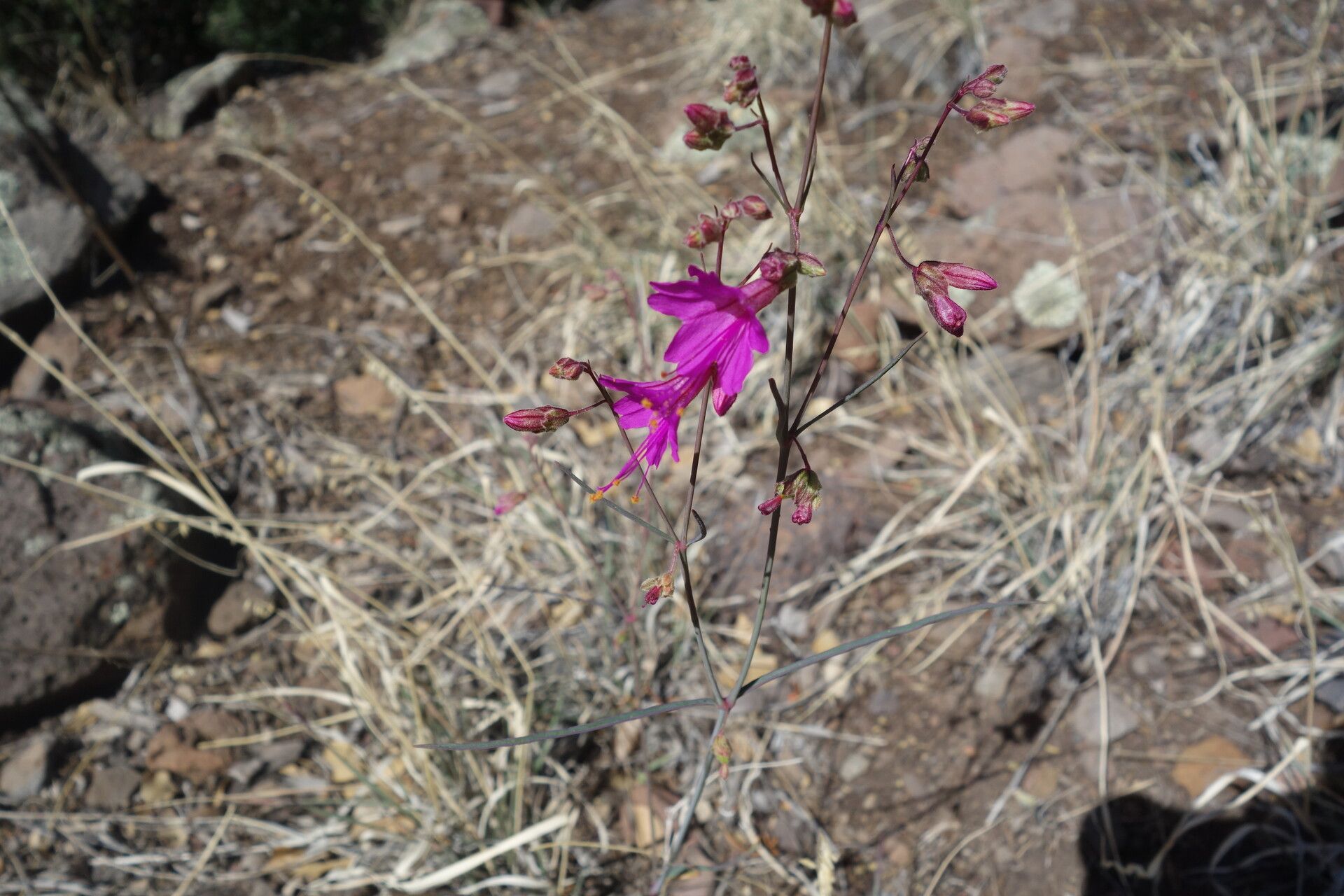
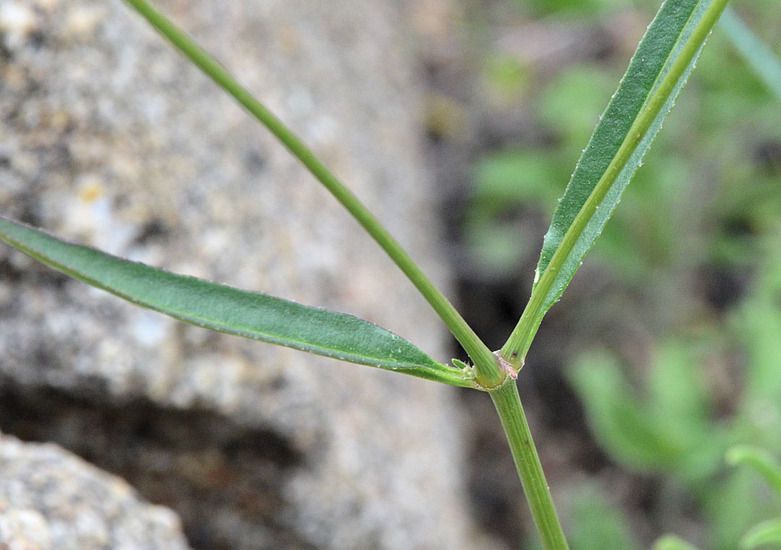
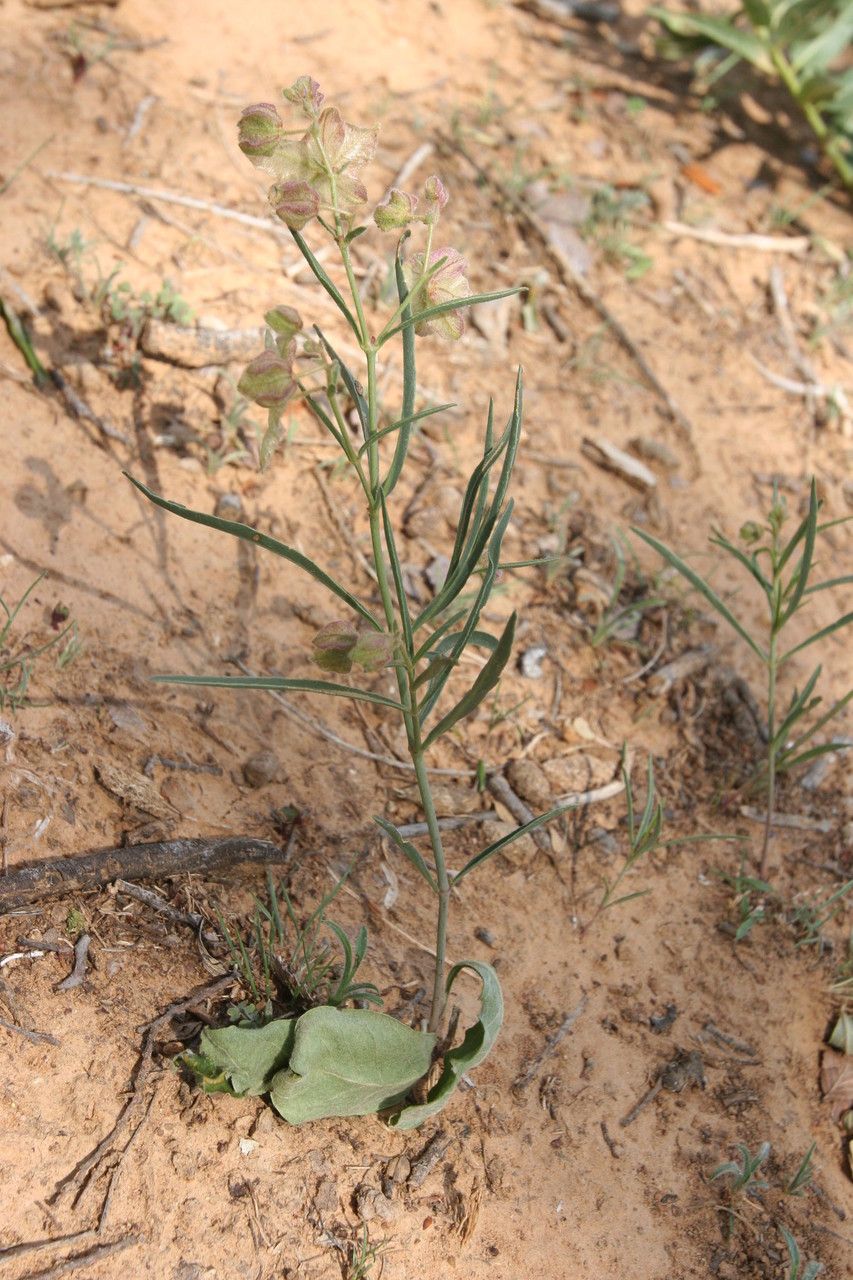
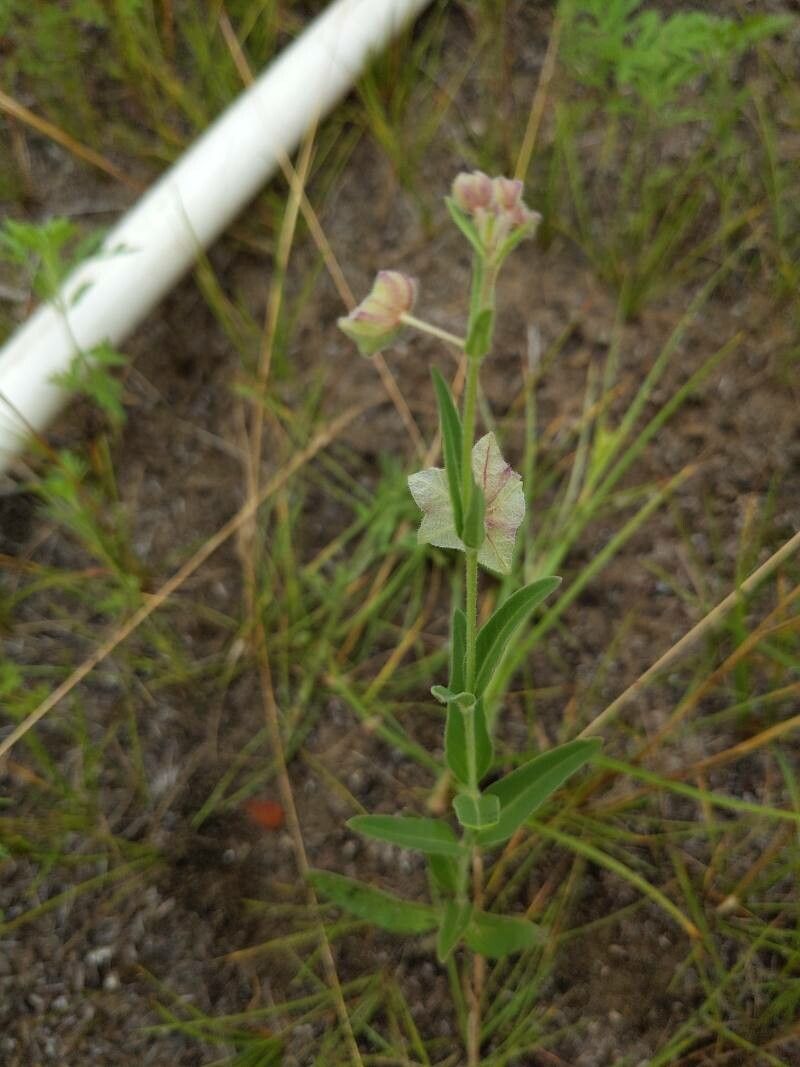
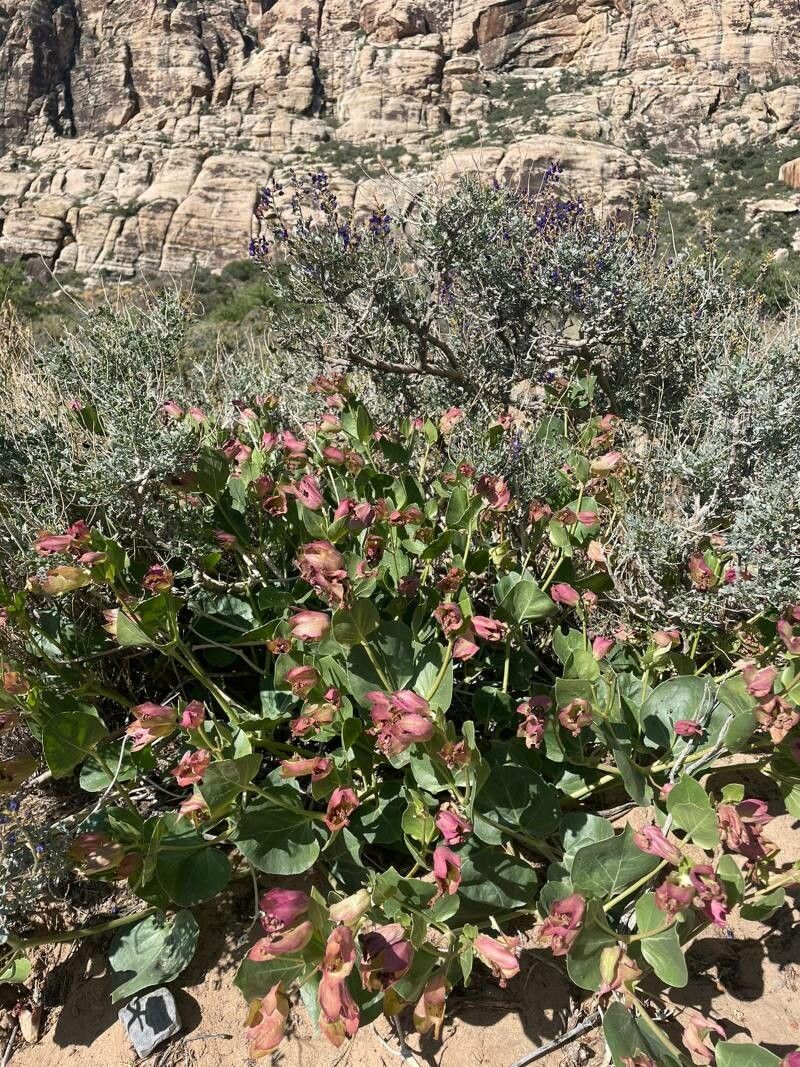
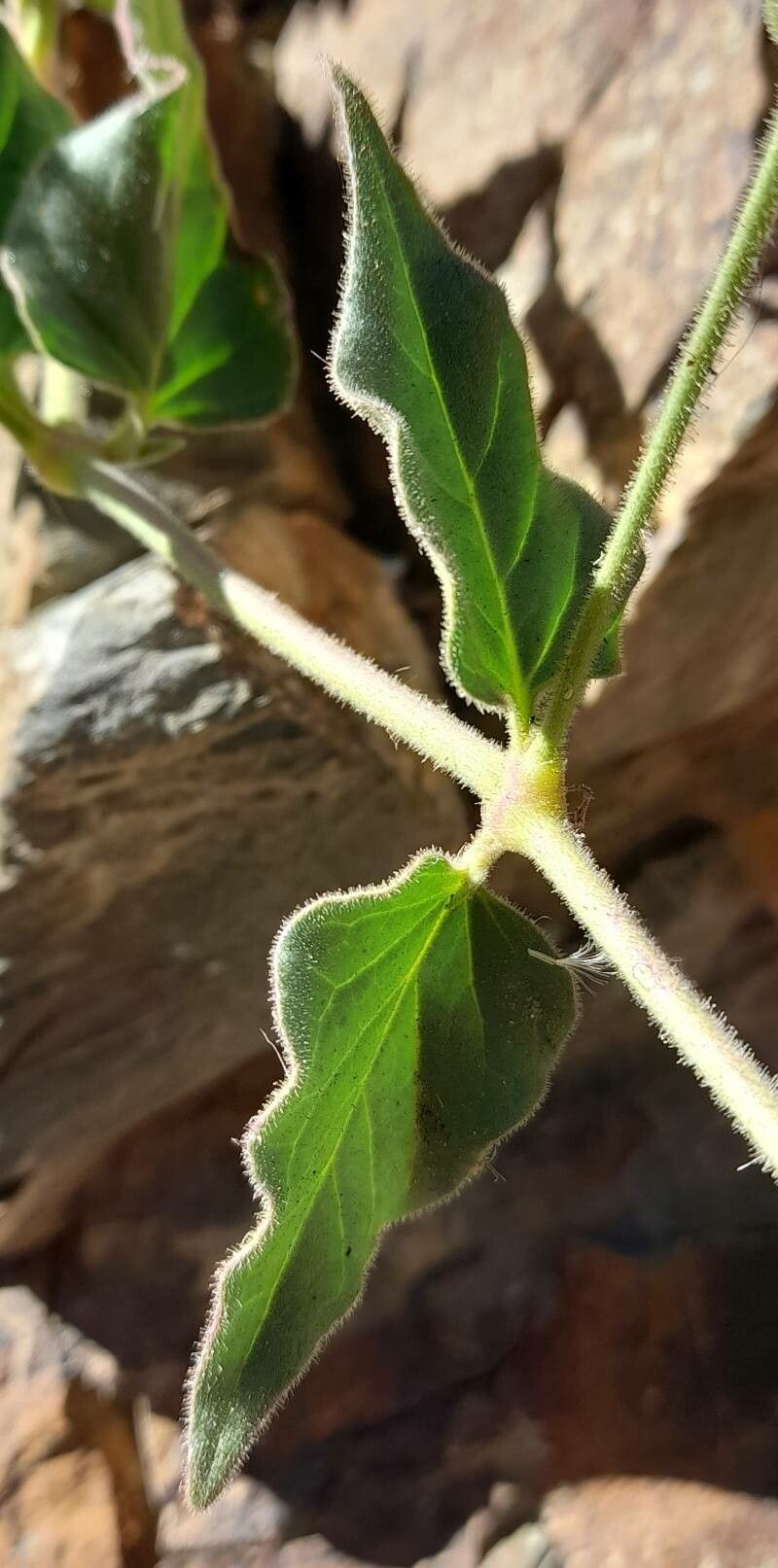
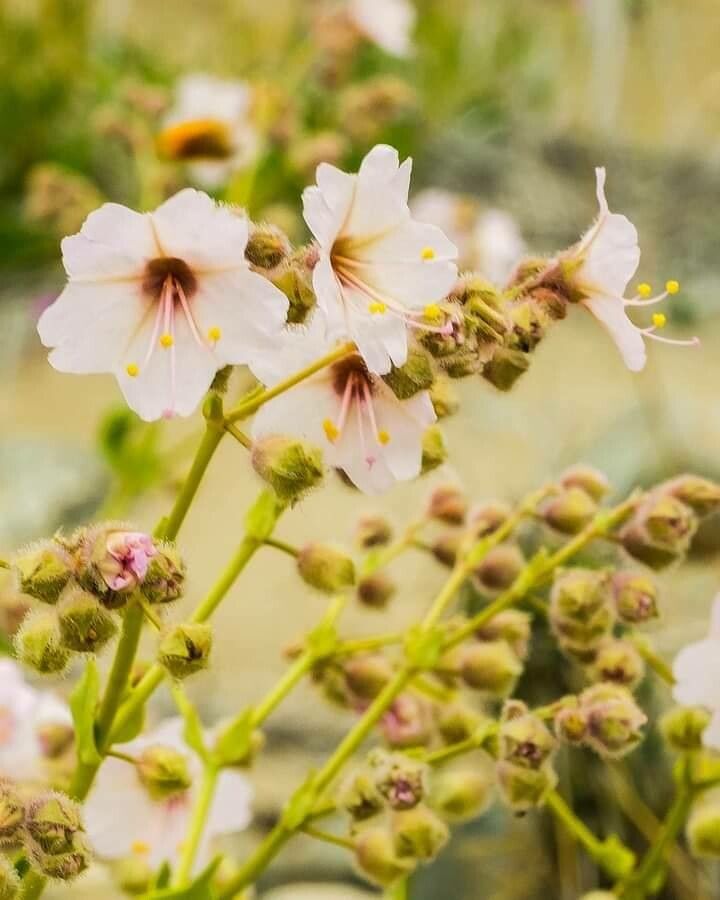
Mirabilis linearis (common name narrowleaf four o'clock) is a plant. Among the Zuni people, the root is eaten to induce urination and vomiting. They also take an infusion of the root for stomachache.
Narrowleaf four o'clock is fairly resistant to disease and typically not prone to illness. However, it can be affected by pests and diseases present in its environment. These outbreaks are usually mild. Regarding care, this plant requires moderate maintenance. It should be pruned regularly to maintain a tidy appearance and support healthy growth. Fertilizing can also help encourage flowering. Narrowleaf four o'clock is suitable for anyone with outdoor space, such as a garden or patio, and does not demand extensive care experience. It may need more attention if grown indoors.
How to keep Mirabilis Linearis.
Light
Narrowleaf four o'clock does best with plentiful sunlight, reflecting the bright habitats it comes from. As a result, abundant sun promotes its growth and health, although it can tolerate shade fairly well. Both excessive sun exposure and insufficient light can harm its wellbeing.
Water
The Narrowleaf Four O'Clock plant excels in arid conditions due to its excellent drought tolerance. It thrives best with weekly watering in environments with low humidity. Ideally grown outdoors, this plant flourishes in well-draining soil, which helps prevent root water accumulation during the growing season.
Temperature
Narrowleaf four o'clock comes from habitats where temperatures range from 41 to 89.6 °F (5 to 32 ℃). It grows best within that temperature range. Adjusting for seasonal temperature variations may be necessary to keep the plant healthy.
Fertilizer
The best time to fertilize a Narrowleaf four o'clock is in early spring, when it is coming out of dormancy and starting active growth. Fertilizer supplies essential nutrients for healthy development. While Narrowleaf four o'clock has fairly low feeding requirements, fertilizing once a year can boost its survival and encourage better, longer-lasting blooms.
Pruning
To promote health and blooming in Narrowleaf Four O'Clock plants, prune them from early to late spring. Remove dead stems to prevent legginess and encourage bushier growth. Always use clean, sharp tools, and avoid heavy pruning during extreme weather to minimize stress on the plant.
Botanical profile.
- Plant Type
- Herb, Shrub
- Life Cycle
- Perennial
- Genus
- Mirabilis
- Family
- Nyctaginaceae
- Hardiness Zone
- 4-8
- Mature Height
- 91 cm
- Mature Spread
- 30 cm to 46 cm
- Leaf Color
- Green
- Leaf Type
- Deciduous
- Flower Color
- White, Purple
- Flower Size
- 1.78 cm
- Bloom Time
- Summer, Early fall
- Planting Time
- Spring, Summer, Autumn
- Harvest Time
- Late summer, Fall
- Native Area
- Mexico
Other names.
Reader questions.
What are the sunlight requirements for Narrowleaf four o'clock?
Narrowleaf four o'clock thrives when exposed to generous amounts of sunlight, reminiscent of its sunny native environments. To flourish, it requires more than 6 hours of direct sunlight daily, referred to as full sun, but it also tolerates partial sun, which is about 3-6 hours of sunlight. Although the plant can manage in shade, its growth and health are optimal under abundant sunlight. Be mindful of the light and shade in your garden to create an environment that ensures your plants' happiness.
What is the optimal temperature range for Narrowleaf four o'clock?
Narrowleaf four o'clock, known botanically as Mirabilis linearis, thrives best in environments with temperatures ranging from 41 to 89.6 °F (5 to 32 °C). To keep the plant healthy, it may be necessary to make seasonal temperature adjustments. While the plant has strong cold resistance, meaning special frost protection measures aren't usually required, additional protection is advised if winter temperatures are expected to drop below -30°C (-22°F). This can involve covering the plant with soil or straw and ensuring the soil is moist before the first freeze of autumn to prevent drought and water scarcity during winter and early spring.
How does inadequate or excessive sunlight exposure affect Narrowleaf four o'clock?
Lack of sufficient sunlight leads to several issues for Narrowleaf four o'clock plants, including smaller new leaves, leggy or sparse growth, faster leaf drop, slower or halted growth, leaves with lighter color or chlorosis, and symptoms like sunscald, leaf curling, wilting, and leaf scorching due to excessive sunlight exposure. These conditions indicate either insufficient or excessive sunlight, affecting the plant's ability to thrive and maintain its health.
How should Narrowleaf four o'clock be cared for in low temperatures?
Narrowleaf four o'clock is cold-tolerant and should ideally be kept in temperatures above 5°C (41°F). During winter, it should not be exposed to temperatures lower than -25°C (-13°F). Temperatures falling below -30°C (-22°F) may not show immediate harmful effects, but could result in a decreased sprouting rate or complete lack of sprouting by springtime. To combat this, any non-sprouting parts should be removed in spring to maintain the plant's health and encourage new growth.
What artificial lighting requirements do indoor Narrowleaf four o'clock plants have?
Indoor Narrowleaf four o'clock plants require adequate lighting to replicate the conditions they'd experience outdoors, especially when natural sunlight is insufficient. LED lights are recommended for their ability to simulate specific wavelengths needed for plant growth. Full sun plants need 30-50W/sq ft, partial sun plants require 20-30W/sq ft, and full shade plants should have 10-20W/sq ft of artificial light. Position the light source 12-36 inches above the plant, ensuring it receives 8-12 hours of light daily to mimic natural daylight hours.
How does high temperature affect Narrowleaf four o'clock and what can be done?
During the summer, it's important to ensure Narrowleaf four o'clock is not exposed to temperatures above 32°C (89.6°F). Exceeding this threshold to temperatures above 35°C (95°F) can lead to the plant's leaves becoming lighter in color, more prone to curling, susceptible to sunburn, and in severe cases, the plant may wilt and dry up entirely. To mitigate these risks, remove any sunburned and dried parts, relocate the plant to a shaded area or make use of a shade cloth to protect it from midday and afternoon sun. Additionally, watering the plant in the morning and evening will help keep the soil adequately moist.
What solutions are available for Narrowleaf four o'clock that aren't getting enough sunlight?
For indoor Narrowleaf four o'clock plants not receiving adequate sunlight, you can gradually move them to sunnier spots, aiming for at least 6 hours of direct sunlight daily. Use south-facing windows and keep the area well-lit during the day. If moving the plant isn't feasible, consider using artificial lighting like desk lamps or grow lights for at least 8 hours a day. Outdoors, you should also move your plants gradually to sunnier locations to prevent sunburn. Remember, parts of the plant already damaged by insufficient light might not recover, but new growth should be healthy once the light conditions are improved. Additionally, reducing obstructions like pruning trees or transplanting to sunnier spots can help increase sunlight exposure.