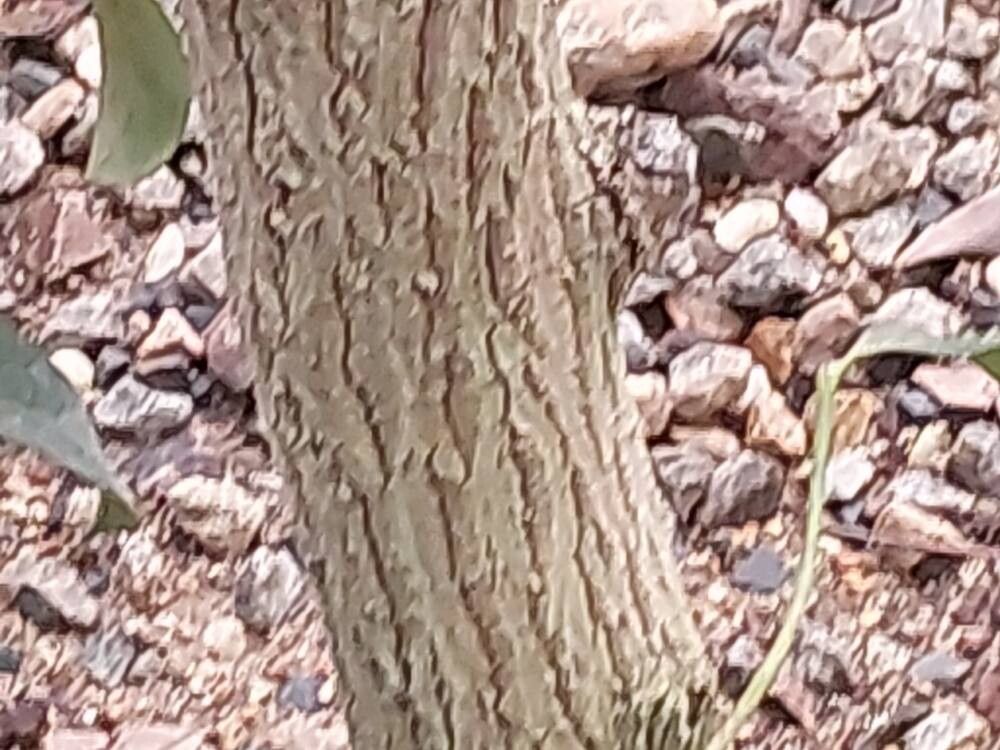
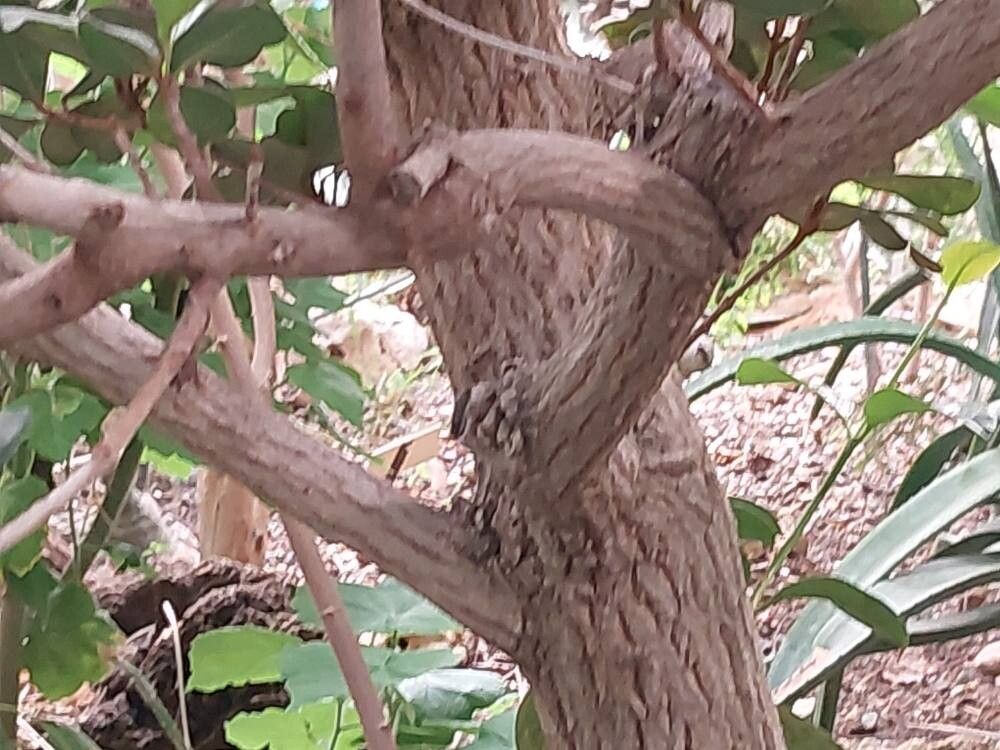
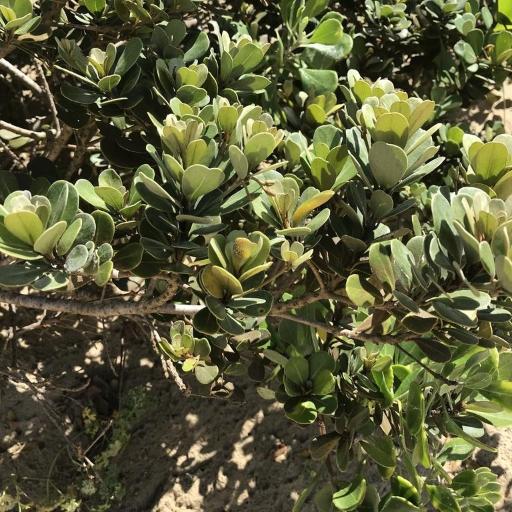
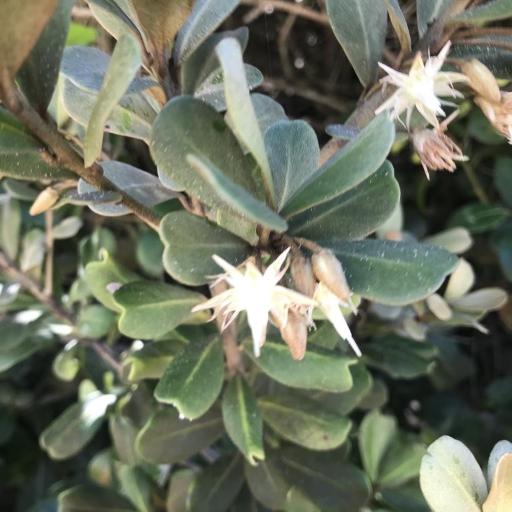
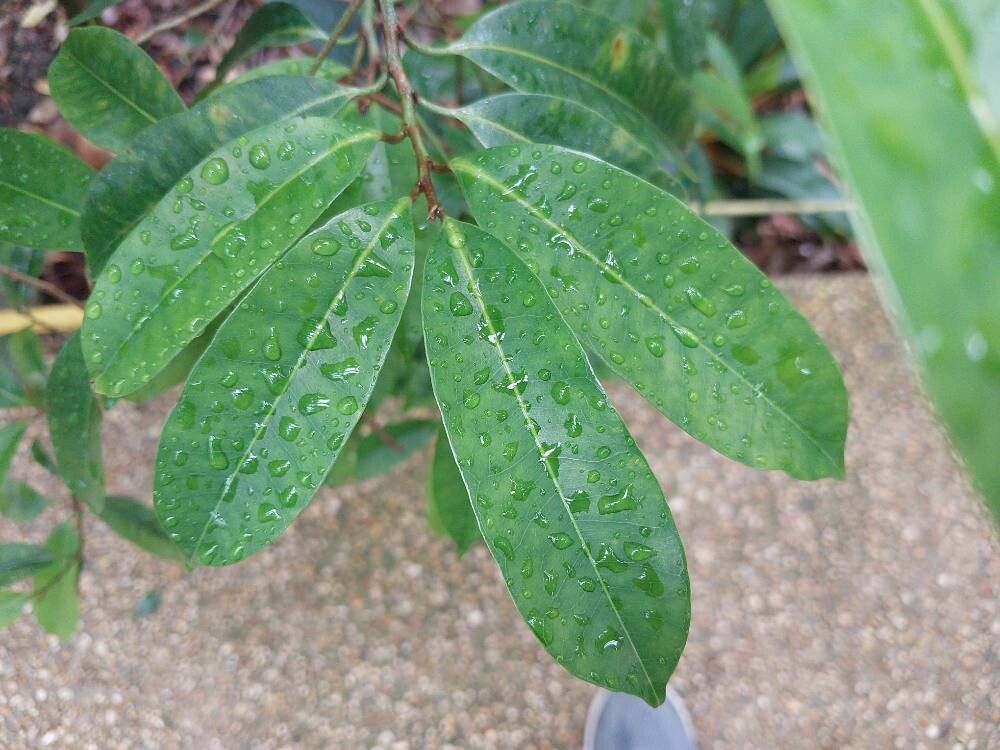
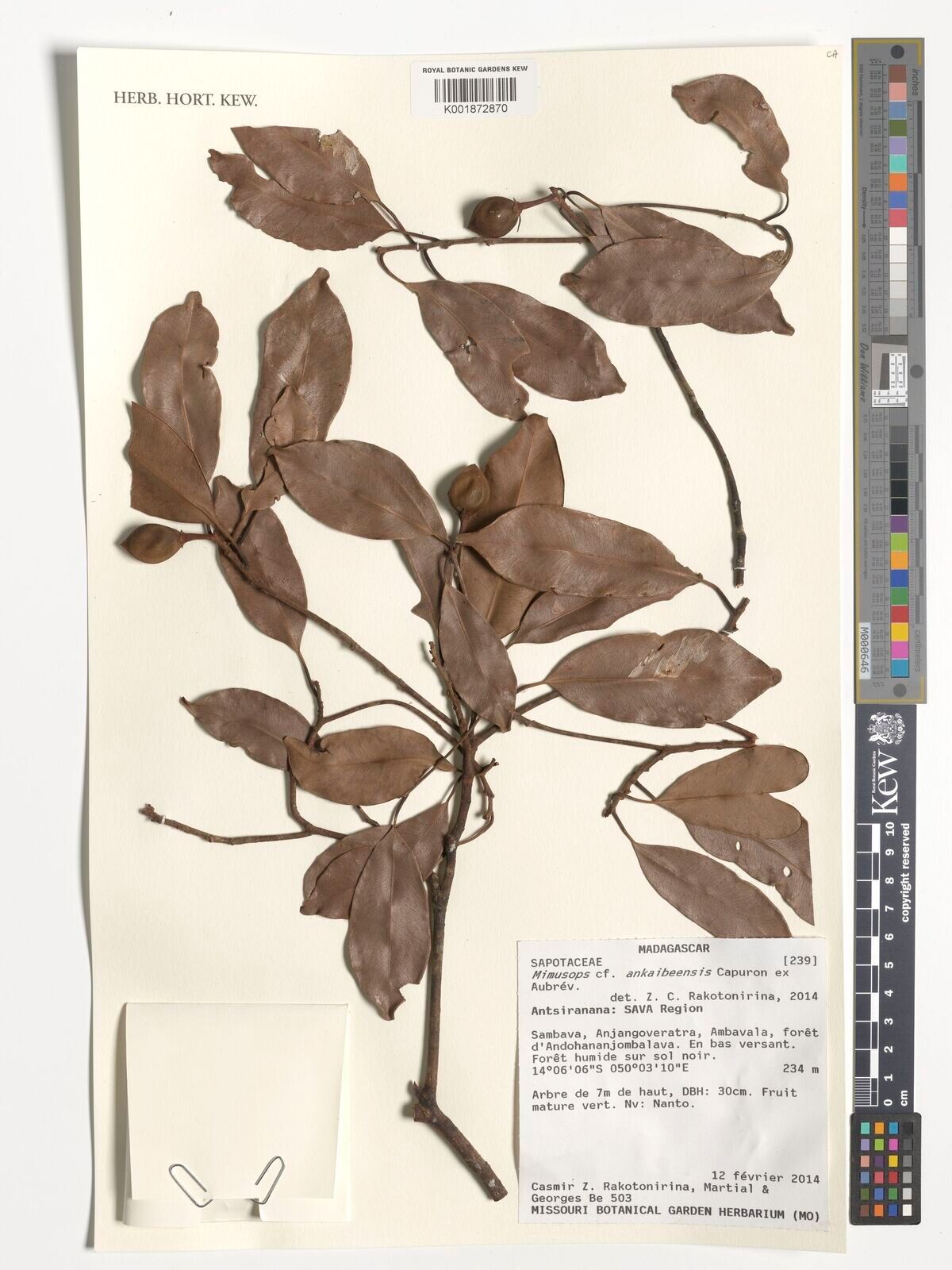
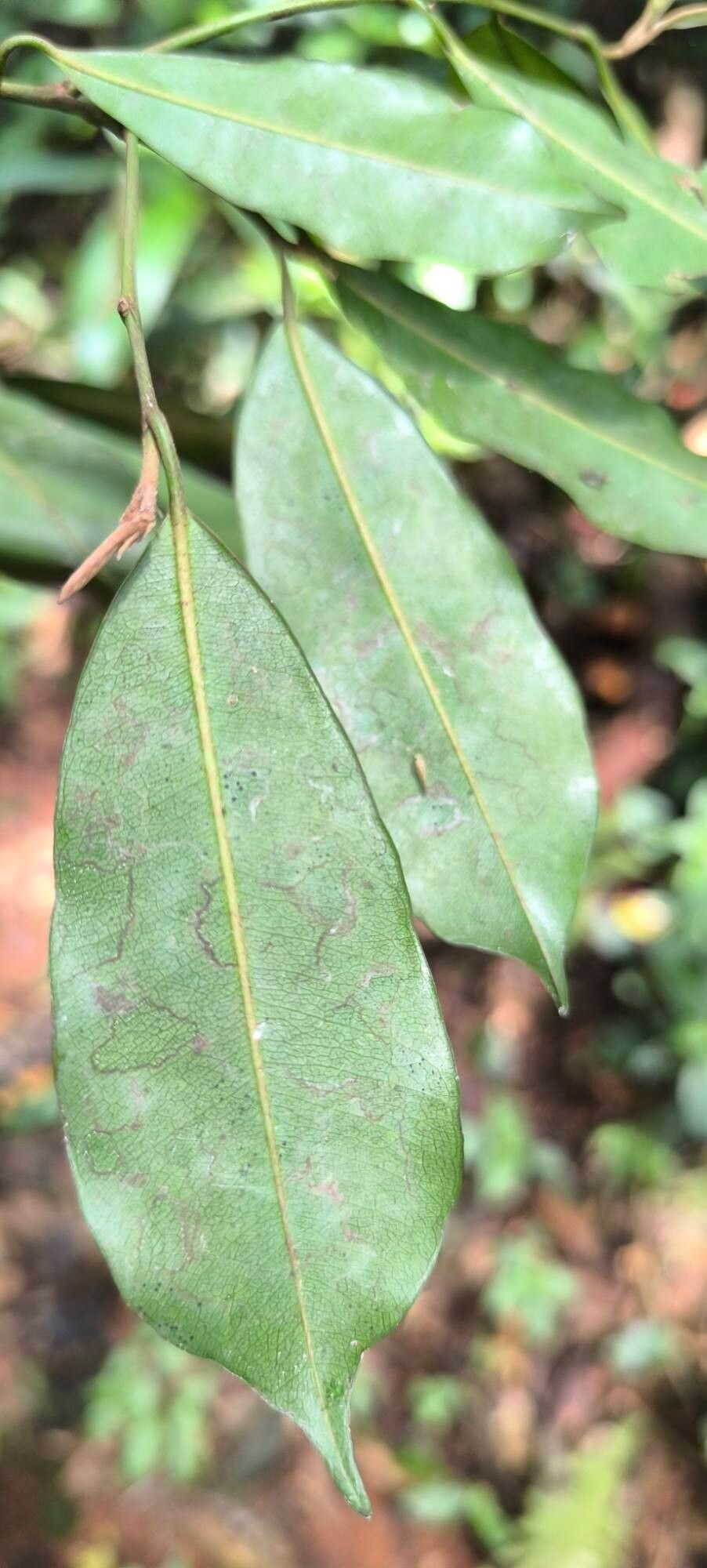
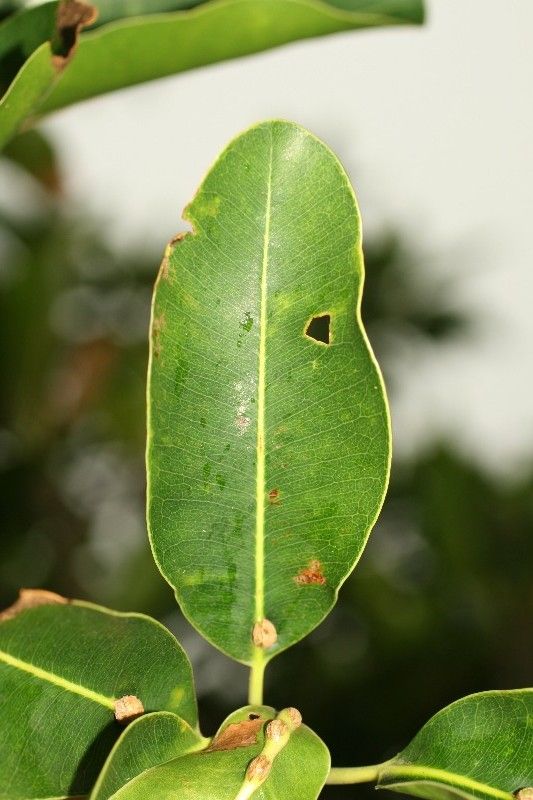
Mimusops caffra (coastal red milkwood, Afrikaans: Kusrooimelkhout, Xhosa: Umthunzi, Sepedi: Mmupudu, Zulu: Umkhakhayi) is a species of tree in family Sapotaceae. This tree is found in coastal dune vegetation in Southern Africa from the Eastern Cape, through KwaZulu-Natal to southern Mozambique.
Coastal red milkwood shows moderate resistance to disease but can be vulnerable to conditions like leaf spot. Its sensitivity to insect pests varies by variety, though most types are relatively less resistant to pests. Regarding care, Coastal red milkwood requires regular watering and fertilizing, along with frequent removal of yellowing leaves. Pests and diseases should be dealt with promptly when they appear, and the plant should be harvested in a timely way. Coastal red milkwood is suited to people who can spare time and energy for regular upkeep.
How to keep Mimusops Caffra.
Light
Coastal red milkwood is native to habitats with abundant sunlight, such as open fields and sunny meadows. It prefers full sun but can also tolerate partial sun.
Temperature
Coastal red milkwood prefers moderate temperatures — about the same range people usually find comfortable. It grows best in conditions that are neither very hot nor very cold. The main problem with high temperatures is sunburn, so giving it some shade in summer is recommended to avoid excessive heat. When temperatures fall, Coastal red milkwood becomes dormant. To maintain continuous growth, higher winter temperatures must be kept. Frost can injure the plant and should be avoided.
Fertilizer
To feed Coastal red milkwood, apply organic or commercial fertilizer high in nitrogen to promote leaf growth, phosphorus for root development and flowering, and potassium to support photosynthesis and maximize fruit production. Plant in spring, improve the soil with compost or manure, and begin fertilizing seedlings once they reach 2-4 inches in height. A shortage of macronutrients causes slow growth, wilting, and reduced fruit quality.
Pruning
Coastal red milkwood benefits from light pruning in early spring, which focuses on removing dead branches to encourage healthy growth. It's important to avoid heavy cuts to maintain the plant's natural shape. Pruning during the dormant season reduces stress and stimulates new growth. Regular maintenance helps improve air circulation and minimizes the risk of pests. Be sure to use clean tools to prevent the spread of disease.
Botanical profile.
- Plant Type
- Tree
- Life Cycle
- Perennial
- Genus
- Mimusops
- Family
- Sapotaceae
- Hardiness Zone
- 9-11
- Mature Height
- 4.88 m to 14.94 m
- Mature Spread
- 3.96 m to 7.92 m
- Leaf Color
- Dark Green
- Leaf Type
- Evergreen
- Flower Color
- White
- Flower Size
- 1.02 cm to 1.52 cm
- Bloom Time
- Summer
- Planting Time
- Autumn, Winter
- Harvest Time
- Late summer, Fall
- Native Area
- South Africa, Mozambique
Other names.