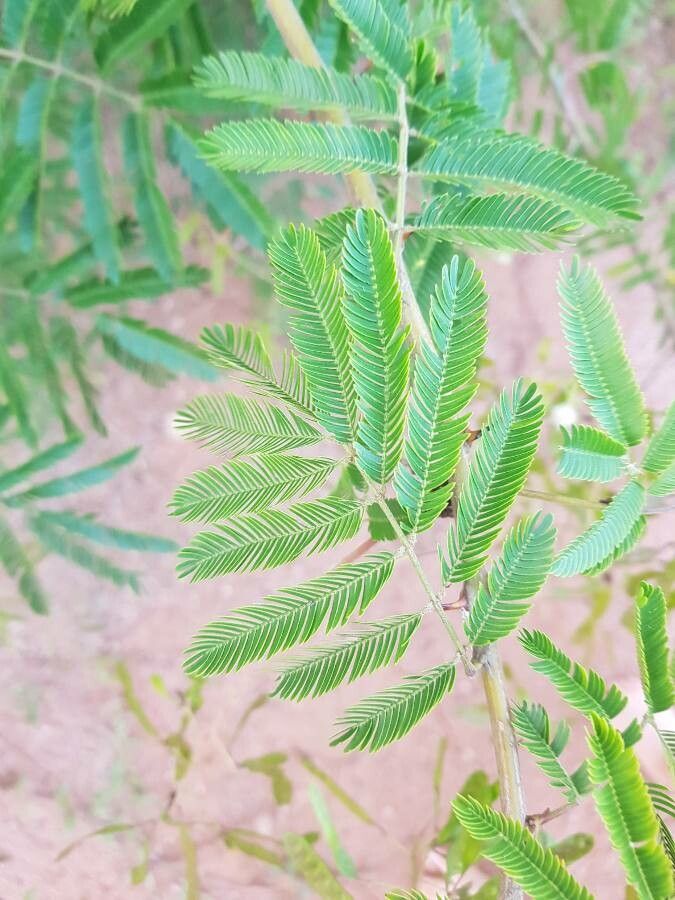
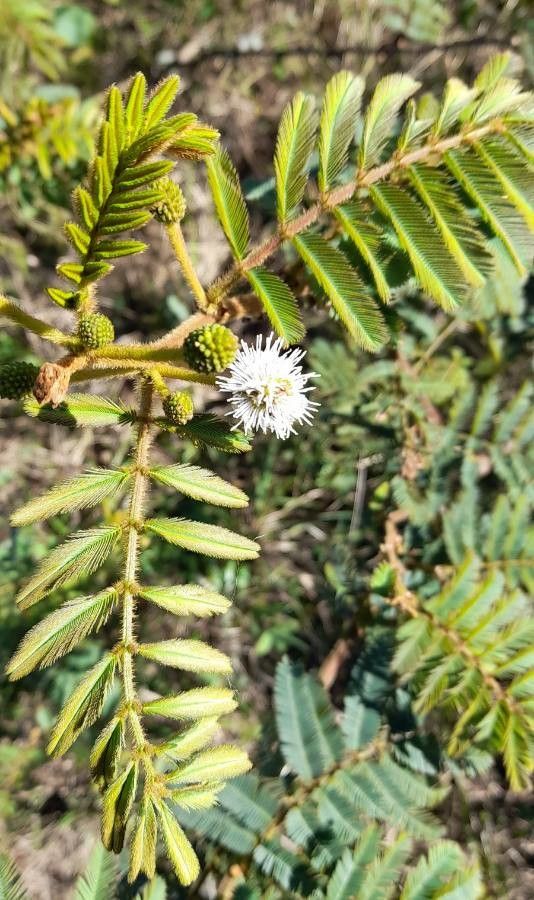
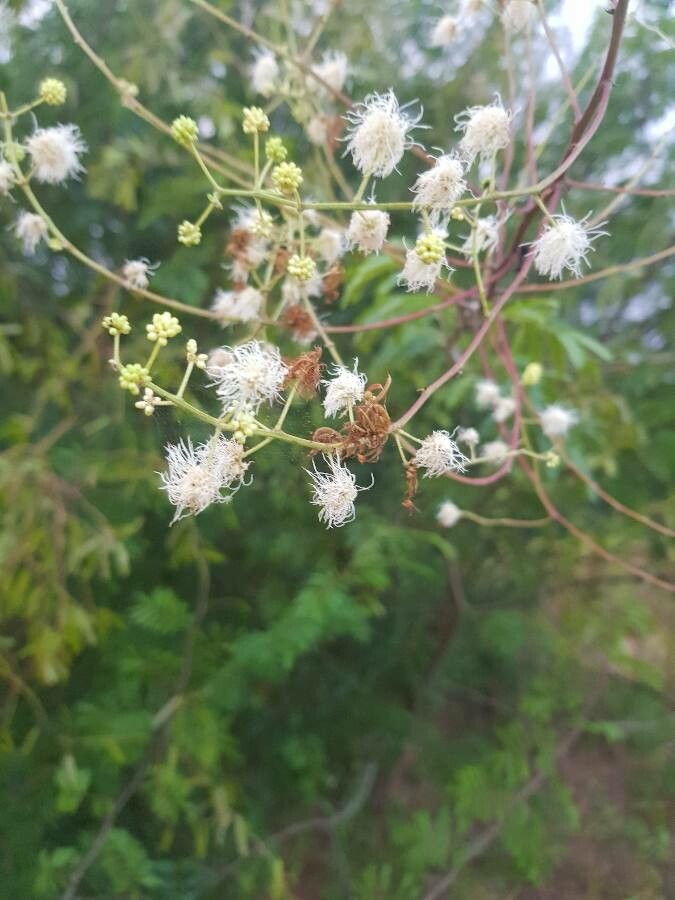
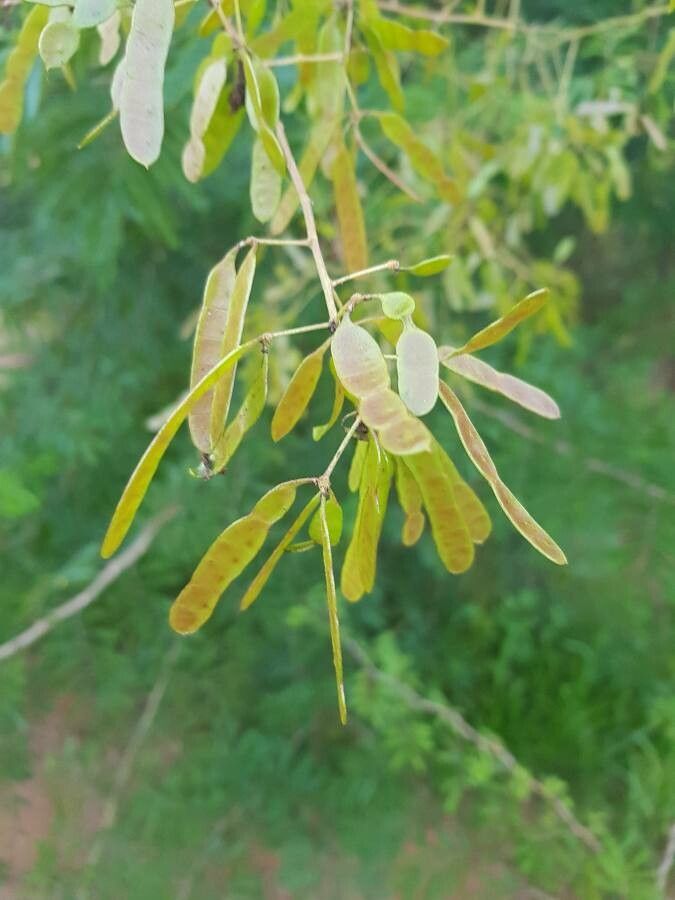
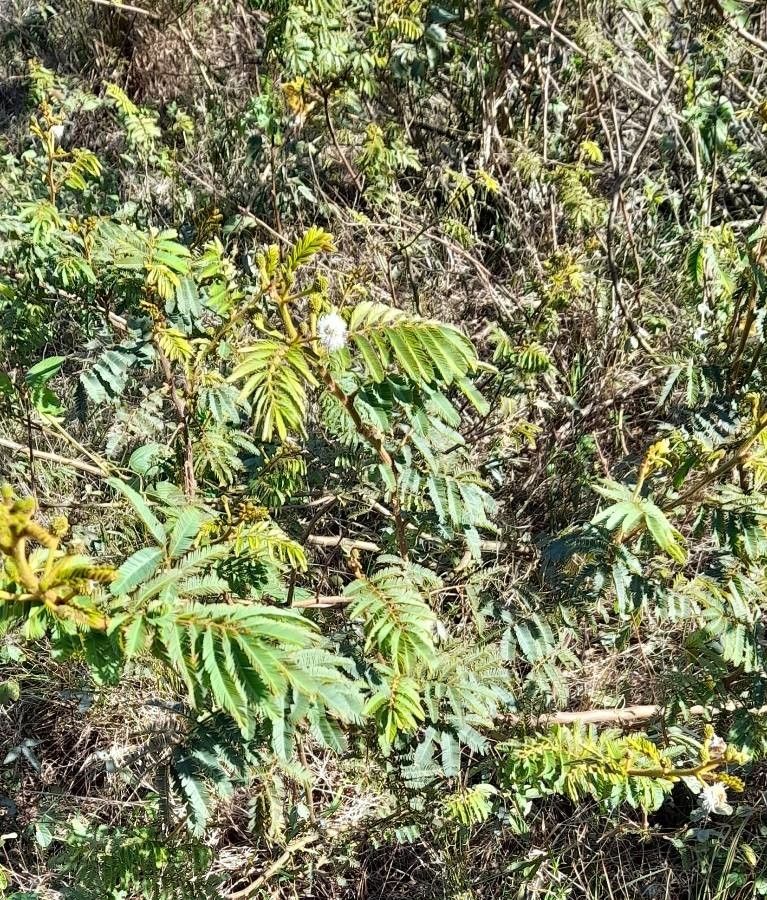
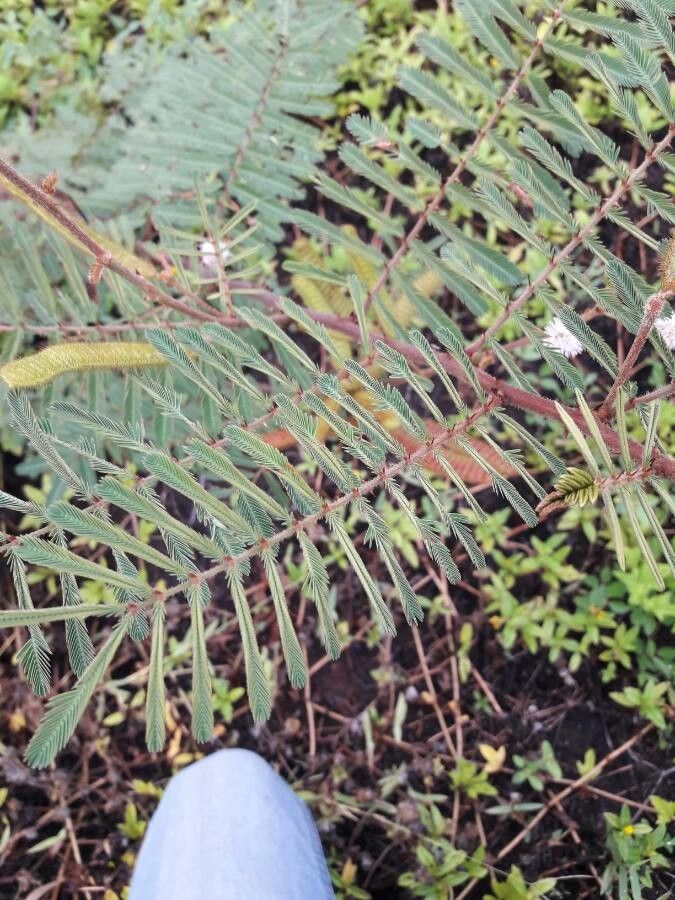
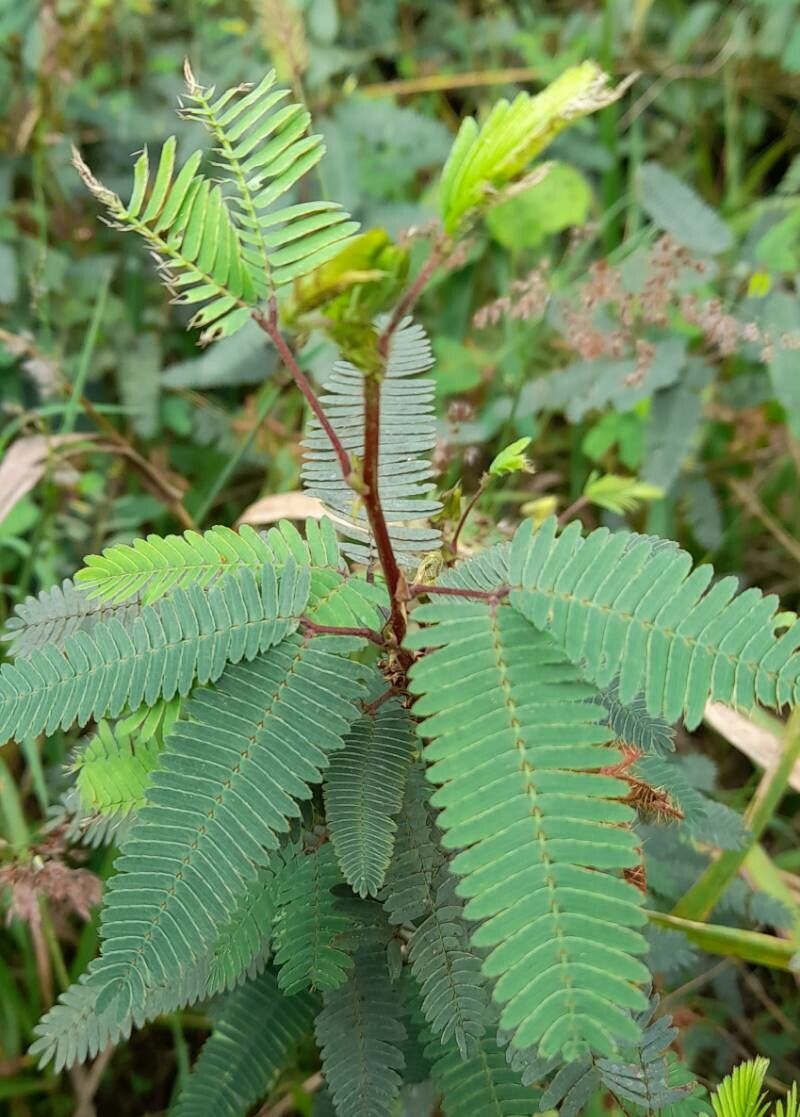
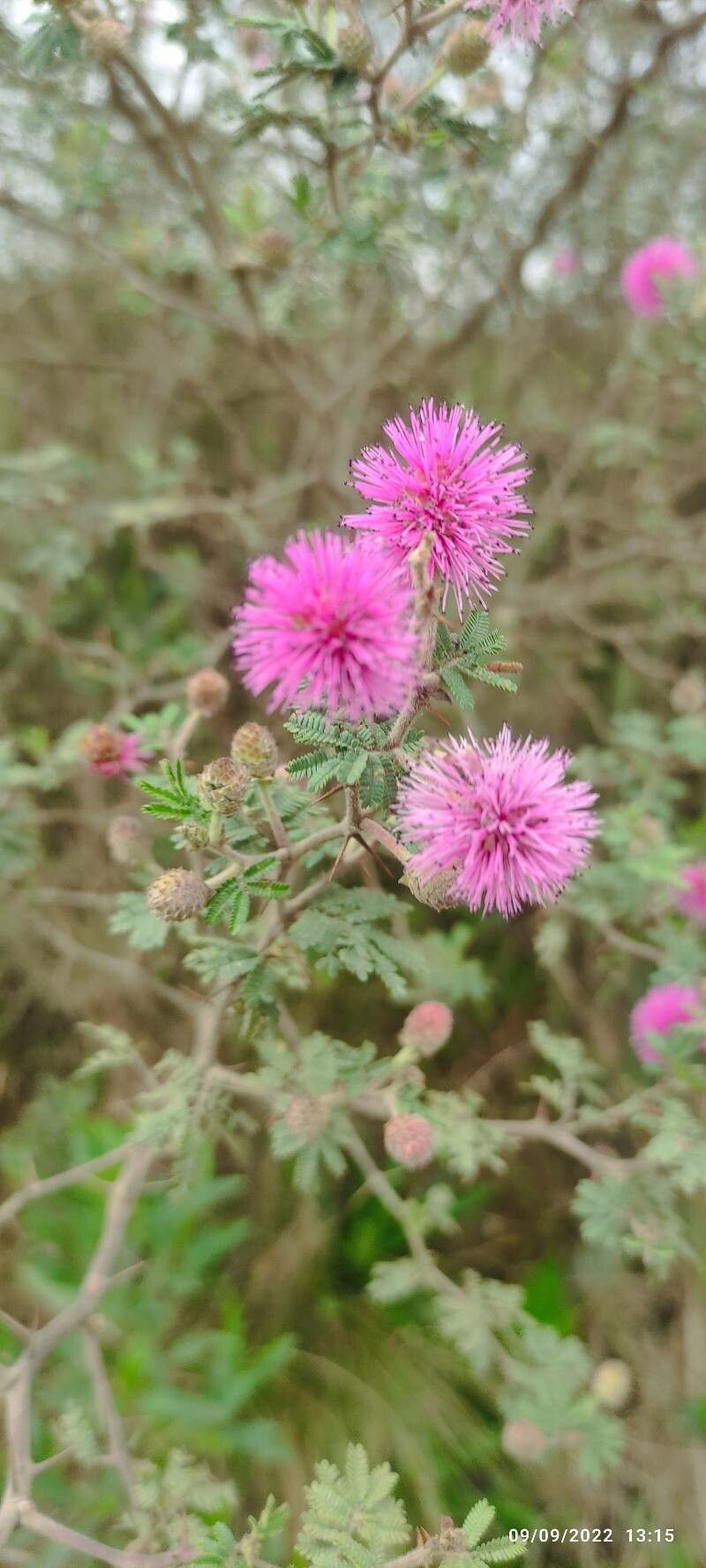
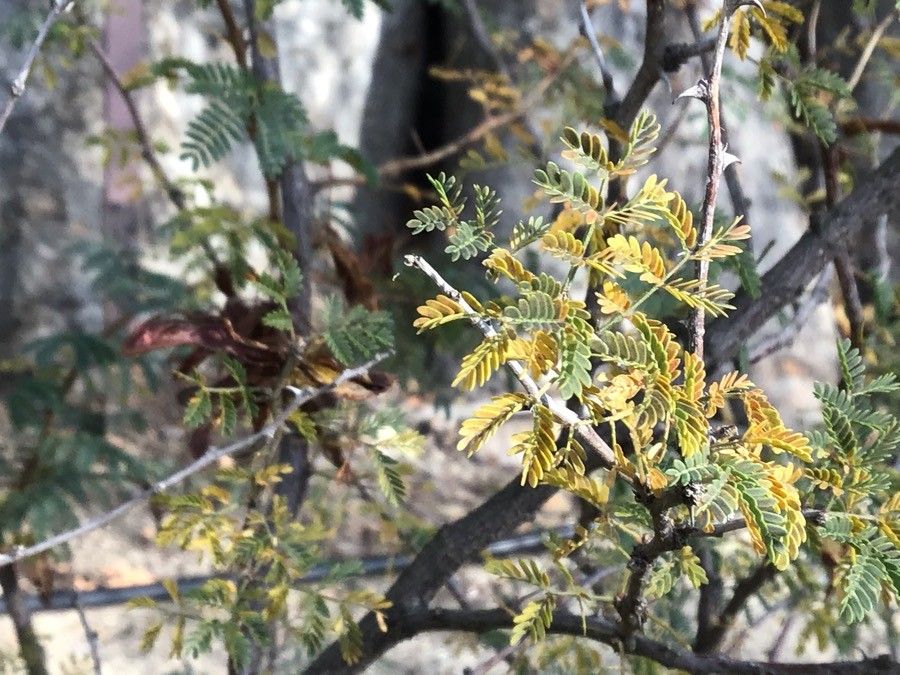
Brazil macca is resistant to diseases and usually does not develop them. As for care, this plant is fairly low-maintenance. When grown outdoors it needs only light watering, and larger plants typically do not require pruning. Smaller plants, though, should be trimmed after they have bloomed. Brazil maccat is appropriate for anyone with outdoor space, like a garden or deck, and does not need much gardening experience.
How to keep Mimosa Bimucronata.
Light
Brazil macca thrives with abundant sunlight. Strong light supports healthy, vigorous growth. Although it can tolerate lower light levels, maximum sun exposure produces the best growth. Native to bright environments, Brazil macca can be harmed by either too little or too much light.
Water
The Brazil macca plant thrives in conditions with moderate moisture and needs an even distribution of water, requiring hydration every 2 to 3 weeks. It has a low tolerance for drought and retains its foliage throughout the year, emphasizing its consistent need for moisture regardless of the season.
Temperature
Brazil macca comes from tropical areas where the climate is generally warm and humid. Consequently, it is well suited to high temperatures and humidity. It is sensitive to sudden temperature shifts and prefers a steady thermal environment, so avoiding indoor temperature fluctuations is important. It typically cannot tolerate cold and requires warmer conditions to grow. If the surrounding temperature falls too low, the plant may stop growing or even die.
Fertilizer
The best time to fertilize a Brazil macca is in early spring, when it is coming out of dormancy. This encourages overall growth and flower development. Fertilizing improves the foliage, stems, and branches, while encouraging flowers that are large, vibrant, and long-lasting. It also helps move nutrients from the roots to the flowers and enhances the plant’s health and resistance to disease.
Pruning
Brazil macca is a plant characterized by its delicate foliage and thorny branches. It thrives when properly pruned in early spring. Effective pruning techniques involve removing damaged branches, thinning out the plant, and shaping it for both aesthetic appeal and health. Regular pruning encourages growth, prevents disease, and helps control the size of the plant, making it a strong and healthy addition to any garden.
Botanical profile.
- Plant Type
- Shrub
- Life Cycle
- Perennial
- Genus
- Mimosa
- Family
- Fabaceae
- Hardiness Zone
- 9-11
- Mature Height
- 3.05 m to 6.1 m
- Mature Spread
- 3.05 m to 4.88 m
- Leaf Color
- Green, Blue
- Leaf Type
- Deciduous
- Flower Color
- Pink
- Flower Size
- 39.62 cm
- Bloom Time
- Summer, Early fall, Mid fall
- Planting Time
- Spring, Summer, Autumn
- Harvest Time
- Late summer, Fall, Early winter
- Native Area
- Brazil, Bolivia, Venezuela
Other names.
Reader questions.
What are the sunlight requirements for Brazil macca?
Brazil macca thrives best with ample exposure to sunlight. Full sun exposure, defined as above 6 hours of sunlight daily, aids in healthy plant growth. However, the plant is also capable of tolerating partial sun, which is about 3-6 hours of sunlight. To ensure the health of your Brazil macca, it's essential to observe the sunlight movement through your garden and position your plants in locations that offer a good balance of light and shade.
How does sunlight affect the growth of Brazil macca?
Sunlight plays a crucial role in the growth performance of Brazil macca. Originating from environments with substantial sunlight, the plant flourishes best under full sun conditions but can tolerate lesser light. However, inadequate or excessive light may lead to adverse effects, emphasizing the importance of optimal sun exposure for the plant's health. For indoor plants, artificial lighting can serve as an important solution when natural sunlight is insufficient, with specific guidelines regarding the type of light, its distance from the plant, and the duration of exposure.
What symptoms indicate that Brazil macca is receiving insufficient sunlight?
When Brazil macca is deprived of adequate sunlight, several symptoms may emerge, signaling the plant's struggle with suboptimal lighting conditions. These symptoms include smaller new leaves, leggy or sparse growth, faster leaf drop, slower or no new growth, lighter-colored new leaves, and specific conditions such as chlorosis, sunscald, leaf curling, wilting, and leaf scorching. These signs point to the plant's difficulty in maintaining healthy growth and photosynthesis due to insufficient sunlight.
How can I provide sufficient sunlight to my indoor and outdoor Brazil macca plants?
Ensuring that your Brazil macca receives enough sunlight involves strategic placement and possibly the use of artificial lighting. For indoor plants, gradually move them to sunnier locations, such as a south-facing window, each week until they receive at least 6 hours of direct sunlight daily. If natural light is inadequate, artificial grow lights can be used for at least 8 hours daily. For outdoor plants, it's crucial to gradually shift them to sunnier spots, avoiding abrupt changes to prevent sunburn. If sunlight is blocked by obstructions like trees, pruning may allow more light to reach the plants. For small plants, consider transplanting them to a sunnier location during their dormant period for better sun exposure and growth.