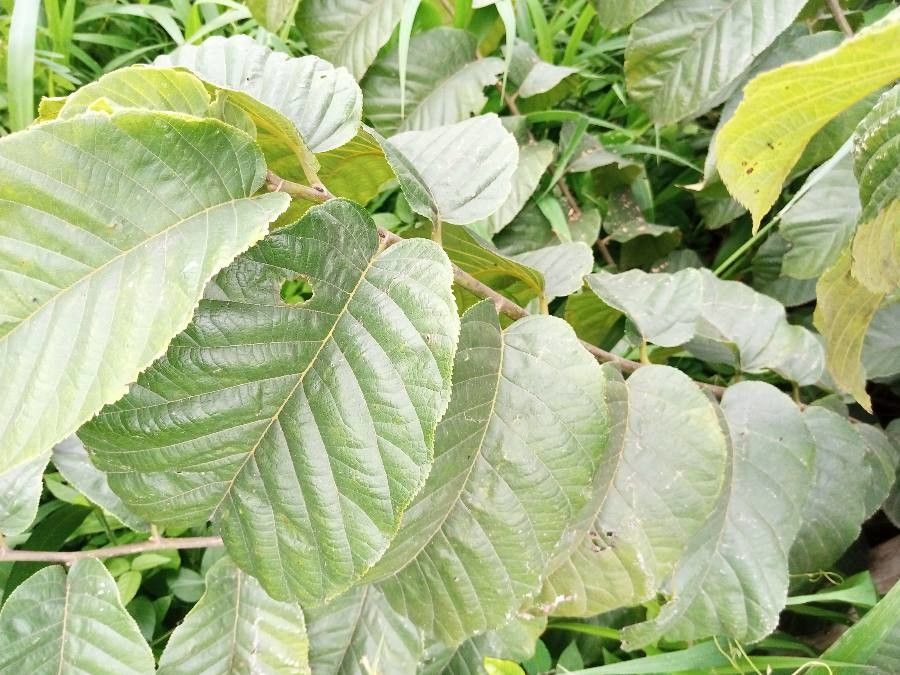
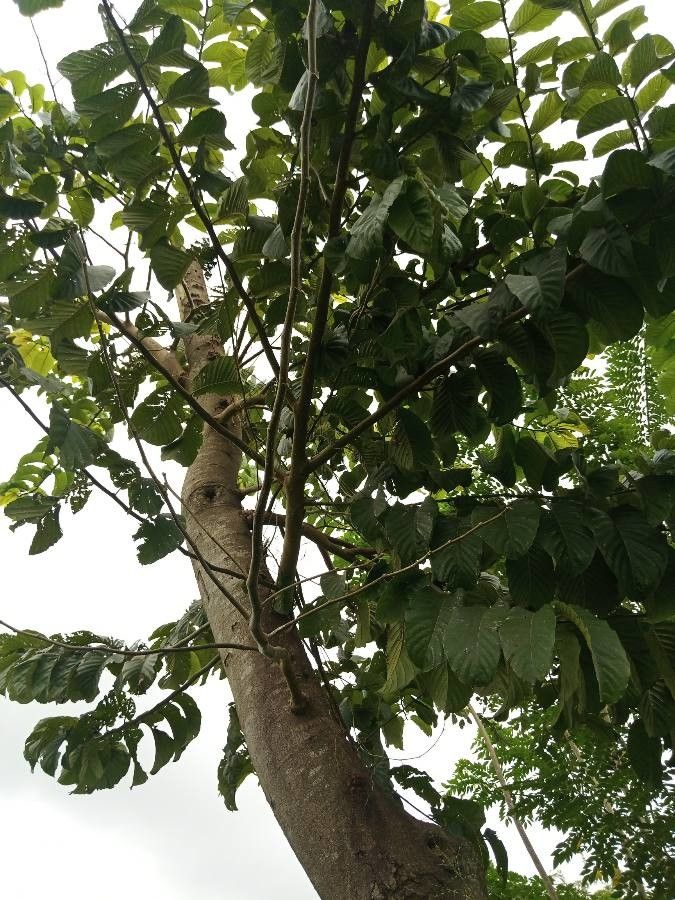
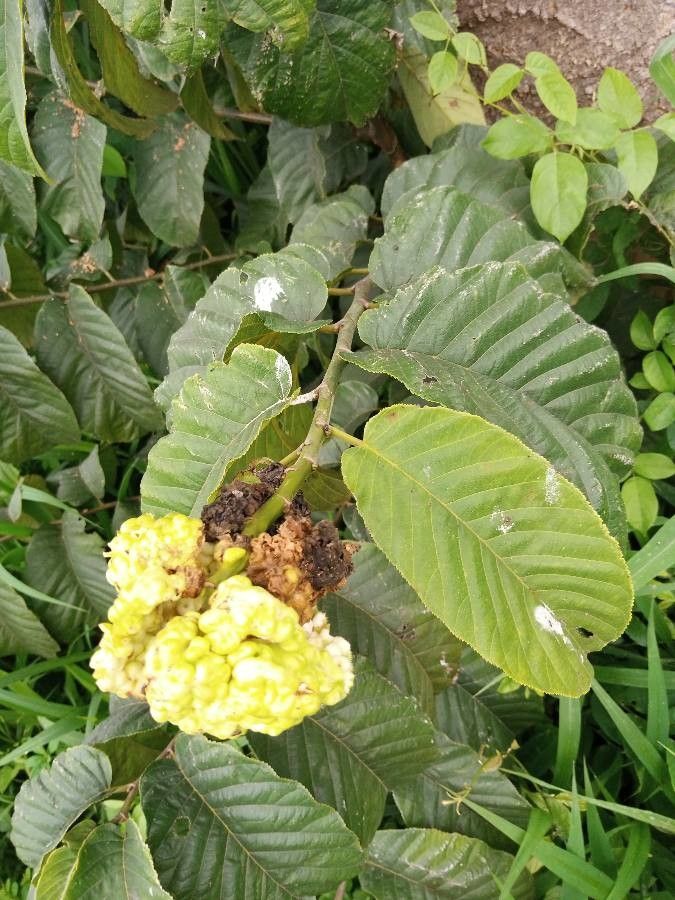
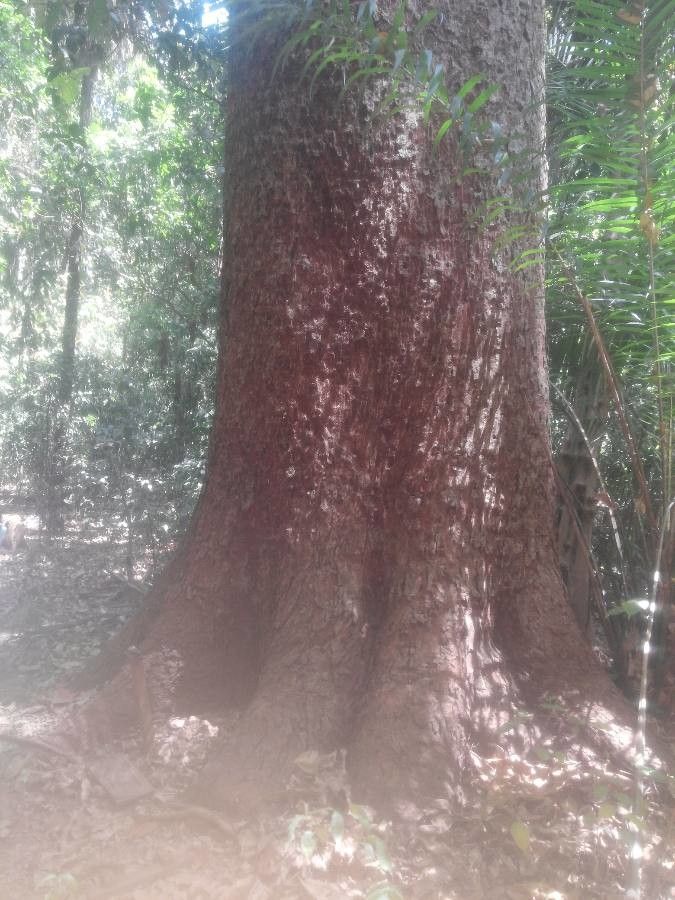
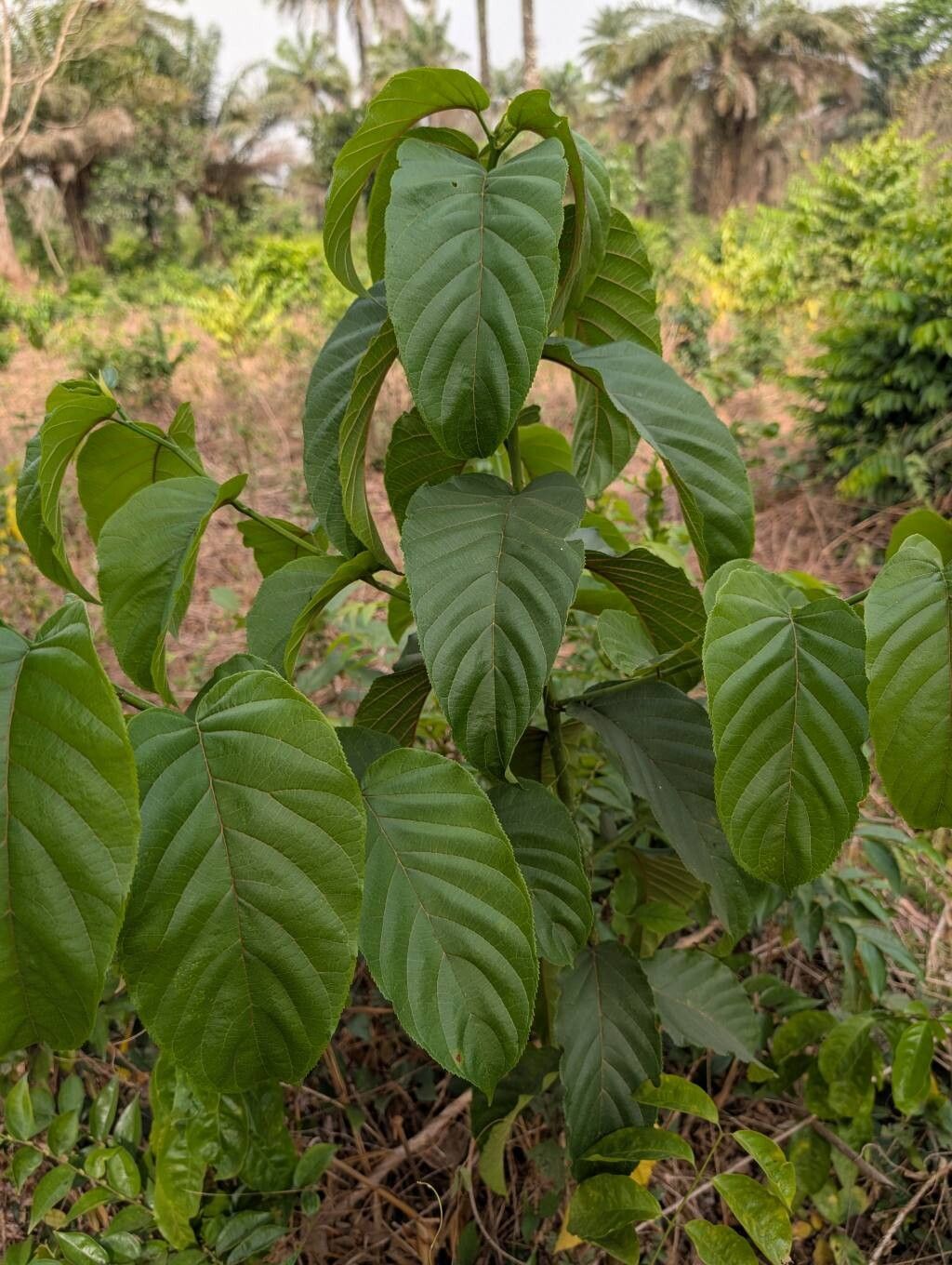
Milicia excelsa is a tree species from the genus Milicia of the family Moraceae. Distributed across tropical Central Africa, it is one of two species (the other being Milicia regia) yielding timber commonly known as African teak, iroko, intule, kambala, moreira, mvule, odum and tule.
The African oak is well resistant to disease and is typically not vulnerable to illnesses. Regarding care, this plant is fairly low maintenance. When grown outdoors it needs little watering, and larger plants usually do not require pruning. Smaller plants, however, should be pruned after they have bloomed. The African oak is suitable for anyone with an outdoor area, such as a garden or deck, and does not demand extensive care experience.
How to keep Milicia Excelsa.
Light
African oak is found in open habitats, such as sunny meadows and forest edges, where there is abundant light. It does best in Full Sun but can also withstand Partial Sun, adapting well to different light levels.
Temperature
African oak comes from tropical areas, where the weather is generally warm and humid. Consequently, it is well suited to high temperatures and moisture. It is sensitive to abrupt temperature changes and prefers a consistent thermal environment, so avoiding temperature swings indoors is important. It typically cannot tolerate cold conditions and needs higher temperatures to grow. If the ambient temperature drops too low, the plant may stop growing or even die.
Fertilizer
Fertilization is essential for caring for the African oak. Regular feeding during the growing season preserves the energy needed for its showy foliage and supports overall growth. Failing to fertilize can lead to unhealthy leaves, reduced ornamental value, and stunted or weak growth that is prone to breaking.
Pruning
The African oak is a large deciduous tree known for its sturdy trunk and wide canopy. To keep it healthy, prune it in early spring. This will help remove dead branches, encourage new growth, and improve light and air circulation. However, be careful not to over-prune, as this can stress the tree and affect its longevity and structural integrity.
Botanical profile.
- Plant Type
- Tree
- Life Cycle
- Perennial
- Genus
- Milicia
- Family
- Moraceae
- Hardiness Zone
- 10-12
- Mature Height
- 29.87 m to 39.93 m
- Mature Spread
- 14.94 m to 20.12 m
- Leaf Color
- Dark Green
- Leaf Type
- Deciduous
- Bloom Time
- Early spring, Mid spring
- Planting Time
- Spring, Summer
- Harvest Time
- Summer
- Native Area
- Burkina Faso, Malawi, Angola, Zambia, Sudan, Nigeria, Guinea, Gabon, Guinea-Bissau, Kenya, Uganda, Tanzania, Zimbabwe, Benin, Central African Republic, Sierra Leone, Equatorial Guinea, Cameroon, Mozambique, Togo, Ghana, Côte d'Ivoire, Ethiopia, Congo (DRC), Congo
Other names.