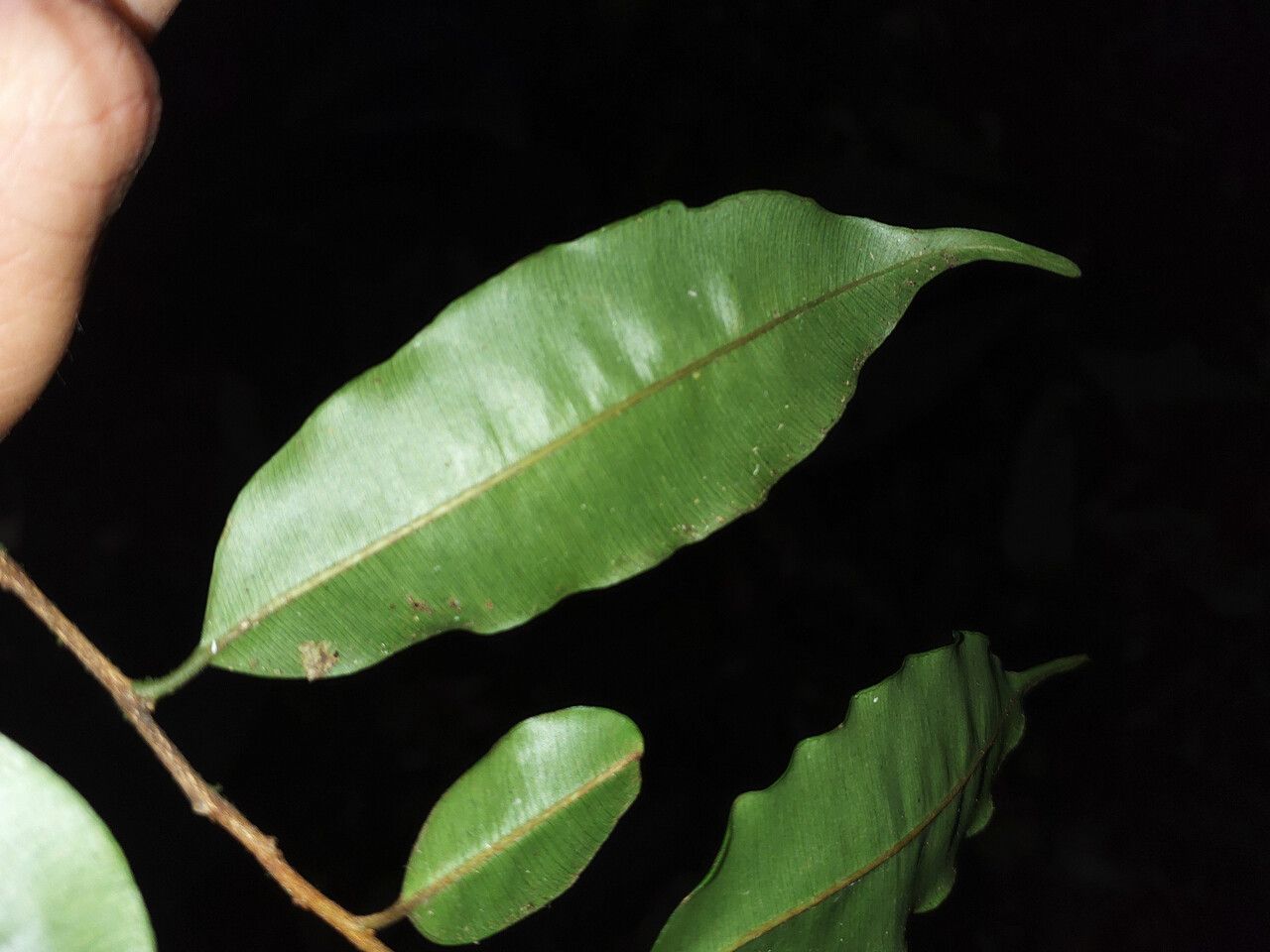
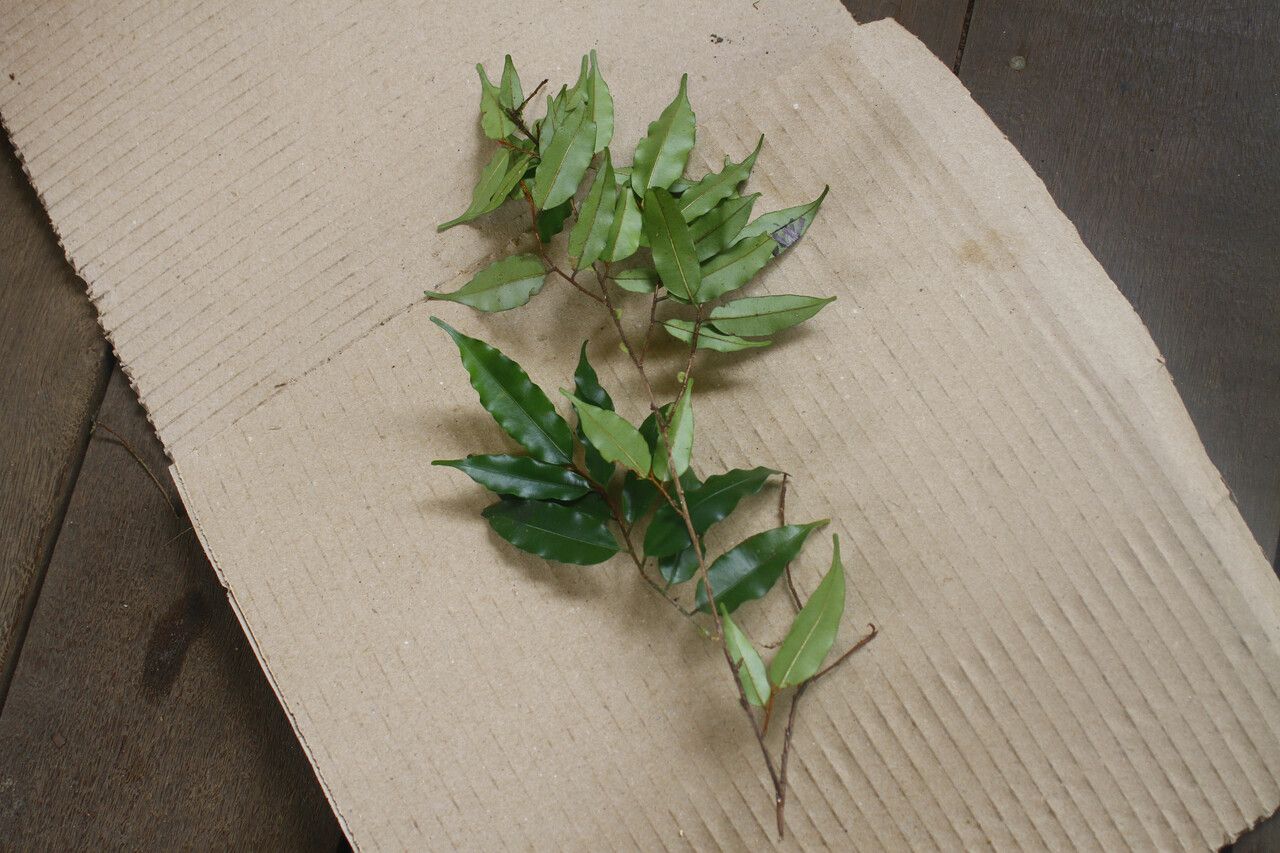
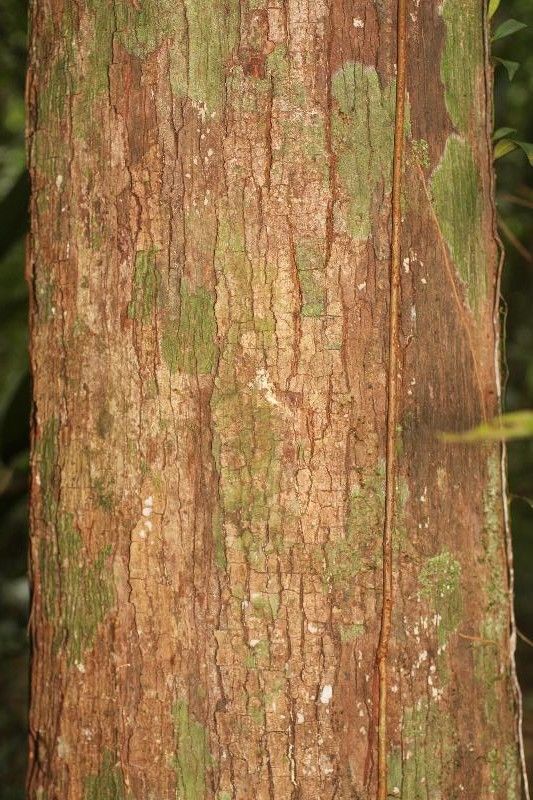
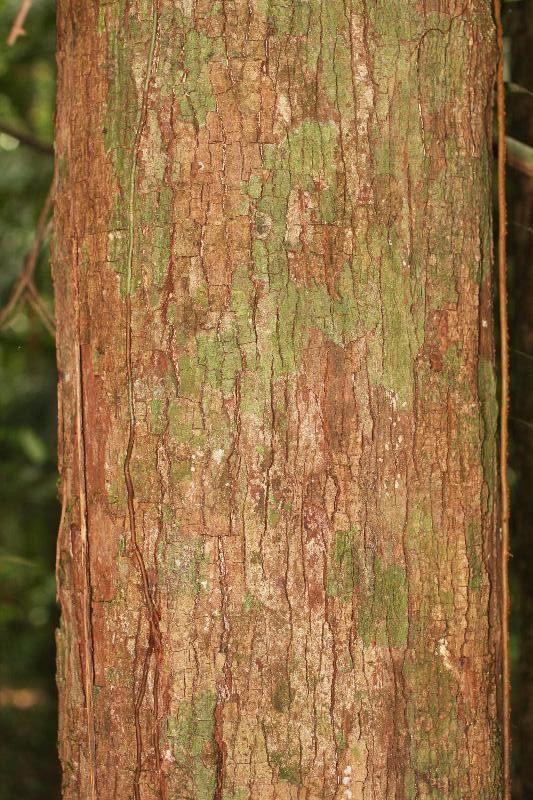
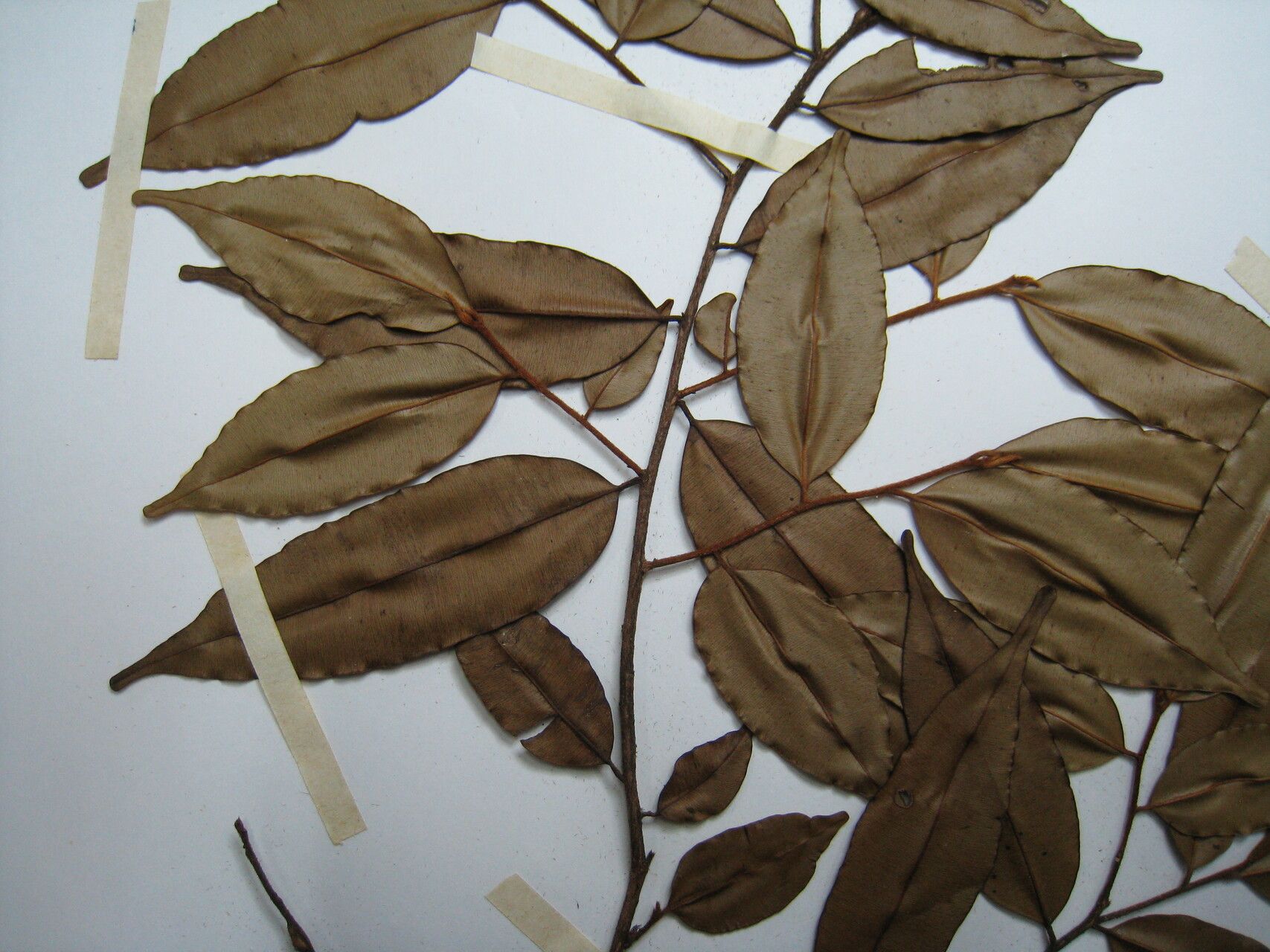
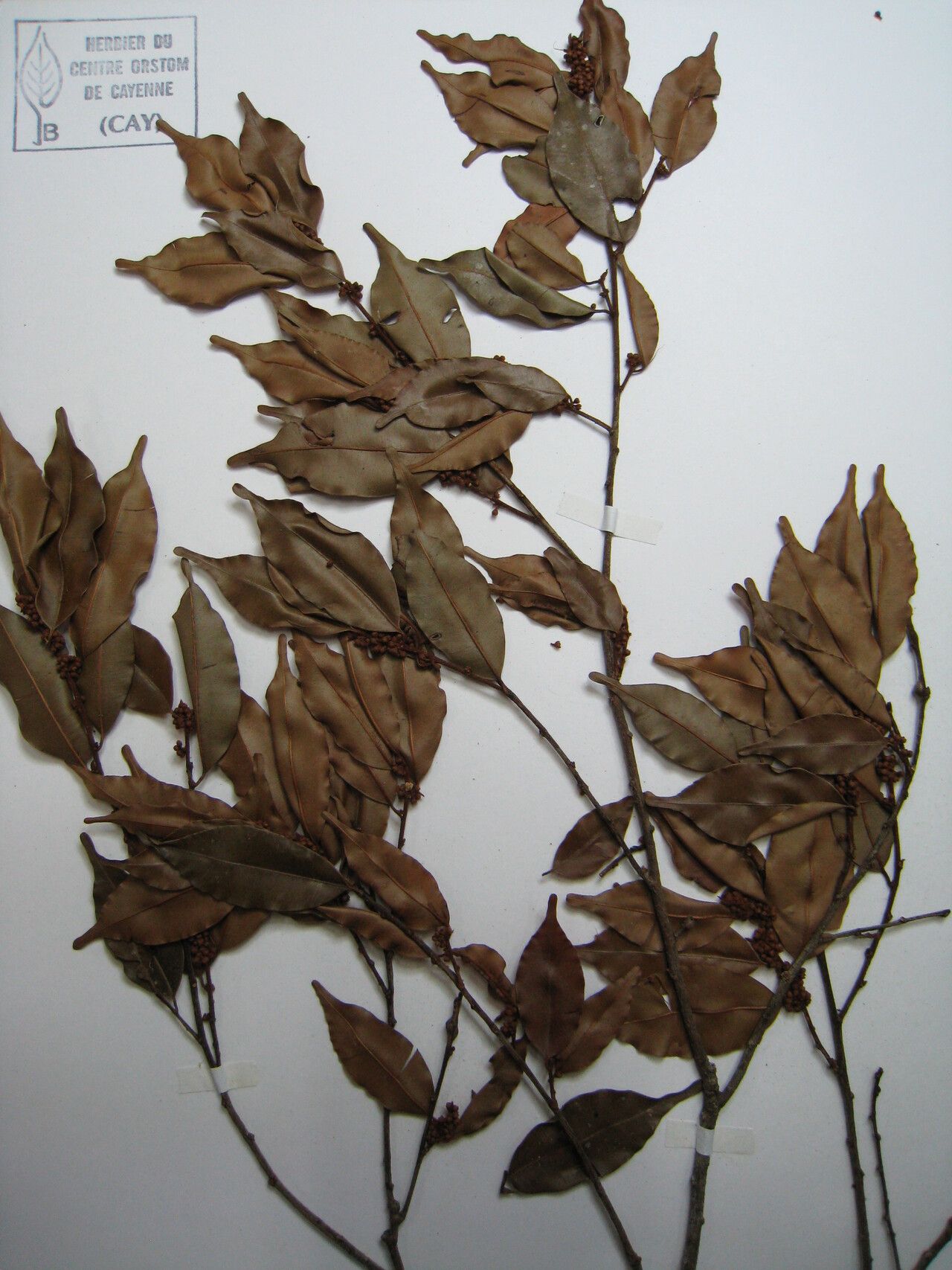
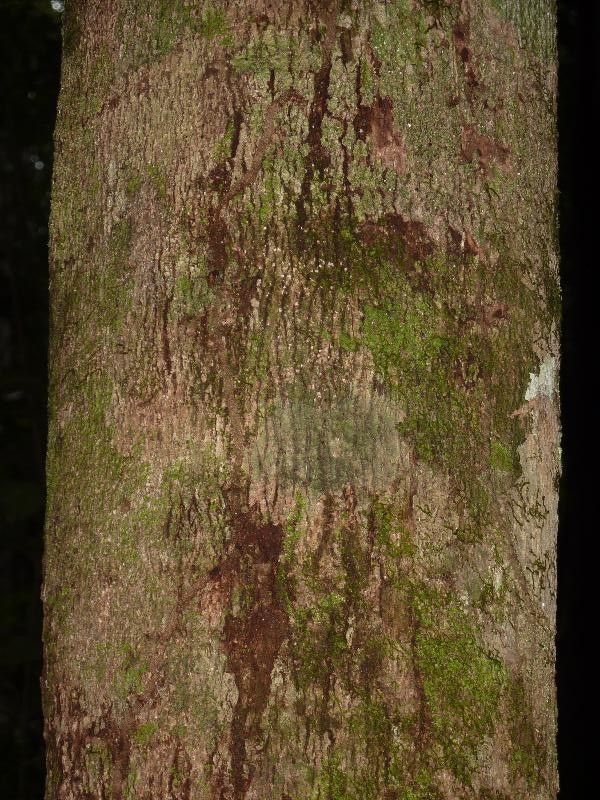
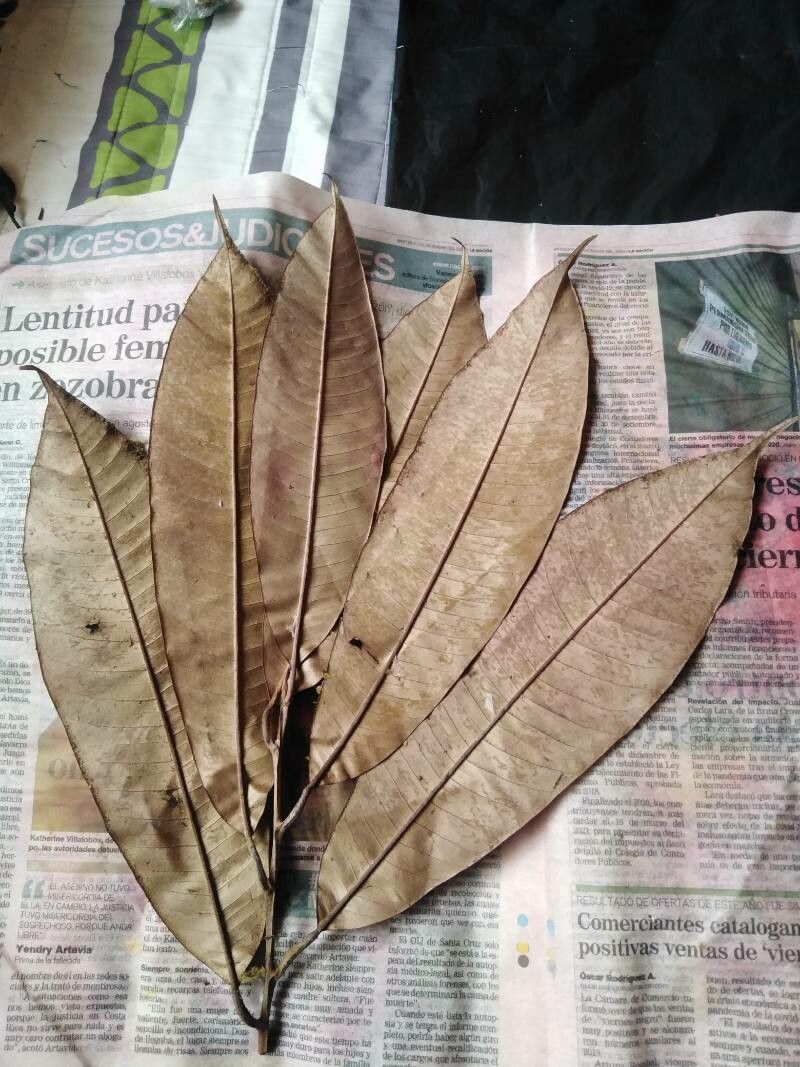
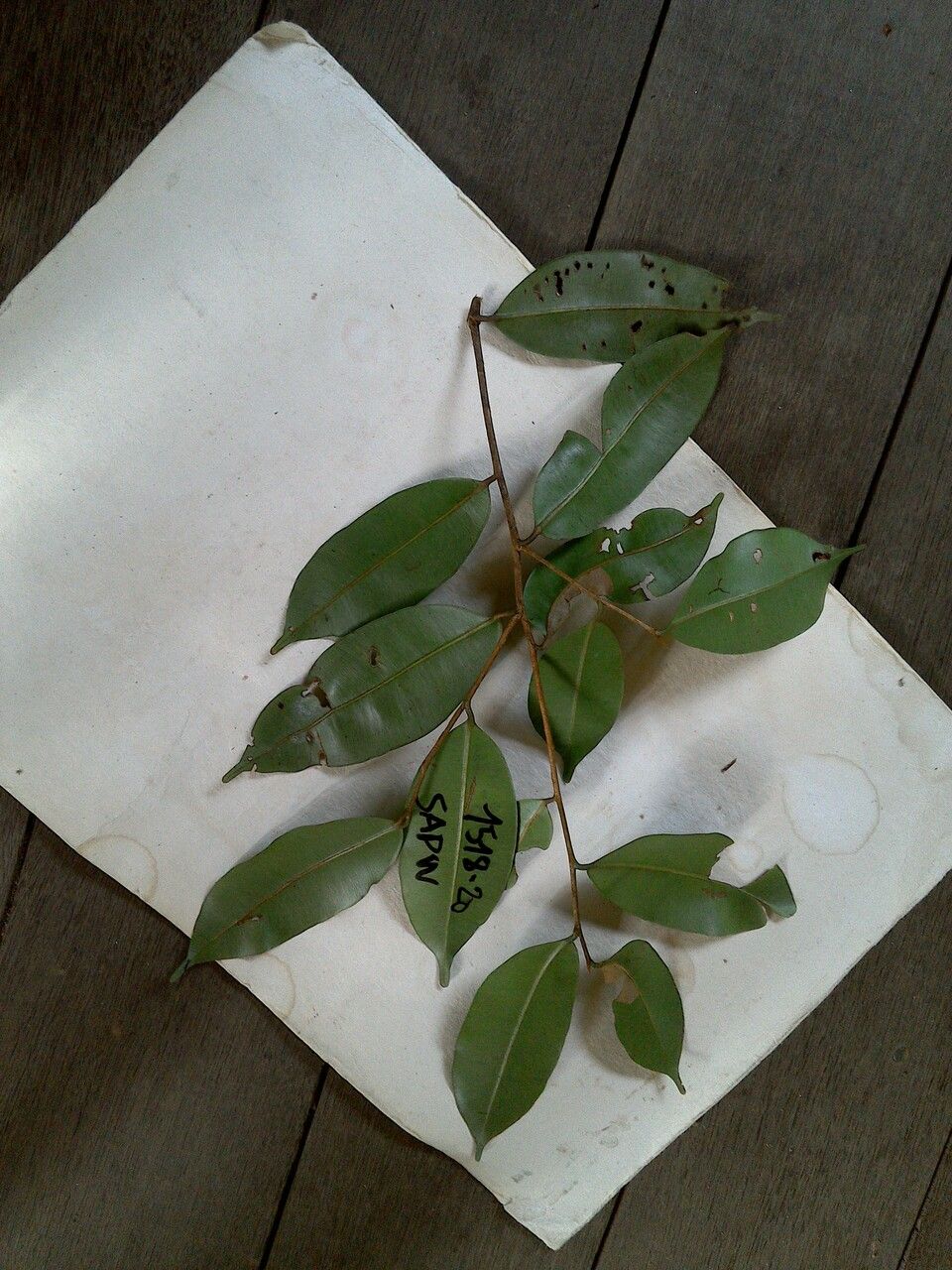
Micropholis venulosa shows good resistance to disease and is generally not likely to suffer from illnesses. With respect to care, this plant is fairly low-maintenance. When grown outdoors it needs only light watering, and larger plants typically do not need pruning. Smaller plants, however, should be pruned after they have finished blooming. Micropholis venulosat is appropriate for anyone who has an outdoor space, such as a garden or deck, and does not require extensive experience in plant care.
How to keep Micropholis Venulosa.
Light
Micropholis venulosa occurs naturally in habitats such as forest understories and rocky areas, where it is found in natural shade. It prefers partial sun but can tolerate both full sun and full shade, reflecting its hardy, adaptable nature.
Water
Micropholis venulosa thrives in environments with high humidity and consistent moisture, making it well-suited to tropical climates. While it can tolerate moderate drought, it typically requires watering every 2-3 weeks, allowing the soil to dry slightly between waterings. This plant does best in outdoor settings, especially in regions that experience seasonal rains alternating with dry periods.
Temperature
Micropholis venulosa comes from tropical areas, where the climate is generally warm and humid. As a result, it is well adapted to high temperatures and humidity. It does not tolerate sudden temperature changes and prefers a stable thermal environment, so it is important to avoid temperature fluctuations indoors. It usually cannot endure cold temperatures and requires warmer conditions for growth. If the ambient temperature falls too low, the plant may stop growing or even die.
Fertilizer
Fertilization is essential for the care of Micropholis venulosa. Regular feeding during the active growing season supplies the energy required for its showy leaves and supports overall growth. If fertilization is neglected, leaves can become unhealthy, the plant’s ornamental value diminishes, and growth may be stunted or weak and more prone to breakage.
Pruning
Micropholis venulosa is distinguished by its glossy leaves and unique structure. To maintain its health and appearance, prune the plant from early to late winter. Start by removing any dead branches, and then thin out crowded areas to improve air circulation and light exposure, which will enhance growth and blooming. Lightly trim the new growth to maintain the plant's shape, which also helps prevent disease and promotes vitality.
Botanical profile.
- Plant Type
- Tree
- Life Cycle
- Perennial
- Genus
- Micropholis
- Family
- Sapotaceae
- Hardiness Zone
- 10-12
- Mature Height
- 20.12 m to 29.87 m
- Mature Spread
- 10.06 m to 14.94 m
- Leaf Color
- Dark Green, Forest Green
- Leaf Type
- Evergreen
- Flower Size
- 0.25 cm to 0.51 cm
- Bloom Time
- Late spring, Early summer, Mid summer
- Planting Time
- Spring, Summer
- Harvest Time
- Late summer, Early fall, Mid fall
- Native Area
- Colombia, Bolivia, Venezuela, Peru, Guyana, Ecuador, Costa Rica, Panama
Reader questions.
What are the sunlight requirements for Micropholis venulosa?
Micropholis venulosa thrives in environments that mimic its native forest understories or rocky areas, making it suited for partial sun to full shade conditions. It requires about 3-6 hours of sunlight a day for partial sun conditions while it can also tolerate full shade, making it a versatile perennial herbaceous plant. Full sun conditions entail more than 6 hours of sunlight. It's important to observe the movement of sunlight through your garden and choose spots that provide a balance of light and shade to ensure the plant's health.
How does artificial lighting support indoor growth of Micropholis venulosa?
For indoor cultivation of Micropholis venulosa, when natural sunlight is insufficient, artificial lighting becomes crucial. It promotes faster, healthier growth by providing the necessary light spectrum. LED lights are recommended because they can be customized to meet the specific light wavelength needs of plants. The recommended artificial light intensity is 30-50W/sq ft for full sun plants, 20-30W/sq ft for partial sun plants, and 10-20W/sq ft for full shade plants. The light source should be placed 12-36 inches above the plant, simulating natural sunlight, and plants typically require 8-12 hours of light per day.
What are the symptoms of light deficiency in Micropholis venulosa?
When Micropholis venulosa experiences insufficient light, several symptoms may appear, including smaller new leaves, leggy or sparse growth, faster leaf drop, halted growth, lighter-colored new leaves or chlorosis, sunscald, leaf curling, wilting, and leaf scorching. These symptoms reflect the plant's struggle to adapt to poor light conditions, affecting its overall health and growth.
What solutions can help Micropholis venulosa adapt to light conditions?
To help Micropholis venulosa adapt to light conditions, gradually acclimate it to sunlight by shifting its location to increasingly sunnier spots each week. If the plant is large or not easily movable for indoor setups, consider supplementing with artificial light, ensuring it receives at least 8 hours of light daily. Outdoors, moving the plants gradually is key to prevent sunburn. Ensure to prune any obstructions to sunlight and consider transplanting smaller plants during their dormant period to locations with ample sunlight and good drainage. While parts of the plant affected by sunlight deficiency might not recover, new growth will be healthy with proper light exposure.