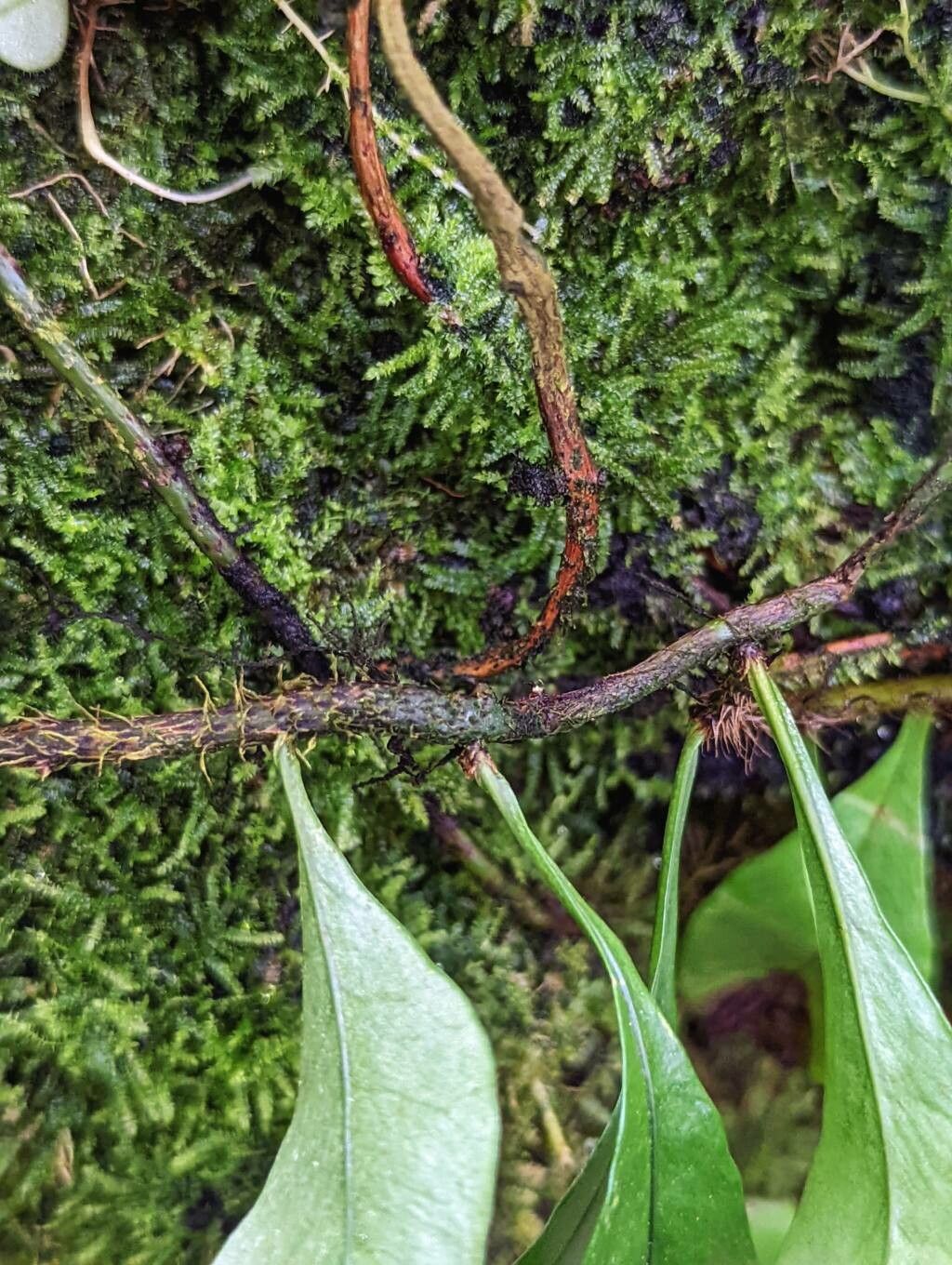
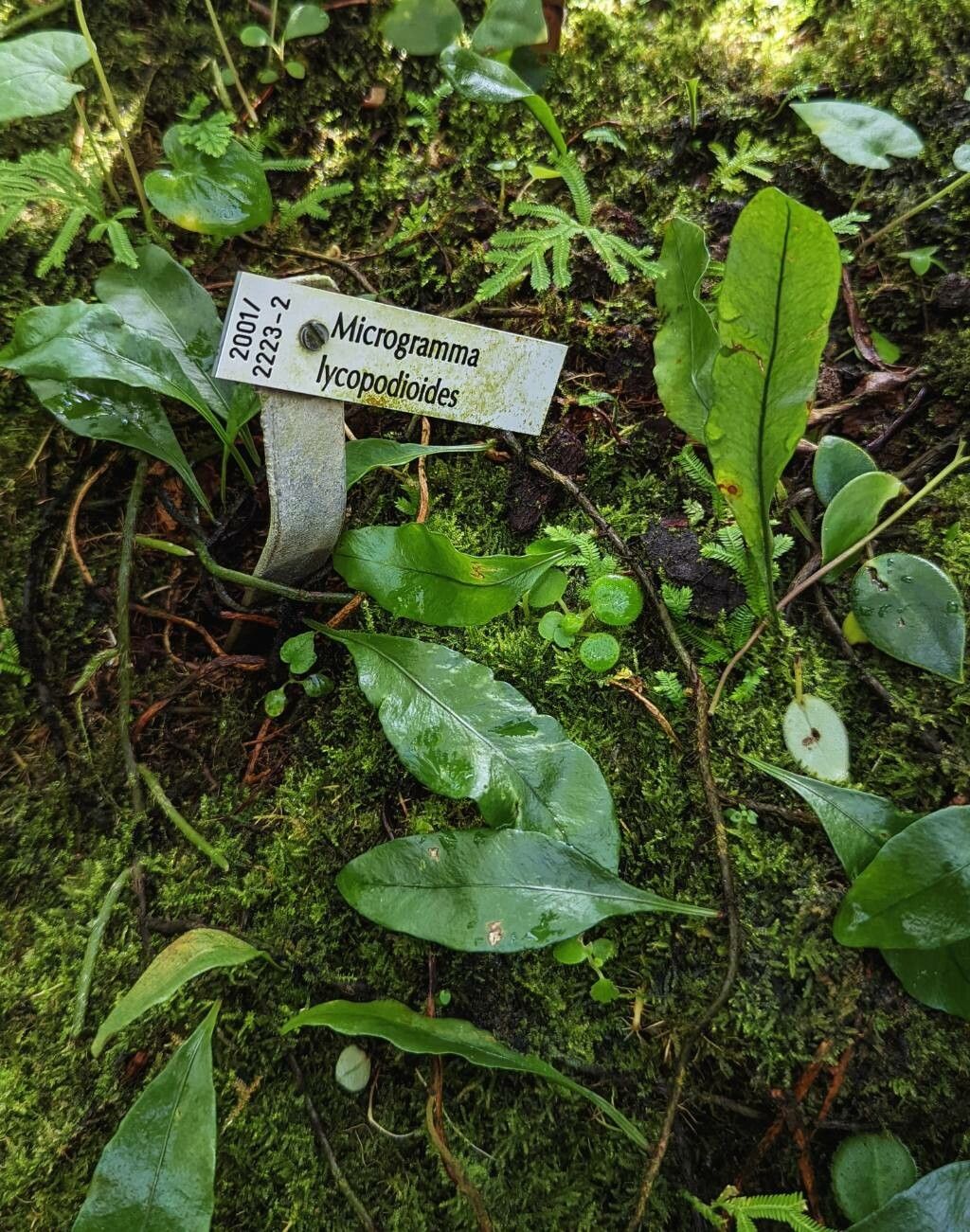
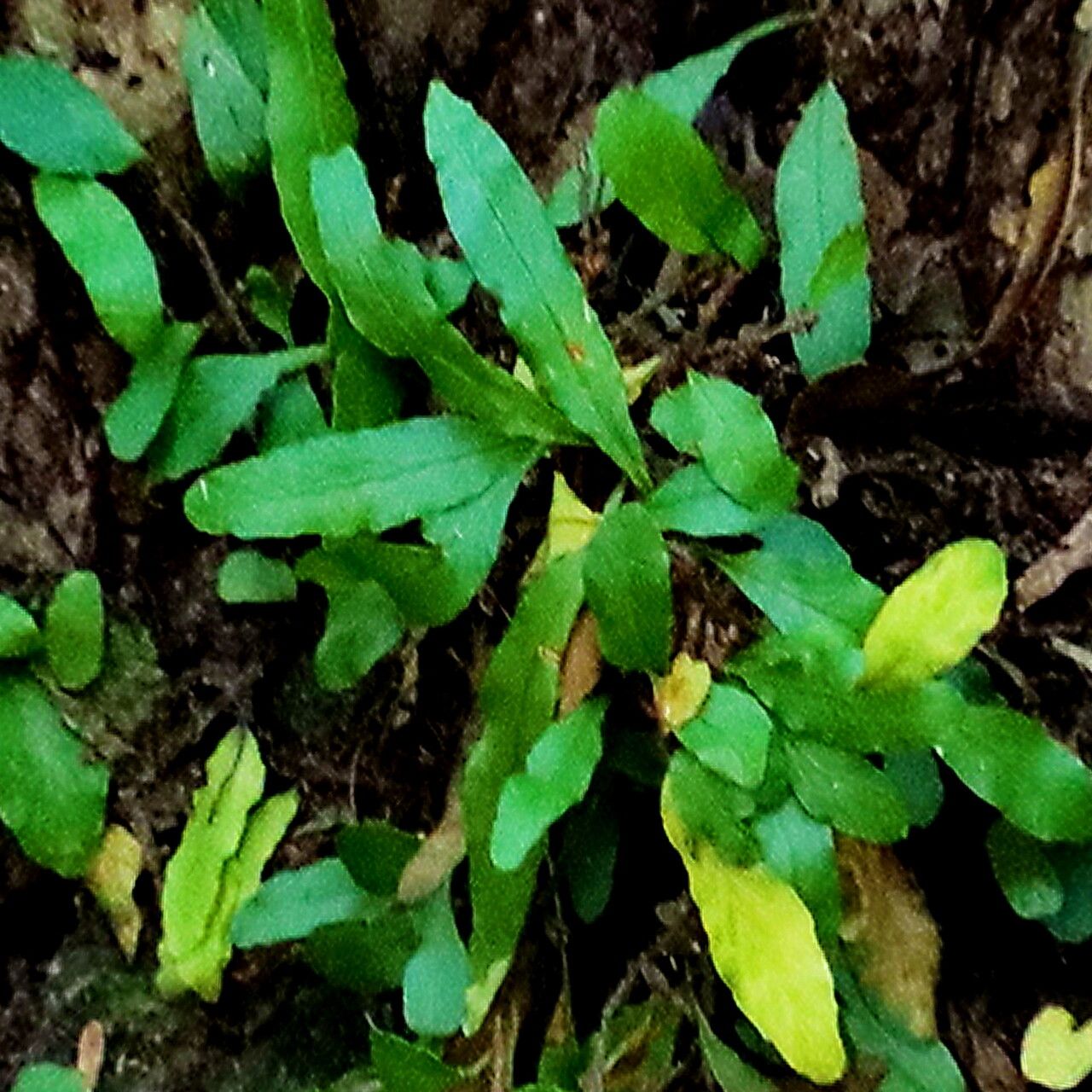
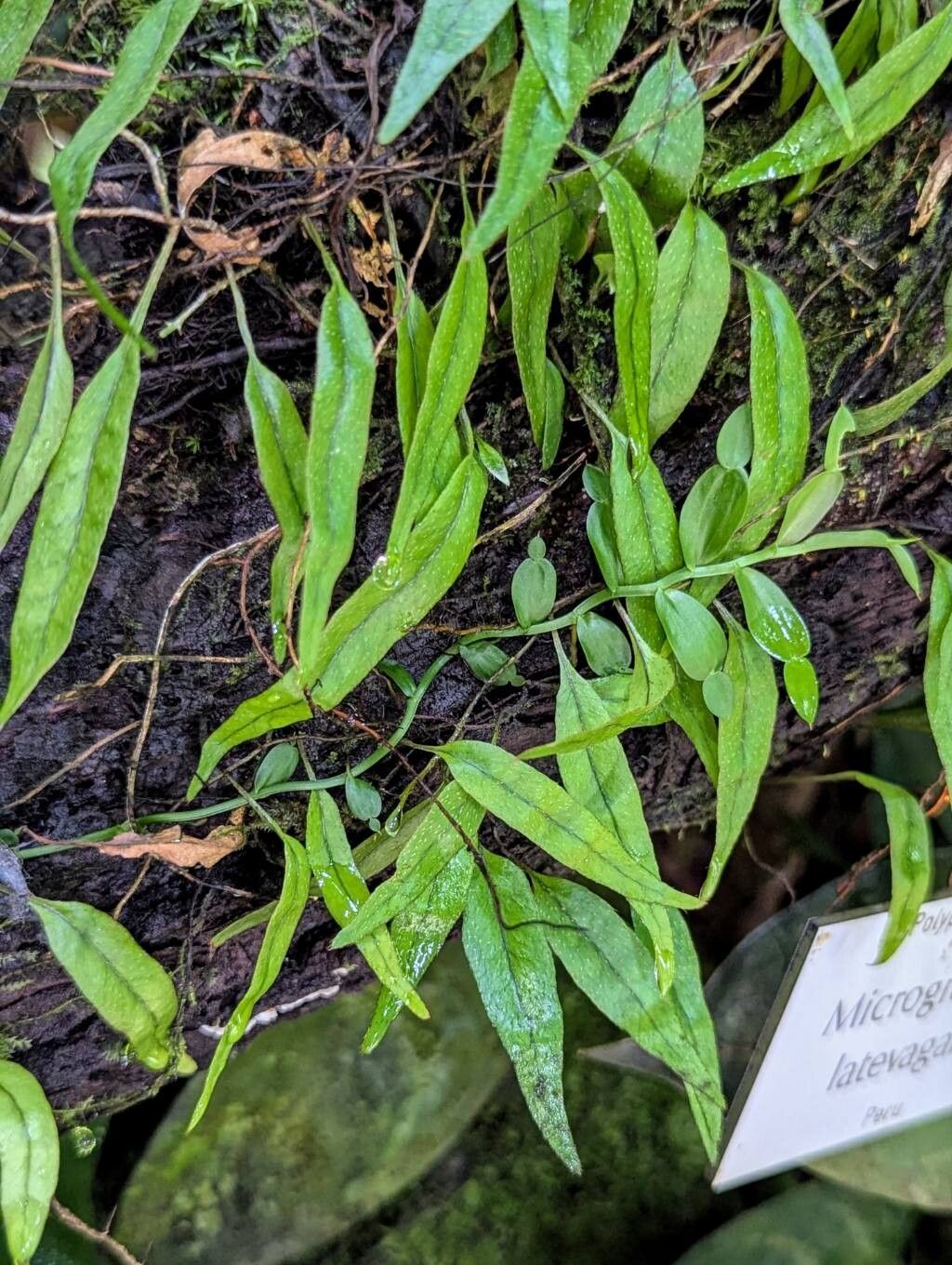
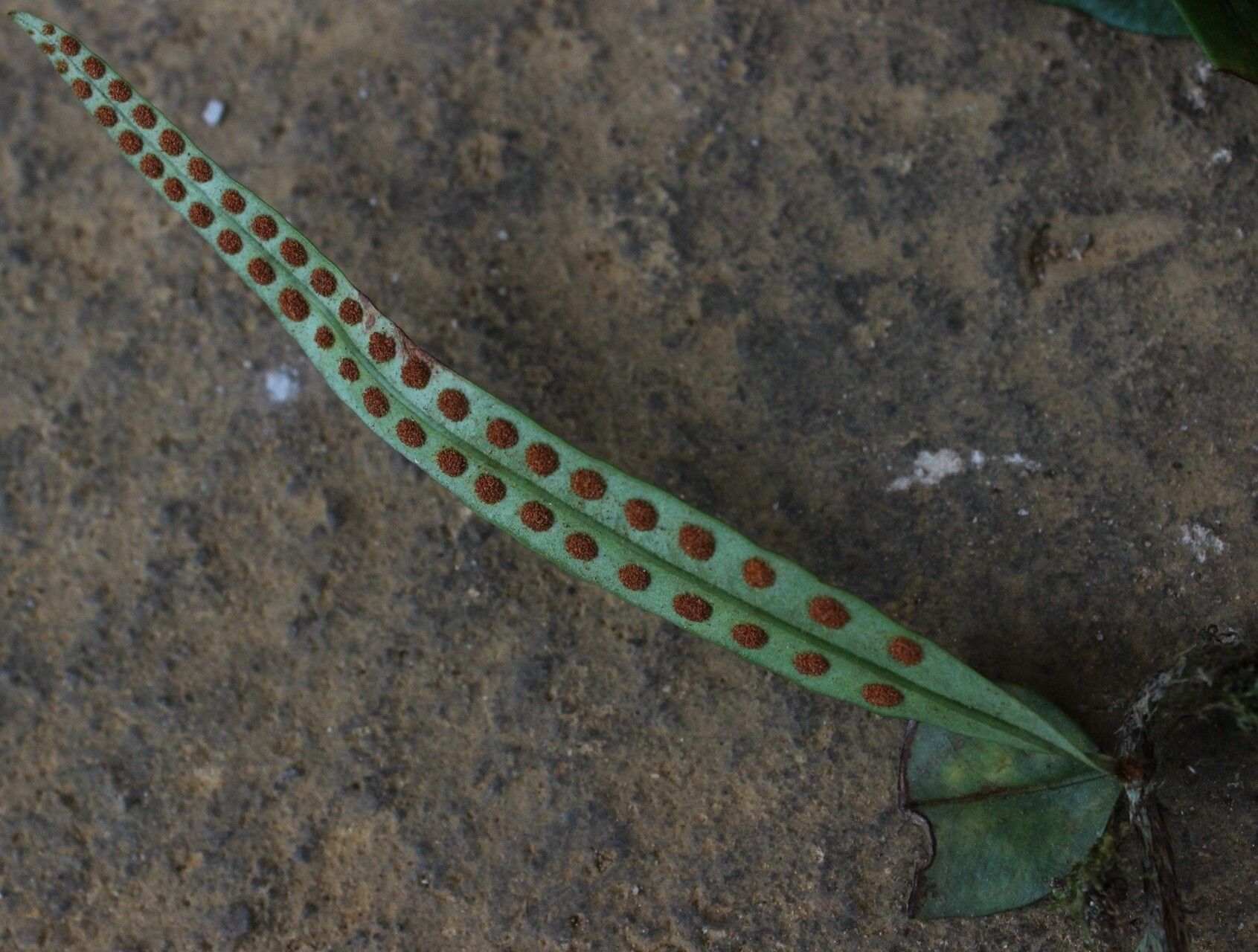
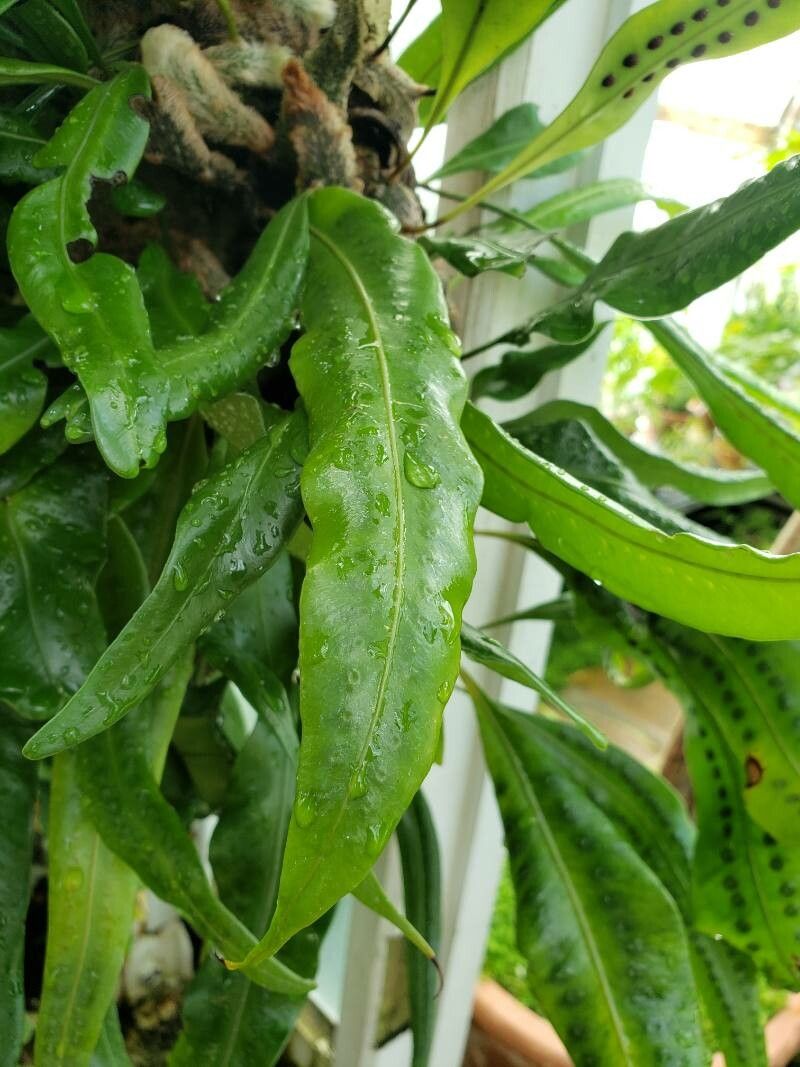
Microgramma lycopodioides, commonly referred to as the creeping fern or clubmoss fern, is a species of fern belonging to the Polypodiaceae family. This plant is native to tropical and subtropical regions of Central and South America, as well as parts of Africa and Asia.
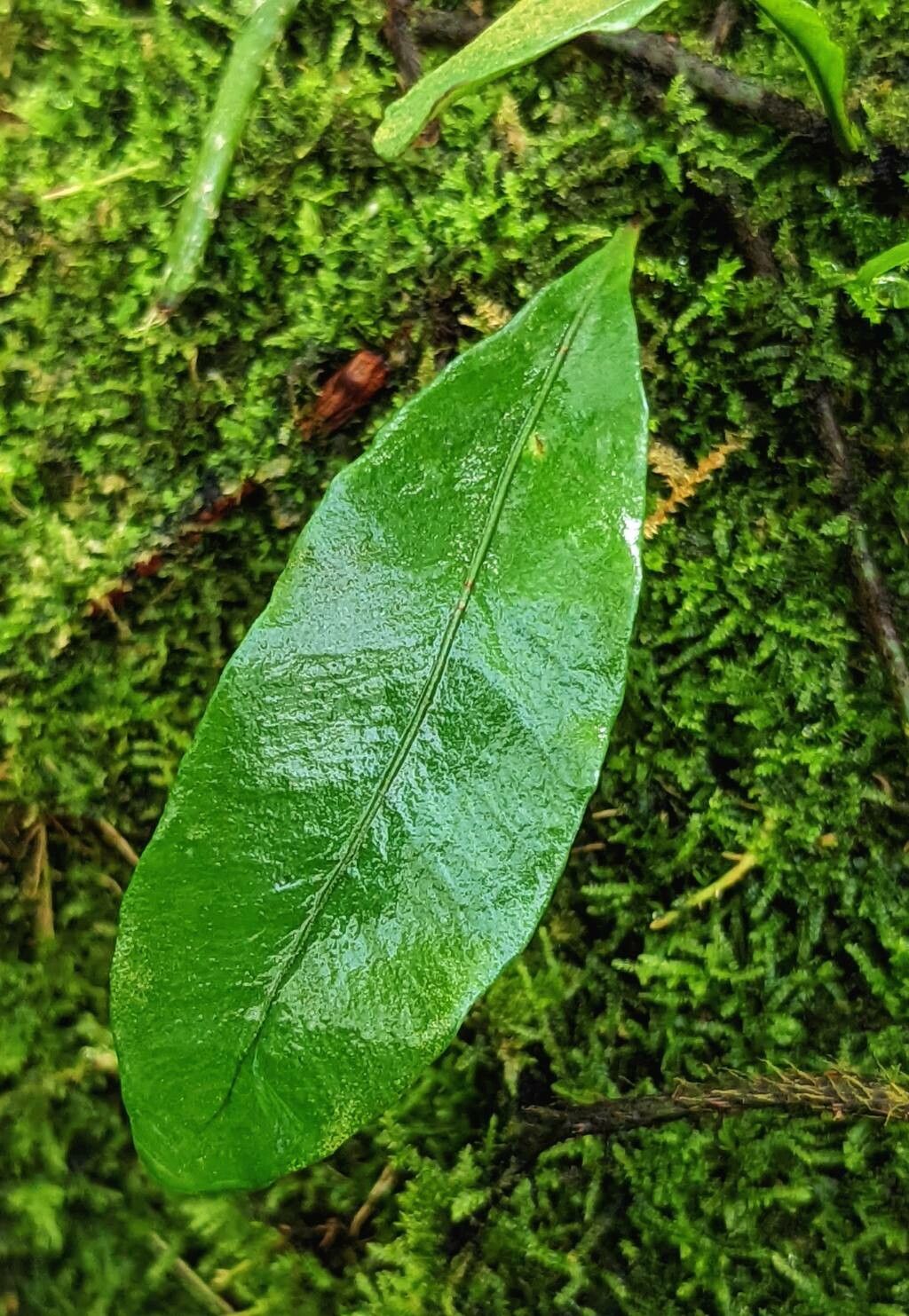
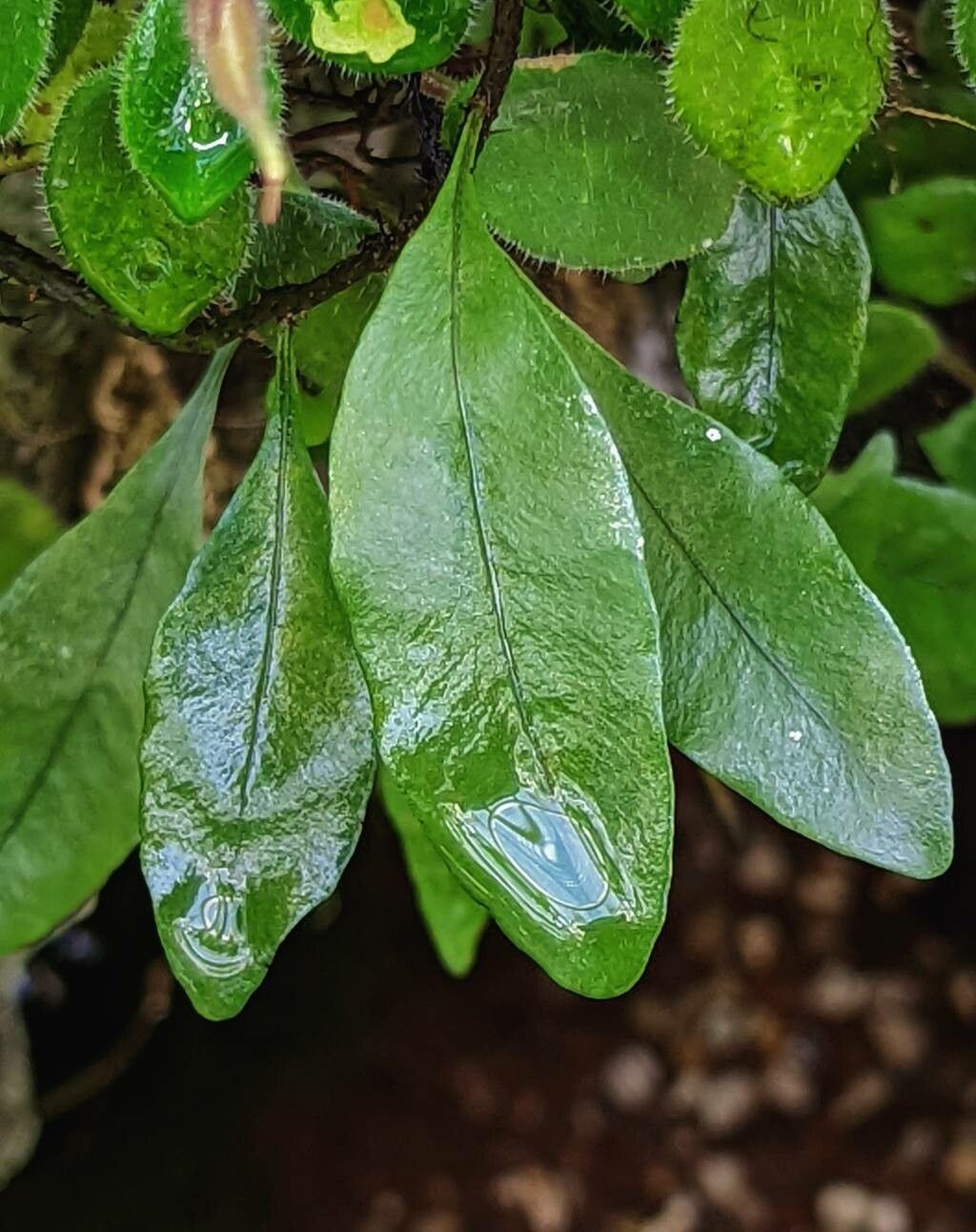
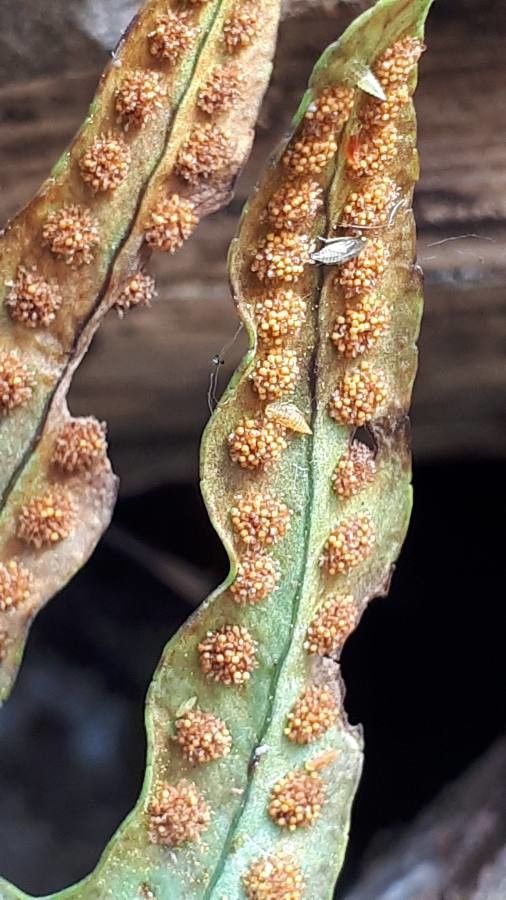
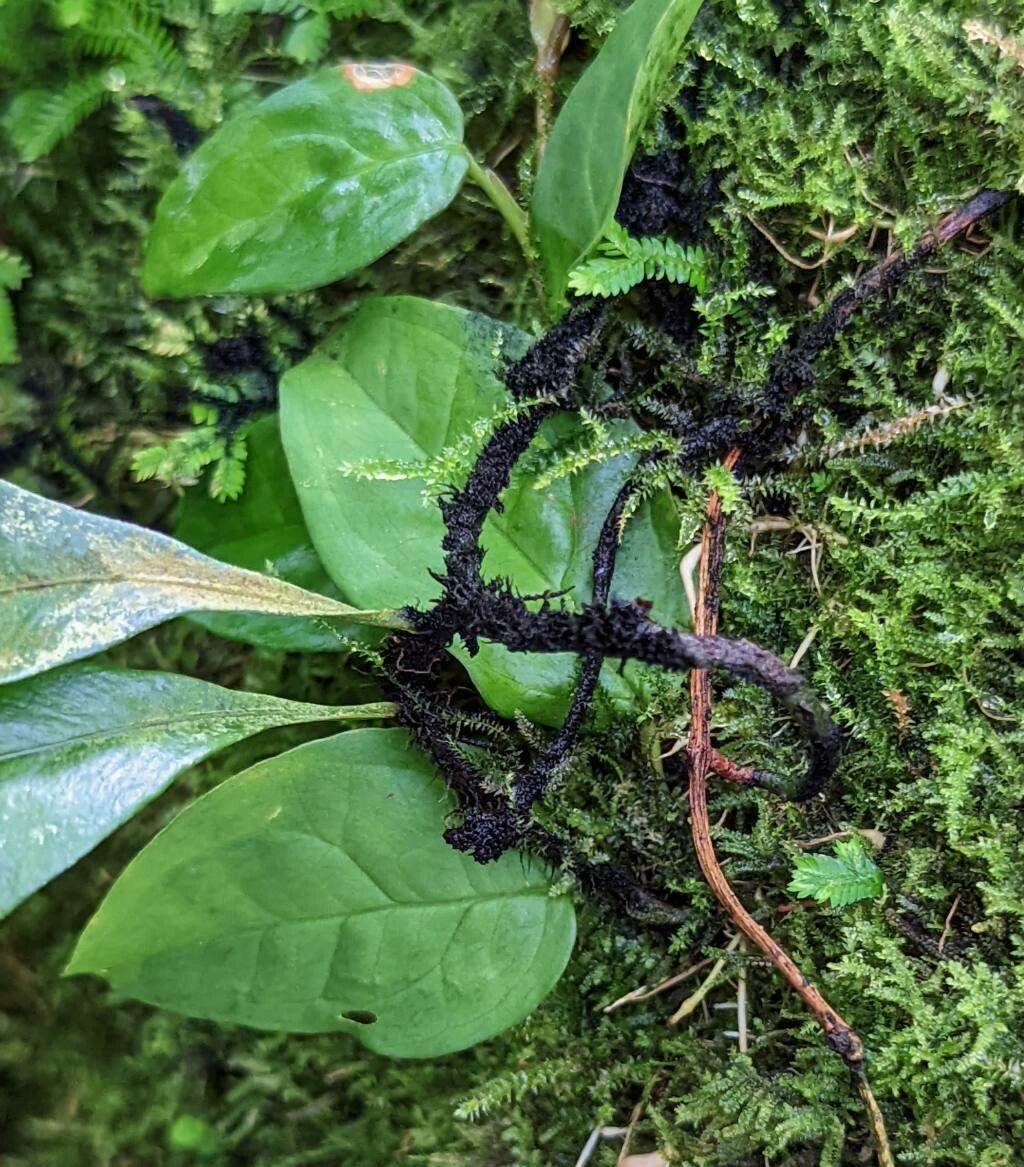
The creeping fern has long, thin stems that can extend up to 1 meter in length. Its leaves are small, needle-like, and dark green. The plant produces spores on specialized structures called sporangia, located on the underside of its leaves.
Microgramma lycopodioides is popular in horticulture due to its attractive appearance and ease of care. It can be grown indoors or outdoors in shaded areas with moist soil conditions.
In traditional medicine, extracts from Microgramma lycopodioides have been used for their anti-inflammatory properties to treat various ailments, such as arthritis and respiratory infections.
Overall, Microgramma lycopodioides is a fascinating plant species with ornamental value for horticulture enthusiasts and potential medicinal benefits for traditional medicine practitioners.
Clubmoss snakefern generally shows good resistance to disease and encounters relatively few insect pests. Its care is regarded as difficult because it requires a moist environment and frequent watering. However, the roots are prone to rotting if the plant is overwatered or kept in poorly ventilated conditions. Clubmoss snakefern is suitable for people with some growing experience, as most people can keep it alive for a certain period. Still, it may have trouble thriving and its leaves can dry out and become less healthy over time.
How to keep Microgramma Lycopodioides.
Light
Clubmoss snakefern comes from habitats such as forest understories or rocky sites that provide natural shade. It prefers Full Shade but can tolerate Partial Sun.
Temperature
Clubmoss snakefern comes from tropical areas, where the weather is generally warm and humid. Consequently, it is well suited to high heat and moisture. It does not respond well to abrupt temperature shifts and favors a consistent thermal environment, so preventing temperature swings indoors is important. It typically cannot withstand cold conditions and needs warmer temperatures to grow. If the surrounding temperature falls too far, growth may halt or the plant may perish.
Botanical profile.
- Plant Type
- Fern, Herb
- Life Cycle
- Perennial
- Genus
- Microgramma
- Family
- Polypodiaceae
- Hardiness Zone
- 10-12
- Mature Height
- 10 cm to 30 cm
- Mature Spread
- 20 cm to 49 cm
- Leaf Color
- Green, Dark Green
- Leaf Type
- Evergreen
- Planting Time
- Spring, Summer, Autumn
- Native Area
- Belize, Honduras, Mexico, Guatemala, Peru, Panama, Jamaica, Colombia, Cuba, Bolivia, Venezuela, Guyana, Brazil, Nicaragua, Ecuador, Suriname, Costa Rica
Other names.