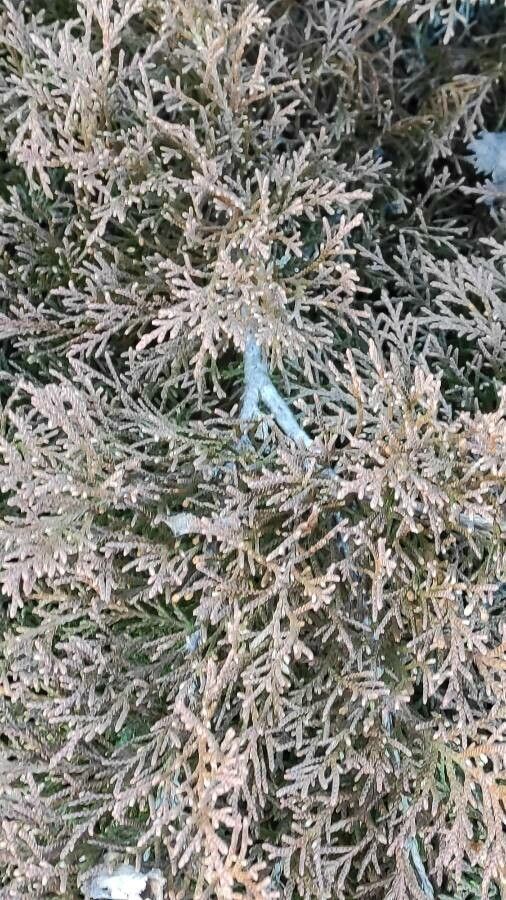
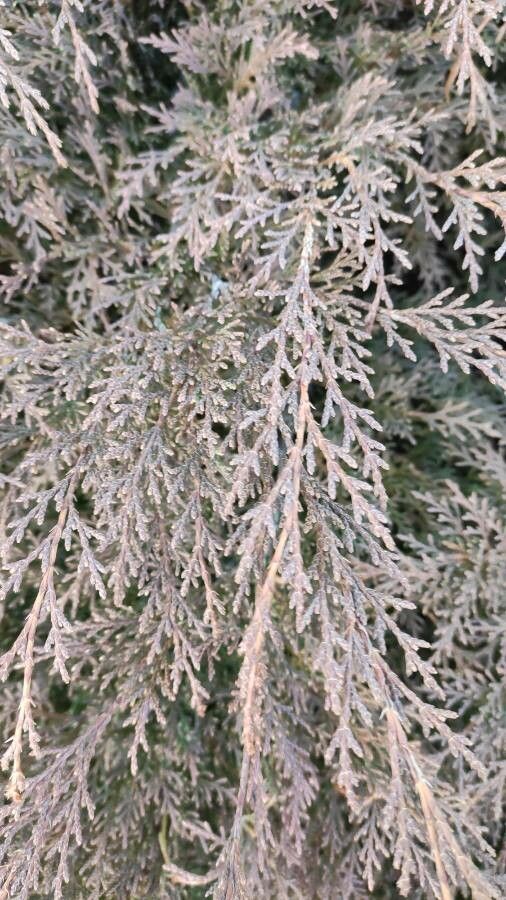
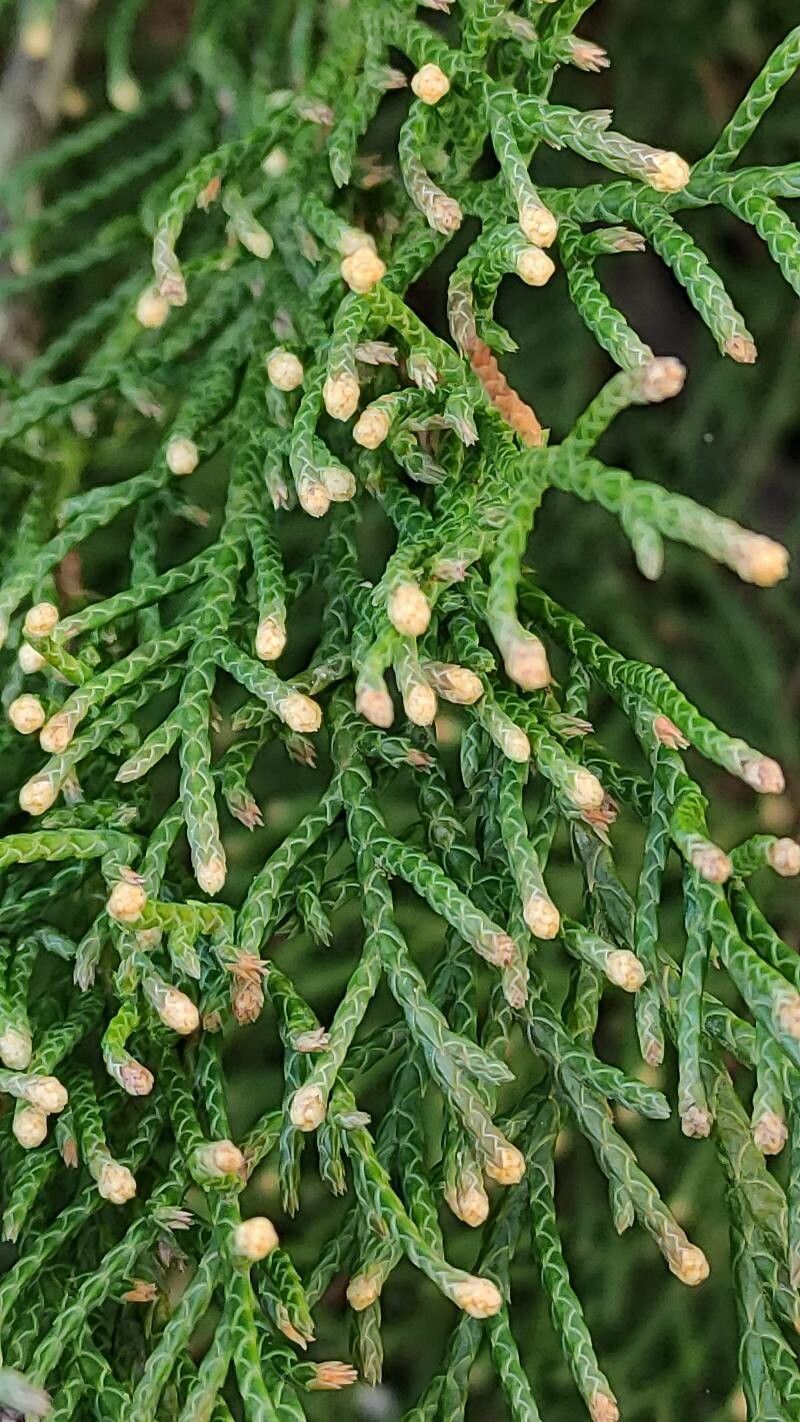
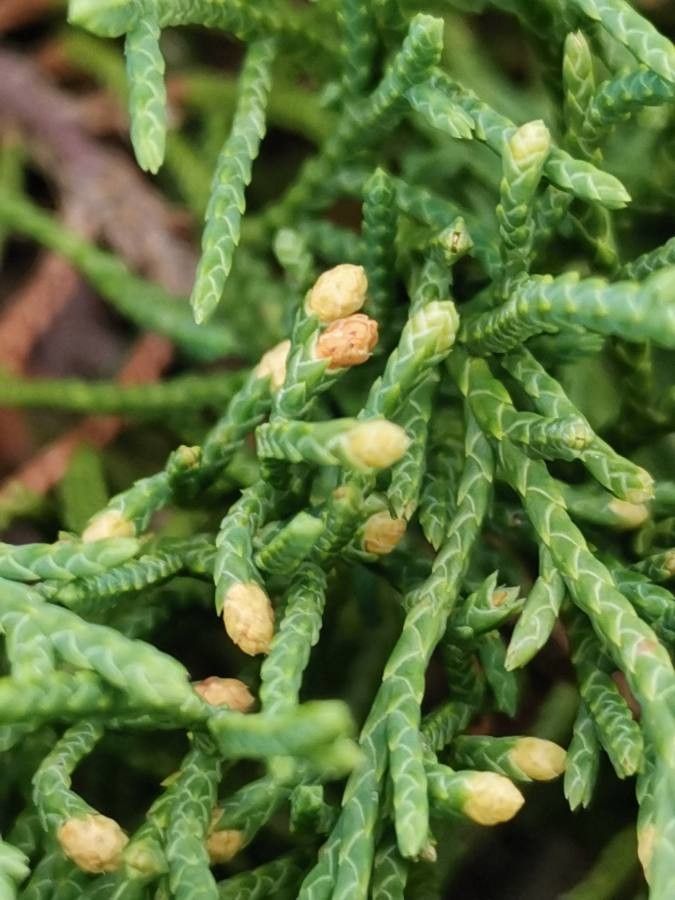
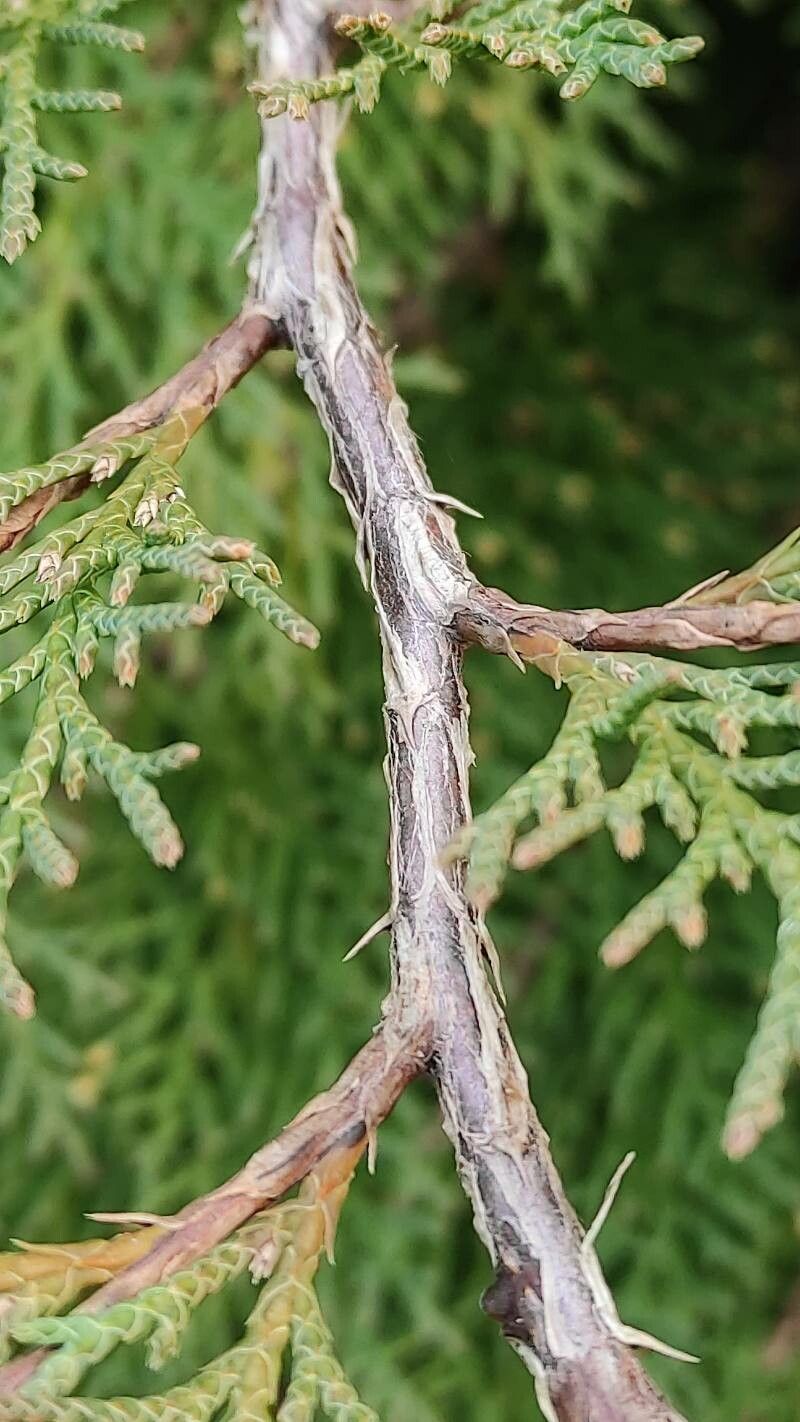
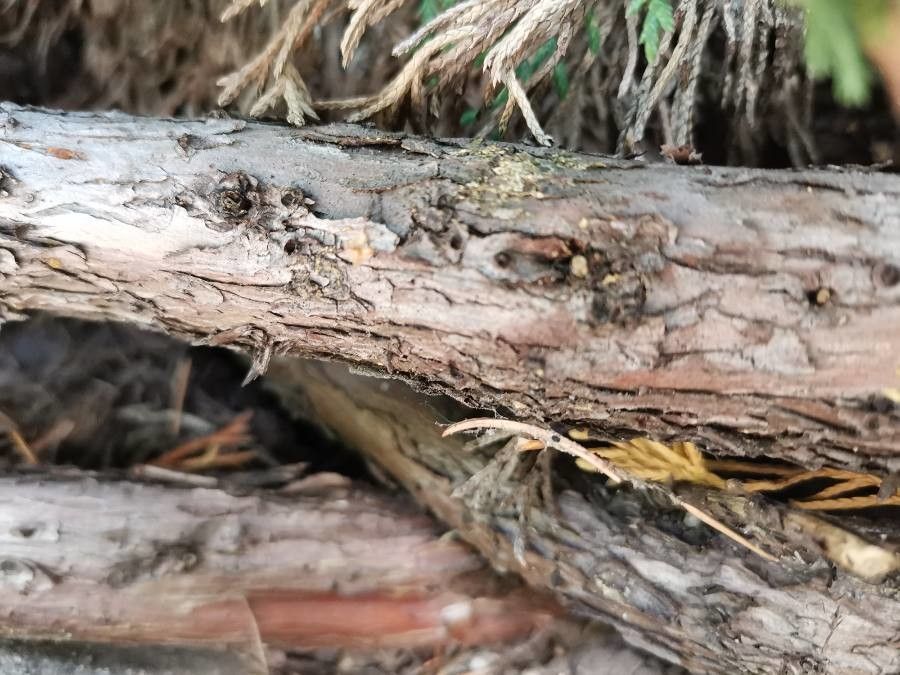
Microbiota decussata, commonly known as Russian arborvitae or Siberian cypress, is a low-growing evergreen shrub native to the forests of Siberia and northern China. This member of the cypress family typically reaches 1-2 feet in height and spreads 4-6 feet wide. It showcases a dense, spreading habit with flat sprays of bright green, scale-like leaves. Microbiota decussata serves excellently as a ground cover plant and is ideal for use in rock gardens or as an edging plant for borders. It thrives in well-drained soil with full sun exposure but can also tolerate partial shade. This hardy shrub requires minimal maintenance and does not need pruning. Besides its ornamental appeal, Microbiota decussata boasts medicinal properties, including anti-inflammatory effects on the respiratory system and anti-tumor activity against certain types of cancer cells. Its essential oil is also used in aromatherapy. In summary, Microbiota decussata is a resilient evergreen shrub that adds aesthetic value to any landscape while offering numerous health benefits.
Siberian cypress is resistant to disease and is typically not susceptible to illnesses. As for maintenance, this species is fairly low-maintenance. Planted outdoors it needs only occasional watering, and larger specimens usually do not require pruning. Smaller plants, however, should be pruned after they finish blooming. Siberian cypress is a good choice for anyone who has an outdoor area, such as a garden or deck, and it does not demand extensive care experience.
How to keep Microbiota Decussata.
Light
Siberian cypress naturally occurs in habitats like forest understories and rocky sites, where it grows in natural shade. It prefers partial sun but can tolerate full sun or full shade, illustrating its hardy, adaptable character.
Temperature
Siberian cypress is highly adaptable to a wide variety of climates, from blazing summers to frigid winters. Still, it has an ideal temperature range for healthy growth. If temperatures climb too high, the plant can experience heat and humidity stress, which may cause it to die. In areas where temperatures near the lower edge of its cold tolerance, insulating the plant is necessary to protect it.
Fertilizer
Siberian cypress has particular nutrient needs and does not require heavy fertilization. Spring is the best time to apply fertilizer for optimal growth. Supplying nutrients enhances its health, increases resistance to pests and diseases, and helps sustain its long lifespan.
Pot & Repot
When repotting Siberian cypress, choose a pot 1–2 inches (2.5–5.1 cm) larger with ample drainage. Use a well-draining potting mix. Repot in spring or fall, ensuring that the root ball is slightly lower than the rim of the pot. Water thoroughly after repotting and place in a warm spot with indirect sunlight.
Botanical profile.
- Plant Type
- Shrub
- Life Cycle
- Perennial
- Genus
- Microbiota
- Family
- Cupressaceae
- Hardiness Zone
- 2-7
- Mature Height
- 30 cm to 61 cm
- Mature Spread
- 2.74 m to 3.66 m
- Leaf Color
- Green, Bronze
- Leaf Type
- Evergreen
- Flower Color
- Yellow
- Bloom Time
- Mid spring, Late spring
- Planting Time
- Spring, Summer, Autumn
- Harvest Time
- Late summer, Early fall, Mid fall
- Native Area
- Russia
Other names.