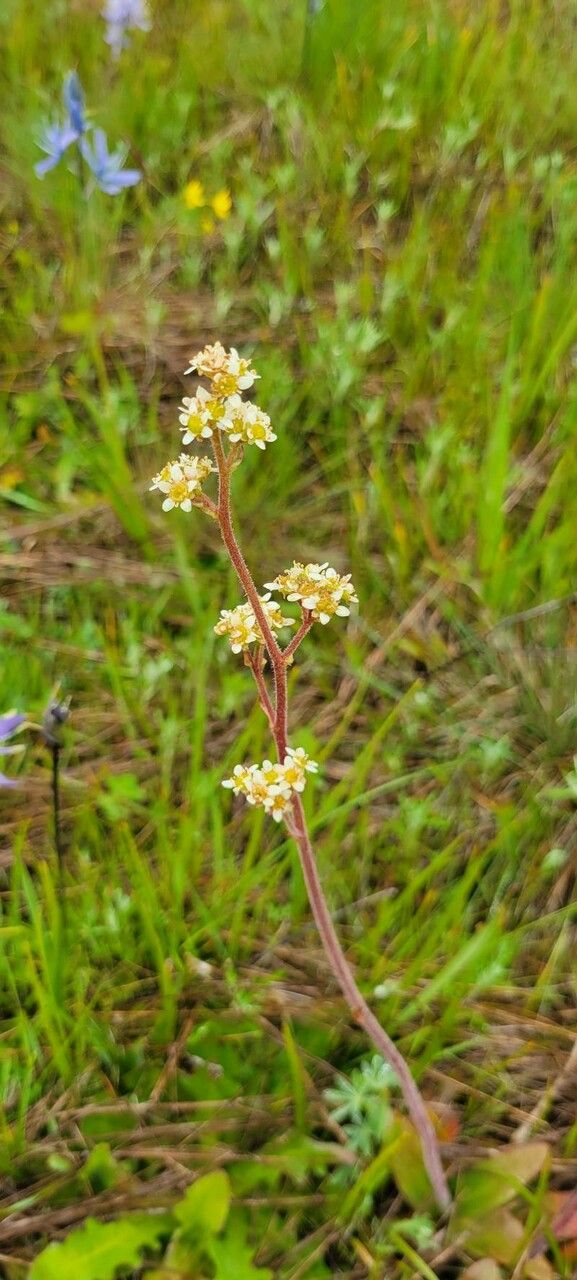
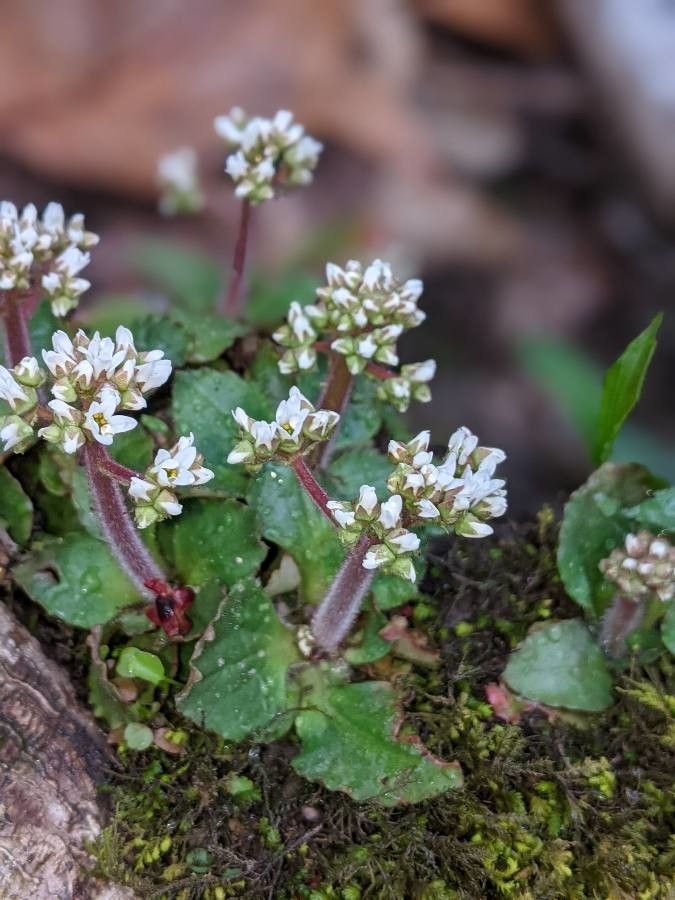
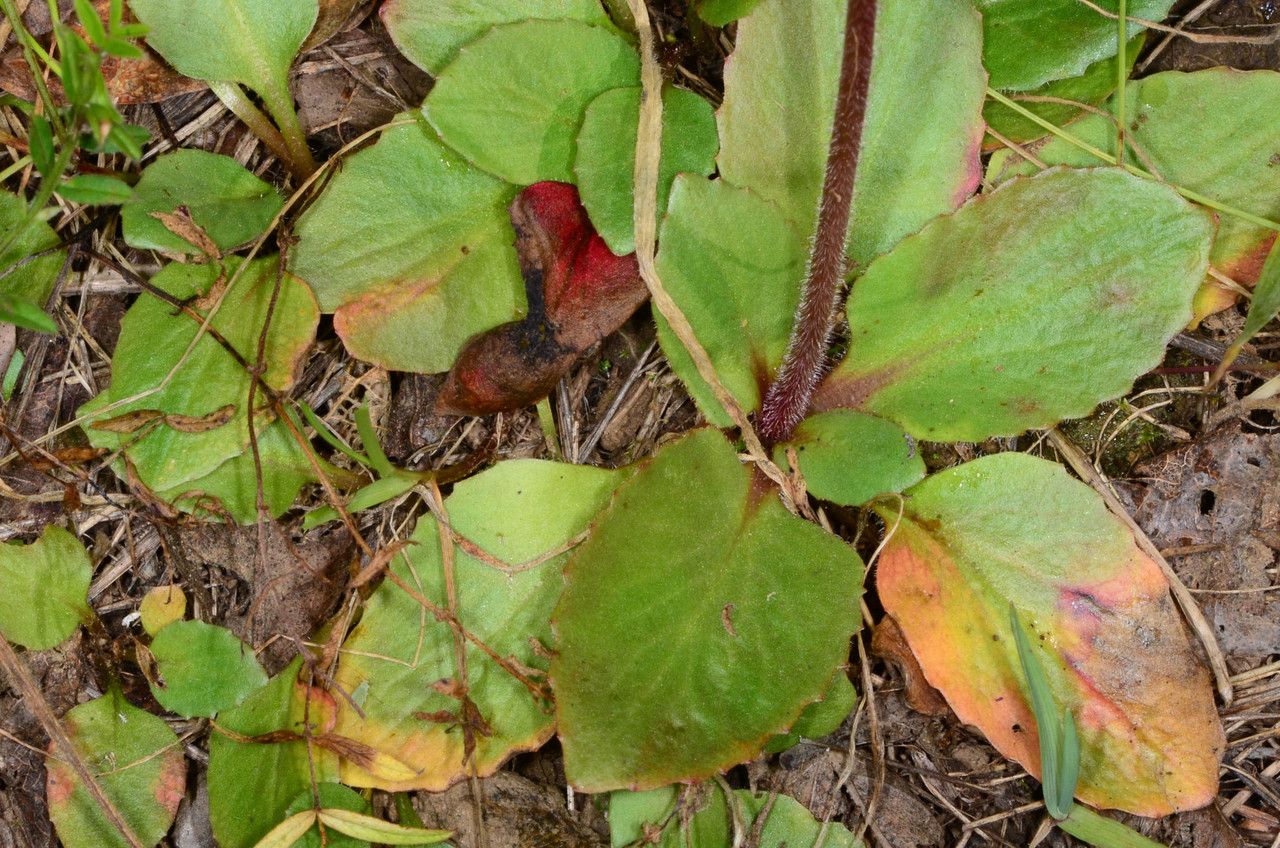
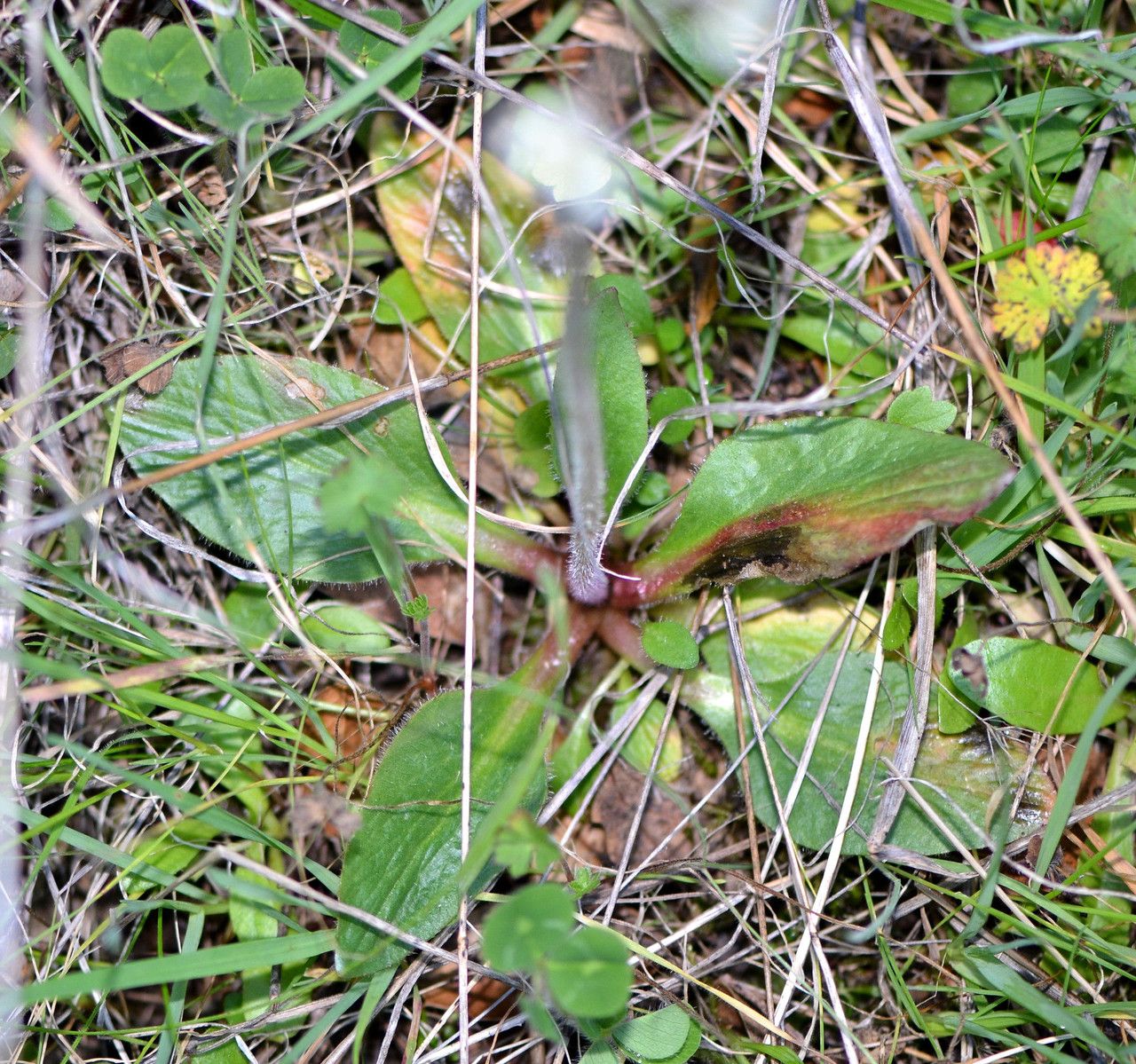
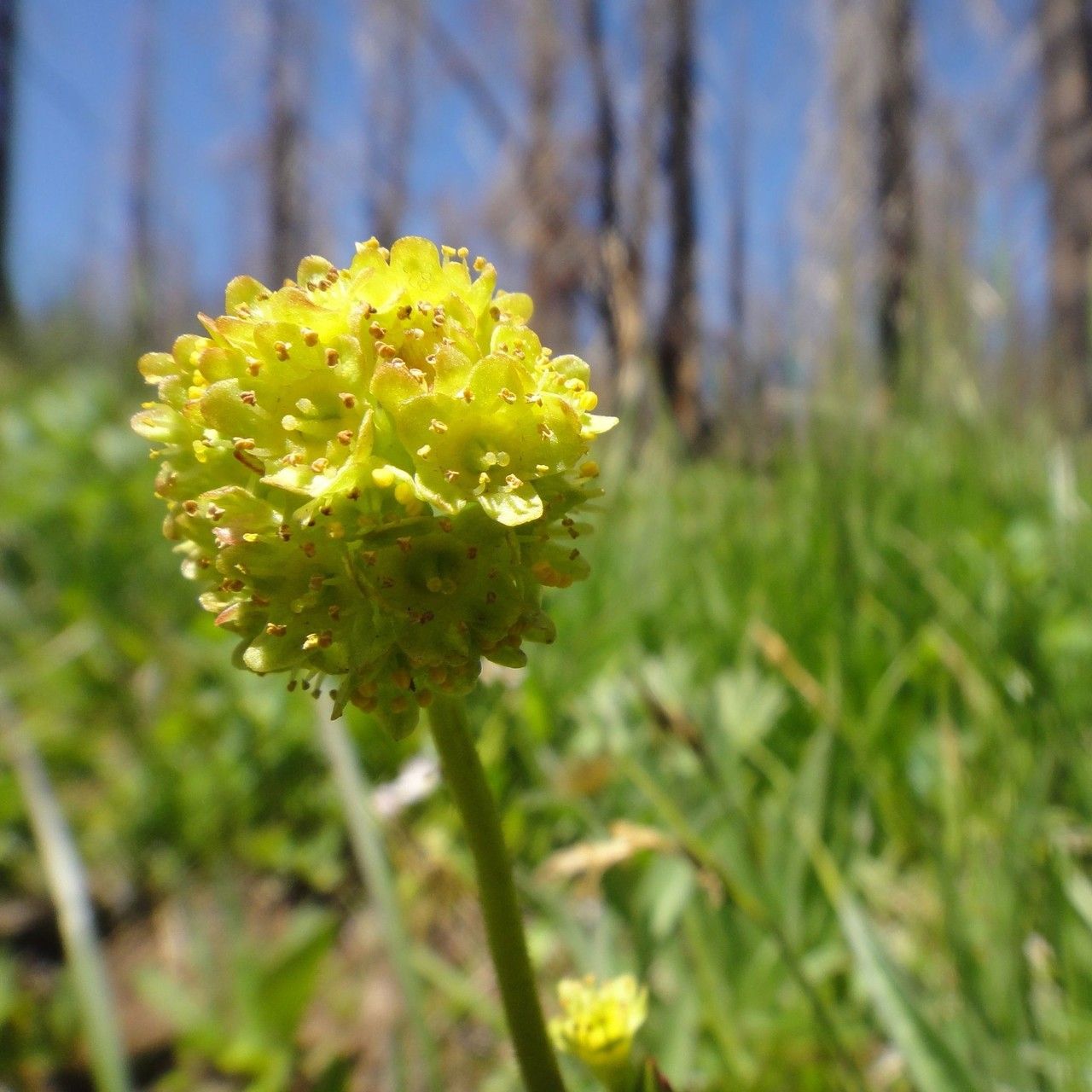
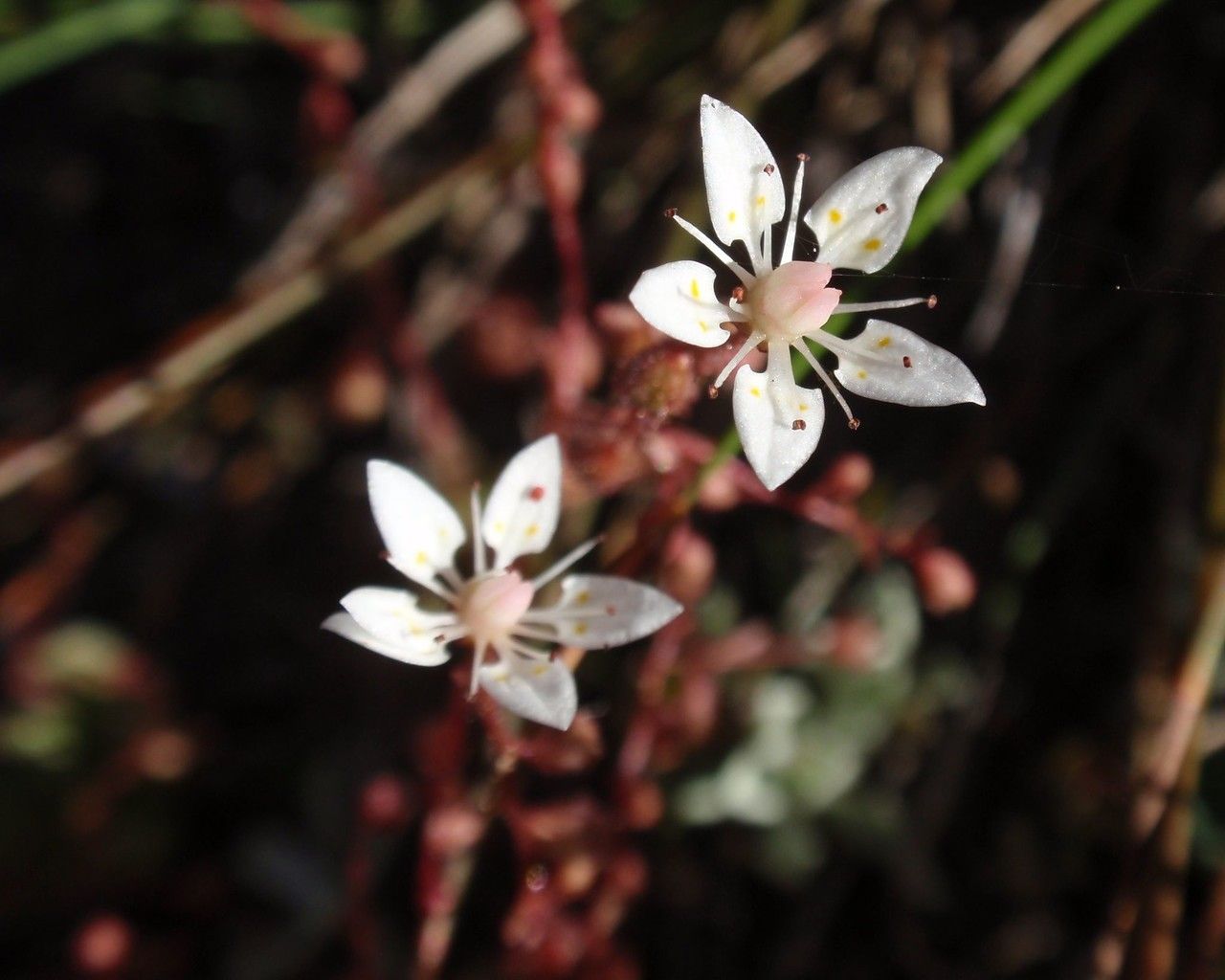
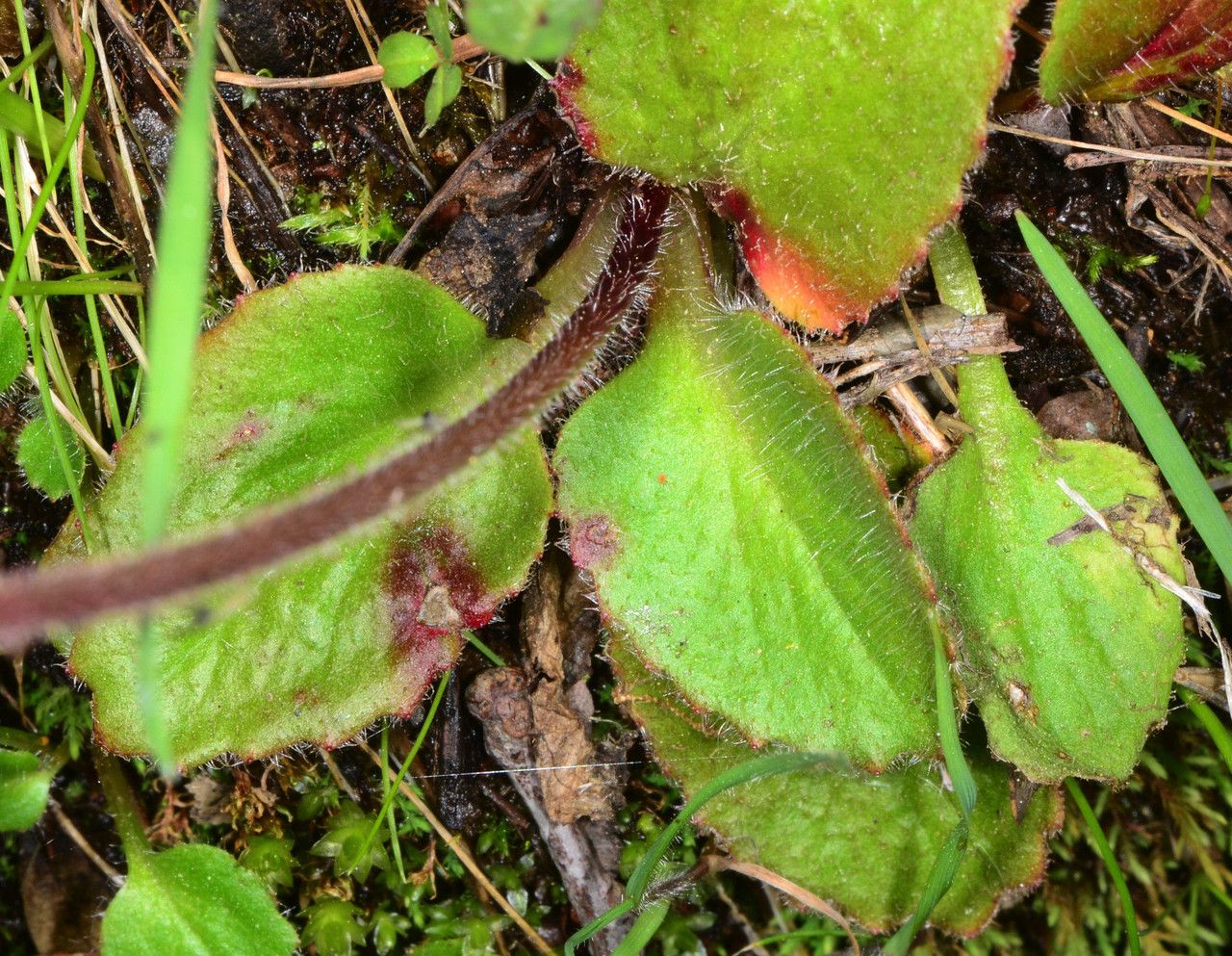
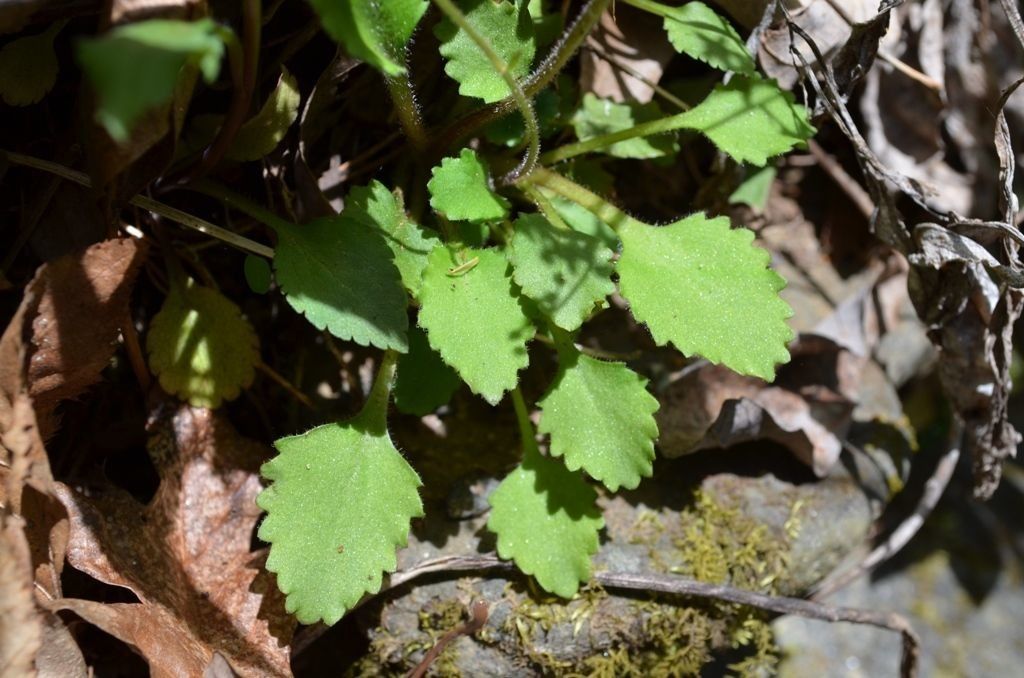
Micranthes integrifolia is a species of flowering plant known by the common name wholeleaf saxifrage. It is native to western North America from British Columbia to Montana and northern California, where it grows in moist habitat, including meadows, prairies, and grassy mountain slopes. It is a perennial herb growing from a caudex and system of rhizomes, and producing a basal rosette of leaves. Each leaf is up to 7 centimeters long with a toothed or smooth-edged blade borne on a short petiole. The inflorescence arises on a stout, hairy peduncle up to 35 centimeters tall. White-petaled flowers occur in a cluster or dense array at the top.
Wholeleaf saxifrage is fairly resistant to disease and generally does not tend to develop illnesses. Still, it can be vulnerable to pests and diseases present in its surroundings. These infections are normally not serious. In terms of care, the plant needs moderate attention. It should be pruned regularly to preserve a neat appearance and support healthy growth. Fertilizing can also help encourage flowering. Wholeleaf saxifrage is suitable for anyone with outdoor space, such as a garden or patio, and does not require extensive care experience. It may demand more attention when kept indoors.
How to keep Micranthes Integrifolia.
Light
Wholeleaf saxifrage occurs naturally in habitats like forest understories and rocky areas, where it grows in natural shade. It prefers partial sun but can adjust to full sun or full shade, illustrating its versatile and hardy nature.
Water
Wholeleaf saxifrage naturally comes from damp environments and prefers consistently moist soil. To maintain the ideal level of moisture, it should be watered once a week. This plant thrives outdoors and can adapt to varying water availability, especially in rocky crevices, during its active growing season.
Fertilizer
One application of fertilizer in spring is typically enough for Wholeleaf saxifrage, though repeated feedings can optimize growth. Feed once every month to a month and a half. Fertilization improves leaf appearance and function, helping maintain even color and a healthy texture. It also encourages root development and nutrient absorption for long-term plant health.
Pruning
To keep wholeleaf saxifrage healthy and beautiful, it's best to prune it from early to late spring. Start by removing any dead leaves and spent flower stalks to promote new growth and blooming. Regular pruning helps maintain the plant's shape and prevents overcrowding. Always use clean, sharp tools to boost the plant's health, vigor, and visual appeal.
Botanical profile.
- Plant Type
- Herb
- Life Cycle
- Perennial
- Genus
- Micranthes
- Family
- Saxifragaceae
- Hardiness Zone
- 4-8
- Mature Height
- 10 cm to 30 cm
- Mature Spread
- 15 cm to 25 cm
- Leaf Color
- Green, Dark Green
- Leaf Type
- Evergreen
- Flower Color
- White
- Flower Size
- 1.02 cm to 2.03 cm
- Bloom Time
- Mid spring, Late spring
- Planting Time
- Spring, Summer
- Harvest Time
- Early summer, Mid summer
Other names.