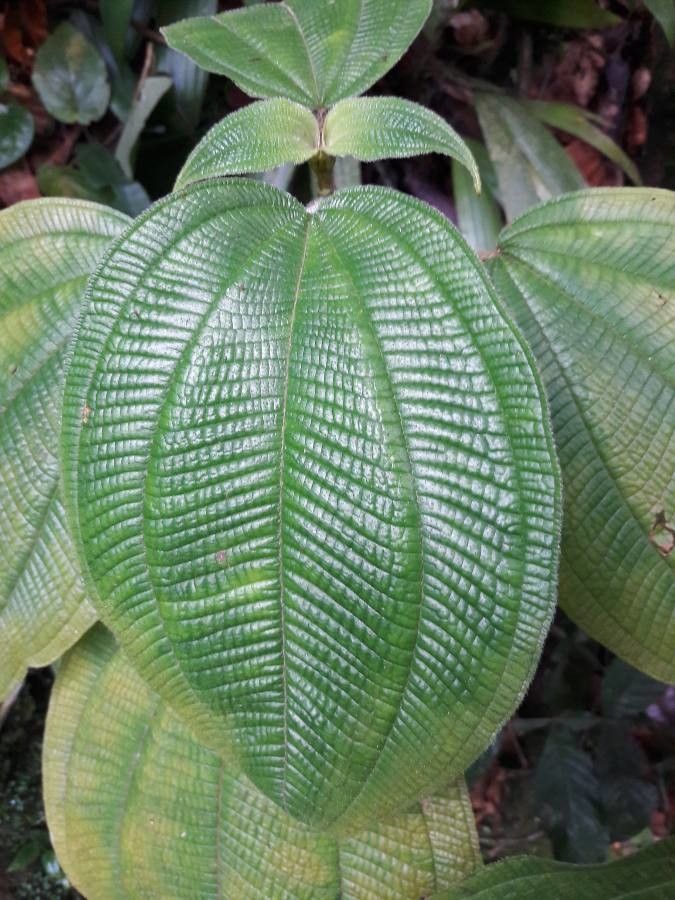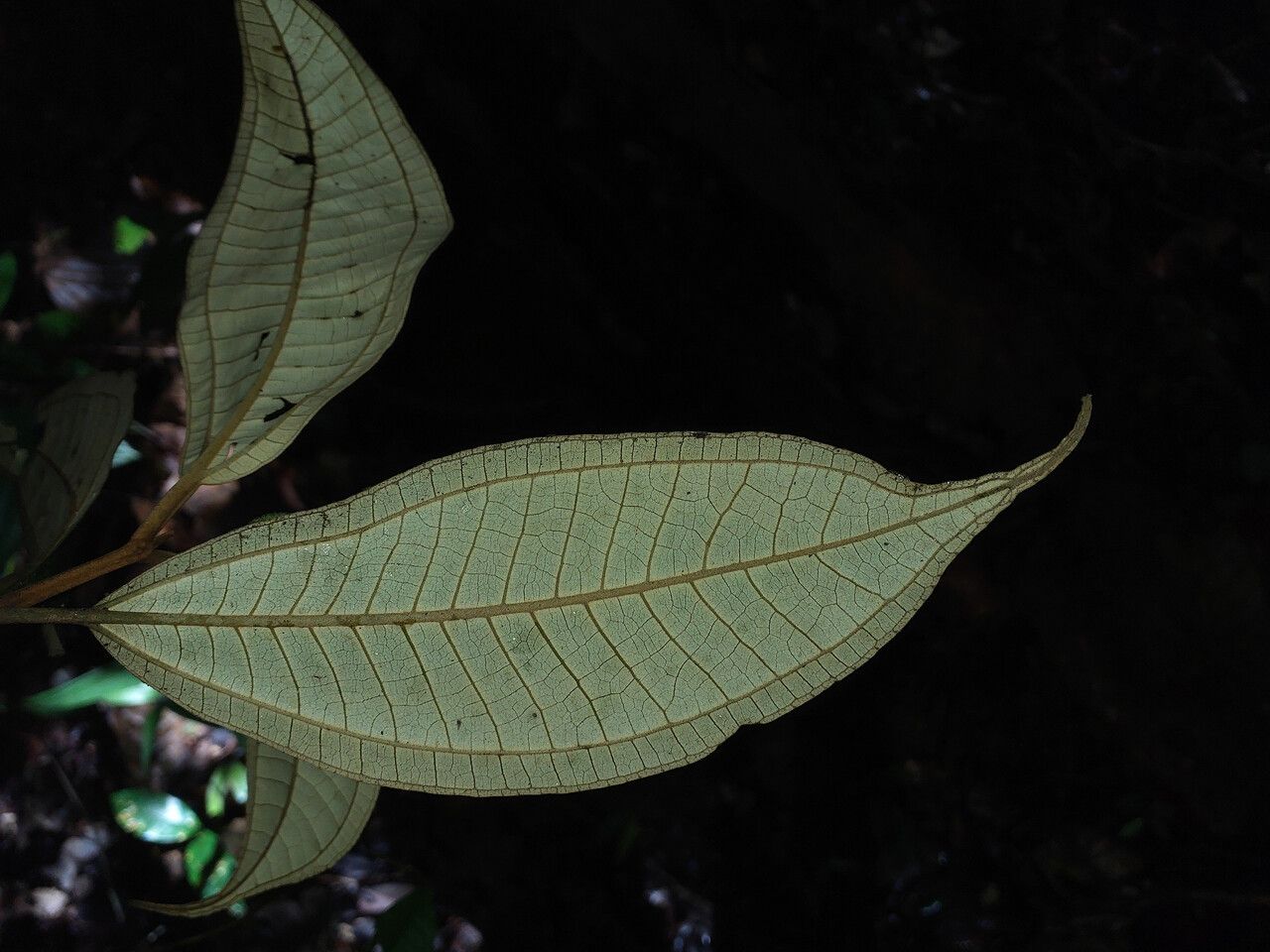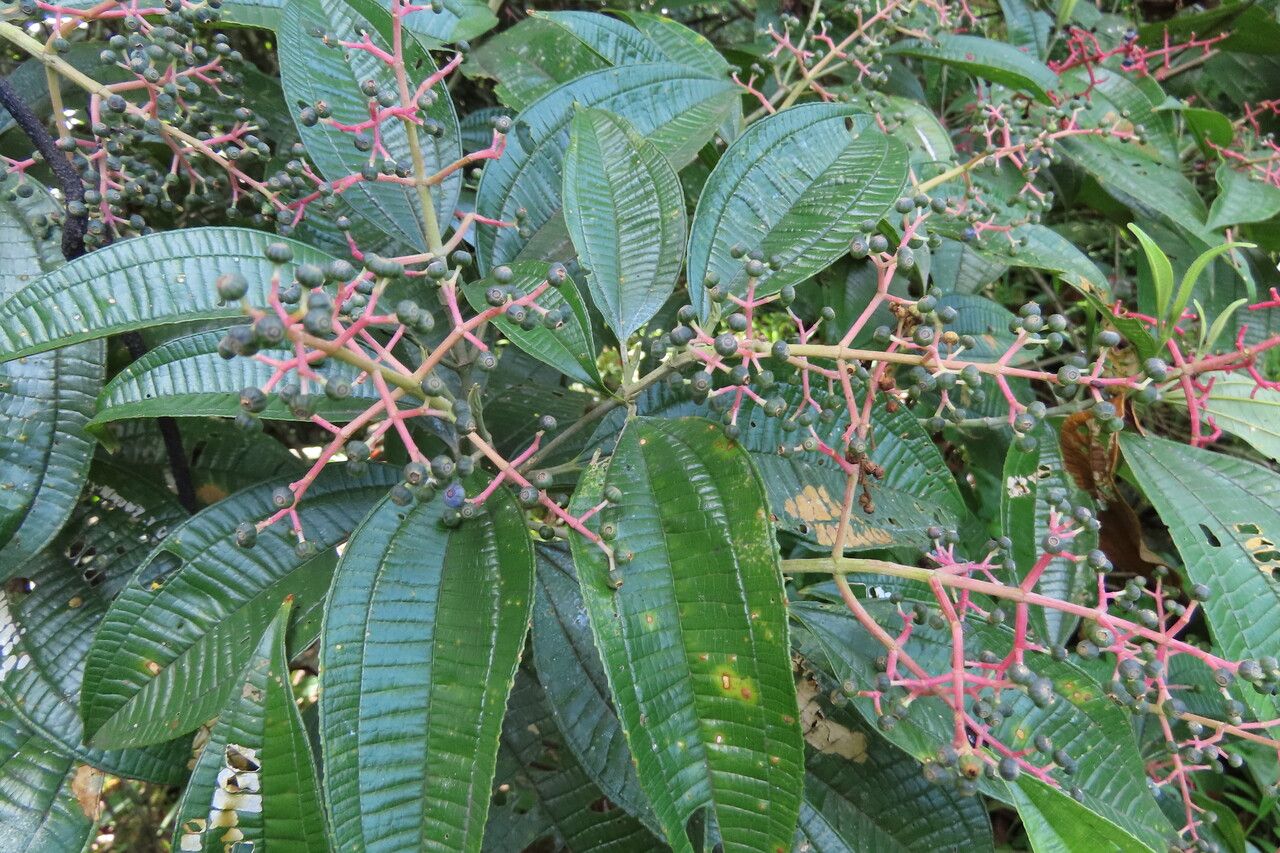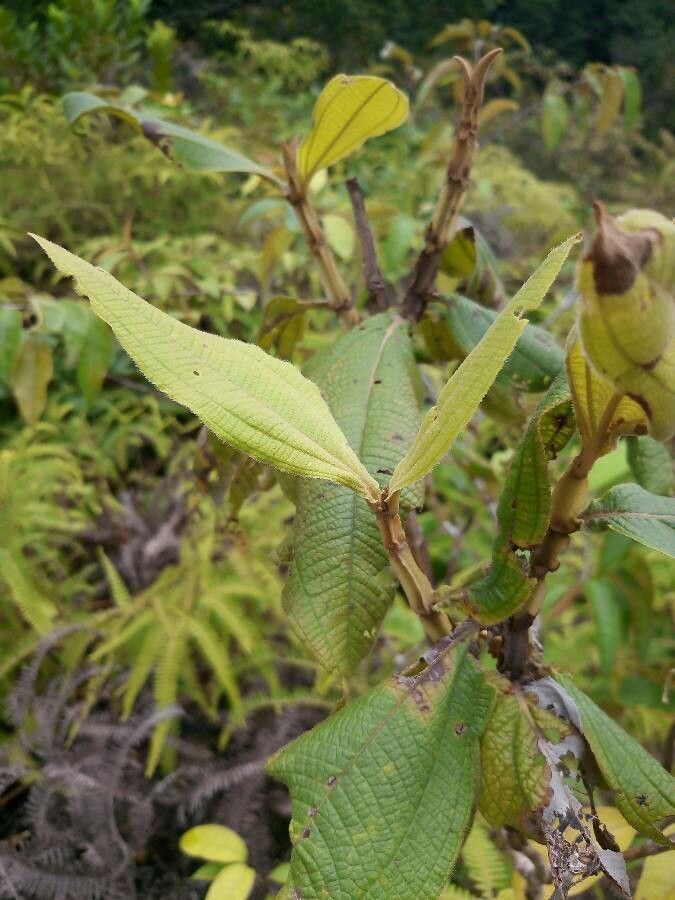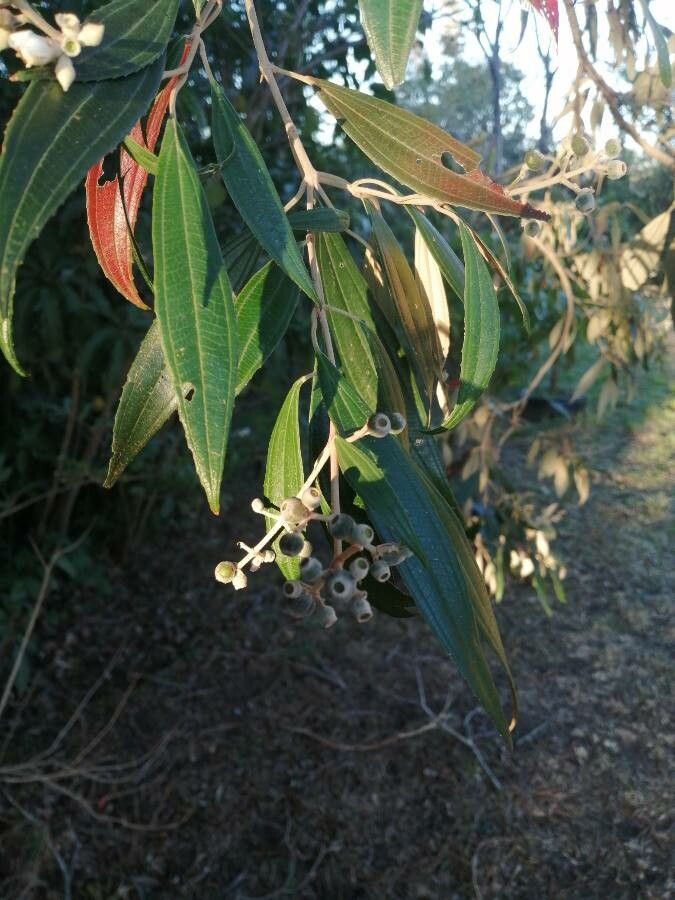
The Emerald prickly pear is resistant to disease and is generally not susceptible to illnesses. Carewise, this plant is relatively low-maintenance. When grown outdoors it needs only minimal watering, and larger plants typically do not require pruning. Smaller plants, however, should be pruned after they finish blooming. The Emerald prickly pear is suitable for anyone with an outdoor area, such as a garden or deck, and does not demand extensive plant-care experience.
How to keep Miconia Squamulosa.
Light
The Emerald prickly pear flourishes in abundant sunlight conditions, yet also copes with medium light levels. Its growth can be adversely affected by overly shaded environments. This plant's growth tendencies are shaped by its natural environments where there is a profusion of sunlight. Nonetheless, overexposure could harm the plant, while insufficient light could lead to slow, poor-quality growth.
Water
The emerald prickly pear is a drought-tolerant plant native to arid regions, known for its efficient water storage. It needs minimal watering, only about once every 2 to 3 weeks. Its root system is designed for quick water absorption, making it an excellent choice for xeriscaping and rock gardens.
Temperature
The emerald prickly pear thrives in habitats where the typical temperature fluctuates between 68 and 95°F (20 to 35 ℃). It is inclined towards hotter climates and necessitates temperature modifications during cooler seasons for ideal growth.
Fertilizer
The care of Emerald prickly pear necessitates fertilization. Providing consistent nourishment throughout the cultivation phase helps maintain vitality for bright leaves and promotes comprehensive expansion. Not applying the fertilizer can lead to diseased leaves, lessened ornamental charm, and hindered or fragile development liable to cracking.
Pruning
The Emerald prickly pear is known for its vibrant foliage and thorny stems. To encourage healthy growth, it is best to prune this plant between early and late winter. Important techniques for pruning include removing damaged branches, thinning out overly dense areas, and shaping the plant for better aesthetics. These practices help prevent disease and support strong growth as well as structural integrity.
Botanical profile.
- Plant Type
- Shrub
- Life Cycle
- Perennial
- Genus
- Miconia
- Family
- Melastomataceae
- Hardiness Zone
- 10
- Mature Height
- 0.91 m to 7.92 m
- Mature Spread
- 0.91 m to 2.13 m
- Leaf Color
- Green, Blue
- Leaf Type
- Evergreen
- Flower Color
- White
- Flower Size
- 0.20 cm to 0.25 cm
- Bloom Time
- Late spring, Early summer, Mid summer
- Planting Time
- Spring, Summer, Autumn
- Harvest Time
- Late summer, Early fall, Mid fall
- Native Area
- Colombia, Venezuela
Other names.
Reader questions.
What are the sunlight requirements for the Emerald prickly pear?
The Emerald prickly pear requires full sun conditions, which means it needs above 6 hours of sunlight daily, but it can also tolerate partial sun, about 3-6 hours of sunlight. Observing your garden's sunlight patterns and choosing spots that offer a good balance of light and shade is crucial for the plant's health and happiness.
What is the native environment for Emerald prickly pear?
The Emerald prickly pear, with its botanical name Miconia squamulosa, thrives in environments where the average temperature is between 68 to 95°F (20 to 35°C). It is native to warm climates and prefers conditions that fall within these temperature ranges.
What are the essentials for growing an Emerald prickly pear?
Emerald prickly pear thrives in generous sunlight but can also grow well in moderate light. Too much shade can slow down its growth, while excessive sunlight can harm it. The plant's native habitats are typically sunny, so it's adapted to flourish under bright conditions. During less sunny seasons or in less sunny spaces, using artificial lighting, such as LED lights, can provide the necessary wavelengths of light. These lights should be set to mimic natural sunlight in terms of type, distance, and duration, ensuring the plant receives optimal growth conditions.
How should I care for Emerald prickly pear in colder seasons?
During the colder seasons, it's crucial to adjust your care routine for the Emerald prickly pear to ensure its optimal growth. Since it's extremely heat-loving, you should bring it indoors in autumn and place it near a bright window, maintaining a certain distance from heaters to avoid potential harm. Keeping the temperature above 20°C during winter is beneficial, while exposure to temperatures nearing 5°C or lower can be detrimental to the plant.
What symptoms indicate insufficient or excessive sunlight for an Emerald prickly pear?
Symptoms of insufficient sunlight include smaller new leaves, leggy or sparse growth, faster leaf drop, slower or halted growth, lighter-colored or yellowing leaves (chlorosis), and sunscald. On the other hand, excessive sunlight can lead to symptoms such as leaf curling, wilting, leaf scorching, and general damage typically characterized by brown, dry edges or patches on leaves. These symptoms reflect the plant's struggle with adapting to the available light conditions.
What are the symptoms of low temperature exposure in Emerald prickly pear?
When exposed to low temperatures, the Emerald prickly pear may show symptoms including lightening of the leaves' color when temperatures fall below 1°C. Following frost damage, the color can gradually turn brown or black, accompanied by wilting and drooping. The plant thrives best in temperatures above 20°C and should ideally be kept above 5°C during winter.
How can I address light-related issues for an Emerald prickly pear?
To address light-related issues with an Emerald prickly pear, consider moving the plant gradually to a sunnier spot, ensuring it receives at least 6 hours of direct sunlight daily. Utilize south-facing windows and keep them unobstructed during the day. If natural sunlight is insufficient, especially indoors or during wintertime, artificial lighting such as desk lamps or professional grow lights may be used to supplement light. For outdoor plants, it's crucial to transition them to brighter areas thoughtfully to prevent sunburn. Also, reducing obstructions like overhanging branches can significantly increase sunlight exposure. Remember, while affected parts may not recover, new growth should be healthy with improved light conditions.
How can I treat frost damage in Emerald prickly pear?
If the Emerald prickly pear suffers from frost damage, you should trim off the frost-damaged parts and immediately move the plant to a warm environment to protect it from further cold damage. Placing the plant near a south-facing window ensures it receives ample sunlight. Moreover, it's essential to avoid placing the plant near heaters or air conditioning vents to prevent the air from becoming excessively dry.
What should I do if my Emerald prickly pear is exposed to high temperatures?
In the event of exposure to high temperatures, particularly above 35°C, it's vital to look out for symptoms like the lightening of the leaves' color and increased susceptibility to sunburn. If the temperature exceeds 41°C, trim away the sunburned and dried parts of the plant. Relocate the plant to a shaded area, particularly during the midday and afternoon, and ensure the soil remains moist by watering the plant in the morning and evening.