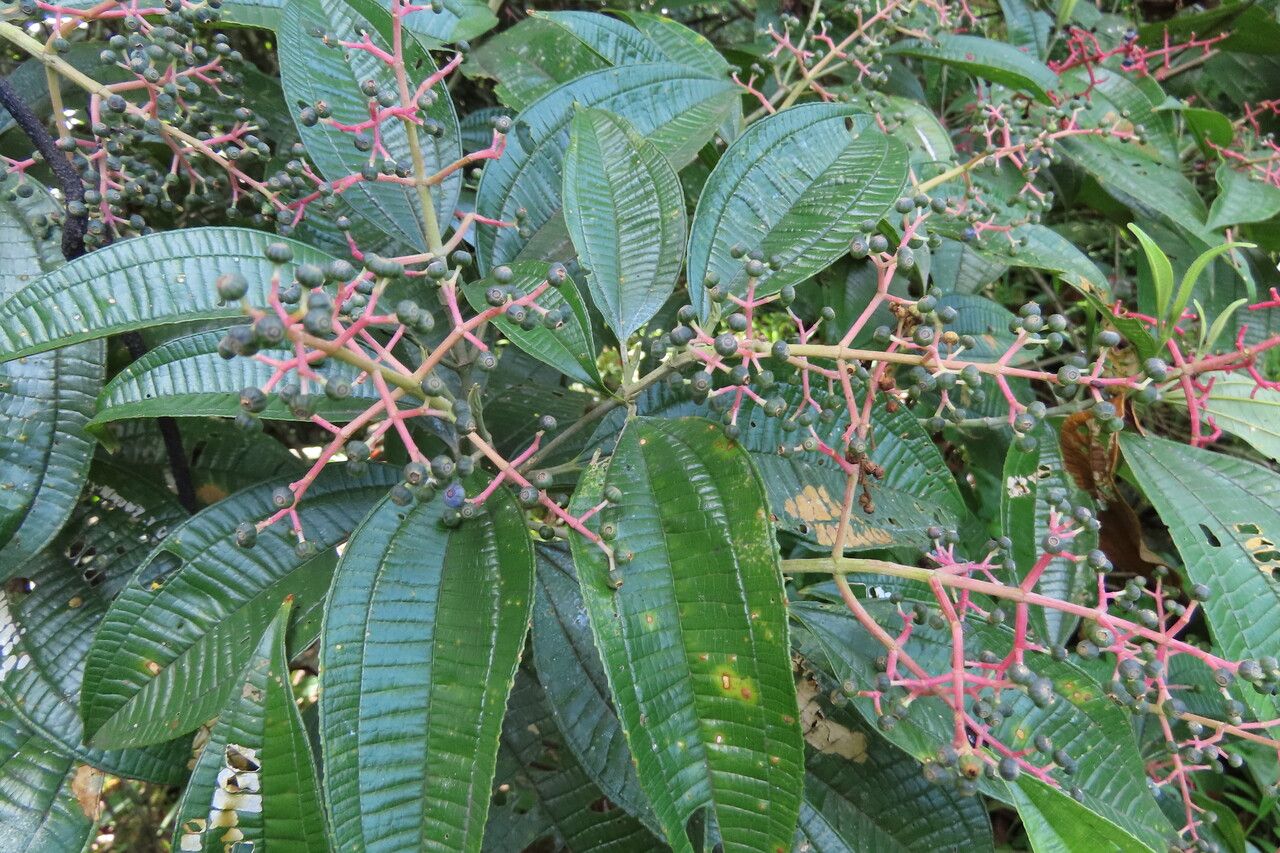
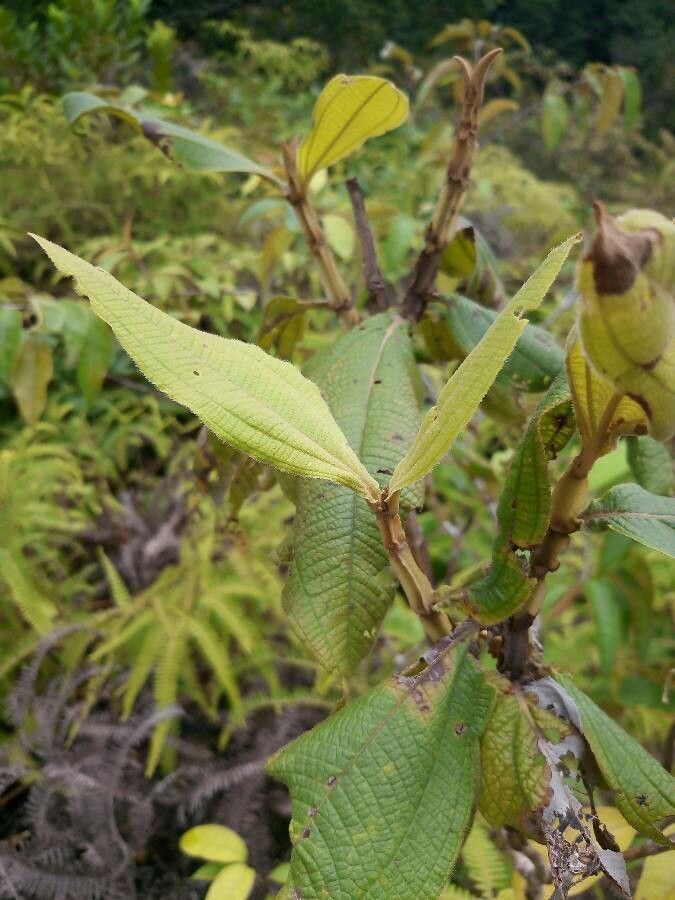
Miconia calvescens, commonly known as the velvet tree or Hawaiian tree, is a species of flowering plant in the Melastomataceae family. Native to Central and South America, it has also been introduced to Hawaii and other Pacific islands.
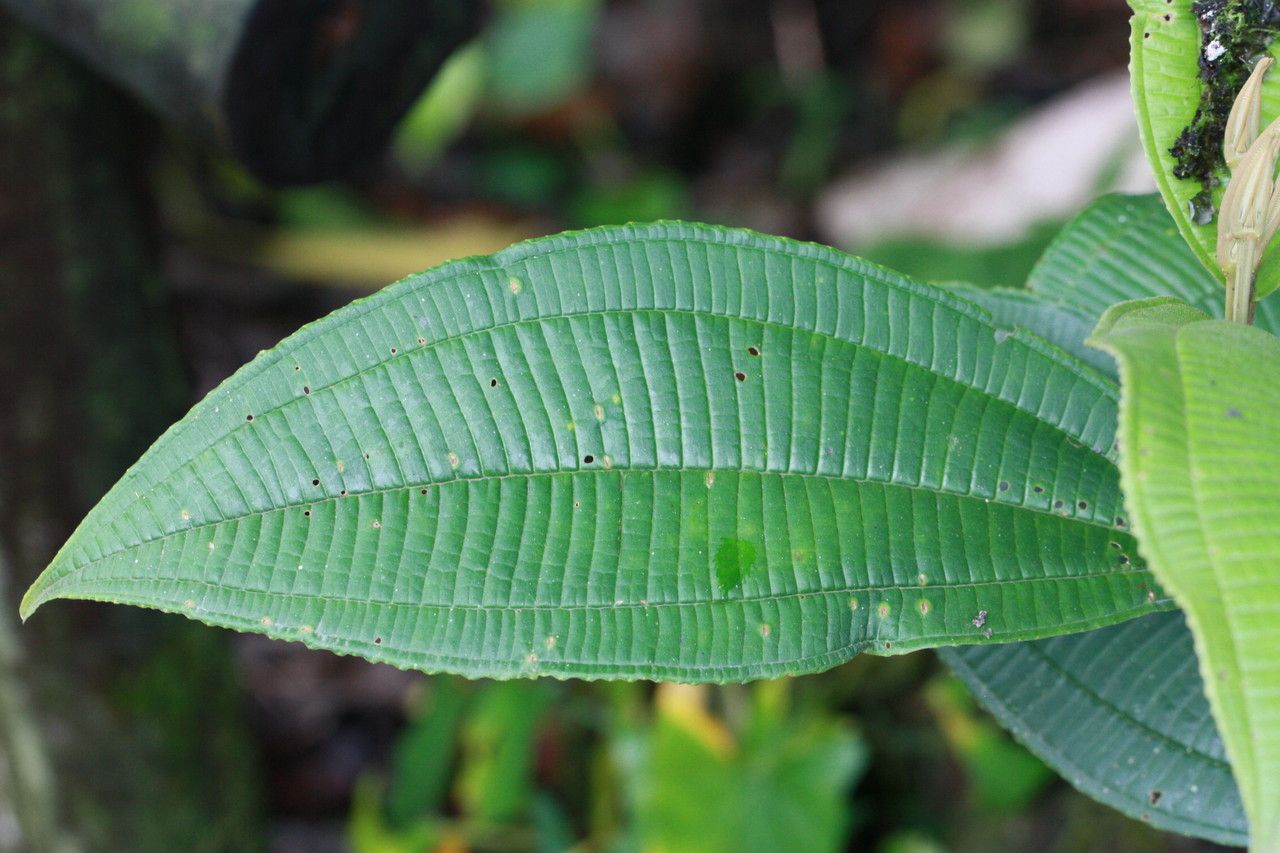
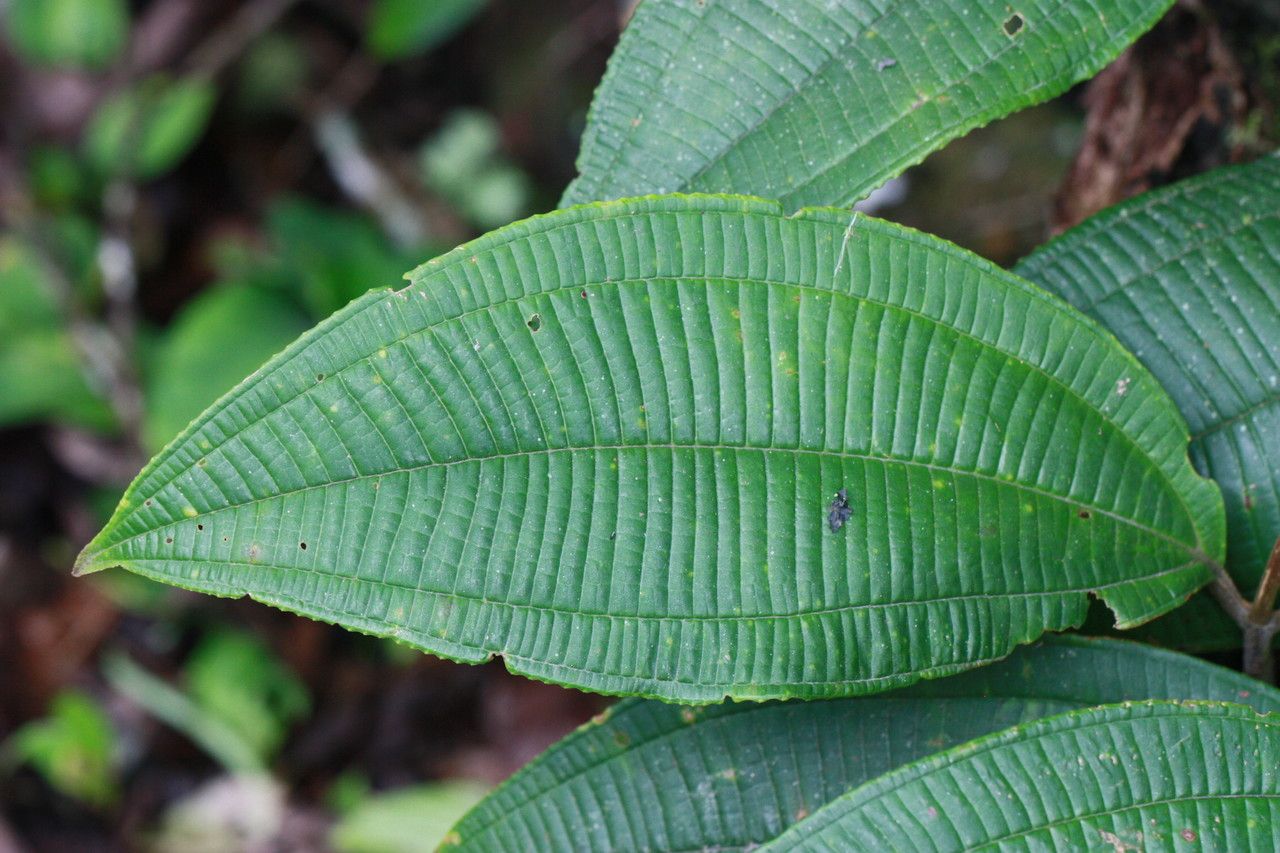
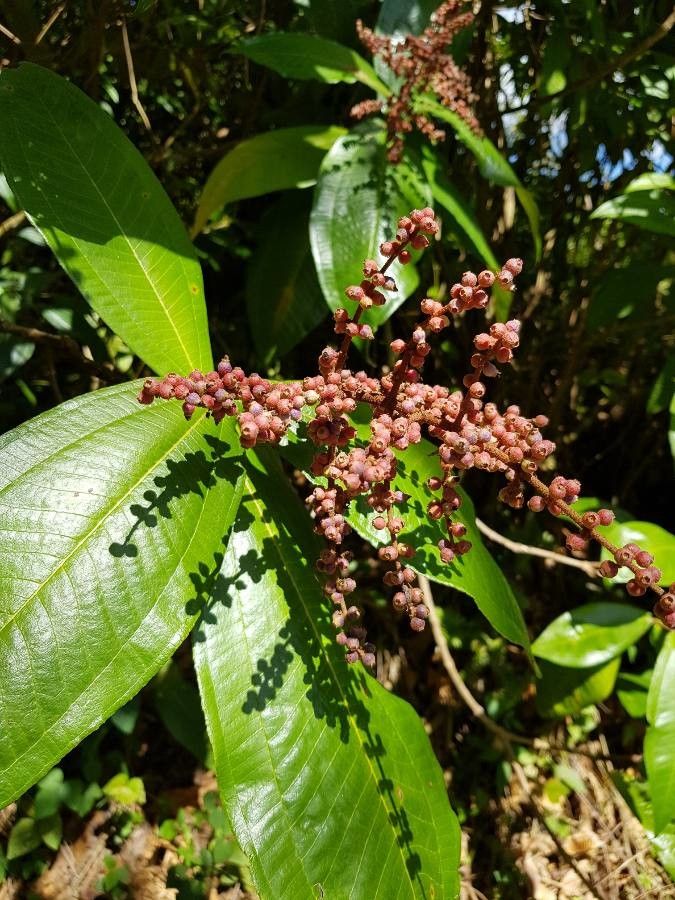
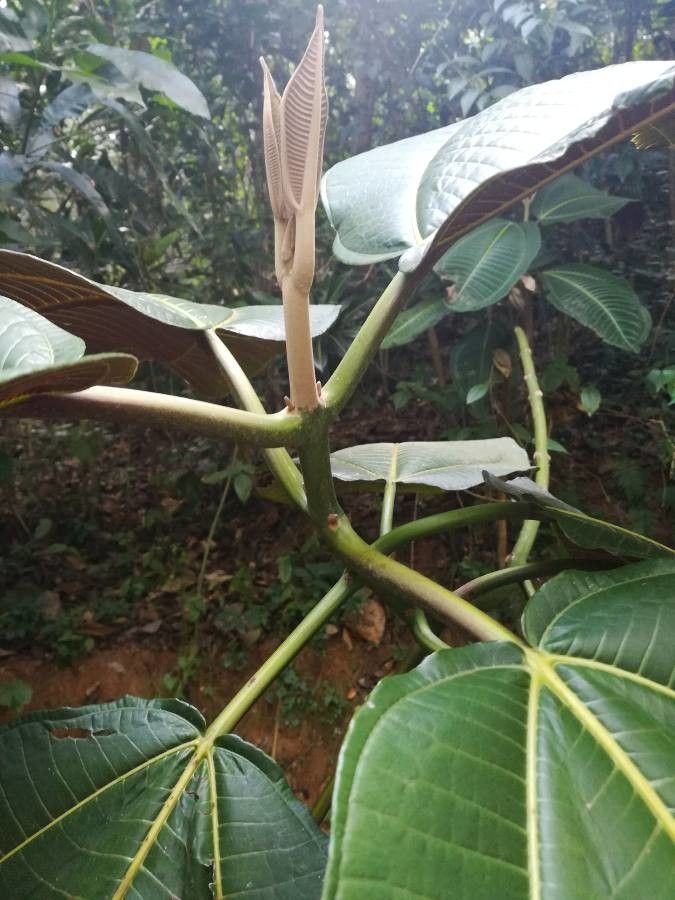
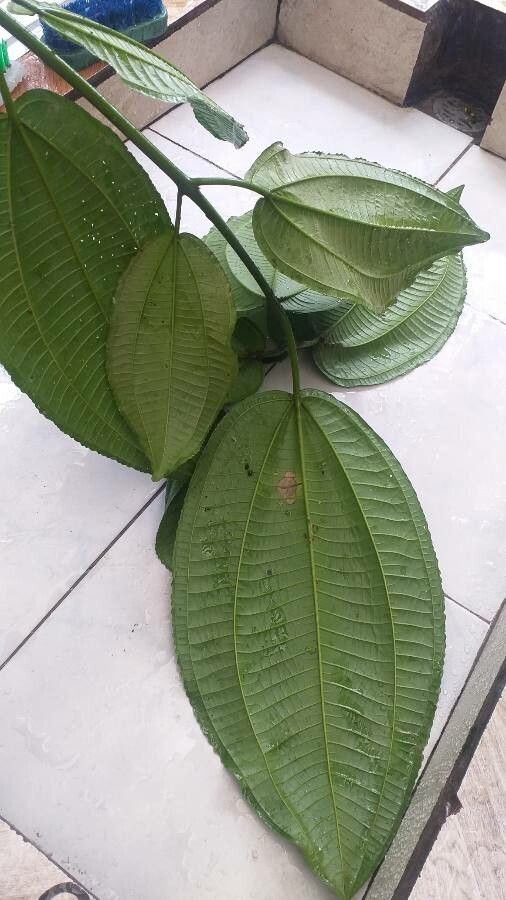
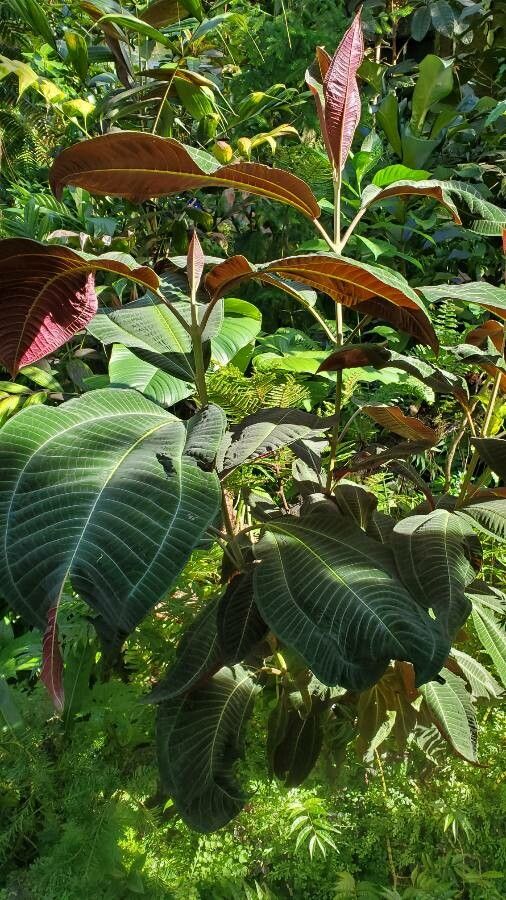
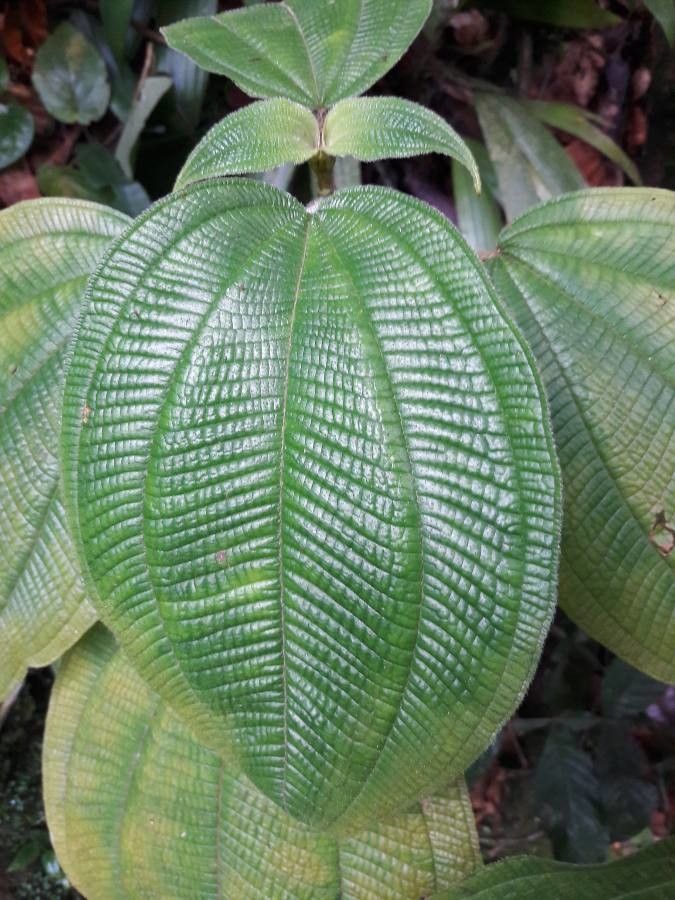
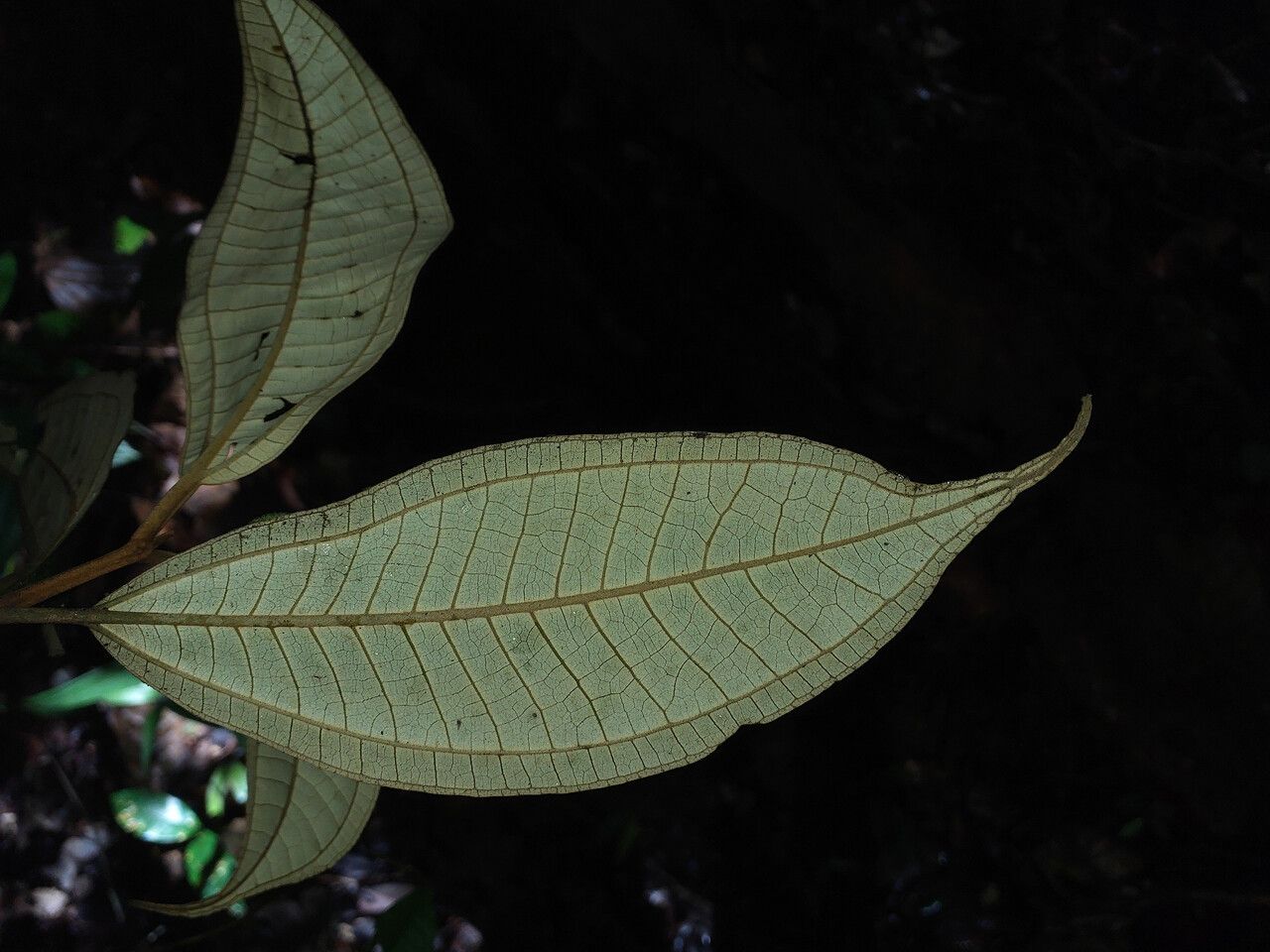
This plant can reach heights of up to 15 meters and have a trunk diameter of up to 30 cm. Its leaves are large, dark green, and velvety in texture, featuring prominent veins. The flowers are small and pinkish-purple in color.
Miconia calvescens is considered an invasive species because it grows rapidly and outcompetes native plants for essential resources like light, water, nutrients, and space. It can form dense thickets that drastically alter ecosystems by changing soil chemistry and hydrology.
Conservationists in Hawaii and other Pacific islands where this plant has invaded are working to control its spread through various methods, such as herbicide application and manual removal.
Overall, Miconia calvescens serves as a clear example of how invasive species can negatively impact ecosystems if not properly managed.
Velvet tree has strong resistance to disease and is typically not susceptible to illnesses. In terms of care, this plant is fairly low-maintenance. When planted outdoors it needs little watering, and larger specimens generally do not require pruning. Smaller plants, however, should be pruned after they have finished blooming. Velvet tree is appropriate for anyone who has outdoor space, such as a garden or a deck, and does not demand much prior care experience.
How to keep Miconia Calvescens.
Light
The velvet tree occurs naturally in settings like forest understories and rocky terrain, where it grows in natural shade. It favors partial sun but can adjust to full sun or full shade, illustrating its versatile, hardy nature.
Temperature
The velvet tree comes from tropical areas, where the climate is generally warm and humid. As a result, it is well adapted to high temperatures and moisture. It is sensitive to sudden temperature changes and prefers a consistent thermal environment, so avoiding temperature fluctuations indoors is important. It generally does not tolerate cold and requires higher temperatures to grow. If the surrounding temperature falls too low, the plant may stop growing or even die.
Fertilizer
Fertilizing is essential for caring for the Velvet tree. Regular feeding throughout the growing season helps maintain the energy for its showy leaves and supports overall growth. If you neglect fertilization, the leaves can become unhealthy, the ornamental value can decline, and growth may be stunted or weak and more likely to break.
Botanical profile.
- Plant Type
- Shrub
- Life Cycle
- Perennial
- Genus
- Miconia
- Family
- Melastomataceae
- Hardiness Zone
- 10-12
- Mature Height
- 11.89 m to 14.94 m
- Mature Spread
- 3.96 m to 6.1 m
- Leaf Color
- Dark Green, Purple
- Leaf Type
- Evergreen
- Flower Color
- White
- Flower Size
- 0.25 cm to 0.51 cm
- Bloom Time
- All year round
- Planting Time
- Summer, Autumn
- Harvest Time
- All year round
- Native Area
- Colombia, Belize, Paraguay, Argentina, Honduras, Mexico, Guatemala, Bolivia, Peru, Brazil, El Salvador, Nicaragua, Ecuador, Costa Rica, Panama
Other names.