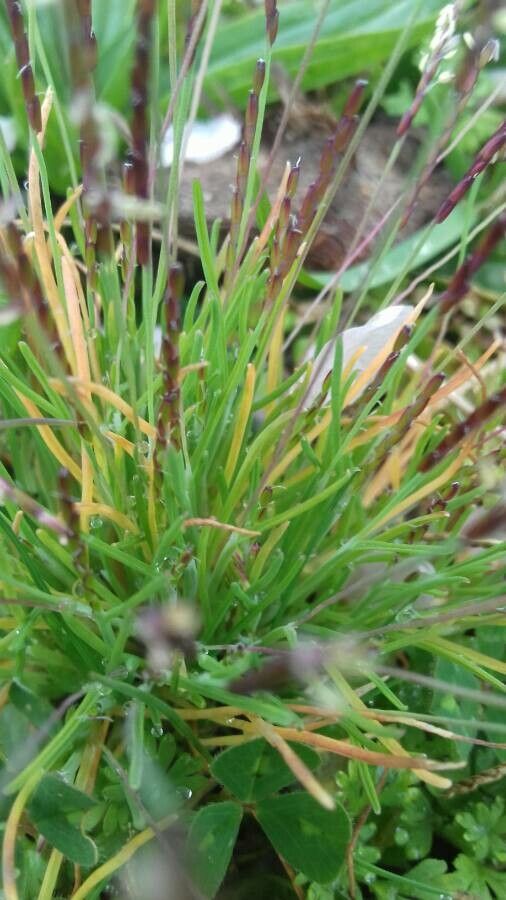
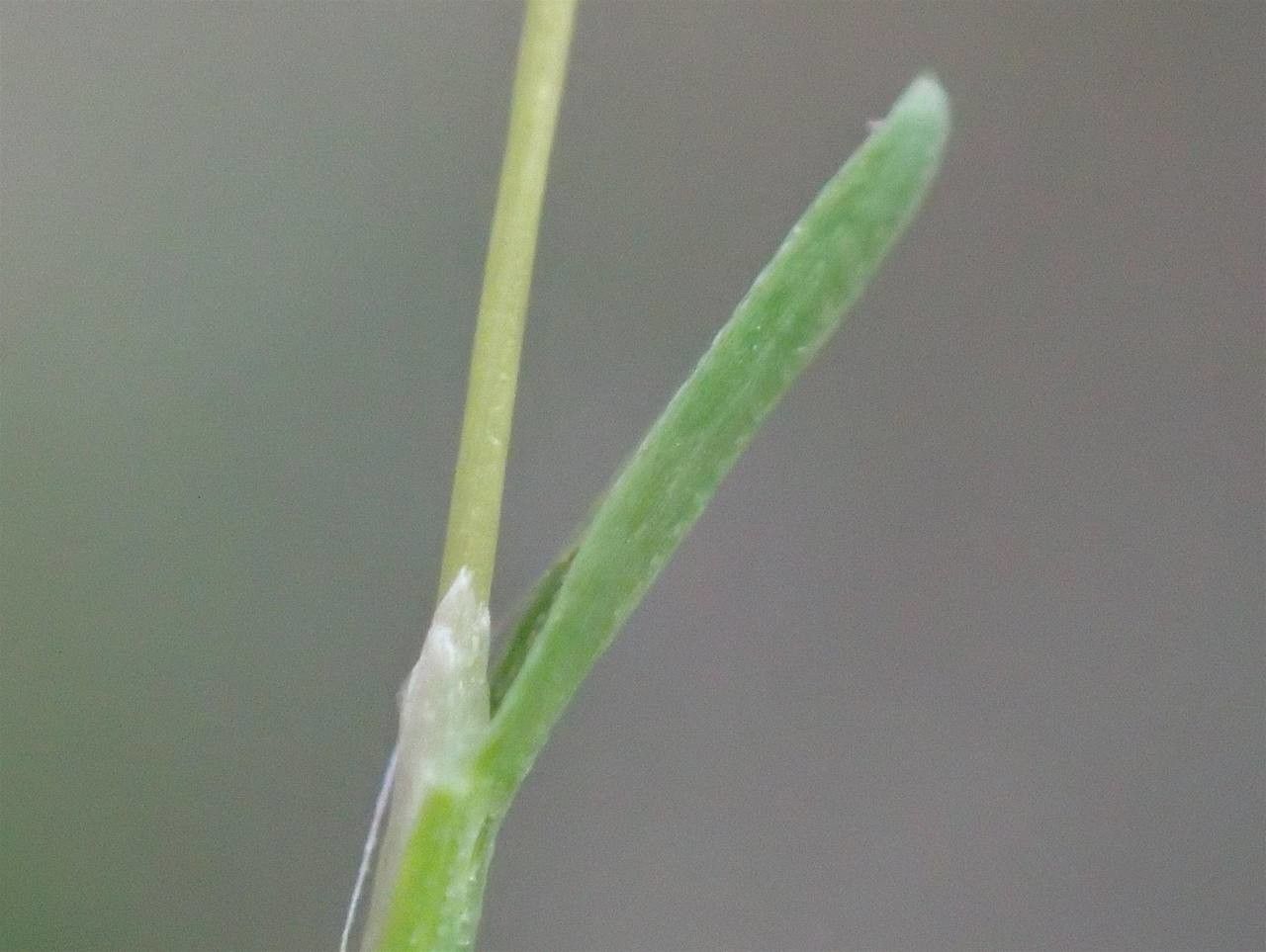
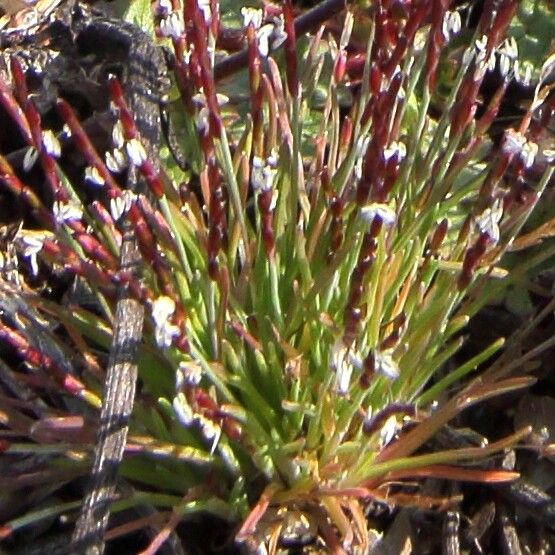
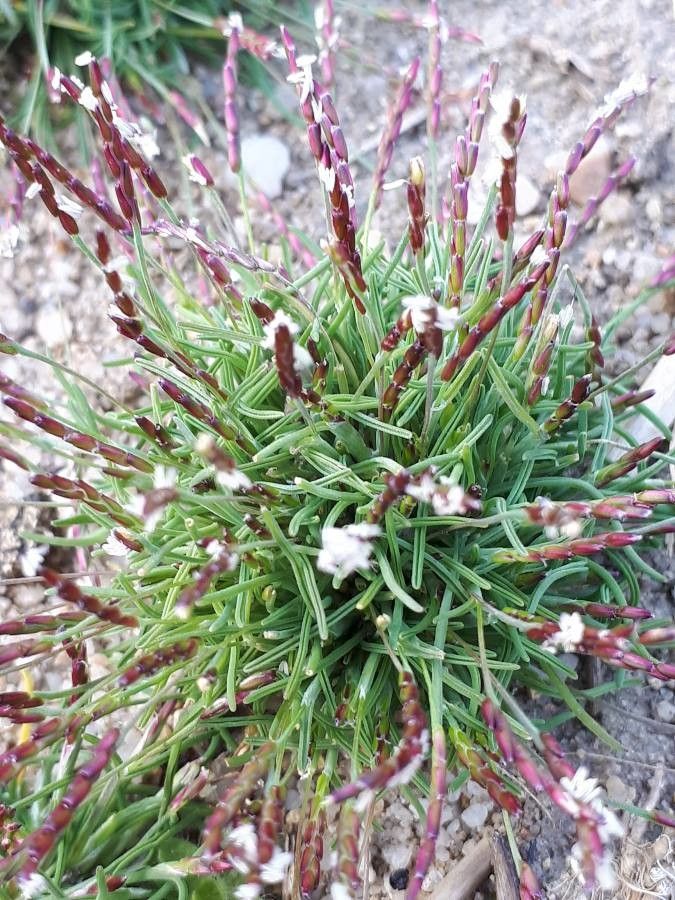
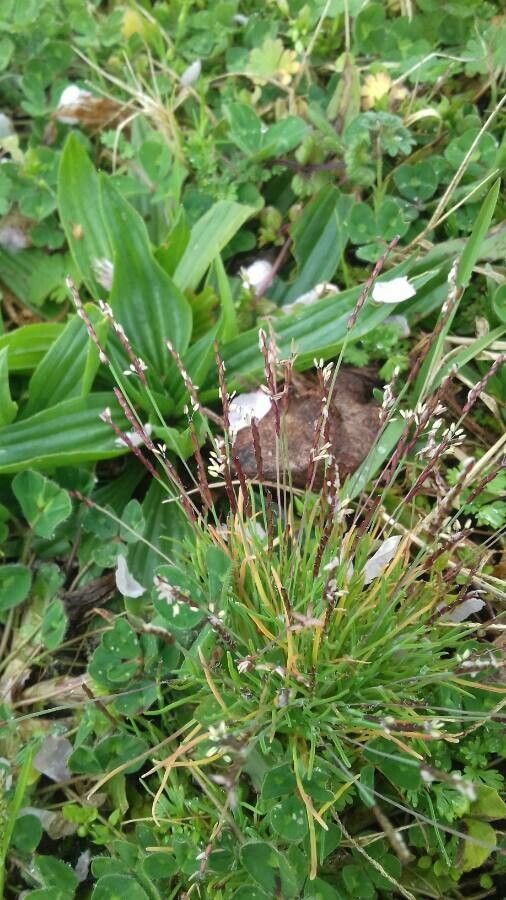
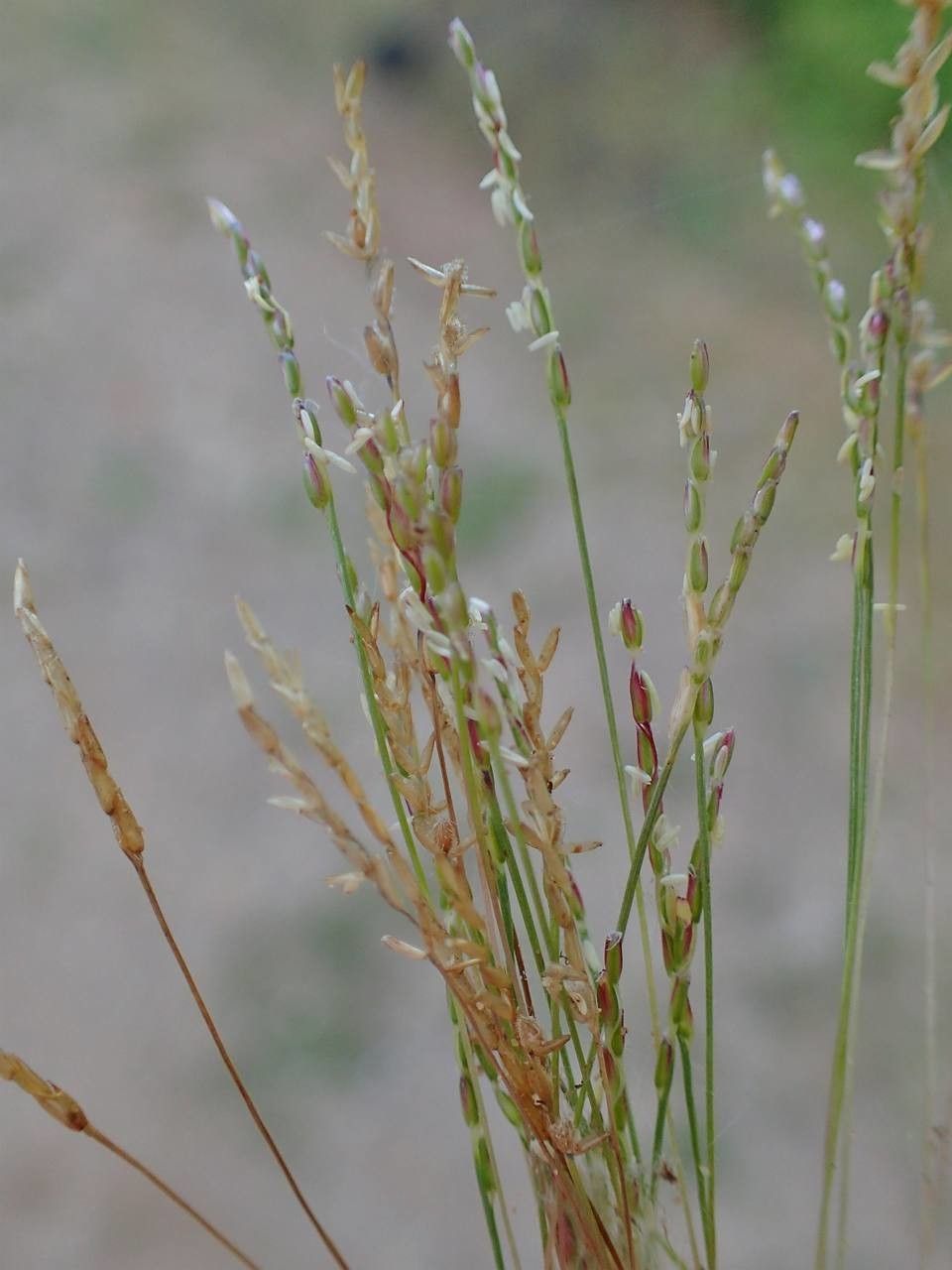
Mibora minima, the early sandgrass, is a small (between 2 and 15 cm high) annual species of grass that is native in western and southwestern Europe. It is an invasive species on both sides of the Canada–United States border from Lake Huron east to Maine. It grows on moist sand in open vegetations.
Early sandgrass is highly resistant to disease and generally not susceptible to illnesses. As for maintenance, this plant is fairly low-maintenance. Planted outdoors, it needs only light watering, and larger plants typically do not require pruning. Smaller plants, however, should be trimmed after they finish blooming. Early sandgrass is appropriate for anyone who has an outdoor area, such as a garden or deck, and does not call for extensive plant-care experience.
How to keep Mibora Minima.
Light
Early sandgrass is native to bright tropical areas and flourishes in direct sunlight. It prefers full sun but can withstand partial sun, doing well in mildly shaded locations.
Water
Early sandgrass, native to temperate regions, thrives in environments with moderate moisture. It should be watered once a week, allowing the soil to dry out slightly between waterings. As an outdoor plant, sandgrass effectively uses rainwater, showcasing its adaptation to seasonal precipitation patterns.
Temperature
Early sandgrass originates from temperate regions where temperatures typically fall between 68 and 95°F (20 to 35℃). To achieve the best growth, keep conditions within that range year-round. Seasonal temperature adjustments are not required.
Fertilizer
Early sandgrass needs extra nutrients to encourage healthy new growth. In spring, placing compost around the base of the plant will effectively supply the nutrition it requires. Fertilizing supports vigorous growth and helps the plant resist diseases and pests.
Pruning
To maintain early sandgrass, minimal pruning is required. Focus on shearing off spent flowers and trimming any dead foliage in early spring to encourage vigorous regrowth and dense growth. This practice also helps prevent disease. Use clean, sharp tools to minimize damage, and avoid heavy pruning to maintain the plant's natural form.
Botanical profile.
- Plant Type
- Grass
- Life Cycle
- Perennial
- Genus
- Mibora
- Family
- Poaceae
- Hardiness Zone
- 9-10
- Mature Height
- 2 cm to 15 cm
- Mature Spread
- 2 cm to 5 cm
- Leaf Color
- Light Green
- Leaf Type
- Deciduous
- Flower Color
- White, Purple
- Flower Size
- 0.10 cm to 0.20 cm
- Bloom Time
- Early spring, Mid spring
- Planting Time
- Spring
- Harvest Time
- Mid spring, Late spring
Other names.
Reader questions.
What should I do if I give my Early sandgrass too much or too little water?
Proper watering is essential for the optimal growth of this beautiful ornamental grass. In the ground, any watering issues can be resolved. However, in a container, incorrect water amounts can quickly kill Early sandgrass. Insufficient water can cause the grass to stop growing, while excessive watering can result in yellow leaves with brown tips. Underwatering may cause drooping leaves, weak seed head production, and browned leaves. If you suspect water-related problems, first determine whether there is too much or too little water. If there is excessive water, stop watering immediately and allow time for heavy soils to dry out. Once new growth appears, test the soil for moisture and decide whether additional water is needed. In the case of insufficient water, simply provide a deep drink and observe if the grass perks up. It's important to note that a long, deep watering is more beneficial than frequent shallow waterings. This encourages deep root growth, making the grass more resistant to drought and less susceptible to watering-related issues.
What are the sunlight requirements for early sandgrass?
Early sandgrass, with its botanical name Mibora minima, is originally from bright, tropical environments and thrives best in full sun conditions, which means it needs more than 6 hours of sunlight per day. However, it can also grow well in partial sun, requiring about 3-6 hours of sunlight. It's important to observe how sunlight moves through your garden to find the perfect spot that provides a balance of light and shade, ensuring the plant's health and happiness.
What is the ideal temperature range for growing Early Sandgrass?
Early Sandgrass, scientifically known as Mibora minima, thrives in temperate environments, preferring a temperature range between 68 to 95°F (20 to 35°C). To ensure optimal growth, it's crucial to maintain this temperature range throughout the year. Although the plant exhibits some cold tolerance and doesn't require special care for temperatures above 0°C, protections are necessary when the temperature is expected to drop below this point. Temporary measures like wrapping the plant in plastic film, fabric, or other materials can provide cold protection. Remember to remove these protections once the temperature rises again.
How often should I give water to my Early sandgrass?
The watering needs of Early sandgrass vary depending on its location. Generally, it should be watered every week. In hot climates, watering once or twice a week in the summer may be necessary. In moderate climates, watering once every seven days or more may be enough. Grass in containers usually requires more frequent watering than grasses in the ground. However, the location also matters, as shaded grasses need less water than those in the ground. It is important to water Early sandgrass only when the soil is dry. Some signs of dry soil include feeling the soil with your finger or weighing the potted grass with a portable scale. Despite its drought tolerance, regular, deep waterings will keep the grass looking beautiful. In the wild, Early sandgrass grows in open scrubland and is subject to extreme heat, bright sun, and intermittent rain. While it is drought resistant, it still needs care and attention. Watering should be more frequent when it is first planted to help establish deep roots. For potted plants, the soil should be tested every 3 to 4 days and watered when it feels dry. Early sandgrass in the ground generally needs less watering, but this depends on the type of soil. Heavy clay soil may feel dry at the surface but retain moisture below, while sandy soils that drain quickly will need more frequent watering.
Can early sandgrass be grown with artificial lighting?
Yes, early sandgrass can be grown with artificial lighting, especially when natural sunlight is insufficient, such as during winter or in less sunny spaces. When choosing artificial lighting, LED lights are recommended because they can be customized to provide specific wavelengths needed by your plants. Full sun plants require 30-50W/sq ft of artificial light, whereas partial sun plants need 20-30W/sq ft. The light source should be placed 12-36 inches above the plant to simulate natural sunlight, and most plants will require 8-12 hours of light per day.
How does Early Sandgrass handle low temperatures, and what should I do if the temperature drops?
Early Sandgrass has moderate tolerance to lower temperatures, preferring conditions above 20°C for optimal growth. During winter months, it's important to ensure the plant is kept above 0°C. When temperatures plummet below -5°C, the plant's leaves may droop; they can recover in mild conditions but will wilt and eventually fall off in severe cases. To mitigate frost damage, trim off the frost-damaged parts. Additionally, before the onset of low temperatures, wrapping the plant with non-woven fabric or cloth and constructing a wind barrier can help protect it from cold winds.
What do I need to watch out for when watering my Early sandgrass in different seasons, climates, or during different stages of growth?
You can determine if you are watering enough by observing the rate of growth of your grasses. During the hottest months of the year, early sandgrass can double in size within a year. If it is hot weather but the grass is not growing vigorously, you may need to adjust your watering schedule. In winter, you may be able to water only once a month, but it is still important to check the moisture level by touching the soil. During the growth cycle in the warmest months, the grass will require more water. However, during winter and cooler months, the water needs will significantly decrease. The key thing to remember with early sandgrass is that the soil should always dry out completely before adding water.
What are the symptoms of light deficiency in early sandgrass?
When early sandgrass does not receive adequate light, it may exhibit several symptoms indicating light deficiency. These include smaller new leaves, leggy or sparse growth, faster leaf dropping, slower or halted new growth, lighter-colored new leaves, chlorosis (yellowing of leaves), sunscald on leaves or stems, leaf curling, wilting, and leaf scorching. These symptoms suggest that the plant is struggling with low light conditions and is unable to maintain healthy growth or adequate chlorophyll production.
What steps should be taken if Early Sandgrass experiences high temperatures?
During the hot summer months, it's crucial to ensure the temperature around Early Sandgrass does not exceed 35°C. Temperatures above 41°C can cause the leaves to lighten in color, tips to dry and wither, leaves to curl, and increase the plant's susceptibility to sunburn. To manage these symptoms, remove sunburned and dried-up parts of the plant immediately. Also, consider relocating the plant to a shaded area or using a shade cloth to protect it from midday and afternoon sun. Ensuring the soil remains moist by watering in the morning and evening will also help manage high temperature stress.
What solutions can overcome light deficiency in early sandgrass?
To address light deficiency in early sandgrass, gradually moving the plants to a sunnier location is recommended, ensuring they receive at least 6 hours of direct sunlight daily. Indoors, consider using a south-facing window, keep curtains open during the day, or use artificial lighting like desk, ceiling lamps, or professional plant grow lights for at least 8 hours daily. Outdoors, the gradual relocation to sunnier spots helps to avoid sunburn. If direct sunlight is obstructed, identify and reduce obstructions (e.g., pruning trees) or consider transplanting smaller plants to areas with ample sunlight and good drainage during their dormant period. Note that parts of the plant affected by insufficient sunlight may not recover, but new growth after increasing light exposure will be healthy.