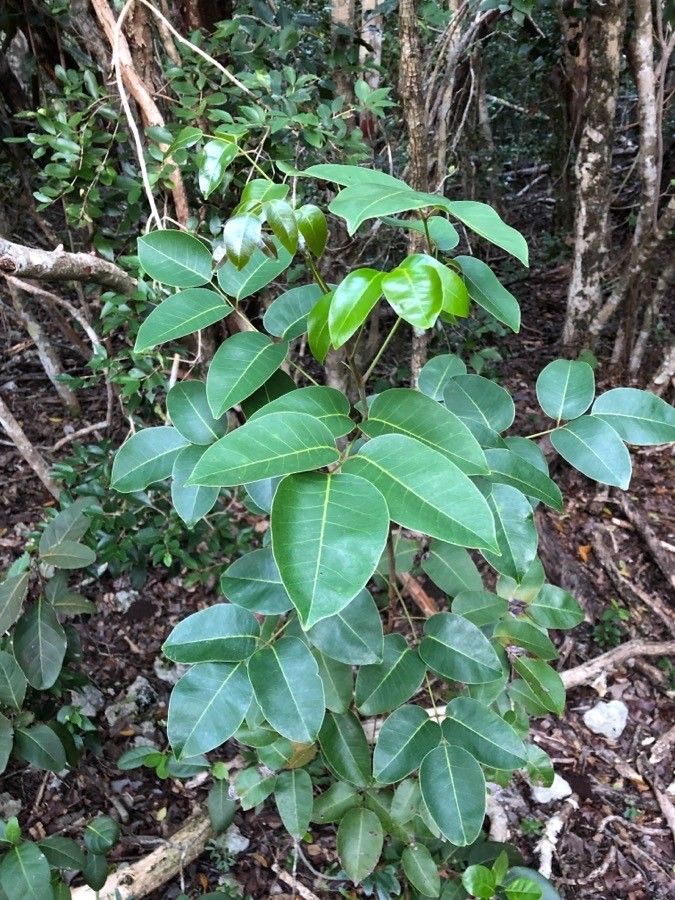
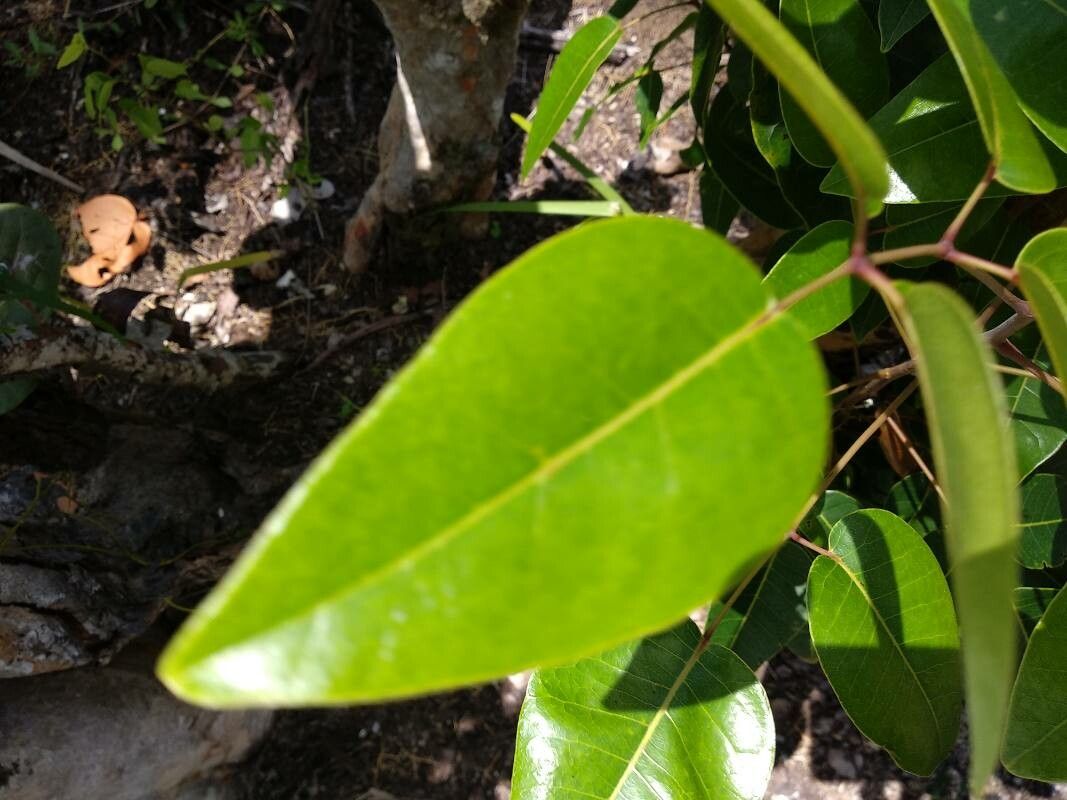
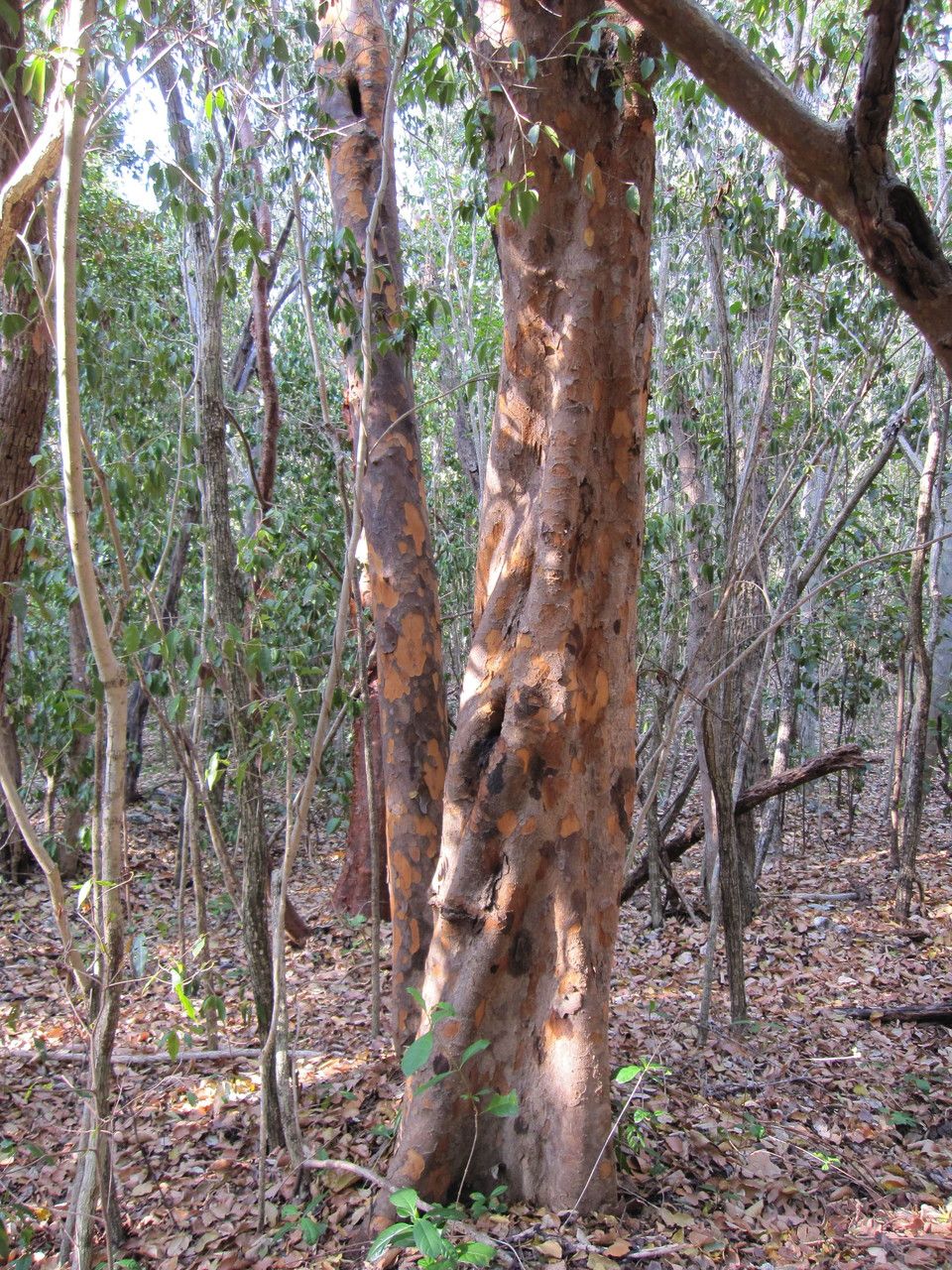
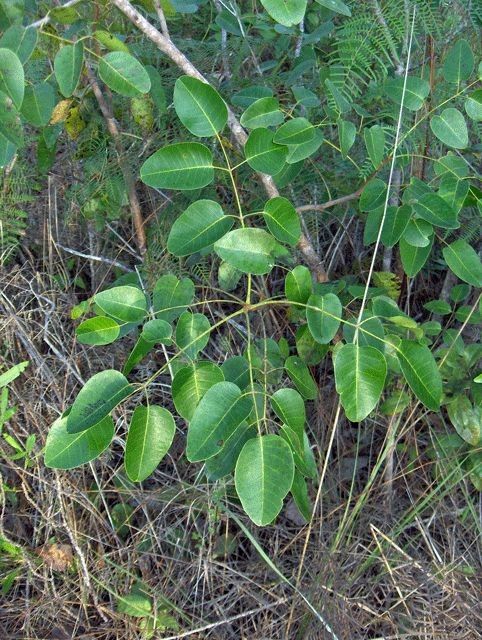
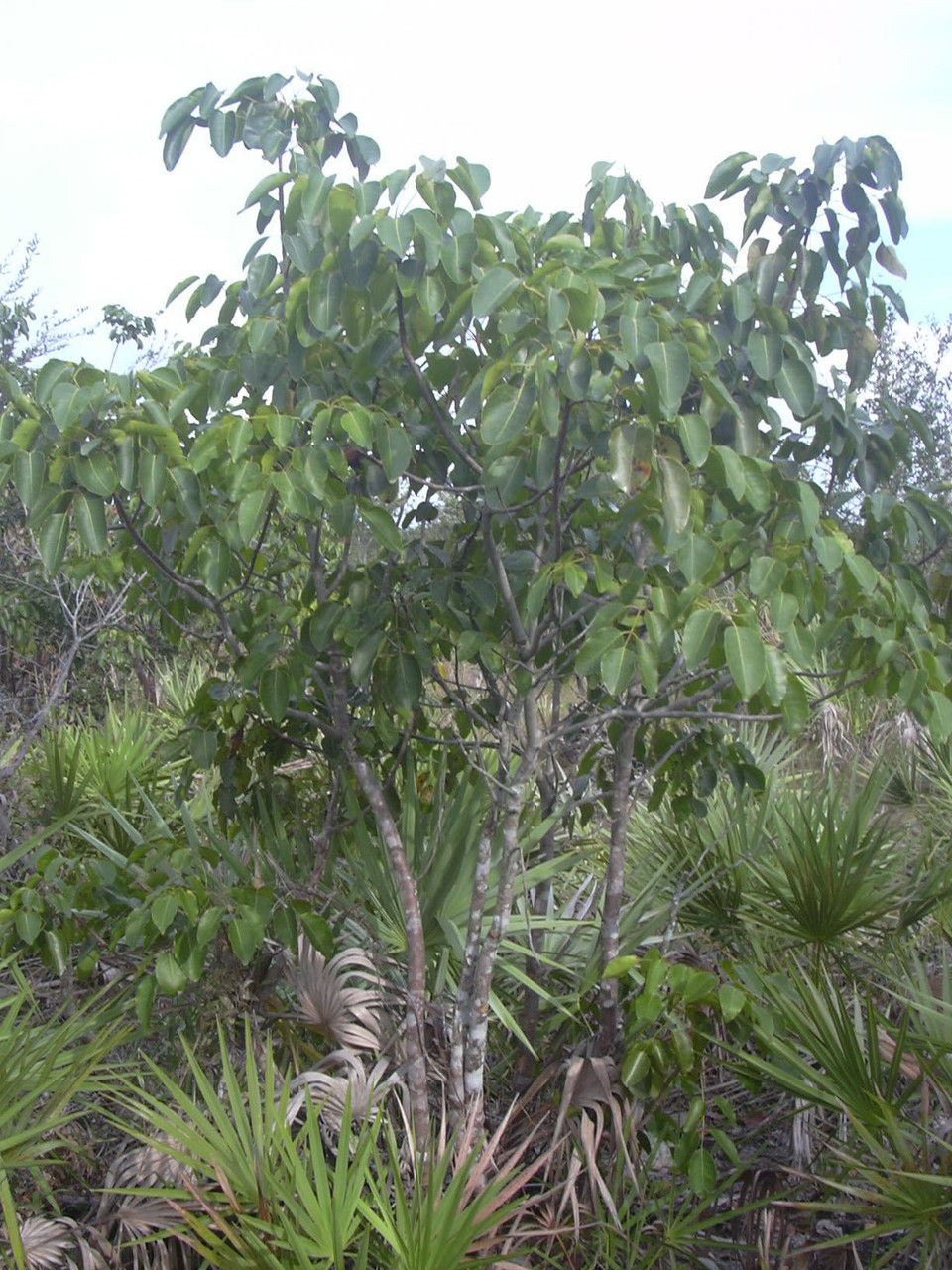
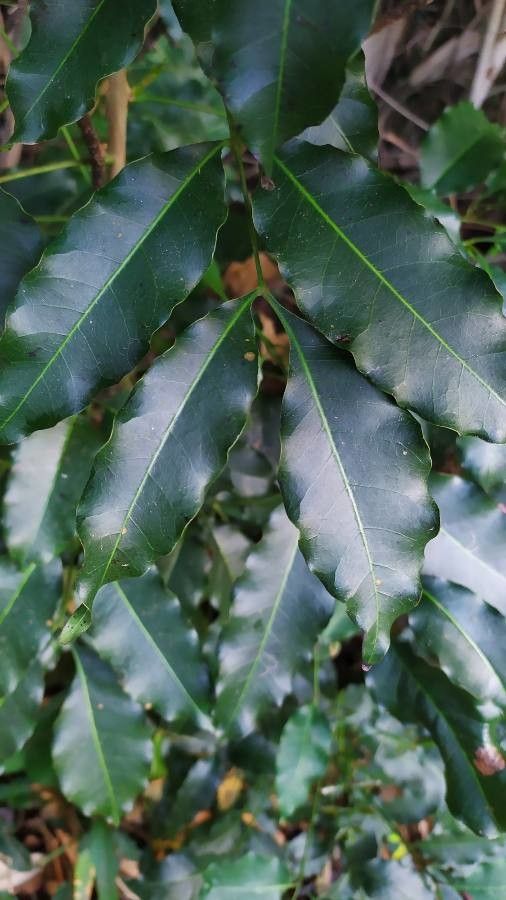
Metopium toxiferum, the poisonwood, Florida poisontree, or hog gum, is a species of flowering tree in the cashew or sumac family, Anacardiaceae, that is native to the American Neotropics. It produces the irritant urushiol much like its close relatives poison sumac and poison oak. It is related to black poisonwood (Metopium brownei).
Poisonwood is well resistant to disease and, overall, is not prone to health problems. As for care, this plant is fairly low-maintenance. When grown outside it needs only minimal watering, and larger plants typically do not require pruning. Smaller plants, however, should be pruned after they have finished blooming. Poisonwoodt is appropriate for anyone with an outdoor area, such as a garden or deck, and does not demand much prior care experience.
How to keep Metopium Toxiferum.
Light
Poisonwood does well in locations with unobstructed sunlight but can cope in situations where sunlight is less constant. Having originated in areas with abundant light, its growth can be significantly hindered by inadequate light. Excessive light, while tolerated, can also influence growth but is not fatal.
Water
Poisonwood flourishes in environments with high humidity and semi-arid conditions, making the most of infrequent heavy rains. To maintain drought tolerance and promote healthy roots, water the plant every 2 to 3 weeks, letting the soil dry out between watering sessions.
Temperature
Poisonwood naturally grows in regions where temperatures range from 68 to 100°F (20 to 38 °C). It favors warm conditions and should be kept within this temperature range year‑round to promote optimal growth.
Fertilizer
Fertilizing is essential for caring for Poisonwood. Consistent feeding during the growing season helps maintain the energy for its showy foliage and supports overall growth. Failing to fertilize can cause unhealthy leaves, reduced ornamental value, and stunted or weak growth that is prone to breaking.
Pruning
Poisonwood has glossy leaves and produces toxic sap, so it's important to handle it carefully, especially when pruning in early spring. Make sure to use sanitized tools to remove dead branches, which promotes healthier growth and minimizes your exposure to the sap. By regularly maintaining the plant, you can shape it to ensure good air circulation, which enhances its natural resilience.
Botanical profile.
- Plant Type
- Tree
- Life Cycle
- Perennial
- Genus
- Metopium
- Family
- Anacardiaceae
- Hardiness Zone
- 9-11
- Mature Height
- 10.67 m
- Mature Spread
- 3.05 m to 4.57 m
- Leaf Color
- Dark Green, Olive Drab
- Leaf Type
- Deciduous
- Flower Color
- White
- Flower Size
- 2.54 cm
- Bloom Time
- Mid spring, Late spring
- Planting Time
- Spring, Autumn
- Harvest Time
- Mid summer, Late summer, Early fall
- Native Area
- Bahamas, Cuba
Other names.
Reader questions.
What are the sunlight requirements for Poisonwood?
Poisonwood requires full sun exposure, defined as more than 6 hours of sunlight a day, to thrive optimally. However, it can also manage in partial sun conditions, which means about 3-6 hours of sunlight daily. It's important to observe the way sunlight moves through your garden to choose the best spots that provide a balance of light and shade, ensuring your Poisonwood's growth and health.
What is the ideal temperature range for growing Poisonwood?
Poisonwood thrives best in warm environments, with an ideal temperature range between 68 to 100°F (20 to 38°C). These conditions need to be maintained throughout the year for the plant to ensure optimal growth. During colder months, it's essential to keep the plant indoors, preferably near a bright window while avoiding placement too close to heaters, to maintain a temperature above 20°C and prevent damage from cold.
How does insufficient or excessive sunlight affect Poisonwood?
The growth of Poisonwood can be significantly affected by inadequate light exposure due to its origins in conditions with plentiful light. While it can tolerate excess light, it may also impact its growth but not fatally. In cases of insufficient natural light, particularly in winter or less sunny spaces, artificial lighting can be employed to promote healthier growth. For indoor plants, LED lights are recommended, providing 30-50W/sq ft for full sun plants, 20-30W/sq ft for partial sun plants, and 10-20W/sq ft for full shade plants. The light source should be placed 12-36 inches above the plant and kept on for 8-12 hours per day to mimic natural daylight conditions.
How should I care for Poisonwood during winter?
During winter, it's crucial to protect Poisonwood from cold temperatures by keeping it in a warm environment, as the plant is not tolerant to low temperatures. Ensure that the temperature stays above 0°C, as colder conditions can significantly harm the plant. If exposed to temperatures below -5°C, you might notice the leaves lightening in color, eventually turning brown or black, and the plant may wilt or droop. To counter frost damage, trim the frost-damaged parts and relocate the plant to a warmer spot inside, preferably near a south-facing window for ample sunlight, but keep it away from direct heat sources like heaters to avoid dry air that's detrimental to the plant.
What are the symptoms of light deficiency in Poisonwood?
Symptoms of light deficiency in Poisonwood include smaller new leaves, leggy or sparse growth, faster leaf drop, no new growth, lighter-colored new leaves indicating a lack of chlorophyll, chlorosis (yellowing leaves), sunscald, leaf curling, wilting due to water loss, and leaf scorching with brown, dry edges. These symptoms indicate insufficient sunlight exposure, which affects the plant's ability to photosynthesize and maintain its health.
How do I prevent heat and sun damage to Poisonwood during summer?
In the summer, it's important to ensure that the temperature around Poisonwood does not exceed 38°C to prevent heat stress and sunburn. If temperatures soar above 43°C, the plant's leaves might start lightening in color and become susceptible to burning. To mitigate this, trim away any sunburned or dried parts of the plant, and reposition it to a spot with shade, particularly shielding it from the intense midday and afternoon sun. Additionally, maintain soil moisture by watering the plant during cooler morning and evening hours.
How can you address light deficiency symptoms in Poisonwood both indoors and outdoors?
To address light deficiency symptoms in Poisonwood, gradually increasing sunlight exposure is key. For indoor plants, moving them to a sunnier location each week until they receive at least 6 hours of direct sunlight daily is recommended. Using a south-facing window helps maximize sunlight exposure. Adding artificial light, such as desk lamps or professional grow lights for 8 hours a day, can also help. For outdoor plants, moving them to a sunnier spot gradually each week prevents sunburn. Removing physical obstructions (such as pruning trees) that block sunlight or transplanting smaller plants to sunnier locations can enhance growth. It's crucial to note that while affected parts may not recover, new growth following increased light exposure will be healthy and vibrant.
What is Poisonwood's botanical name?
The botanical name of Poisonwood is Metopium toxiferum. This information helps in accurately identifying the plant, especially for horticultural and botanical studies.