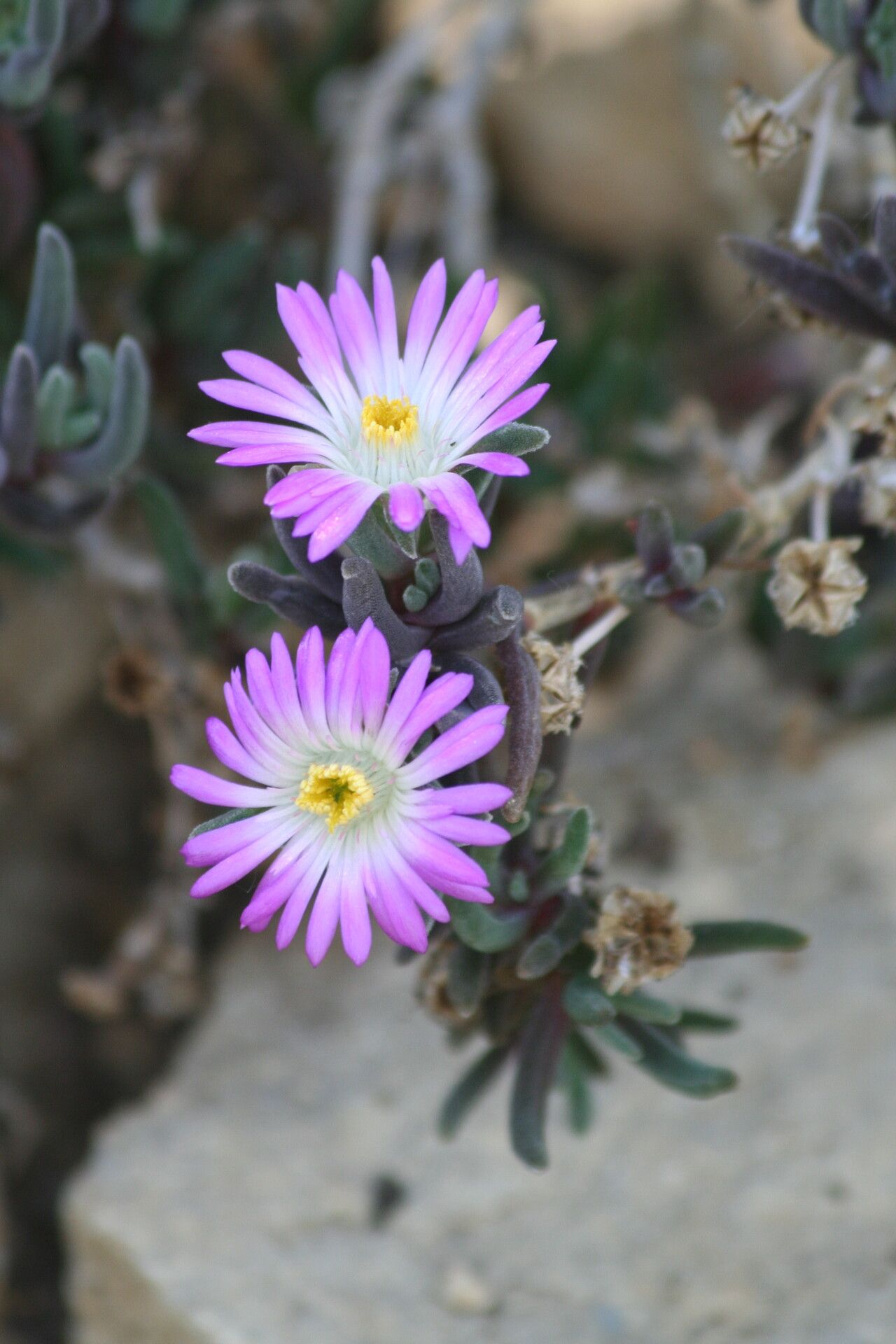
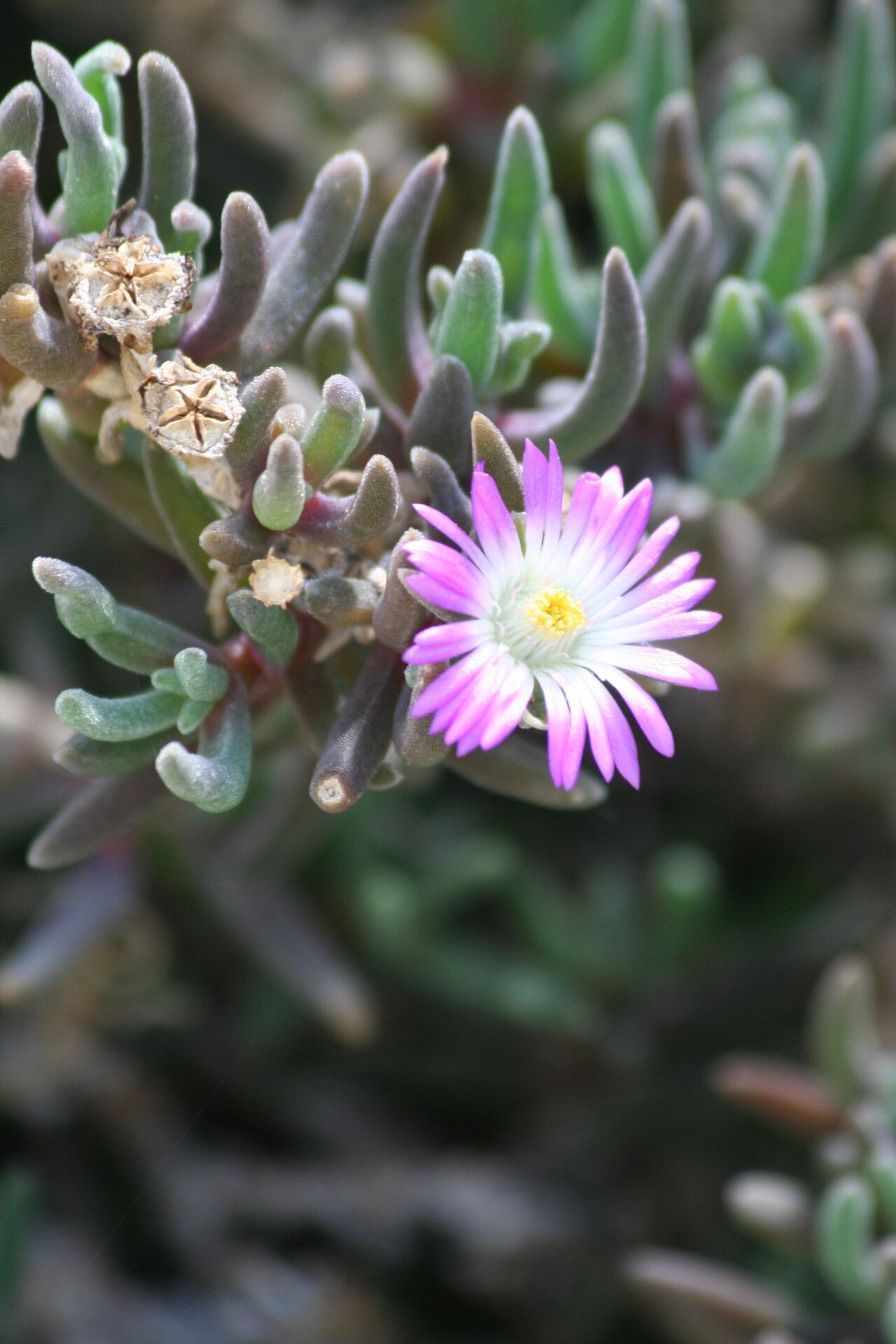
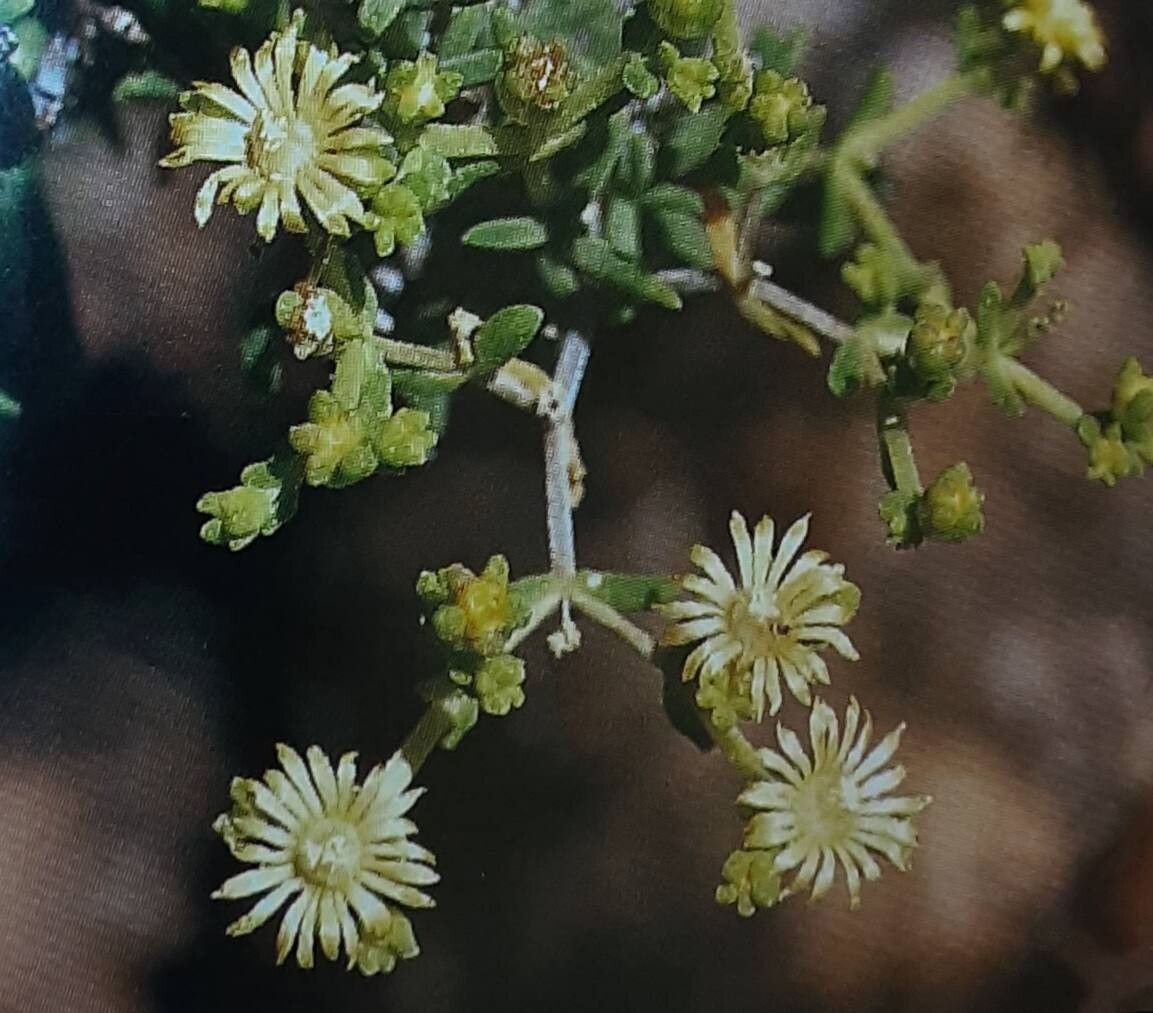
Common donkeyfig has moderate resistance to disease but is more affected by humidity. It is vulnerable to disease in high-humidity conditions and is likely to develop root rot while dormant. Regarding care, Common donkeyfig tolerates drought but requires increased watering during the growing season. Watering should be greatly reduced or halted entirely during the dormant period. Common donkeyfig is appropriate for growers with some experience, though it can be challenging to maintain, particularly during dormancy. It is particularly well-suited to those who can dedicate time to its care over the winter months.
How to keep Mestoklema Tuberosum.
Light
Native to arid regions, Common donkeyfig flourishes in full sun, since its native habitat is marked by strong sunlight and scant shade. It also tolerates partial sun, giving it some flexibility in its growth.
Water
The common donkeyfig requires careful watering that takes several factors into account, including the weather, the plant's condition, soil moisture, and the type of pot being used. During its dormant period, reduce watering to once every 1-2 weeks. In summer, water the plant in the evening and keep an eye out for signs of dehydration. To check soil moisture, you can weigh the pot or look for gaps between the soil and the pot.
Temperature
Although Common donkeyfig can tolerate some heat, it mainly flourishes and grows during the cooler seasons and becomes dormant in summer. In hot summer weather, provide shade to prevent scorching from intense sunlight. Watering should be reduced or stopped during the hottest season to avoid root rot. Common donkeyfig shows vigorous growth in winter and spring. If temperatures do not fall too low, it will continue to grow steadily.
Fertilizer
For Common donkeyfig, small amounts of fertilizer applied once or twice a year during the growing season are sufficient. Avoid fertilizing in winter and during summer dormancy. Reduce fertilizer for repotted plants and wait a couple of months after repotting before applying fertilizer. Fertilizing promotes healthy growth and encourages blooms.
Pruning
The common donkey fig is a low-growing succulent that benefits from pruning in early spring to maintain its shape and encourage new growth. To improve airflow and allow more light to reach the plant, remove any damaged stems. Be sure to use sterilized tools to prevent disease, and avoid excessive pruning, as it can stress the plant. By following these practices, you can help ensure a healthier and more attractive plant.
Botanical profile.
- Plant Type
- Succulent
- Life Cycle
- Perennial
- Genus
- Mestoklema
- Family
- Aizoaceae
- Hardiness Zone
- 9-11
- Mature Height
- 10 cm to 15 cm
- Mature Spread
- 20 cm to 30 cm
- Leaf Color
- Light Green, Pale Green
- Leaf Type
- Evergreen
- Flower Color
- Pink, White
- Flower Size
- 2.03 cm to 3.05 cm
- Bloom Time
- Late spring, Early summer, Mid summer
- Planting Time
- Spring
- Harvest Time
- Late summer, Early fall, Mid fall
- Native Area
- South Africa, Botswana
Reader questions.
What is the Common donkeyfig?
The Common donkeyfig, known botanically as Mestoklema tuberosum, is a plant distinguished by its unique characteristics. Unfortunately, details about its essentials, such as specific physical descriptions, growing conditions, or any additional information, were not provided. Similarly, information regarding symptoms related to its care or health was also absent, indicating that understanding this plant requires further research into its botanic characteristics and ideal care practices.