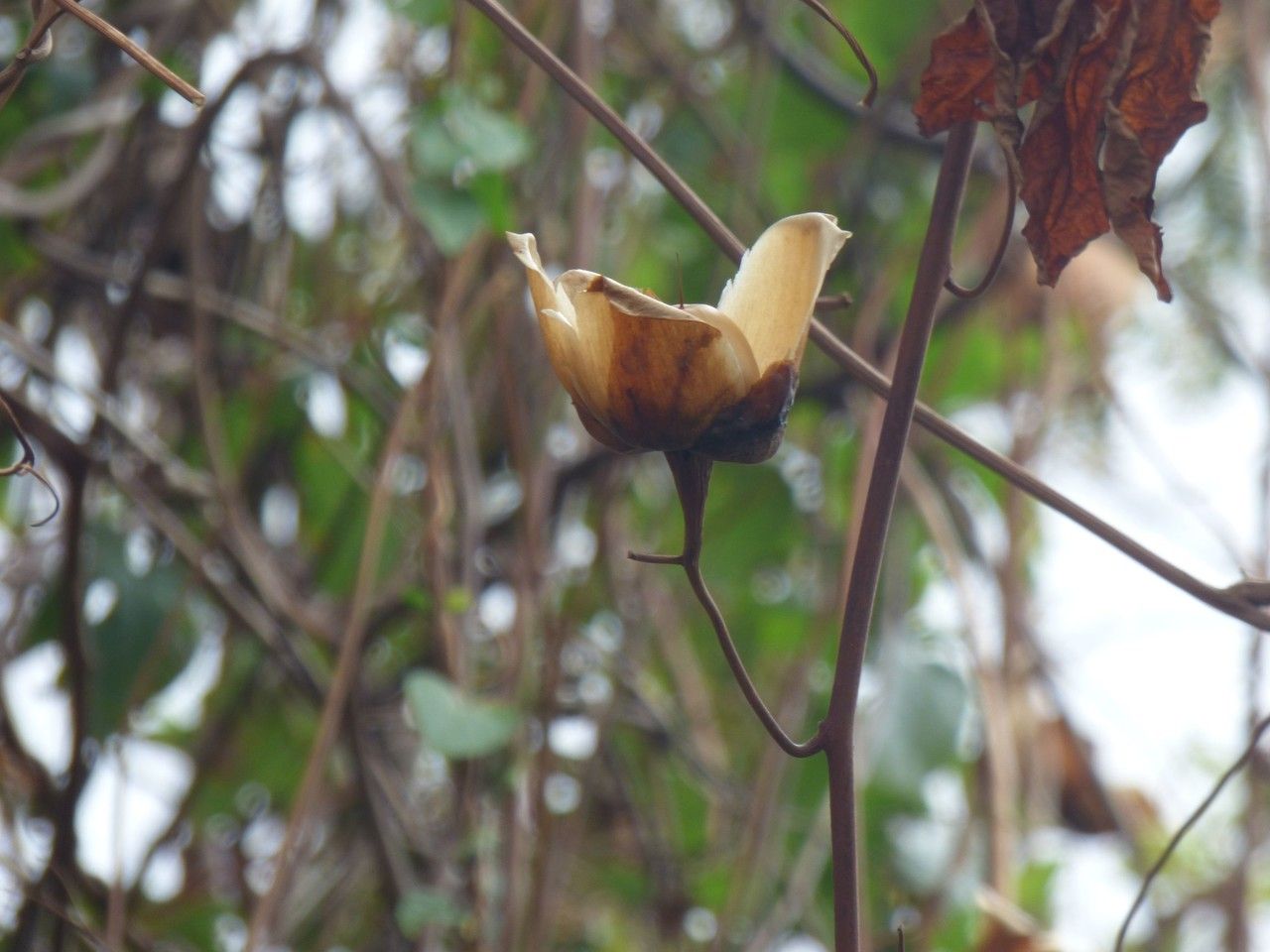
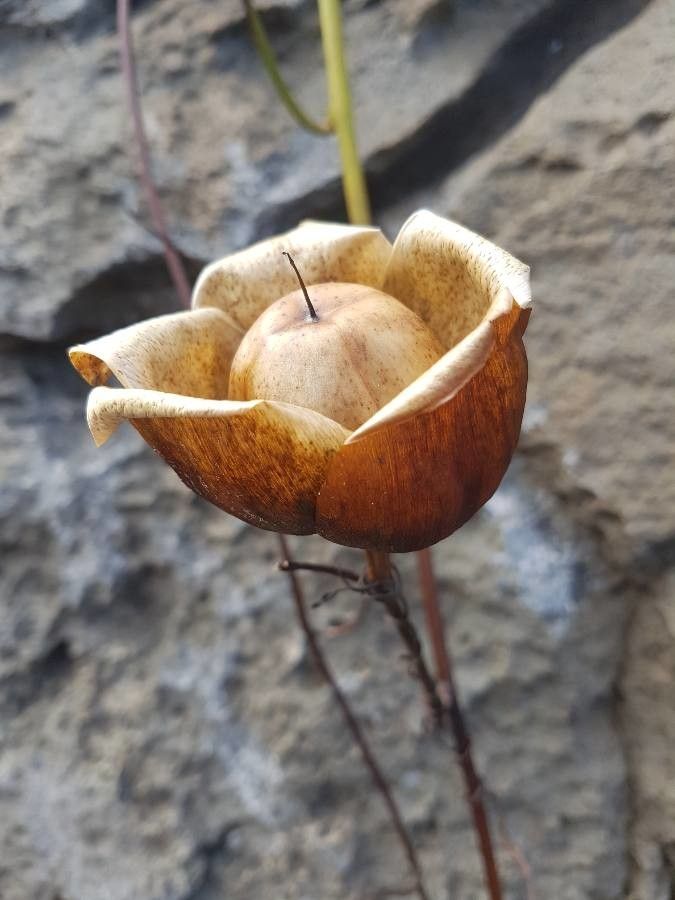
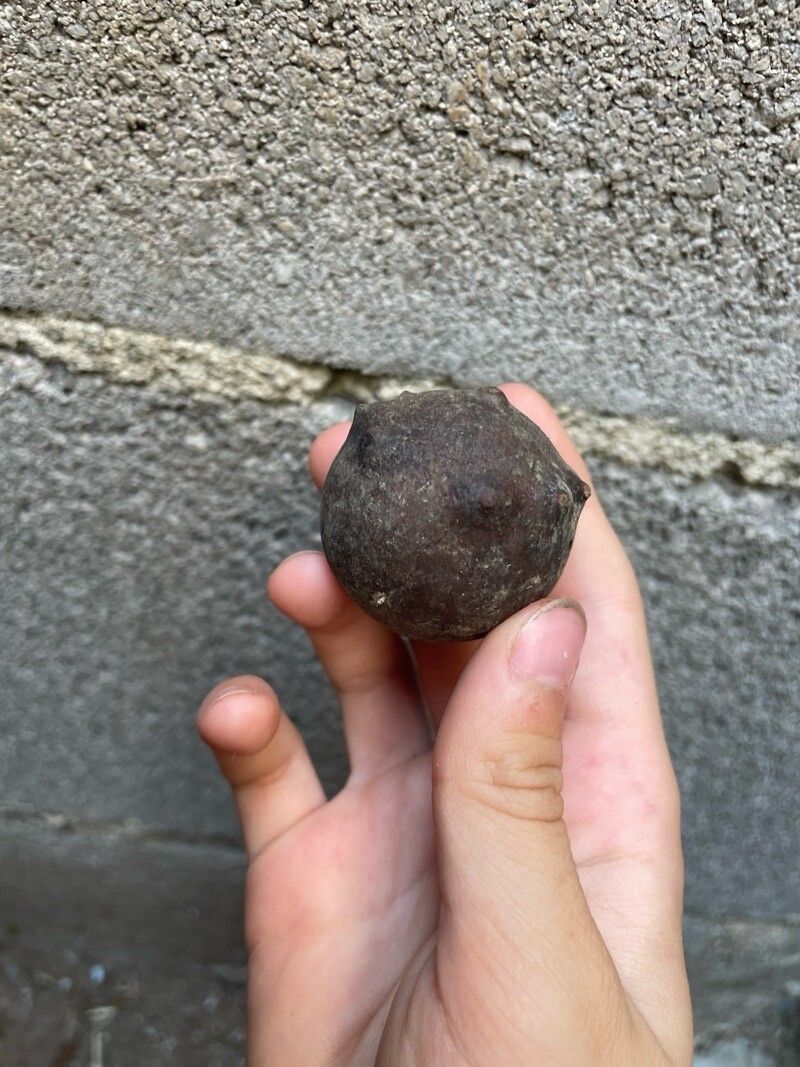
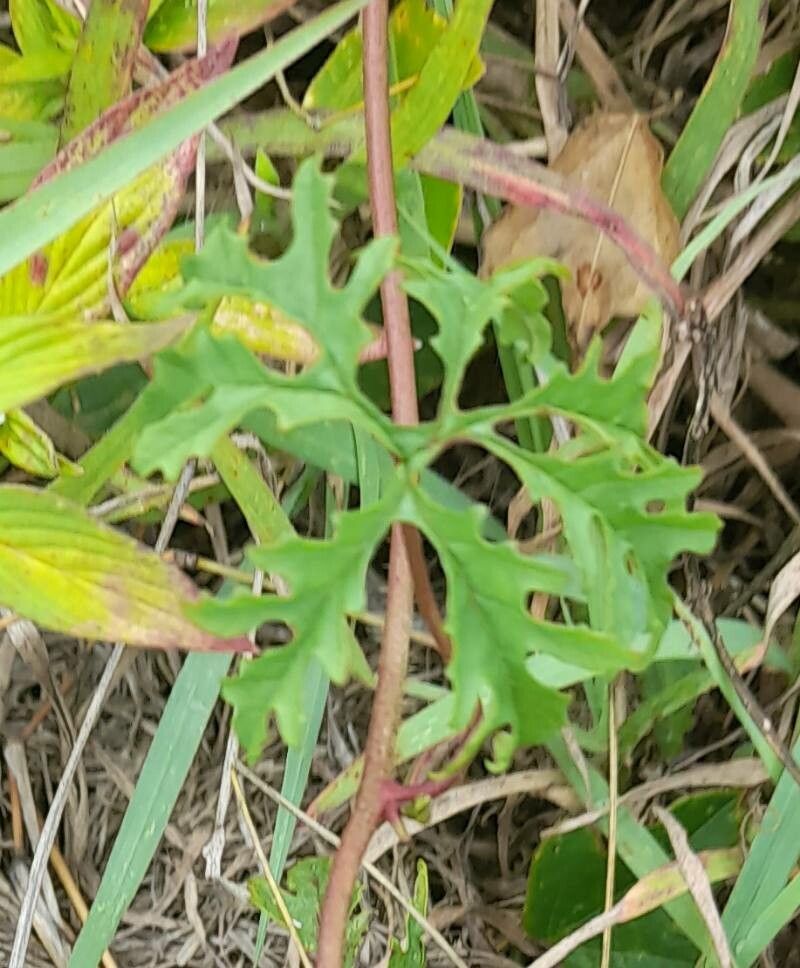
Merremia tuberosa, commonly known as wood rose or Hawaiian wood rose, is a perennial climbing vine belonging to the Convolvulaceae family. Native to tropical regions of Asia and the Pacific Islands, it has spread and naturalized in various parts of the world.
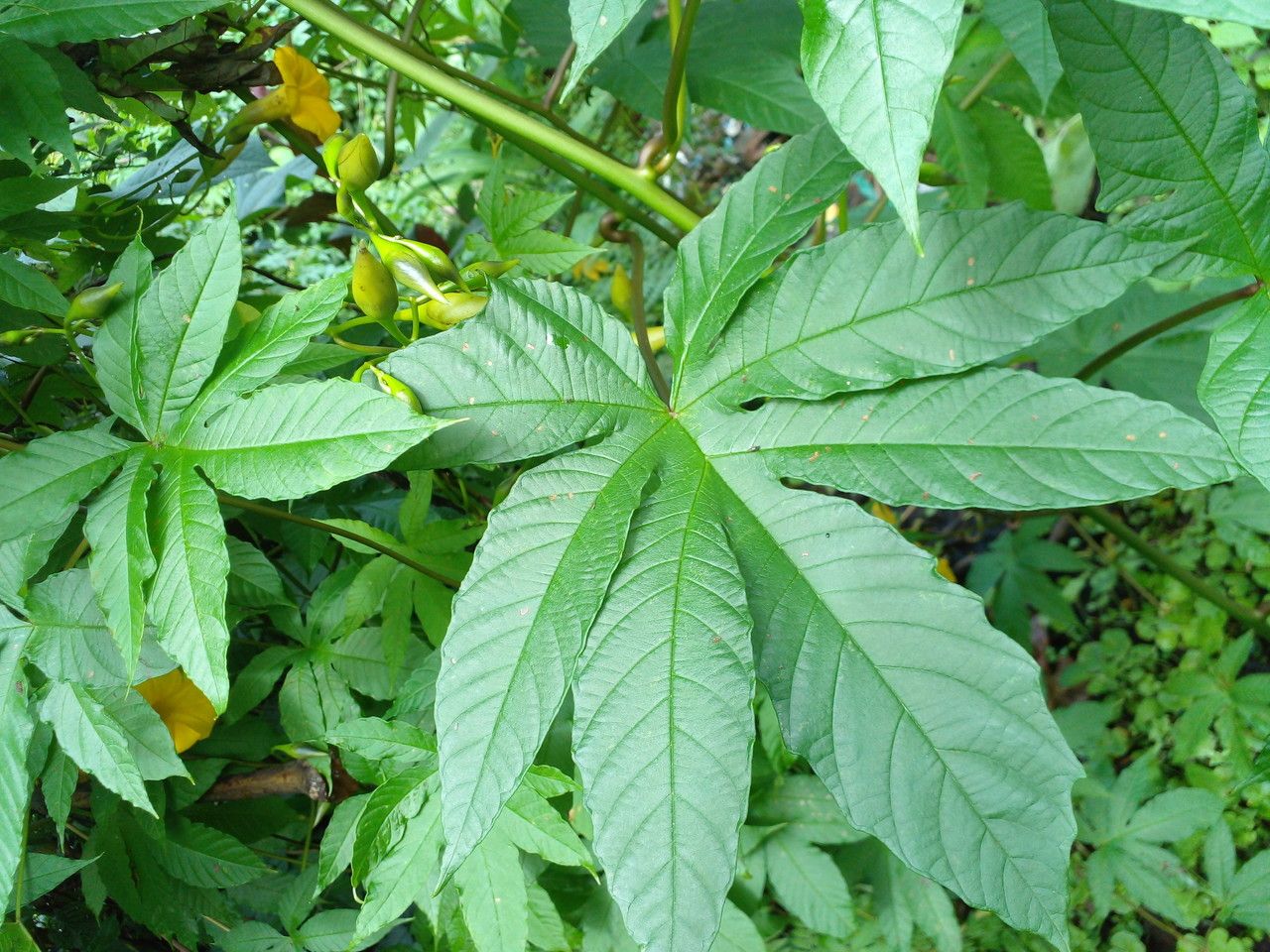
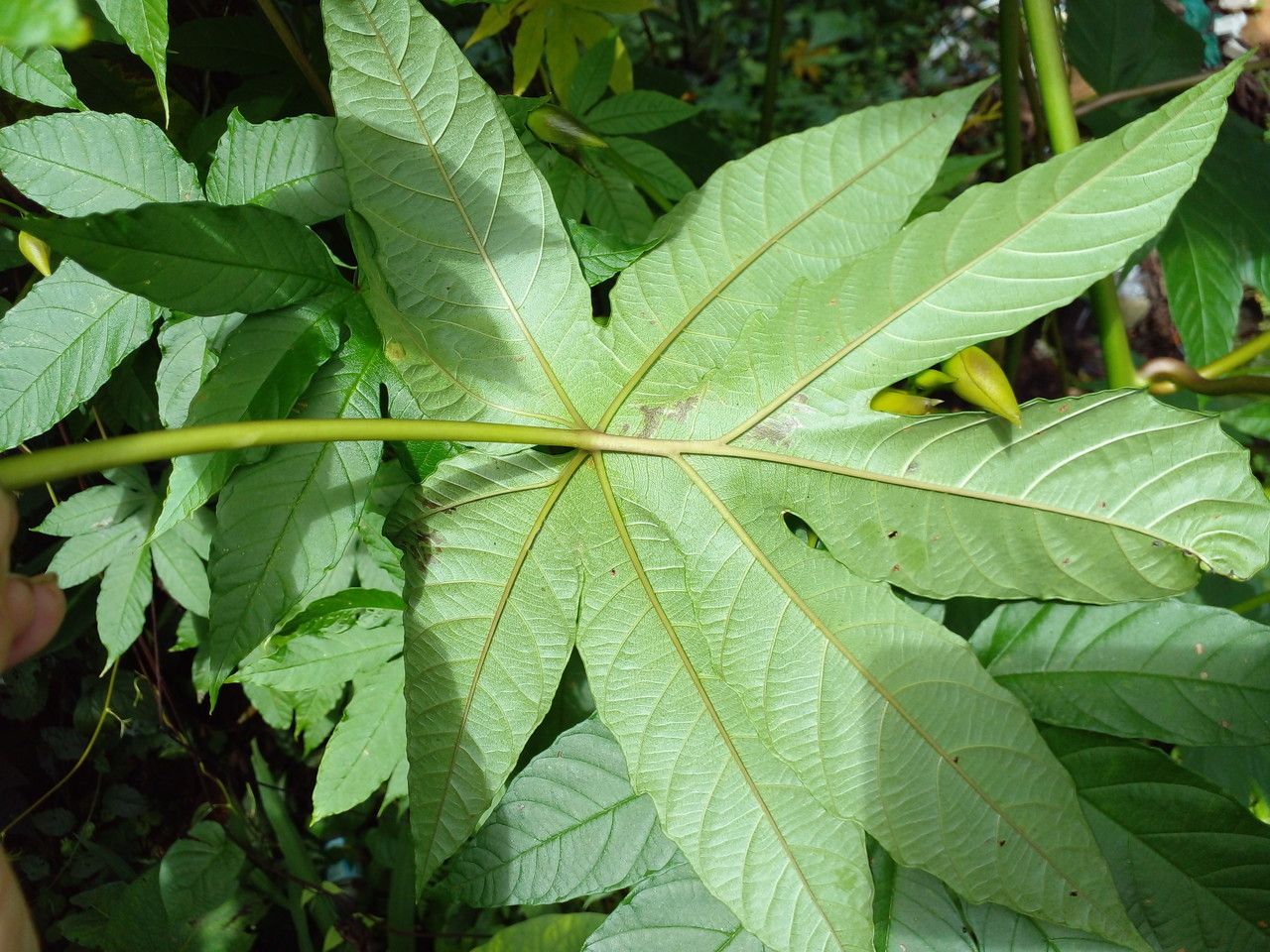
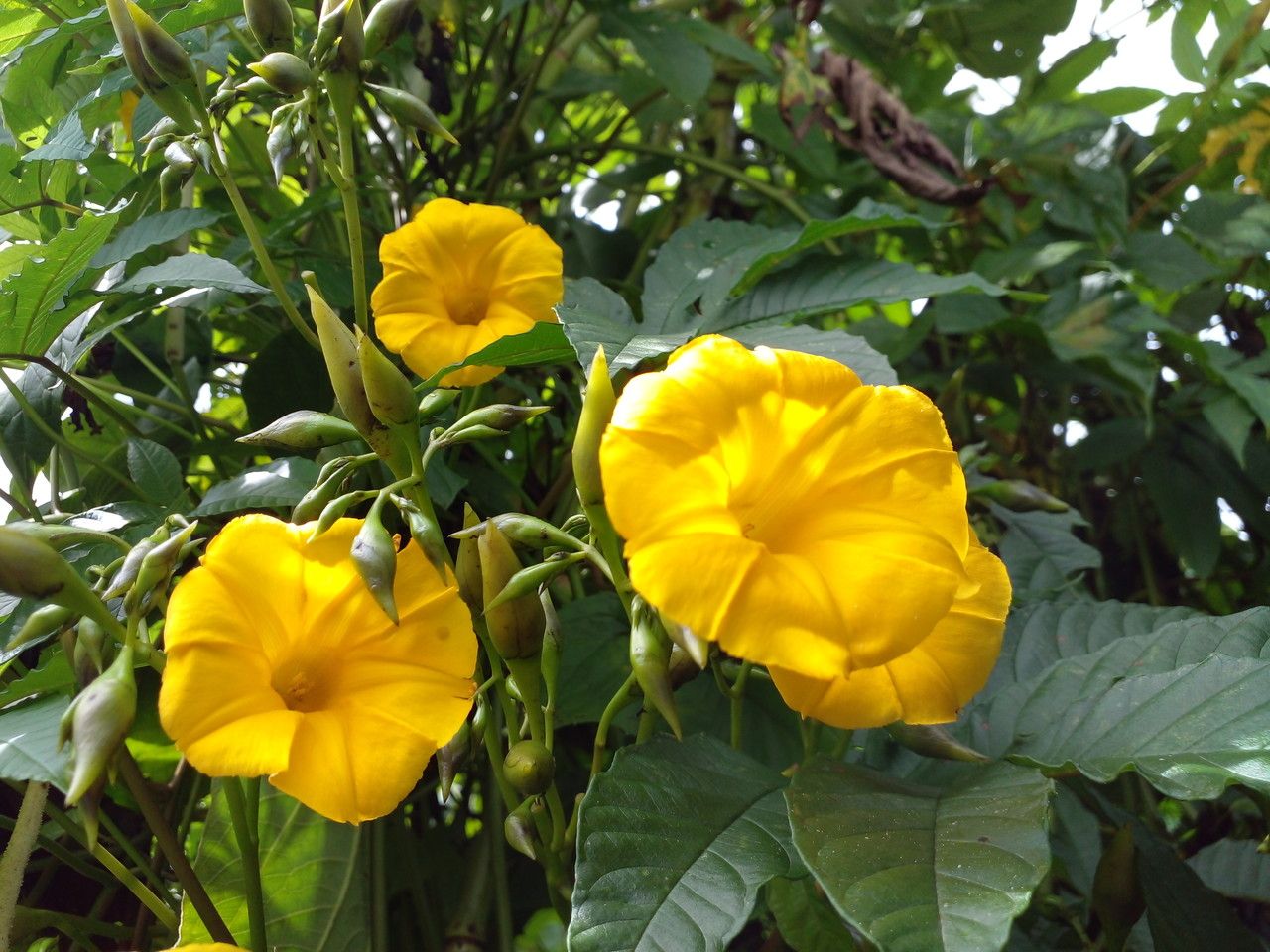
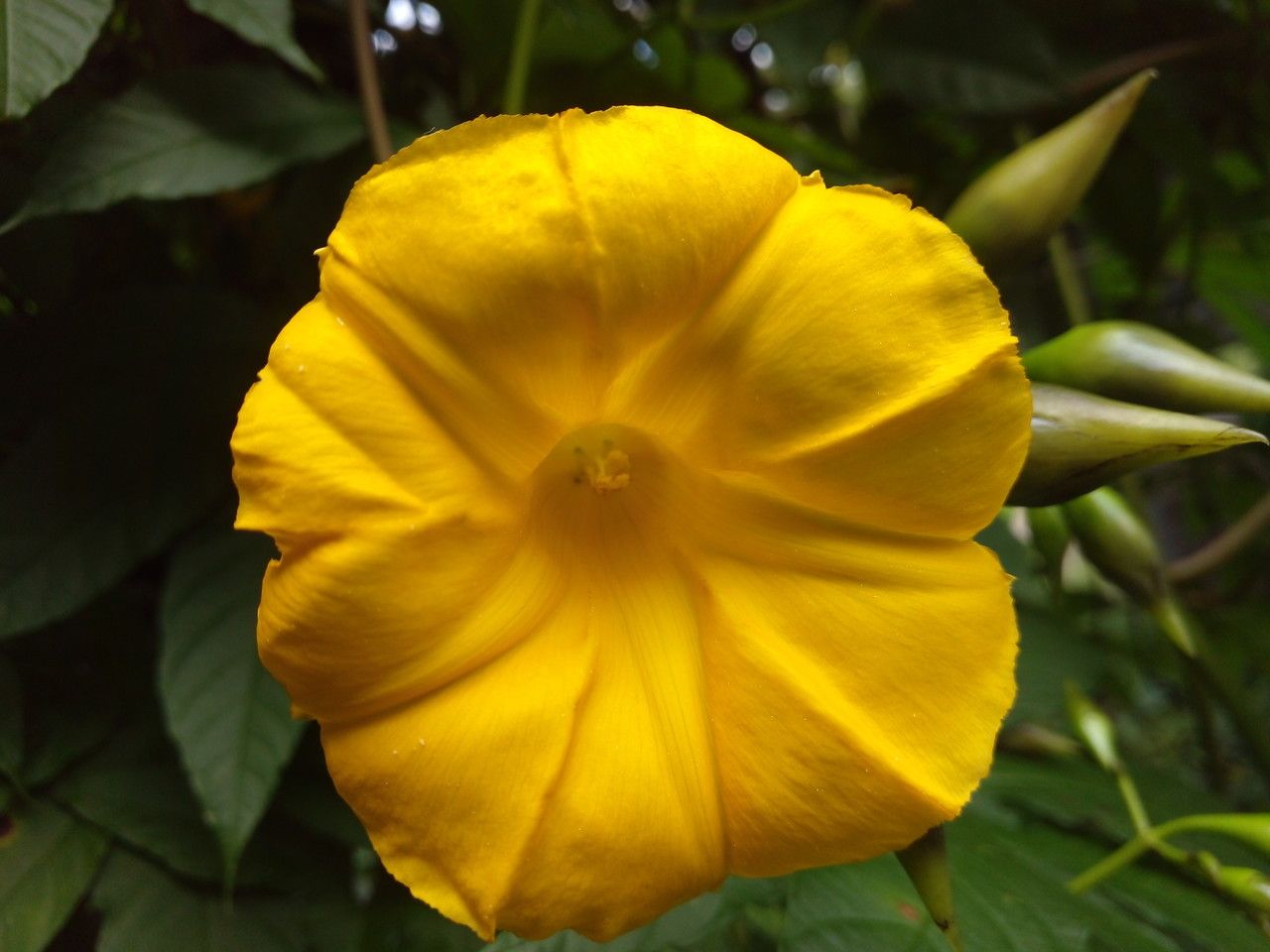
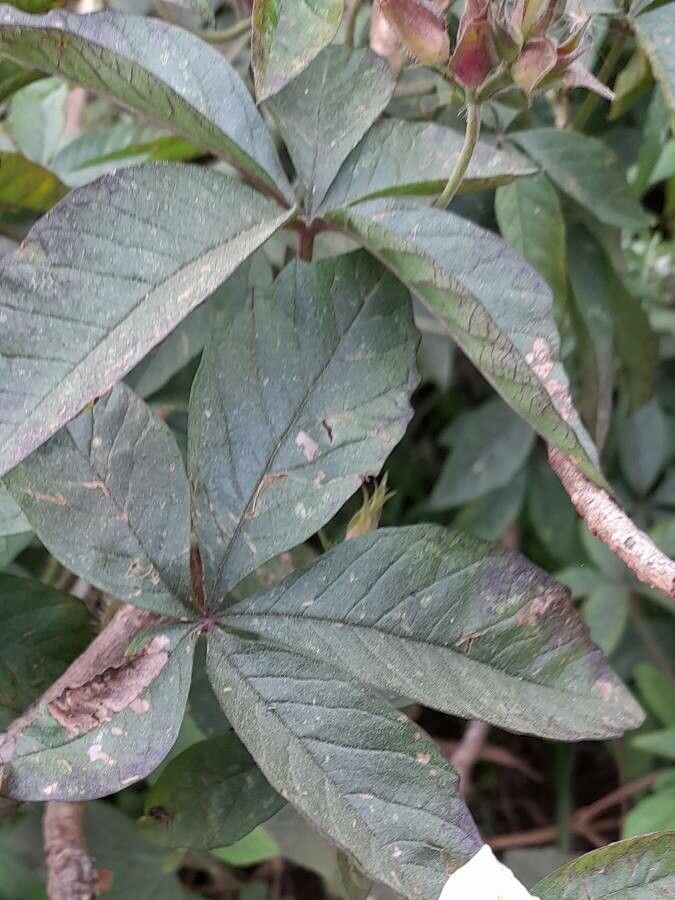
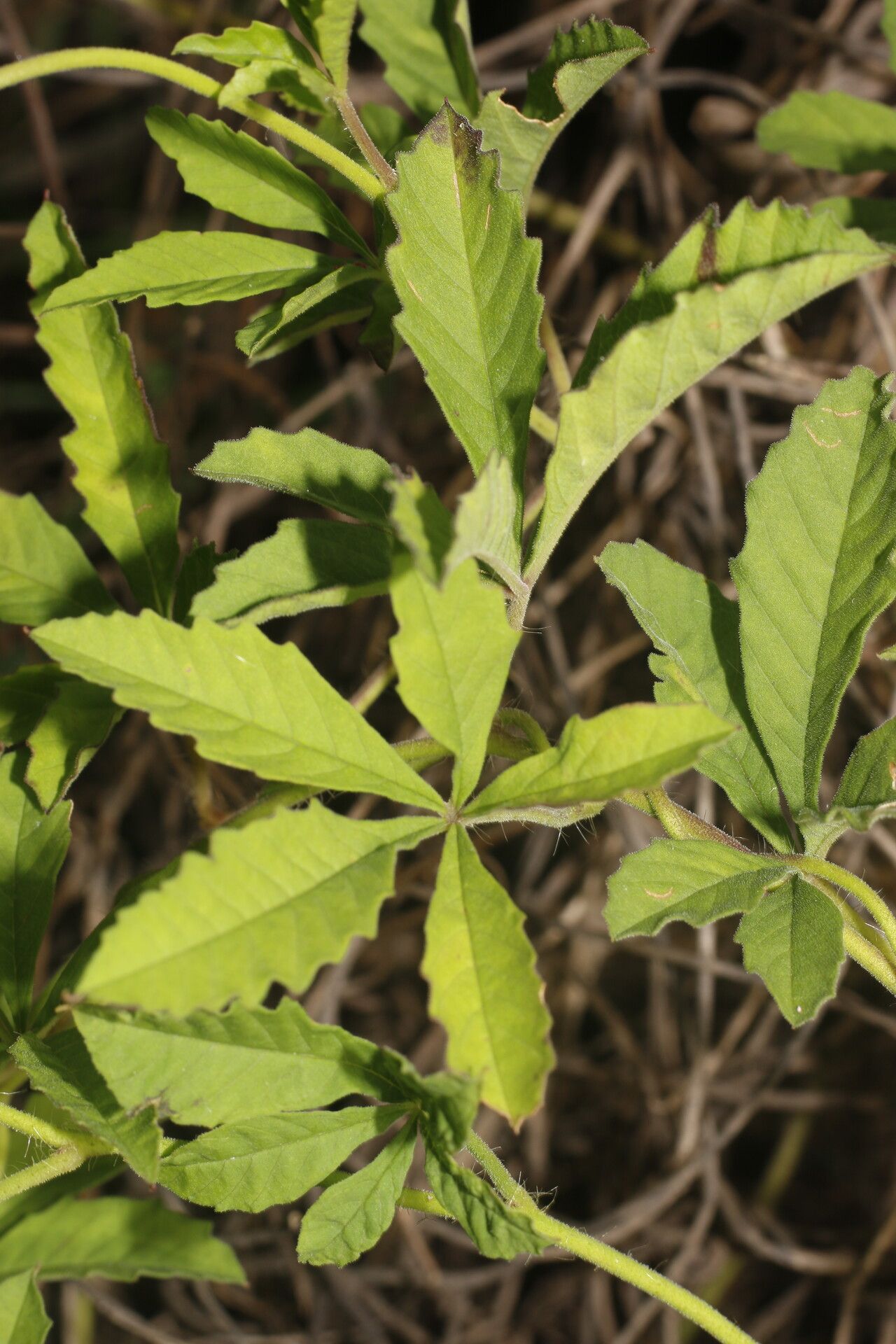
The plant features heart-shaped leaves that are green on top and pale underneath. It produces large, trumpet-shaped flowers that are white or pink with a purple center, blooming in clusters from summer to fall.
Merremia tuberosa is valued for its medicinal properties and has traditionally been used to treat ailments such as fever, coughs, asthma, and skin diseases. It contains alkaloids, including ergoline derivatives, which can have psychoactive effects when consumed in large quantities.
In addition to its medicinal uses, the plant is also prized for its ornamental value. Its attractive flowers make it a popular choice for gardens and landscaping projects.
However, it is important to note that Merremia tuberosa can be invasive in some regions. It grows rapidly and can overwhelm other plants if not properly managed.
In summary, Merremia tuberosa is a fascinating plant with both medicinal and ornamental benefits. However, caution is needed to control its potential invasiveness.
Botanical profile.
- Plant Type
- Vine
- Life Cycle
- Perennial
- Genus
- Merremia
- Family
- Convolvulaceae
- Hardiness Zone
- 9-11
- Mature Height
- 20.12 m
- Mature Spread
- 91 cm
- Leaf Color
- Green, Dark Green
- Leaf Type
- Deciduous
- Flower Color
- White, Pink
- Flower Size
- 7.62 cm to 10.16 cm
- Bloom Time
- Summer, Early fall, Mid fall
- Planting Time
- Spring, Summer, Autumn
- Harvest Time
- Late summer, Fall, Early winter
- Native Area
- Colombia, Belize, Honduras, Mexico, Bolivia, Venezuela, El Salvador, Nicaragua, Ecuador, Costa Rica, Panama
Other names.