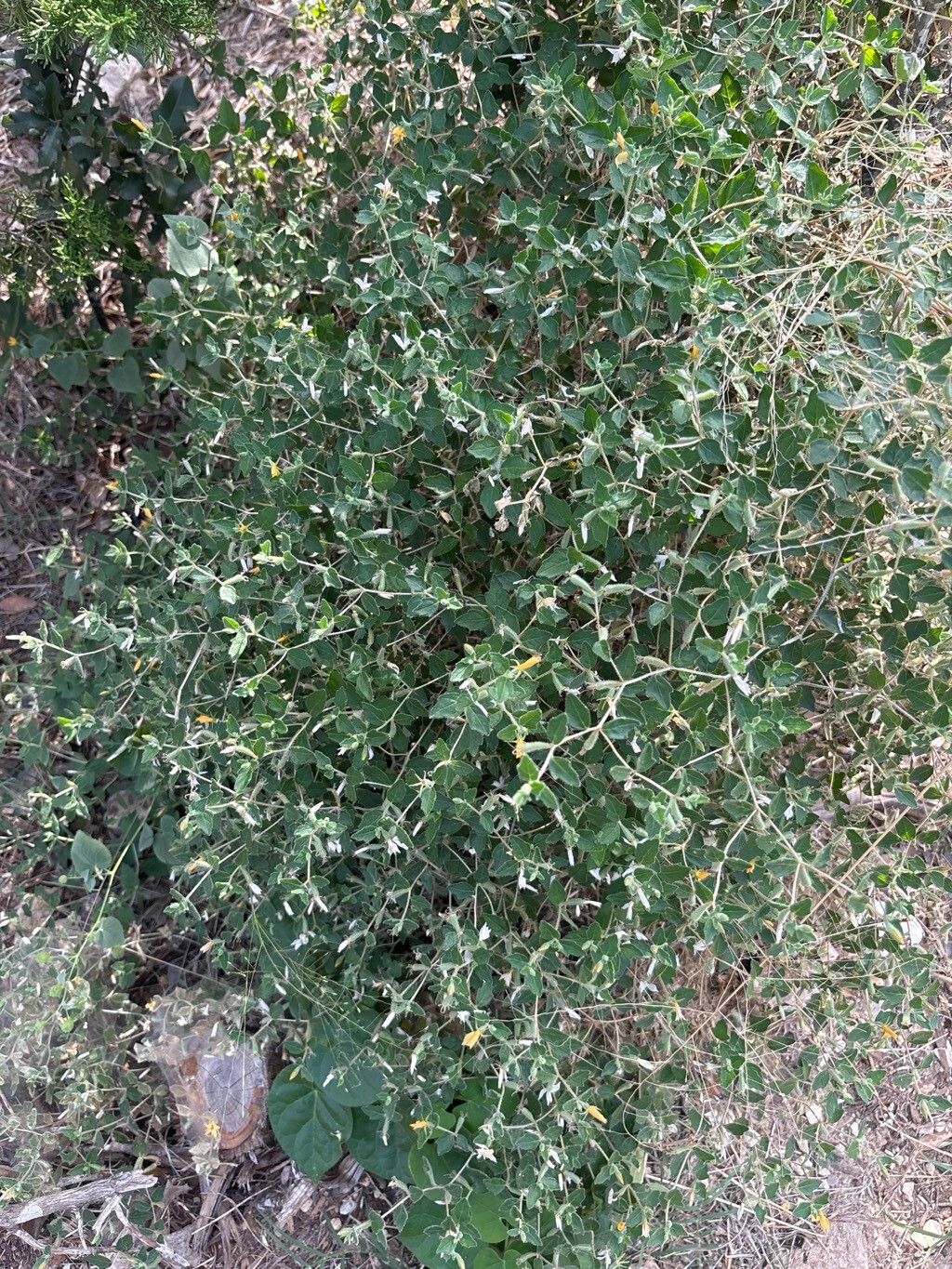
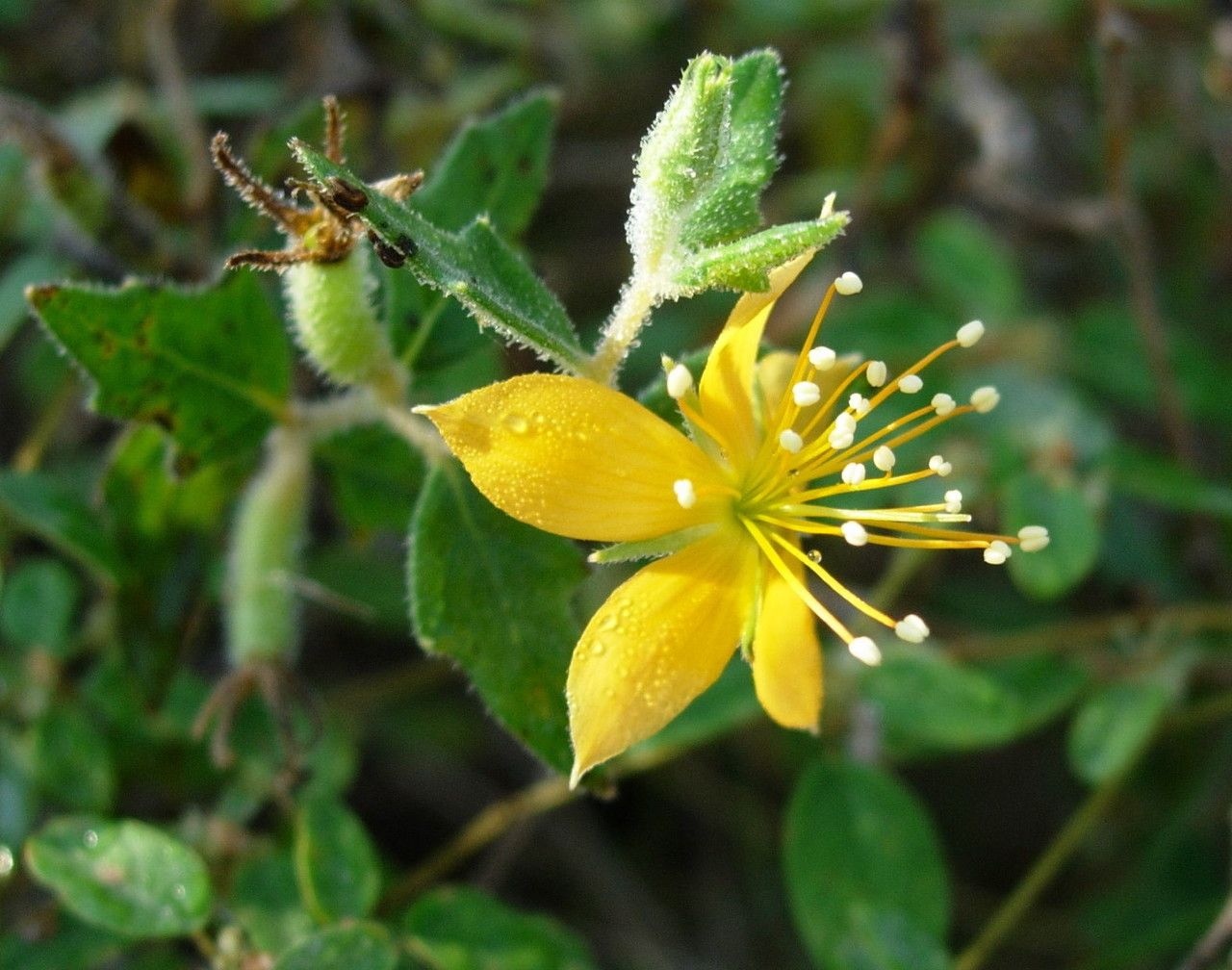
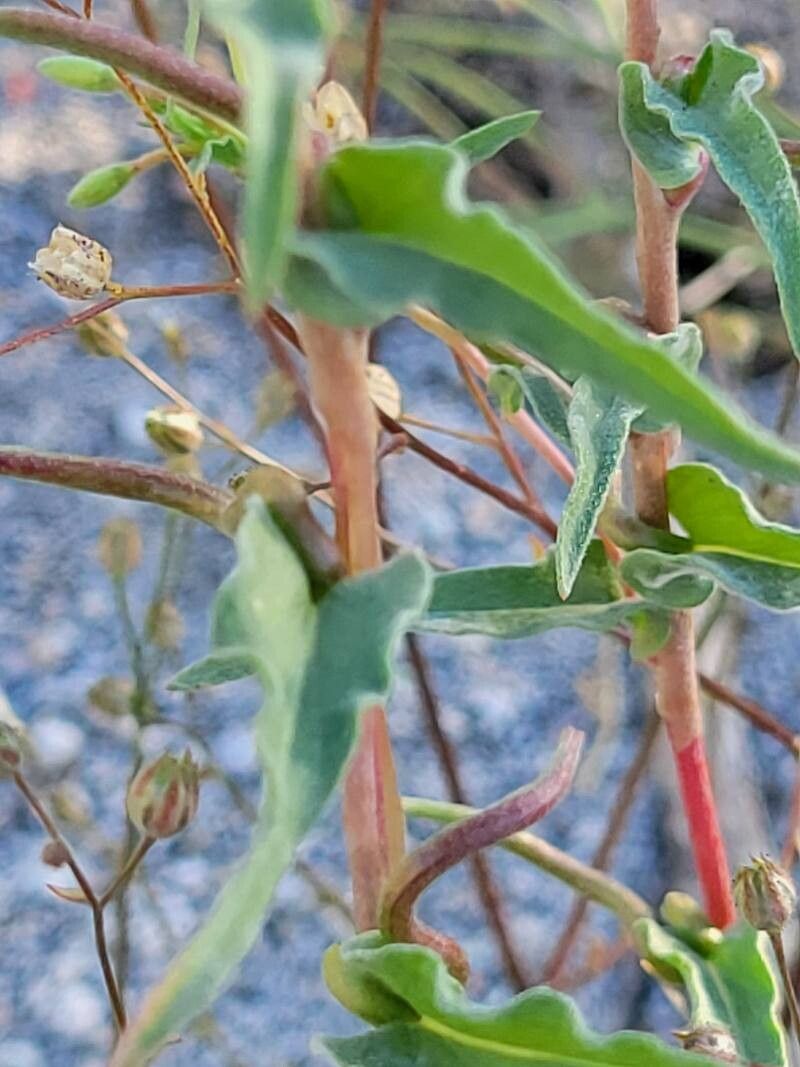
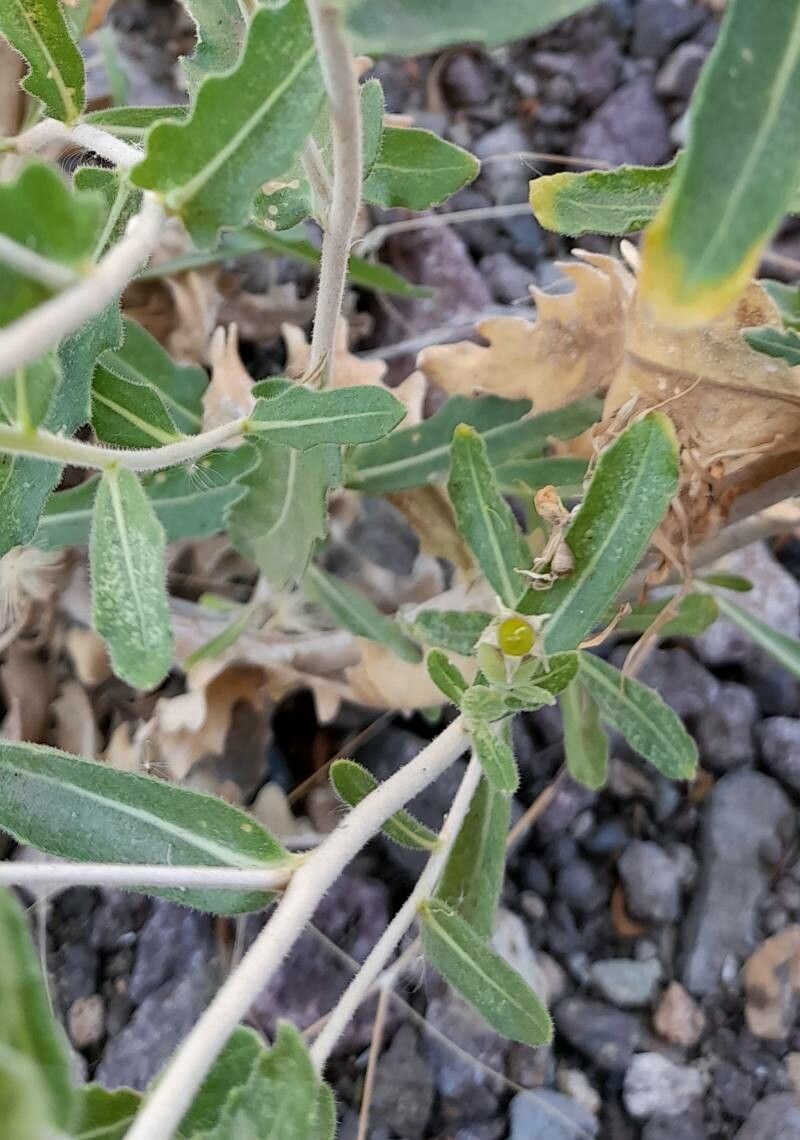
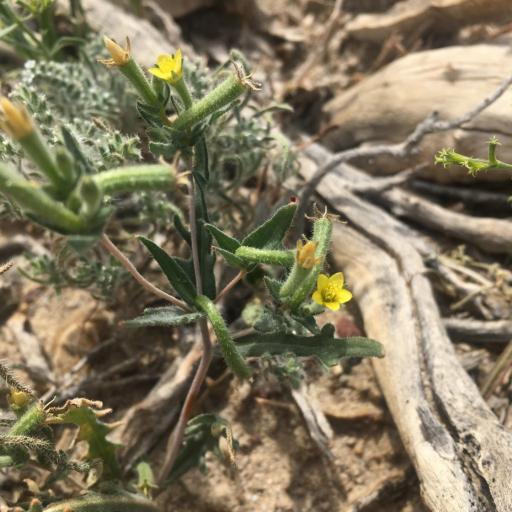
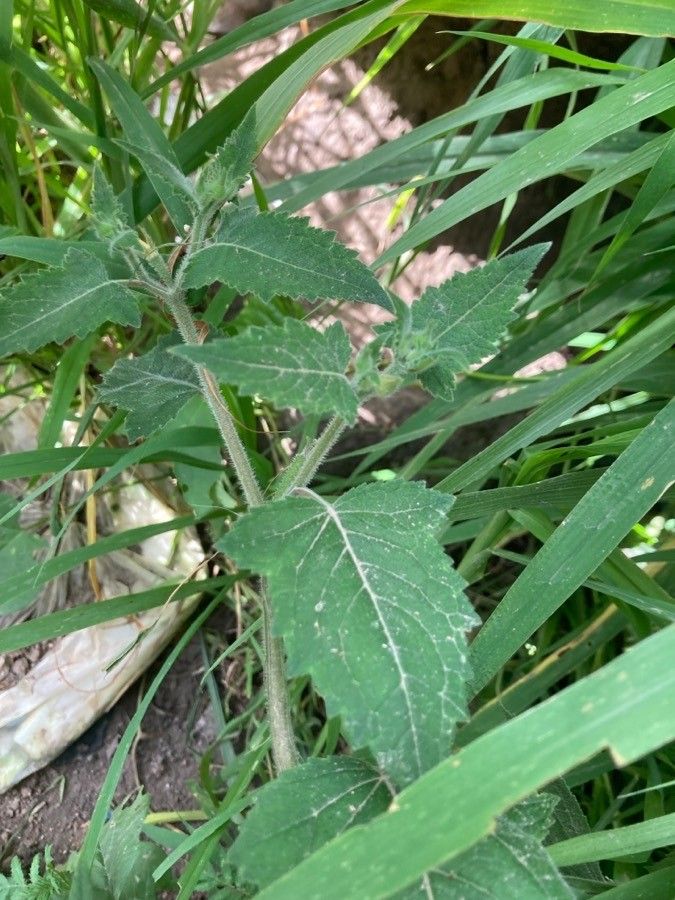
Mentzelia oligosperma, the stick-leaf or chickenthief, is a species of flowering plant in the family Loasaceae. It is native to the warmer parts of the west-central and central United States. A perennial reaching 50 cm (20 in), its yellow to orange flowers open in the morning and close by the early afternoon.
Chickenthief is fairly disease-resistant and generally not prone to illnesses. However, it can be vulnerable to pests and diseases present in its surroundings. These infections are usually not severe. Regarding care, this plant requires moderate maintenance. It should be pruned regularly to keep a good appearance and support healthy growth. Fertilizing can also help promote flowering. Chickenthief is suitable for anyone with outdoor space, such as a garden or patio, and does not need extensive care experience. It may demand more attention when grown indoors.
How to keep Mentzelia Oligosperma.
Light
Chickenthief is a perennial herbaceous plant that loves the sun and originates from open environments, commonly flourishing in grasslands and meadows. While it has a preference for full sun exposure, it's also capable of tolerating conditions of partial sunlight.
Water
The Chickenthief plant thrives in arid environments with minimal moisture, demonstrating impressive drought tolerance. It needs to be watered once a week and flourishes best in well-draining soil. Its root system is highly efficient at capturing and storing water, which allows it to adapt well to its native rocky terrains and sporadic rainfall.
Temperature
Chickenthief is capable of adjusting to a variety of thermal conditions, although its dispersion could still be hindered by various instances of water and heat conditions. It flourishes optimally in summery warm climates where there is an abundance of rain or water supply. Extended sequences of overcast and wet weather, alongside long-lasting high temperatures may heighten the chances of Chickenthief perishing. During the winter season, shielding the plant appropriately from the cold can enhance its likelihood of survival.
Fertilizer
The perfect period to feed a Chickenthief is at the beginning of spring, as it awakens from dormancy and enters a phase of vigorous growth. Fertilization supplies essential nutrients necessary for its robust growth. While Chickenthief doesn't demand much fertilization, applying it yearly can boost its survival chances and foster superior, longer-lasting blooming.
Pruning
Chickenthief is a hardy, low-growing perennial that produces yellow flowers. To promote healthy growth and abundant blooms, prune the plant from early to late spring. Remove any dead stems and lightly trim the plant for shape, but avoid heavy pruning. Regular maintenance helps improve air circulation and manage the plant's spread.
Botanical profile.
- Plant Type
- Herb, Shrub
- Life Cycle
- Perennial
- Genus
- Mentzelia
- Family
- Loasaceae
- Hardiness Zone
- 4-9
- Mature Height
- 0.91 m to 1.83 m
- Mature Spread
- 30 cm to 46 cm
- Leaf Color
- Green Yellow, Olive Drab
- Leaf Type
- Deciduous
- Flower Color
- Yellow, Orange
- Flower Size
- 2.03 cm to 3.05 cm
- Bloom Time
- Late spring, Early summer, Mid summer
- Planting Time
- Spring, Summer, Autumn
- Harvest Time
- Mid summer, Late summer, Early fall
Other names.