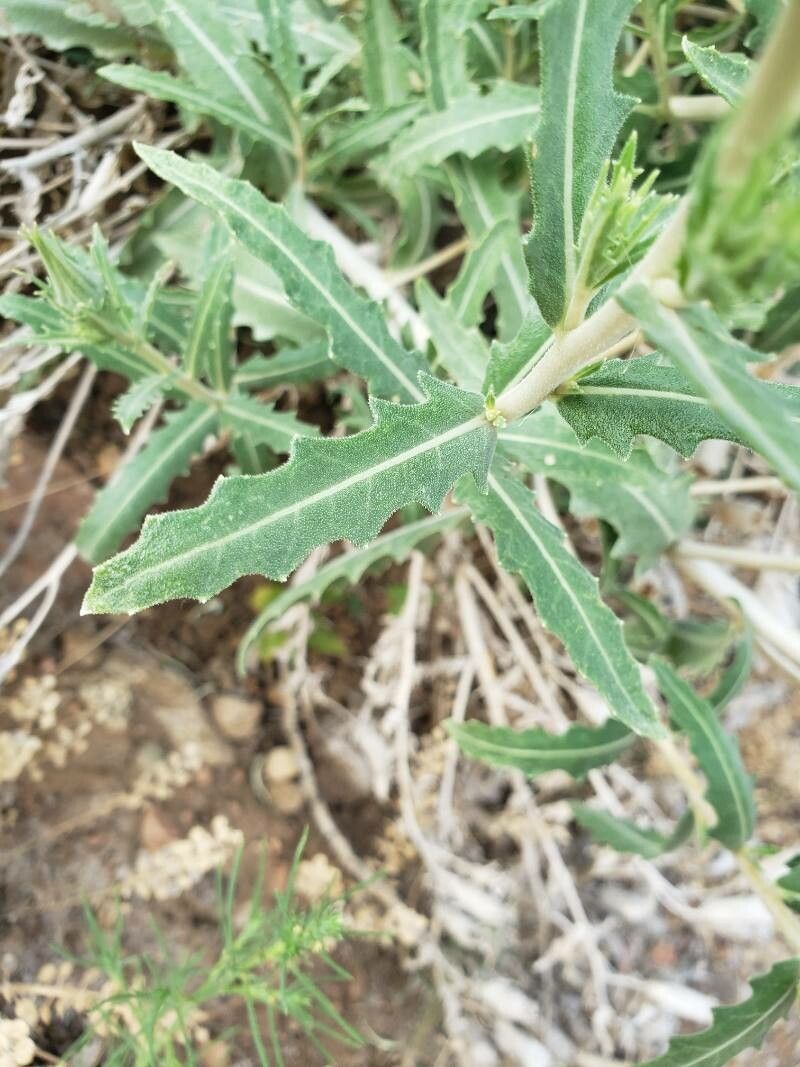
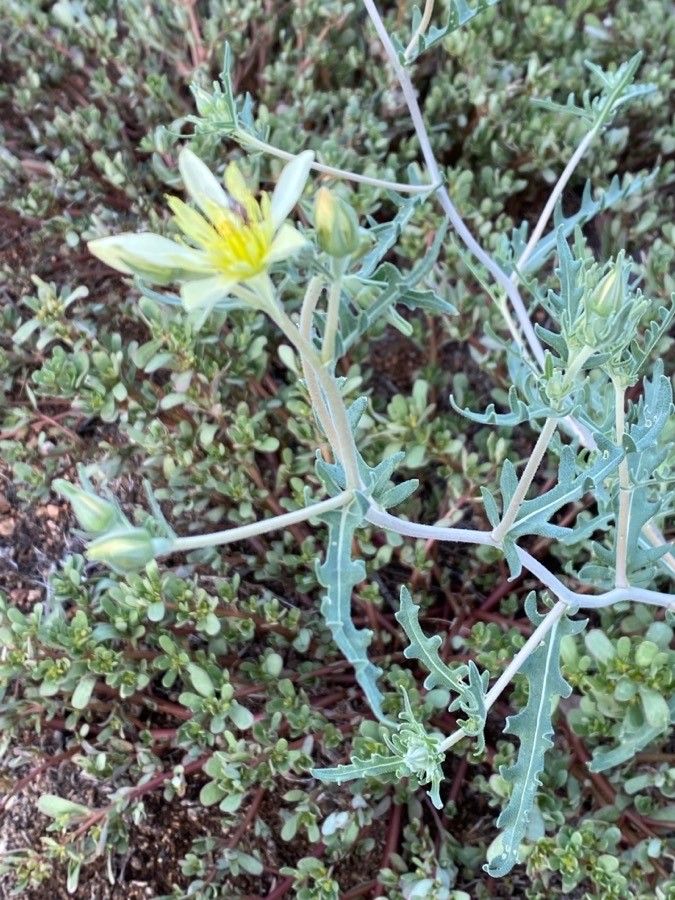
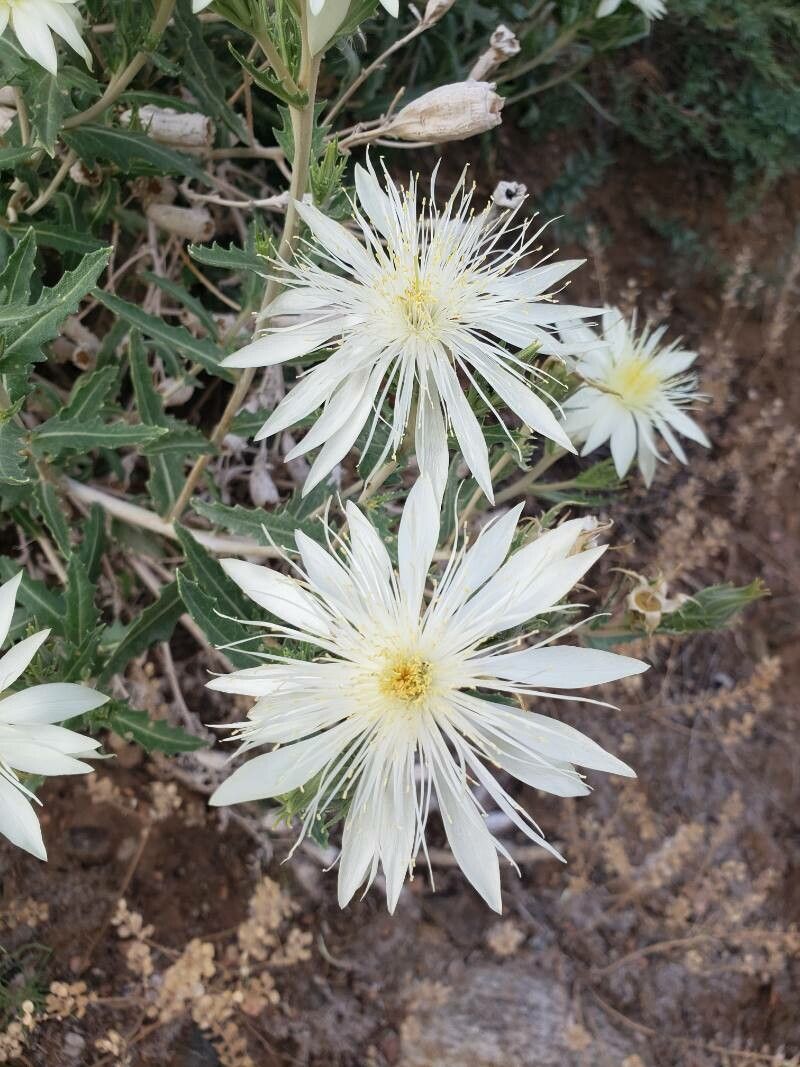
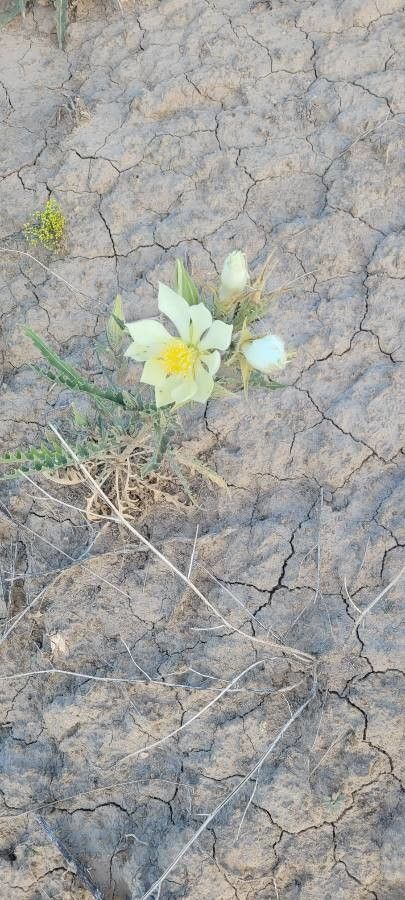
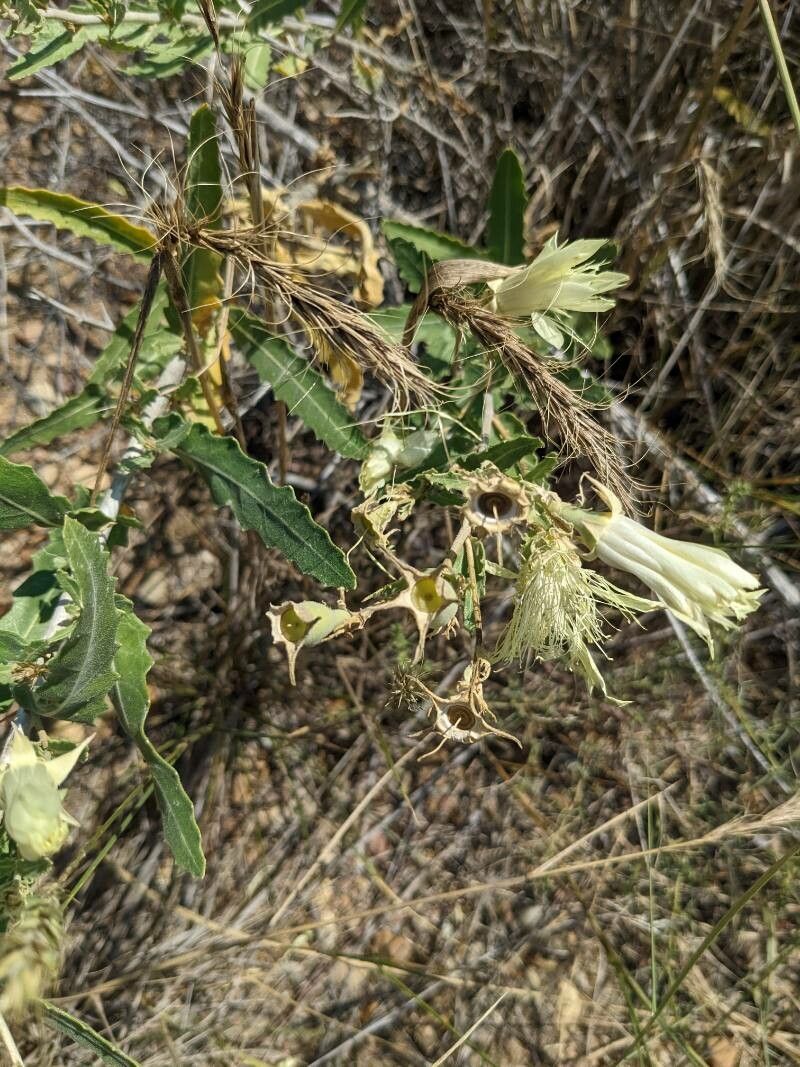
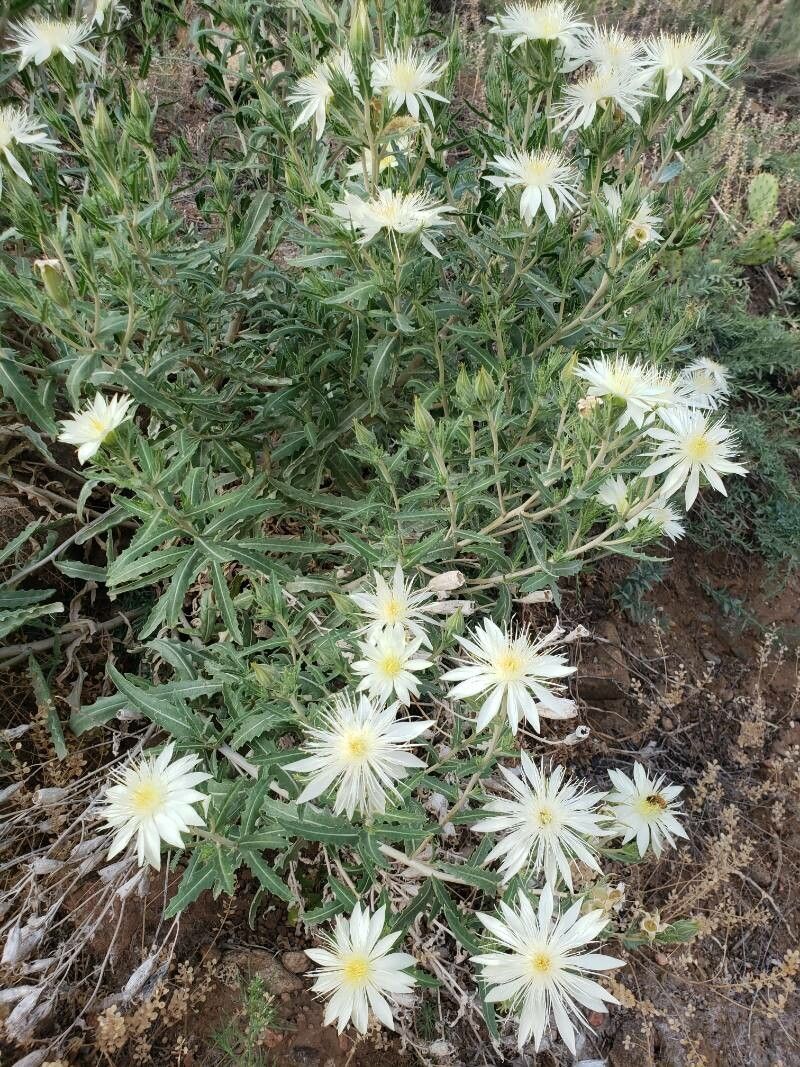
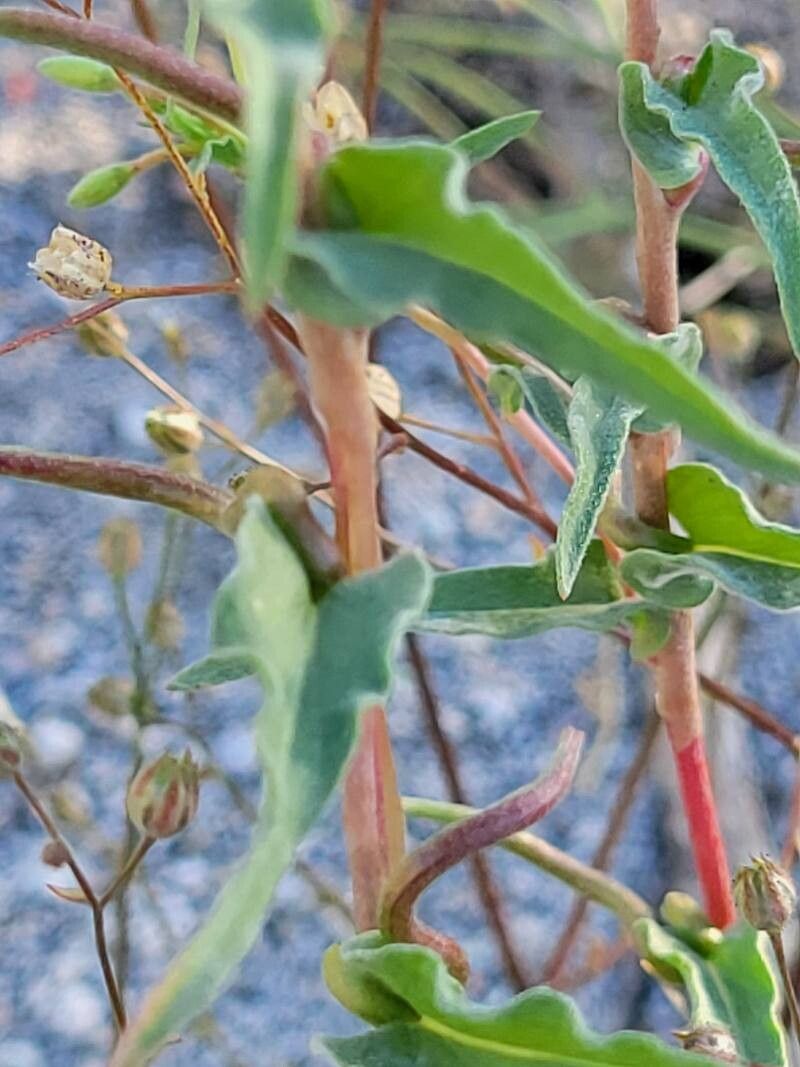
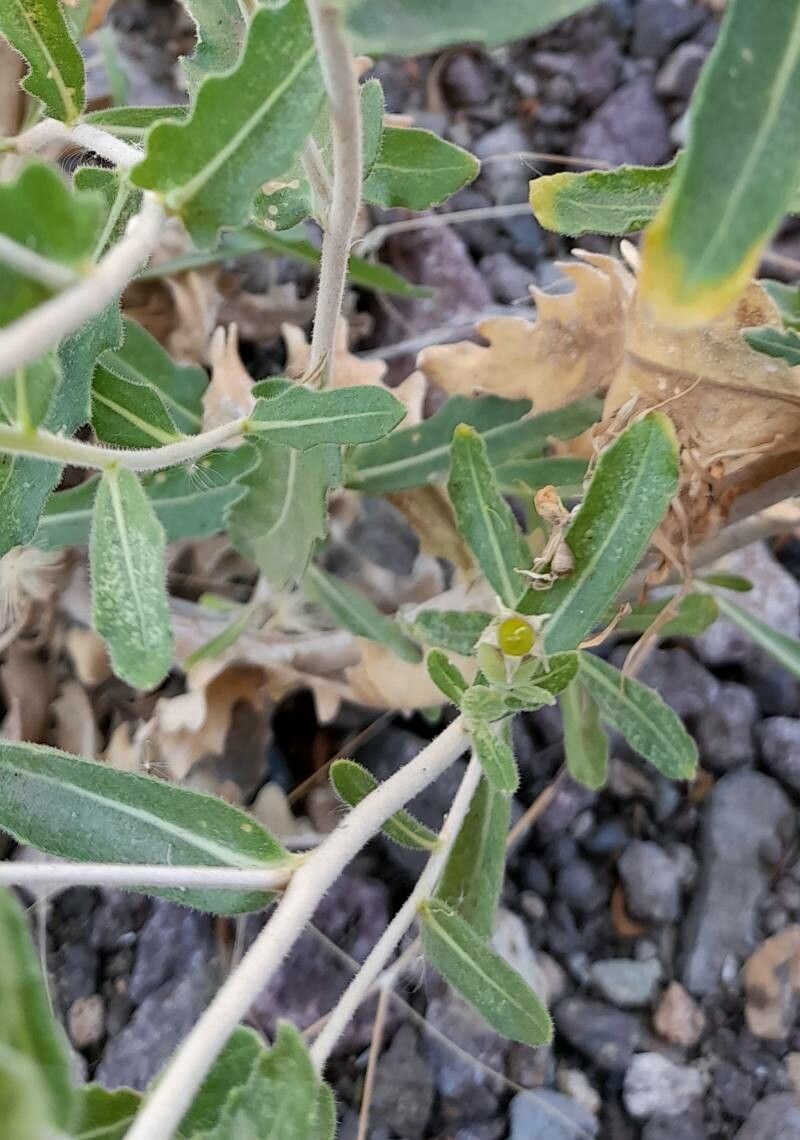
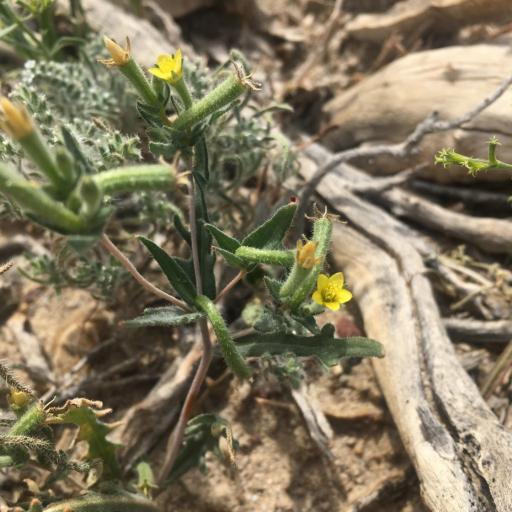
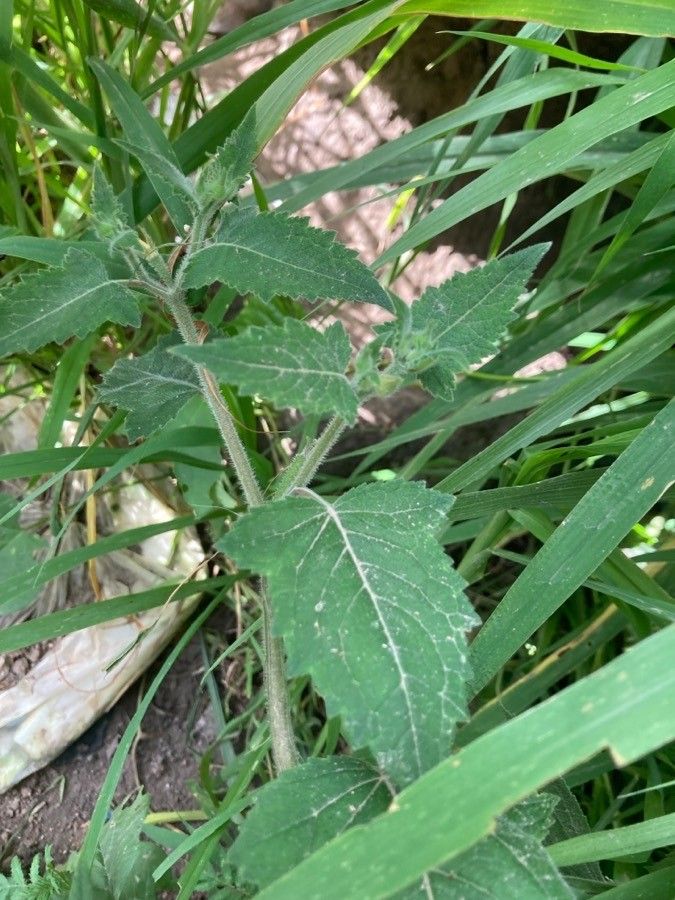
Mentzelia multiflora, commonly known as Adonis blazingstar, Adonis stickleaf, desert blazingstar, prairie stickleaf and manyflowered mentzelia is a herbaceous perennial wildflower of the family Loasaceae.
Adonis blazingstar has strong disease resistance and is usually not susceptible to illnesses. However, it can be affected by pests and diseases present in its environment. These problems are typically minor. For care, this plant requires a moderate amount of maintenance. It benefits from regular pruning to keep a pleasing appearance and healthy growth. Fertilizing can also help encourage flowering. Adonis blazingstar is suitable for anyone with outdoor space, such as a garden or patio, and does not demand extensive care experience. It may need more attention when grown indoors.
How to keep Mentzelia Multiflora.
Light
The adonis blazingstar does best with abundant sunlight, similar to its native habitat. Insufficient light can limit its growth, while excessive light, although not preferred, does not significantly affect its survival. Its various growth stages do not require different sunlight conditions.
Water
Adonis blazingstar thrives in dry conditions and demonstrates impressive drought tolerance. Water it sparingly, around once a week. This full-sun plant needs well-draining soil to prevent root rot during its active growth periods.
Temperature
Adonis blazingstar is native to habitats with temperatures between 68 and 100 °F (20 and 38 ℃). It prospers in those conditions, so if you are outside its preferred range, you should consider adjusting care as the seasons change.
Fertilizer
Appropriate fertilization is essential for Adonis blazingstar's health and appearance. Fertilize Adonis blazingstar in summer, repeating the application monthly throughout the season. Nutrients provide for growth and help maintain the plant's structures. Fertilizing improves Adonis blazingstar's flower display, ensuring the best blooms.
Pruning
The Adonis blazingstar boasts bright yellow, star-shaped blooms and benefits from careful pruning. This should be done from early to late spring, focusing on removing dead stems and thinning crowded areas. This enhances air circulation, promotes abundant flowering, ensures vibrant growth, and reduces the risk of disease.
Botanical profile.
- Plant Type
- Herb
- Life Cycle
- Perennial, Biennial
- Genus
- Mentzelia
- Family
- Loasaceae
- Hardiness Zone
- 11
- Mature Height
- 61 cm to 76 cm
- Mature Spread
- 30 cm to 46 cm
- Leaf Color
- Green, Gray
- Leaf Type
- Semi-evergreen
- Flower Color
- Yellow
- Flower Size
- 5.08 cm
- Bloom Time
- Summer
- Planting Time
- Spring
- Harvest Time
- Late summer, Early fall, Mid fall
- Native Area
- Mexico
Other names.
Reader questions.
How should I water my Adonis blazingstar plant?
To properly water the Adonis blazingstar, it's important to use filtered water that is at room temperature. Tap water should be avoided as it may contain harmful particles. The reason for using room temperature water is that the plant is accustomed to warm environments and cold water can be a shock to its system. Additionally, overhead watering should be avoided to prevent foliage complications. Instead, water the plant by applying filtered room temperature water directly to the soil until it is completely soaked. This helps to moisten the roots and promote their spread through the soil, ensuring they can collect the necessary nutrients.
What are the sunlight requirements for Adonis blazingstar?
The Adonis blazingstar requires full sun, meaning it should receive above 6 hours of sunlight daily to thrive. Observing the movement of sunlight through your garden will help you choose the best spots that provide a balance of light and shade, ensuring your plant's well-being. This species flourishes with abundant solar exposure, echoing its native habitat, with insufficient light stunting its growth. However, it can endure overexposure to sunlight without significant detriment. Throughout the different growth stages, the sunlight conditions required by Adonis blazingstar remain the same.
What is the ideal temperature range for Adonis blazingstar?
Adonis blazingstar, botanically known as Mentzelia multiflora, thrives in environments with temperatures ranging from 68 to 100°F (20 to 38°C). Being extremely heat-loving, it is essential to maintain temperatures within this range for optimal growth. During winter, keeping the temperature above 20°C is beneficial, while exposing the plant to temperatures nearing 10°C can be detrimental.
What should I do if I give my Adonis blazingstar too much water or too little water?
Overwatering and underwatering can harm your Adonis blazingstar, but overwatering is more common. When the plant gets too much water, its stems and leaves may wilt and turn yellow. Overwatering for a long time can also lead to diseases like root rot, mold, and mildew, which can kill the plant. Underwatering is less likely with the Adonis blazingstar because it can tolerate drought. But if it happens, the leaves will become brittle and brown. It's important to notice signs of overwatering early to prevent irreversible damage. If you see early signs, reduce watering immediately and check the soil's drainage. Replace it if it drains poorly. If you notice signs of underwatering, increase watering until the signs go away.
How can artificial lighting be used for Adonis blazingstar?
For indoor plants like Adonis blazingstar, especially in conditions of insufficient natural sunlight, artificial lighting is essential for optimal growth. LED lights are recommended owing to their ability to mimic the specific wavelengths of light needed by plants. Full sun plants need around 30-50W per square foot of artificial light, partial sun plants require 20-30W, and full shade plants need about 10-20W. The light source should be placed 12-36 inches above the plant to simulate natural sunlight as closely as possible. To replicate the length of natural daylight, most plants will need 8-12 hours of artificial light per day.
How should I care for Adonis blazingstar in autumn and winter?
As colder months approach, it's recommended to bring outdoor-grown Adonis blazingstar indoors to protect it from low temperatures. Place it near a bright window to ensure it receives ample light but keep it at a distance from heaters to avoid excessive dryness. Maintaining indoor temperatures above 20°C during winter helps in sustaining healthy plant growth.
How much should I water my Adonis blazingstar?
If you have your Adonis blazingstar plant in a pot, you can check if it needs water by putting your finger in the soil. If the top two to three inches of soil are dry, it's time to water your plant. If you have your Adonis blazingstar planted in the ground, you can also use this method to test the soil. Again, when the top few inches of soil are dry, that's when you should water it. Typically, during spring and early fall, you'll need to water this plant about once a week. However, in very hot weather, you might have to water it twice a week or even more. It's worth noting that mature and well-established Adonis blazingstar plants can tolerate drought very well.
What are the common symptoms of light deficiency in Adonis blazingstar?
Common symptoms of light deficiency in Adonis blazingstar include smaller new leaves, leggy or sparse growth, faster leaf drop, slower or no new growth, lighter-colored new leaves, and symptoms of excessive sunlight exposure like chlorosis, sunscald, leaf curling, wilting, and leaf scorching. These symptoms highlight the importance of providing sufficient sunlight to prevent the adverse effects of both under and overexposure to light.
What are the symptoms of low temperature stress in Adonis blazingstar, and how can I mitigate them?
Adonis blazingstar shows signs of stress when exposed to temperatures below its preferred range. Symptoms of low temperature stress include leaf color lightening below 5°C, and after frost damage, leaves may turn brown or black, accompanied by wilting and drooping. To mitigate these symptoms, trim off the frost-damaged parts and immediately move the plant to a warmer environment. Positioning the plant near a south-facing window while avoiding placement near heaters or vents prevents excess dryness and promotes recovery.
How much water does my Adonis blazingstar plant require?
When it's time to water your Adonis blazingstar, don't be stingy with the water. Make sure the top two to three inches of soil are dry, then give the plant a good, thorough watering. The goal is to completely soak the soil, and you'll know you've added enough water when it starts to flow out of the drainage holes at the bottom of the pot. If you don't see excess water draining out, it means you haven't watered enough. However, be careful not to let water accumulate inside the soil, as this can harm the plant. On the other hand, if water isn't draining well from the pot, it's a sign of poorly draining soil, which is harmful to the plant's health. If the plant is kept outdoors, it should receive about 1 inch of rain per week, which will be enough to sustain it.
What solutions can address light deficiency in Adonis blazingstar?
To address light deficiency in Adonis blazingstar, gradually increase exposure to sunlight by moving the plant to a sunnier spot each week, ensuring it receives at least 6 hours of direct sunlight daily. Use south-facing windows and keep curtains open during daylight hours. If a plant is too large or not easily movable, consider artificial lighting, keeping a desk or ceiling lamp on for at least 8 hours daily, or invest in professional plant grow lights. Outdoor plants should also be gradually moved to sunny spots to prevent sunburn, and you could prune trees or transplant smaller plants to reduce sunlight obstructions. Note that parts of the plant affected by insufficient sunlight may not recover, but new growth should be healthy with increased light exposure.
How do I protect Adonis blazingstar from high temperatures?
During summer, it's crucial to keep the Adonis blazingstar below 38°C to prevent stress. Exposure to temperatures above 43°C can cause leaf color lightening and increase susceptibility to sunburn. To protect the plant, trim away sunburned or dried parts, move it to a shaded location during midday and afternoon sun, and ensure the soil remains moist by watering the plant in the morning and evening.