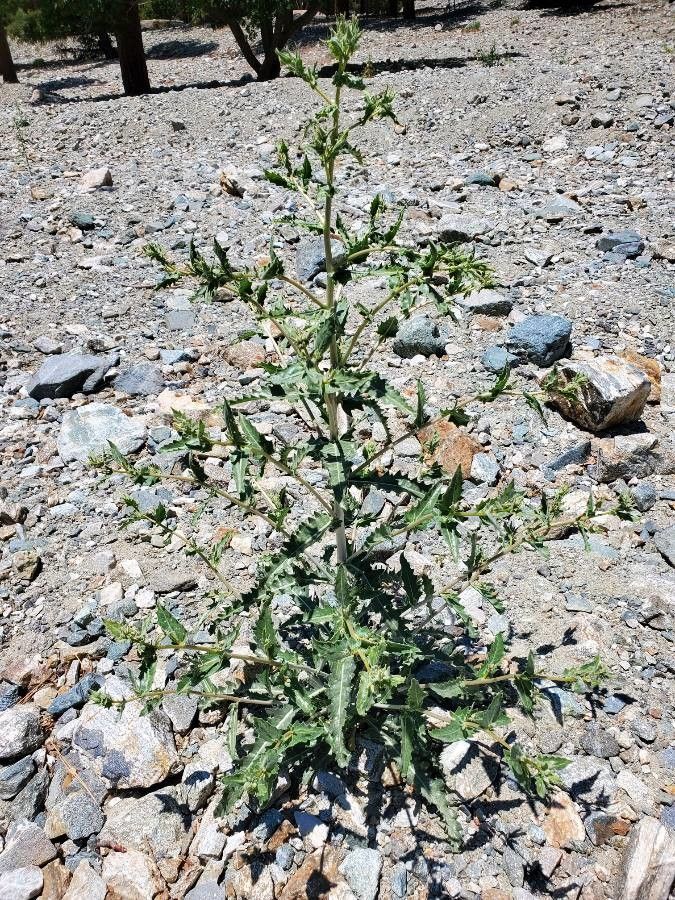
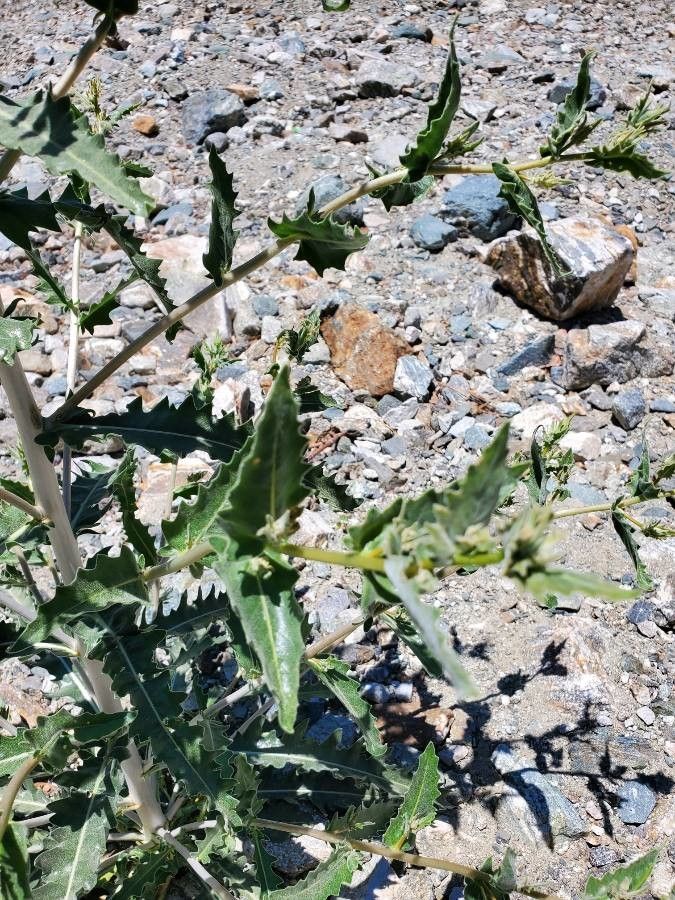
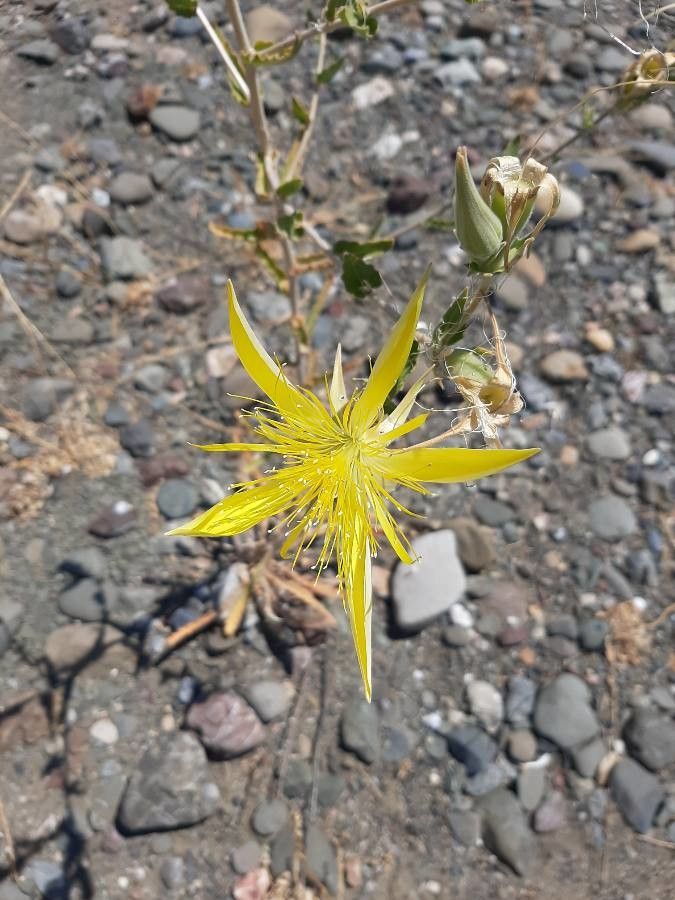
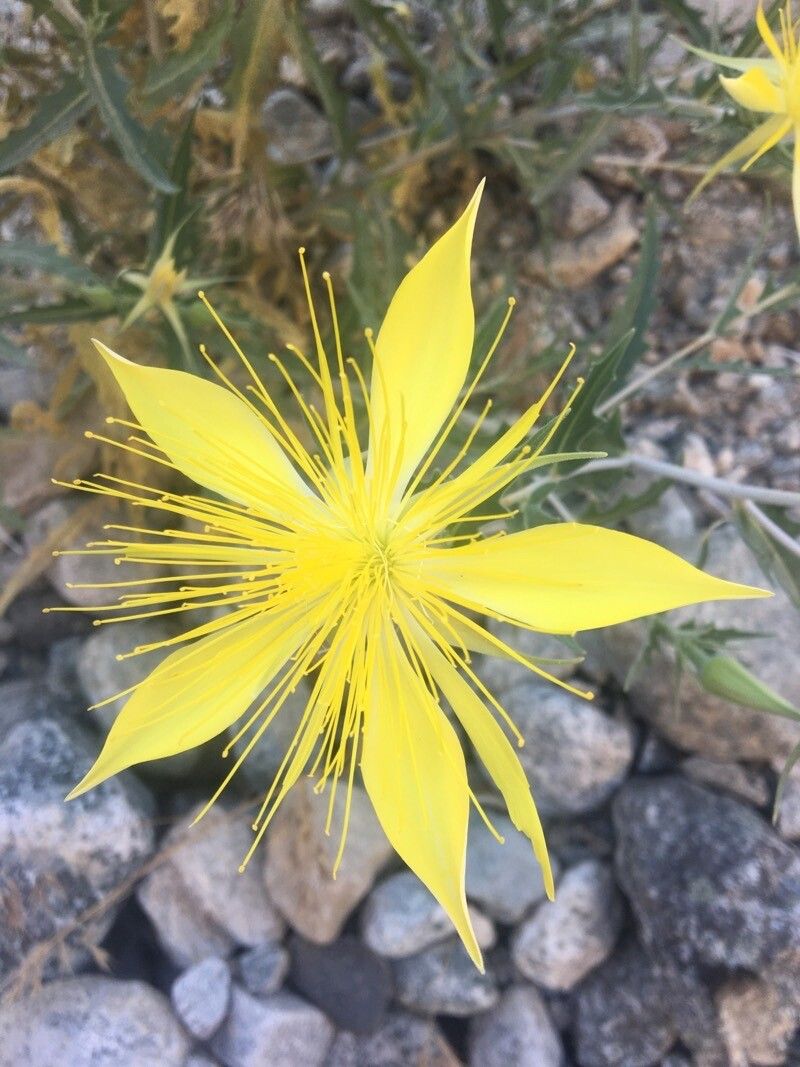
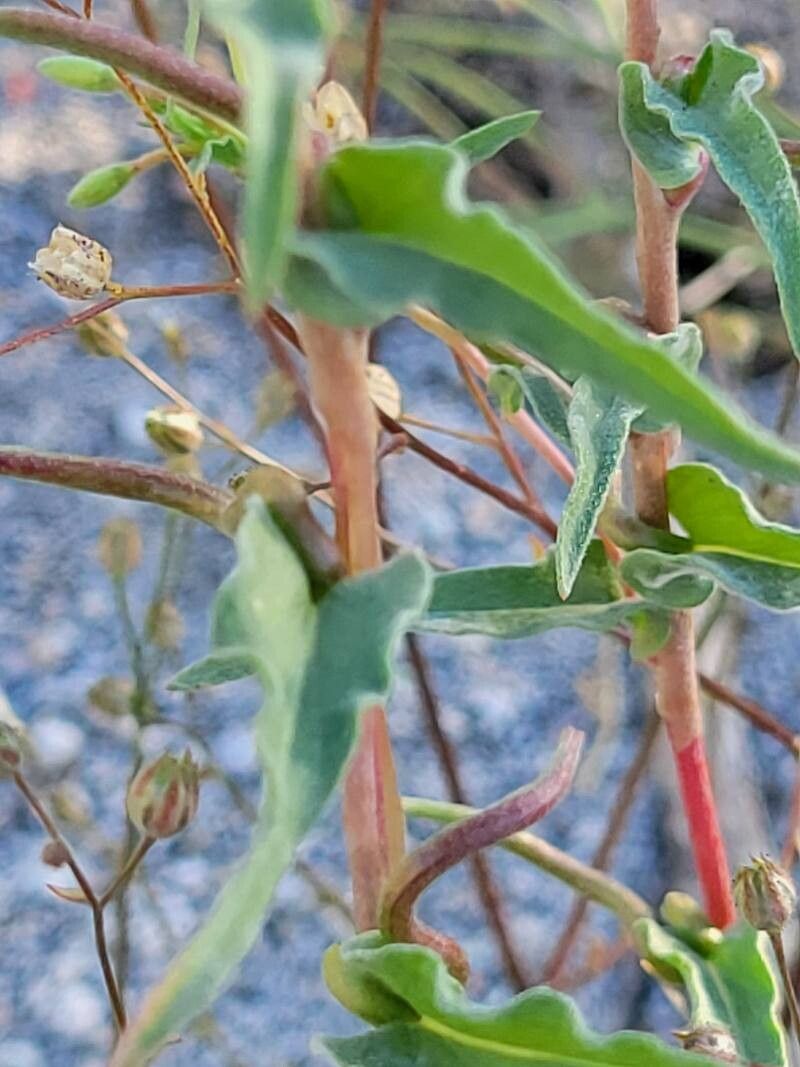
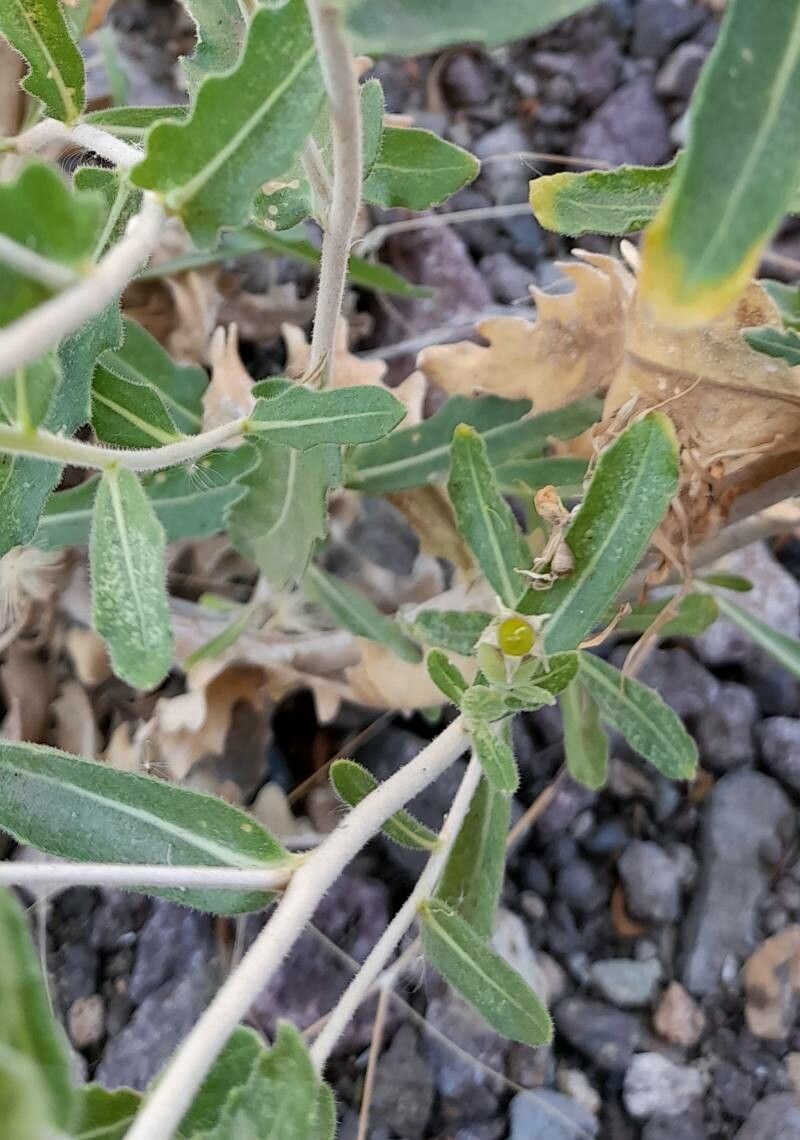
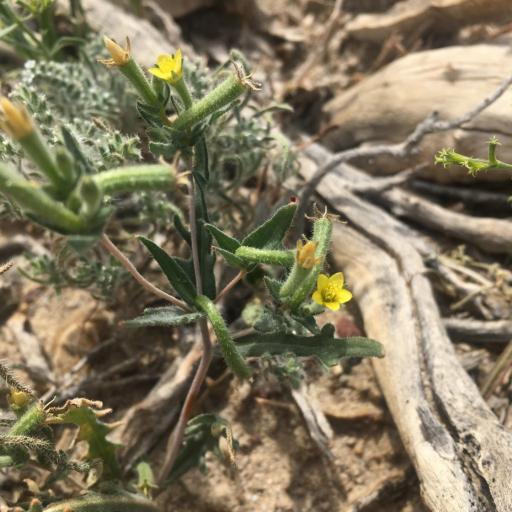
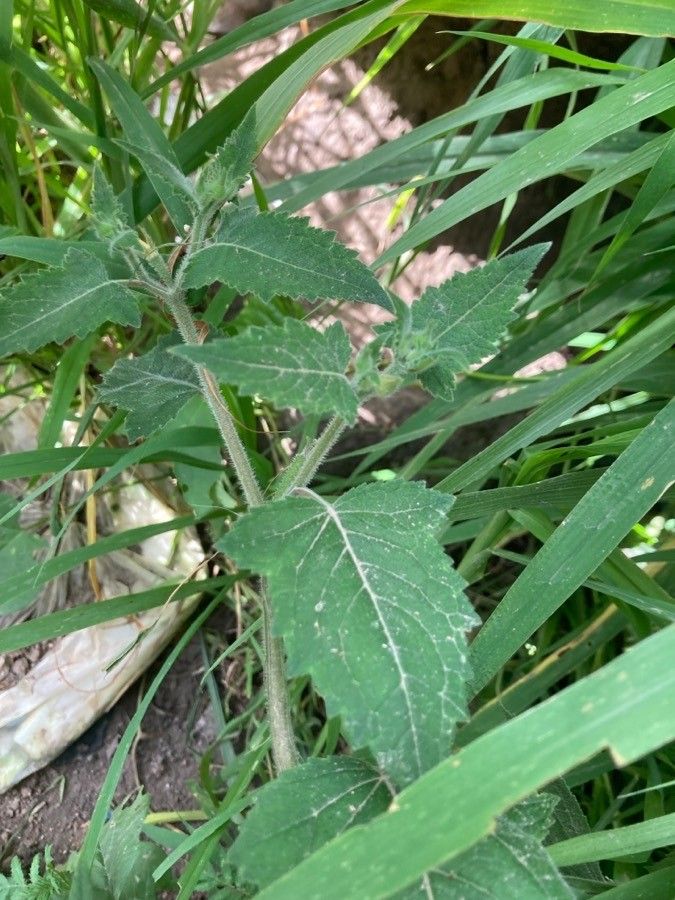
Mentzelia laevicaulis is a showy wildflower native to western North America. Its common names include giant blazingstar and smoothstem blazingstar.This is a widespread plant which can be found in sandy, rocky, and disturbed areas, such as roadsides.
Blazing star is fairly resistant to disease and usually does not suffer from them. However, it can be vulnerable to pests and diseases present in its surroundings. These problems are typically minor. In terms of care, this plant needs moderate maintenance. Regular pruning is required to maintain a neat appearance and healthy growth. Fertilizing can also help encourage flowering. Blazing star is appropriate for anyone with outdoor space, such as a garden or patio, and does not demand much gardening experience. It may need more attention when grown indoors.
How to keep Mentzelia Laevicaulis.
Light
Blazing star thrives with ample sunlight. It originates from habitats that are typically bright and not tolerant of shade. This dependence on sunlight persists through all stages of its development, and severe lack or excess of light can slow growth and damage the plant.
Water
Blazing Star is a plant that thrives in arid regions due to its high drought tolerance. To mimic its natural dry habitat, water it once a week, being careful not to overwater. It is best grown outdoors and prefers well-draining soil to prevent root water accumulation, which ensures optimal health and growth.
Temperature
Blazing star prospers in its native habitat where temperatures typically range from 68 to 95 °F (20 to 35 ℃). Adaptable, it can still perform well in cooler conditions with gradual conditioning.
Fertilizer
Blazing star requires regular fertilization to encourage flowering but does not tolerate too much. It needs small, frequent doses of fertilizer throughout its entire life cycle, especially during the peak period of active growth and while it's flowering. You will continue feeding your Blazing star until they stop blooming.
Pruning
The blazing star showcases stunning yellow flowers and thrives with pruning from early to late spring. To encourage healthy growth and abundant blooms, remove dead stems while shaping the plant. Minimal intervention supports vigorous flowering, helps control its height, and prevents legginess, resulting in a balanced and pleasing appearance.
Botanical profile.
- Plant Type
- Herb
- Life Cycle
- Biennial, Perennial, Annual
- Genus
- Mentzelia
- Family
- Loasaceae
- Hardiness Zone
- 4-9
- Mature Height
- 0.23 m to 1.07 m
- Mature Spread
- 49 cm
- Leaf Color
- Green, Gray
- Leaf Type
- Deciduous
- Flower Color
- Yellow, Gold
- Flower Size
- 2.54 cm to 5.08 cm
- Bloom Time
- Summer
- Planting Time
- Spring, Summer
- Harvest Time
- Late summer, Early fall, Mid fall
Other names.
Reader questions.
What are the sunlight requirements for Blazing Star?
Blazing Star requires above 6 hours of sunlight daily to thrive, indicating its need for full sun exposure. It's essential to observe the movement of sunlight through your garden to find the perfect balance of light and shade that will ensure the plants' happiness and health.
What is the native environment of Blazing Star?
Blazing Star, botanically known as Mentzelia laevicaulis, thrives particularly well in its native environment where the temperature traditionally ranges between 68 to 95°F (20 to 35°C). Although it is adaptable and can survive in cooler climates, gradual conditioning is essential for its well-being. These plants have strong resistance to the cold, meaning they generally do not need special frost protection measures during the winter. However, in exceedingly cold conditions, where temperatures are expected to drop below -30°C, it is crucial to provide additional protection by covering the plant with soil or straw to safeguard it through the harsher weather.
How important is sunlight for Blazing Star's growth?
Sunlight plays a critical role in the growth and development of Blazing Star, a plant that naturally thrives in light-rich habitats. From seedling to maturity, it relies heavily on ample sunlight. Insufficient or excessive sunlight can impede its growth, indicating a pressing need for a well-balanced light environment. During periods of low natural light, such as winter, artificial lighting can be a suitable alternative, promoting healthier growth by compensating for the lack of sunlight.
How should you care for Blazing Star in winter?
To prepare Blazing Star for winter, especially in climates colder than its native environment, one should water the plant abundantly before the first freeze of autumn. This ensures the soil around it remains moist and enters a frozen state, which helps prevent the plant from experiencing drought and water scarcity during winter and the early spring months. It's vital for the survival of the plant during tough cold seasons, making such prep work critical for its overall health.
What are the symptoms of inadequate light in Blazing Star?
When Blazing Star is grown indoors or under insufficient light, it may exhibit symptoms such as small, new leaves, leggy or sparse growth, accelerated leaf drop, stalled growth, irregular color patterns or pale new leaves, chlorosis, sunscald, leaf curling, wilting, and leaf scorching. These symptoms indicate the plant's struggle with inadequate light exposure.
How does low temperature affect Blazing Star and what are the solutions?
Blazing Star exhibits strong cold tolerance, thriving best in temperatures above 20°C and maintaining well-being to a point just above 0°C. However, when temperatures plummet below -30°C, the plant might not show immediate damage but can struggle to sprout come springtime, potentially decreasing sprouting effectiveness or preventing sprouting altogether. The solution to this issue in springtime is to remove any parts of the plant that have failed to sprout, encouraging healthier growth and resilience in the plant's lifecycle.
How can I address Blazing Star's light deficiency indoors and outdoors?
To mitigate light deficiency in Blazing Star, indoors, progressively move the plant to sunnier spots or use artificial lights to ensure at least 6 hours of direct sunlight daily. Outdoors, the process involves gradually transitioning the plant to areas with more sunlight, avoiding drastic changes to prevent sunburn. For plants in the ground, reducing obstructions like overhanging branches and, if necessary, transplanting to sunnier locations can significantly improve light exposure.
How does high temperature affect Blazing Star and what can be done?
During the hotter months of summer, it is critical that Blazing Star's temperature does not exceed 35°C. When the surrounding temperature surpasses 38°C, negative effects such as a lighter color of the leaves, susceptibility to curling, risk of sunburn, and, in severe cases, wilting and drying out of the whole plant may occur. To mitigate these issues, one should trim away any sunburned or dried parts of the plant, move the plant to a shaded area away from midday and afternoon sun, or utilize a shade cloth. Additionally, watering the plant in the morning and evening will help ensure the soil remains moist, which is vital for the plant's survival during periods of extreme heat.