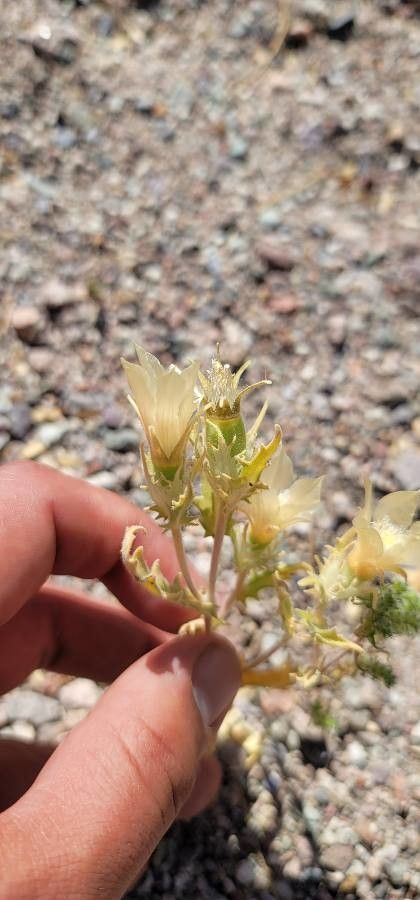
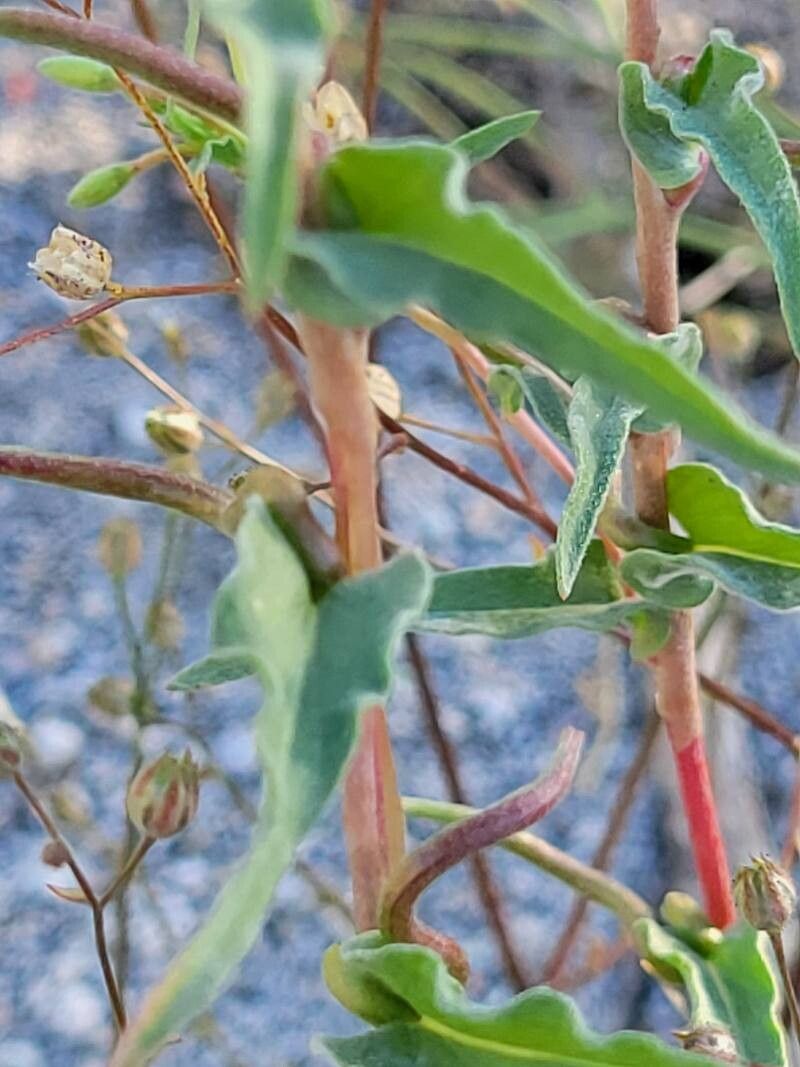
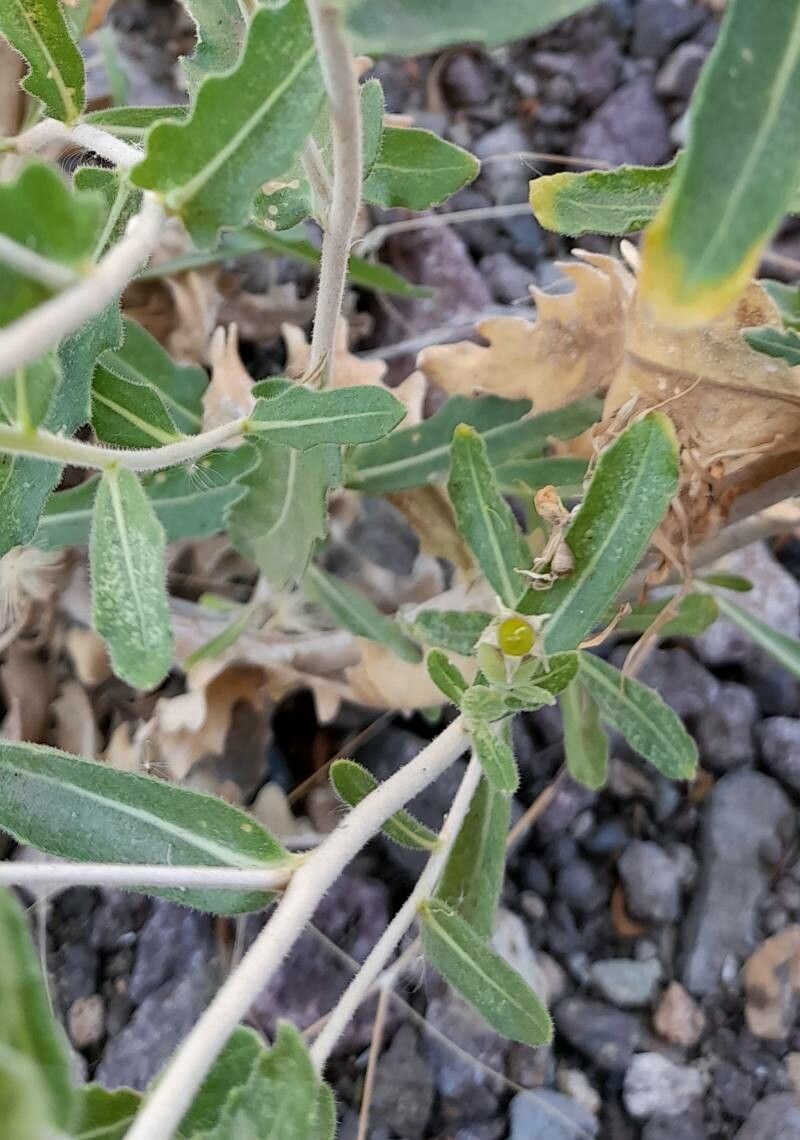
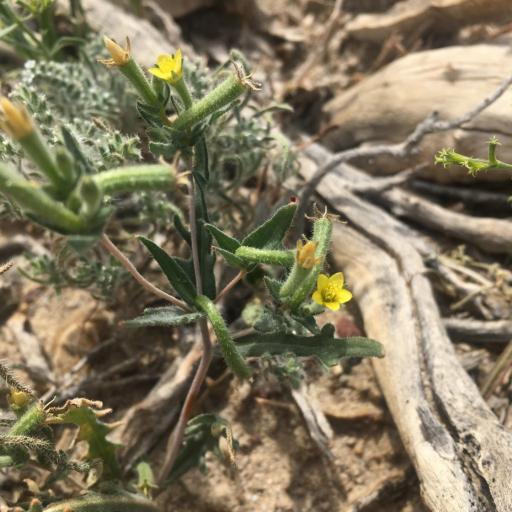
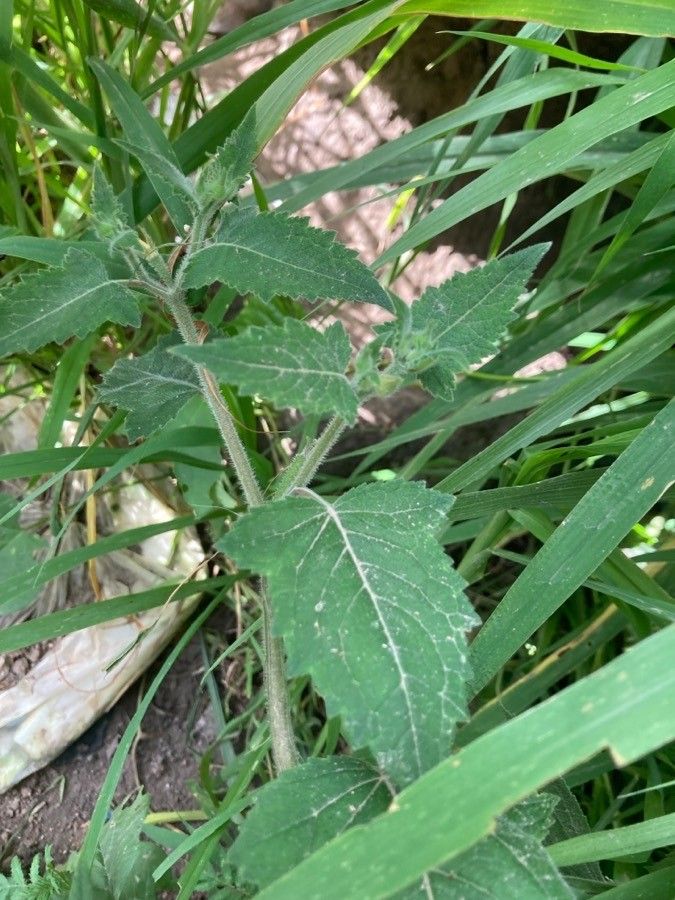
Mentzelia involucrata is a species of Mentzelia native to the Mojave and Sonoran deserts of North America as well as places in Nevada, Arizona and Baja California (Mexico). Its common names include kuʼu, sand blazing star and white-bract blazing star.
White-bract blazing star is fairly disease-resistant and typically not prone to illness. Still, it can be affected by pests and diseases present in its environment. These problems are usually mild. In terms of care, the plant needs moderate maintenance. It should be pruned regularly to keep a neat appearance and support healthy growth. Fertilizing can also help encourage flowering. White-bract blazing star is suitable for people with outdoor spaces like a garden or patio and does not demand extensive gardening experience. It may need more attention if grown indoors.
How to keep Mentzelia Involucrata.
Light
White-bract blazing star comes from bright, open habitats and performs best in full sun. It can tolerate partial sun but prefers direct sunlight for ideal growth. This plant, which may be annual or biennial, is noted for its sun-loving habits.
Water
The white-bract blazing star is extremely drought-tolerant and only needs to be watered twice a week. Indoors, it thrives in controlled environments that help prevent overwatering. Its resilience is particularly evident during the growing season, as it uses water efficiently to produce impressive blooms.
Temperature
In its native habitat, white-bract blazing star flourishes where temperatures range from 68 to 100 °F (20 to 38 ℃). It tolerates seasonal temperature fluctuations but prefers warmer climates.
Fertilizer
When most of the White-bract blazing star's blooms have opened to full size, resume fertilizing. Around the time of peak flowering, fertilize once every three to four weeks, as weather allows. After the plant begins producing fewer new blooms, stop fertilizing; there's no need to feed it when it can no longer produce additional flowers.
Pruning
The White-bract Blazing Star is known for its striking white bracts and requires annual pruning from early to late spring to thrive. To encourage healthy growth, prune away any dead or damaged stems and trim back overgrown branches. This will enhance airflow, reduce the risk of disease, and promote vibrant blooms, all of which support the plant's longevity and overall health.
Botanical profile.
- Plant Type
- Herb
- Life Cycle
- Annual
- Genus
- Mentzelia
- Family
- Loasaceae
- Hardiness Zone
- 10-11
- Mature Height
- 15 cm to 46 cm
- Mature Spread
- 15 cm to 30 cm
- Leaf Color
- Green
- Leaf Type
- Semi-evergreen
- Flower Color
- Yellow
- Flower Size
- 2.03 cm to 8.89 cm
- Bloom Time
- Early spring, Mid spring
- Planting Time
- Spring, Summer
- Harvest Time
- Late spring, Early summer
- Native Area
- Mexico
Other names.
Reader questions.
What are the sunlight requirements for White-bract blazing star?
White-bract blazing star, also known by its botanic name Mentzelia involucrata, thrives under specific sunlight conditions to ensure its growth and happiness. It requires full sun, which means it needs above 6 hours of sunlight daily. For those areas of your garden that do not meet this requirement, partial sun, or about 3-6 hours of sunlight, can also suffice. It's important to observe how sunlight moves through your garden to choose spots that provide the perfect balance of light and shade for these plants.
What is the native environment temperature range for White-bract blazing star?
The White-bract blazing star, botanically known as Mentzelia involucrata, thrives in its native environment with a temperature range between 68 to 100 °F (20 to 38 °C). It is well-suited to warmer climates and can handle variations in seasonal temperatures, showing a preference for the warmer end of its temperature range.