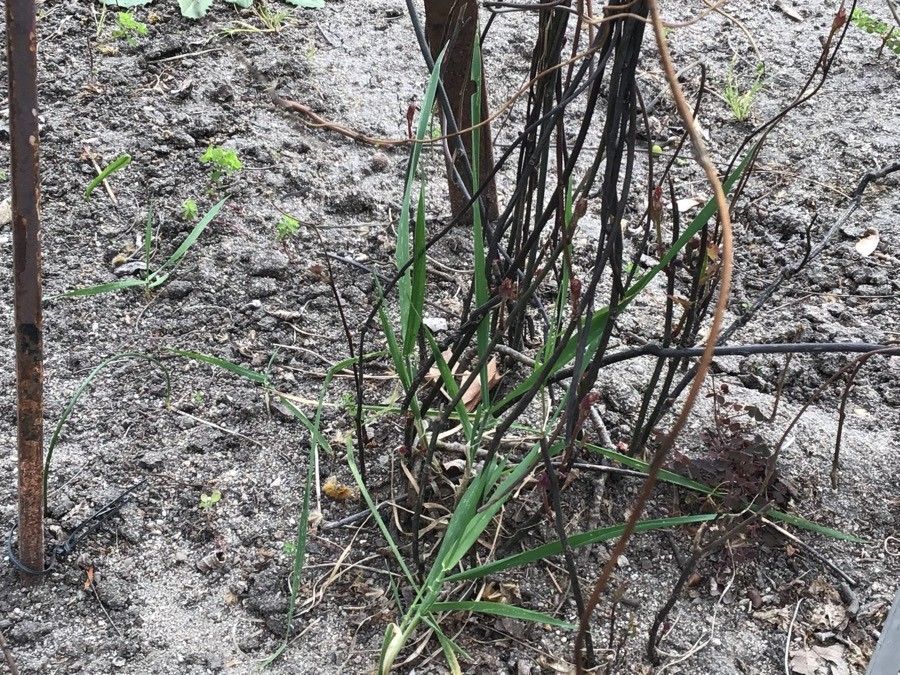
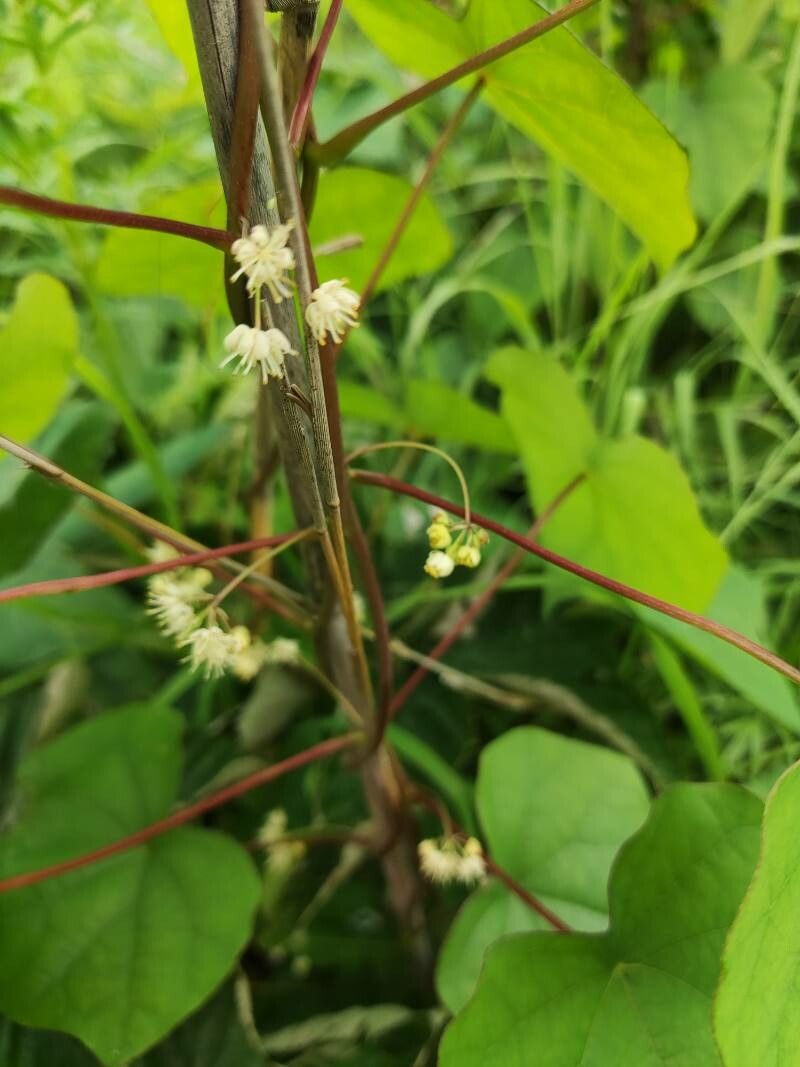
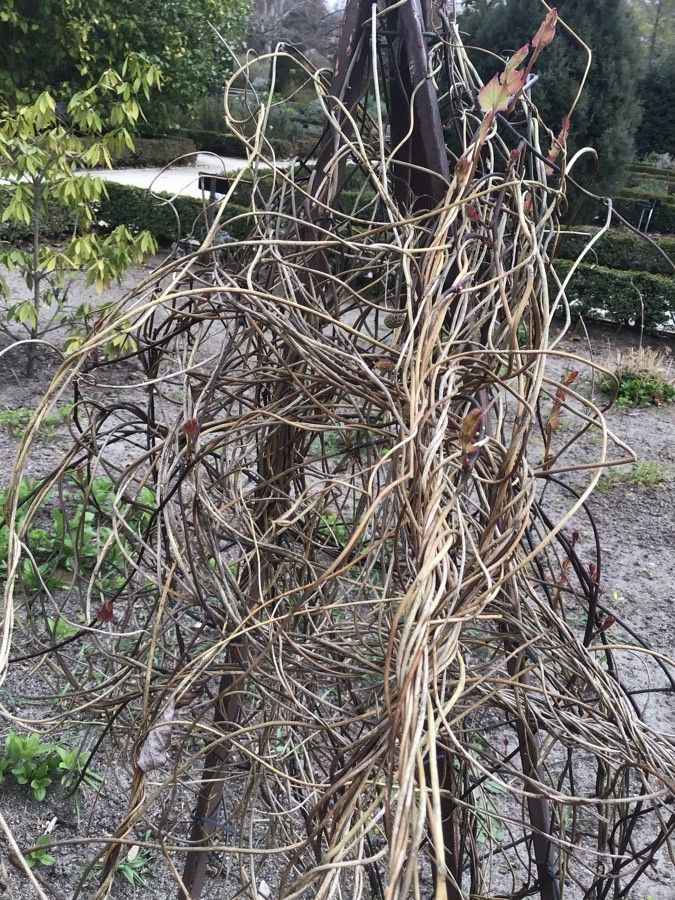
Dahurian moonseed is disease-resistant and typically not susceptible to illnesses. As for care, this plant is fairly low-maintenance. When grown outdoors it needs only minimal watering, and larger specimens usually do not require pruning. Smaller plants, however, should be pruned after they finish blooming. Dahurian moonseedt is well suited to anyone with an outdoor area, like a garden or deck, and does not demand extensive gardening experience.
How to keep Menispermum Dauricum.
Light
Dahurian moonseed occurs naturally in habitats like forest understories and rocky areas, where it grows in natural shade. It prefers partial sun but can adapt to full sun or full shade, demonstrating its versatile and hardy nature.
Water
Dahurian moonseed originates from the underbrush of temperate forests and prefers a moderately moist environment. To mimic its natural conditions, water it twice a week. This plant is best grown outdoors, where natural rainfall can support its growth cycles and enhance its vigor during the growing season.
Temperature
Dahurian moonseed is native to habitats where temperatures generally range from 41 to 95°F (5 to 35℃). It flourishes in those climates. In other seasons, temperatures should be adjusted appropriately to mimic those conditions.
Fertilizer
To encourage healthy growth, fertilize your Dahurian moonseed in early spring. Regular feeding improves overall health, producing vigorous growth, increased tolerance of challenging conditions, and enhanced resistance to pests and diseases. Keep to a set fertilization schedule for your Dahurian moonseed to maintain lush foliage with deep color and a vibrant appearance.
Pruning
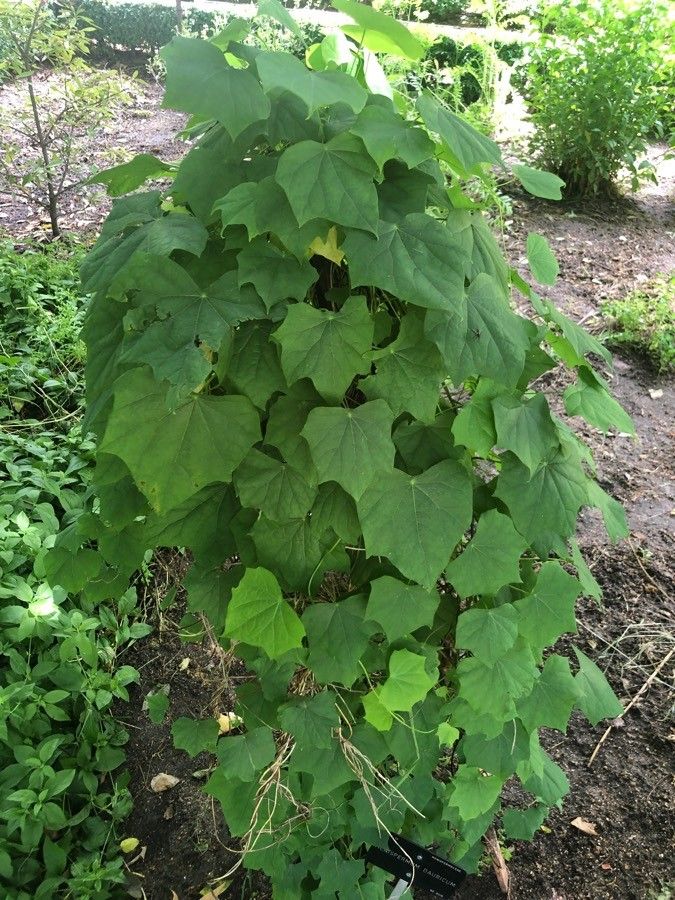
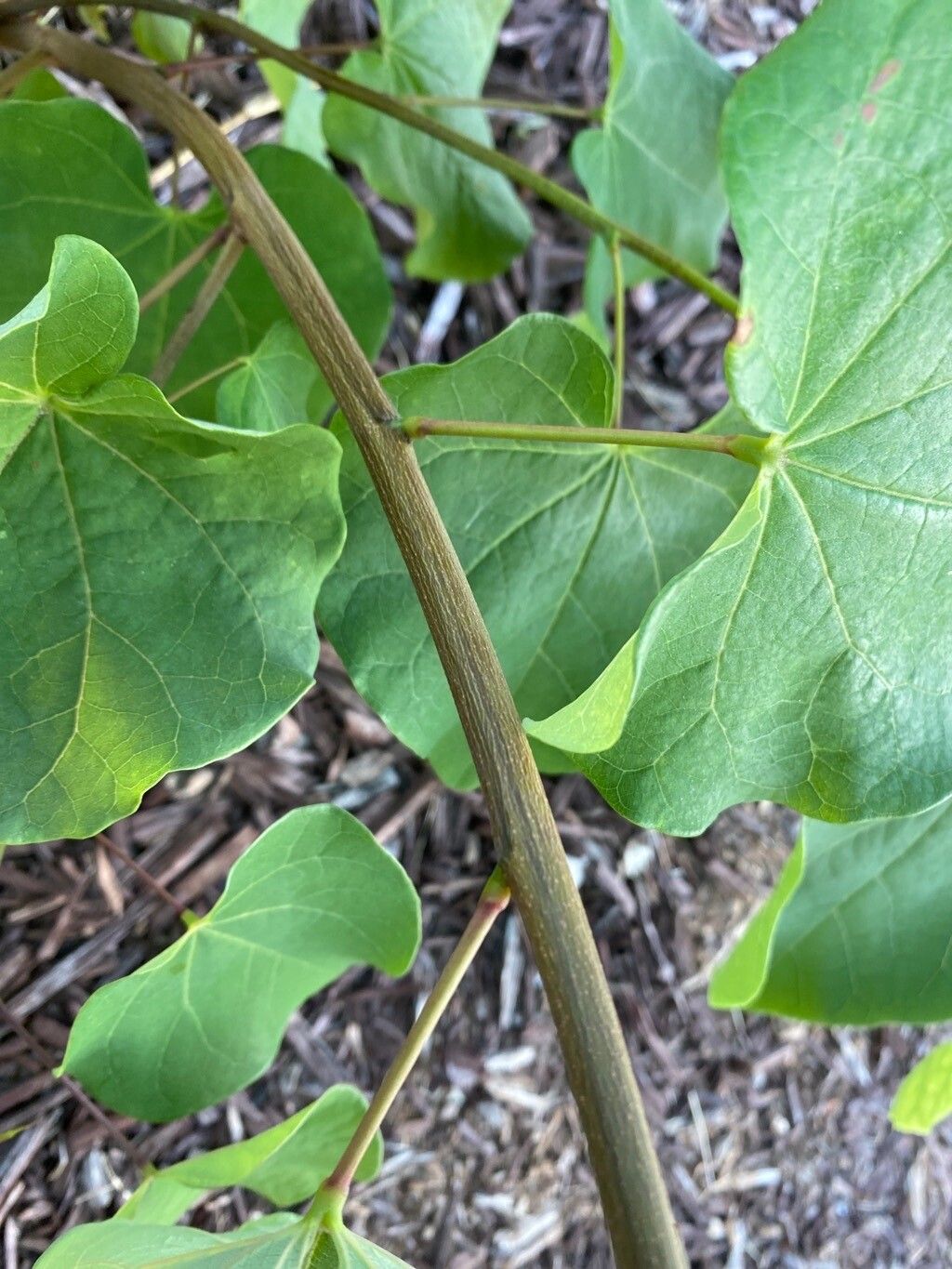
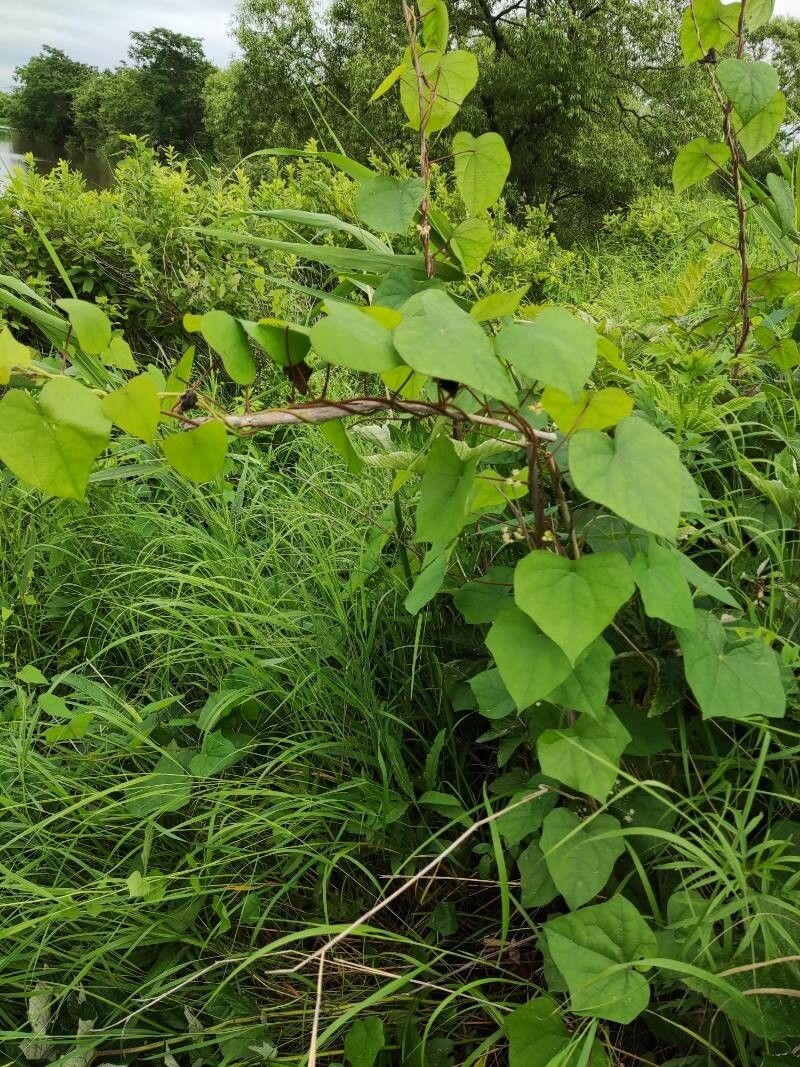
The Dahurian moonseed is characterized by its twining vines and heart-shaped leaves. To promote growth and improve airflow, prune in early spring by removing any dead or crowded stems. However, avoid heavy pruning, as this could reduce flowering. Instead, opt for regular light pruning to maintain a healthy size and shape. For additional care tips, consult local resources to ensure you're meeting the plant's specific needs.
Botanical profile.
- Plant Type
- Vine
- Life Cycle
- Perennial
- Genus
- Menispermum
- Family
- Menispermaceae
- Hardiness Zone
- 5-9
- Mature Height
- 3.05 m to 6.1 m
- Mature Spread
- 2.13 m to 3.96 m
- Leaf Color
- Green, Dark Green
- Leaf Type
- Deciduous
- Flower Color
- White
- Flower Size
- 0.25 cm to 0.51 cm
- Bloom Time
- Late spring, Early summer
- Planting Time
- Spring, Summer
- Harvest Time
- Late summer, Early fall, Mid fall
- Native Area
- Russia, Japan, Mongolia, Koppen, South Korea, China
Other names.
Reader questions.
What is the native climate for Dahurian moonseed?
Dahurian moonseed, botanically known as Menispermum dauricum, is native to environments where it thrives in temperatures typically ranging from 41 to 95°F (5 to 35°C). These conditions reflect the plant's preference for climates within this temperature range. To ensure the Dahurian moonseed's health in different seasons, it's recommended to adjust the environment to simulate these native conditions.