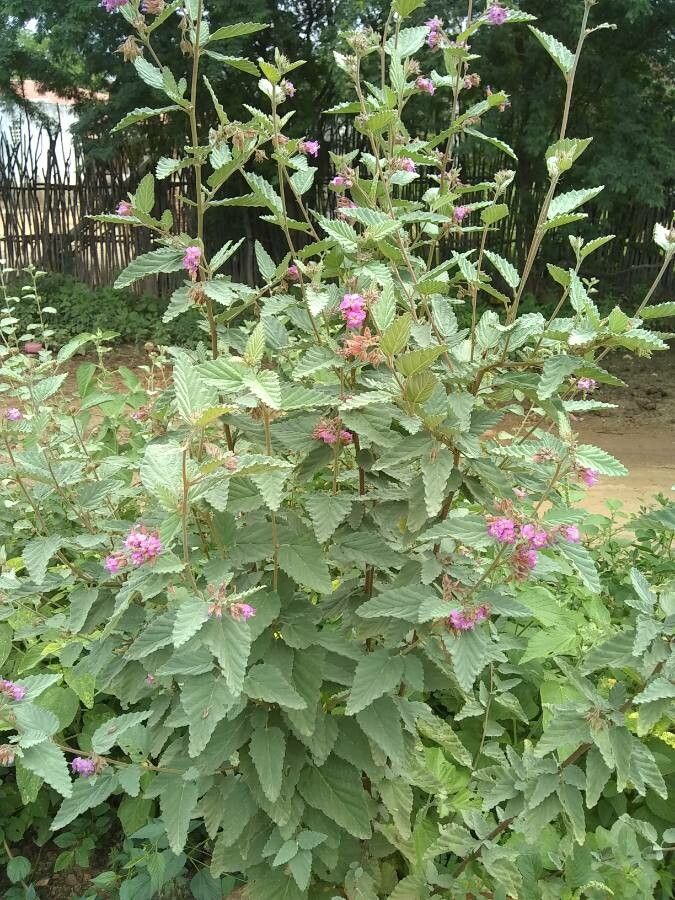
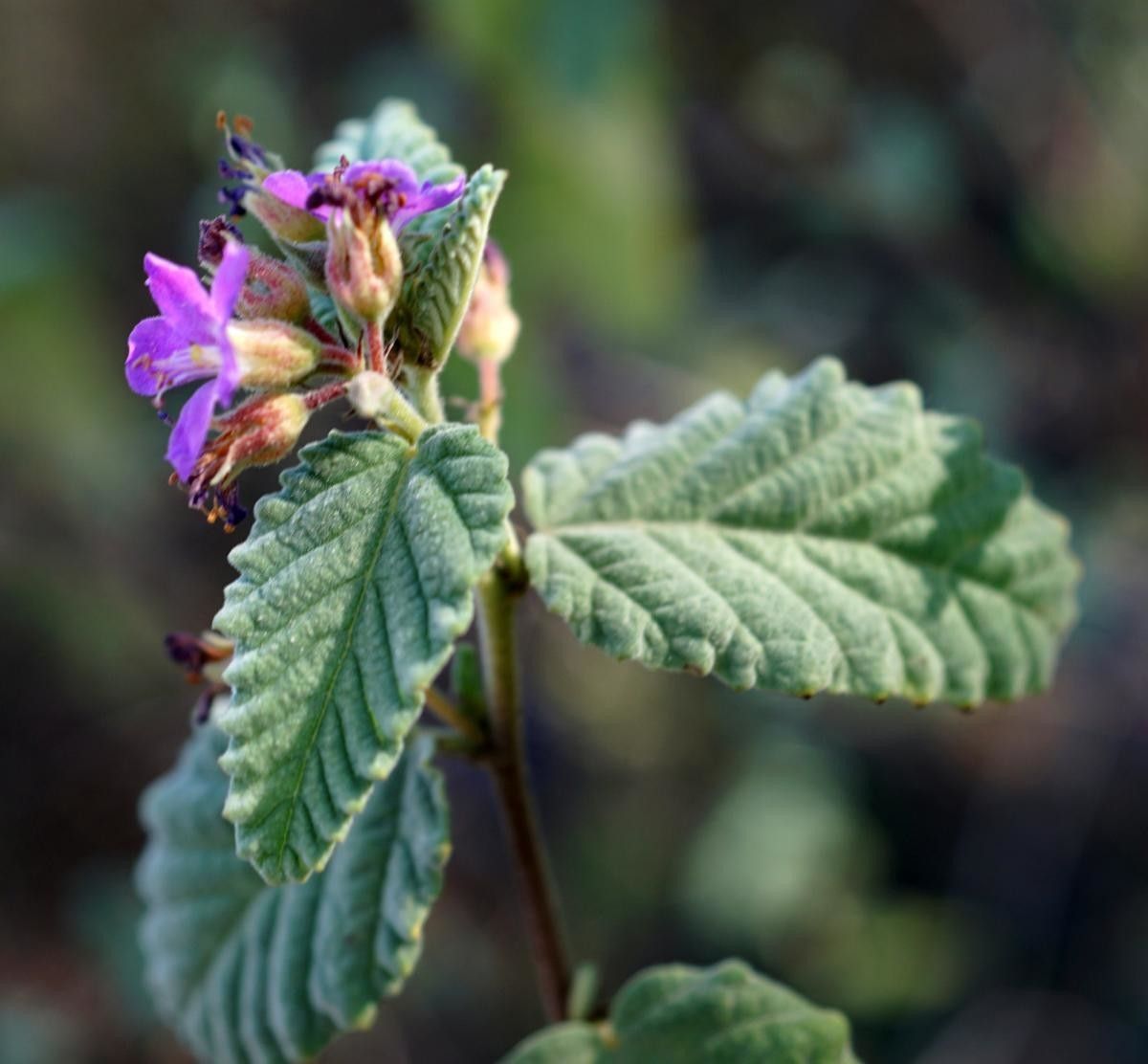
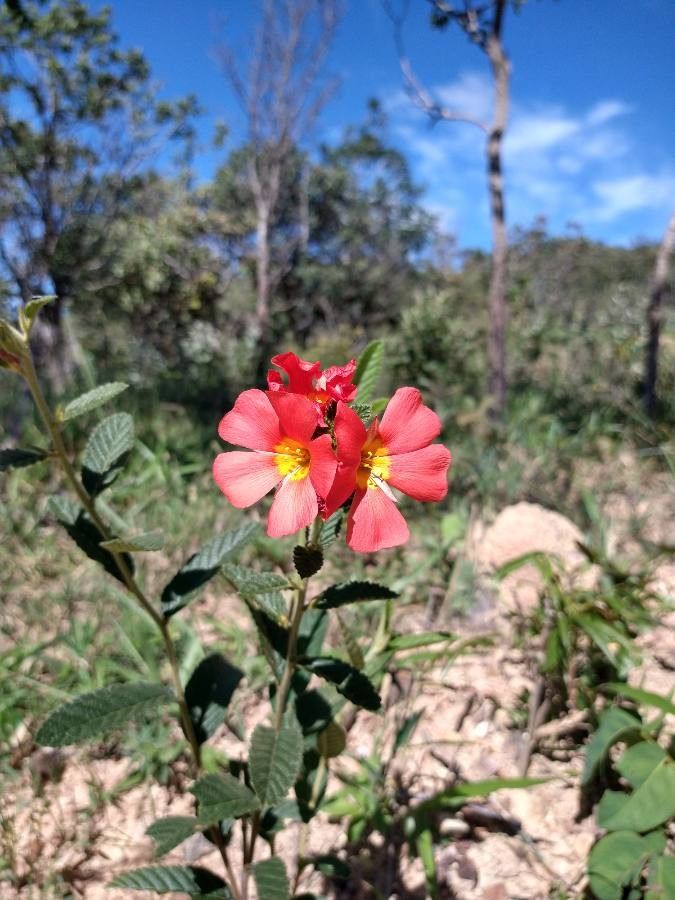
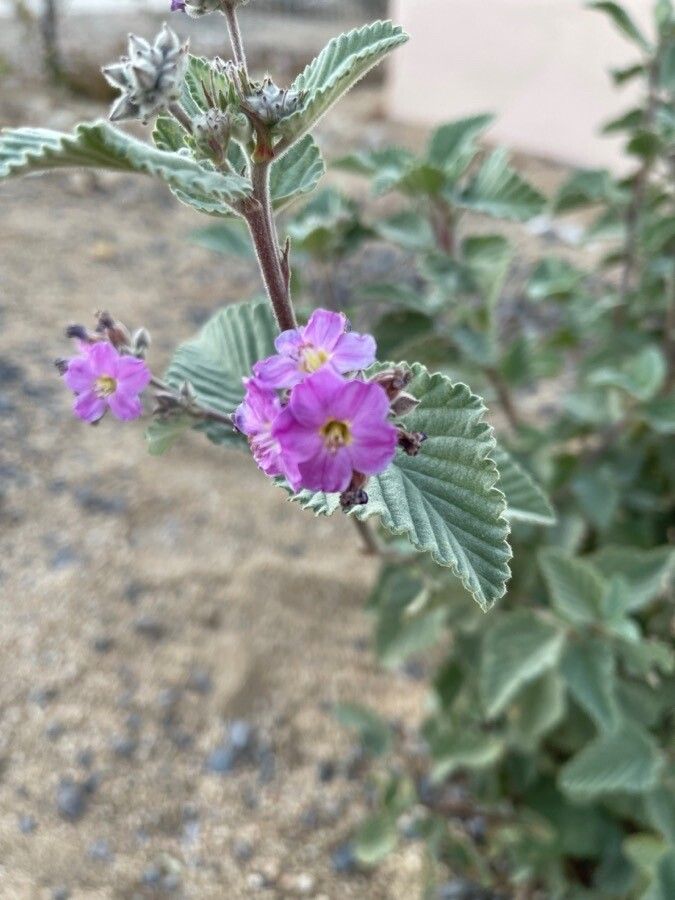
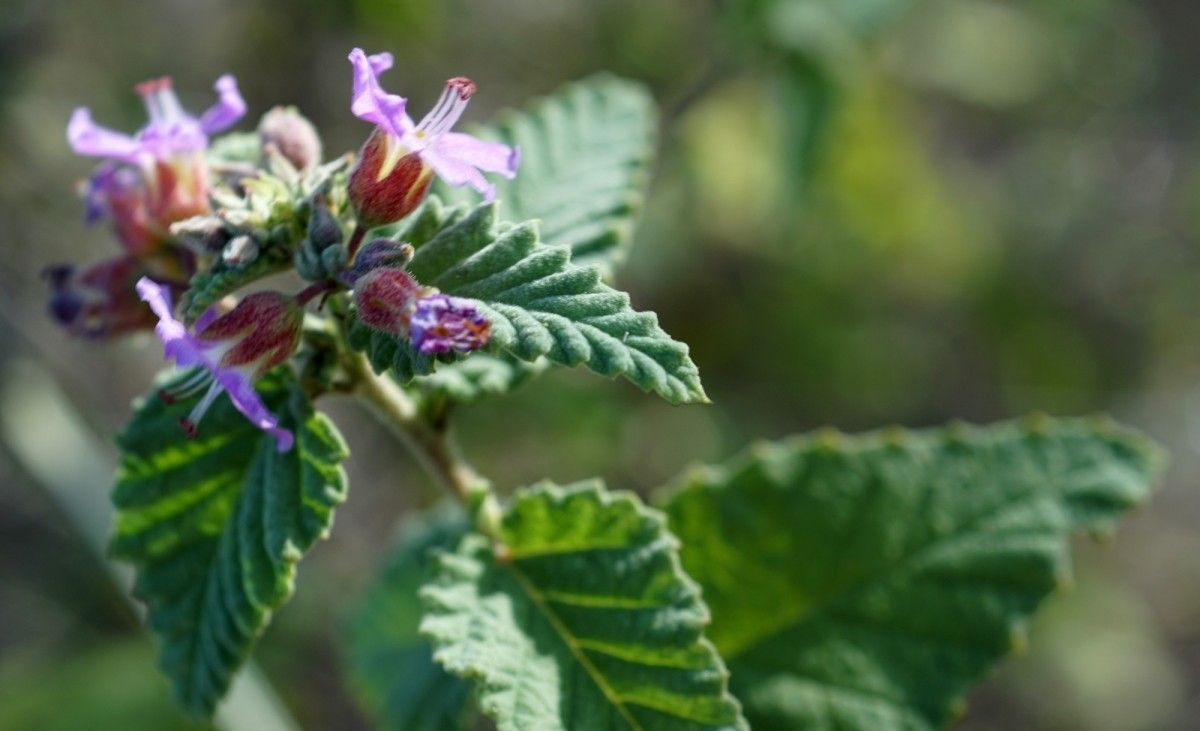
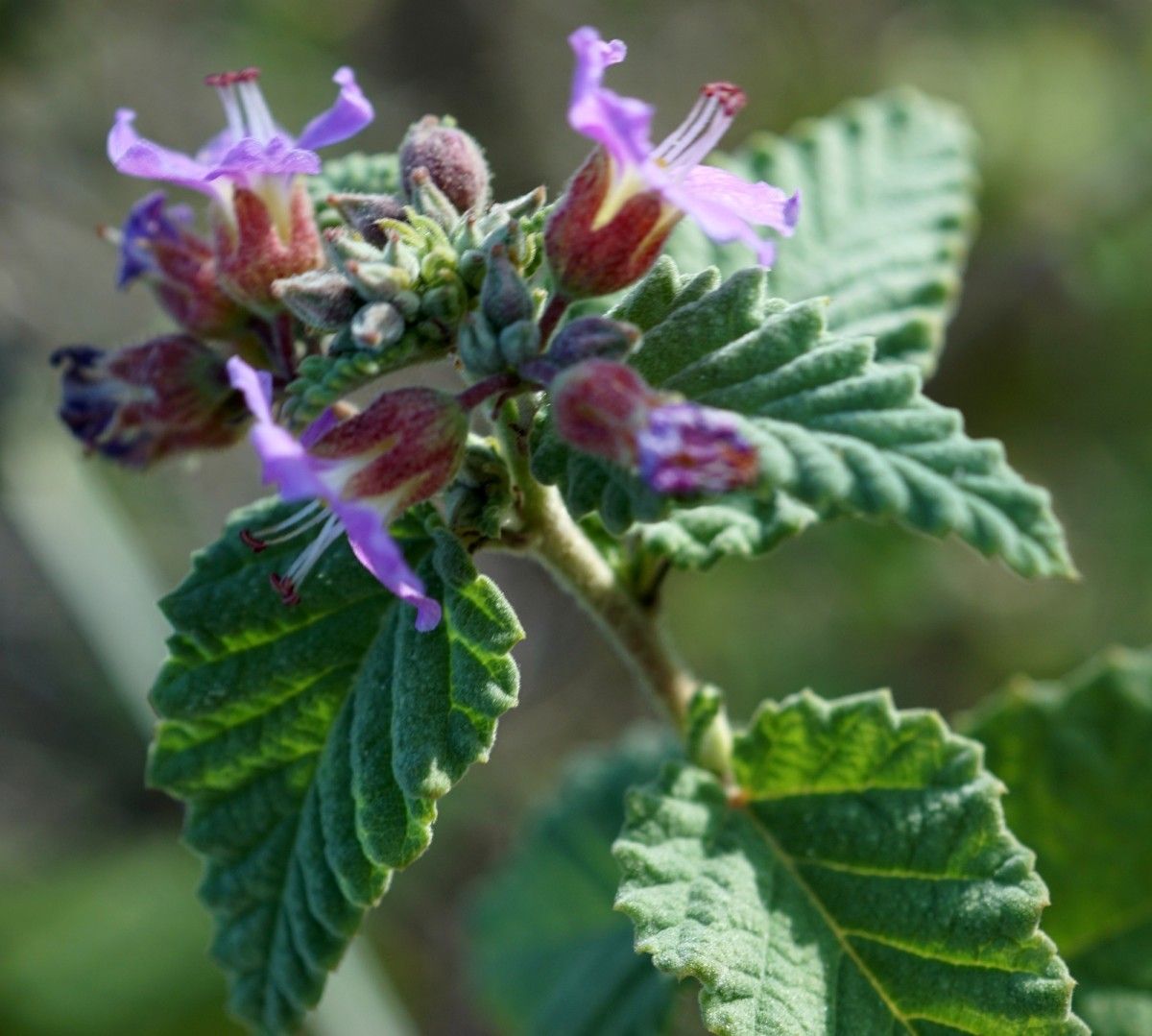
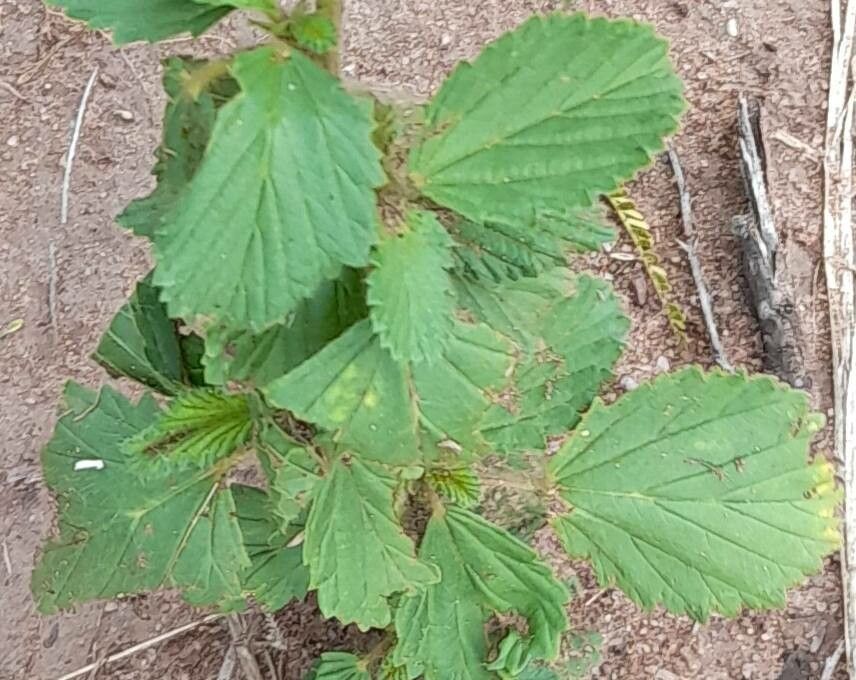
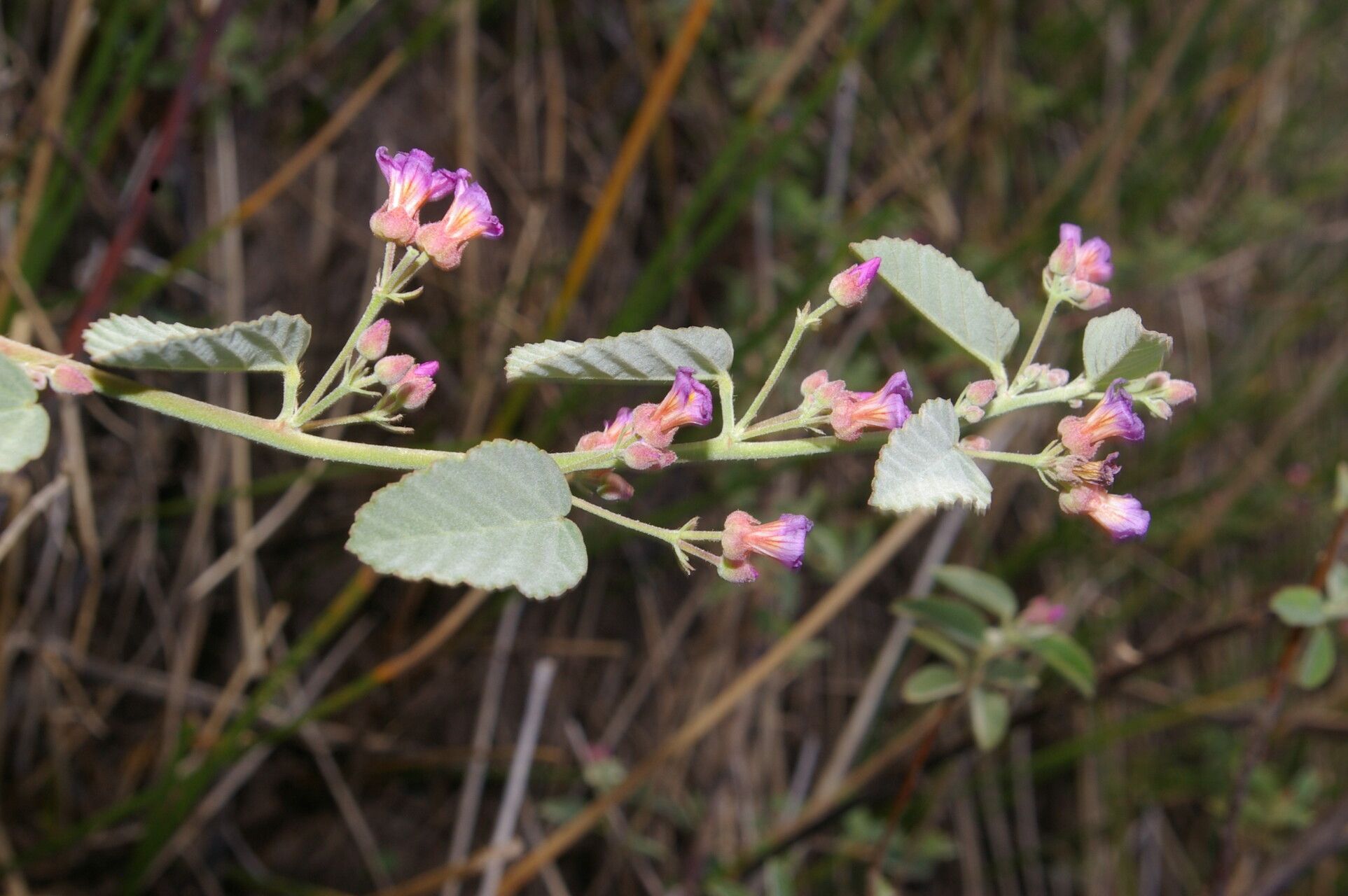
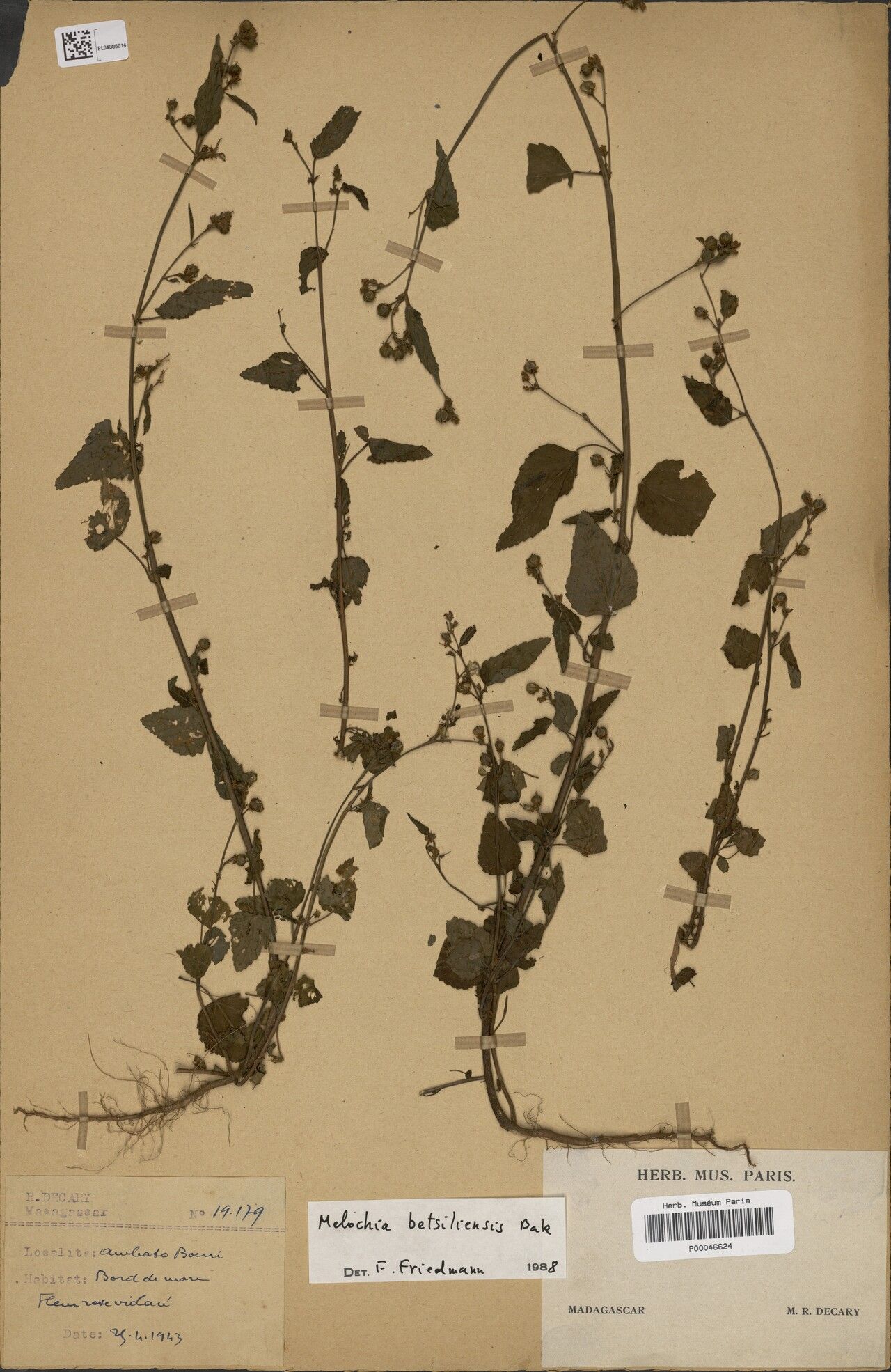
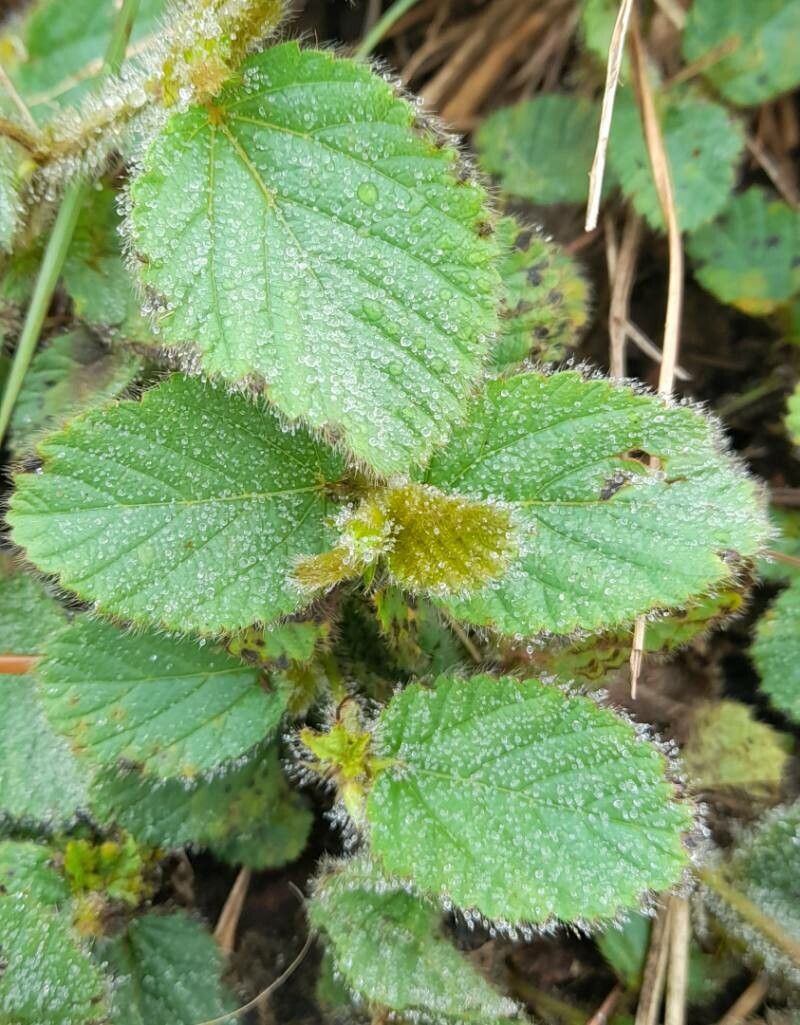
Melochia tomentosa, commonly known as hairy melochia or teabush, is a species of flowering plant in the family Malvaceae. Native to tropical regions of Africa, Asia, and Australia, it grows as a shrub or small tree, reaching up to 5 meters in height. The leaves are oval-shaped with a velvety texture, growing up to 10 cm in length. The plant produces small, pinkish-purple flowers that bloom from summer through fall.
Hairy melochia is traditionally used for medicinal purposes by indigenous communities to treat various ailments, including fever, coughs, colds, diarrhea, and dysentery, due to its anti-inflammatory properties. Additionally, it possesses antioxidant properties that help protect against free radicals, which cause cell damage.
The plant thrives in well-drained soils with full sun exposure but can also tolerate partial shade, making it adaptable to various regions around the world. Its leaves are commonly used to make herbal tea infusions, which are effective against respiratory infections such as bronchitis.
Overall, Melochia tomentosa is an important medicinal plant with potential therapeutic benefits that have been utilized by traditional healers for centuries across different cultures. Its anti-inflammatory properties make it useful for alleviating various ailments, including respiratory infections like bronchitis, highlighting its value as a natural remedy worthy of further research for its potential benefits to human health.
The pyramid bush is fairly disease-resistant and is usually not highly susceptible to illnesses. However, it can be vulnerable to pests and diseases present in its environment. These problems are typically mild. Regarding care, this plant requires moderate maintenance. It should be pruned regularly to maintain an attractive appearance and promote healthy growth. Fertilizing can also encourage flowering. The pyramid bush is suitable for anyone with outdoor space, such as a garden or patio, and does not demand extensive gardening experience. It may need more attention when grown indoors.
How to keep Melochia Tomentosa.
Light
Pyramid bush does best when exposed to abundant sunlight throughout the day. It can still flourish with occasional shade, maintaining strong growth. Native to areas with plentiful light, the plant can tolerate reduced sun but may encounter developmental problems. Severe shade or lack of sunlight can stunt its growth.
Water
The Pyramid bush thrives in tropical climates and prefers consistent moisture, benefiting from a weekly watering schedule. While it can adapt to dry spells and typical indoor humidity levels, it requires some ambient moisture to truly flourish. Its resilience, reflecting its tropical origins, makes it a popular choice for households.
Temperature
Pyramid bush comes from tropical areas, where the climate is generally warm and humid. Consequently, it is well suited to high temperatures and moisture. It does not tolerate sudden temperature shifts and prefers a consistent thermal environment, so avoiding temperature fluctuations indoors is important. It usually cannot withstand cold and requires warmer conditions for growth. If the surrounding temperature drops too low, the plant may stop growing or even die.
Fertilizer
Proper fertilization is essential to a Pyramid bush's health and appearance. Fertilize the Pyramid bush in summer, repeating the application monthly throughout the season. Nutrients fuel growth and help maintain the plant's components. Fertilization improves the Pyramid bush's flower display, ensuring the best blooms.
Pruning
The Pyramid Bush, recognized for its dense foliage and distinctive pyramid shape, should be pruned from early to late spring. This promotes air circulation and maintains its shape. Gentle trimming boosts the plant's health and flowering, while heavy cutting can stress the plant. Refer to reliable guides for specific pruning techniques.
Botanical profile.
- Plant Type
- Herb, Shrub
- Life Cycle
- Perennial
- Genus
- Melochia
- Family
- Malvaceae
- Hardiness Zone
- 9-11
- Mature Height
- 30 cm to 61 cm
- Mature Spread
- 0.61 m to 1.22 m
- Leaf Color
- Green, Dark Green
- Leaf Type
- Semi-evergreen
- Flower Color
- Pink, Lavender
- Flower Size
- 2.54 cm
- Bloom Time
- All year round
- Planting Time
- Spring, Summer, Autumn
- Harvest Time
- All year round
- Native Area
- Colombia, Bahamas, Belize, Cuba, Honduras, Mexico, Guatemala, Venezuela, Peru, Brazil, Nicaragua, Costa Rica, Panama, Jamaica
Other names.
Reader questions.
How should I water my Pyramid bush?
To properly water the Pyramid bush, follow these guidelines for optimal care. It is recommended to use filtered water at room temperature. This is because tap water may contain harmful particles, which can negatively affect the plant's health. Additionally, it is important to avoid using cold water as this can be a shock to the plant, considering it originates from a warm environment. Overhead watering should also be avoided to prevent foliage complications. Instead, water the plant by applying filtered room temperature water directly to the soil until it is completely soaked. This method benefits the plant by moisturizing the roots and facilitating their spread through the soil, allowing them to gather necessary nutrients.
What are the sunlight requirements for Pyramid Bush?
Pyramid Bush (Melochia tomentosa) thrives under generous sunlight, requiring more than 6 hours of sunlight for full sun exposure and about 3-6 hours for partial sun. It's important to observe the movement of sunlight through your garden to find spots that offer a balance of light and shade, ensuring the best growth conditions for your plants.
What do I do if I give my Pyramid bush too much or too little water?
The health of your Pyramid bush can be negatively affected by both overwatering and underwatering, but overwatering is a more common issue. When the Pyramid bush receives excessive water, its stems and leaves may wilt and turn yellow. Overwatering for a long time can also lead to diseases like root rot, mold, and mildew, which can be fatal for your plant. Underwatering is less likely to occur as the Pyramid bush is fairly resistant to drought. However, it is still possible, and in such cases, you may notice that the leaves become brittle and brown. It is important to promptly recognize signs of overwatering when caring for your Pyramid bush, as some diseases resulting from it, such as root rot, may become irreversible if not addressed early. If you observe early signs of overwatering, reduce your watering schedule immediately and check the soil quality. If the soil drains poorly, replace it with a loose, well-draining potting mix. Conversely, if you notice signs of your Pyramid bush not receiving enough water, simply increase your watering frequency until those signs disappear.
What essential conditions help Pyramid Bush grow?
The Pyramid Bush needs abundant sunlight throughout the day to flourish, even though it can grow with occasional shade. Originating from environments with plenty of light, it can tolerate lower sunlight levels but may experience growth issues if kept in extreme shade or deprived of sufficient sun. Artificial lighting, such as LED lights, can compensate for natural sunlight, with indoor plants needing specific wattages based on their sun requirement (30-50W/sq ft for full sun plants, 20-30W/sq ft for partial sun, and 10-20W/sq ft for full shade). Proper distance (12-36 inches above the plant) and duration (8-12 hours per day) of artificial light exposure are crucial for optimal growth.
How frequently do I need to water my Pyramid bush?
If your Pyramid bush is in a pot, the best way to determine if it needs water is by checking the soil with your finger. If the top two to three inches of soil are dry, it needs watering. If you have it planted outdoors, you can use the same method. Water it when the top few inches of soil are dry. Usually, during spring and early fall, watering once a week is enough. But during hot weather, you might need to water it twice a week or more. However, mature Pyramid bushes that are well-established can endure drought conditions well.
What are the symptoms of insufficient light for Pyramid Bush?
When Pyramid Bush does not receive enough light, it may show several symptoms, including smaller new leaves, leggy or sparse growth, faster leaf drop, and halted growth, indicating it has entered survival mode. Additionally, new leaves might appear lighter in color, showcasing a lack of chlorophyll and essential nutrients. Conditions like chlorosis or sunscald damage the plant's leaves or stems due to inappropriate sunlight exposure. Symptoms such as leaf curling, wilting, and leaf scorching can also manifest, indicating overexposure to sunlight.
How much water does my Pyramid bush require?
To water your Pyramid bush effectively, make sure the first two to three inches of soil are completely dry. Give it a good, thorough watering, making sure the soil is soaked all the way through. Add enough water so that it drains through the bottom of the pot. If you don't see any excess water draining, it means you haven't added enough water. However, be careful not to let the water accumulate in the soil as it can harm the plant. On the other hand, if water doesn't drain through the pot, it could mean that the soil doesn't drain well, which is bad for the plant. If the plant is outside, it will need about 1 inch of rain per week.
How can I manage light conditions for Pyramid Bush?
To ensure Pyramid Bush's optimal growth, gradually introduce it to sunnier spots until it gets at least 6 hours of direct sunlight daily. For indoor plants, especially large ones or those in less moveable arrangements, consider supplementing with artificial light, keeping a lamp on for around 8 hours a day, or using professional grow lights. For outdoor settings, move plants gradually to avoid shock. Pruning can help reduce shade from overhanging trees. If necessary, transplant smaller plants during their dormant period in late winter or early spring to a location with better sunlight and drainage. Note that parts of the plant that suffered from low light might not recover, but new growth should be healthy with proper light.
What is the best way to water my Pyramid bush as it grows?
The water needs of the Pyramid bush can change depending on different growth stages. For example, in the first few years of its life or after transplanting, the bush requires more water than usual. During these stages, the bush focuses on sprouting new roots to support future growth, and these roots need extra moisture to perform well. After a few seasons, the bush will need less water. Additionally, during the bloom period, the flower development requires a significant amount of moisture, so you may need to provide more water during this time.
How do I water my Pyramid bush during different seasons?
The Pyramid bush has different water needs depending on the season. In hot months, especially during summer, you may need to water it more frequently, possibly more than once per week, depending on how quickly the soil dries out. However, during winter, the plant enters a dormant phase and requires much less water. In fact, you may not need to water it at all during winter. If you choose to water during winter, do so sparingly, about once per month, as overwatering can increase the likelihood of disease.
How is watering my Pyramid bush different if I do it inside or outside?
The Pyramid bush is commonly grown indoors by gardeners who don't live in temperate or tropical regions. If you choose to grow it in a container, keep in mind that the soil may dry out faster than if it were planted in the ground. Additionally, factors like air conditioning units can increase the need for watering compared to when the plant is grown outside. In such cases, watering the Pyramid bush outdoors may not be necessary, especially if you receive regular rainfall. However, if you grow the plant indoors, you will need to water it more frequently since you won't have the option of rainfall to moisten the soil.