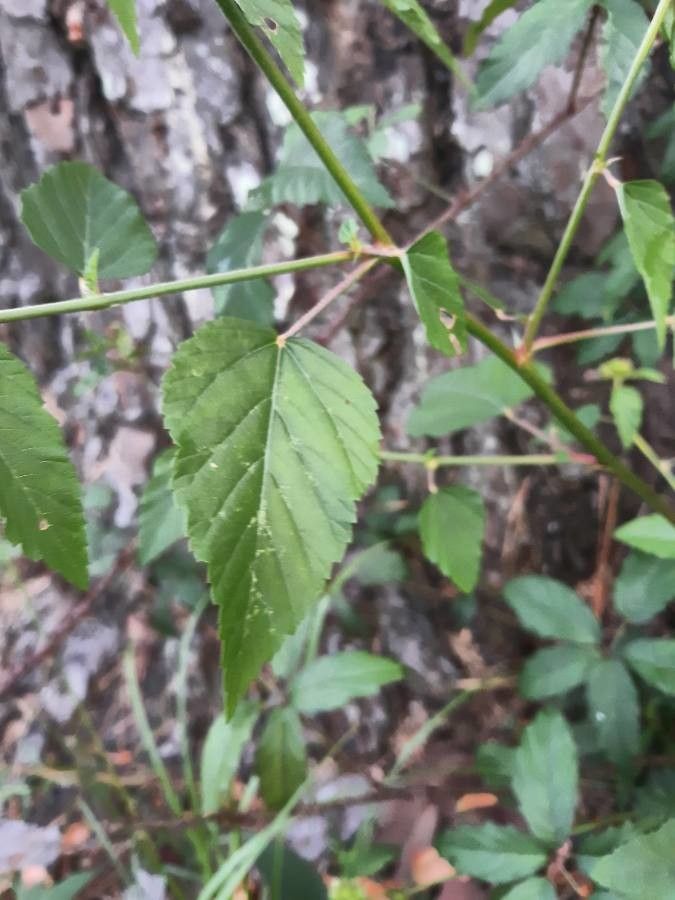
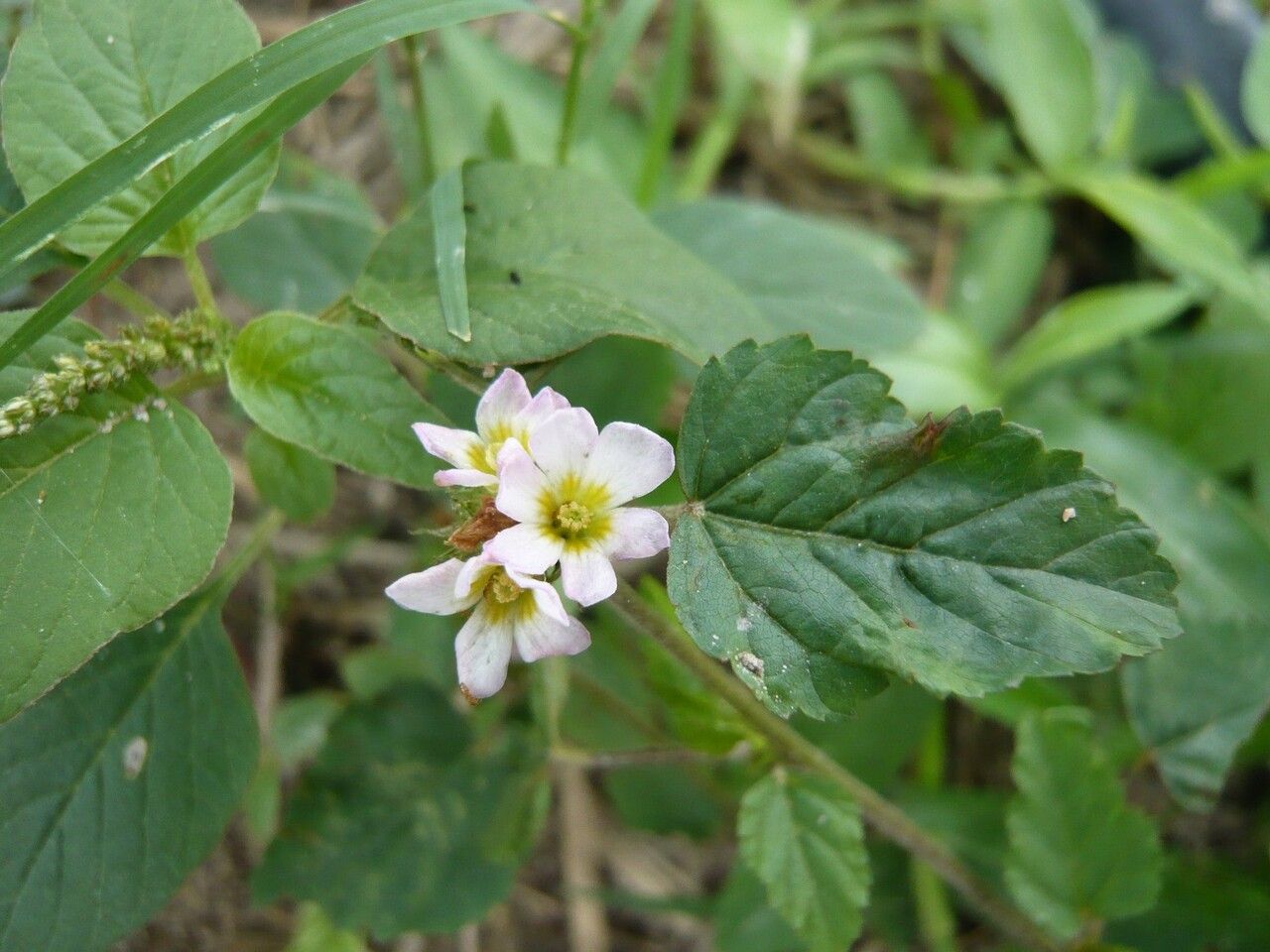
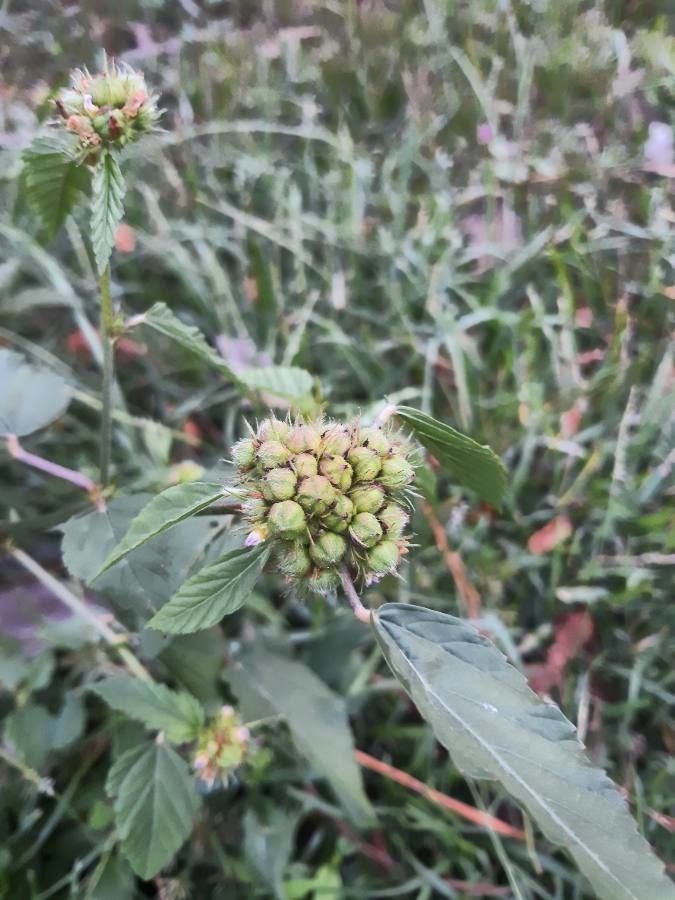
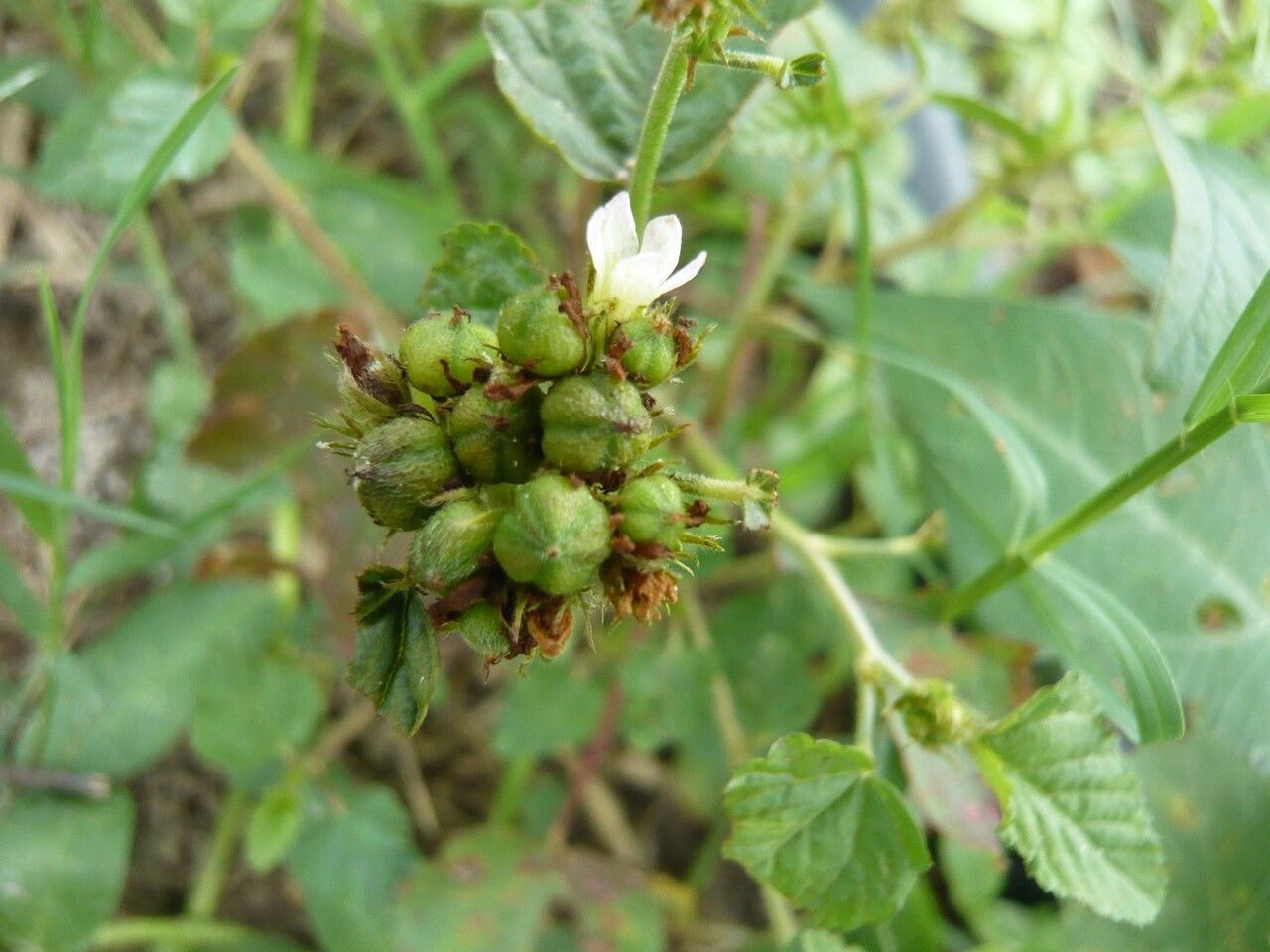
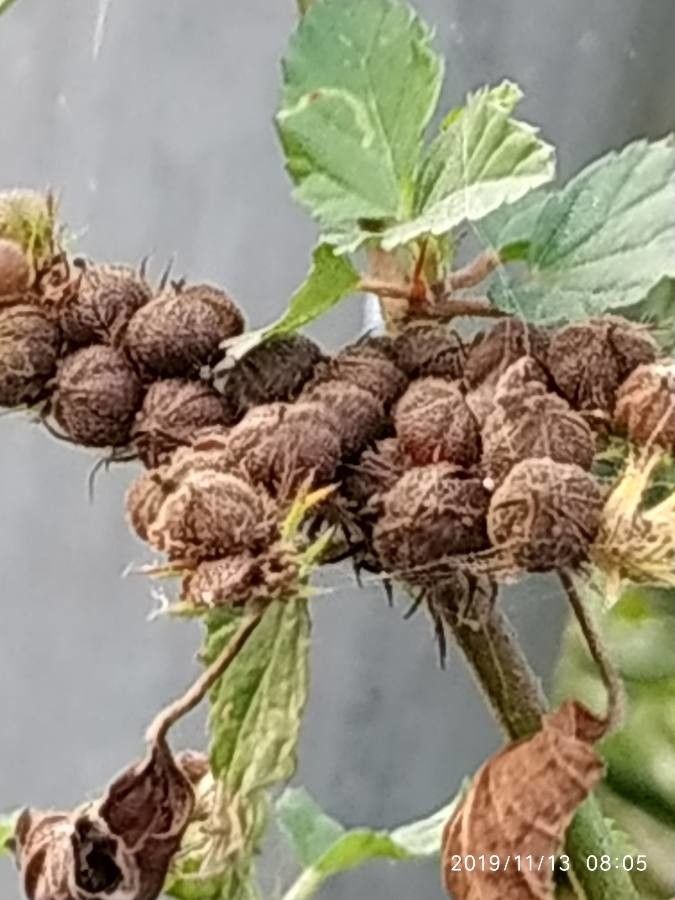
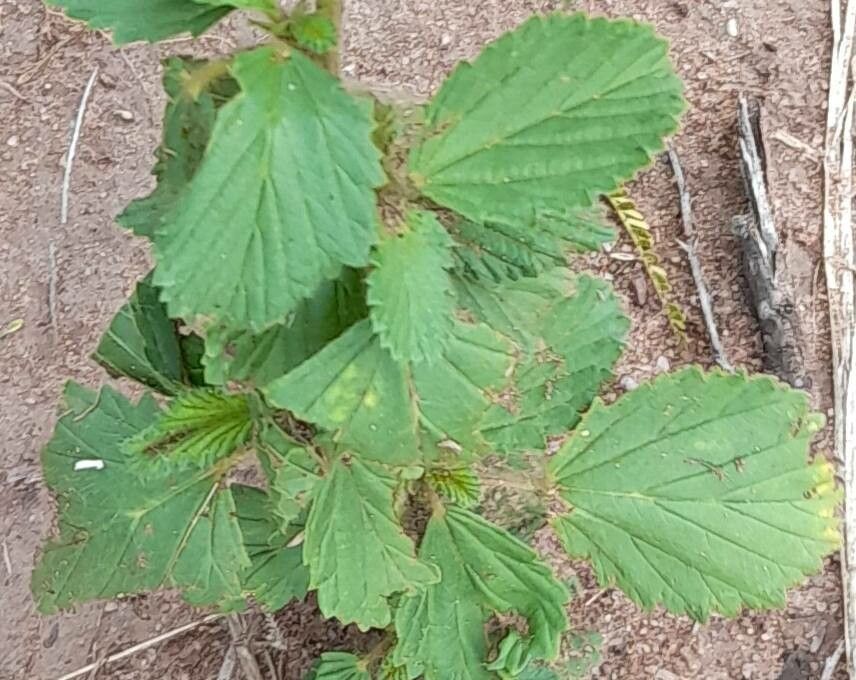
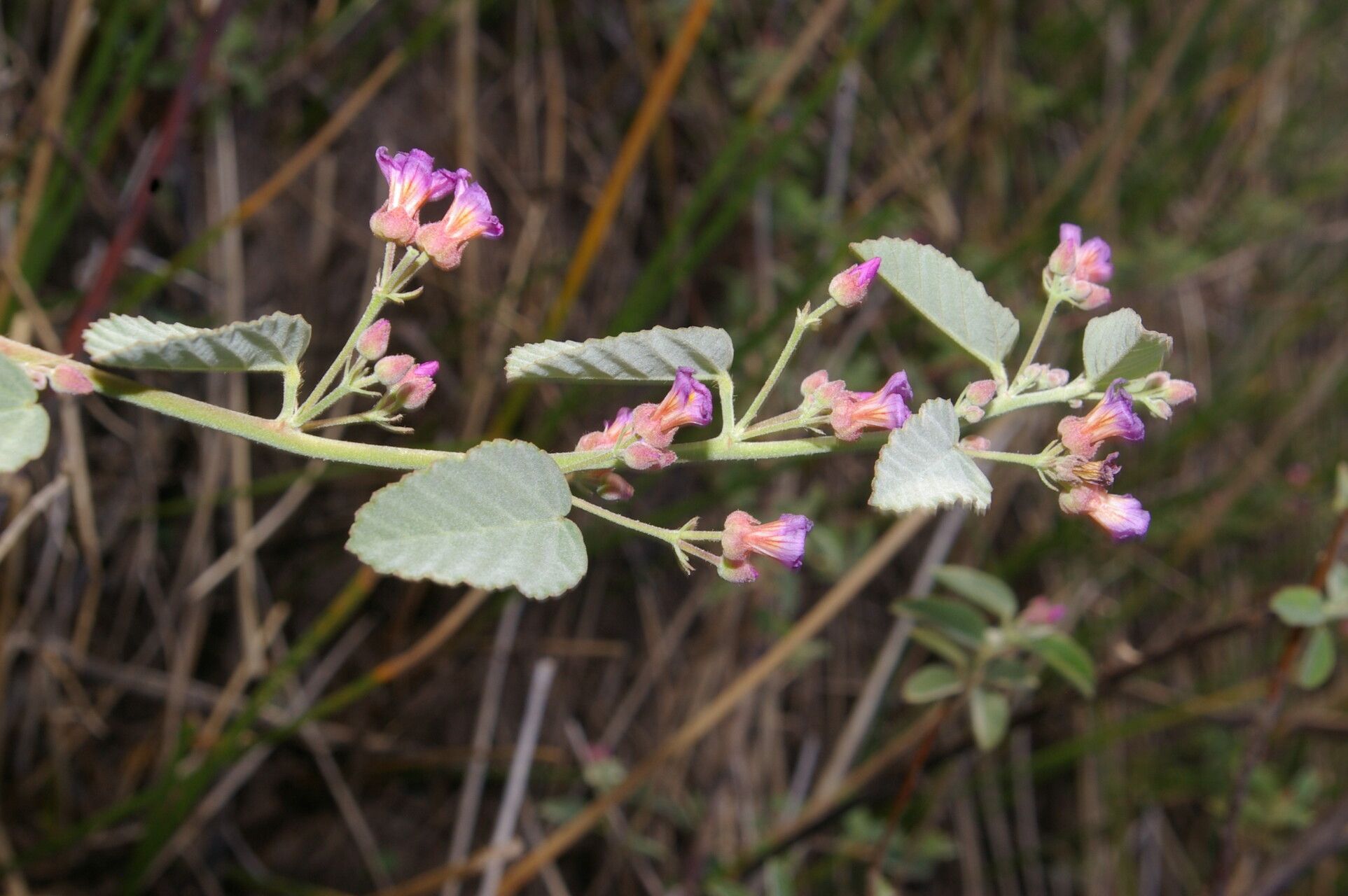
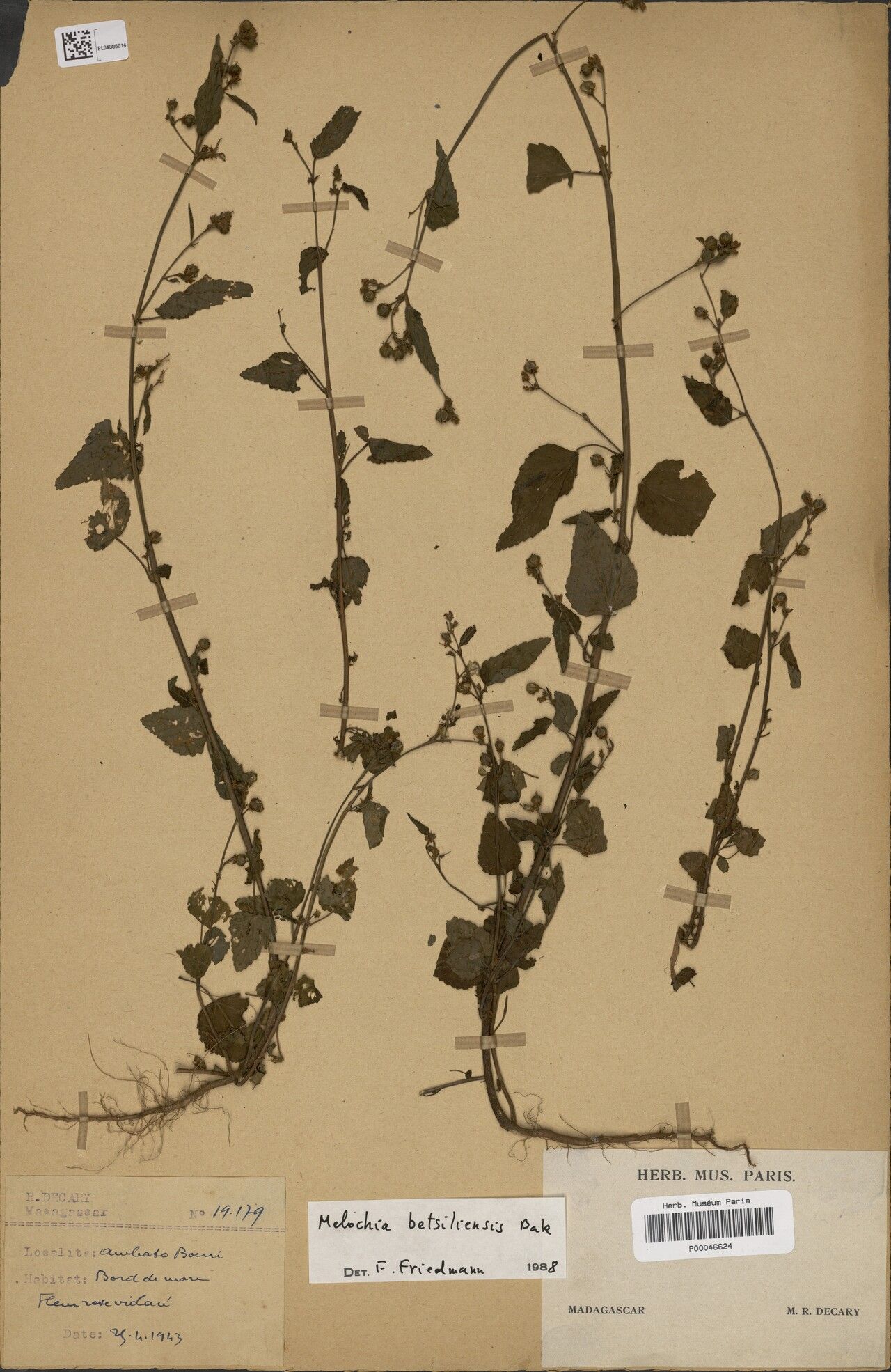
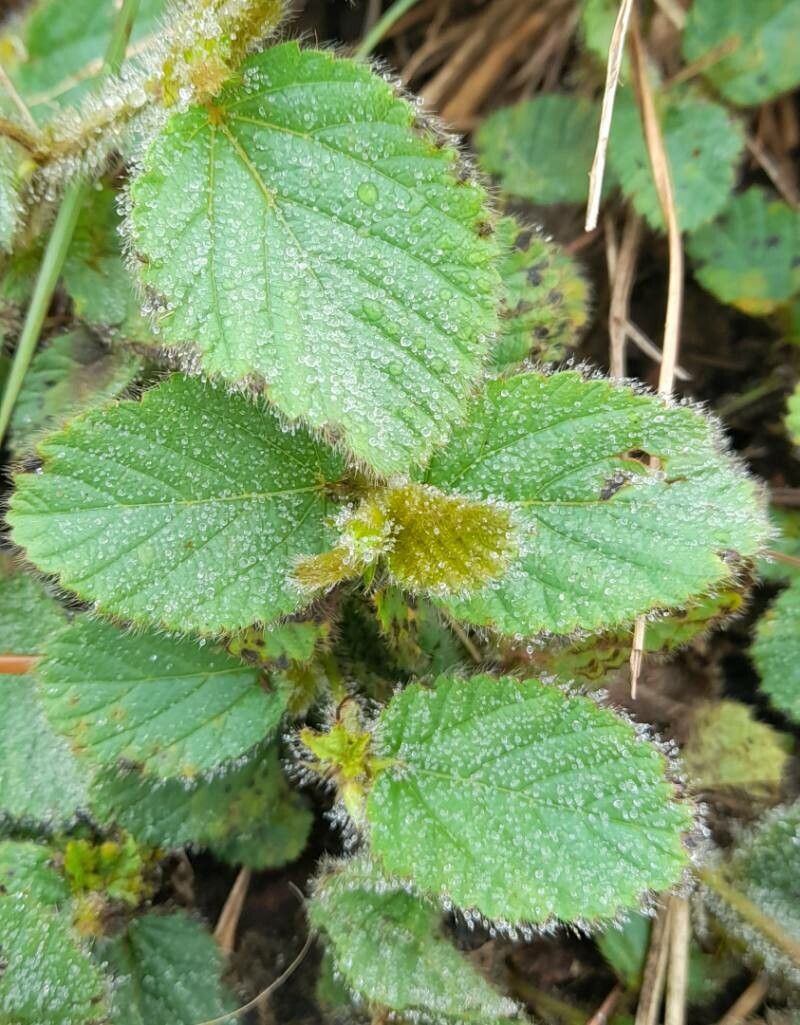
Melochia corchorifolia, the chocolateweed, is a weedy tropical plant that is typically seen in the wastelands. It has been most frequently observed to grow in open areas, such as highways. Although Melochia corchorifolia does not have any common usage, it has been utilized as a homeopathic remedy. Its weedy and invasive characteristic inhibits its wider cultivation.
Uhaloa has strong disease resistance and is generally not susceptible to illnesses. Regarding care, this plant is fairly low-maintenance. When grown outdoors it needs only light watering, and larger specimens typically do not require pruning. Smaller plants, however, should be pruned after they finish blooming. Uhaloat is appropriate for anyone with an outdoor area, such as a garden or deck, and does not demand much experience in plant care.
How to keep Melochia Corchorifolia.
Light
Uhaloa prefers environments where it receives unfiltered light for most of the day. It can tolerate situations in which light is somewhat obstructed or reduced. The plant’s need for such high light levels is due to the conditions of its native habitat. Both too much and too little light can harm its growth and health.
Water
Chocolateweed flourishes in tropical climates, where it needs consistent moisture but should not be waterlogged. It should be watered weekly to support its growth, and it has a moderate tolerance to drought. Rainwater is especially beneficial for the plant, as it more closely mimics the conditions of its natural habitat compared to tap water.
Temperature
Uhaloa is native to habitats with temperatures between 68 and 105.8 °F (20 and 41 ℃). This level of warmth is optimal for its growth and maintenance. Cultivating uhaloa in colder areas may necessitate artificial temperature supplementation, particularly during winter.
Fertilizer
Fertilization is essential for Uhaloa's care. Regular feeding during the growing season maintains the energy needed for its showy leaves and supports overall growth. Neglecting fertilization can lead to unhealthy leaves, reduced ornamental appeal, and stunted or weak growth that is prone to breakage.
Pruning
To ensure chocolateweed thrives, it's important to use good pruning techniques. This includes removing dead branches, thinning out crowded areas, and shaping the plant. The best time to prune is from early to late spring. Doing so enhances growth, improves air circulation, and reduces the risk of fungal infections, while also making the plant more visually appealing.
Botanical profile.
- Plant Type
- Shrub
- Life Cycle
- Perennial
- Genus
- Melochia
- Family
- Malvaceae
- Hardiness Zone
- 9-13
- Mature Height
- 2.13 m
- Mature Spread
- 49 cm to 91 cm
- Leaf Color
- Gray, Light Gray
- Leaf Type
- Evergreen
- Flower Color
- Yellow
- Flower Size
- 0.76 cm
- Bloom Time
- All year round
- Planting Time
- Spring, Summer, Autumn
- Harvest Time
- All year round
- Native Area
- Sri Lanka, Burkina Faso, Djibouti, Belize, India, Somalia, Egypt, Angola, Malaysia, Mexico, Namibia, Madagascar, Rwanda, Eritrea, Nigeria, Yemen, Guinea-Bissau, Kenya, Tanzania, Niger, Benin, Jamaica, Zimbabwe, Cuba, Sierra Leone, Indonesia, Cambodia, Cameroon, Equatorial Guinea, Mozambique, Liberia, Venezuela, Brazil, Ghana, Ethiopia, Botswana, Central African Republic, Congo, Saudi Arabia, Malawi, Honduras, Peru, Philippines, South Africa, Zambia, Bangladesh, Laos, Sudan, Mauritania, Guinea, Gambia, Panama, Chad, China, Colombia, Bahamas, Bolivia, Vietnam, Myanmar, Togo, Guyana, Senegal, Eswatini, Côte d'Ivoire, Ecuador, Nicaragua, Singapore, Costa Rica, Congo (DRC), Thailand
Other names.
Reader questions.
How should I water my Chocolateweed?
To water Chocolateweed, you have several options. You can use a garden hose with a spray nozzle, a watering can, or any other common watering tool that you prefer. This plant is not too particular about the type of water it receives. It can thrive with rainwater, tap water, or filtered water. However, it's generally best to avoid watering Chocolateweed from overhead as it can harm the leaves and flowers and even cause disease. For an effective watering method, consider setting up a drip irrigation system. This system works well for Chocolateweed because it provides even and direct water supply to the soil. If you have Chocolateweed growing in a container, you can use a similar approach while changing the tools. Simply use a cup, watering can, or tap to apply water directly to the soil in the container.
What are the sunlight requirements for Chocolateweed?
Chocolateweed thrives best under full sun, requiring more than 6 hours of sunlight daily. However, it can also grow in partial sun, with about 3-6 hours of sunlight. It's essential to observe how sunlight moves through your garden to ensure the spots you choose offer the right balance of light and shade for your Chocolateweed, ensuring the plant's happiness and growth.
What should I do if I give my Chocolateweed plant too much or too little water?
To remedy underwatering Chocolateweed, simply water it more regularly when you notice it lacks moisture. Overwatering, on the other hand, can have more severe consequences if not detected early. Overwatered Chocolateweed may become susceptible to diseases that can cause decline and death. To prevent this, choose a suitable growing location with good sunlight to help dry the soil and proper drainage to avoid waterlogged soils. If your potted Chocolateweed is overwatered, consider transferring it to a new pot with better drainage and loose soil.
What essentials do I need to know for growing Chocolateweed?
Chocolateweed needs a lot of sunlight throughout the day for optimal growth and vitality, indicating that it requires considerable exposure to sunlight. It can tolerate less light, but inadequate illumination may hinder its growth. For indoor plants, artificial lighting can be a crucial solution during winter or in less sunny spaces. The right type of artificial light, such as LED, should be chosen, providing 30-50W/sq ft for full sun plants, 20-30W/sq ft for partial sun plants, and 10-20W/sq ft for full shade plants. The light source should be placed 12-36 inches above the plant, ensuring 8-12 hours of light per day to mimic natural sunlight conditions.
How often do I need to water my Chocolateweed plant?
Chocolateweed needs regular watering throughout the growing season. In spring, water once a week, but as the season gets warmer, increase watering to two or three times a week. However, excessive watering can harm the plant. It's important to maintain moist but not wet soil. Watering pot-grown Chocolateweed is a bit different, as the soil in pots dries out faster. Generally, water container-grown Chocolateweed a few times per week, compared to just once per week for plants in the ground.
What are the symptoms of light deficiency in Chocolateweed?
When Chocolateweed is grown indoors and experiences inadequate light, it may show signs of light deficiency, such as smaller new leaves, leggy or sparse growth, faster leaf drop, slower or no new growth, and paler new leaves. Conditions like chlorosis, sunscald, leaf curling, wilting, and leaf scorching can also occur due to poor light conditions or excessive sunlight, indicating the plant's struggle with its lighting environment.
How much water does my Chocolateweed plant require?
Determining how much water to give your Chocolateweed can be done in a few different ways. One approach is to feel the soil to gauge its moisture level. This method suggests watering until the first six inches of soil feel moist. Another option is to use a set measurement, like two gallons of water per week. However, it's important to consider variables such as temperature and soil dryness. Following strict guidelines may result in overwatering if your plant actually requires less water. If you're growing Chocolateweed in a container, a different method is needed. You should moisten all layers of dry soil, which can be tested by sticking your finger in the soil or observing a slight trickle of water from the drainage holes.
How can I address light-related issues with my Chocolateweed?
To address light-related issues in Chocolateweed, gradually moving the plant to a sunnier location each week until it gets at least 6 hours of direct sunlight is advisable. For indoor plants, consider using artificial lighting, such as a desk or ceiling lamp for at least 8 hours daily or professional grow lights for sufficient illumination. For outdoor care, carefully transition your plants to sunnier spots to avoid sunburn. Pruning obstructive trees or transplanting the plant during its dormant period to a brighter location are effective strategies for plants struggling with insufficient light. Keep in mind, parts of the plant that have suffered from light deficiency may not recover, but new, healthy growth should emerge with improved light conditions.
How do I know if I'm watering my Chocolateweed plant enough?
Avoiding overwatering your Chocolateweed can be challenging. The plants have deep roots that need to be moistened weekly but are prone to root rot and browning if overwatered. Underwatering is less of a concern for Chocolateweed as they can survive without supplemental watering for a while. However, if left without water for too long, the plant may wilt and develop dry leaves.
How do I water my Chocolateweed during different seasons?
As the season progresses, you can expect your Chocolateweed's water needs to change. In spring, watering once per week should be sufficient. However, as the summer heat sets in, you will likely need to increase watering to about three times per week, especially if your Chocolateweed is in a container. Containers tend to dry out faster than ground soil in warm weather. In autumn, when the temperature drops and the sun isn't as strong, your Chocolateweed may require less water while still in bloom.
How do I water my Chocolateweed at different stages of growth?
Throughout the year, Chocolateweed goes through different growth stages, each with varying water requirements. To start, when you plant Chocolateweed from a seed, make sure to provide ample water to maintain consistent soil moisture while the seed germinates. After a few weeks, when the plant grows above the soil, it will need slightly less water than during the seedling phase. Once the plant is fully mature, you can water it once a week. During flower development, it may be beneficial to give slightly more water to aid the process.
How is watering Chocolateweed different inside and outside?
Most Chocolateweed is grown outdoors instead of indoors for a few key reasons. Firstly, these plants tend to grow quite tall, which is easier to accommodate in an outdoor setting. Secondly, Chocolateweed requires more daily sunlight than most indoor locations can provide. If you do manage to create a suitable indoor growing spot, you'll likely need to water your Chocolateweed more often compared to outdoor growth. This is because indoor environments are often drier than outdoor ones due to HVAC units, and soil in containers can dry out quickly too.