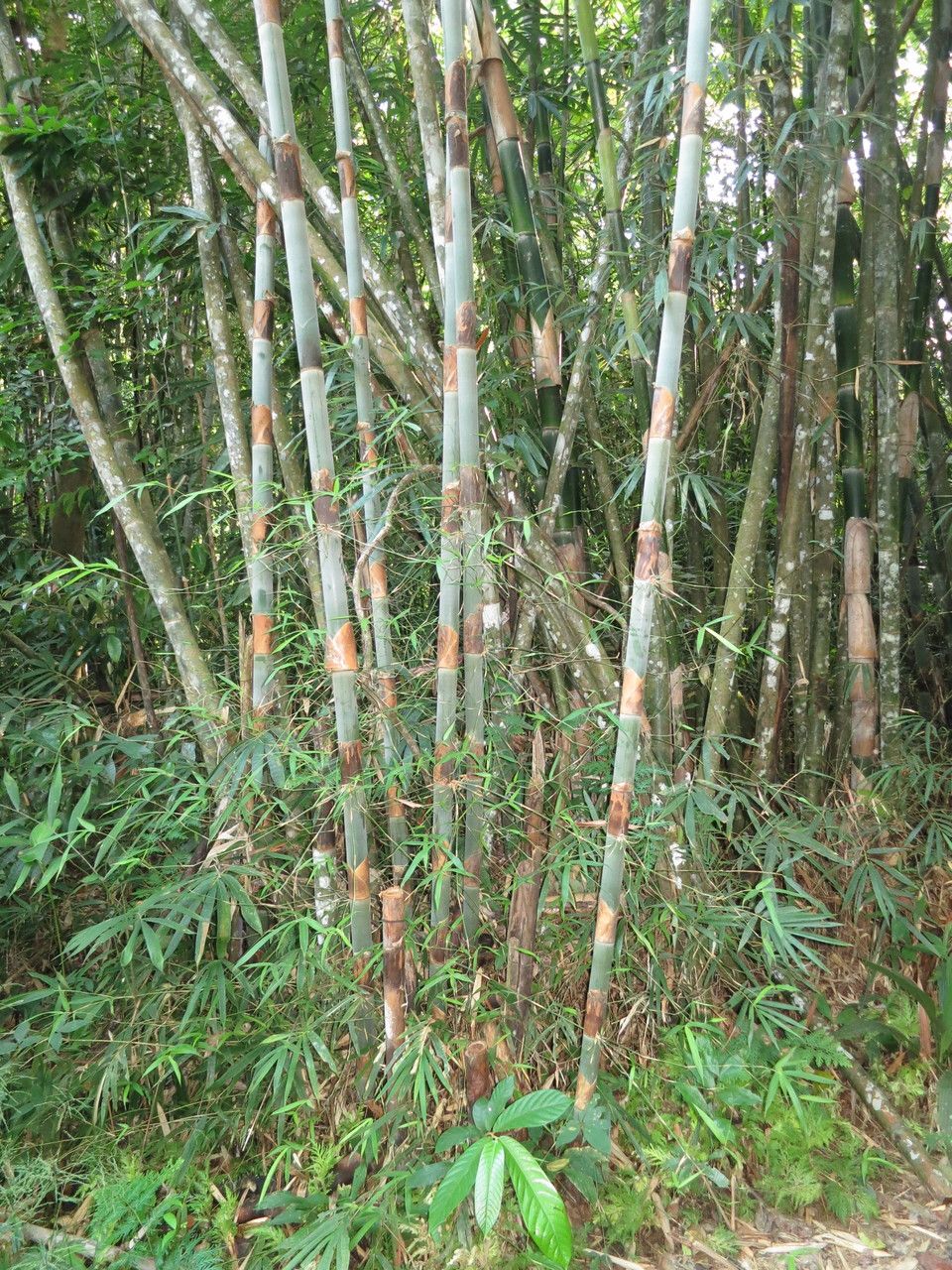
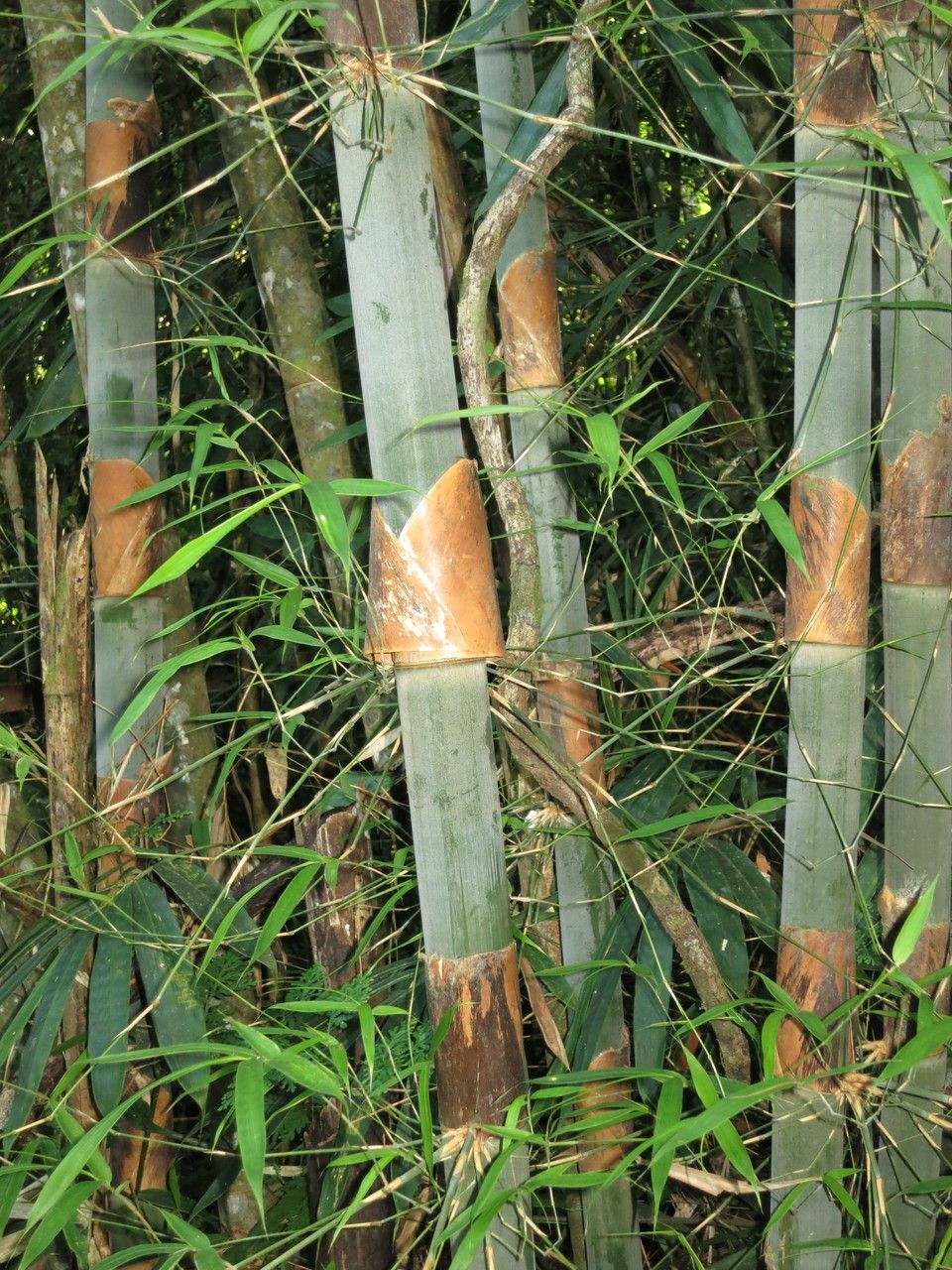
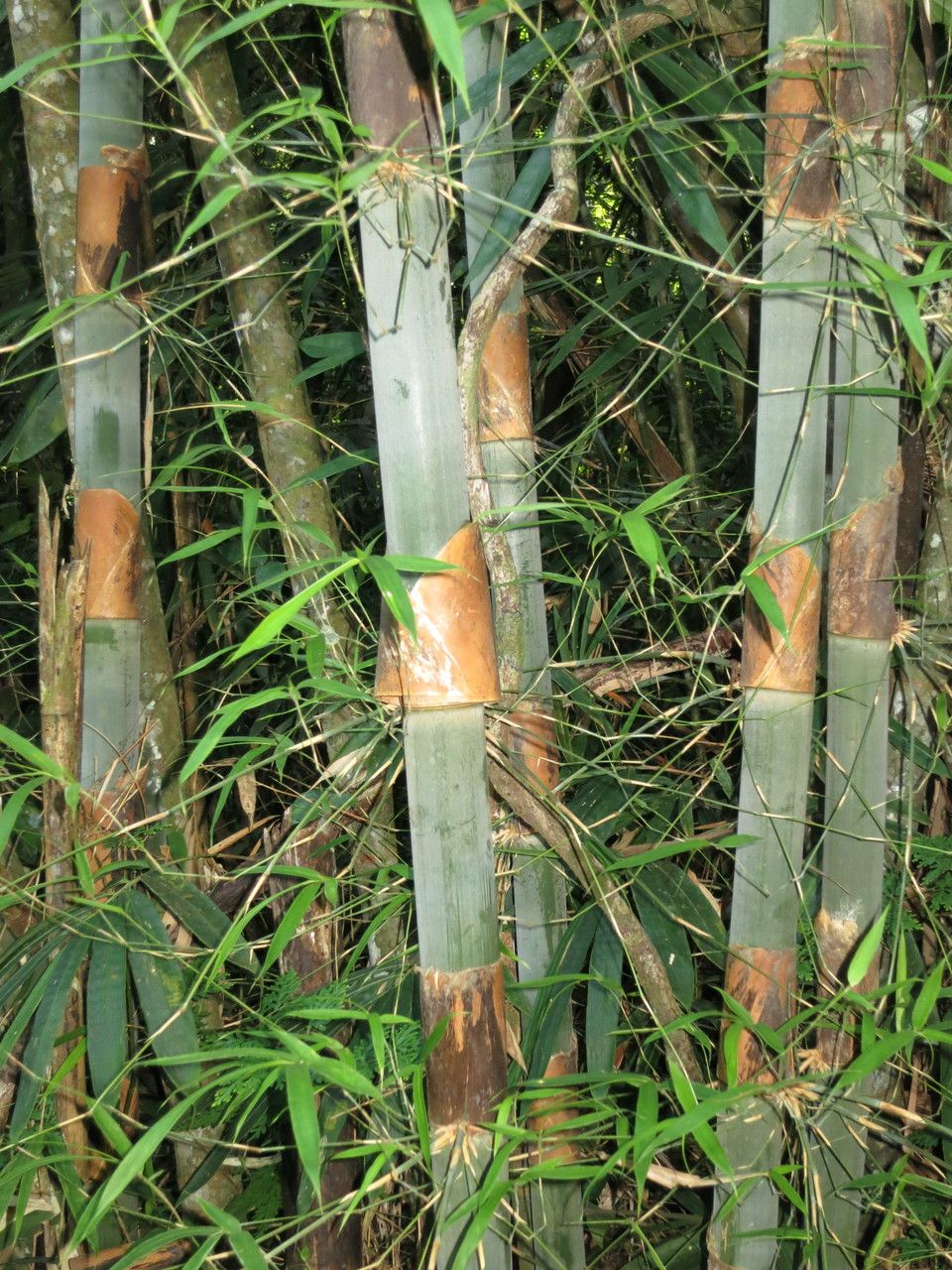
Burmese bamboo is fairly resistant to disease and generally not easily affected by illnesses. However, it can be vulnerable to pests and diseases present in its environment. These infections are typically not serious. Regarding care, this plant needs moderate maintenance. Regular pruning is required to keep a neat appearance and encourage healthy growth. Fertilizing can also aid in stimulating flowering. Burmese bamboo is suitable for anyone with outdoor space, such as a garden or patio, and does not demand extensive care experience. It may need more attention when grown indoors.
How to keep Melocanna Arundina.
Light
Burmese bamboo is a perennial herbaceous plant that adores the sun and is native to open environments, frequently flourishing in fields and grasslands. It has a strong preference for direct sunlight but can also withstand conditions where the sunlight is only partial.
Water
Burmese bamboo, native to Southeast Asia, thrives in humid environments with plenty of moisture. It should be watered moderately every 2-3 weeks to prevent waterlogging. Usually grown outdoors, it takes advantage of natural rainfall for irrigation during its active growing periods.
Temperature
Burmese bamboo comes from tropical areas that are typically characterized by warmth and humidity. This makes it well-suited to endure high heat and dampness. Sudden shifts in temperature are not favorable to it and it thrives best in consistent temperature conditions, it's therefore key to maintain a steady indoor temperature. Generally, it does not thrive in cold weather and needs an environment with high temperatures for it to grow. Excessive drops in environmental temperature could stall its growth or possibly lead to its death.
Fertilizer
Taking care of Burmese bamboo necessitates proper fertilization. Consistent nourishment during the growth period aids in maintaining vitality for vibrant leaves and promotes overall development. Failing to provide appropriate fertilizer can lead to poor leaf health, reduced decorative charm, and hindered or fragile growth that's susceptible to fractures.
Pruning
Burmese bamboo is a fast-growing species that benefits from pruning in early spring. To promote healthy growth, remove weak culms and thin out older growth to improve air circulation. Performing annual maintenance will enhance the plant's vigor, increase light penetration, reduce pests, and ensure an attractive and robust appearance.
Botanical profile.
Reader questions.
What are the sunlight requirements for Burmese bamboo?
Burmese bamboo is a sun-loving plant that prefers full sun, which means it thrives in conditions where it receives more than 6 hours of sunlight daily. However, it can also tolerate partial sun environments, where sunlight is available for about 3-6 hours a day. It's important to observe the movement of sunlight in your garden to find the ideal spot that offers the right balance of light and shade, ensuring the plant's health and happiness.
What essentials should I know about Burmese bamboo?
Originating from open habitats like meadows and grasslands, Burmese bamboo is a perennial herbaceous plant that loves the sun. When natural sunlight is scarce, especially during winter or in less sunny spaces, indoor plants of this variety can benefit significantly from artificial lighting. LED lights are recommended due to their ability to provide specific wavelengths needed for optimal growth. Full sun plants require 30-50 watts per square foot, partial sun plants need 20-30 watts per square foot, and full shade plants require 10-20 watts per square foot of artificial light. The light source should be placed 12-36 inches above the plant, imitating natural sunlight conditions, and it is advisable to keep the lights on for 8-12 hours per day to mimic the duration of natural daylight.
What are the symptoms of inadequate sunlight for Burmese bamboo?
Burmese bamboo shows several symptoms when it doesn't receive adequate sunlight. New leaves may be smaller than previous ones, and the plant may exhibit leggy or sparse growth, with increased spaces between leaves or stems, leading to a stretched-out appearance. You might also notice faster leaf drop as the plant conserves resources, slower or halted growth as the bamboo enters survival mode, lighter-colored new leaves due to insufficient chlorophyll, and conditions such as chlorosis and sunscald, which affect the plant's ability to photosynthesize. Moreover, leaf curling, wilting, and leaf scorching can occur under extreme sunlight conditions or overexposure.
How can I address sunlight-related issues in Burmese bamboo?
To address sunlight-related issues in Burmese bamboo, consider these solutions: For indoor plants, gradually increase sunlight exposure by moving the plant to a sunnier spot each week or use artificial light sources, like a desk lamp or professional plant grow lights, to ensure at least 6 hours of light daily. For outdoor plants, gradually transition them to sunnier locations to avoid sunburn. Observe which areas block sunlight and consider pruning obstructions like tree branches. If necessary, transplant smaller plants during their dormant period to a location with better sunlight and drainage. Remember that parts of the plant affected by insufficient light may not recover, but new growth will be healthy with improved light conditions.