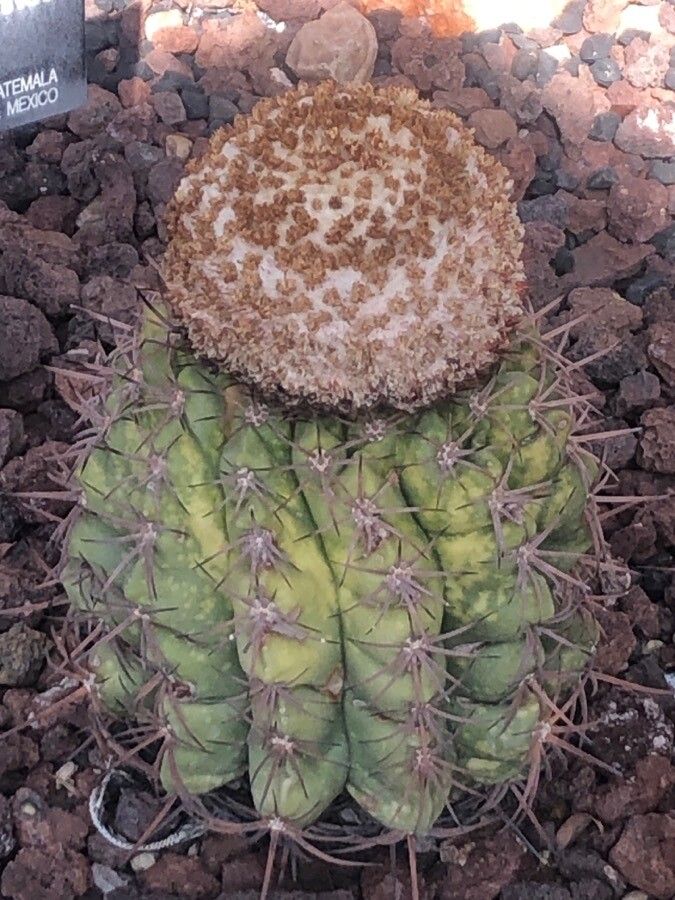
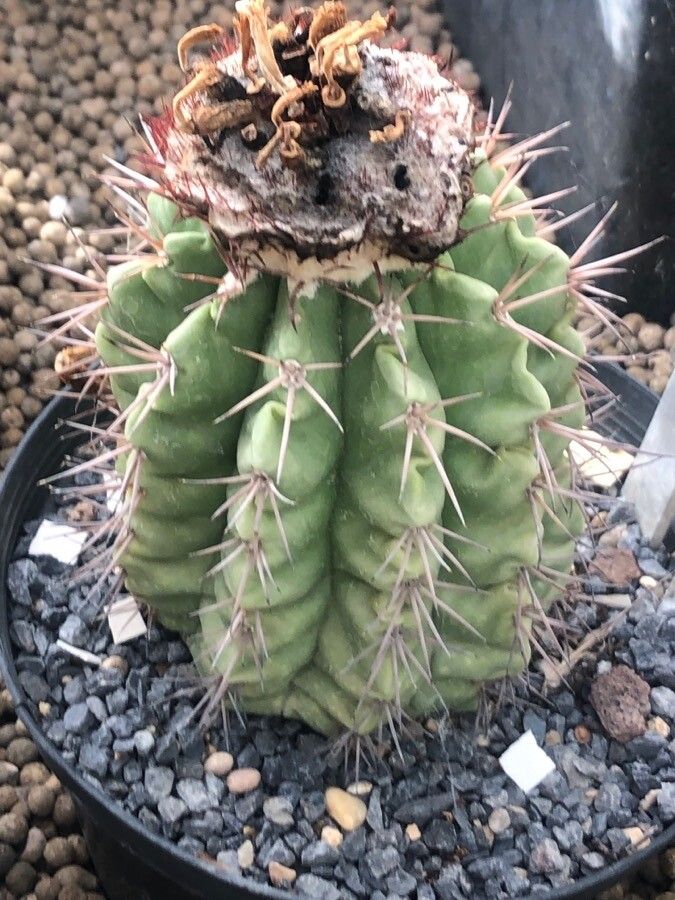
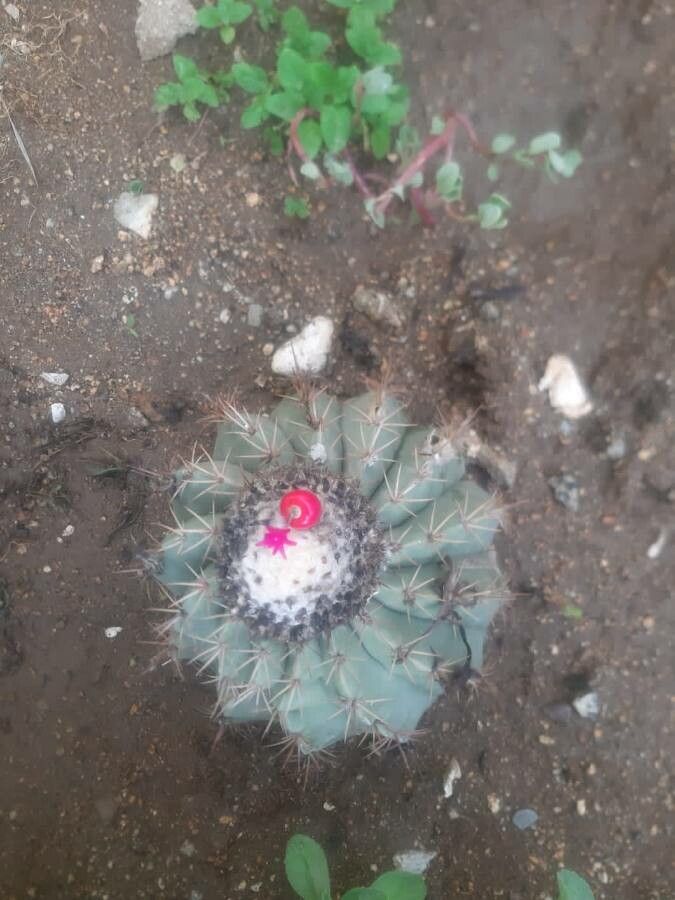
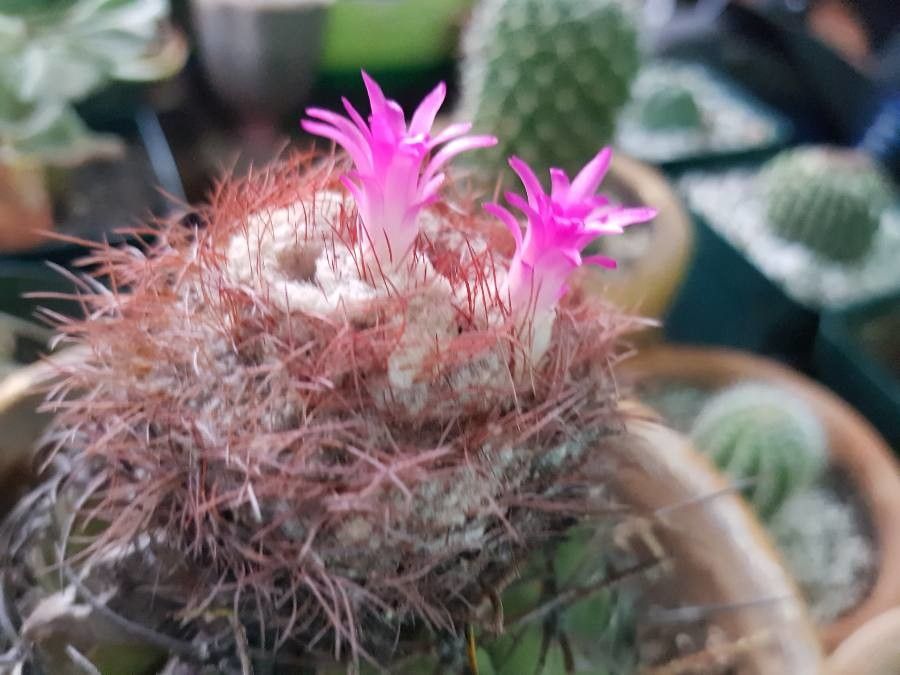
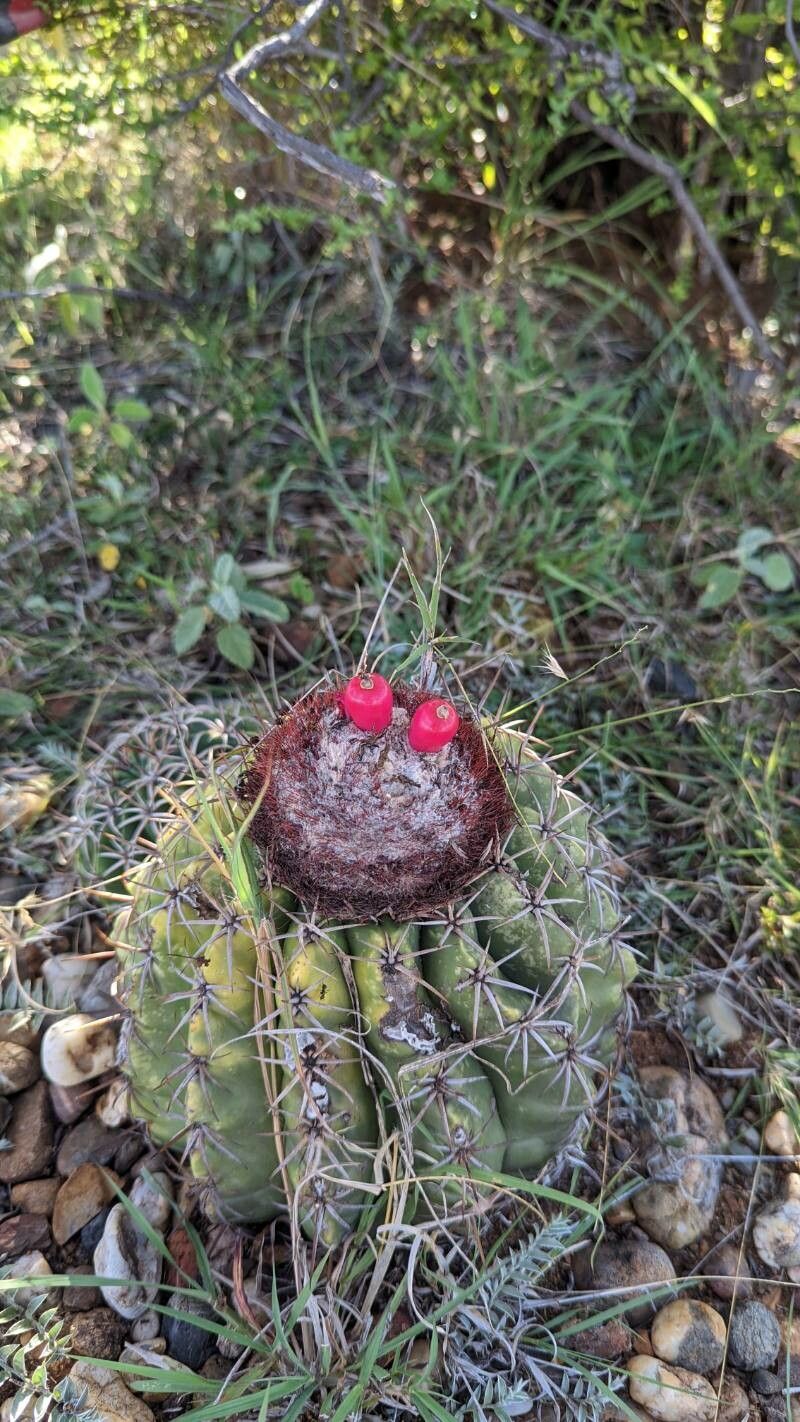
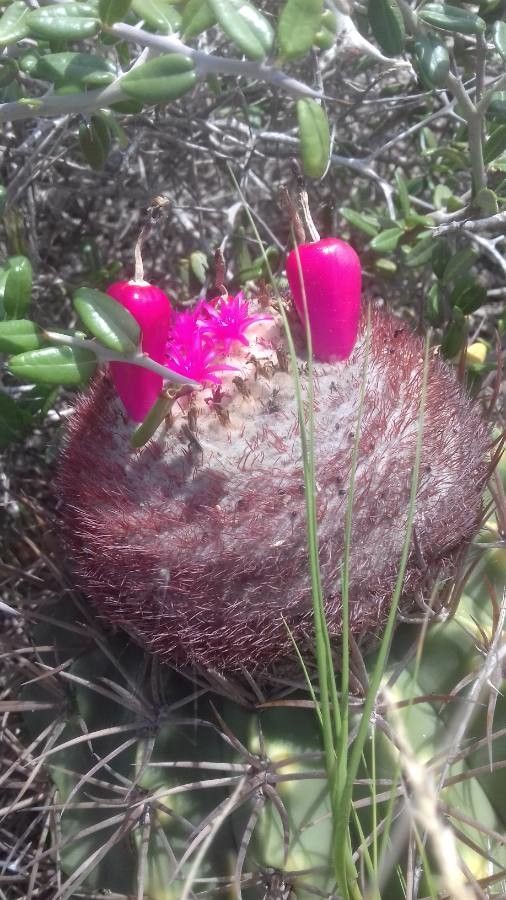
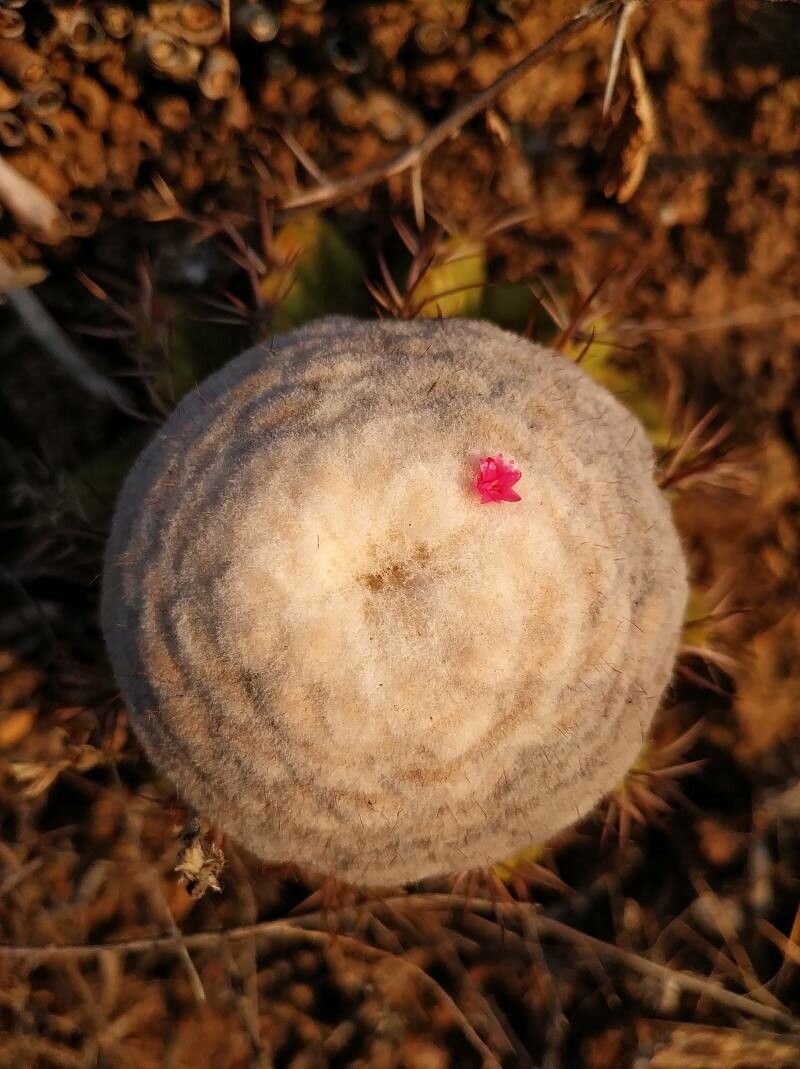
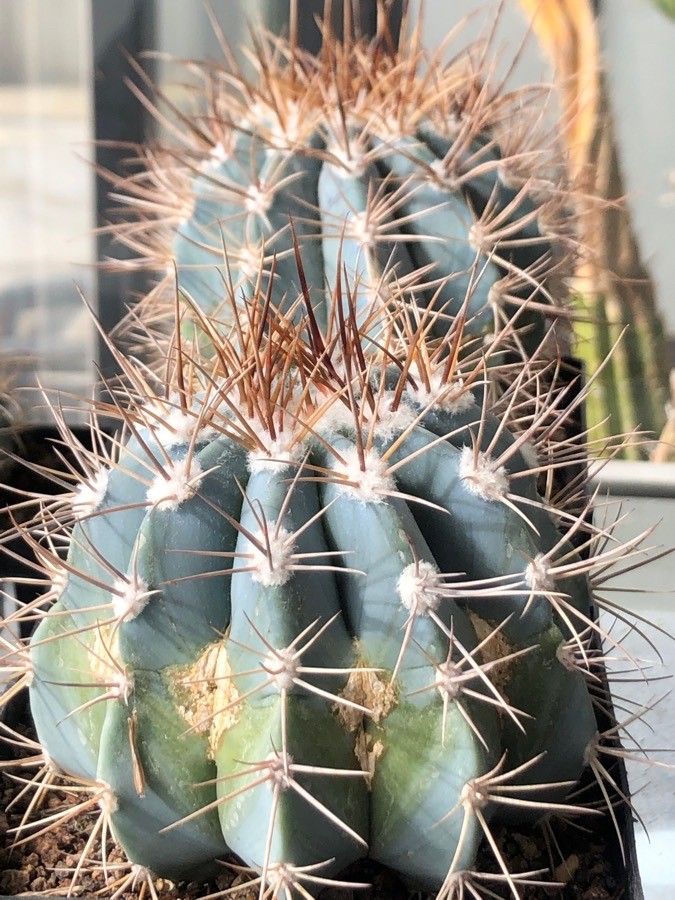
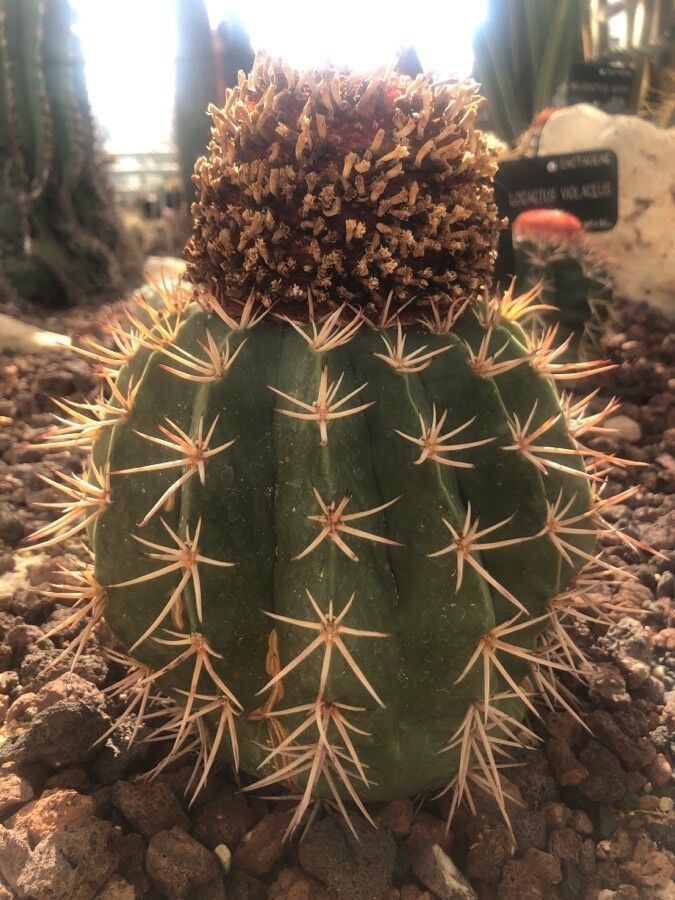
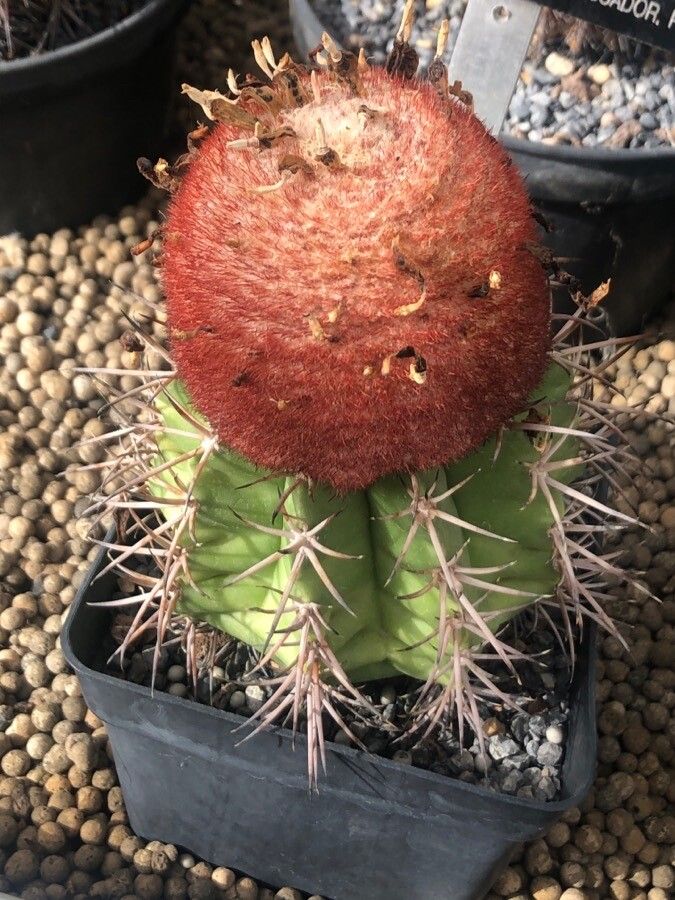
Melocactus curvispinus is a species of Melocactus found from southern Mexico to Venezuela.
Melocactus curvispinus is resistant to many diseases and tolerates normal care without becoming sick easily. It can, however, be vulnerable to mealybugs; these pests can cause some damage but are usually not a serious threat. Regarding care needs, Melocactus curvispinus is drought-tolerant and does not need frequent watering. It can withstand long stretches without water and requires little fertilizer. However, if lighting is poor and it is overwatered, it is very prone to root rot. Overall, Melocactus curvispinus is appropriate for people who prefer spending less time on plant care, though it is important to know and meet its basic needs. It is especially well-suited to those who are away for extended periods and may forget to water their plants regularly.
How to keep Melocactus Curvispinus.
Light
Native to dry habitats, Melocactus curvispinus does best in full sun, its natural surroundings having intense light and very little shade. It will also tolerate partial sun, providing some flexibility in its growth.
Water
Melocactus curvispinus is a drought-tolerant plant that requires thorough watering only when its soil is completely dry. During the growing season, from spring to fall, water the plant once or twice a week. In winter, reduce watering to once a week. To prevent soil compaction caused by tap water, use rainwater or distilled water. Additionally, be careful to avoid splashing water on the stem.
Temperature
Melocactus curvispinus does best in warm conditions and needs relatively high temperatures during the growing season to support growth and metabolism. It prefers plenty of sunlight, appropriate moisture, and good air circulation. However, it can be damaged by very low temperatures and by overwatering. It is important to maintain a balance and to avoid both excessive heat and overly dry conditions.
Fertilizer
Melocactus curvispinus benefits from light fertilizer applications once or twice a year during the growing season. Avoid fertilizing in winter and in summer when it is dormant. Reduce fertilizer for repotted plants and wait a couple of months after repotting before applying fertilizer. Fertilizing aids healthy growth and encourages blooms.
Pruning
Melocactus curvispinus is known for its distinctive spherical shape and spiny texture. To maintain its health, prune it in early spring using clean, sharp tools to remove any dead segments and excess growth. This not only improves air circulation and prevents overcrowding but also promotes healthy growth, ultimately extending the plant's lifespan.
Pot & Repot
Repot Melocactus curvispinus in spring or summer, selecting a pot slightly larger than the current one that has good drainage. Use a well-draining, sandy or gritty cactus mix. Handle the plant carefully to avoid its spikes. Let the cactus dry out before repotting to help prevent root rot. After repotting, wait about a week before watering so the roots can heal.
Botanical profile.
- Plant Type
- Succulent
- Life Cycle
- Perennial
- Genus
- Melocactus
- Family
- Cactaceae
- Hardiness Zone
- 10-12
- Mature Height
- 20 cm to 40 cm
- Mature Spread
- 15 cm to 25 cm
- Leaf Color
- Green
- Leaf Type
- Evergreen
- Flower Size
- 1.02 cm to 2.03 cm
- Bloom Time
- Summer, Early fall, Mid fall
- Planting Time
- Spring, Summer, Autumn
- Harvest Time
- Late summer, Fall, Early winter
Other names.