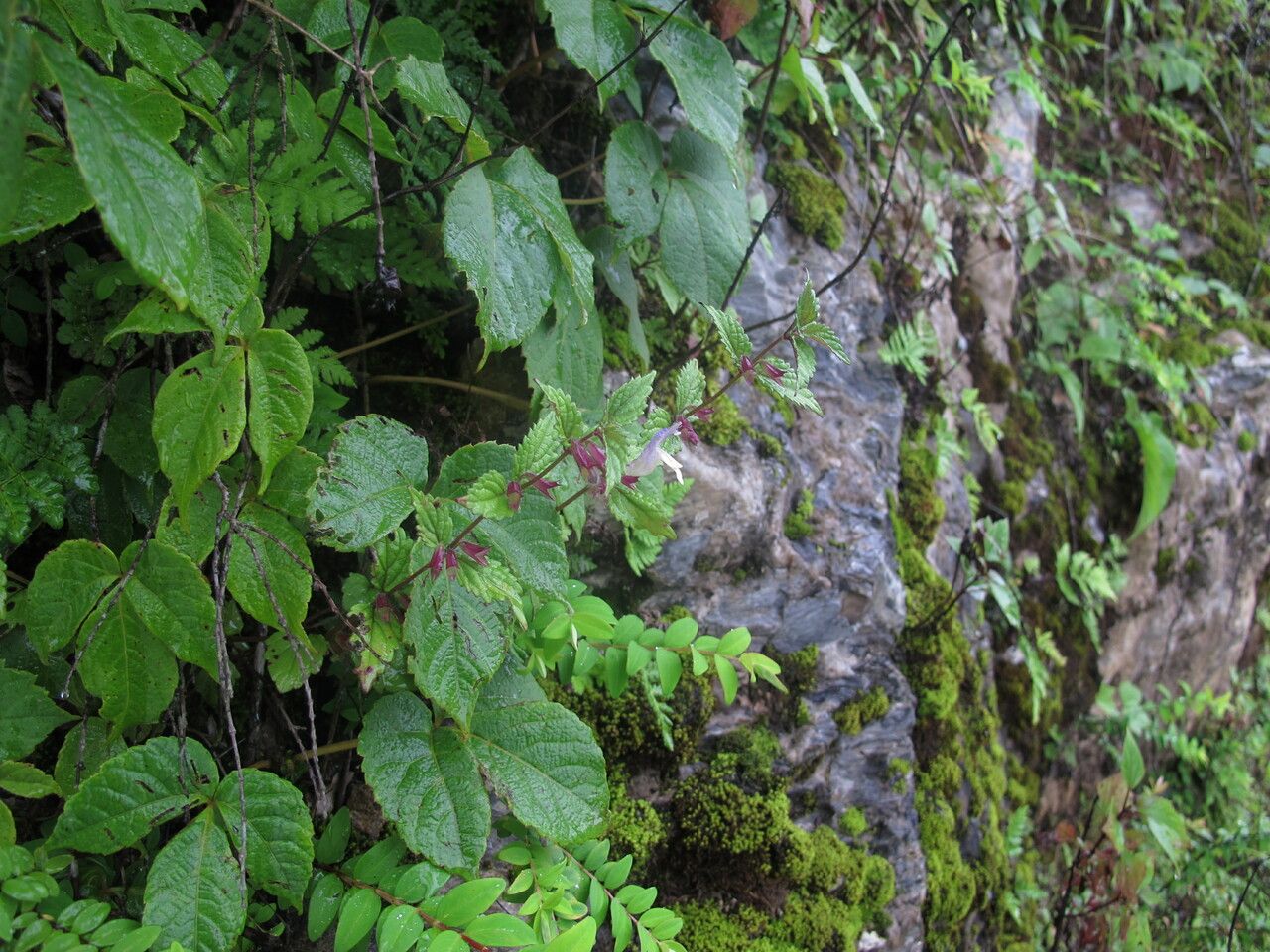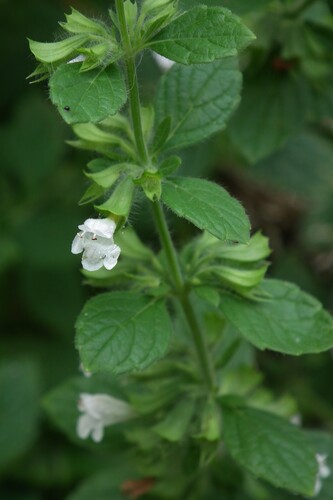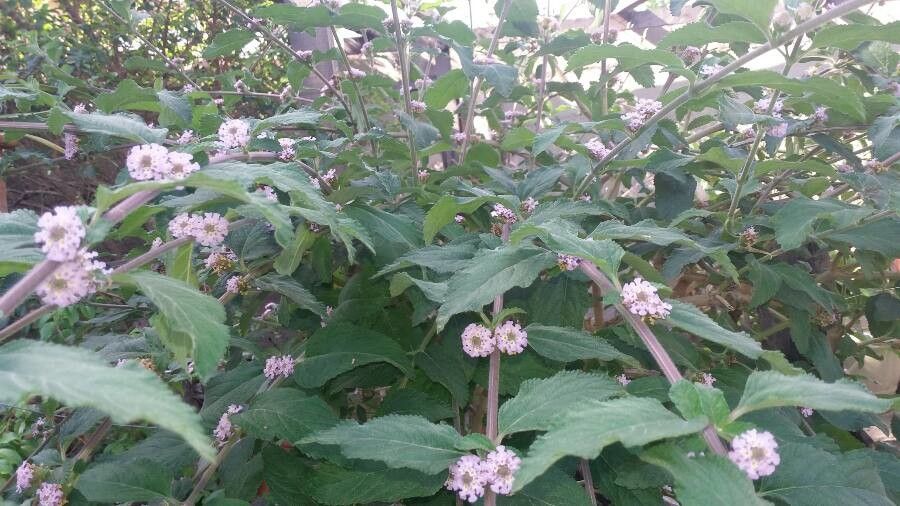
Small-flowered melissa is fairly disease-resistant and typically not prone to illnesses. Still, it can be affected by pests and diseases present nearby. Such infections are generally mild. Regarding care, this plant needs a moderate level of maintenance. It should be pruned regularly to preserve a neat appearance and ensure healthy growth. Applying fertilizer can also encourage more flowering. Small-flowered melissa is well suited for anyone with outdoor space, like a garden or patio, and does not demand extensive gardening experience. It may need extra attention when cultivated indoors.
How to keep Melissa Axillaris.
Light
Small-flowered melissa naturally occurs in habitats such as forest understories and rocky areas that offer natural shade. It prefers partial sun but can tolerate full sun or full shade, illustrating its versatile, hardy nature.
Water
Small-flowered melissa flourishes in consistently moist conditions, needing to be watered weekly to satisfy its moderate hydration requirements. Although it can endure brief periods of drought, rainwater during the growing season improves its flavor and medicinal properties. This makes it a valuable herb for outdoor cultivation.
Temperature
Small-flowered melissa has strong adaptability to temperature, able to withstand higher heat and large temperature fluctuations. In hot weather, attention should be paid to watering and providing appropriate shade to prevent sunburn. Conversely, small-flowered melissa is not very tolerant of low temperatures: it can endure some cold, but overly cold conditions can cause frost damage.
Fertilizer
The best time to fertilize a Small-flowered melissa is in early spring, when it is coming out of dormancy and starting active growth. Fertilization supplies essential nutrients for healthy development. Although Small-flowered melissa has fairly low fertilizer needs, applying fertilizer annually can boost its survival and encourage better, longer-lasting flowers.
Pruning
Small-flowered melissa benefits from regular pruning in the spring to encourage healthy growth and vibrant blooms. Important techniques include removing dead stems, thinning the plant to improve airflow, and shaping it properly. Consistent maintenance also helps prevent disease. For expert advice, consider consulting resources like the Royal Horticultural Society (RHS).
Botanical profile.
- Plant Type
- Herb
- Life Cycle
- Perennial
- Genus
- Melissa
- Family
- Lamiaceae
- Hardiness Zone
- 6-9
- Mature Height
- 61 cm to 91 cm
- Mature Spread
- 30 cm to 46 cm
- Leaf Color
- Green
- Leaf Type
- Deciduous
- Flower Color
- White
- Flower Size
- 1.02 cm
- Bloom Time
- Summer, Early fall, Mid fall
- Planting Time
- Spring, Summer, Autumn
- Harvest Time
- Late summer, Fall, Early winter
- Native Area
- Nepal, India, Malaysia, Indonesia, Cambodia, Vietnam, Myanmar, Bhutan, Laos, Thailand, China
Reader questions.
What are the sunlight requirements for Small-flowered Melissa?
Small-flowered Melissa (Melissa axillaris) thrives in varying amounts of sunlight, depending on your garden's arrangement. It requires partial sun, which means about 3-6 hours of sunlight daily, but it can also grow in full shade, typically understood as receiving less than 3 hours of sunlight per day. It's important to observe how sunlight shifts throughout your garden space. By doing so, you can identify areas that offer an optimal mixture of light and shade, creating a conducive environment for your plants to flourish. This careful consideration ensures your Small-flowered Melissa plants remain healthy and happy.
What is Small-flowered Melissa?
Small-flowered Melissa, known botanically as Melissa axillaris, is a plant species recognized by its specific name. Unfortunately, details regarding its characteristics, uses, or cultivation practices were not provided.