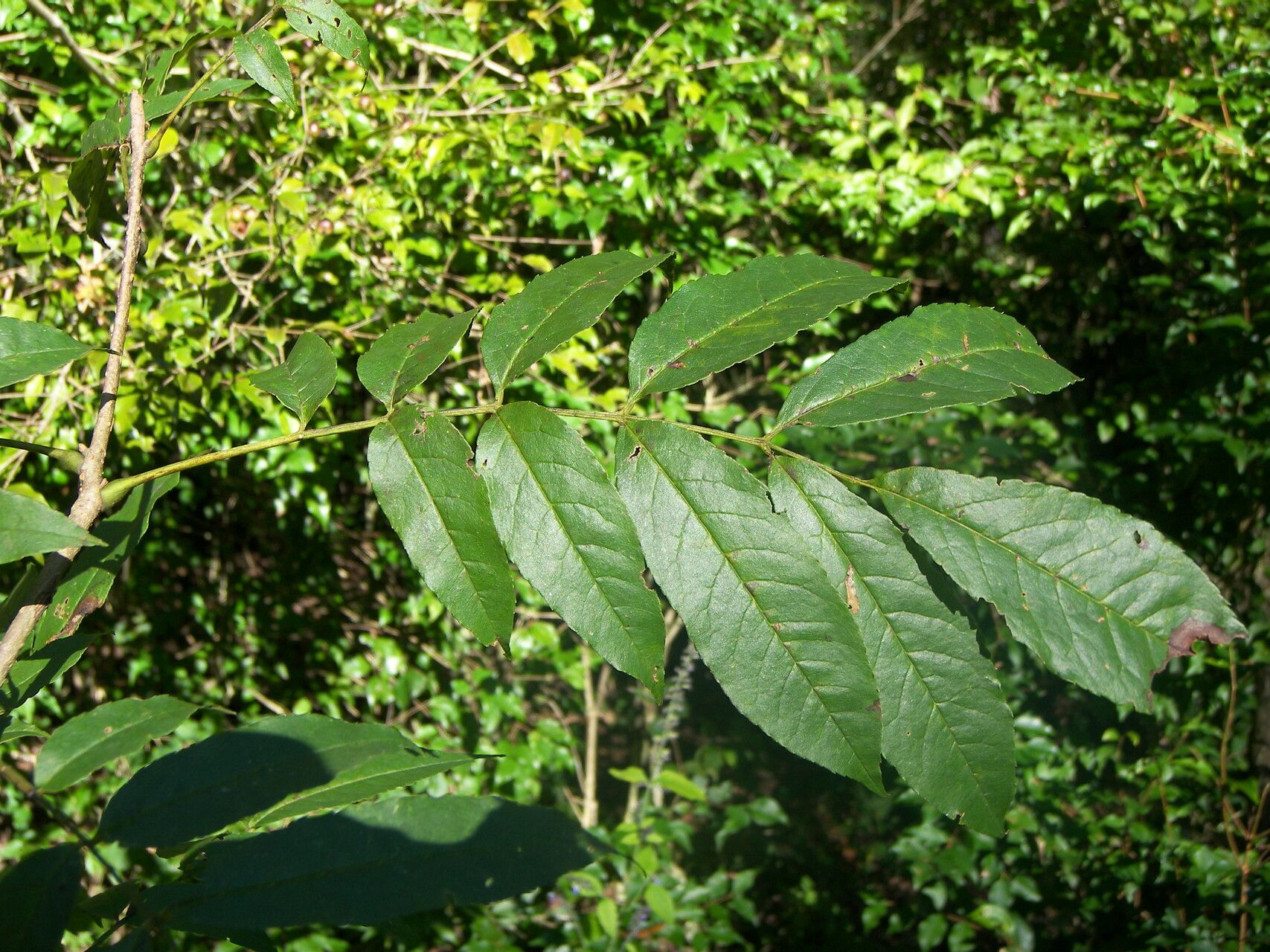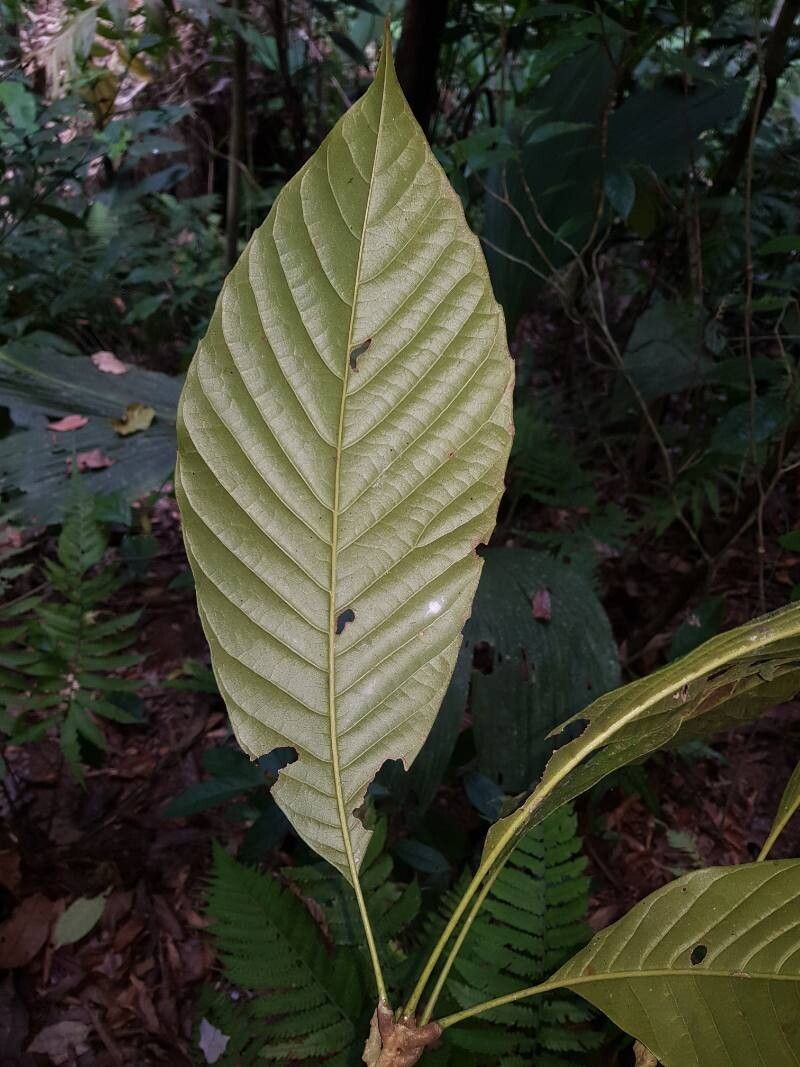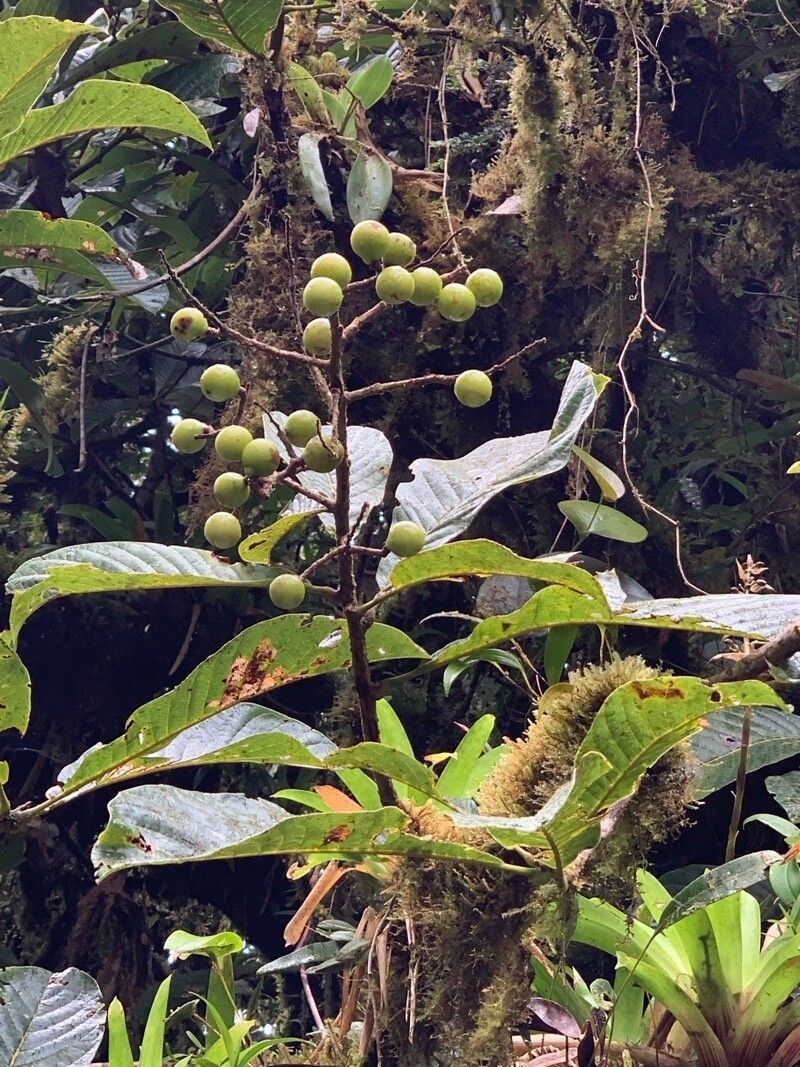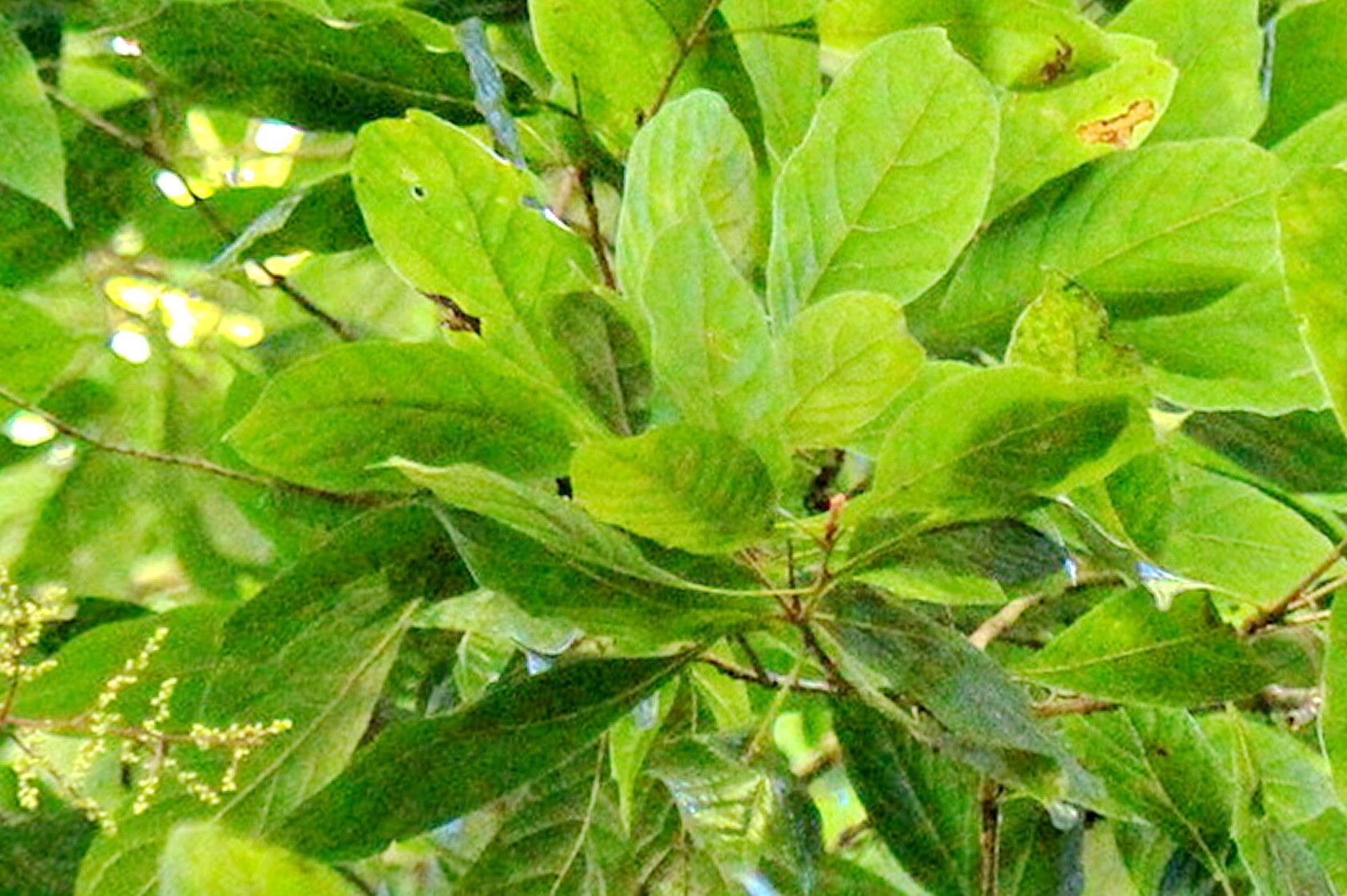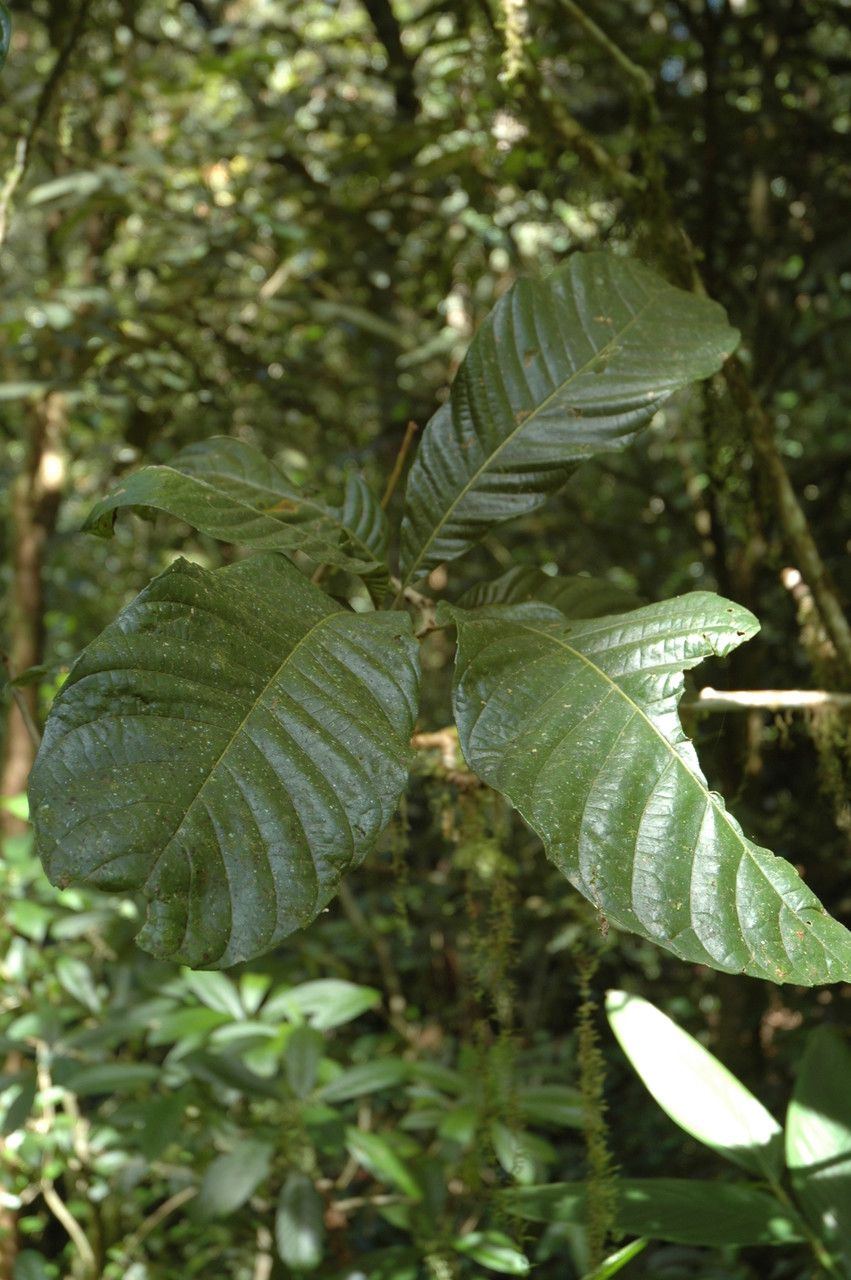
Meliosma simplicifolia is a species of plant in the family Sabiaceae. It is widely distributed in Asia from India through south-east Asia.
Simple-Leaved Meliosma shows strong resistance to disease and is typically not susceptible to illnesses. Regarding care, this plant is relatively low-maintenance. When grown outdoors it needs only minimal watering, and larger specimens usually do not require pruning. Smaller plants, however, should be pruned after they finish blooming. Simple-Leaved Meliosma is suitable for anyone with outdoor space, like a garden or deck, and does not demand a lot of experience in plant care.
How to keep Meliosma Simplicifolia.
Light
Simple-Leaved Meliosma is native to habitats like forest understories and rocky areas, where it grows in natural shade. It prefers partial sun but can also tolerate full sun or full shade, demonstrating its versatile and hardy nature.
Temperature
Simple-Leaved Meliosma is native to climates with moderate temperatures, typically from 59 to 95 °F (15 to 35 ℃). For best growth, keep conditions within this temperature range. In colder seasons, make temperature adjustments to meet its requirements.
Fertilizer
Proper timing is essential for fertilizing Simple-Leaved Meliosma. Apply fertilizer in early spring and continue monthly until early summer. Fertilizer encourages attractive blooms and supplies energy during both dormant and active growth stages.
Pruning
The Simple-Leaved Meliosma is an excellent choice for gardens due to its simple foliage. To ensure healthy growth, it's best to prune this plant from early to late winter. During pruning, remove any dead branches to improve airflow. Thinning the canopy will allow more sunlight to reach the plant, encouraging robust growth in the spring while preventing sap bleeding. Consistent care not only improves the plant's structure but also enhances its aesthetic appeal.
Botanical profile.
- Plant Type
- Tree
- Life Cycle
- Perennial
- Genus
- Meliosma
- Family
- Sabiaceae
- Hardiness Zone
- 8-10
- Mature Height
- 11.89 m
- Mature Spread
- 4.88 m to 7.92 m
- Leaf Color
- Dark Green, Forest Green
- Leaf Type
- Evergreen
- Flower Color
- White
- Flower Size
- 0.25 cm to 0.51 cm
- Bloom Time
- Early summer, Mid summer
- Planting Time
- Spring, Autumn
- Harvest Time
- Late summer, Early fall, Mid fall
Reader questions.
What are the sunlight requirements for plants?
Plants require different amounts of sunlight to thrive, categorized into partial sun and full sun. Partial sun refers to locations that receive about 3-6 hours of sunlight a day, while full sun locations receive more than 6 hours of sunlight daily. It's important to observe the movement of sunlight in your garden to identify spots that offer the right balance of light and shade, ensuring the optimal growth and health of your plants.
What is the ideal temperature range for Simple-Leaved Meliosma?
Simple-Leaved Meliosma thrives in moderate climates where temperatures are between 59 to 95°F (15 to 35°C). It's important to keep the plant within this temperature range for optimal growth. During the cooler seasons, temperature adjustments might be necessary to align with its requirements. Although Simple-Leaved Meliosma possesses some cold tolerance and typically does not require additional measures when temperatures are above -5°C, temporary cold protection measures should be taken if temperatures are expected to fall below -5°C.
What are the essentials for growing Simple-Leaved Meliosma?
Simple-Leaved Meliosma is naturally suited to forest understories or rocky areas where it experiences natural shade. This perennial herbaceous plant prefers partial sun but can also thrive in full shade. For indoor plants, artificial lighting can compensate for inadequate natural sunlight, especially during winter or in less sunny spaces. LED lights are recommended for their ability to provide specific wavelengths needed for plant growth. Depending on the plant's sunlight needs, the wattage per square foot varies: 30-50W for full sun, 20-30W for partial sun, and 10-20W for full shade plants. Proper placement and duration of artificial light are crucial for mimicking natural sunlight conditions.
How does Simple-Leaved Meliosma respond to low temperatures, and what should be done?
At temperatures below 15°C, Simple-Leaved Meliosma's tolerance to cold becomes evident, with it ideally needing to be kept above -5°C during winter. If temperatures plunge below -10°C, the plant's leaves may droop and, in severe cases, wilt and fall off. Recovering from mild exposure is possible, but significant damage requires trimming off the frost-damaged parts. To prevent further damage from low temperatures, wrapping the plant with materials like non-woven fabric or cloth and setting up a wind barrier for protection against cold winds is advised.
What symptoms indicate light deficiency in Simple-Leaved Meliosma?
When Simple-Leaved Meliosma does not receive sufficient light, it may exhibit several symptoms indicating light deficiency. These include smaller new leaves, leggy or sparse growth, faster leaf drop, slower or no new growth, and paler new leaves. Additionally, chlorosis can occur, leading to yellowing leaves due to a breakdown of chlorophyll, as well as sunscald, leaf curling, wilting, and leaf scorching from excessive sun exposure. These symptoms highlight the plant's struggle with inadequate light conditions.
How does Simple-Leaved Meliosma handle high temperatures, and what measures should be taken?
During the summer, it's crucial to ensure Simple-Leaved Meliosma stays below 35°C. Exposure to temperatures over 41°C can lead to lighter leaf colors, dry and withered leaf tips, curled leaves, and increased susceptibility to sunburn. To mitigate these issues, trim away sunburned and dried-up parts. If necessary, relocate the plant to a shaded location or use a shade cloth to protect it from the midday and afternoon sun. Additionally, maintaining soil moisture through watering in the morning and evening is beneficial.
What solutions exist for light deficiency in Simple-Leaved Meliosma?
To address light deficiency in Simple-Leaved Meliosma, gradually acclimate your plant to more sunlight by moving it to sunnier spots each week until it receives the required 3-6 hours of direct sunlight daily. For indoor plants that are large or not easily movable, consider using artificial lights such as a desk or ceiling lamp for at least 8 hours a day or invest in professional grow lights. If the plant is outdoors, gradually adapt it to more sunlight by moving it each week, avoiding sudden changes to prevent sunburn. Additionally, reducing obstructions like pruning trees can help increase sunlight exposure. For smaller plants, consider transplanting during their dormant period to a location with better sunlight and drainage. Note that parts of the plant already affected by insufficient sunlight may not recover, but new growth should be healthy with improved light conditions.