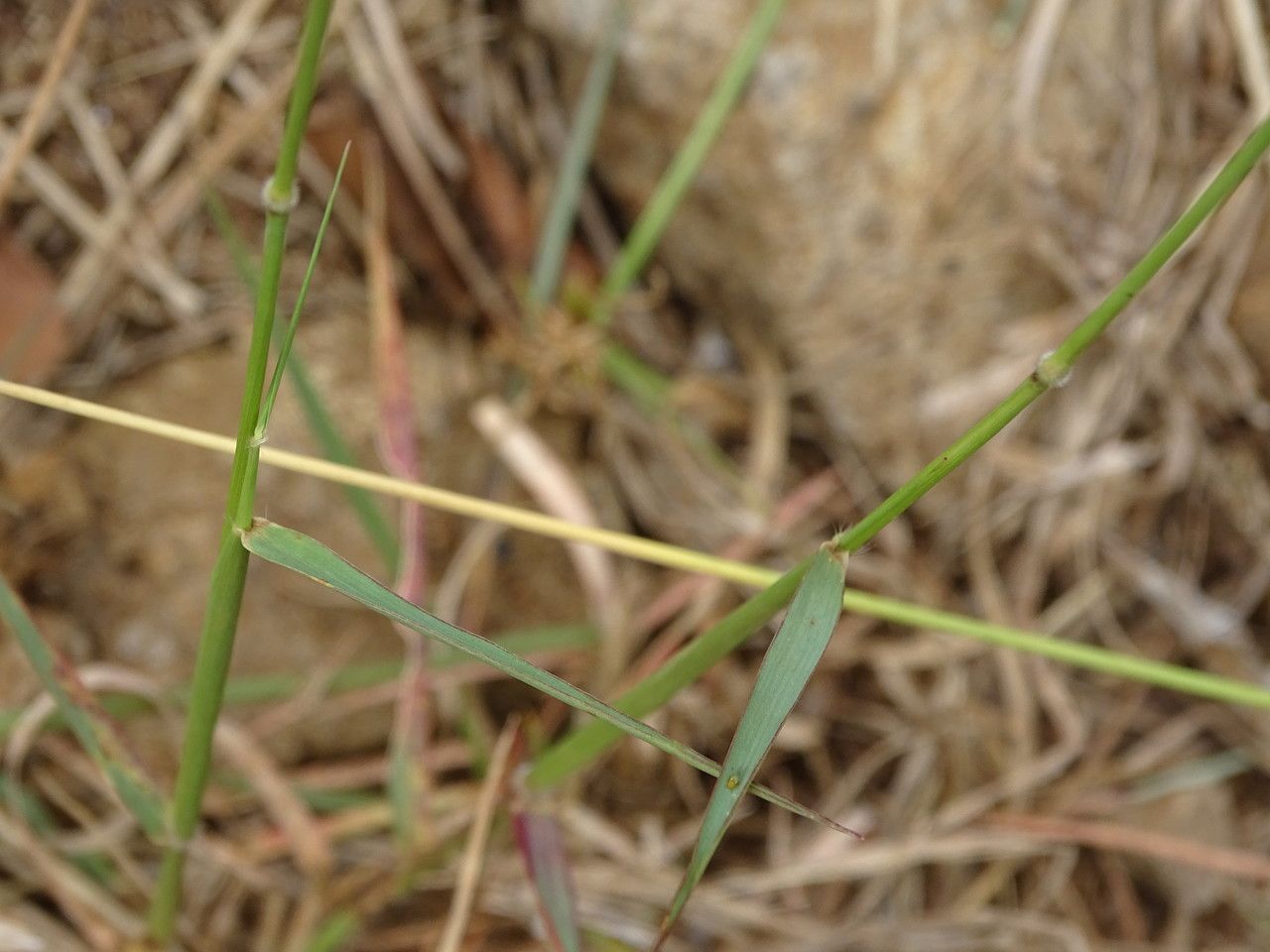
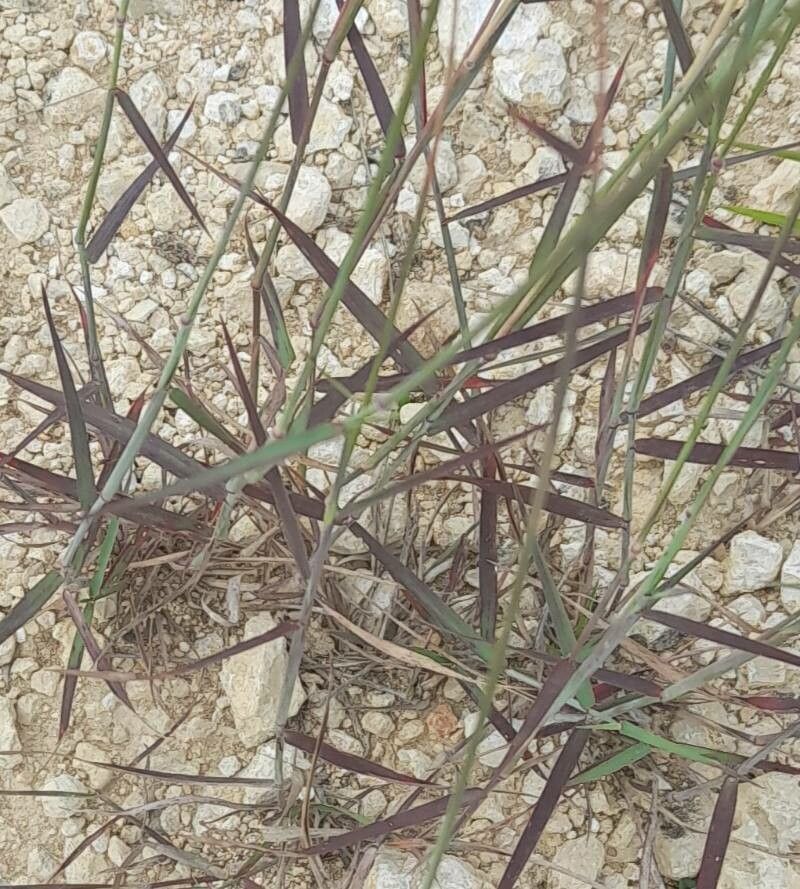
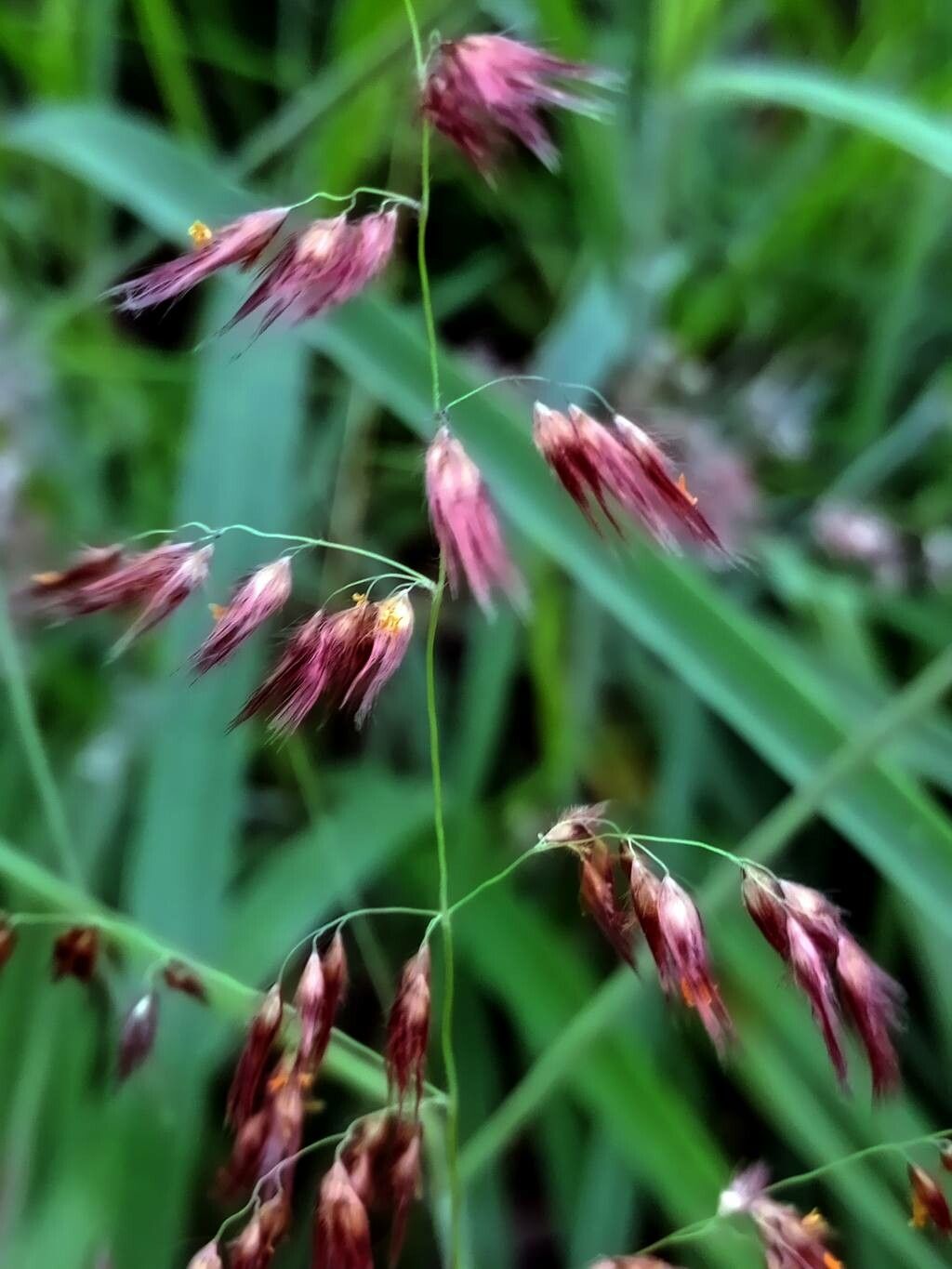
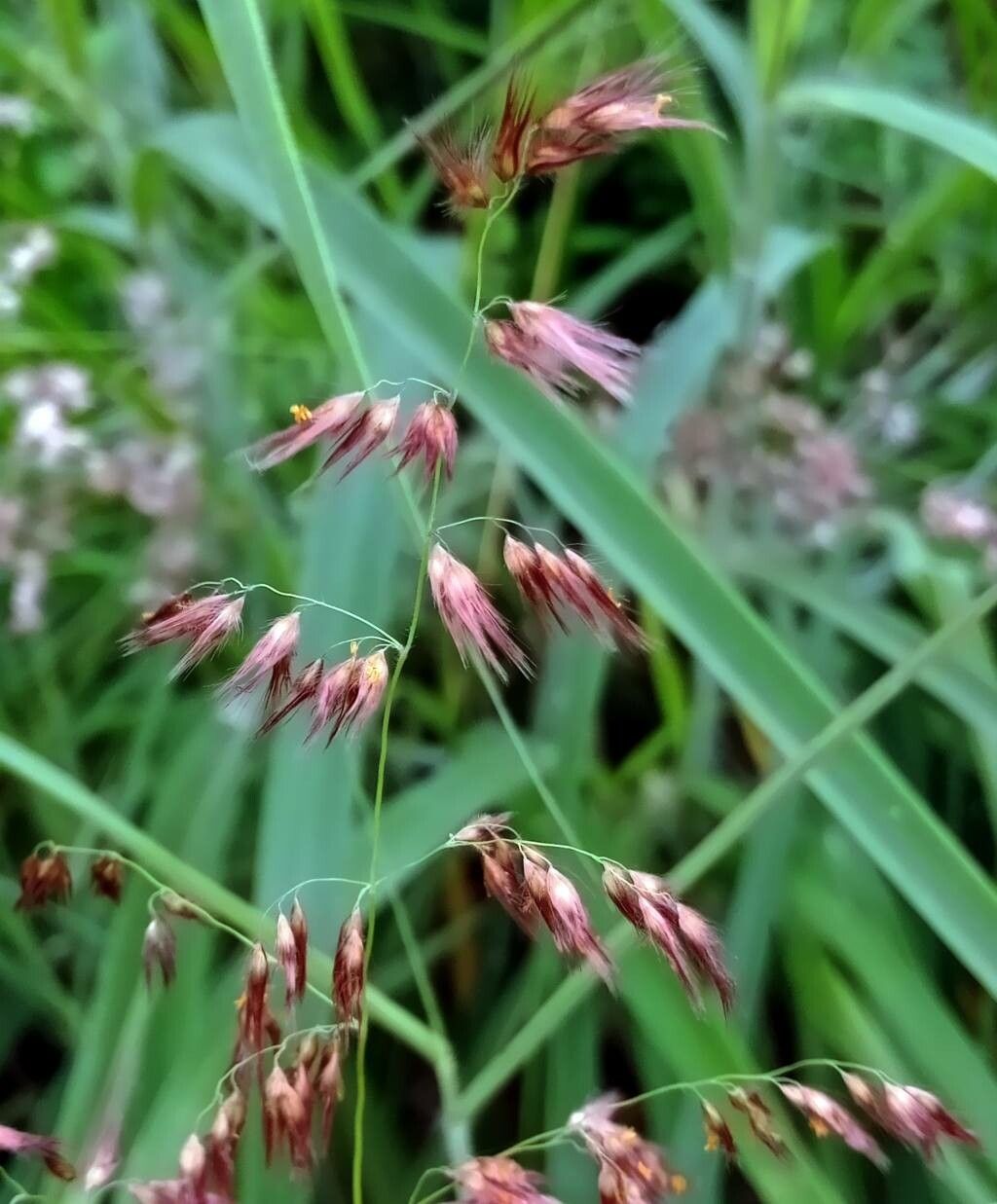
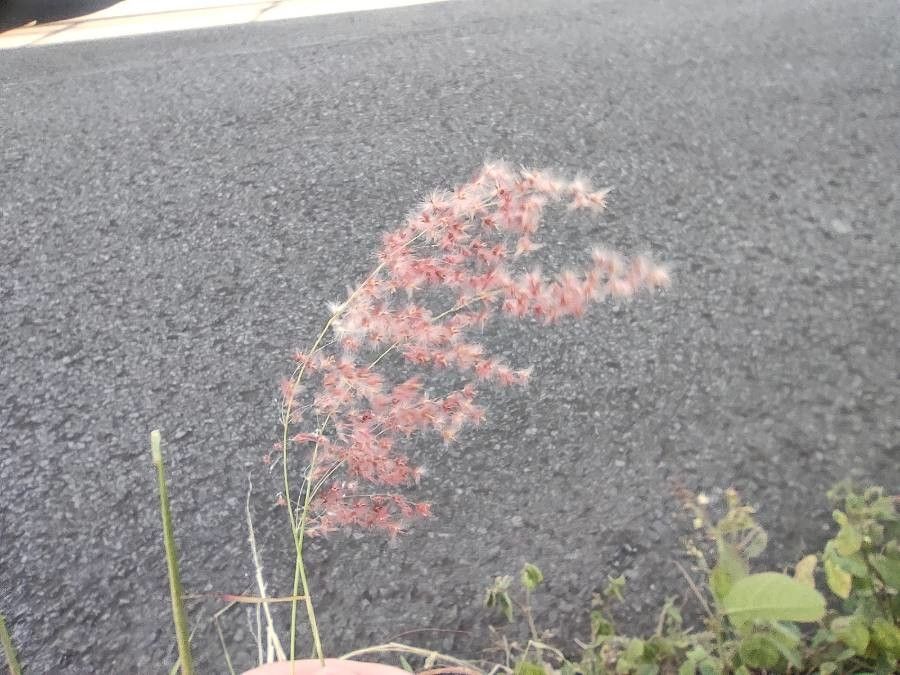
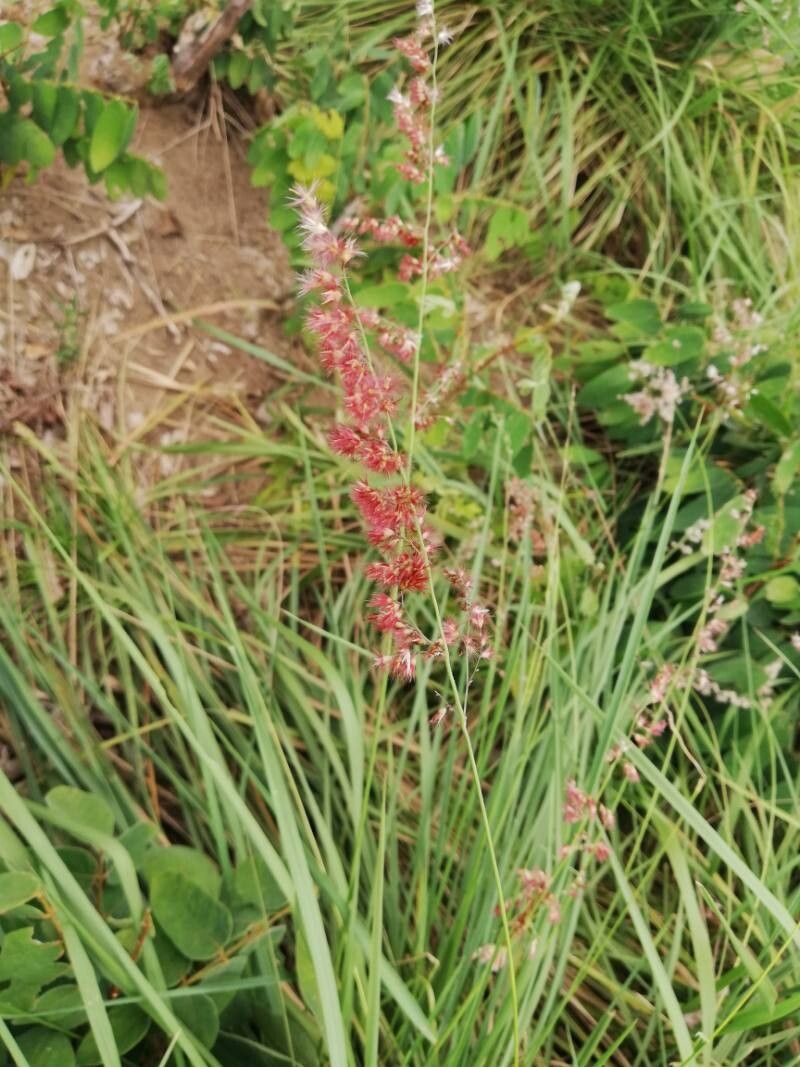
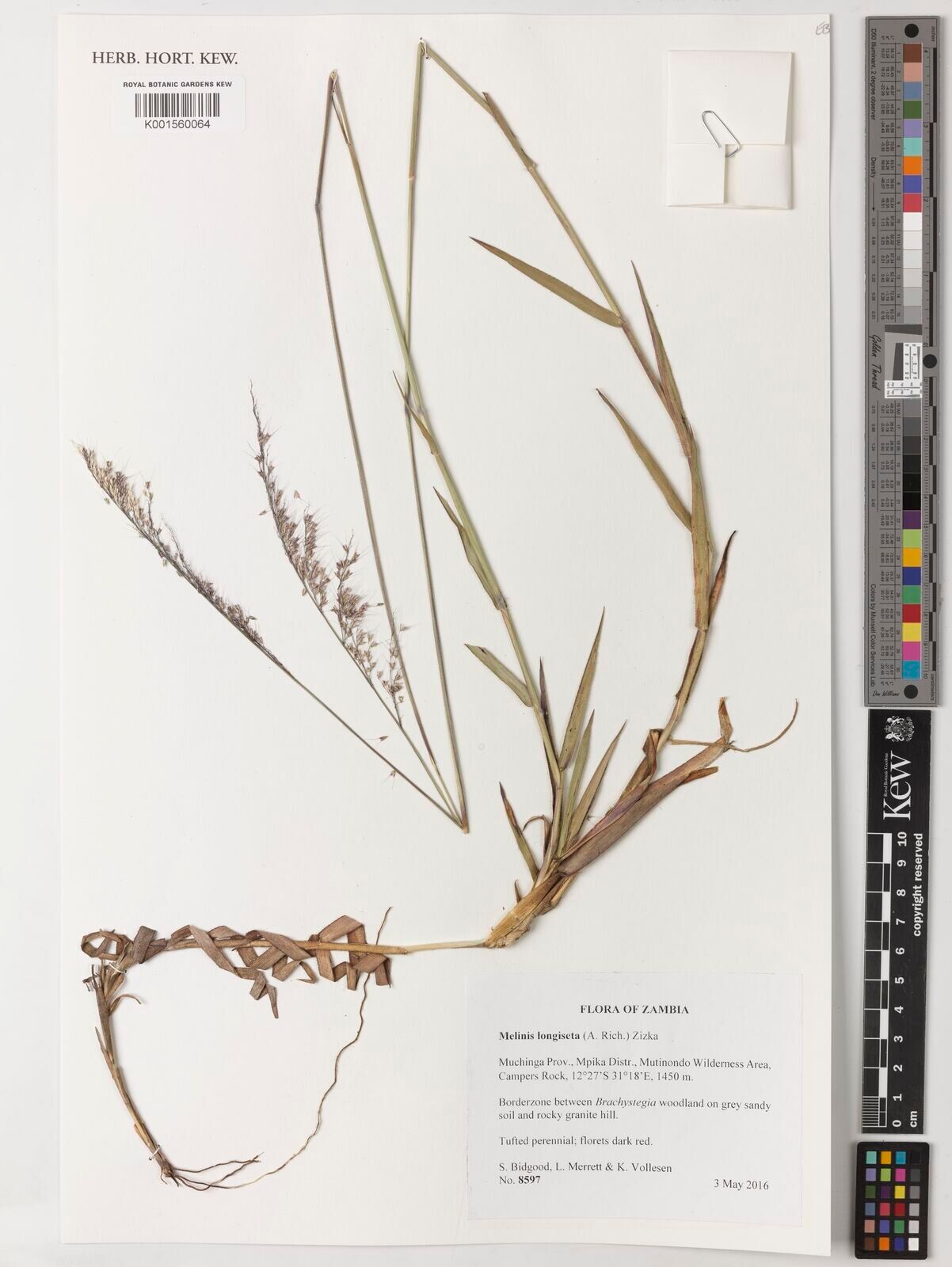
Melinis repens, commonly known as Natal red top or Natal grass, is a perennial grass species native to southern Africa. This grass is favored as an ornamental plant due to its striking red inflorescences and its adaptability to various soil types. Typically, the plant grows up to 1 meter in height and features long, narrow green leaves. The flower clusters, located at the top of the stems, consist of numerous small flowers forming dense inflorescences.
Melinis repens is frequently used for erosion control and serves as nutritious forage for livestock. Additionally, it possesses medicinal properties and has been traditionally employed by indigenous people to treat ailments such as fever, diarrhea, and dysentery. However, if not properly managed, it can become invasive in regions outside its native habitat.
Rose natal grass is fairly resistant to disease and typically does not suffer from illness. Still, it can be affected by pests and diseases present in its environment. Such infections are generally mild. Regarding care, this plant needs moderate maintenance. It should be pruned regularly to preserve a neat appearance and encourage healthy growth. Applying fertilizer can also aid in boosting flowering. Rose natal grass is appropriate for anyone who has an outdoor area, like a garden or patio, and it does not demand extensive care experience. It might need extra attention if kept indoors.
How to keep Melinis Repens.
Light
Rose natal grass performs best with ample light, which encourages vigorous growth. Its native habitat aligns with environments where sunlight is abundant. Nonetheless, it can tolerate conditions in which sunlight is not constant. Too much or too little sun can affect its overall health and growth.
Water
Rose natal grass thrives in grasslands that experience a balance of rainfall and dry periods, as it has moderate drought tolerance. For optimal growth, it should be watered weekly to align with its natural rhythm. This grass does particularly well outdoors, where it can take advantage of the natural rainfall cycle, which promotes flowering during the growing season.
Humidity
This plant will thrive in moderate humidity, which is probably the level in your home. However, misting it a few times a week can be very beneficial. Make sure the room has good ventilation.
Temperature
Rose natal grass is native to temperate regions and performs best when temperatures range from 68 to 100.4 °F (20 to 38 °C). In colder seasons, increasing the ambient temperature to this range will ensure the plant's vitality.
Fertilizer
Rose natal grass benefits from regular, light applications of fertilizer to encourage healthy leaf growth. You should apply fertilizer about once a month during the summer. Nitrogen is important for foliage, and adding nitrogen-rich sources helps Rose natal grass thrive.
Pruning
Rose natal grass exhibits a tufted growth pattern and is characterized by its pinkish flower clusters. To promote health and maintain its shape, it should be pruned in early spring. This involves removing dead stems and spent flowers, which can help extend the blooming period. Regular pruning not only enhances the plant's appearance but also prevents it from becoming invasive. Pruning during the plant's active growth phase ensures optimal recovery.
Botanical profile.
- Plant Type
- Herb
- Life Cycle
- Annual, Perennial
- Genus
- Melinis
- Family
- Poaceae
- Hardiness Zone
- 10-11
- Mature Height
- 0.52 m to 1.07 m
- Mature Spread
- 30 cm
- Leaf Color
- Light Green, Pale Green
- Leaf Type
- Semi-evergreen
- Flower Color
- Pink
- Flower Size
- 10.16 cm to 20.32 cm
- Bloom Time
- Summer, Fall
- Planting Time
- Spring, Summer, Autumn
- Harvest Time
- Late summer, Fall, Early winter
- Native Area
- Burkina Faso, Malawi, Angola, Namibia, South Africa, Zambia, Eritrea, Sudan, Morocco, Guinea, Kenya, Uganda, Tanzania, Zimbabwe, Benin, Equatorial Guinea, Cameroon, Burundi, Mozambique, Togo, Ghana, Ethiopia, Congo (DRC), Botswana, Gabon
Other names.
Reader questions.
How should I water my Rose natal grass to keep it healthy?
To water Rose natal grass, you have various options such as using a garden hose with a spray nozzle, a watering can, or any other common watering tool. This type of grass is not too demanding when it comes to water, as it can thrive with rainwater, tap water, or filtered water. It's important, however, to avoid watering this plant from overhead as it can harm the leaves and flowers and promote disease. Instead, using a drip irrigation system is often the most effective method. This system applies water evenly and directly to the soil, which works well for Rose natal grass. If you have a container-grown Rose natal grass, the same principle applies but with different tools. In this case, you can use a cup, watering can, or even tap water to directly water the soil.
What are the sunlight requirements for Rose natal grass?
Rose natal grass thrives best under conditions of abundant illumination, which is integral to its robust growth, reflecting its origin in sunny habitats. It requires full sun, which means above 6 hours of sunlight daily, or can tolerate partial sun, about 3-6 hours of sunlight. Despite its preference for plenty of sun, Rose natal grass can endure variations in sunlight exposure, though both excessive and insufficient sun can impact its health and growth negatively. Be mindful of the light conditions in your garden or indoor space to ensure the ideal environment for your plants.
What is the ideal temperature range for growing Rose natal grass?
Rose natal grass thrives in a temperate climate, favoring temperatures between 68 to 100.4 °F (20 to 38 °C). It is a heat-loving plant and can be adversely affected by cold temperatures. During colder seasons, it's recommended to increase the environmental temperature to this range to ensure the plant's vitality. Particularly in winter, maintaining temperatures above 20°C and avoiding any drops near 5°C are crucial for the plant's growth.
What can I do if I give my Rose Natal grass too much or too little water?
To prevent underwatering Rose natal grass, simply water it more regularly when you notice it's lacking moisture. Overwatering, on the other hand, is a more serious issue that can lead to disease and death in the plant. To avoid overwatering, choose a location with adequate sunlight and good drainage. If you have overwatered grass in a pot, consider transferring it to a new pot with better drainage and loose soil.
How can artificial lighting be used for Rose natal grass?
When natural sunlight is not sufficient, especially in winter or in less sunny spaces, artificial lighting becomes crucial for the growth of indoor plants like Rose natal grass. Opt for artificial lights that imitate natural sunlight, with LED lights being a popular and effective choice due to their ability to provide specific wavelengths needed for plant growth. Full sun plants require 30-50W/sq ft of artificial light, partial sun plants need 20-30W/sq ft, and full shade plants require 10-20W/sq ft. The artificial light source should be positioned 12-36 inches above the plant for 8-12 hours per day to mimic natural daylight conditions optimally.
How should I care for Rose natal grass during winter?
In the colder months, it's advisable to bring outdoor-grown Rose natal grass indoors to protect it from the cold. Place the plant near a bright window to ensure it receives enough light, but keep it away from direct heat sources like heaters to avoid drying it out. It's important to maintain indoor temperatures above 20°C to foster proper growth and to avoid temperatures nearing 5°C, as these can be detrimental to the plant.
How often do I need to water my Rose natal grass?
To properly care for Rose natal grass, it is important to water it regularly throughout the growing season. In the beginning of spring, watering once per week should be sufficient. However, as the season progresses and the weather gets warmer, you may need to increase the watering frequency to two to three times per week. It is important to avoid excessive watering, as this can harm the plant. It is also important to keep the soil consistently moist but not overly wet, regardless of the watering schedule. When watering Rose natal grass in a pot, it is usually necessary to water more frequently compared to plants in the ground. The soil in a pot can heat up and dry out faster, so watering a container-grown Rose natal grass a few times per week is generally recommended, rather than just once per week for an in-ground plant.
What are some common symptoms of improper light exposure in Rose natal grass?
Improper light exposure can cause a range of symptoms in Rose natal grass, signaling the need for adjustments. Inadequate light may lead to smaller new leaves, leggy or sparse growth, earlier leaf drop, slower or halted growth, and lighter-colored or yellowing leaves. Excessive sunlight can result in chlorosis, sunscald, leaf curling to minimize water loss and damage, wilting due to transpiration increase, and leaf scorching with brown, dry edges. These symptoms reveal a plant's stress from too little or too much sunlight, requiring prompt attention to light exposure and potentially remedies like adjusting plant location or using artificial lighting.
What are the symptoms of Rose natal grass experiencing low temperatures, and how can I address them?
When exposed to low temperatures, Rose natal grass may show signs of distress such as leaves lightening in color when the temperature falls below 1°C, and after frost damage, they can turn brown or black. Symptoms also include wilting and drooping. To address frost damage, trim the affected parts and move the plant to a warmer indoor environment immediately. Position it near a south-facing window for ample sunlight while ensuring it's not placed too close to sources of heat like heaters or air conditioning vents, to avoid air dryness.
How much water does my Rose natal grass require?
There are a few ways to decide how much water to give your Rose natal grass. One option is to feel the soil to check for moisture and water until the top six inches feel moist. Another option is to use a set measurement, like two gallons per week, but be mindful of overwatering. When growing the grass in a container, check the soil moisture by sticking your finger in or look for excess water draining out.
How can you adjust the growing conditions of Rose natal grass for optimal light exposure?
To optimize light exposure for Rose natal grass, gradually increase sunlight for indoor plants by moving them to sunnier spots weekly until they get at least 6 hours of sunlight daily. Utilize a south-facing window and keep curtains opened during daylight hours. If necessary, supplement with artificial light, keeping a lamp on for at least 8 hours daily or using professional grow lights. For outdoor plants, also increase sunlight exposure gradually to prevent sunburn. If trees shade your plant, consider pruning to increase sunlight penetration. For small plants obstructed by other barriers, transplanting during their dormant period to a sunnier location could enhance growth. These steps help ensure your Rose natal grass receives the right amount of sunlight for healthy development.
What should I do if my Rose natal grass is exposed to high temperatures?
During summer, Rose natal grass should be protected from temperatures exceeding 38°C to avoid stress. Signs of heat stress include lighter leaf color and susceptibility to sunburn when temperatures surpass 43°C. To mitigate heat stress, trim the sunburned and dried-up parts of the plant. Relocate it to a shaded area to protect it from intense midday and afternoon sun. Ensure the soil remains moist by watering the plant in the morning and evening.