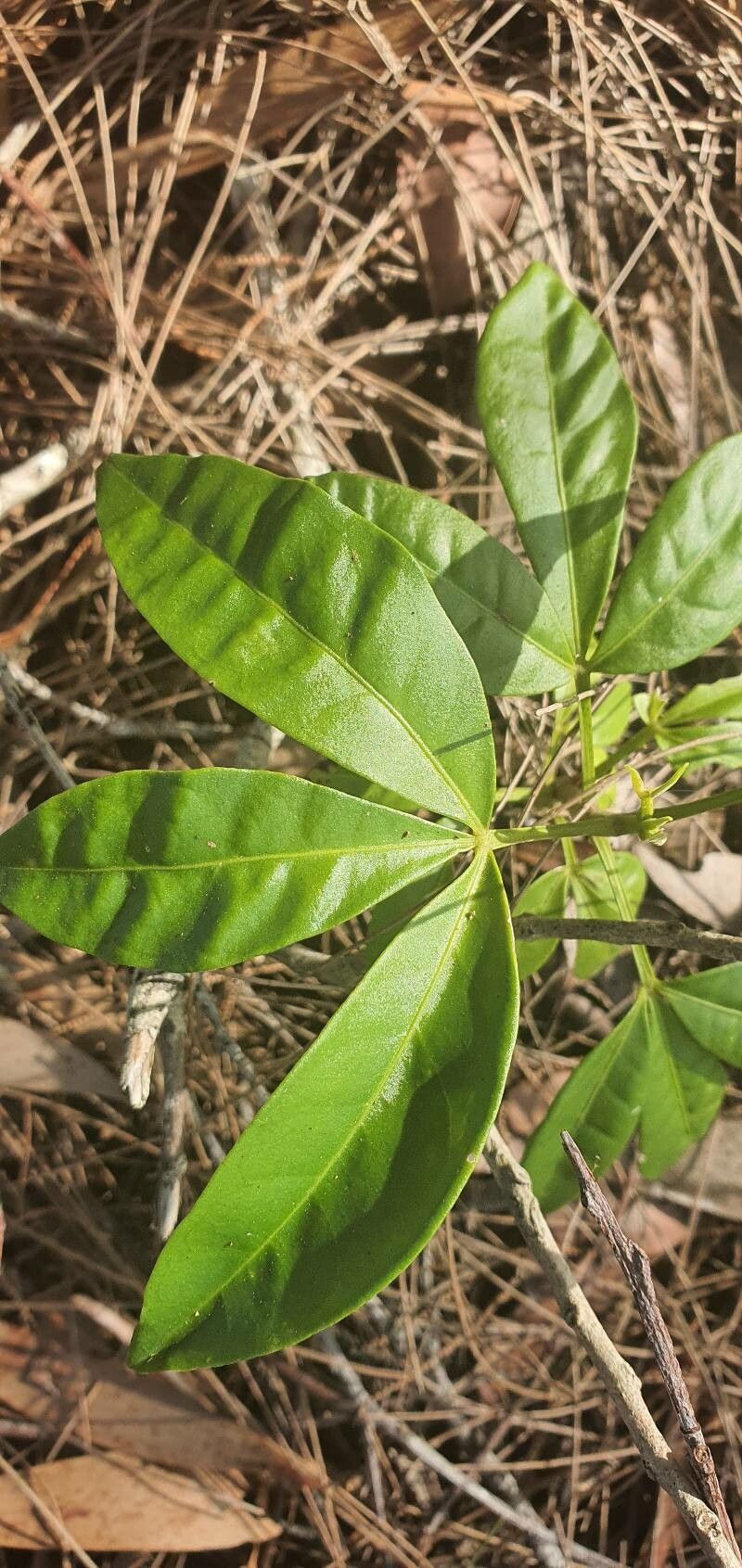
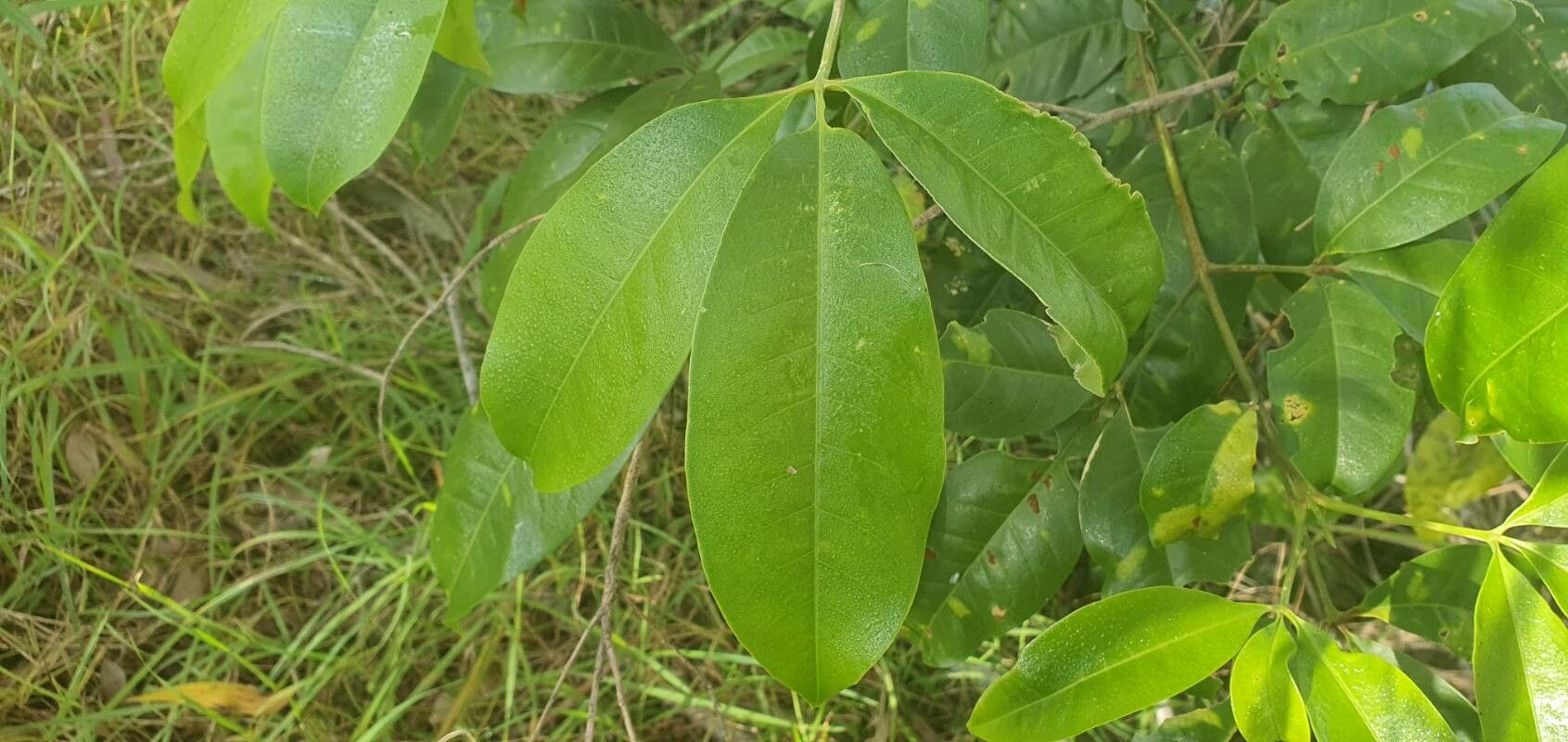
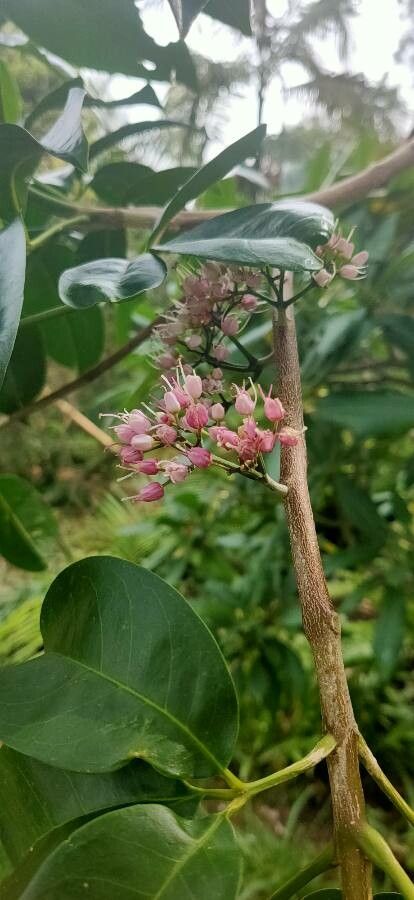
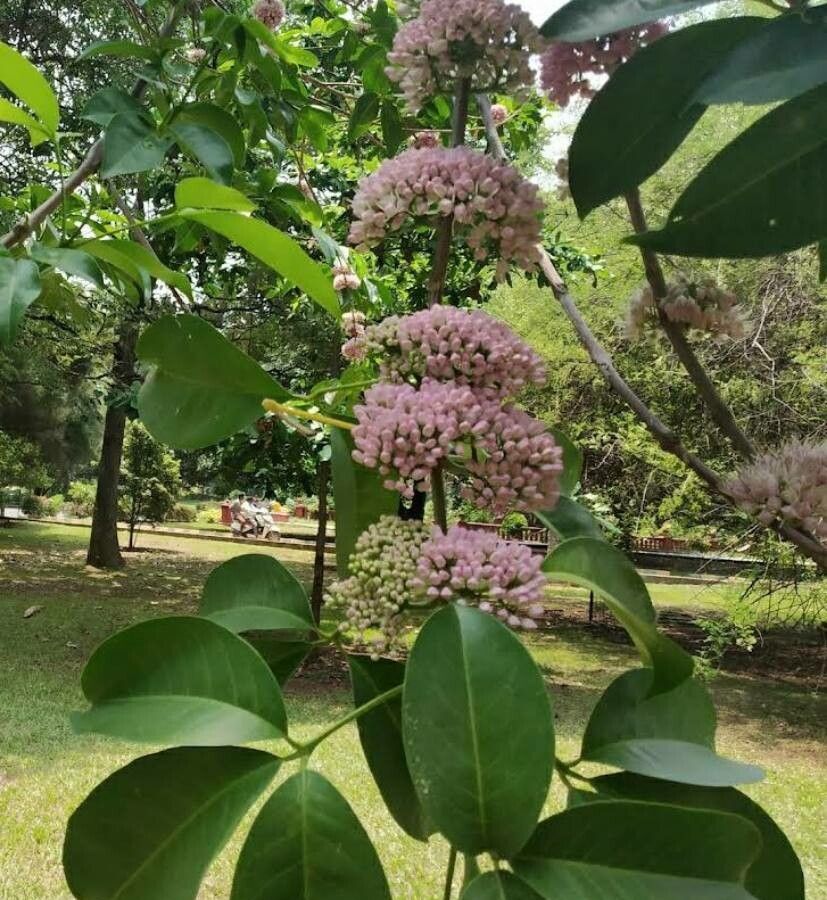
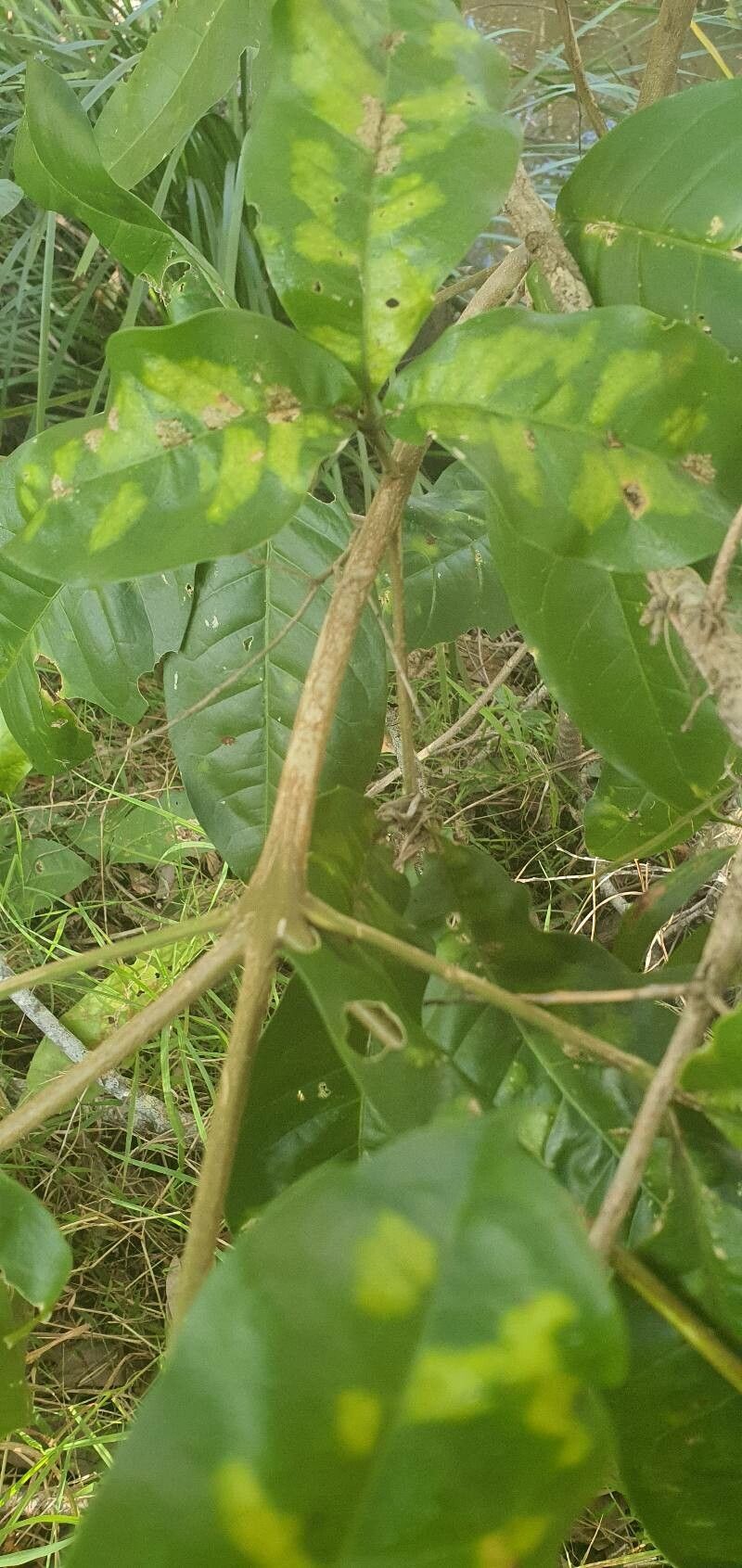
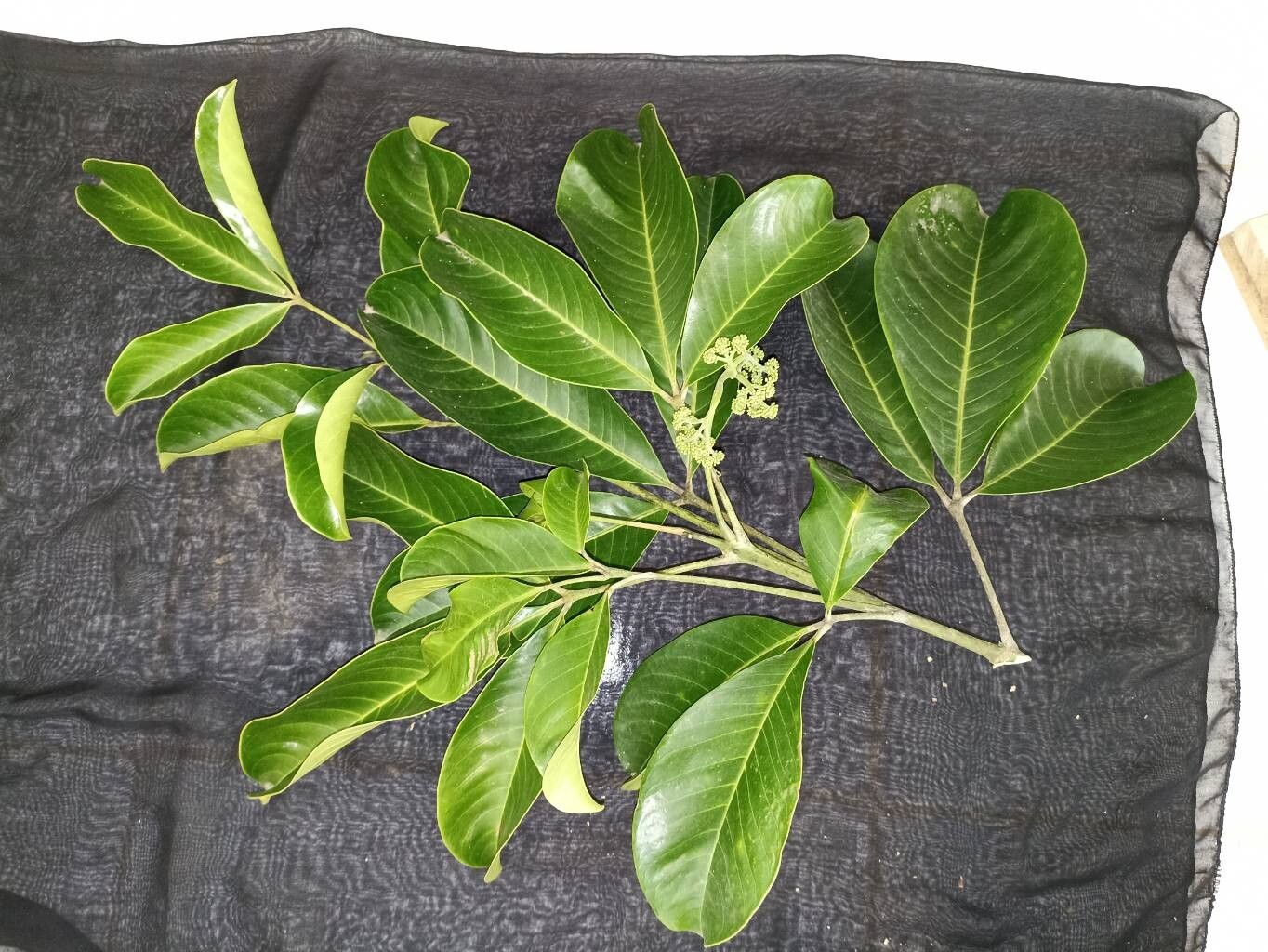
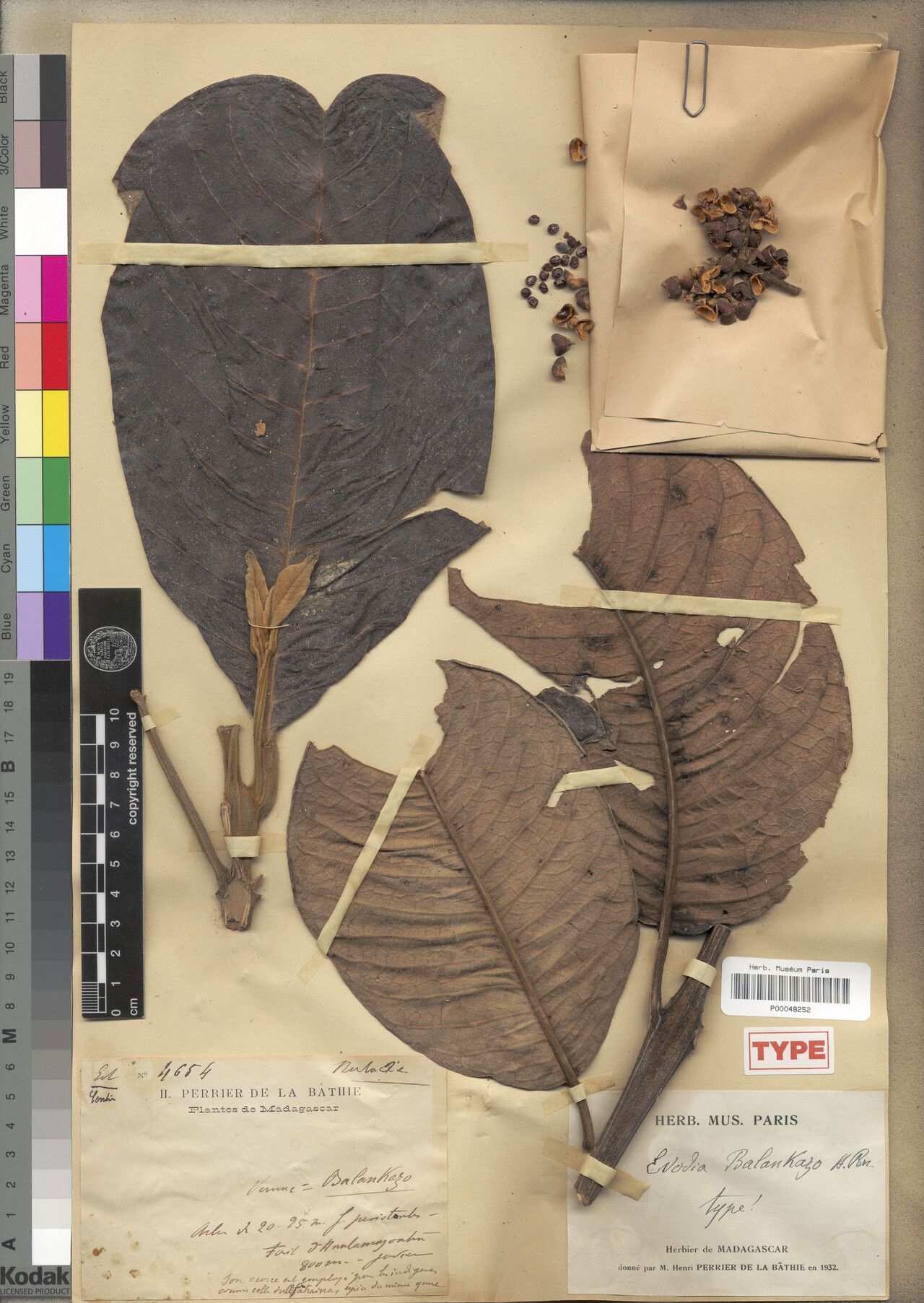
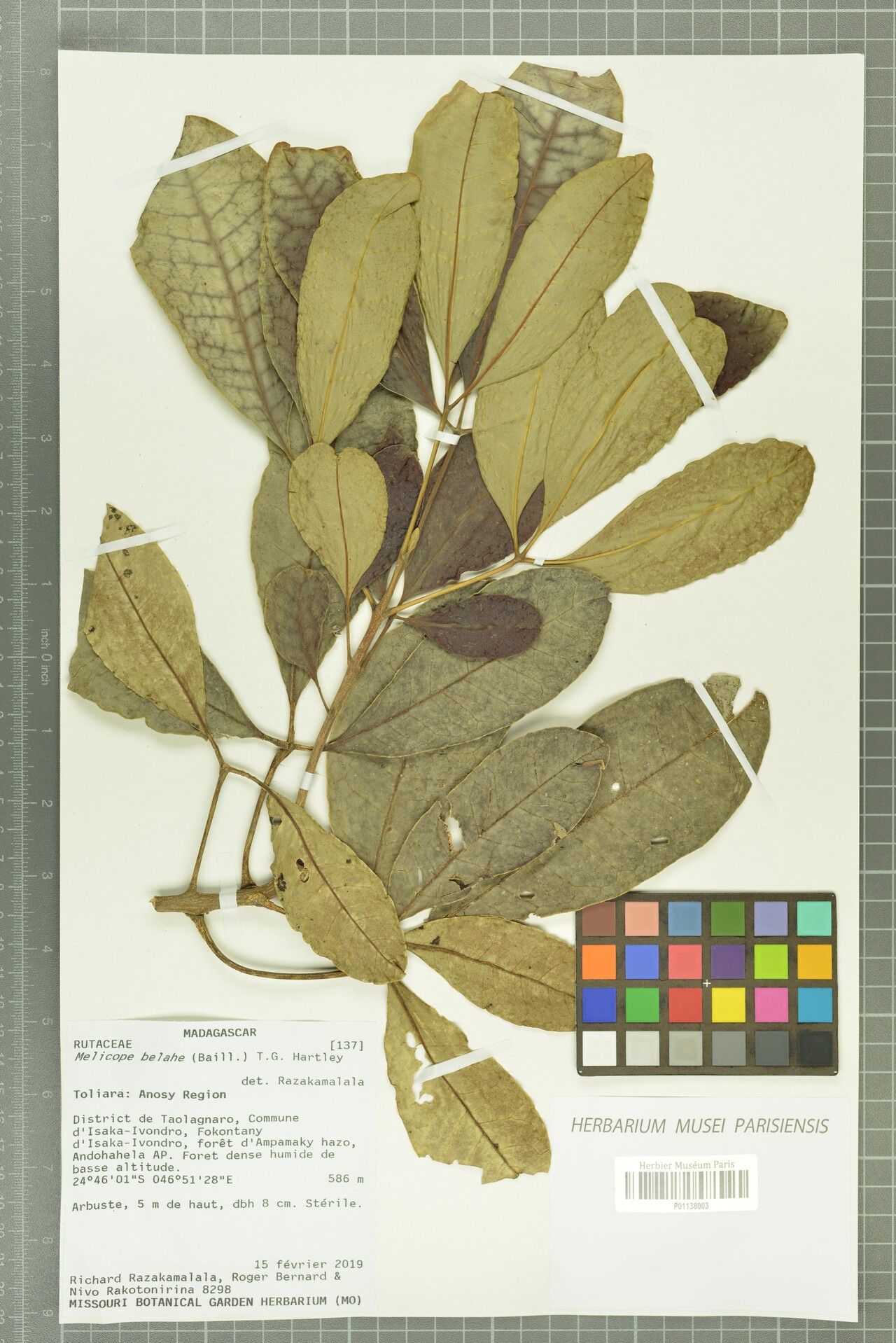
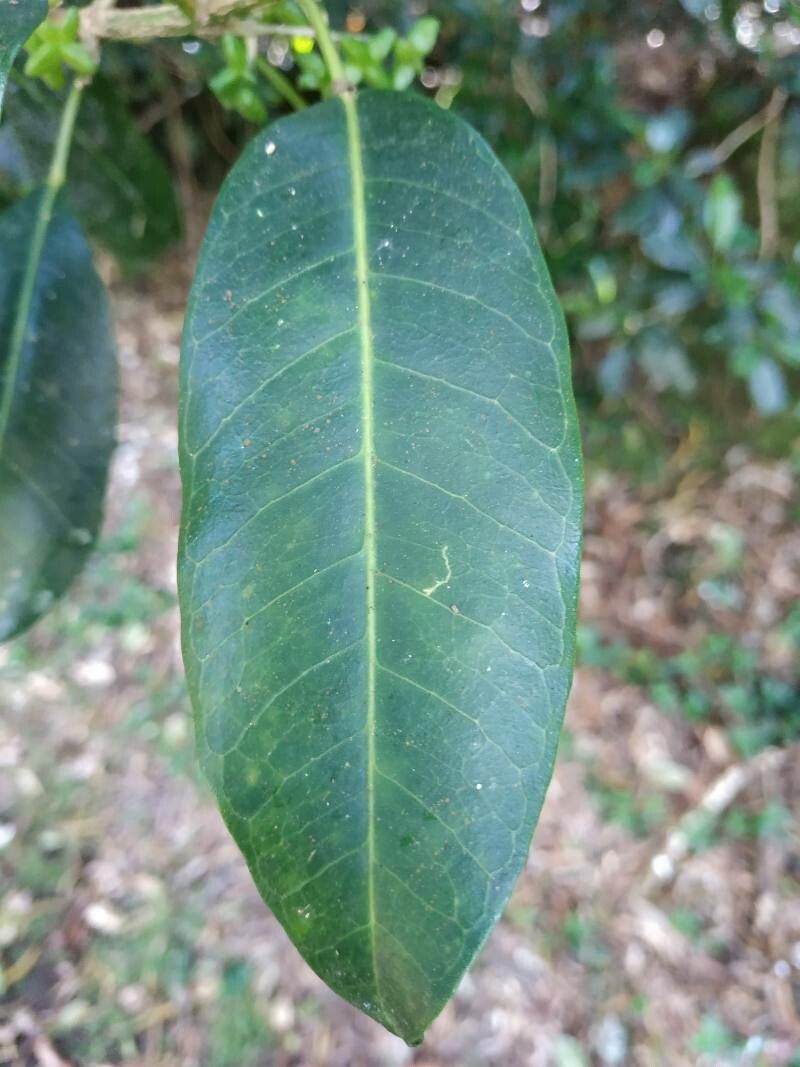
Melicope elleryana, commonly known as pink flowered doughwood, pink evodia, corkwood, or saruwa, is a species of rainforest shrub or tree in the family Rutaceae, and is native to New Guinea, parts of eastern Indonesia, the Solomon Islands and northern Australia. It has trifoliate leaves and pink to white, bisexual flowers arranged in panicles in leaf axils.
Pink-flowered corkwood is fairly disease-resistant and is typically not susceptible to disease. Regarding care, this plant is fairly low maintenance. When grown outdoors it needs only light watering, and larger specimens usually do not require pruning. Smaller specimens, however, should be pruned after they finish blooming. Pink-flowered corkwoodt is a good choice for anyone with an outdoor area, such as a garden or deck, and does not demand extensive experience in plant care.
How to keep Melicope Elleryana.
Light
Pink-flowered corkwood prospers in well-lit locations, though it can tolerate spots with lower light. Native to habitats that receive frequent sunlight, the plant's development—from germination to full maturity—derives considerable benefit from these conditions. Both too little and too much light can disrupt its normal growth.
Water
The pink-flowered corkwood thrives in regions with moderate rainfall, needing watering only once every two weeks. As an evergreen plant, it retains its leaves throughout the year, which helps conserve water and enables it to withstand dry periods.
Temperature
Pink-flowered corkwood comes from tropical areas, where the climate is usually warm and humid. Consequently, it is well suited to high temperatures and humidity. It does not tolerate sudden temperature changes and prefers a steady temperature environment, so avoiding temperature fluctuations indoors is important. It generally cannot withstand cold and needs higher temperatures for growth. If the ambient temperature falls too low, the plant may stop growing or even die.
Fertilizer
The best time to fertilize a Pink-flowered corkwood is in early spring as it comes out of dormancy. This supports overall growth and the development of flowers. Fertilizing improves the foliage, stems, and branches and helps produce large, bright, and long-lasting blooms. It also helps move nutrients from the roots to the flowers and enhances the plant's health and resistance to disease.
Pruning
The pink-flowered corkwood is an ornamental tree known for its striking pink blossoms. To maintain its health and beauty, prune the tree in early and late winter. This helps remove damaged branches and reduces overcrowding, which improves air circulation. Proper pruning not only enhances blooming but also reduces the risk of disease. Always use clean, sharp tools to prevent infections.
Pot & Repot
When repotting Pink-flowered corkwood, choose a pot 1–2 inches (2.5–5.1 cm) larger with ample drainage. Use a well-draining potting mix. Repot in spring or fall, ensuring the root ball sits slightly lower than the rim of the flower pot. Water thoroughly after repotting and place it in a warm spot with indirect sunlight.
Botanical profile.
- Plant Type
- Tree
- Life Cycle
- Perennial
- Genus
- Melicope
- Family
- Rutaceae
- Hardiness Zone
- 4
- Mature Height
- 24.99 m
- Mature Spread
- 61 cm
- Leaf Color
- Green, Dark Green
- Leaf Type
- Evergreen
- Flower Color
- Pink, White
- Flower Size
- 1.02 cm to 1.52 cm
- Bloom Time
- Mid spring, Late spring, Summer
- Planting Time
- Spring, Summer, Autumn
- Harvest Time
- Mid summer, Late summer, Fall
Other names.
Reader questions.
What are the sunlight requirements for Pink-flowered corkwood?
Pink-flowered corkwood requires full sun, meaning it thrives in areas that receive more than 6 hours of sunlight daily. It can also adapt to partial sun conditions, receiving about 3-6 hours of sunlight. It's crucial to observe how sunlight moves through your garden, picking spots that offer a balance of light and shade to suit the plant's needs, thereby ensuring its health and happiness.
What is the Pink-flowered corkwood?
The Pink-flowered corkwood, known botanically as Melicope elleryana, is a plant species recognized for its distinctive characteristics. Unfortunately, details regarding its essentials, such as specific attributes, uses, or habitat, and symptoms related to its presence, interaction, or ingestion have not been provided.
What are the essential growing conditions for Pink-flowered corkwood?
The Pink-flowered corkwood, with its ornamental pink flowers, originates from environments that experience abundant sunlight. Its growth stages, from germination to maturity, benefit significantly from adequate sunlight. However, both insufficient and excessive light can hinder its normal development. When natural light is not enough, especially in winter or less sunny areas, artificial lighting can be a vital solution. Indoor plants under artificial light should receive 30-50W/sq ft for full sun plants, 20-30W/sq ft for partial sun plants, and 10-20W/sq ft for full shade plants. The light source should be placed 12-36 inches above the plant, and the duration should mimic natural daylight, with most plants needing 8-12 hours of light per day.
What are the symptoms of inadequate lighting for Pink-flowered corkwood?
When Pink-flowered corkwood doesn't receive sufficient light, several symptoms might appear. These include small and pale new leaves indicating a lack of chlorophyll and essential nutrients, leggy or sparse growth due to longer spaces between leaves or stems, faster leaf drop as older leaves are shed early to conserve resources, slower or halted new growth as the plant enters survival mode, and even leaf scorching where leaves show brown, dry edges due to excessive sunlight. Chlorosis, or the yellowing of leaves, can occur from the breakdown of chlorophyll caused by both inadequate and excessive light. Sunscald, leaf curling, wilting, and leaf scorching are symptoms tied to overexposure to sunlight.
What solutions are available for addressing light-related issues in Pink-flowered corkwood?
To ensure Pink-flowered corkwood receives optimal light, gradually move it to a sunnier spot, aiming for at least 6 hours of direct sunlight daily. If the plant is large or not easily movable, consider supplementing with artificial light. For indoor setups, keep a desk or ceiling lamp on for at least 8 hours daily or use professional plant grow lights. Outdoors, adapt your plants gradually to sunnier spots to prevent sunburn, remembering that parts of the plant damaged by light deficiency may not recover but new growth will be healthy after adjusting the light exposure. Additionally, reducing obstructions like pruning trees or transplanting smaller plants during their dormant period can improve sunlight access.