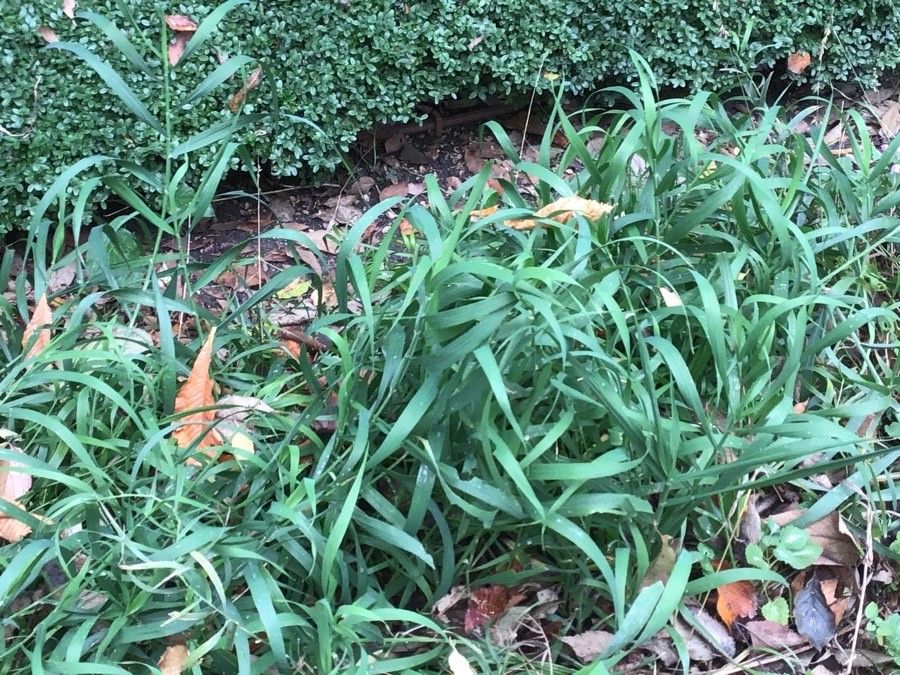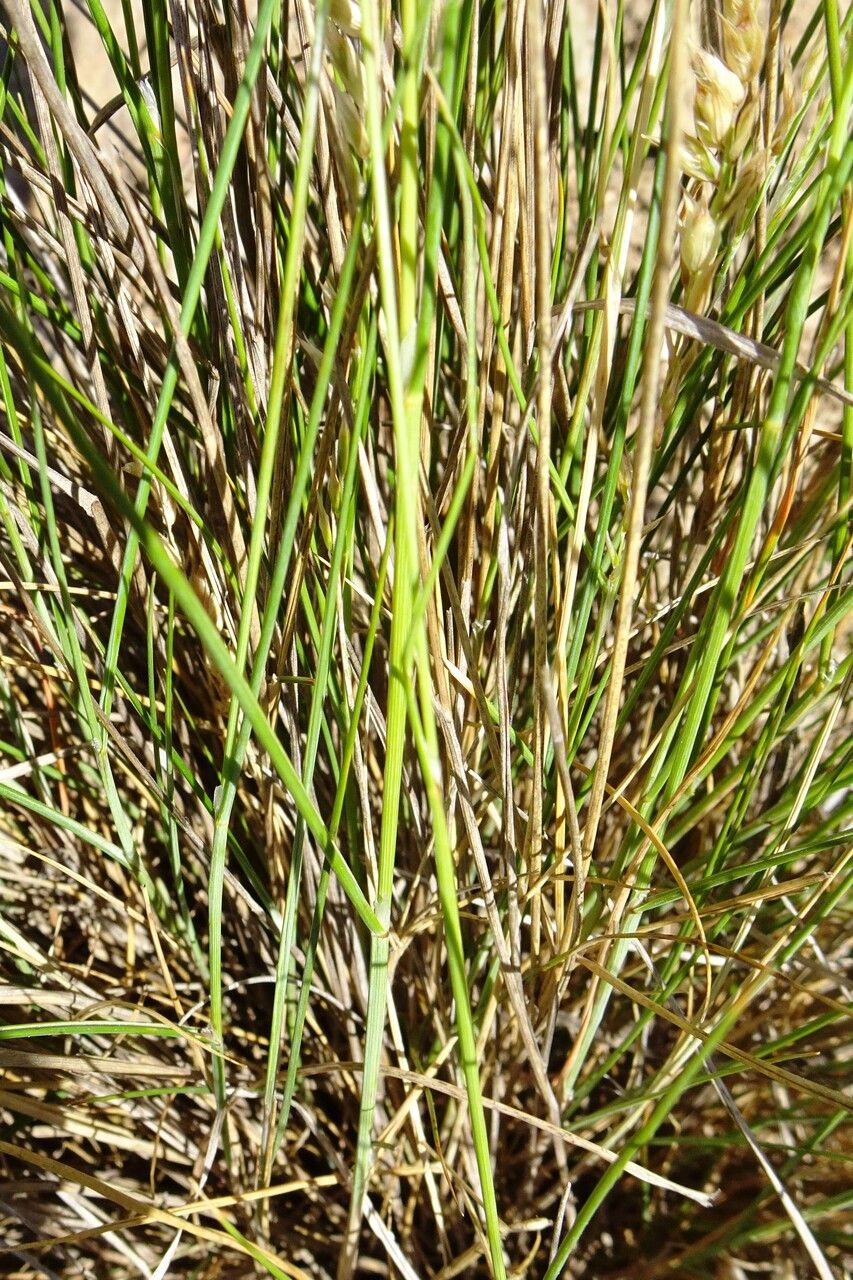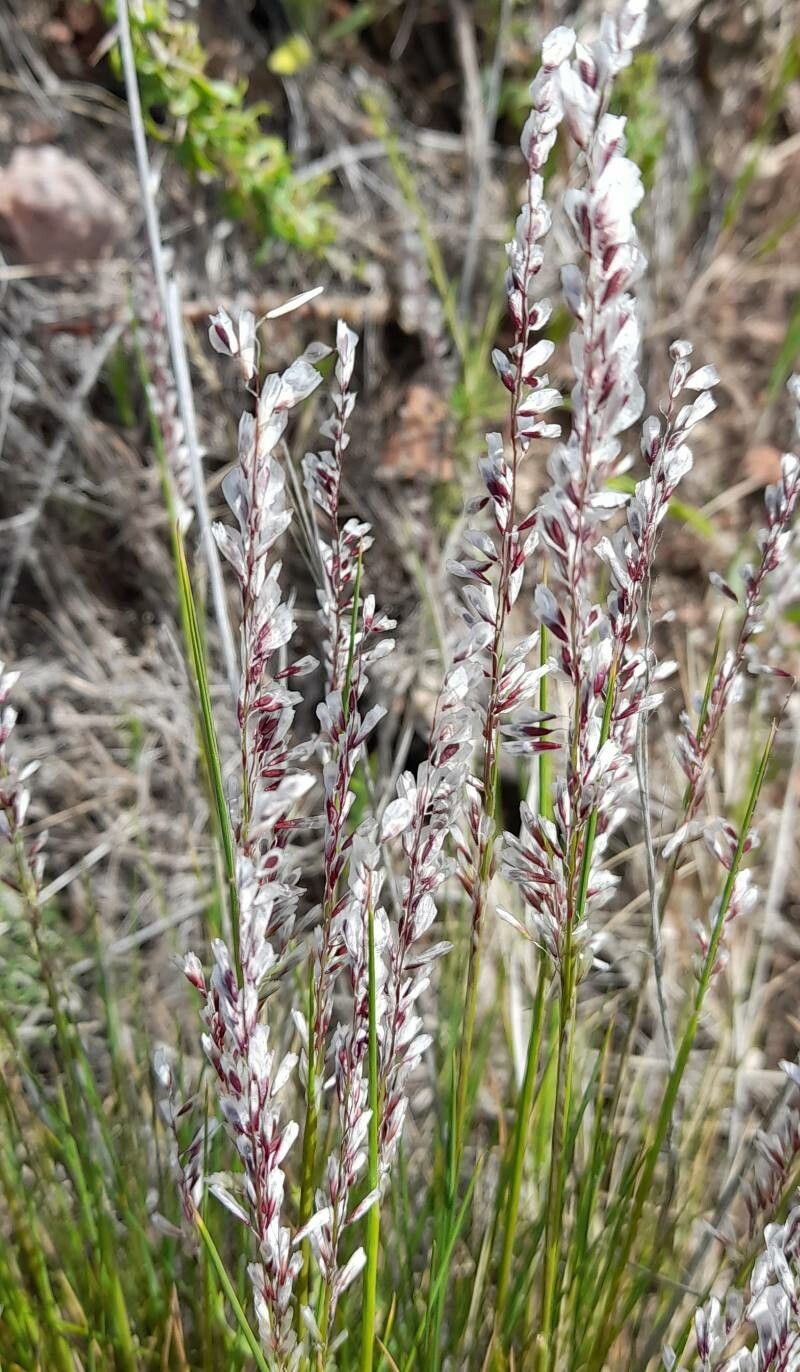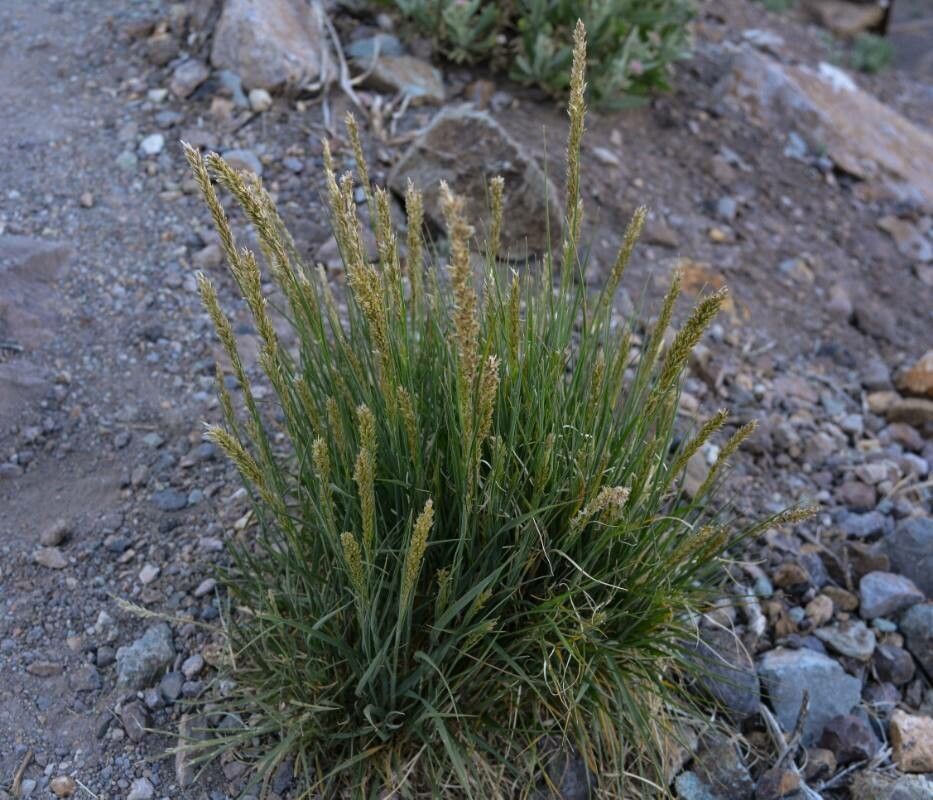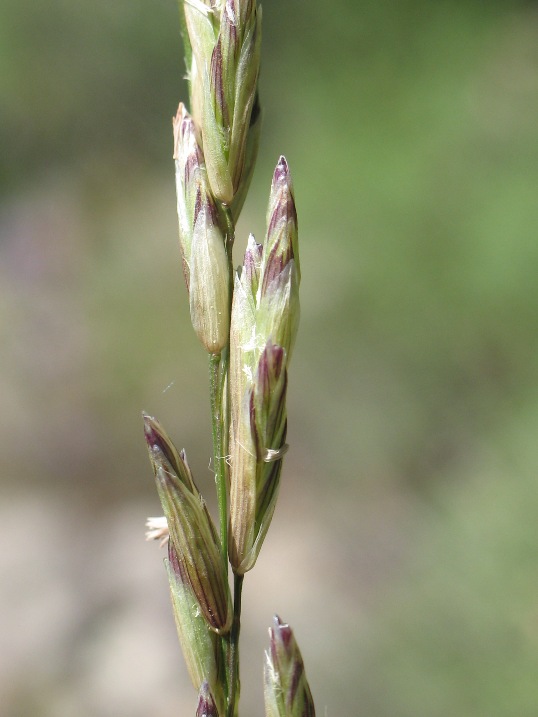
Melica californica is a species of grass known by the common name California melic.
California melicgrass has strong resistance to disease and is generally not prone to illness. In terms of care, this plant is fairly low maintenance. When planted outdoors it needs little watering, and larger plants typically do not require pruning. Smaller plants, however, should be pruned after they have bloomed. California melicgrasst is suitable for anyone with outdoor space, such as a garden or deck, and does not demand much experience in plant care.
How to keep Melica Californica.
Light
California melicgrass is a sun-loving perennial herbaceous plant native to open habitats, commonly found in meadows and grasslands. It prefers full sun but can also tolerate partial sun.
Water
California melicgrass flourishes in Mediterranean climates, preferring well-drained soils with consistent moisture during its growth period. To stay hydrated, it needs watering once a week. Although it can endure moderate drought, it has adapted to make use of seasonal rains.
Temperature
California melicgrass can tolerate a broad range of temperatures, but its distribution may still be restricted by particular combinations of moisture and heat. It performs best in warm summer climates with sufficient rainfall or irrigation. Extended periods of cloudy, rainy weather or prolonged high temperatures can raise the risk of California melicgrass dying. In winter, adequate protection from the cold can increase the plant's survival rate.
Fertilizer
California melicgrass needs extra nutrients to encourage healthy new growth. In spring, placing compost around the plant’s base can effectively supply the nutrition it requires. Fertilizing helps support vigorous growth and assists the plant in resisting diseases and pests.
Pruning
California melicgrass is a perennial grass with upright, slender stems and feathery seed heads. To encourage healthy growth, prune it in early spring. Remove any damaged stems to improve air circulation. Be careful not to over-prune, as this can affect the plant's vigor. By following these steps, you can ensure the grass remains robust and maintains a tidy appearance.
Botanical profile.
- Plant Type
- Grass
- Life Cycle
- Perennial
- Genus
- Melica
- Family
- Poaceae
- Hardiness Zone
- 7
- Mature Height
- 30 cm
- Mature Spread
- 30 cm
- Leaf Color
- Green, Dark Green
- Leaf Type
- Semi-evergreen
- Flower Color
- Lavender
- Flower Size
- 0.51 cm to 1.02 cm
- Bloom Time
- Mid spring, Late spring
- Planting Time
- Spring, Summer, Autumn
- Harvest Time
- Early summer, Mid summer
Other names.
Reader questions.
What are the sunlight requirements for California melicgrass?
California melicgrass thrives in full sun conditions, requiring above 6 hours of sunlight per day, but it can also tolerate partial sun conditions, which is about 3-6 hours of sunlight per day. It's crucial to watch how sunlight moves through your garden to choose spots that offer the perfect balance of light and shade, ensuring the plants' well-being.
What are the essential growing conditions for California melicgrass?
California melicgrass, or Melica californica, has a strong adaptability to a range of temperature conditions. It shows optimal growth in warm climates during summer, provided there is sufficient rainfall or watering. However, its distribution may be somewhat limited by various combinations of water and heat conditions. While the plant possesses considerable cold resistance, making special frost protection measures generally unnecessary, it's advised to offer protection when winter temperatures are forecasted to drop below -15°C, which can be done by covering the plant with soil or straw. Additionally, to aid in winter survival, it's recommended to water the plant abundantly before the first freeze in autumn to maintain soil moisture.
What essentials should be considered for California melicgrass growth?
As a sun-loving perennial herbaceous plant, California melicgrass originates from open habitats, thriving in meadows and grasslands. It prefers full sun but can tolerate partial sun. In cases where natural sunlight is insufficient, especially during winter or in less sunny spaces, artificial lighting becomes crucial. LED lights are often preferred for indoor plant lighting due to their ability to provide specific wavelengths of light. The required artificial light intensity varies depending on the plant's sun exposure needs: full sun plants need 30-50W/sq ft, partial sun plants need 20-30W/sq ft, and full shade plants need 10-20W/sq ft. The light source should be placed 12-36 inches above the plant, and most plants benefit from 8-12 hours of light per day.
How does low temperature affect California melicgrass and what are the solutions?
California melicgrass is quite cold-tolerant, thriving best when the temperature stays above 15°C but should not drop below -10°C during winter. If temperatures fall below -15°C, you may not notice immediate damage, but there could be a noticeable decrease in spring sprouting or in severe cases, no sprouting at all. A solution for adversely affected plants in spring is to remove parts that have not sprouted, promoting healthier growth for the remaining parts of the plant.
What are the symptoms of inadequate sunlight for California melicgrass?
When California melicgrass experiences inadequate lighting, several symptoms can manifest. These include smaller leaves compared to previously matured ones, leggy or sparse growth making the plant appear stretched and weak, faster leaf drop as a way to conserve resources, and a halt in new growth entering a survival mode. Additionally, insufficient sunlight can cause new leaves to develop lighter colors or chlorosis, where leaves turn yellow due to a lack of chlorophyll. Excessive sunlight exposure can lead to sunscald, leaf curling as a defense mechanism to minimize water loss, wilting from overexposure, and leaf scorching seen as brown, dry edges or patches on leaves.
How does high temperature affect California melicgrass and what are the solutions?
During summer, it's crucial to ensure that the temperature around California melicgrass does not exceed 32°C. Exceeding 35°C can lead to adverse effects such as leaves turning lighter, curling, becoming prone to sunburn, and in extreme cases, the plant may wilt and dry out. Solutions include trimming away the sunburned and dried-up parts to promote recovery. To protect the plant in high temperatures, moving it to a shaded area, especially during midday and afternoon, or using a shade cloth can be beneficial. Additionally, maintaining soil moisture by watering in the morning and evening can help alleviate the stress caused by high temperatures.
How can I address the sunlight requirements for an indoor California melicgrass?
For optimal growth of an indoor California melicgrass, gradually increase its exposure to sunlight by moving it closer to a sunnier spot each week until it receives at least 6 hours of direct sunlight daily. Position it near a south-facing window and keep curtains open during the day for maximum sunlight and nutrient accumulation. If the plant is large or not easily movable, consider using artificial light. A desk or ceiling lamp left on for at least 8 hours daily can suffice, or you might invest in professional plant grow lights to provide sufficient light.
What steps should I take for an outdoor California melicgrass regarding sunlight?
To adapt your outdoor California melicgrass to the best sunlight conditions, gradually move it to a sunnier location each week to avoid sudden changes in light intensity, which may cause sunburn. Although parts of the plant affected by insufficient sunlight may not recover, new growth will be healthy after improving light exposure. Observe the environment to identify sunlight obstructions and consider pruning trees that block sunlight, or transplant smaller plants during their dormant period to a location with ample sunlight and good drainage.