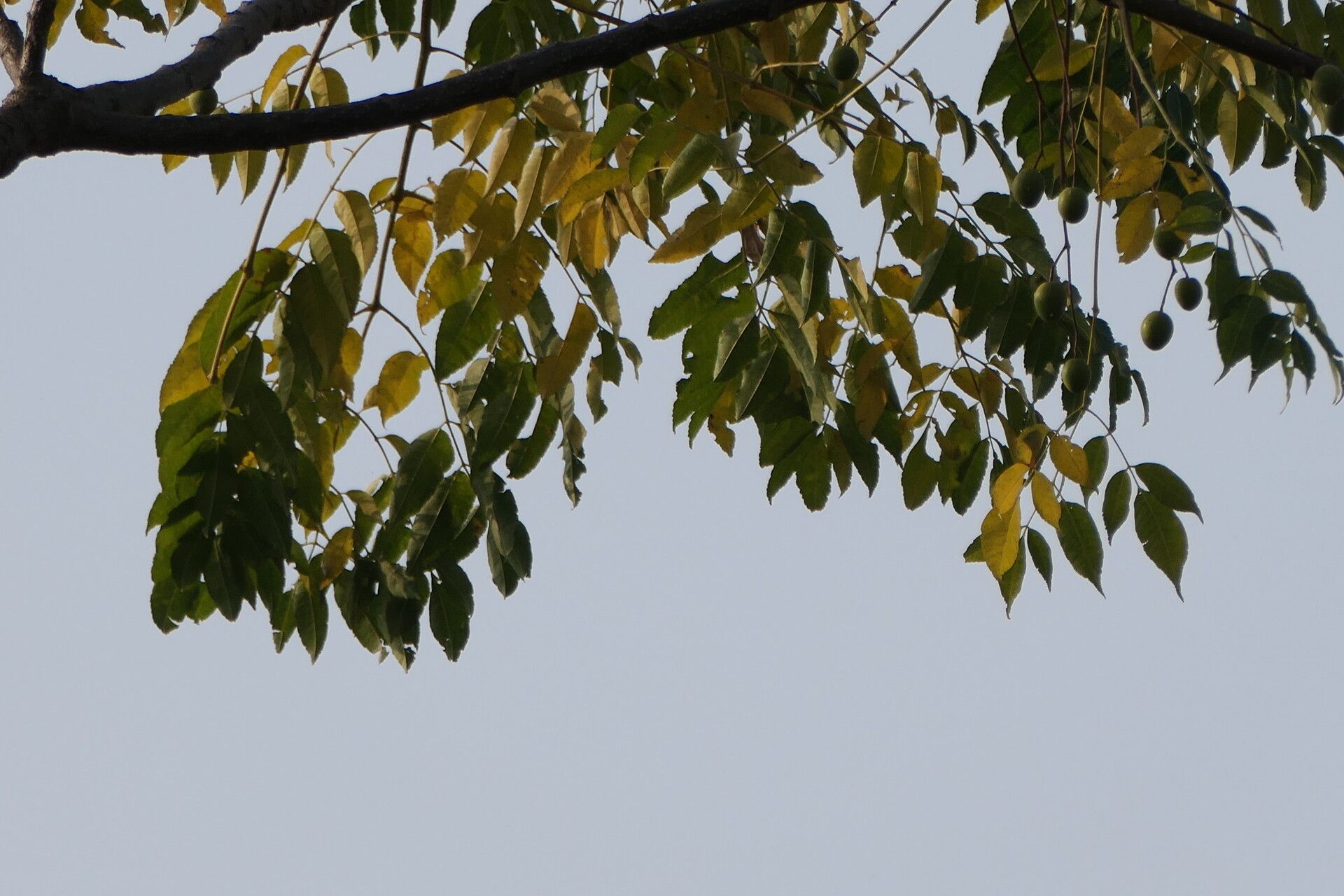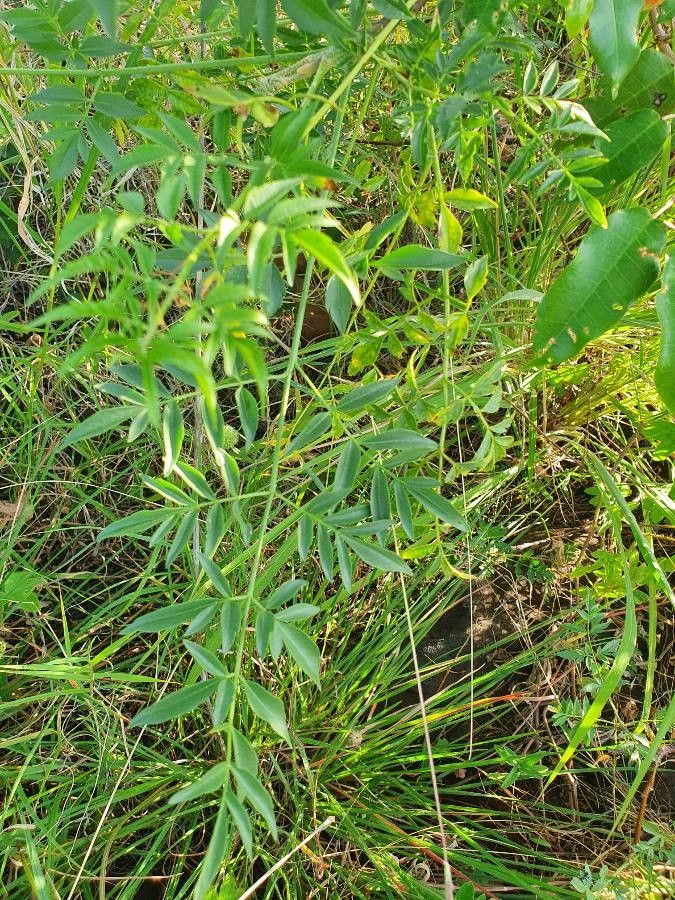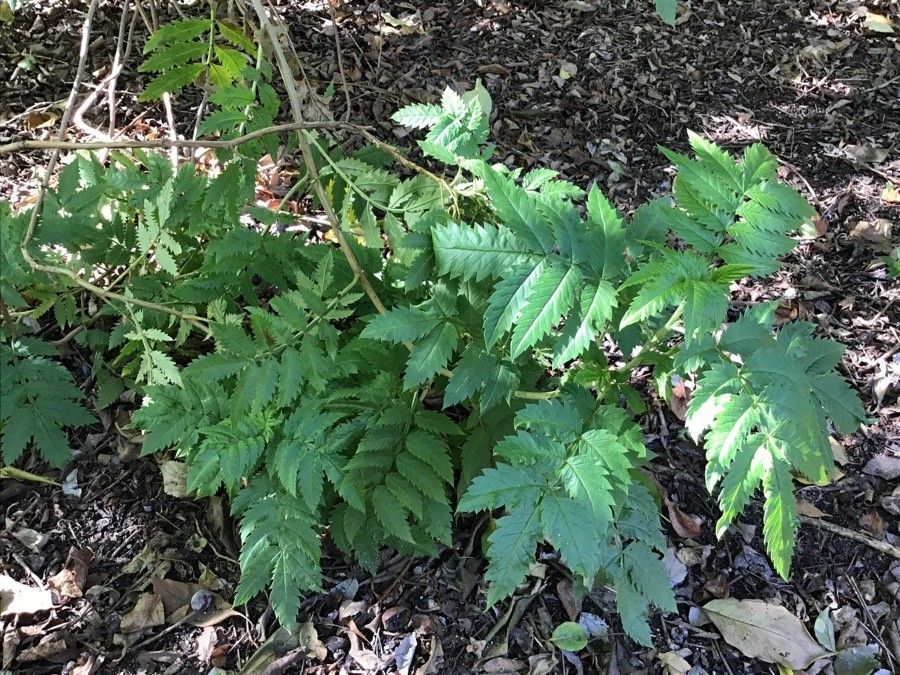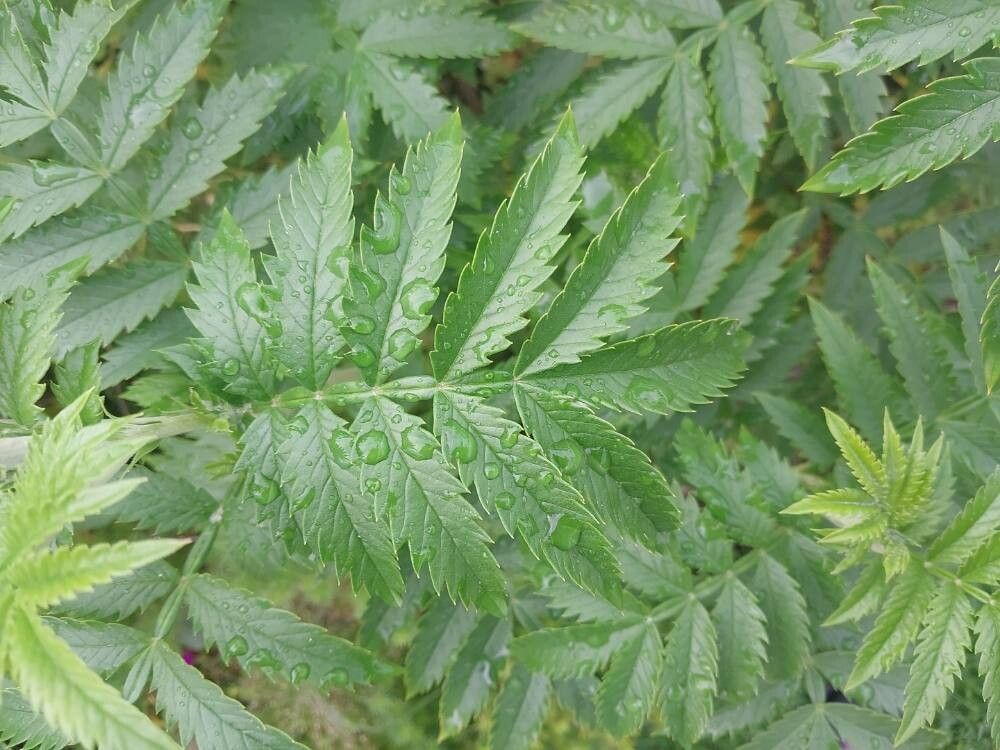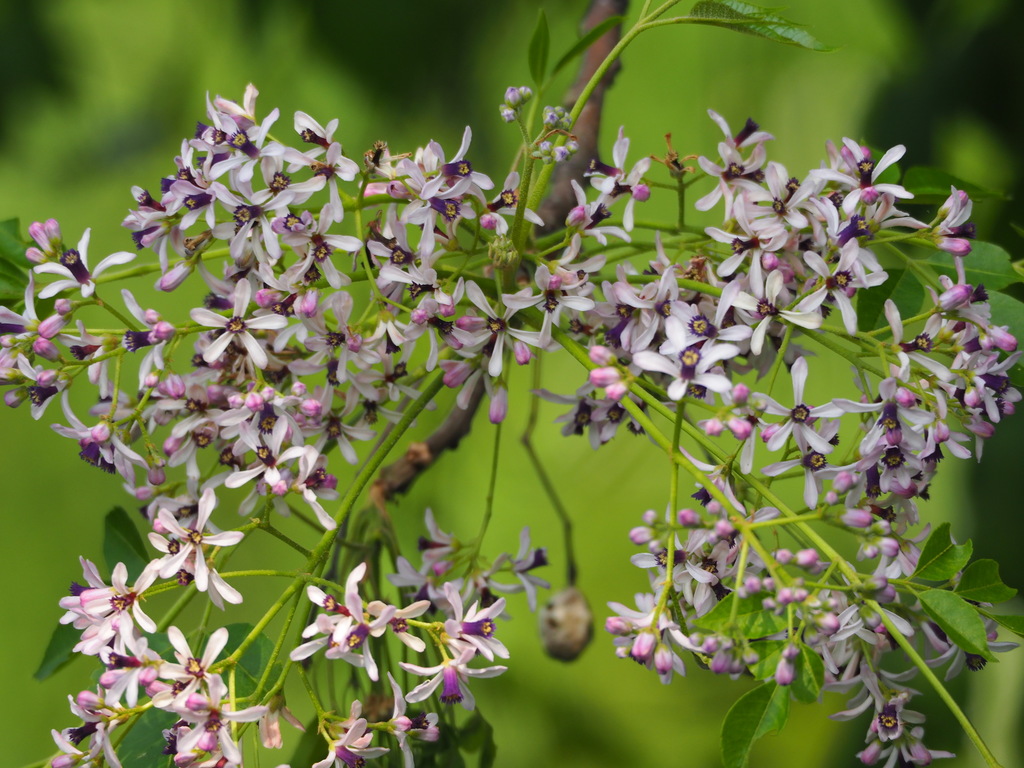
Melia azedarach, commonly known as the Chinaberry tree, is a deciduous tree native to Asia but widely cultivated around the world. It can grow up to 15-20 meters tall, featuring a spreading crown with dark green leaves that turn yellow in autumn. In spring and summer, the tree produces fragrant lilac-colored flowers, which are followed by small yellow fruits containing poisonous seeds.
The Chinaberry tree is often planted as an ornamental due to its attractive foliage and flowers. Additionally, it has been traditionally used for its medicinal properties; various parts of the plant have been employed to treat ailments such as fever, inflammation, and skin diseases.
However, caution is necessary when handling this plant, as all parts of it are toxic if ingested. The seeds contain meliatoxins, which can cause vomiting, diarrhea, or even death if consumed by humans or animals.
In summary, Melia azedarach is an intriguing species with both ornamental value and medicinal properties but should be handled with care due to its toxicity.
The Chinaberry tree has strong disease resistance and is generally not prone to illness. As for care, this plant is fairly low-maintenance. Planted outdoors, it needs little watering, and larger plants typically do not require pruning. Smaller plants, however, should be pruned after they finish blooming. The Chinaberry tree is appropriate for anyone with outdoor space, such as a garden or a deck, and does not demand much gardening experience.
How to keep Melia Azedarach.
Light
The chinaberry tree grows best with plenty of sunlight but can also tolerate reduced light. Native to areas with abundant sun, it withstands a range of light conditions without hindering its growth. An imbalance in light, however, can adversely affect its vigor and overall health.
Water
The chinaberry tree, native to moderate climates, thrives in drier conditions and typically requires watering every one to two weeks. It grows well outdoors where it can benefit from natural rainfall. As a deciduous tree, its water needs change with the seasons—it requires more water during its growing period and less during dormancy.
Humidity
This plant will thrive in moderate humidity, which is probably the level in your home. However, misting it a few times a week can be very beneficial. Make sure the room has good ventilation.
Temperature
Chinaberry trees are native to tropical regions and do best in temperatures from 59 to 100 °F (15 to 38 °C). In cooler conditions they may drop their leaves but will grow them back when it becomes warmer. It isn't necessary to alter temperatures with the seasons, though they should be protected from frost or extreme heat.
Fertilizer
Fertilize your Chinaberry tree in early spring to encourage healthy growth. Consistent feeding improves the tree’s overall health, leading to strong growth, increased tolerance of harsh conditions, and enhanced resistance to pests and diseases. Keep a regular fertilization routine for your Chinaberry tree to maintain richly colored, vibrant foliage and a full, lush look.
Pruning
The Chinaberry tree features feathery leaves and blonde berries. For optimal health and appearance, it's beneficial to prune these trees in early spring. Removing dead branches at this time helps improve airflow. For young plants, focus on pruning to develop a strong structure. This practice not only encourages vigorous regrowth but also reduces the risk of pests and enhances the tree's overall aesthetics.
Botanical profile.
- Plant Type
- Tree
- Life Cycle
- Perennial
- Genus
- Melia
- Family
- Meliaceae
- Hardiness Zone
- 7-11
- Mature Height
- 7.01 m to 11.89 m
- Mature Spread
- 9.14 m to 11.89 m
- Leaf Color
- Green
- Leaf Type
- Deciduous
- Flower Color
- Lavender
- Flower Size
- 1.52 cm to 1.78 cm
- Bloom Time
- Late spring, Early summer, Mid summer
- Planting Time
- Spring, Autumn
- Harvest Time
- Mid summer, Late summer, Fall
- Native Area
- Nepal, Sri Lanka, India, Malaysia, Philippines, Bangladesh, Pakistan, Laos, Indonesia, Cambodia, Vietnam, Myanmar, Japan, Papua New Guinea, Bhutan, Thailand
Other names.
Reader questions.
What is the most effective way to water my Chinaberry tree?
To promote excellent root development, consider placing a garden hose at the base of the plants. Avoid spraying the leaves directly, especially if they are outdoors and exposed to direct sunlight, as they may need more water. Moistening the roots can be done by using bubblers or soaker hoses, either individually for each plant or covering the entire garden or bed. When adding or removing plants, it is advisable to water deeply to encourage deep root growth. After watering, ensure any excess water is drained and allow the soil to dry before watering again. To prevent diseases, water at ground level instead of spraying over the leaves. On sunny days, consider spraying the entire bush with water. Whether the Chinaberry tree is potted or in the ground, remember that it prefers deep watering rather than light sprinkling.
Why should I put fertilizer on my Chinaberry tree?
To ensure the best health for your Chinaberry tree, regardless of the type you own, regular fertilization is key. By providing the proper nutrients, your tree will experience more robust growth and become more resistant to harsh conditions, diseases, and pests. Since the foliage is one of the most appealing aspects of the Chinaberry tree, it is important to maintain it. This can be done by following a customized fertilization schedule, which will result in vibrant, lush leaves.
What are the sunlight requirements for the Chinaberry tree?
The Chinaberry tree, also known by its botanical name Melia azedarach, thrives in conditions where it can receive a generous amount of sunlight. It is adaptable to both full sun, which is above 6 hours of direct sunlight per day, and partial sun, ranging from about 3 to 6 hours of sunlight. Despite its preference for abundant sunlight reflecting its native habitats, the Chinaberry tree can endure lower light conditions without significant growth impairment. However, an imbalance in light exposure could affect the tree's vitality and health.
What are the optimal temperature conditions for a Chinaberry tree?
The Chinaberry tree thrives in tropical climates, preferring a temperature range of 59 to 100°F (15 to 38°C). While it has strong cold resistance and typically does not require special frost protection measures, if temperatures are expected to drop below the tree's growth limit, it is crucial to protect it from extreme cold and heat. Wrapping the trunk and branches with non-woven fabric or cloth can offer protection during exceptionally cold winters. Additionally, watering the plant abundantly before the first freeze in autumn helps to keep the soil moist and prevents drought and water scarcity during winter and early spring.
What do I do if I give the Chinaberry tree too much or too little water?
If you overwater a Chinaberry tree, its leaves can turn yellow, drop off, and wilt. The tree may look dull and unhealthy, with mushy stems. Adjust your watering schedule when these signs appear. Wilting can also indicate under watering, which causes crispy, dry leaves. When the soil is dry and simply watering isn't enough, give it a thorough watering. This will help the tree recover, but the leaves may remain dry and yellow due to the damaged root system. Once the tree returns to normal, the yellowing leaves will stop. Indoors, always check the moisture levels and avoid overwatering. Look for black spots, which indicate the need to let the soil dry out for a few days. Overwatering can cause root rot, so transfer the plant to a different pot if you see discolored and slimy roots. Prevent root rot by not letting the soil become too soggy. When planting the tree outdoors, dig deeper and if the soil feels too dry, it may be underwatering. Adequate watering is necessary for the plant's recovery.
When should I fertilize my Chinaberry tree to get the best results?
To ensure healthy growth, it is recommended to fertilize your Chinaberry tree in late winter or early spring. This provides the necessary nutrients for the tree to resume growth once the weather warms up. In warm climate regions, an additional fertilizer feeding in early fall can be beneficial. This not only supplements the soil with nutrients for the next growing season, but also helps the tree withstand winter cold without foliage damage. Fertilizing earlier ensures that new branches have enough time to grow and withstand the cold winter.
How do artificial lighting options support the growth of indoor Chinaberry trees?
For Chinaberry trees grown indoors where natural sunlight may be inadequate, particularly during winter or in less sunny spaces, artificial lighting serves as an essential growth support. LED lights are recommended due to their ability to be customized to the specific light wavelengths needed by plants. Depending on the plant's sunlight needs, the artificial light requirement varies: full sun plants need 30-50W/sq ft, partial sun plants require 20-30W/sq ft, and full shade plants need 10-20W/sq ft. The light source should be placed 12-36 inches above the plant to mimic natural sunlight, and the duration should match the natural daylight hours required by the species, typically between 8-12 hours per day.
How does low temperature affect the Chinaberry tree, and what are the solutions?
The Chinaberry tree is cold-tolerant and performs best when temperatures are above its minimum suitable growth temperature. Should temperatures drop below its growth limit during winter, there might not be any noticeable changes immediately; however, branches may become brittle and dry by spring, resulting in no new shoots. To address this, it's recommended to prune any dead branches that failed to produce new leaves in the spring, aiding in the tree's recovery and ensuring healthier growth.
How frequently should I give water to my Chinaberry tree?
The Chinaberry tree prefers deep and infrequent watering. If you have them planted in pots, be sure to soak them in a gallon of water each time, as the soil in pots dries out faster. In cold regions, water every 3 to 5 days, preferably in the morning when the soil is dry. Check the top 2-3 inches of soil to determine when watering is needed. During hot weather, check the moisture daily, as the soil in pots can dry out quickly. If you have a garden, irrigation of the soil is necessary. In hot climates, water once a week when the top 2-3 inches of soil is dry. Consider the amount of rainfall and avoid overwatering to prevent root rot. Add mulch about 3 to 4 inches deep around the outdoor plants to conserve water. Sandy soil drains faster, so water more frequently, while clay soil requires less watering. Keep track of watering dates on a calendar and look out for drooping leaves as a sign that watering may be overdue.
When is it best to not give my Chinaberry tree fertilizer?
There are a few specific times throughout the year when you should avoid fertilizing your Chinaberry tree. The first is during the early and mid-winter months when the tree is dormant and does not require any feeding. Additionally, it is not recommended to fertilize the tree during the late spring and summer months. This is because the weather during this time tends to be hotter and drier, which can have a negative impact on the tree if fertilized. To prevent any problems, it is best to stick to a fertilization schedule that only involves feeding in the early spring and early fall.
What are the common symptoms of inadequate or excessive sunlight exposure in Chinaberry trees?
Chinaberry trees display several symptoms when exposed to suboptimal lighting conditions. Inadequate light can lead to smaller new leaves, leggy or sparse growth, premature leaf drop, halted growth, paler new leaves, and general weakness. Excessive sunlight may cause chlorosis, where leaves lose their green color and turn yellow, sunscald with pale or necrotic patches on the plant tissue, leaf curling as a defense against overexposure, wilting due to increased water loss, and leaf scorching characterized by brown, dry edges on leaves. Understanding these symptoms can help in adjusting the plant's exposure to light to maintain its health.
What impact does high temperature have on the Chinaberry tree, and how can these effects be mitigated?
During the summer, it's important to keep the Chinaberry tree below its maximum suitable growth temperature. Exceeding this temperature can cause the leaves to lighten in color, and tips to become dry and withered, increasing the risk of sunburn. To mitigate these effects, trim away the sunburned and dried portions of the plant. Relocating the plant to a shaded area or using a shade cloth can protect it from the harsh midday and afternoon sun. Ensuring the soil remains moist by watering in the morning and evening can also help the plant stay healthy during high temperatures.