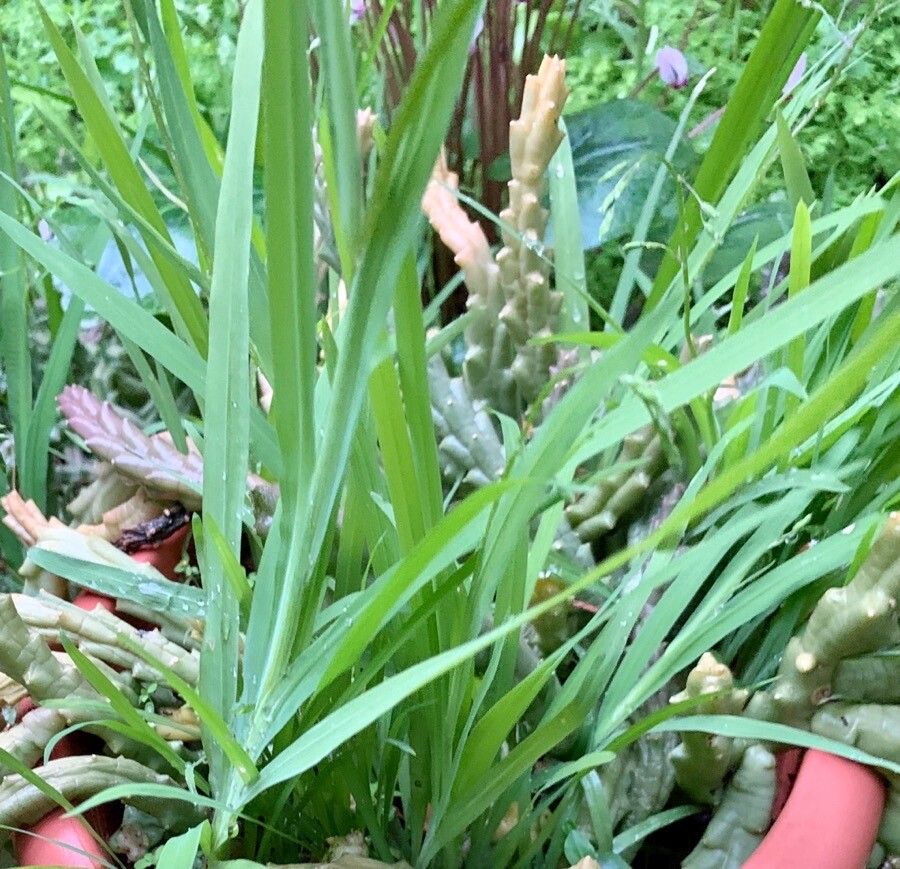
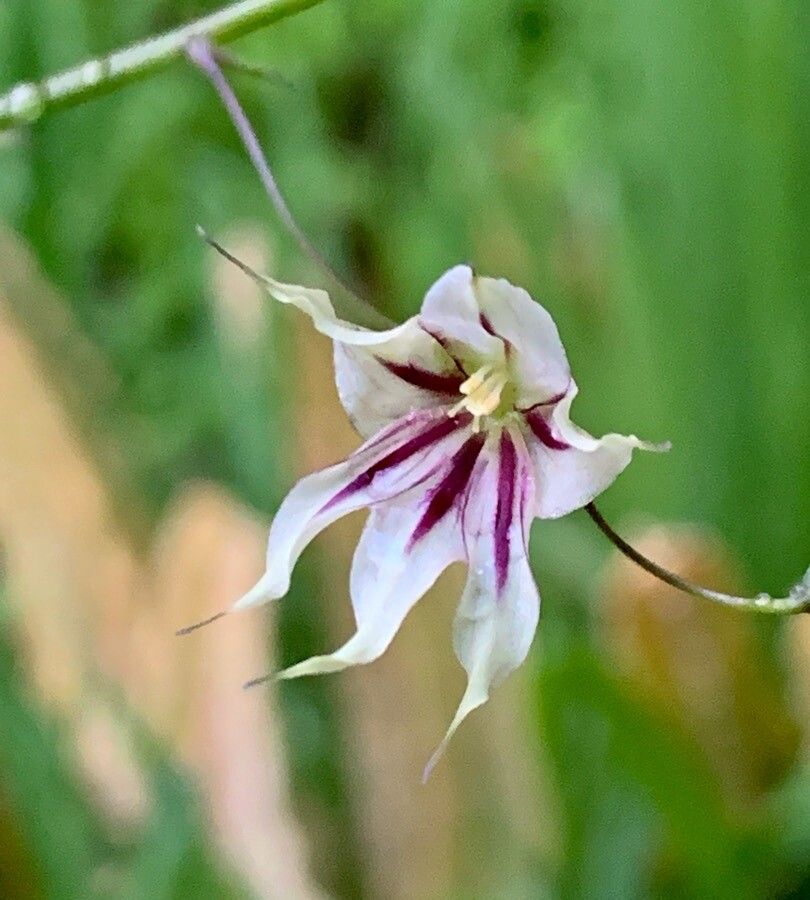
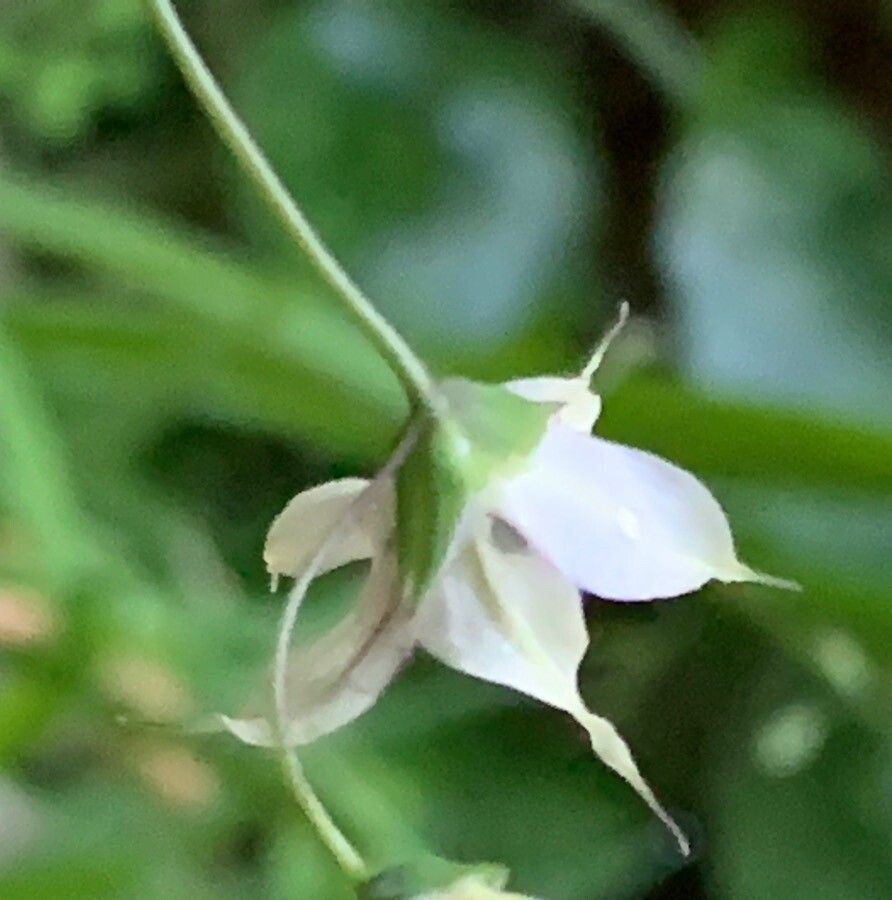
Fairy bells has strong resistance to disease and is generally not likely to develop illnesses. Still, it can be affected by pests and diseases present in its environment. When infections occur, they are typically mild. Regarding upkeep, this plant needs a moderate level of care. It should be trimmed regularly to preserve an attractive appearance and encourage healthy growth. Applying fertilizer can also aid in increasing flowering. Fairy bells is appropriate for anyone with outdoor areas like a garden or patio and does not demand extensive plant-care experience. It may, however, need more attention if cultivated indoors.
How to keep Melasphaerula Ramosa.
Light
Fairy bells is a perennial herbaceous species that prefers sunny locations and is native to open habitats, commonly occurring in meadows and grasslands. It favors full sun but can also tolerate partial sun.
Temperature
Fairy bells is quite adaptable to temperature, able to withstand higher heat and wider temperature fluctuations. In hot conditions, attention should be paid to watering and suitable shading should be provided to avoid sunburn. However, Fairy bells is fairly sensitive to low temperatures. Although it can tolerate some cold, very low temperatures can cause frost damage.
Fertilizer
For Fairy bells, the primary time to fertilize is early spring when the flowers are forming. The proper fertilizer promotes better blooms and helps Fairy bells produce attractive flowers. Fertilizing in early spring ensures excellent flowering during the season and supplies energy for dormant growth phases.
Botanical profile.
- Plant Type
- Herb
- Life Cycle
- Perennial
- Genus
- Melasphaerula
- Family
- Iridaceae
- Hardiness Zone
- 8-10
- Mature Height
- 30 cm to 49 cm
- Mature Spread
- 10 cm to 20 cm
- Leaf Color
- Green
- Leaf Type
- Deciduous
- Flower Size
- 2.03 cm to 3.05 cm
- Bloom Time
- Early spring, Mid spring
- Planting Time
- Spring, Summer
- Harvest Time
- Late spring, Early summer
- Native Area
- South Africa