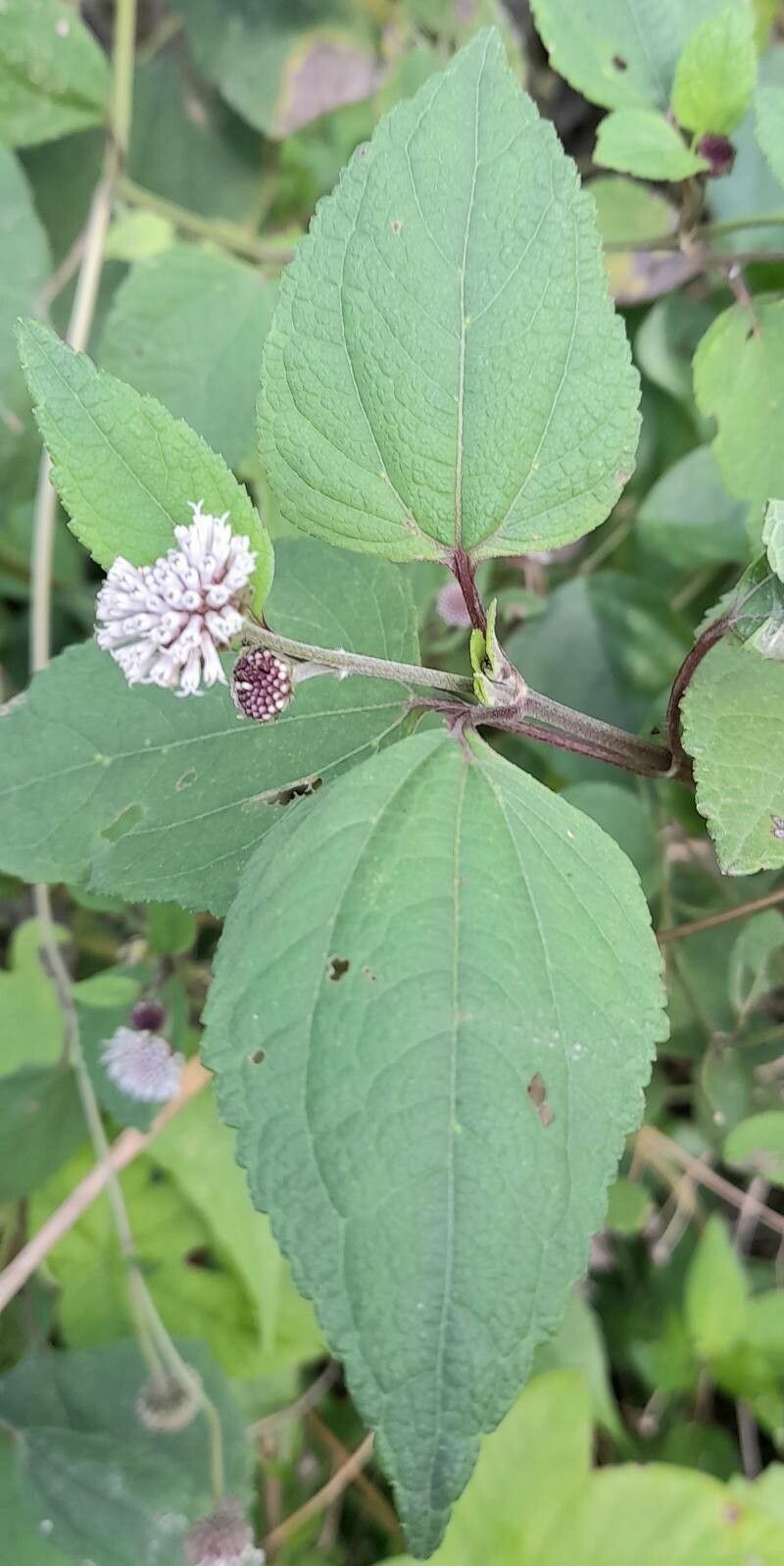
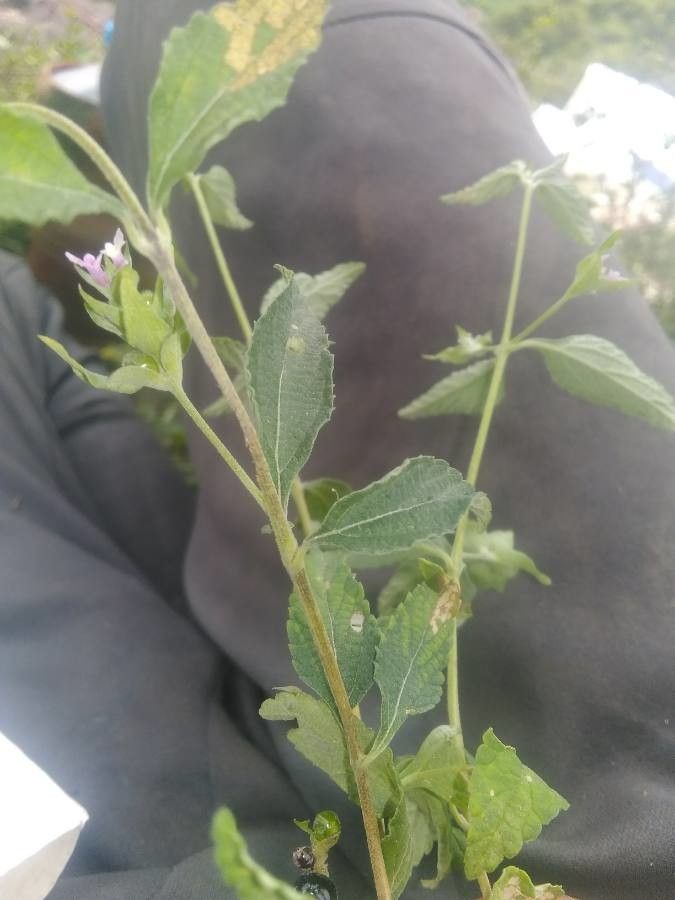
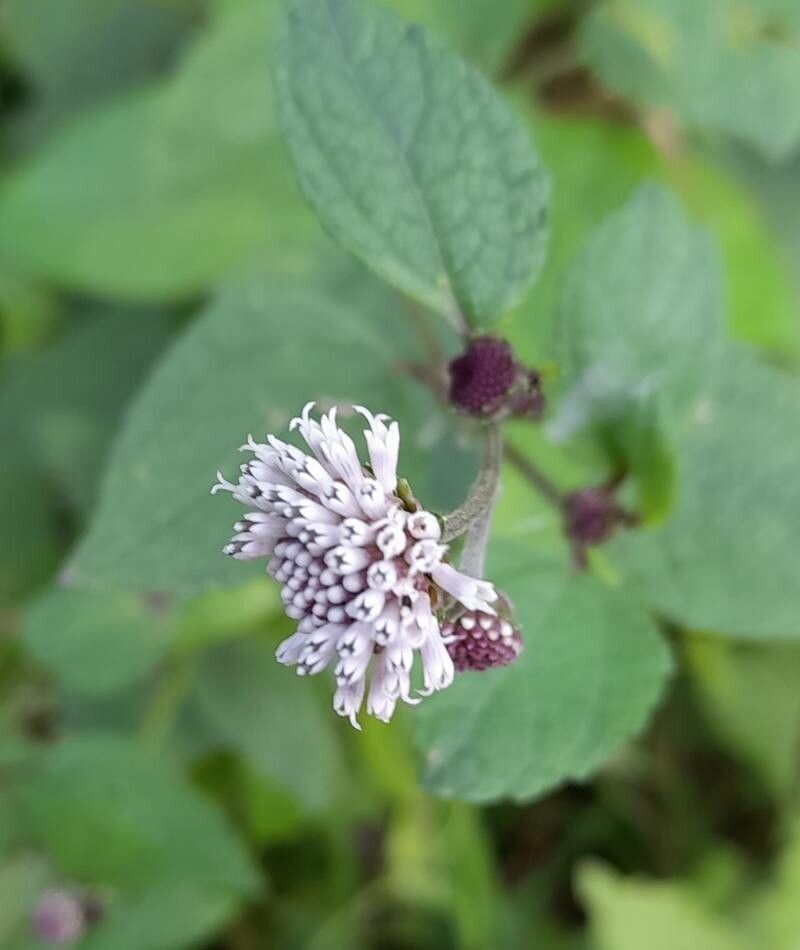
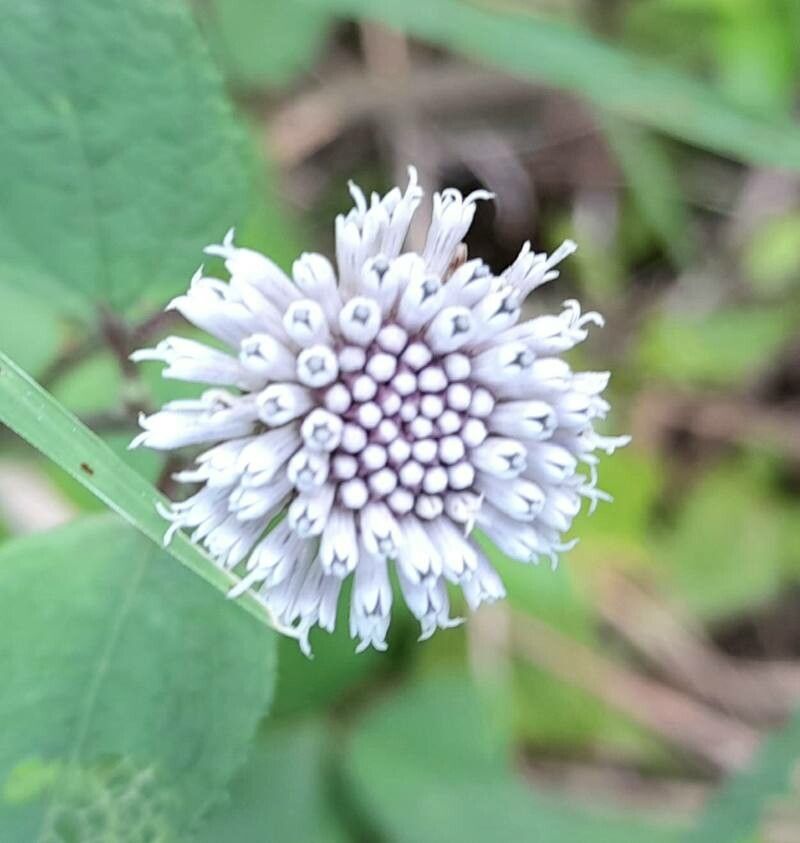
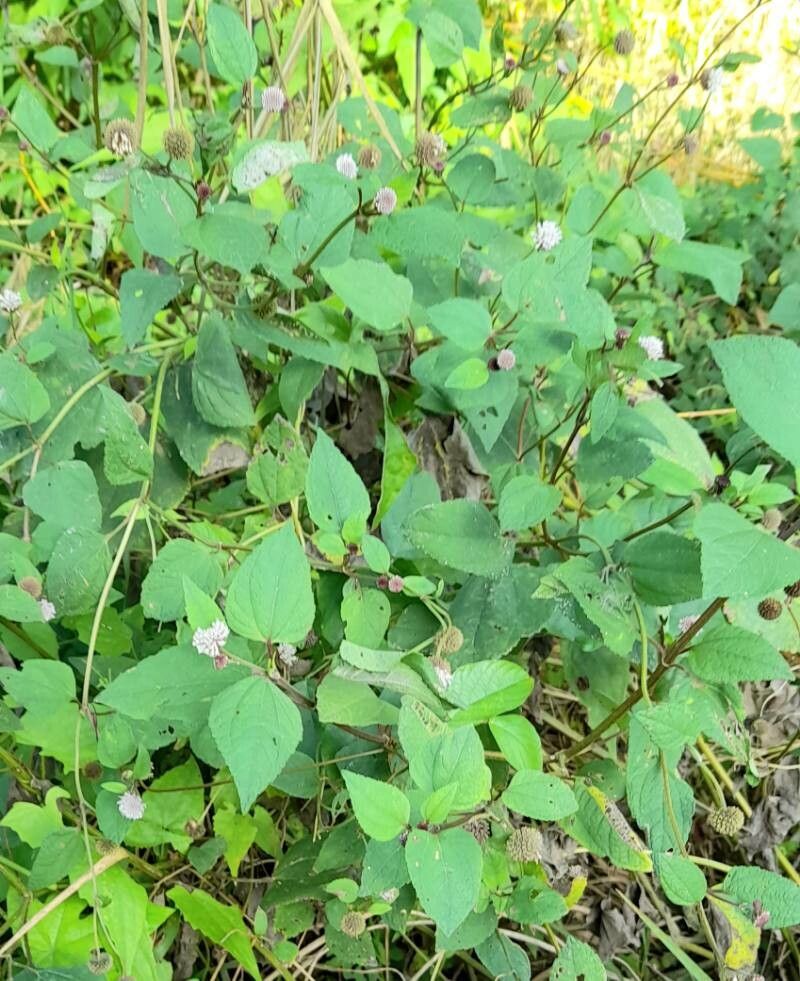
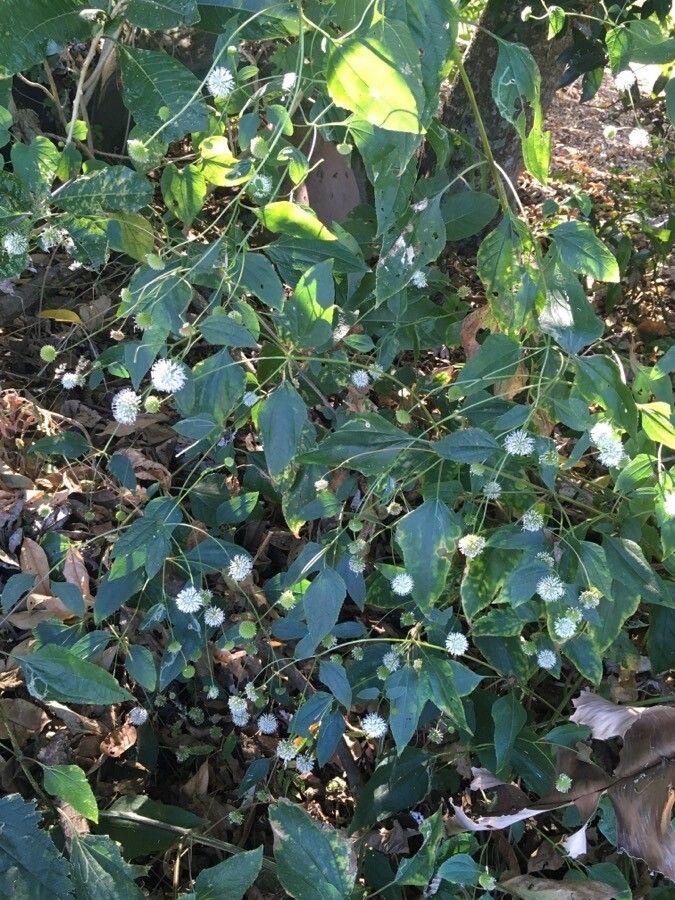
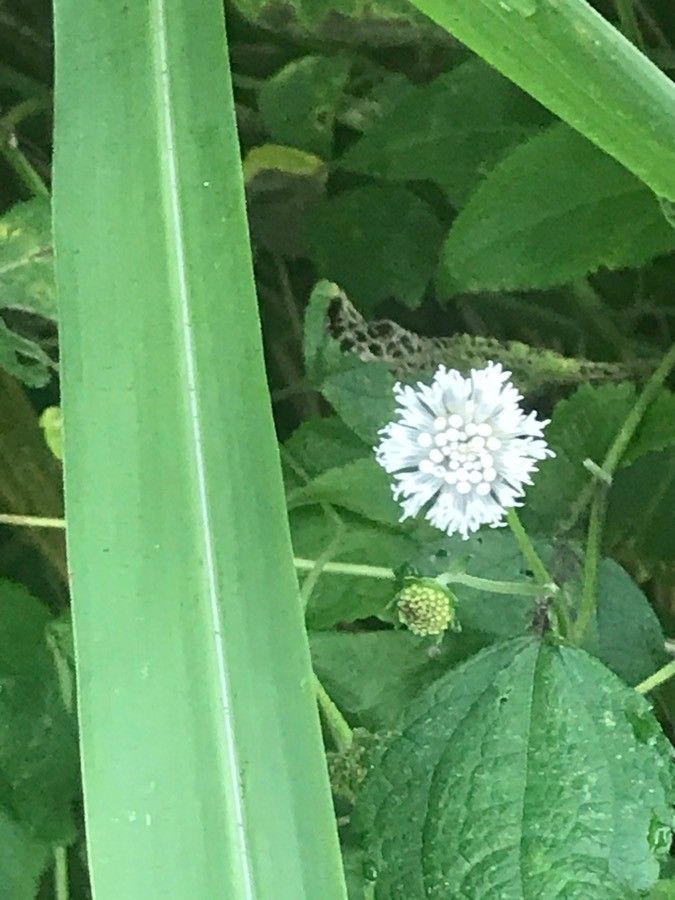
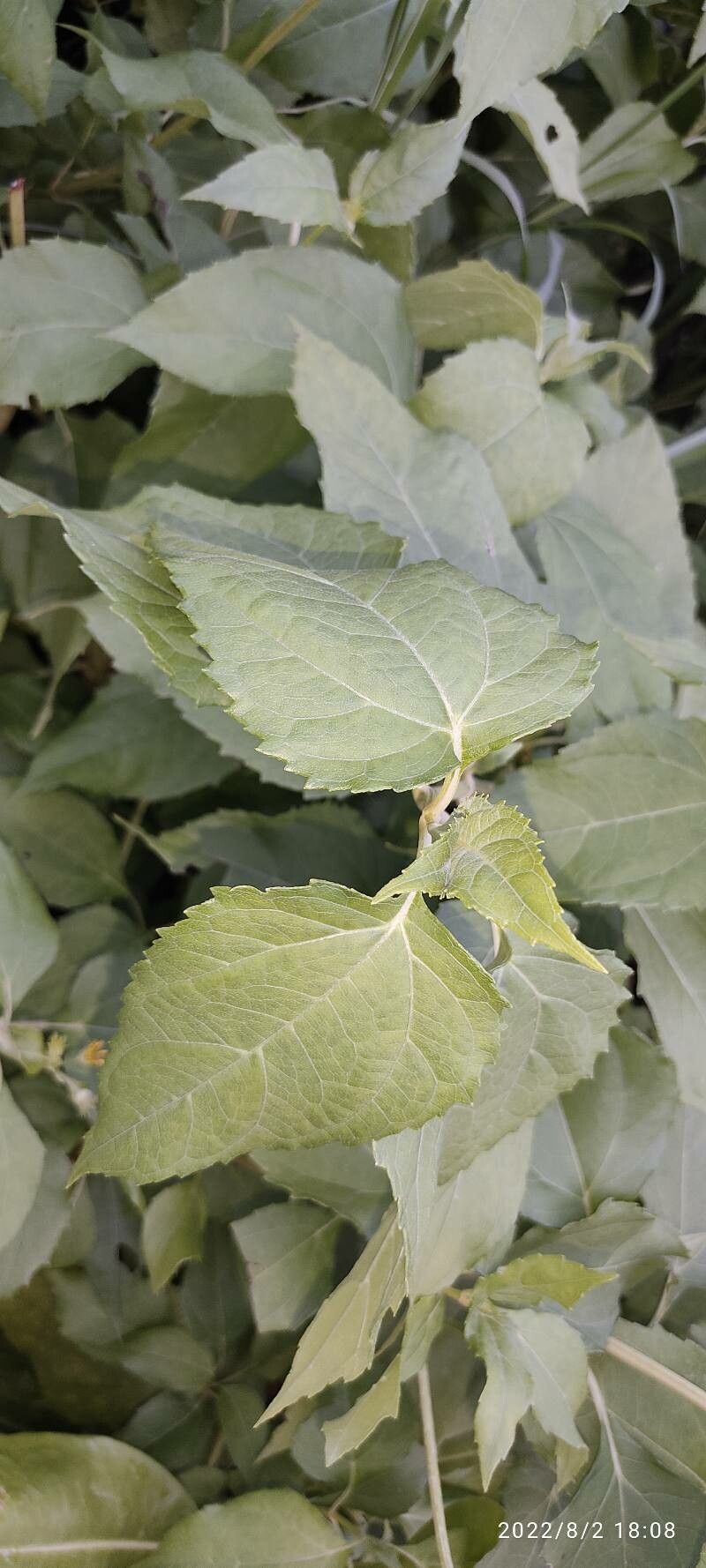
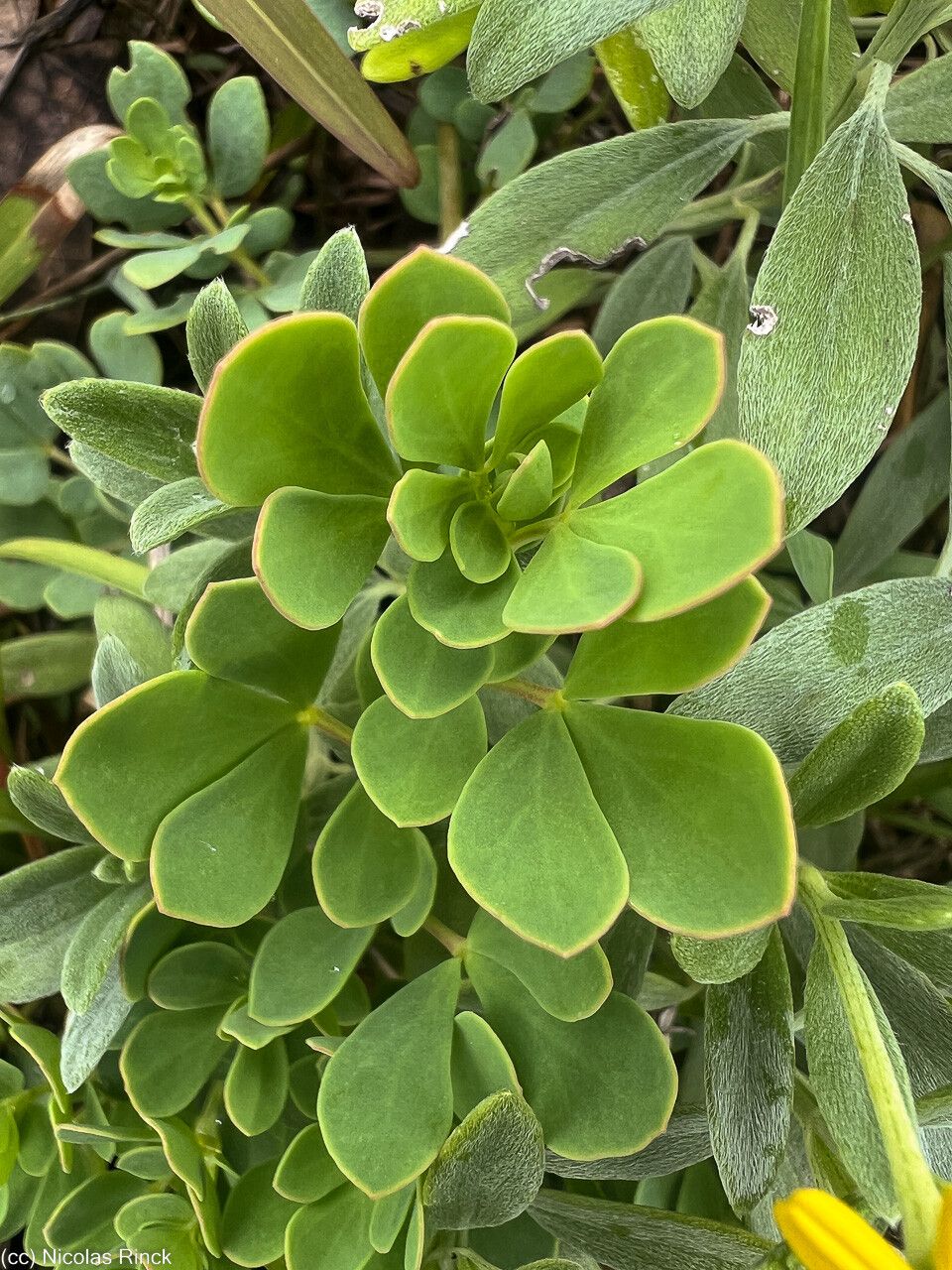
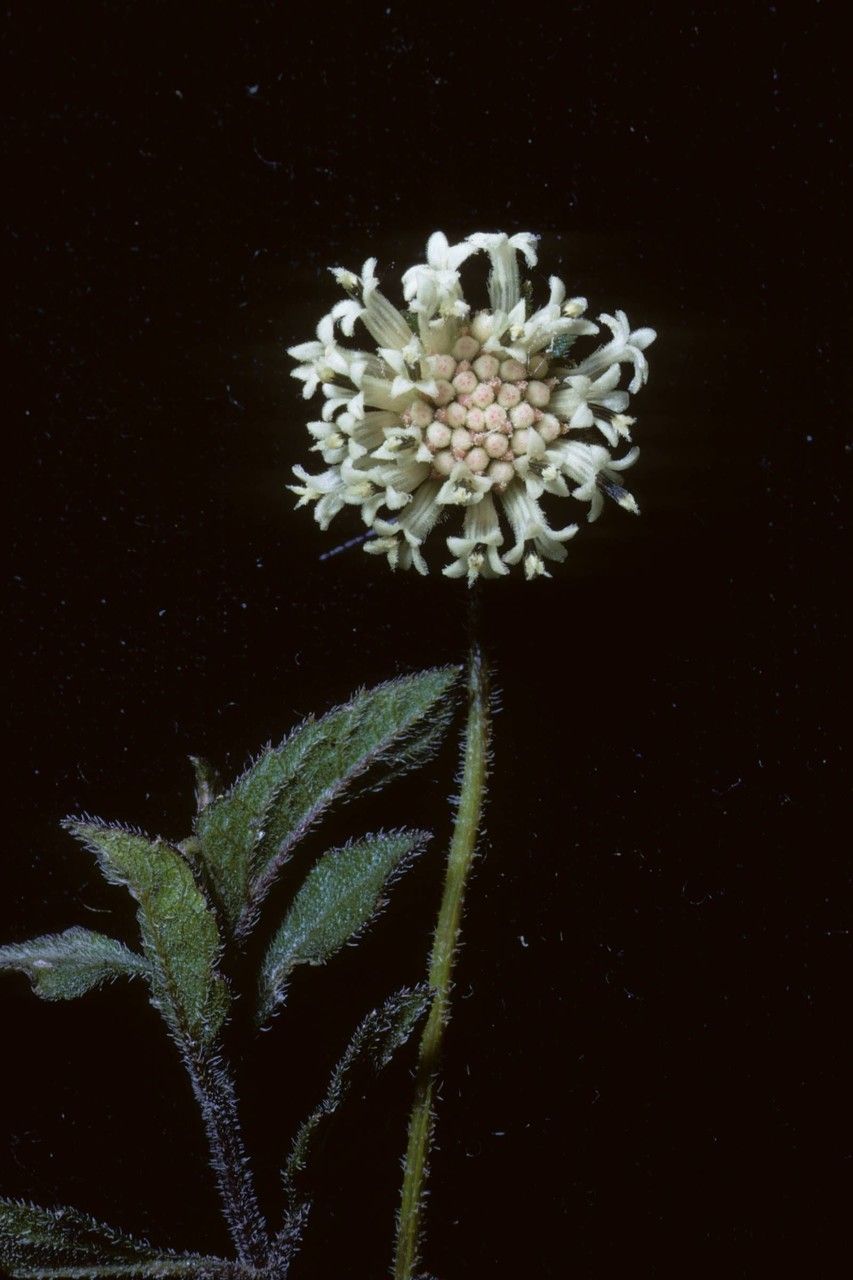
Melanthera nivea, also known as pineland squarestem, snow squarestem and Spanish: yerba de cabra, is a species of flowering plant in the family Asteraceae. It grows in the Americas.
Snow squarestem is fairly disease-resistant and generally not prone to illness. However, it can be vulnerable to pests and diseases present in its environment. These infections are typically mild. For care, the plant requires moderate maintenance. It needs regular pruning to keep a neat appearance and healthy growth. Fertilizing can also help encourage flowering. Snow squarestem is suitable for anyone with outdoor space, such as a garden or patio, and does not need extensive care experience. It may demand more attention when grown indoors.
How to keep Melanthera Nivea.
Light
Snow squarestem does best with ample sunlight; it prefers a spot where the sun is unobstructed for most of the day. It can also do well in situations where sunlight is only occasionally blocked. Too much shade can impede its health and growth.
Water
Snow squarestem is well-suited to subtropical environments and requires consistent moisture to thrive. To prevent waterlogging, it is important to water it weekly. This outdoor plant grows best in gardens where sunlight exposure is balanced with proper hydration, which enhances its growth and flowering potential.
Temperature
Snow squarestem is naturally suited to environments with temperatures ranging from 68 to 95 °F (20 to 35 ℃). It performs best in warm conditions and may need supplemental heating in cooler seasons or in colder regions to maintain those temperatures.
Fertilizer
One fertilizer application in spring is generally enough for Snow squarestem, though repeated feedings can boost growth. Apply fertilizer about once every month to a month and a half. Fertilization improves the leaves' appearance and function, helping maintain even color and a healthy texture. It also encourages root development and enhances nutrient uptake for the plant's long-term health.
Pruning
Snow squarestem is known for its bushy growth and vibrant white flowers. To promote healthy growth, enhance its appearance, and minimize stress, it's best to prune the plant from early to late spring. Pruning at this time improves air circulation, reduces the risk of disease, and encourages more abundant flowering.
Botanical profile.
- Plant Type
- Herb
- Life Cycle
- Perennial
- Genus
- Melanthera
- Family
- Asteraceae
- Hardiness Zone
- 9
- Mature Height
- 0.61 m to 1.83 m
- Mature Spread
- 61 cm to 91 cm
- Leaf Color
- Green, Dark Green
- Leaf Type
- Semi-evergreen
- Flower Color
- White
- Flower Size
- 2.54 cm
- Bloom Time
- All year round
- Planting Time
- Spring, Summer, Autumn
- Harvest Time
- All year round
- Native Area
- Belize, Honduras, Mexico, Guatemala, Peru, Panama, Jamaica, Colombia, Bahamas, Cuba, Bolivia, Venezuela, Guyana, El Salvador, Nicaragua, Ecuador, Costa Rica
Other names.
Reader questions.
How should I water my Snow squarestem plant the best way?
To ensure the Snow squarestem plant's well-being, it's best to water it with filtered water at room temperature. Tap water may contain harmful particles, so filtering it is recommended. Additionally, the plant prefers slightly warmer water since it originates from a warm environment and cold water can be detrimental. Avoid overhead watering, as it can lead to foliage issues. Instead, saturate the soil with your filtered room temperature water until it is completely soaked. This practice helps the plant by moisturizing the roots and enabling them to spread and gather necessary nutrients.
What are the sunlight requirements for Snow squarestem?
Snow squarestem requires a generous amount of light for optimal growth. It flourishes best in locations where it's exposed to full sun, meaning the plant should be in direct sunlight for more than 6 hours a day. It can also tolerate partial sun, which is about 3-6 hours of sunlight. The plant's health and growth can be inhibited by excessive shade. It's important to monitor the movement of sunlight through your garden to find the perfect balance of light and shade for your Snow squarestem, ensuring its happiness and health.
What are the ideal temperature conditions for Snow squarestem?
Snow squarestem is best suited to warm environments, ideally between 68 to 95 °F (20 to 35 °C). To flourish, it may need extra heating in areas or seasons that are cooler. The plant has some resistance to cold and usually doesn't need additional protection when temperatures are above 0°C. However, in anticipation of temperatures falling below freezing, temporary cold protection measures should be considered, such as covering the plant with materials like plastic film or fabric, which should be removed once the temperature increases.
What should I do if I give my Snow squarestem plant too much or too little water?
Both overwatering and underwatering can harm the health of your Snow squarestem, but overwatering is more common. When the plant receives too much water, its stems and leaves may wilt and turn yellow. Overwatering over time can lead to diseases like root rot, mold, and mildew, which can be fatal. While underwatering is less common, it can still happen. In such cases, the Snow squarestem leaves may become brittle and brown. It's important to recognize the signs of overwatering early on. Some diseases caused by overwatering, like root rot, may not be reversible if not addressed promptly. Reduce your watering schedule if you notice early signs of overwatering and consider changing the soil if it drains poorly. In contrast, if you notice signs of underwatering, simply water the plant more regularly until the signs diminish.
How do I use artificial lighting for indoor Snow squarestem plants?
For indoor Snow squarestem plants, adequate lighting is crucial, especially when natural sunlight is insufficient, like in winter or in less sunny spaces. Artificial lighting can be a great solution, promoting faster and healthier growth. LED lights are recommended because they can be customized to offer the specific wavelengths of light your plants need. Full sun plants should have 30-50W/sq ft of artificial light, partial sun plants 20-30W/sq ft, and full shade plants 10-20W/sq ft. The light source should be placed 12-36 inches from the plant to mimic natural sunlight and left on for 8-12 hours per day to mimic the natural daylight hours specific to your plant species.
How does Snow squarestem react to low temperatures?
Snow squarestem has a moderate tolerance to low temperatures, preferring conditions above 20°C for optimal growth. During colder winter periods, it is important to keep the temperature above 0°C. Exposure to temperatures lower than -5°C may cause the leaves to droop, and while they may recover in mild cases, severe exposure can lead to wilting and leaf drop. To manage frost damage, affected parts should be trimmed off. Additionally, prior to cold weather, wrapping the plant with non-woven fabric or cloth and establishing a wind barrier can provide necessary protection against cold winds.
How often do I need to water my Snow squarestem plant?
If your Snow squarestem plant is in a pot, you can easily determine if it needs water by sticking your finger into the soil. If you find that the top few inches of soil are dry, it's time to water it. The same method can be used if you grow your Snow squarestem outdoors in the ground. During the spring and early fall, you'll typically need to water this plant about once a week using this method. However, in extremely hot weather, you may need to water it twice or more per week. It's worth noting that mature, well-established Snow squarestem plants are quite resilient and can handle periods of drought.
What are the symptoms of insufficient light in Snow squarestem?
Snow squarestem shows several symptoms when exposed to inadequate lighting. New leaves may grow smaller than mature ones, indicating a problem. The plant can display leggy or sparse growth, where the spaces between leaves or stems become longer, leading to a thin and stretched-out appearance. Early leaf drop is another symptom, as the plant sheds older leaves to conserve resources for new growth. Slower growth or a complete halt in growth signifies the plant has entered survival mode due to poor light conditions. Additionally, leaves may exhibit lighter colors or patterns, indicating a lack of chlorophyll and essential nutrients. These symptoms suggest the need for an adjustment in the plant's lighting environment.
What should I do if my Snow squarestem is exposed to high temperatures?
During the hot summer months, it is crucial to ensure that Snow squarestem's temperature doesn't exceed 35°C. Temperatures above 38°C can lead to lighter leaf coloration, dry and withered leaf tips, leaf curling, and an increased risk of sunburn. To mitigate these issues, trim away the sunburned and dried portions of the plant. Moving the plant to a shaded area during the midday and afternoon sun or using a shade cloth can help. Additionally, watering the plant in the morning and evening will help to maintain soil moisture and prevent heat stress.
How much water does my Snow squarestem plant need?
To properly water your Snow squarestem plant, it's important to be generous with the amount of water you give. When the top two to three inches of soil are dry, it's time for a thorough watering. You should aim to completely saturate the soil, allowing excess water to drain out of the pot through the drainage holes. If you don't see any excess water draining, it means you haven't watered enough. However, be careful not to let water accumulate inside the soil, as this can be harmful to the plant. Additionally, if the water doesn't drain properly through the pot, it may indicate that the soil doesn't drain well, which is not good for the plant's health. If the plant is outside, receiving about 1 inch of rain per week should be sufficient.
What are the symptoms of too much light in Snow squarestem?
Excessive light exposure can also affect Snow squarestem, leading to a range of symptoms. Chlorosis, where leaves lose their green color and turn yellow, indicates a breakdown of chlorophyll affecting photosynthesis. Sunscald can damage plant tissues, presenting as pale, bleached, or necrotic areas on leaves or stems. Leaf curling is a defense mechanism against extreme sunlight, reducing surface area to minimize water loss. Wilting signifies a loss of turgor pressure due to excessive transpiration, and leaf scorching presents as brown, dry, and crispy leaf edges. These symptoms highlight the importance of optimizing light exposure for Snow squarestem's health.
How should I water my Snow squarestem plant as it grows?
The water needs of the Snow squarestem can vary depending on different stages of growth. When the plant is in its early years or has been recently transplanted, it requires more water than usual. During these stages, the plant puts a lot of energy into growing new roots, which need extra moisture to support future growth. As the plant matures, its water needs decrease. However, during the bloom period, the plant may require more water due to the significant amount of moisture needed for flower development.