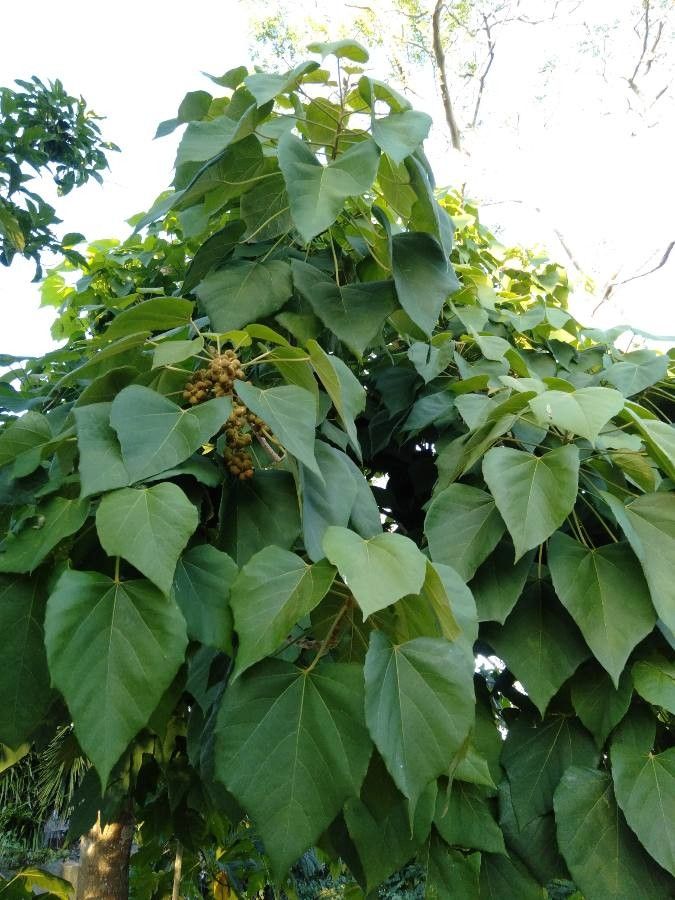
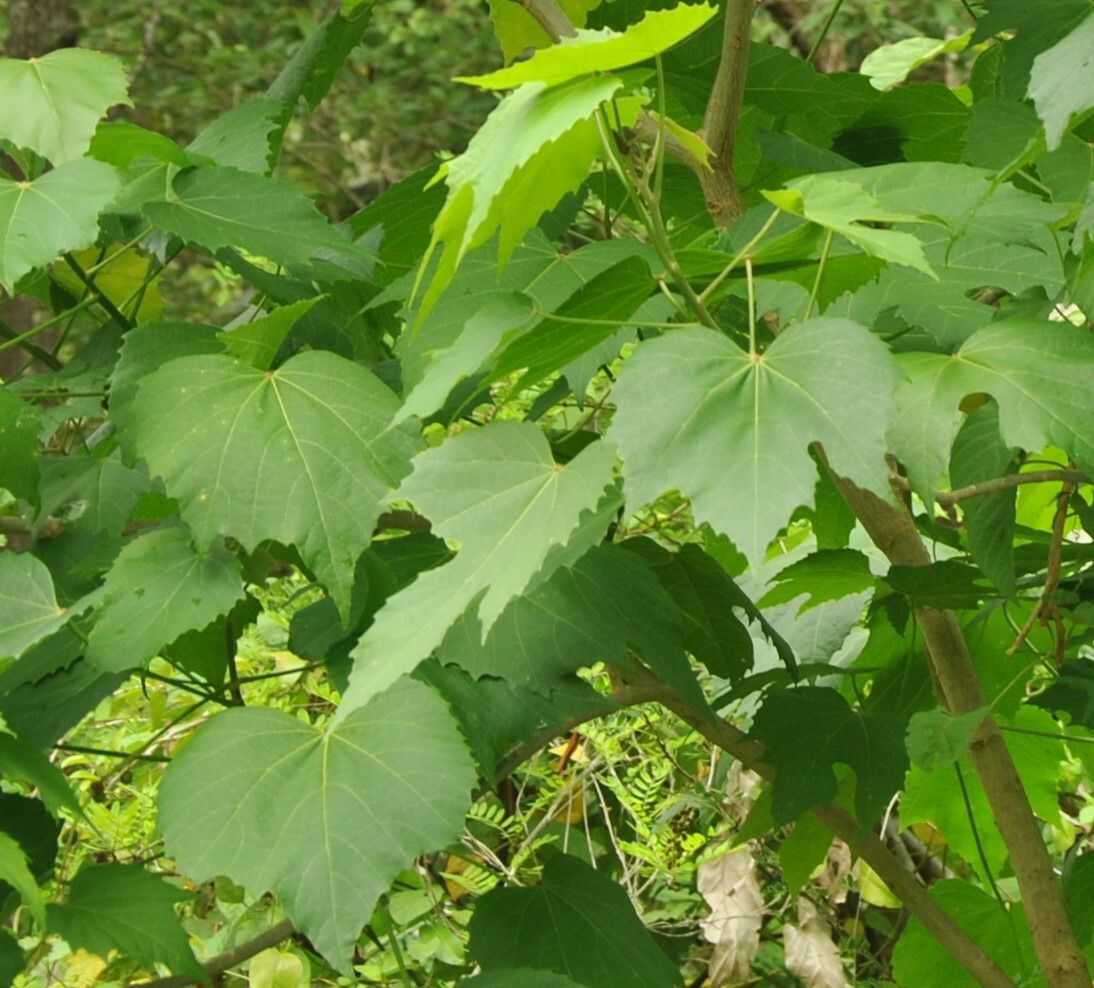
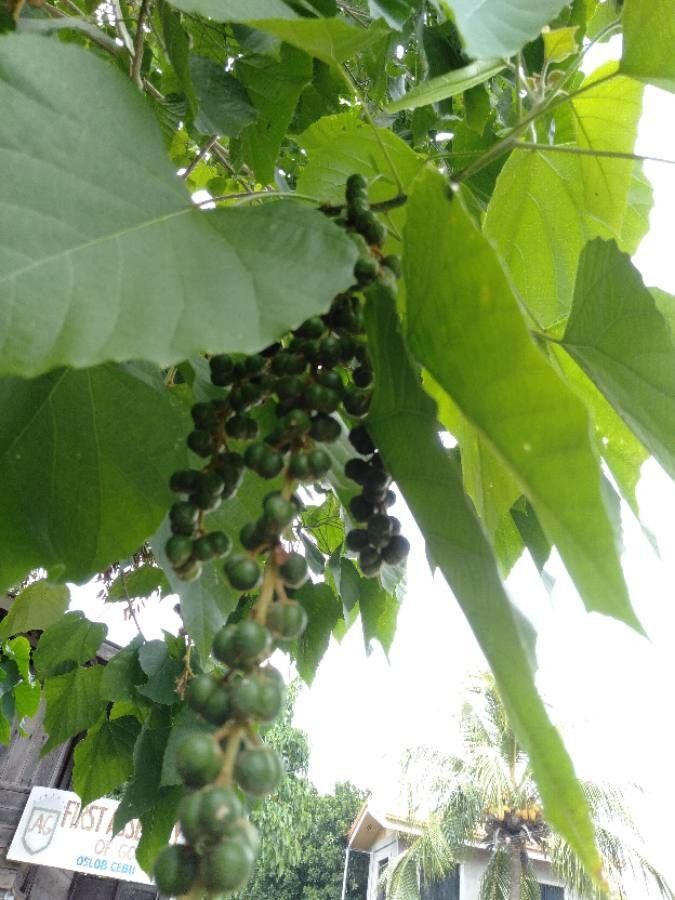
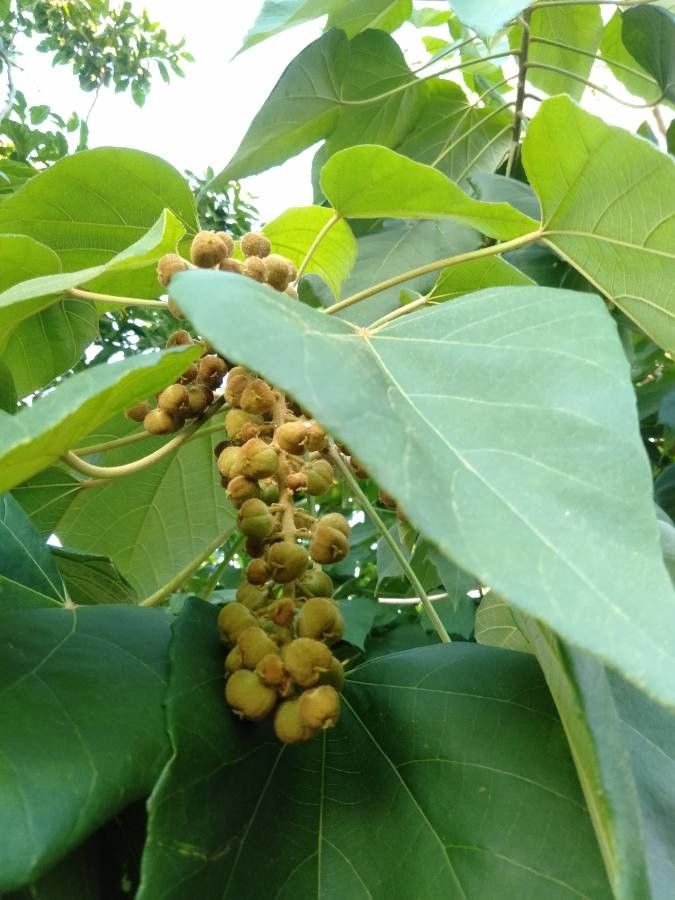
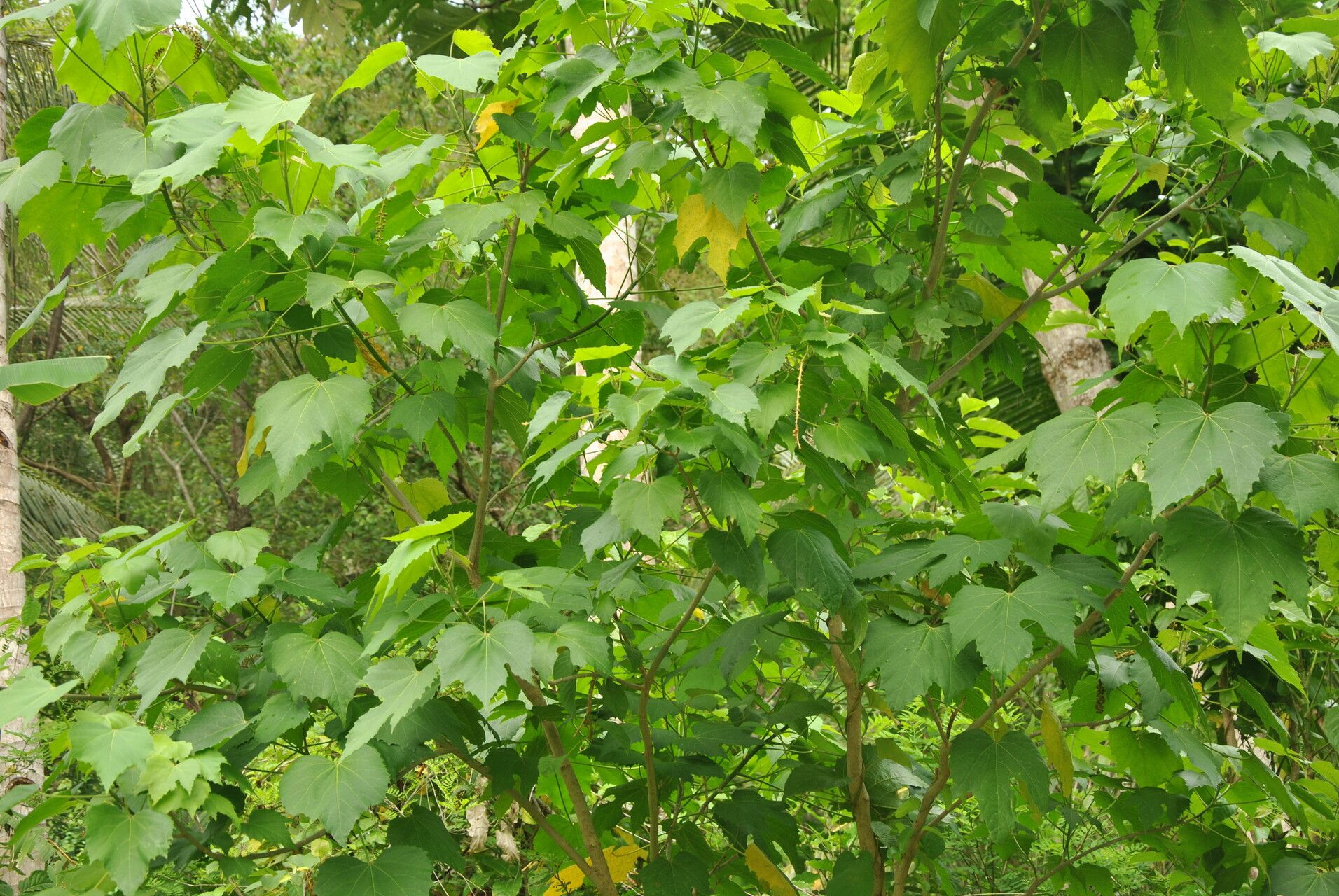
Melanolepsis multiglandulosa is a plant species of the family Euphorbiaceae, first described in 1826. It is native to Nansei-shoto, Mariana Islands, Solomon Islands, Bismarck Archipelago, New Guinea, Maluku, Sulawesi, Philippines, Lesser Sunda Islands, Java, Sumatra, Borneo, Thailand, Malaysia and Taiwan.
Chawan is resistant to many diseases and is generally unlikely to develop health problems. In terms of upkeep, this plant is fairly low-maintenance. When grown outdoors it needs little watering, and larger specimens typically do not require pruning. Smaller specimens, however, should be trimmed after they finish blooming. Chawant is appropriate for anyone with an outdoor area, such as a garden or deck, and does not demand extensive plant-care experience.
How to keep Melanolepis Multiglandulosa.
Light
Chawan prefers locations that receive plenty of natural light during the day. It can, however, adjust to spots with only a moderate amount of daily light. Ample light is important because it supports photosynthesis, which in turn promotes the plant’s healthy growth. Both too little and too much light can slow growth and cause stress to the plant.
Water
Chawan thrives in humid environments and can tolerate different moisture levels. It usually needs watering every 2 to 3 weeks, striking a balance between keeping it hydrated and allowing it to dry out. As an evergreen plant, chawan retains its foliage throughout the year, even during drier periods.
Temperature
Chawan comes from tropical areas, where the climate is generally warm and humid. As a result, it is well suited to high temperatures and humidity. It does not tolerate sudden temperature changes and prefers a stable temperature environment, so it is important to avoid temperature fluctuations indoors. It usually cannot withstand cold and requires warmer conditions for growth. If the environmental temperature falls too low, the plant may stop growing or even die.
Fertilizer
Fertilizing is essential for caring for Chawan. Regular feeding during the growing season maintains the energy needed for its showy leaves and supports overall development. Failing to fertilize can lead to unhealthy leaves, reduced ornamental value, and growth that is stunted or weak and prone to breakage.
Pruning
Prune chawan in early spring to improve air circulation and encourage healthy growth. Start by trimming dead branches and reducing overgrowth to maintain a balanced structure. This timing aligns with the plant's natural growth cycle, promoting denser foliage and helping to control its size. Regular pruning makes the chawan more manageable and enhances its visual appeal in gardens.
Botanical profile.
- Plant Type
- Tree, Shrub
- Life Cycle
- Perennial
- Genus
- Melanolepis
- Family
- Euphorbiaceae
- Hardiness Zone
- 10-12
- Mature Height
- 3.96 m to 20.12 m
- Mature Spread
- 2.13 m to 4.88 m
- Leaf Color
- Green, Dark Green
- Leaf Type
- Deciduous
- Flower Color
- Yellow, Green
- Flower Size
- 2.54 cm
- Bloom Time
- Late spring, Summer, Early fall, Mid fall
- Planting Time
- Spring, Summer, Autumn
- Harvest Time
- Mid summer, Late summer, Fall
- Native Area
- Malaysia, Indonesia, Cambodia, Japan, Philippines, Thailand, China
Other names.
Reader questions.
What are the sunlight requirements for Chawan?
Chawan thrives in conditions ranging from full sun to partial sun. Full sun means the plant needs above 6 hours of sunlight daily, while partial sun refers to about 3-6 hours of sunlight. It's crucial to observe how sunlight moves through your garden to find the optimal spots that provide the right balance of light and shade for Chawan, ensuring its growth and happiness.
What is Chawan?
Chawan, scientifically known as Melanolepis multiglandulosa, doesn't have provided information regarding its essentials, symptoms, or additional details as of the current data.
Why is proper lighting essential for Chawan's growth?
Proper lighting is vital for Chawan as it prefers abundant natural light throughout the day but can adapt to moderate lighting conditions as well. Adequate lighting supports photosynthesis, which is essential for the plant's healthy development. Both insufficient and excessive light can restrict growth and induce stress in the plant. For indoor plants, artificial lighting becomes crucial for optimal growth, especially in conditions where natural light is limited. LED lights are recommended for their ability to be customized to provide specific wavelengths, and the intensity needed depends on whether the plant requires full sun, partial sun, or full shade.
What are the symptoms of improper lighting on Chawan?
Chawan may show several symptoms if the lighting conditions are not optimal. Inadequate light can lead to smaller new leaves, leggy or sparse growth, faster leaf drop, and slower or halted growth indicating stress. Leaves may also develop lighter colors or show signs of chlorosis (yellowing) due to insufficient sunlight. Excessive sunlight, on the other hand, can cause sunscald, leaf curling, wilting, and leaf scorching, which are harmful to the plant's health.
How can I address lighting issues for Chawan?
To address lighting issues for Chawan, gradually increase its exposure to sunlight if it's been under low light; move it weekly until it gets at least 6 hours of direct sunlight daily, or use artificial lighting if natural sunlight is insufficient or the plant is not easily movable, ensuring it receives light for at least 8 hours a day. For outdoor plants, moving them to brighter spots gradually helps prevent sunburn. Reducing obstructions, like pruning overhanging branches, or transplanting to sunnier locations with good drainage, can also help. It's important to note that while parts of the plant affected by poor light may not recover, new growth should be healthy with better light conditions.