Megapterium missouriensis, also known as the Missouri megafauna or Jefferson's ground sloth, is an extinct species of ground sloth that lived during the Pleistocene epoch in North America. It was one of the largest terrestrial mammals ever to inhabit the continent, with an estimated weight of up to 2.5 tons and a length of up to 20 feet. Megapterium missouriensis had a distinctive appearance, characterized by long, curved claws and a robust body structure that enabled it to move on all fours. It was primarily herbivorous, feeding on leaves, twigs, and other vegetation. The species is believed to have gone extinct around 11,000 years ago during the end-Pleistocene extinction event, along with many other large mammals such as mammoths and saber-toothed cats. Fossils of Megapterium missouriensis have been found in various locations across North America, including Missouri (hence its name), Texas, Florida, and California, among others. These fossils provide valuable insights into the ecology and evolution of this fascinating species, which once roamed vast areas of North America before its eventual extinction.
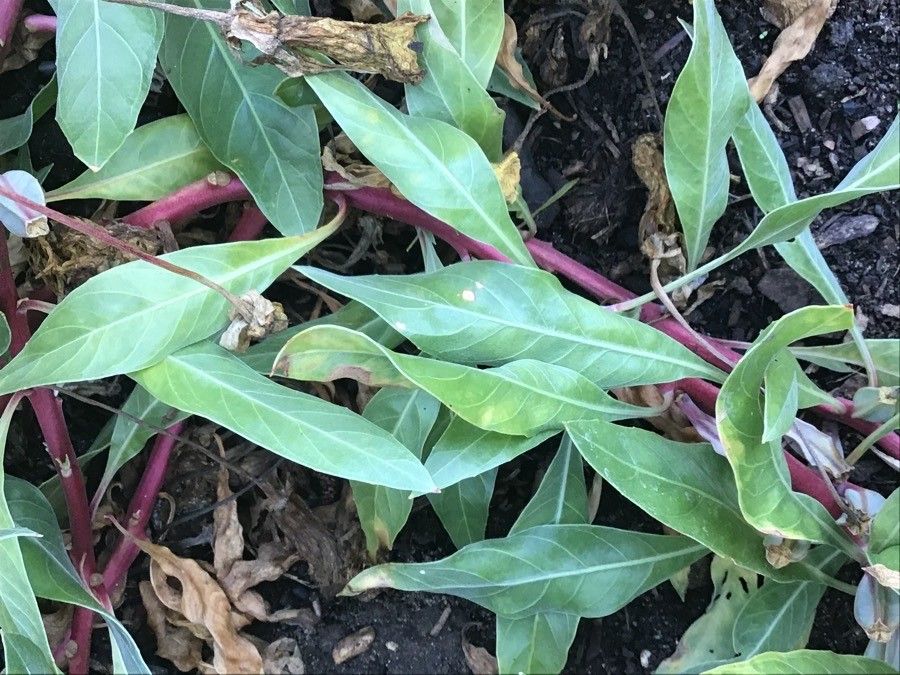
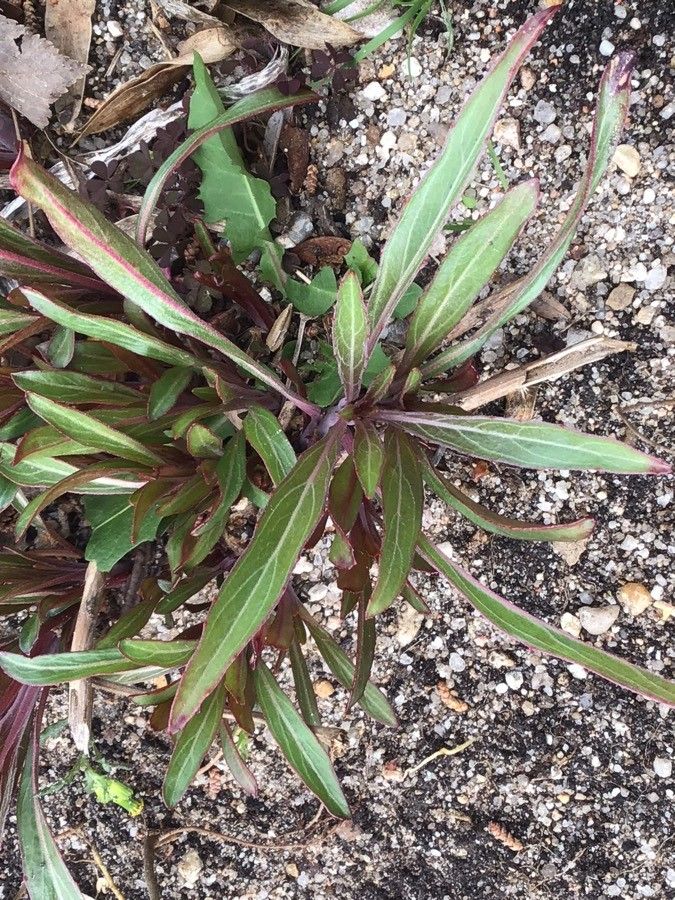
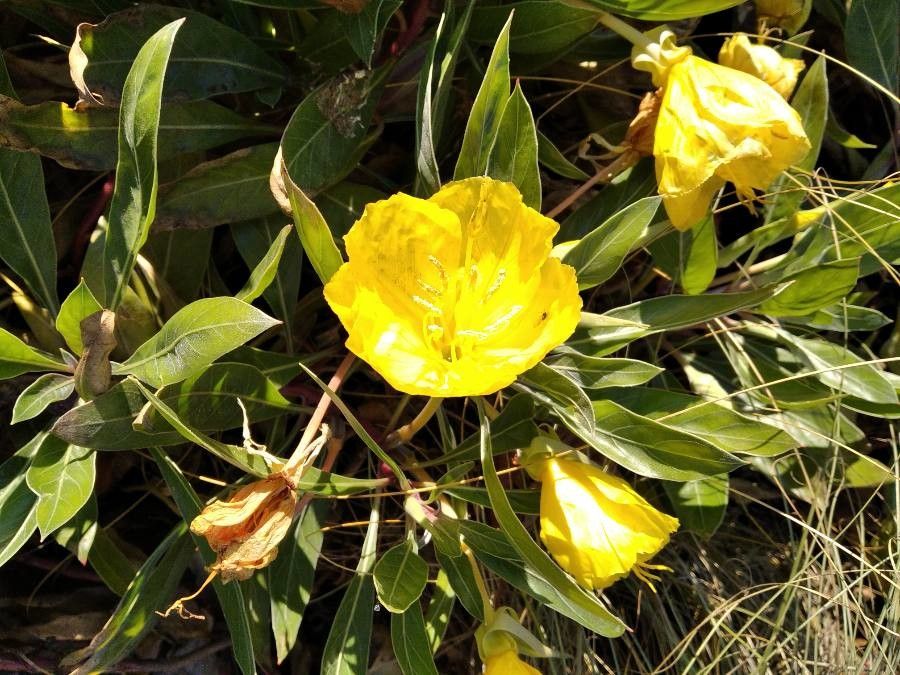
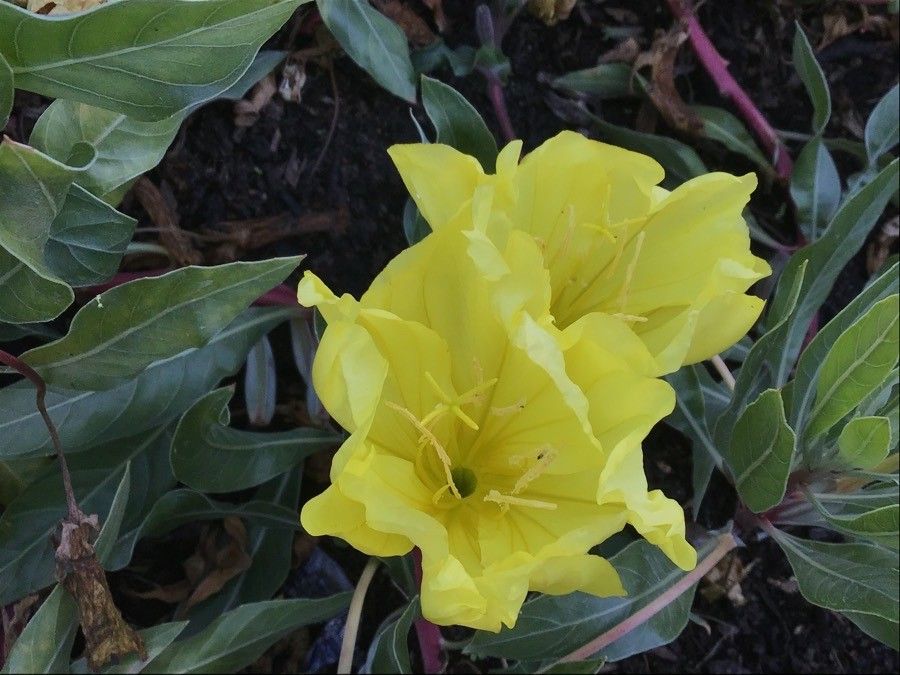
Oenothera macrocarpa subsp. macrocarpa shows good resistance to disease and is generally not prone to illnesses. However, it can be vulnerable to pests and diseases present in its surroundings. These infections are typically not severe. In terms of care, this plant requires moderate maintenance. It should be pruned regularly to preserve an attractive appearance and support healthy growth. Fertilization can also help encourage flowering. Oenothera macrocarpa subsp. macrocarpa is suitable for anyone with outdoor space, such as a garden or patio, and does not require extensive experience in plant care. It may need more attention when grown indoors.
How to keep Megapterium Missouriensis.
Light
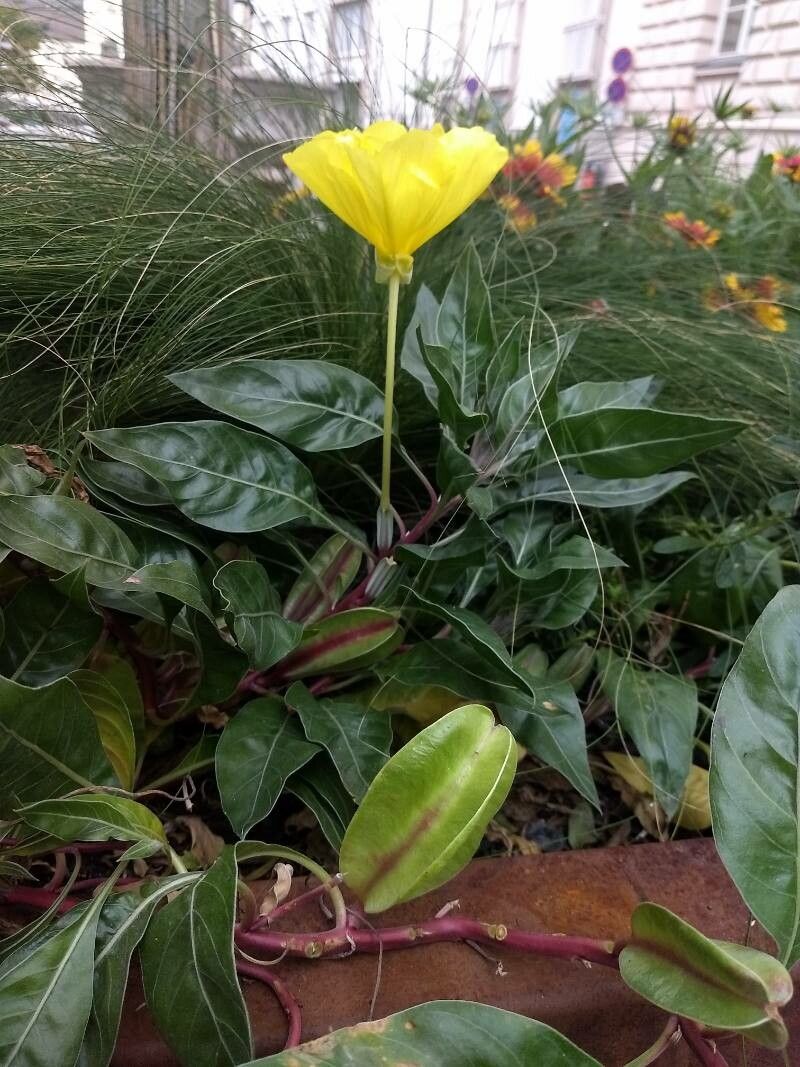
The perennial herbaceous plant, Oenothera macrocarpa subsp. macrocarpa, is native to open environments, typically flourishing in grasslands and meadows. It has a strong affinity for full sun exposure, however, it can also survive in conditions of partial sunlight.
Temperature
Oenothera macrocarpa subsp. macrocarpa is capable of adjusting to varied temperature environments, yet a combination of heat and moisture conditions could restrict its dispersion. It flourishes optimally in summer climates that are heated, given there's sufficient rain or irrigation. Extended sequences of gloomy, wet weather or sustained elevated temperatures can amplify the chances of the Oenothera macrocarpa subsp. macrocarpa expiring. Protection from the frigid conditions in winter could enhance the endurance rate of the plant.
Fertilizer
The optimal period to feed Oenothera macrocarpa subsp. macrocarpa is at the start of springtime whilst its flowers are developing. Applying suitable fertilizer promotes improved blossoms and assists Oenothera macrocarpa subsp. macrocarpa in generating attractive flowers. Providing fertilization in the early part of spring guarantees an abundance of beautiful flowers throughout its growth season and supports energy conservation for its idle growth stages.
Botanical profile.
- Plant Type
- Herb
- Life Cycle
- Perennial
- Genus
- Megapterium
- Family
- Onagraceae
- Hardiness Zone
- 4-8
- Mature Height
- 30 cm to 91 cm
- Mature Spread
- 49 cm
- Leaf Color
- Green, Dark Green
- Leaf Type
- Deciduous
- Flower Color
- Yellow
- Flower Size
- 7.62 cm to 11.43 cm
- Bloom Time
- Late spring, Early summer, Mid summer
- Planting Time
- Spring, Summer, Autumn
- Harvest Time
- Mid summer, Late summer, Early fall
Other names.