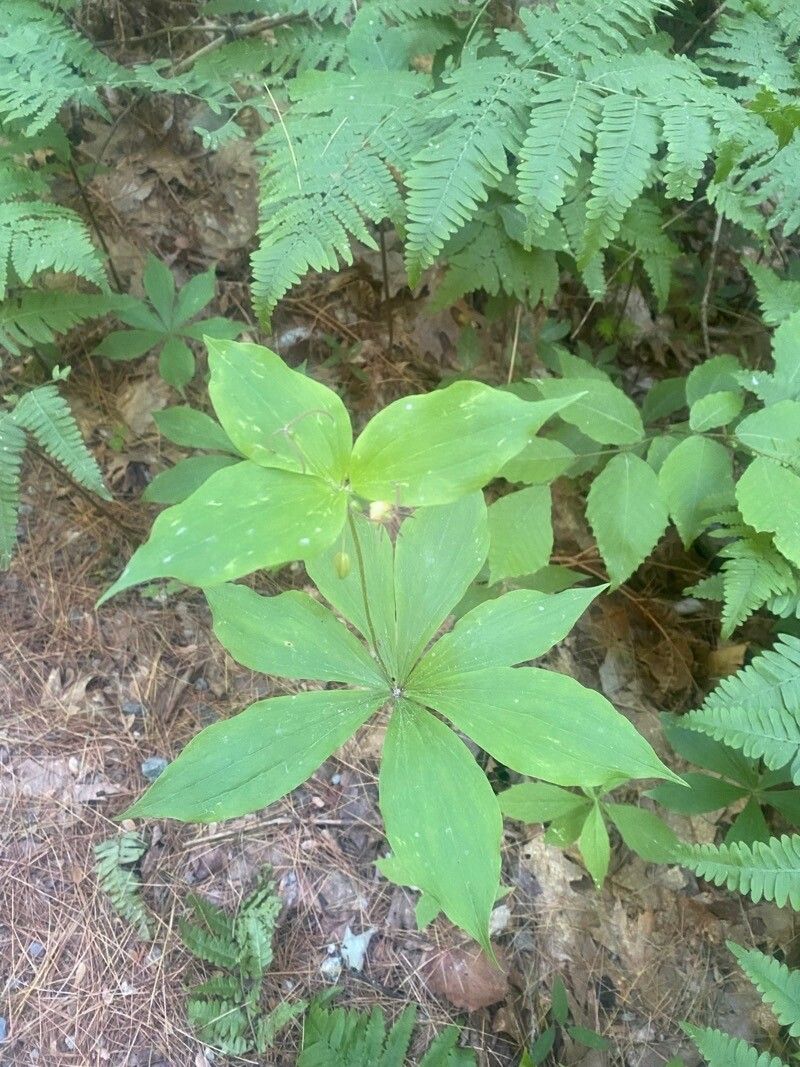
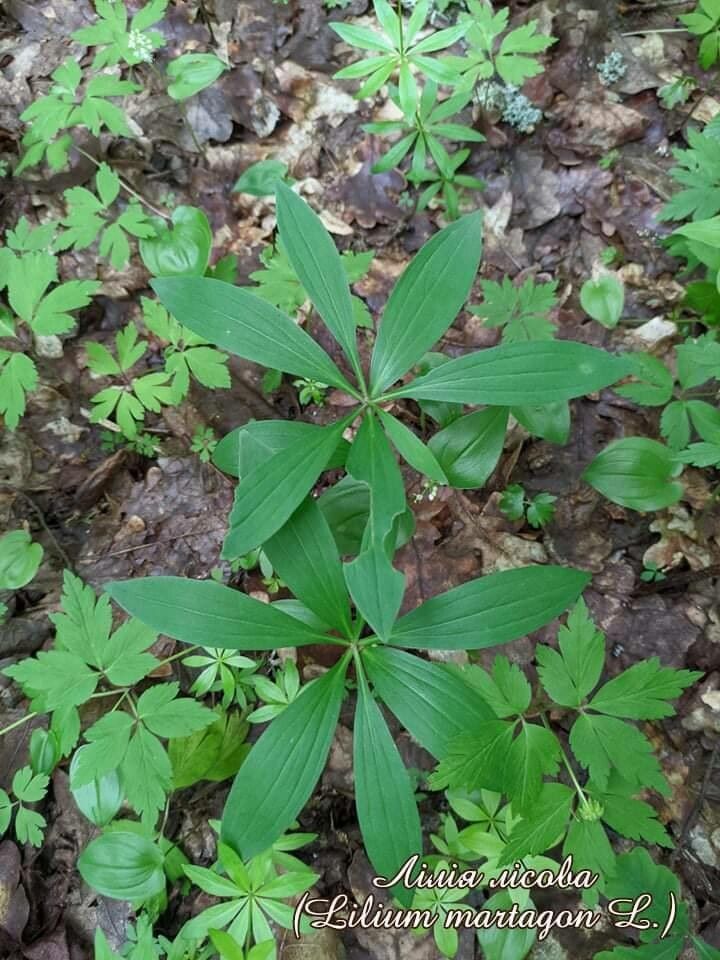
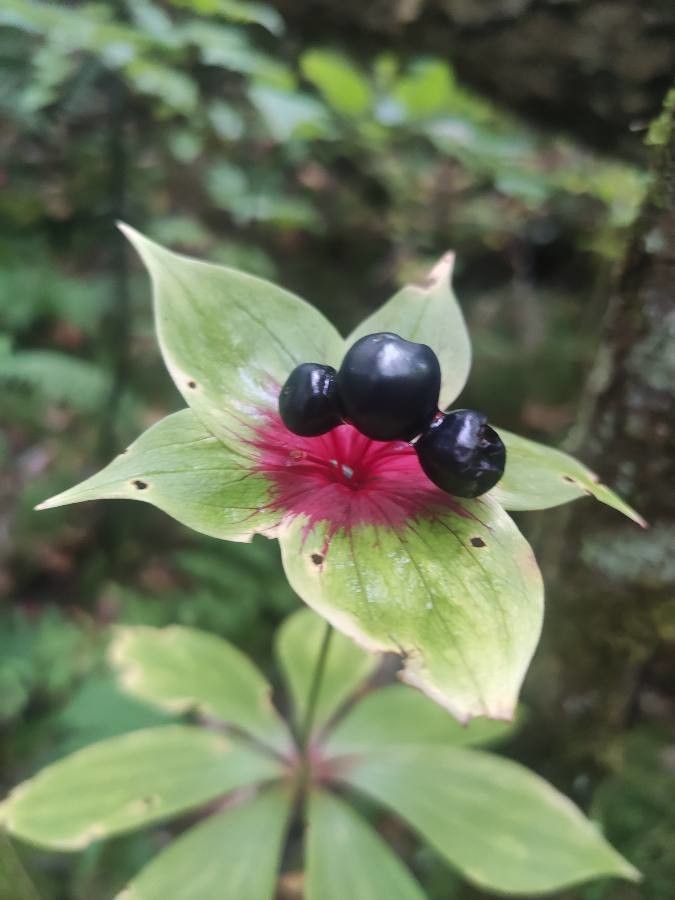
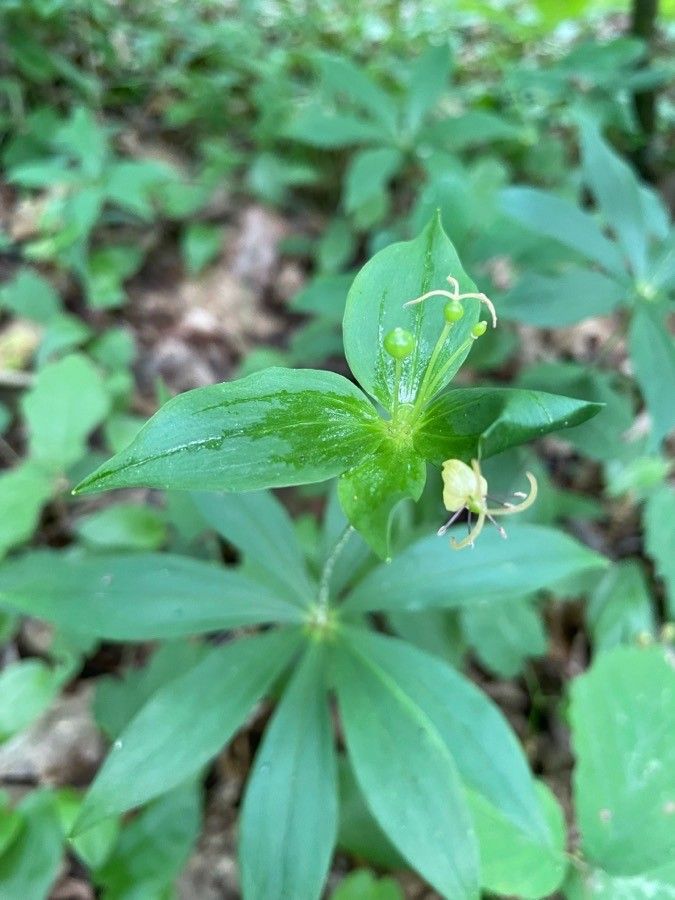
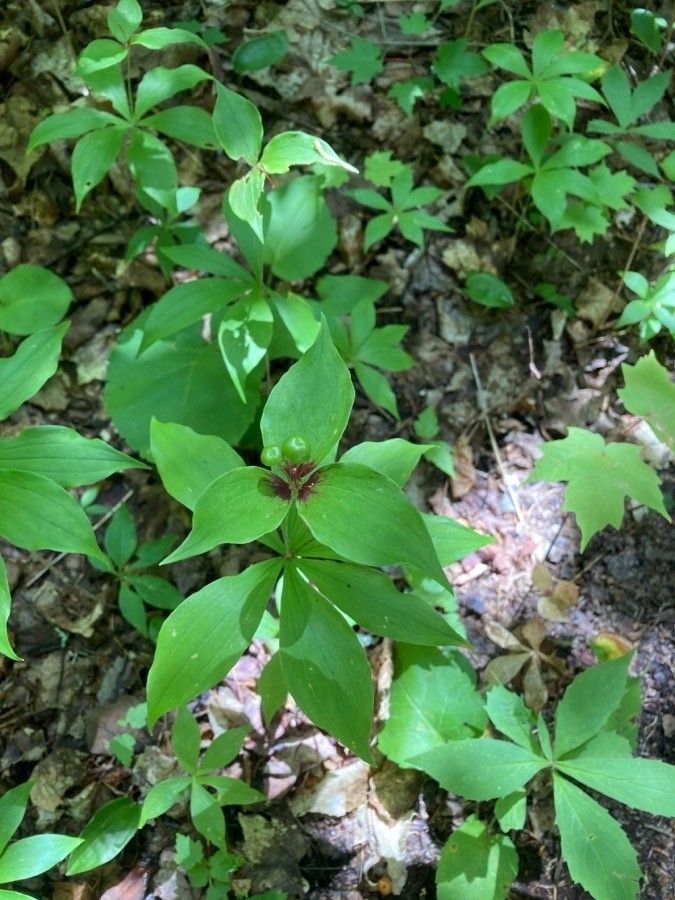
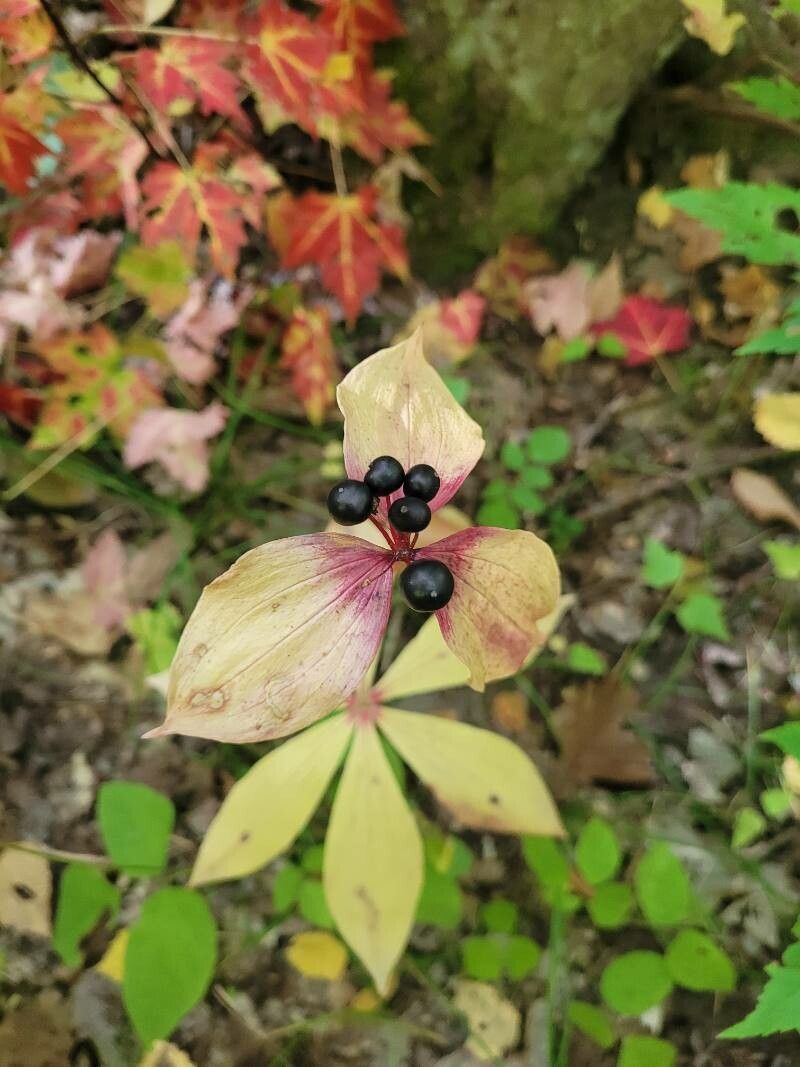
Medeola virginiana, known as Indian cucumber, cucumber root, or Indian cucumber-root, is an eastern North American plant species in the lily family, Liliaceae. It is the only currently recognized plant species in the genus Medeola. It grows in the understory of forests. The plant bears edible rhizomes that have a mild cucumber-like flavor.
Indian Cucumber shows good disease resistance and is generally not susceptible to illnesses. However, it can be affected by pests and diseases present in its environment. Such infections are typically mild. Regarding care, this plant requires moderate maintenance. It should be pruned regularly to keep a neat appearance and support healthy growth. Fertilizing can also help encourage flowering. Indian Cucumber is appropriate for anyone with outdoor space, such as a garden or patio, and does not demand extensive care experience. It may need more attention when grown indoors.
How to keep Medeola Virginiana.
Light
The indian Cucumber flourishes with a moderate amount of sunlight but can also tolerate shadier conditions. An appropriate level of sunlight promotes the indian Cucumber's vigorous growth. However, too much light can stress the plant, while too little can impede growth and the development of its distinctive cucumber-like fruit.
Water
Indian Cucumber grows best in moist woodland environments and prefers soil that remains consistently moist. To ensure this, water the plant once a week, taking care not to over-water or let the soil dry out completely. Since it is an understory plant, applying mulch can help retain moisture by mimicking the natural leaf litter of its habitat.
Temperature
Indian Cucumber is a versatile plant native to a variety of temperate environments. It prefers a temperature range of 32 to 89.6 °F (0 to 32 ℃). Altering temperatures seasonally is generally not required unless extreme conditions occur.
Fertilizer
Typically, a single fertilizer application in spring is sufficient for Indian Cucumber, though multiple feedings can maximize growth. Feed every month to every month and a half. Fertilization improves the leaves' appearance and function, encouraging even color and a healthy texture. It also promotes root development and nutrient uptake for sustained plant health.
Pruning
The Indian Cucumber is characterized by its whorled leaf arrangement and flourishes in shaded, woodland environments. To encourage healthier growth, prune the plant from early to late spring. Remove any damaged foliage to enhance air circulation and light penetration, which will promote denser growth and reduce the risk of pests.
Botanical profile.
- Plant Type
- Herb
- Life Cycle
- Perennial
- Genus
- Medeola
- Family
- Liliaceae
- Hardiness Zone
- 3-7
- Mature Height
- 30 cm to 91 cm
- Mature Spread
- 46 cm
- Leaf Color
- Green
- Leaf Type
- Deciduous
- Flower Color
- Green, Yellow
- Flower Size
- 2.54 cm
- Bloom Time
- Late spring, Early summer
- Planting Time
- Spring, Summer
- Harvest Time
- Late summer, Early fall, Mid fall
Other names.
Reader questions.
How should I water my Indian Cucumber?
To properly water the Indian Cucumber plant, use filtered water at room temperature or slightly warmer to avoid any potential harm from tap water particles. Since the Indian Cucumber originates from a warm environment, cold water can be a shock to its system. Additionally, it's best to avoid overhead watering to prevent any complications with the foliage. Instead, water the plant by applying filtered room temperature water directly to the soil until it is completely soaked. This practice benefits the plant by moistening the roots and aiding their spread through the soil to gather necessary nutrients.
What are the sunlight requirements for Indian Cucumber?
Indian Cucumber thrives in partial sun, requiring about 3-6 hours of sunlight, but it can also grow in full shade, where it receives less than 3 hours of sunlight daily. The right balance of sunlight is crucial for its growth, supporting robust development and the production of its distinctive cucumber-like fruit. Additionally, artificial lighting can be utilized for indoor plants when natural sunlight is insufficient, using LED lights or other suitable sources to provide the needed 8-12 hours of light per day.
What are the essential care instructions for Indian Cucumber?
Indian Cucumber, known botanically as Medeola virginiana, thrives in a wide range of temperate environments. It is most comfortable in temperatures between 32 to 89.6 °F (0 to 32 °C). While it is highly adaptable to various temperatures, including cold climates, it does not usually require special adjustments for seasonal changes except under extreme weather conditions. It is noteworthy for its exceptional cold tolerance, thus not necessitating additional frost protection. However, it is beneficial to water the plant generously before the first freeze of autumn to keep the soil moist, ensuring the plant has adequate water through winter and into early spring.
What do I do if I give my Indian Cucumber too much or too little water?
Both overwatering and underwatering can harm the health of your Indian Cucumber, but overwatering is a more common problem. When your Indian Cucumber gets too much water, its stems and leaves may droop and change from green to yellow. Overwatering for a long time can also lead to diseases like root rot, mold, and mildew, which can kill the plant. Underwatering is less likely for the Indian Cucumber because it is somewhat drought-tolerant. However, underwatering can still happen, and in this case, the leaves may become dry and brown. It's important to recognize the signs of overwatering early when caring for your Indian Cucumber. Diseases caused by overwatering, such as root rot, may be irreversible if you wait too long. If you see early signs of overwatering, reduce your watering schedule right away. You should also check the soil quality where your Indian Cucumber is growing. If the soil doesn't drain well, replace it with a loose, well-draining potting mix. If you notice signs of underwatering, simply water more frequently until the signs improve.
How does insufficient sunlight affect Indian Cucumber?
Insufficient sunlight can cause various symptoms in Indian Cucumber, including smaller new leaves, leggy or sparse growth, faster leaf drop, slower or ceased new growth, and lighter-colored new leaves. Conditions such as chlorosis, sunscald, leaf curling, wilting, and leaf scorching may also occur, indicating stress from inadequate sunlight. These symptoms highlight the plant's struggle with insufficient light, leading to reduced health and vitality.
What should I do if the temperature drops below -35°C for Indian Cucumber?
While Indian Cucumber is exceptionally cold-tolerant, it struggles when winter temperatures fall below -35°C. In such conditions, while the plant itself may not show immediate damage, you might observe a reduced sprouting rate or even no sprouting at all in the following spring. To manage this, it is advisable to remove any parts of the plant that have failed to sprout once spring arrives.
How frequently should I give water to my Indian Cucumber?
If you have your Indian Cucumber plant in a pot, the best way to check if it needs water is by touching the soil. Stick your finger into the soil and if the top two to three inches feel dry, it's time to water it. The same method can be used if you grow your Indian Cucumber outside in the ground. If the first few inches of soil are dry, it's time to water. In the spring and early fall, watering once a week is usually sufficient. However, during hot weather you may need to water two or more times a week. It's important to note that mature Indian Cucumber plants have a good ability to survive without water for a while.
What solutions can help Indian Cucumber receive adequate light?
To ensure Indian Cucumber receives adequate sunlight, gradually adapting the plant to sunnier spots is crucial, aiming for 3-6 hours of direct sunlight daily. For indoor plants, artificial lights such as desk or ceiling lamps, or professional grow lights can provide the necessary light exposure. Outdoors, gradually moving plants to brighter locations can prevent sunburn. Minimizing obstructions and potentially transplanting smaller plants to sunnier spots can also help, especially when direct sunlight is blocked by environmental factors like trees or buildings.
How does Indian Cucumber react to high temperatures, and what are the remedies?
Indian Cucumber does not fare well in high temperatures, particularly those exceeding 32°C, at which point its growth may halt, and it becomes more prone to rot. To mitigate the effects of high temperatures, it's recommended to trim away any parts of the plant that are sunburned or have dried up. Moving the plant to a shadier location or using a shade cloth to protect it from the midday and afternoon sun can also be beneficial. Ensuring the soil remains moist through watering in the morning and evening will help the plant manage better in hot conditions.
How much water does my Indian Cucumber plant require?
To properly water your Indian Cucumber, make sure to give it an adequate amount of water. When the top two to three inches of soil are dry, give the plant a long and thorough watering. You should add enough water to fully saturate the soil, making sure that excess water drains out of the pot through the drainage holes. If you don't see any water draining out, it means you haven't given enough water. However, be cautious not to let the water accumulate in the soil as it can be harmful to the plant. Additionally, if water doesn't drain well through the pot, it means the soil doesn't drain properly, which is detrimental to the plant's health. If the plant is outdoors, it generally requires about 1 inch of rainfall per week.
How do I water my Indian Cucumber during different growth periods?
Water requirements for the Indian Cucumber can vary depending on different growth stages. When the plant is young or has recently been transplanted, it will require more water than usual. During these stages, the plant focuses on developing new roots for future growth. To support this process, the roots need slightly more moisture compared to the later stages of maturity. As the plant matures over a few seasons, it will need less water. Another stage that requires increased watering is during the bloom period, as the development of flowers requires a significant amount of moisture.
How do I water my Indian Cucumber during different seasons?
The Indian Cucumber plant has different water needs depending on the season. In the hottest months of the year, it will need the most water. During the height of summer, you may need to water it more than once per week if the soil dries out quickly. On the other hand, during the winter, the plant will be in a dormant phase and will require much less water. In fact, you may not need to water it at all during this time. However, if you choose to water it in the winter, do so no more than once per month. Overwatering at this time could increase the risk of disease for the Indian Cucumber plant.