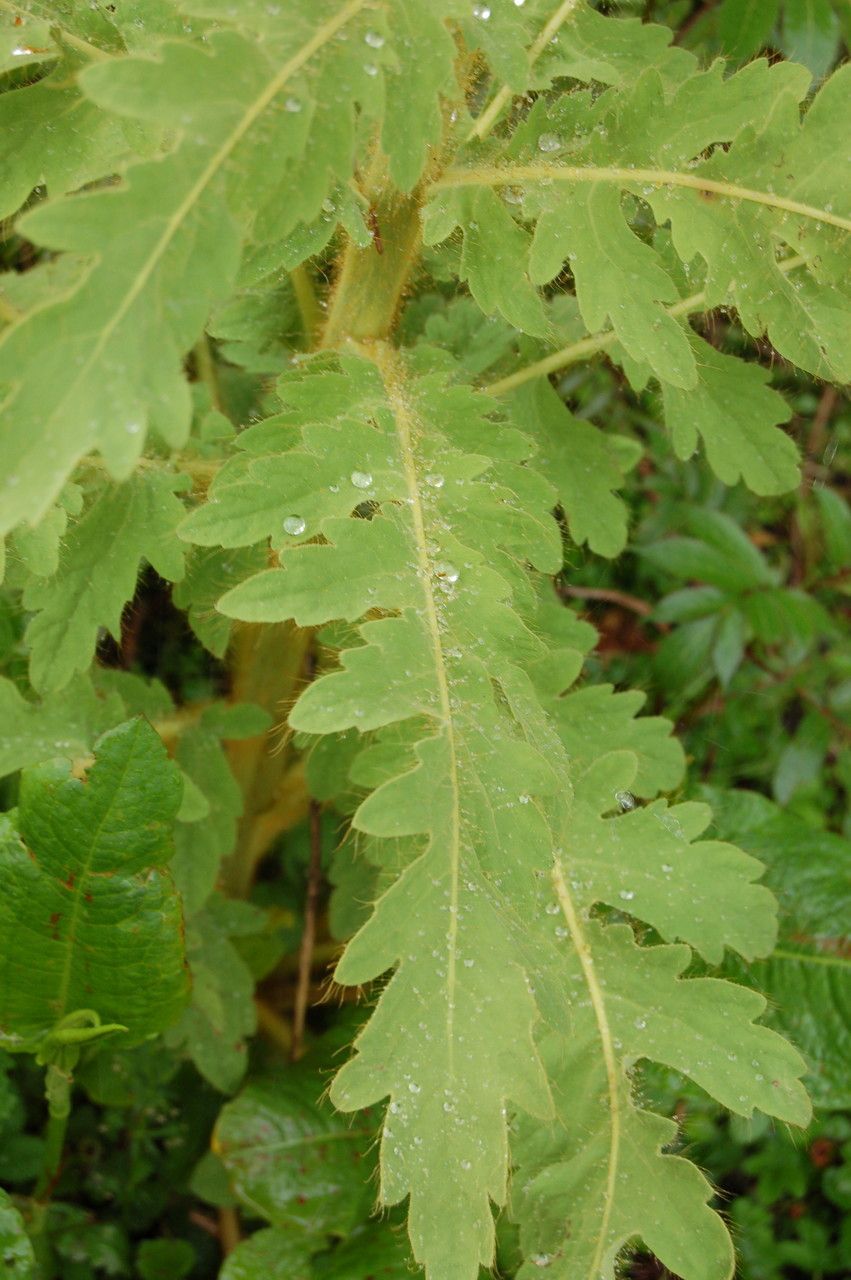
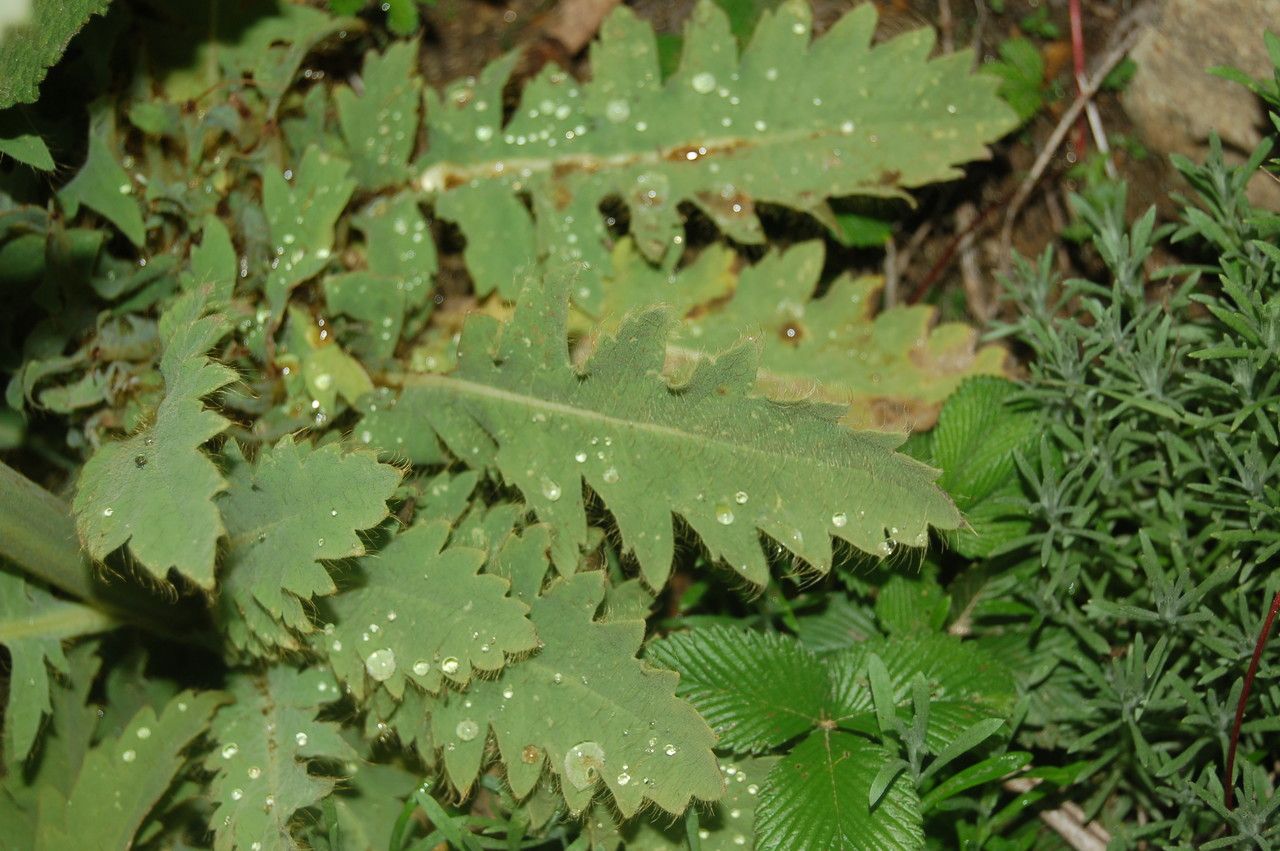
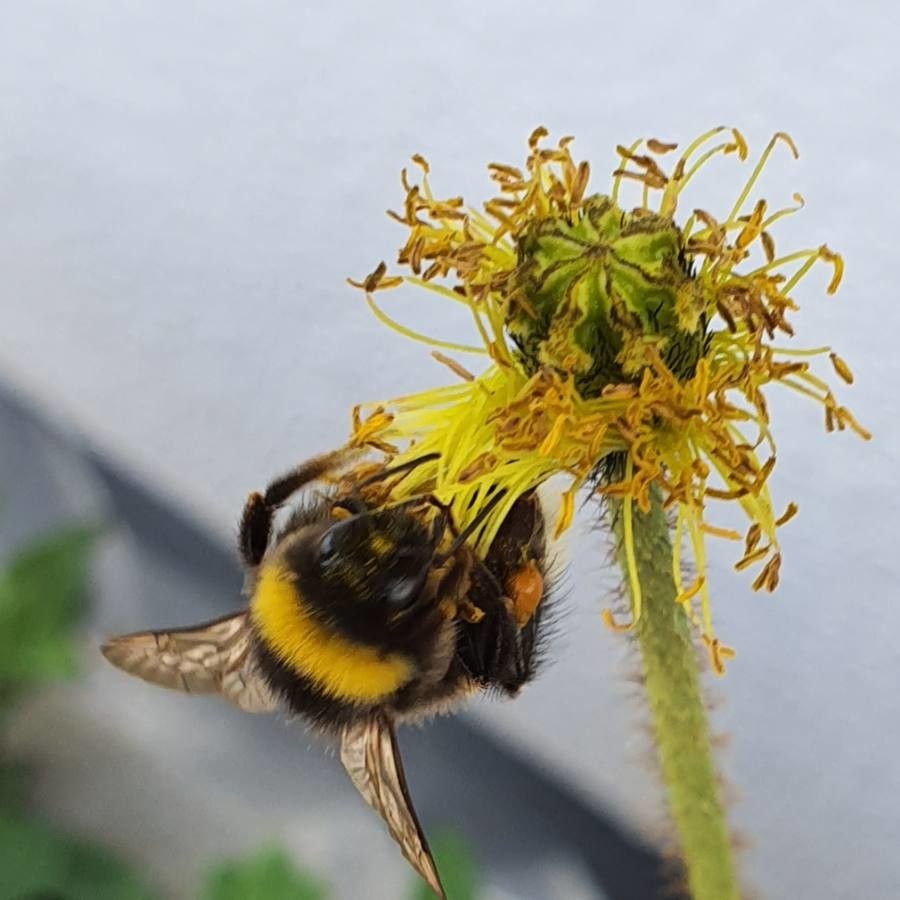
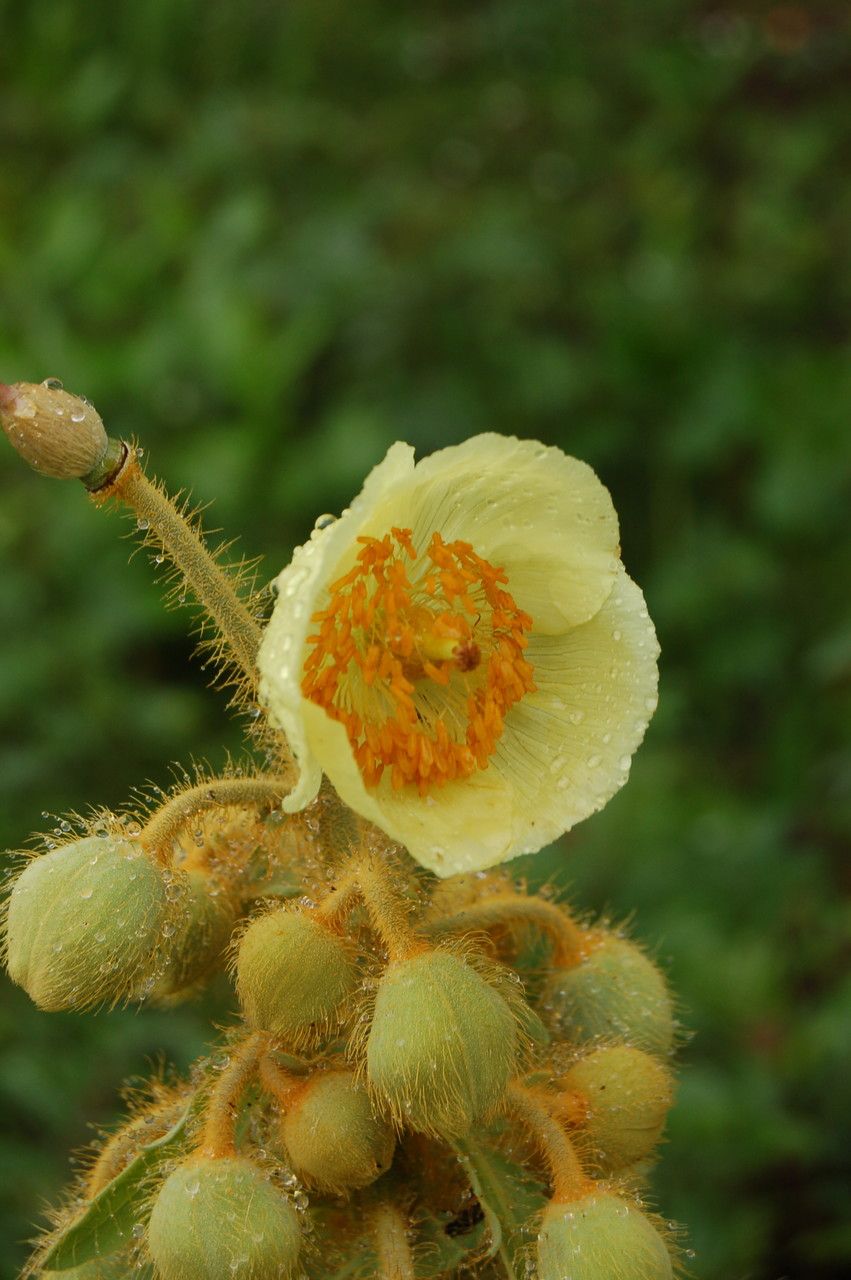
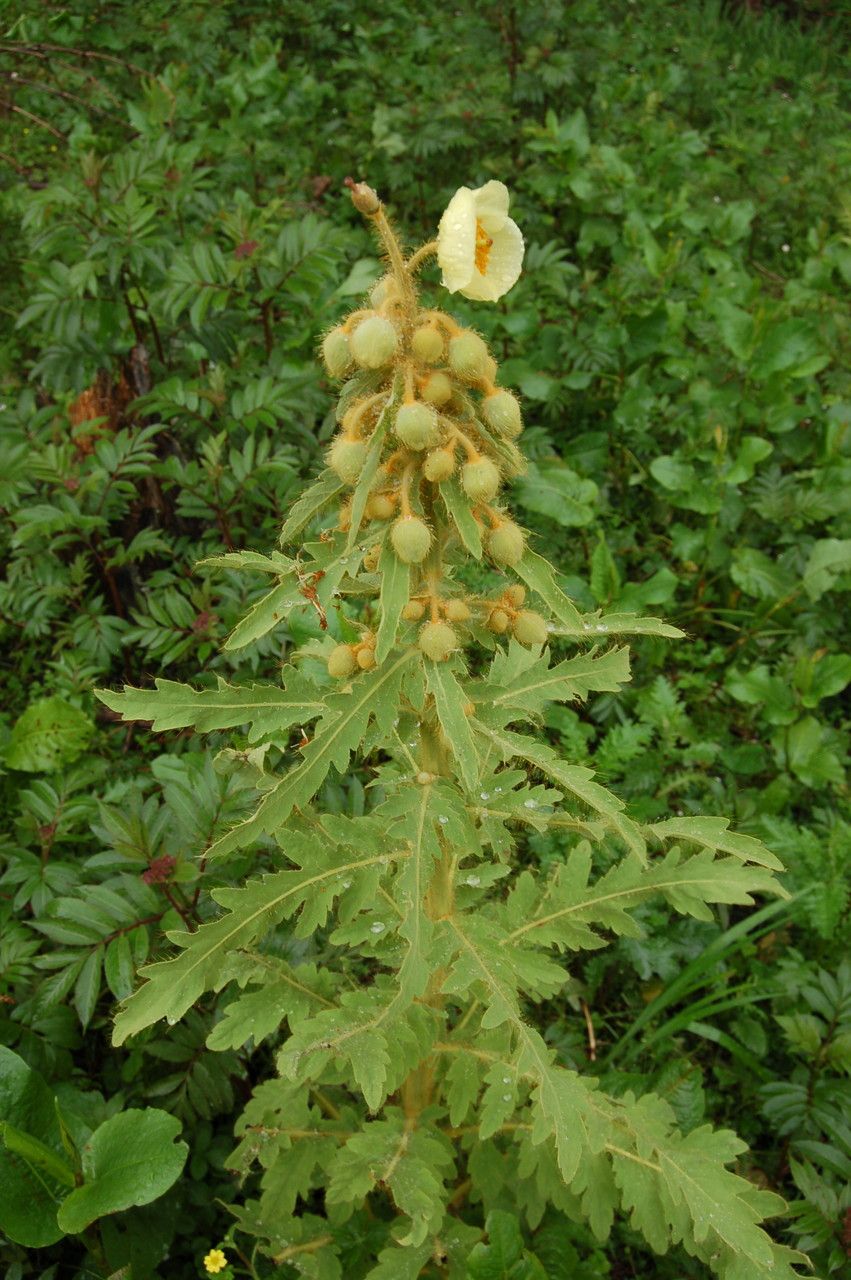
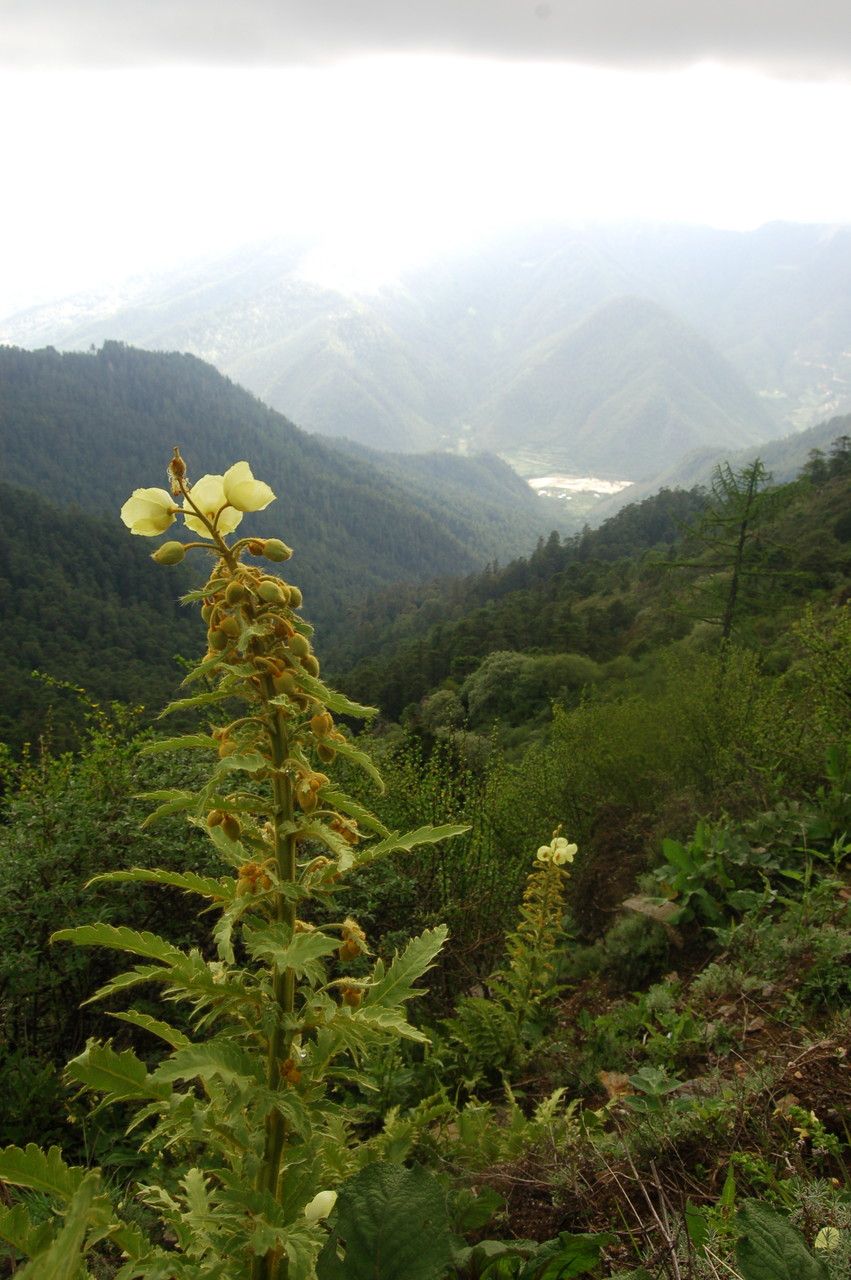
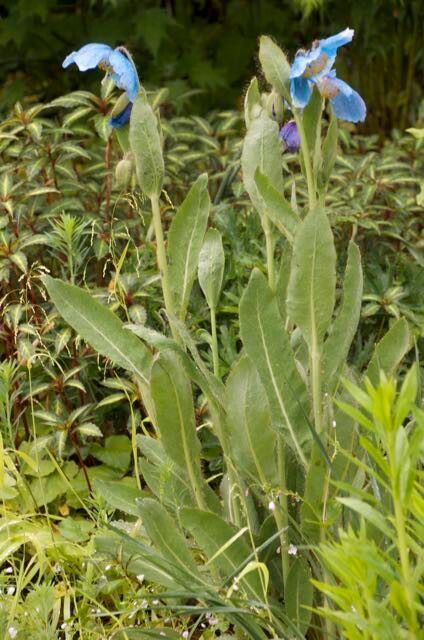
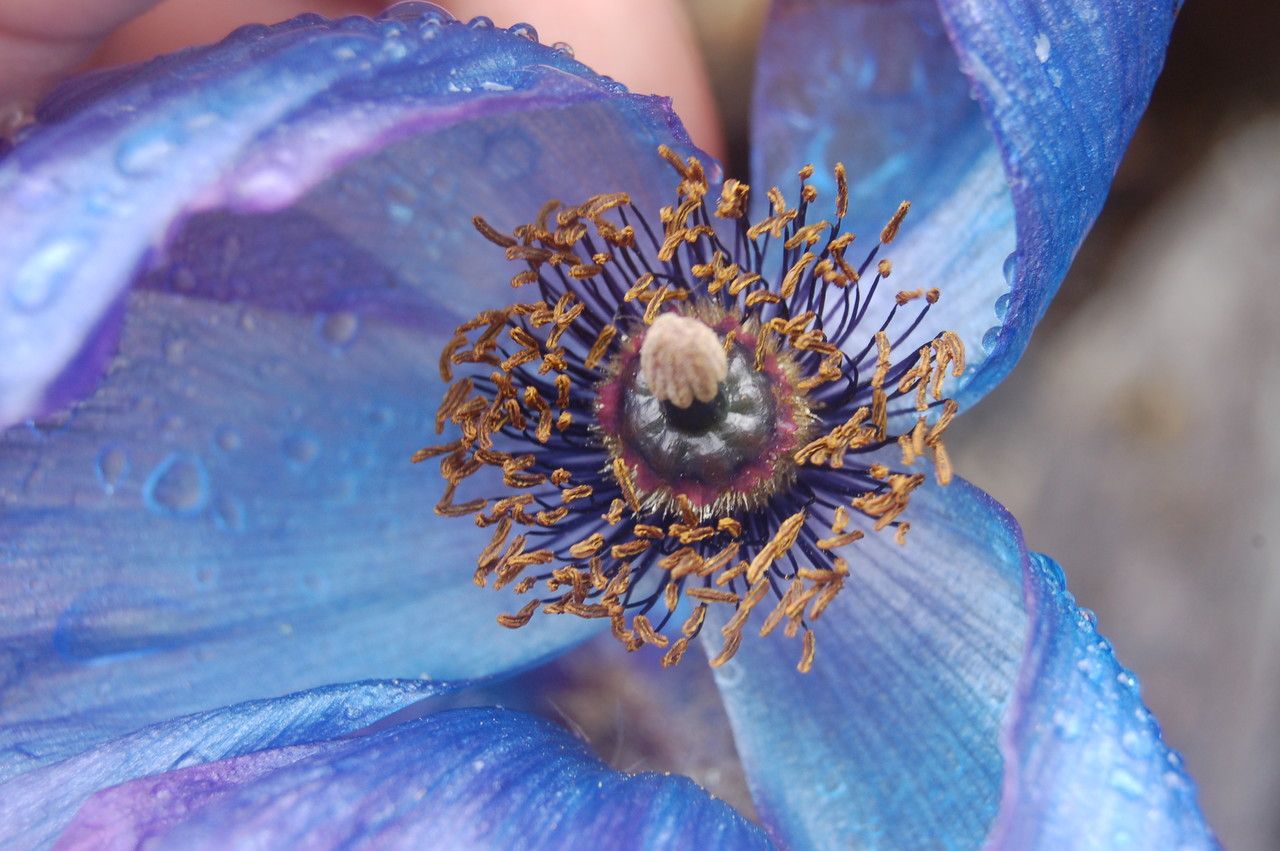
The golden Himalayan poppy is fairly disease-resistant and generally not prone to illnesses. However, it can be vulnerable to pests and diseases present in its environment. These problems are typically not serious. In terms of care, this plant needs moderate maintenance. It should be pruned regularly to keep a tidy appearance and support healthy growth. Fertilizing can also encourage flowering. The golden Himalayan poppy is suitable for anyone with outdoor space, such as a garden or patio, and does not require extensive care experience. It may need more attention when cultivated indoors.
How to keep Meconopsis Paniculata.
Light
The Golden Himalayan poppy comes from habitats with dappled light, like forest understories or rocky sites that offer natural shade. It grows best in partial sun but can also tolerate full sun.
Water
The Golden Himalayan poppy flourishes in cool, humid climates and requires consistent moisture, needing to be watered twice a week. As an outdoor plant in temperate zones, its growth cycle is affected by the amount of rainfall. During the active growing season, when there is less natural precipitation, it requires more frequent watering.
Fertilizer
When the Golden Himalayan poppy has opened most of its blooms to full size, resume fertilizing. At the time of peak bloom, apply fertilizer again every three to four weeks, as the weather allows. Then, once the Golden Himalayan poppy begins producing fewer new blooms, cease fertilizing; there is no need to feed the plant when it can no longer produce additional blooms.
Pruning
The Golden Himalayan poppy showcases vibrant yellow flowers and elegant, delicate stems. For optimal pruning, it's best to start from early spring and continue to late spring. During this time, removing debris will encourage healthy growth and promote abundant blooming. Make sure to use clean, sharp tools to prevent infections and improve airflow, which helps reduce the risk of disease.
Botanical profile.
- Plant Type
- Herb
- Life Cycle
- Annual
- Genus
- Meconopsis
- Family
- Papaveraceae
- Hardiness Zone
- 6-8
- Mature Height
- 2.13 m
- Mature Spread
- 61 cm
- Leaf Color
- Green, Dark Green
- Leaf Type
- Deciduous
- Flower Color
- White
- Flower Size
- 6.35 cm to 10.16 cm
- Bloom Time
- Early summer, Mid summer
- Planting Time
- Spring, Summer
- Harvest Time
- Late summer, Early fall
Reader questions.
What are the sunlight requirements for Golden Himalayan Poppy (Meconopsis paniculata)?
The Golden Himalayan Poppy (Meconopsis paniculata) thrives under specific sunlight conditions, depending on the intensity of light it receives throughout the day. For a plant to be considered in 'Partial sun,' it requires about 3-6 hours of sunlight each day, ideally during the cooler parts of the day to avoid the intense midday sun. For 'Full sun' exposure, the plant needs more than 6 hours of sunlight daily. It's crucial to observe how the sunlight moves through your garden over the day to select the ideal spots that provide a perfect balance of light and shade. This careful placement ensures the plants are happy and healthy, taking into account their specific light requirements.