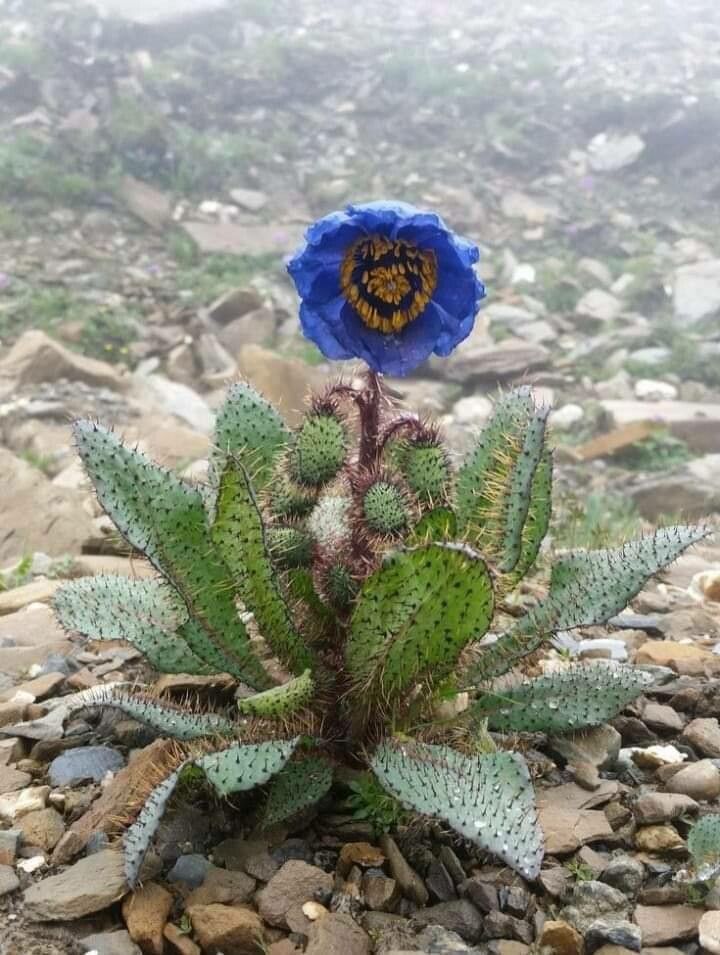
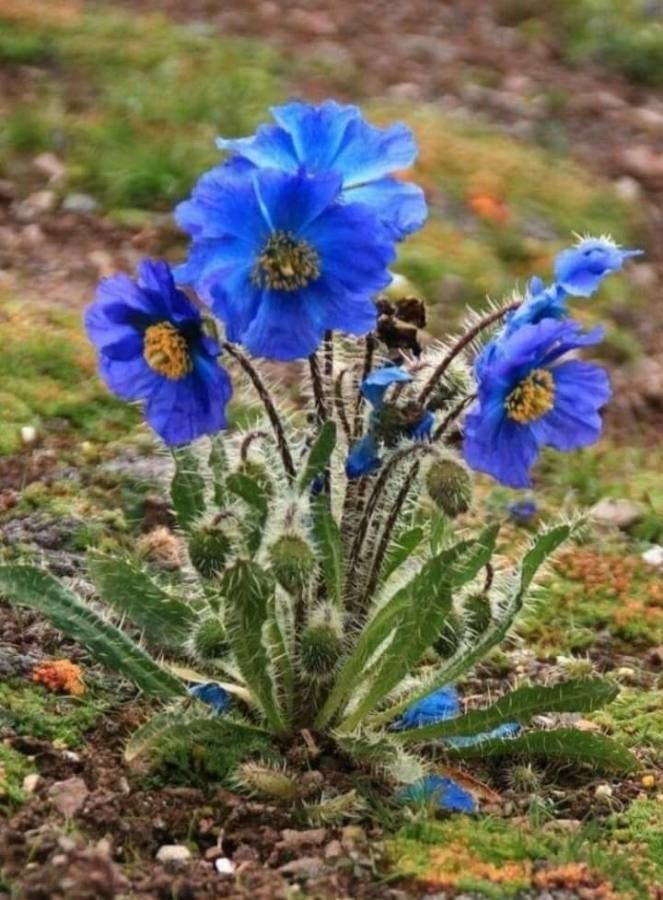
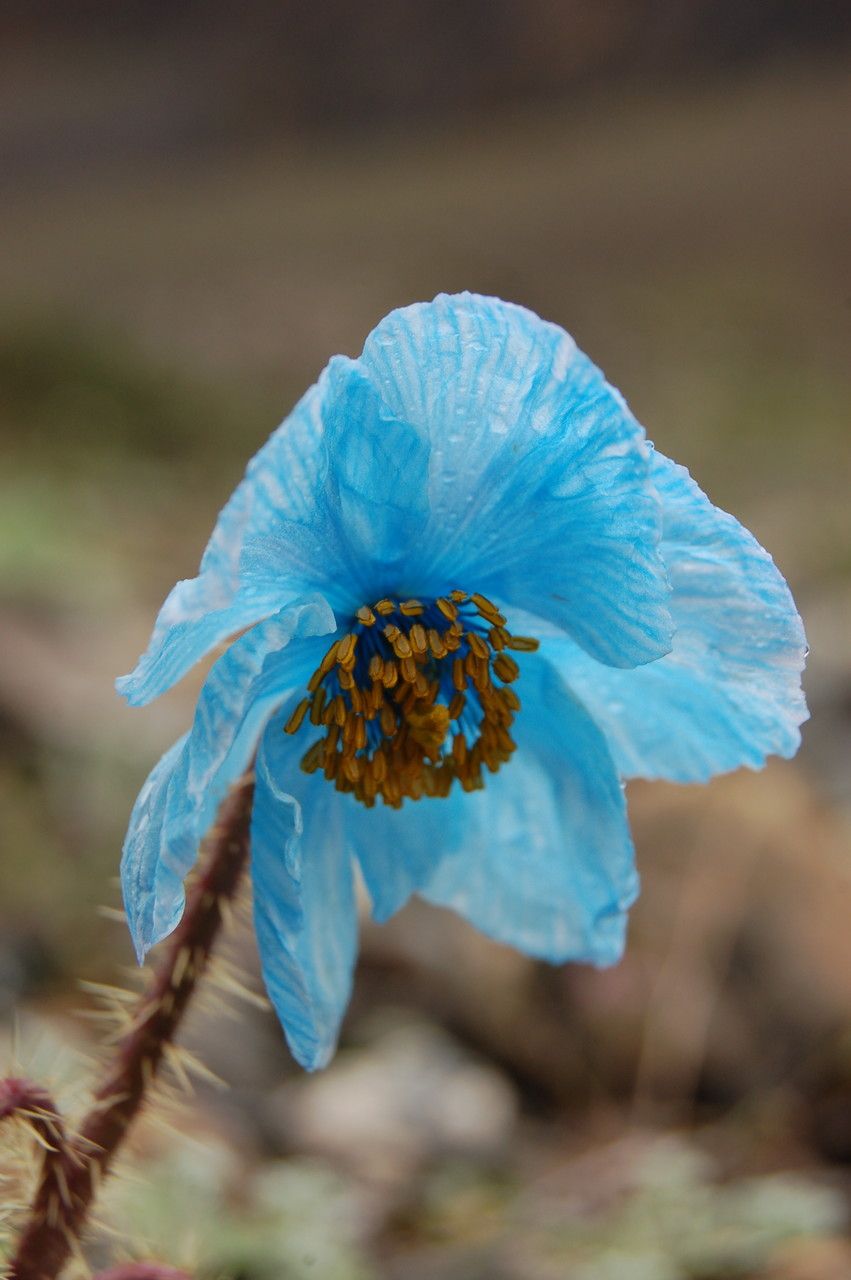
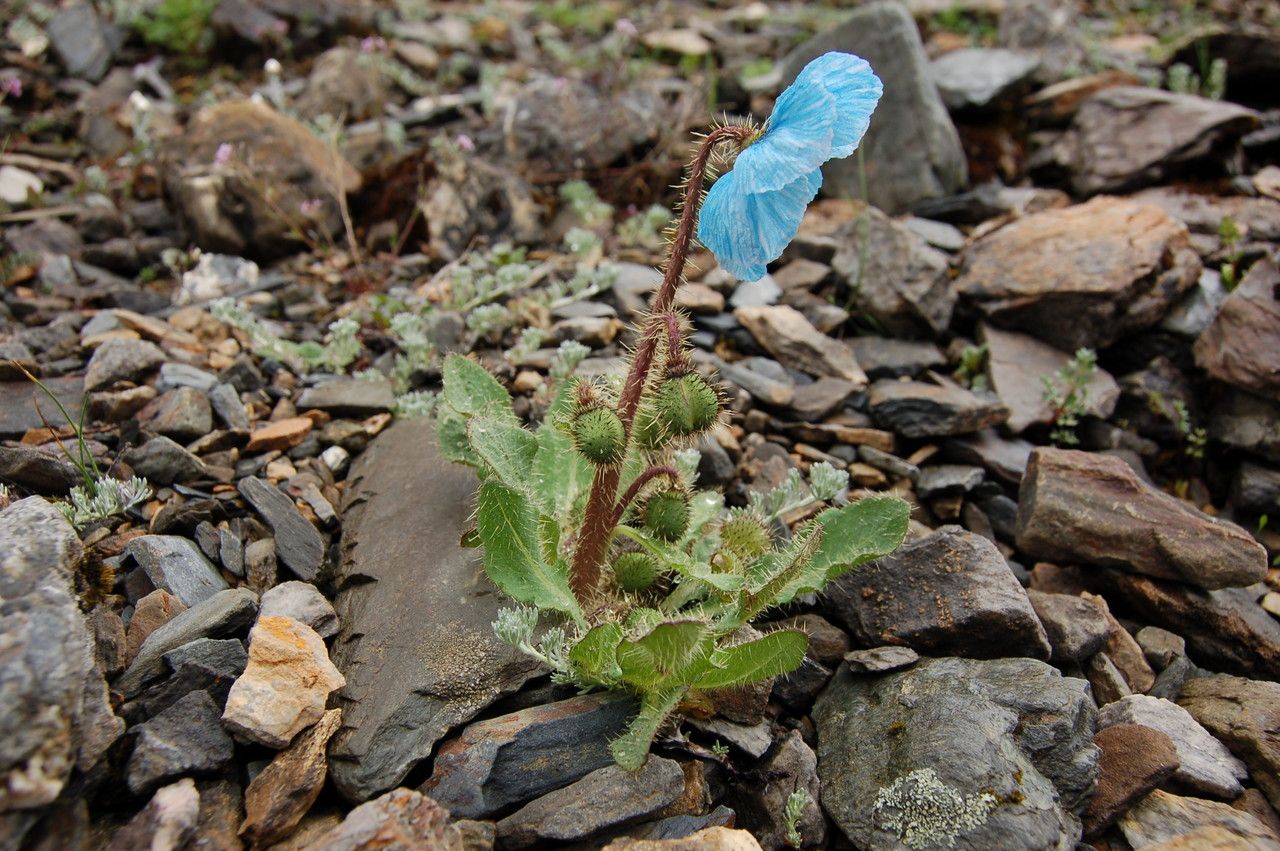
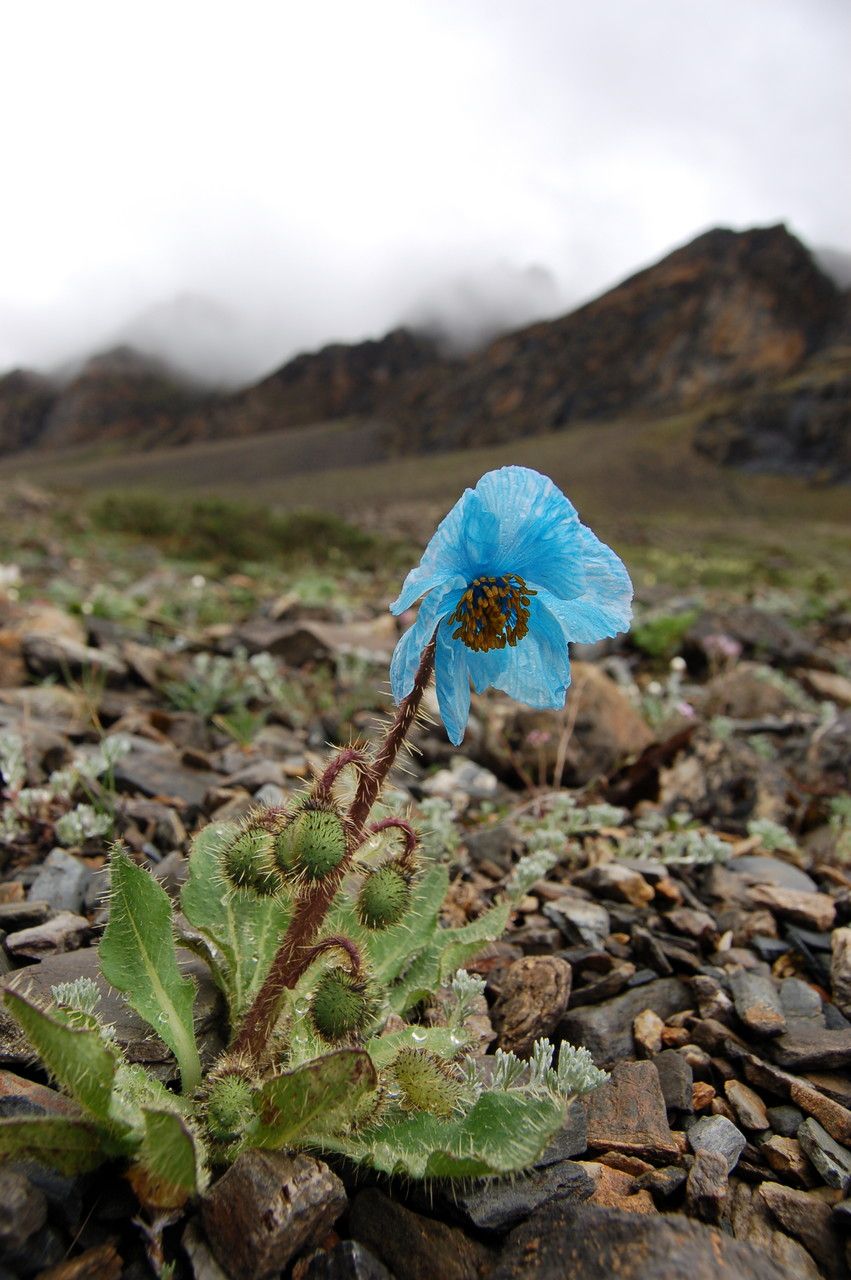
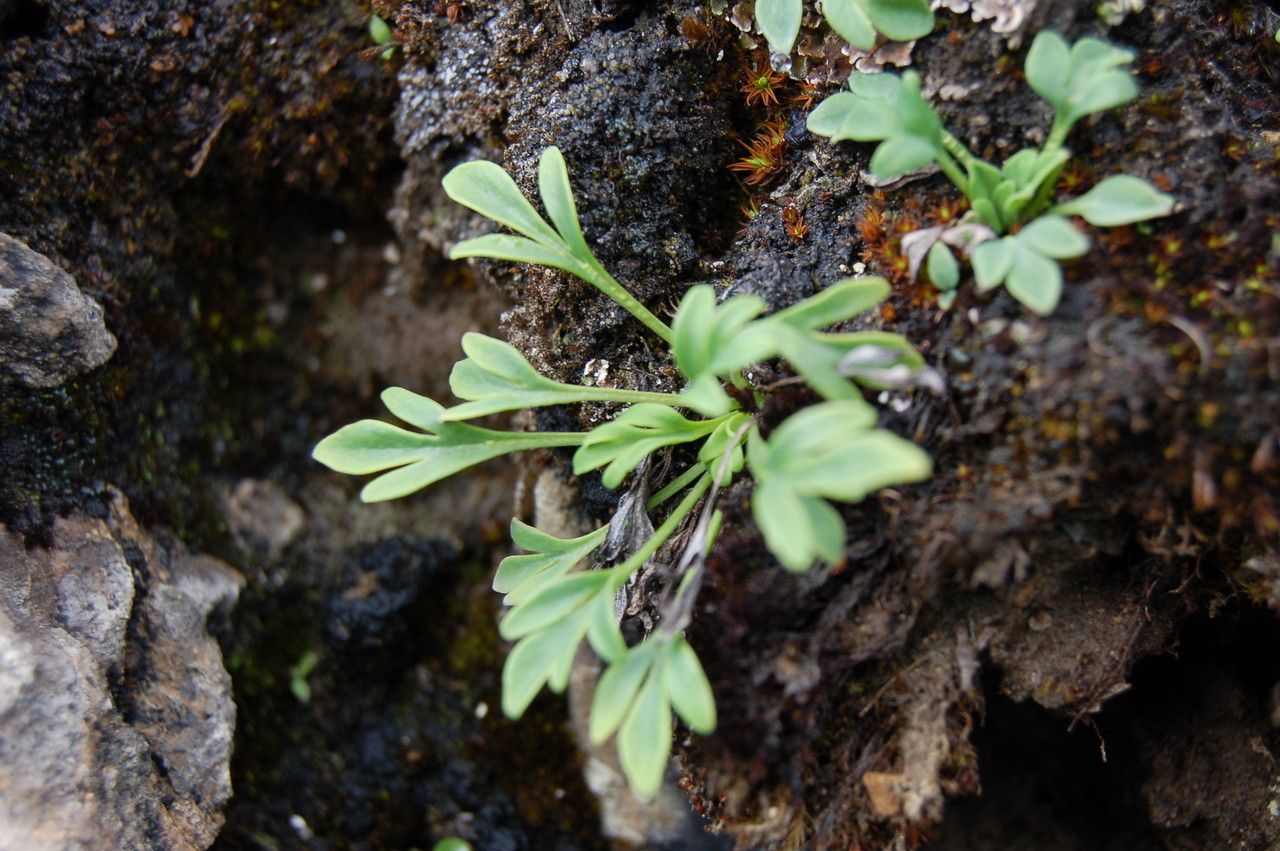
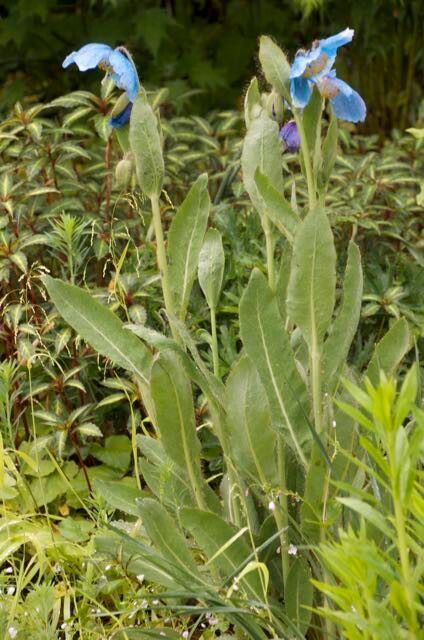
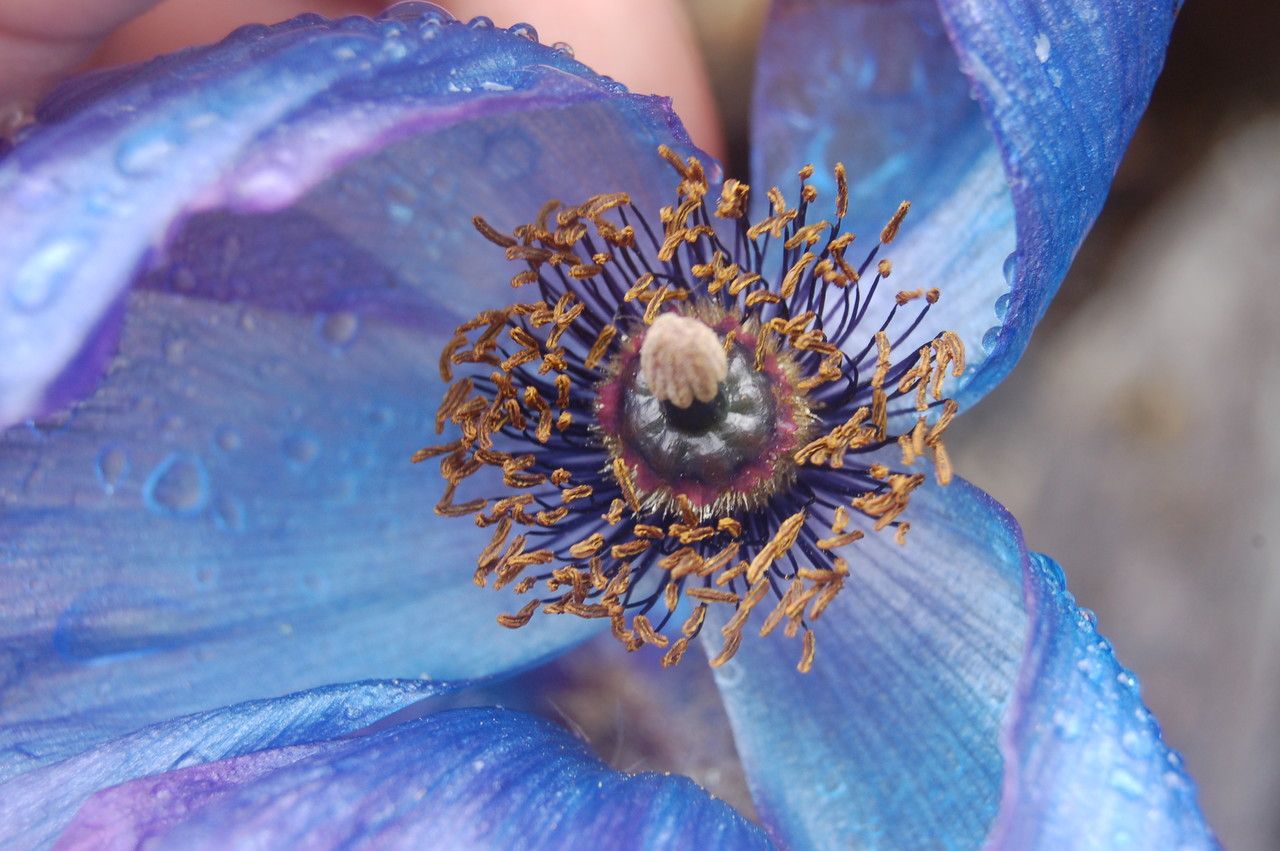
Meconopsis horridula, the prickly blue poppy, is a flowering plant from the family Papaveraceae. It is an endangered species that grows in high altitudes. The height of the plant varies from 20 cm to 1m. It is a monocarpic, dicot plant.
The prickly blue poppy has good resistance to disease and typically does not suffer from illnesses. However, it can be vulnerable to pests and diseases present in its surroundings. These infections are generally not severe. In terms of care, this plant requires a moderate level of maintenance. It should be pruned regularly to keep a good appearance and encourage healthy growth. Fertilizing can also help promote flowering. The prickly blue poppy is suitable for anyone with outdoor space, such as a garden or patio, and does not demand extensive plant-care experience. It may require more attention when grown indoors.
How to keep Meconopsis Horridula.
Light
The prickly blue poppy comes from habitats with dappled sunlight, such as forest understories or rocky sites that provide natural shade. It thrives in partial sun but can also adapt to full sun conditions.
Water
The prickly blue poppy flourishes in high-altitude environments, where it needs weekly watering without becoming waterlogged. This plant thrives best in well-draining soil with consistent moisture levels. Commonly cultivated outdoors, the prickly blue poppy is sensitive to seasonal rainfall, which affects its growth cycle and flowering period.
Temperature
Prickly blue poppy originates from temperate areas and tolerates temperatures of 68 to 95 °F (20 to 35 °C). It favors growing conditions that match this range. When seasonal temperatures are extreme, adjustments may be required to achieve optimal growth.
Fertilizer
When the Prickly blue poppy has opened most of its blooms to full size, resume fertilizing. At peak bloom, start feeding it every three to four weeks, weather permitting. Then, once the Prickly blue poppy begins producing fewer new blooms, stop fertilizing; there’s no need to feed it when it can no longer produce more blooms.
Pruning
The prickly blue poppy is known for its striking blue flowers and spiny foliage. To encourage healthy growth and vibrant blooms, prune the plant from early to late spring by removing dead stems and spent flowers. Careful pruning helps manage the plant’s size and enhances its overall appearance. To achieve the best results, consider consulting gardening guides for detailed pruning techniques.
Botanical profile.
- Plant Type
- Herb
- Life Cycle
- Annual
- Genus
- Meconopsis
- Family
- Papaveraceae
- Hardiness Zone
- 6-8
- Mature Height
- 20 cm to 91 cm
- Mature Spread
- 46 cm
- Leaf Color
- Green, Light Green
- Leaf Type
- Deciduous
- Flower Color
- Blue, Purple
- Flower Size
- 2.54 cm to 4.06 cm
- Bloom Time
- Late spring, Early summer
- Planting Time
- Spring, Summer
- Harvest Time
- Mid summer, Late summer
Other names.
Reader questions.
What are the sunlight requirements for Prickly blue poppy?
Prickly blue poppy thrives in conditions with partial sun to full shade, needing about 3-6 hours of sunlight for partial sun and less than 3 hours for full shade. Optimal growth occurs in environments mimicking its natural habitat, such as forest understories or rocky areas that provide natural shade. It's important to monitor the sunlight movement through your garden to select spots that offer a balance of light and shade, ensuring the plant's well-being.
What is the native climate of the Prickly blue poppy?
The Prickly blue poppy, known botanically as Meconopsis horridula, is native to temperate regions. It adapts well to temperatures between 68 to 95 °F (20 to 35 °C), indicating its preference for a growth environment that mirrors these conditions. In seasons where temperatures reach extremes outside this range, adjustments may be necessary to encourage optimal growth.
How does artificial lighting support indoor Prickly blue poppy plants?
When natural sunlight is insufficient, artificial lighting becomes essential for the growth of indoor Prickly blue poppy plants, promoting faster and healthier development. LED lights are recommended for their ability to provide specific wavelengths needed by the plants. Full sun plants require 30-50W/sq ft, partial sun plants need 20-30W/sq ft, and full shade plants require 10-20W/sq ft of artificial light. The light source should be placed 12-36 inches above the plant, mimicking natural sunlight for 8-12 hours per day to ensure optimal growth.
Does the Prickly blue poppy require special frost protection during winter?
The Prickly blue poppy has strong cold resistance, meaning special frost protection measures are not typically necessary. However, if winter temperatures are expected to fall below -25°C, it's important to provide cold protection to prevent damage. This can be done by covering the plant with insulating materials like soil or straw. Additionally, watering the plant abundantly before the first freeze in autumn, to ensure the soil remains moist and enters a frozen state, helps prevent drought and water scarcity during the colder months.
What are the symptoms of inadequate light for Prickly blue poppy?
Inadequate light can lead to various symptoms in Prickly blue poppy, including smaller new leaves, leggy or sparse growth, early leaf drop, halted growth, pale or irregularly colored new leaves, chlorosis (yellowing), sunscald, leaf curling, wilting, and leaf scorching. These symptoms indicate the plant's struggle with light deficiency, affecting its overall health and growth.
How does low temperature affect the Prickly blue poppy?
The Prickly blue poppy is cold-tolerant and thrives best in temperatures above 20°C. During winter, maintaining the temperature above 0°C is recommended. Exposure to temperatures below -25°C might not show noticeable changes during winter, but it can lead to decreased sprouting or even no sprouting in the spring. If parts of the plant fail to sprout in the spring, removing these parts is suggested.
What solutions can help remedy light deficiency symptoms in Prickly blue poppy?
To address light deficiency in Prickly blue poppy, gradually move the plants to sunnier spots each week to adapt to changing light conditions, ensuring 3-6 hours of direct sunlight daily. For large or immobile indoor plants, consider using artificial light sources, keeping them on for at least 8 hours daily. When dealing with outdoor plants, avoid abrupt changes in sunlight to prevent sunburn. Additionally, for ground plants, reducing obstructions and transplanting during the plant's dormant period to locations with ample sunlight and good drainage can be beneficial. It's crucial to gradually adapt the plants to ensure new growth is healthy, though parts of the plant previously affected may not recover.
How should I care for Prickly blue poppy in high temperature conditions?
During the summer, it's crucial to keep the Prickly blue poppy below 35°C. If temperatures exceed 38°C, the leaves may lighten in color, curl, become sunburned, and the plant might wilt and dry out in severe cases. To mitigate this, trim away sunburned and dry parts, move the plant to a location with shade during midday and afternoon, or use a shade cloth. Additionally, watering the plant in the morning and evening to maintain moist soil will help alleviate stress from high temperatures.