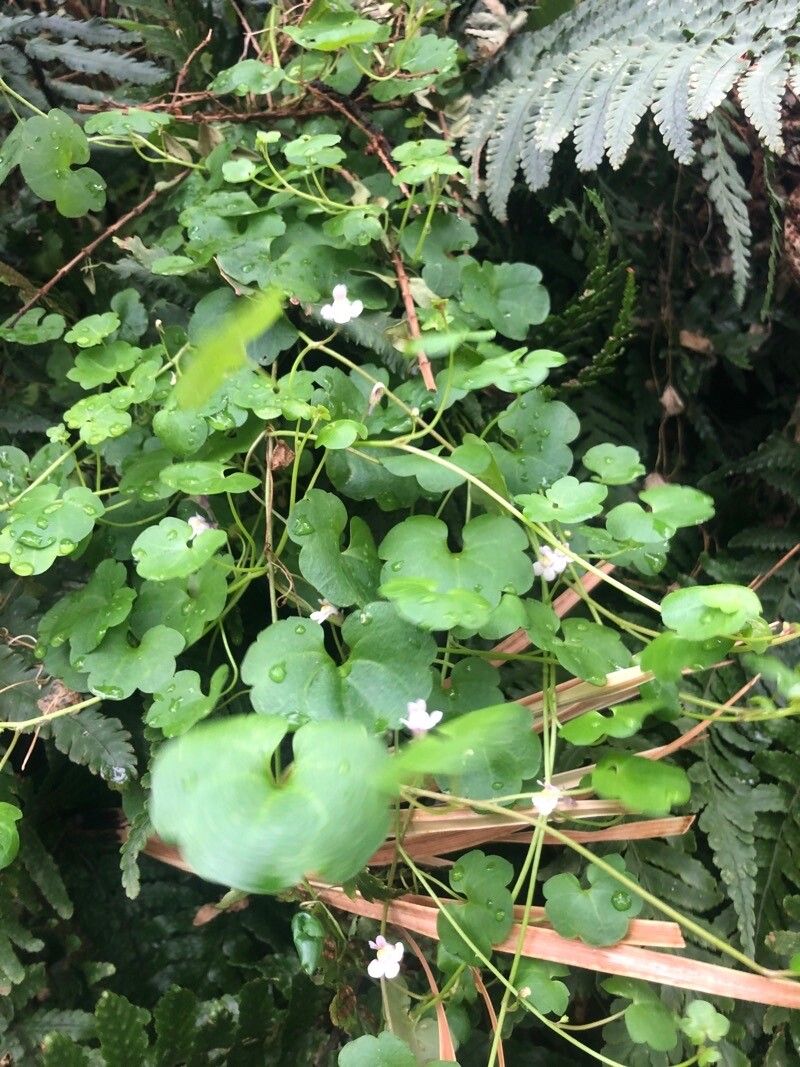
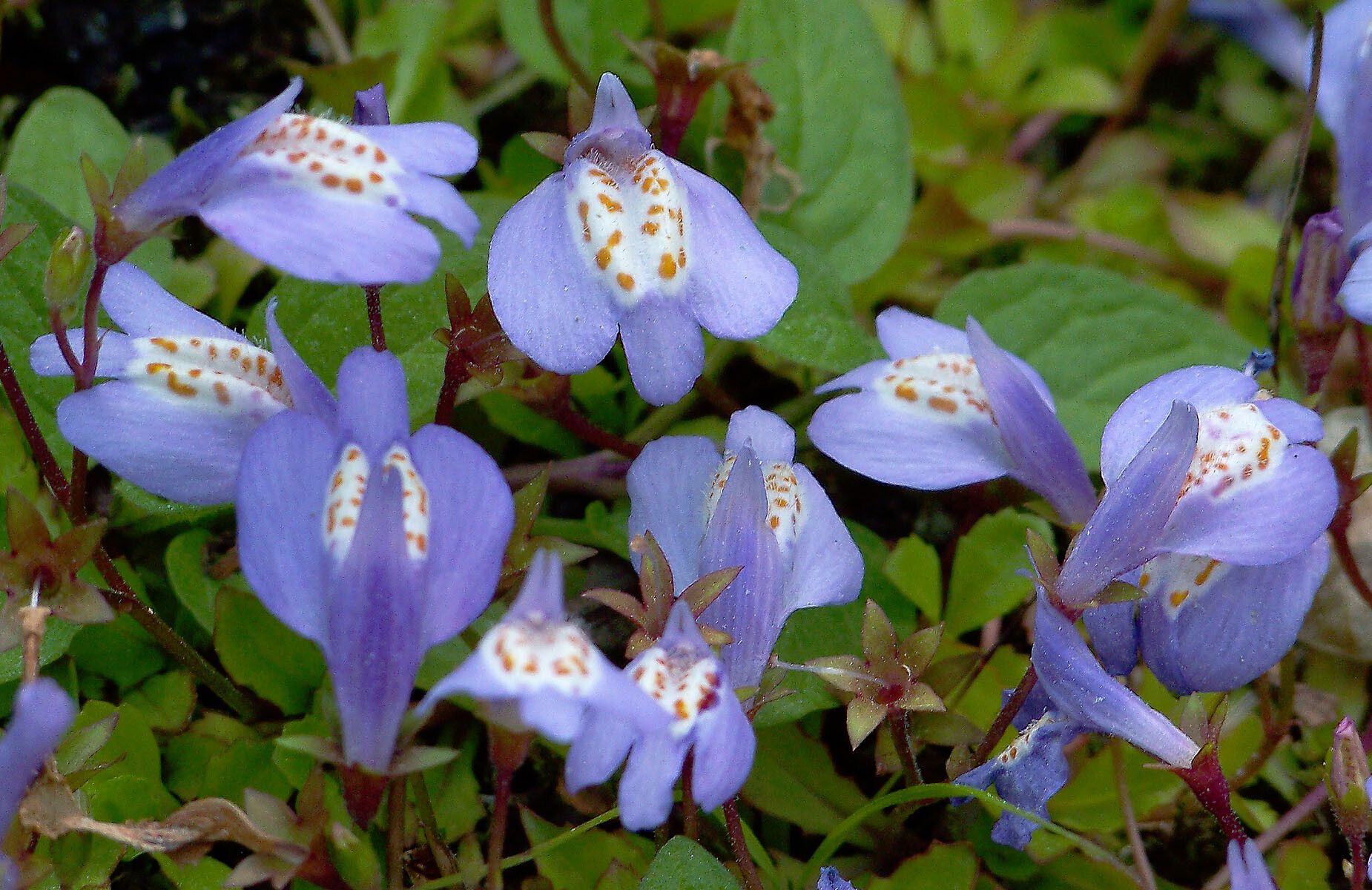
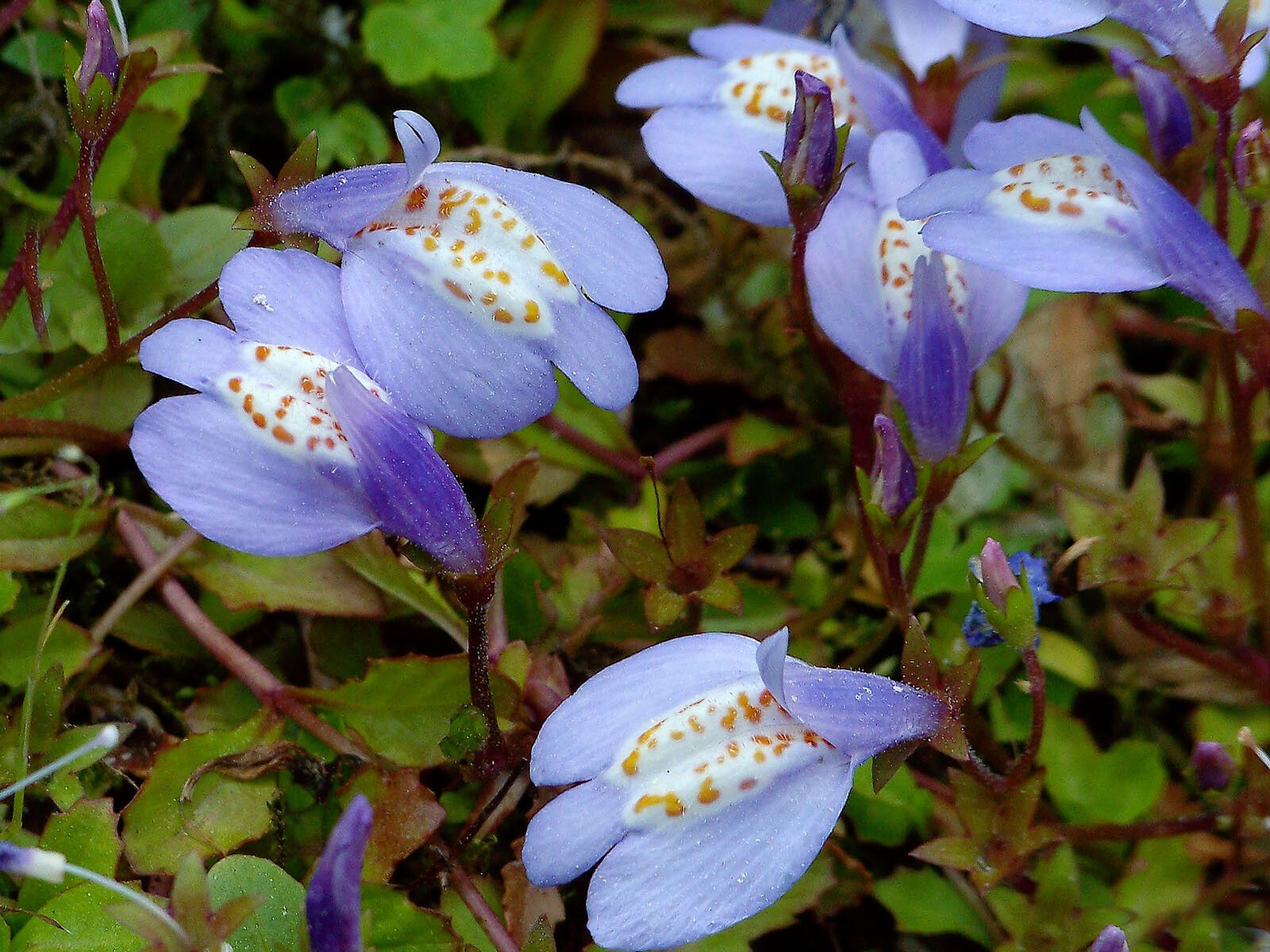
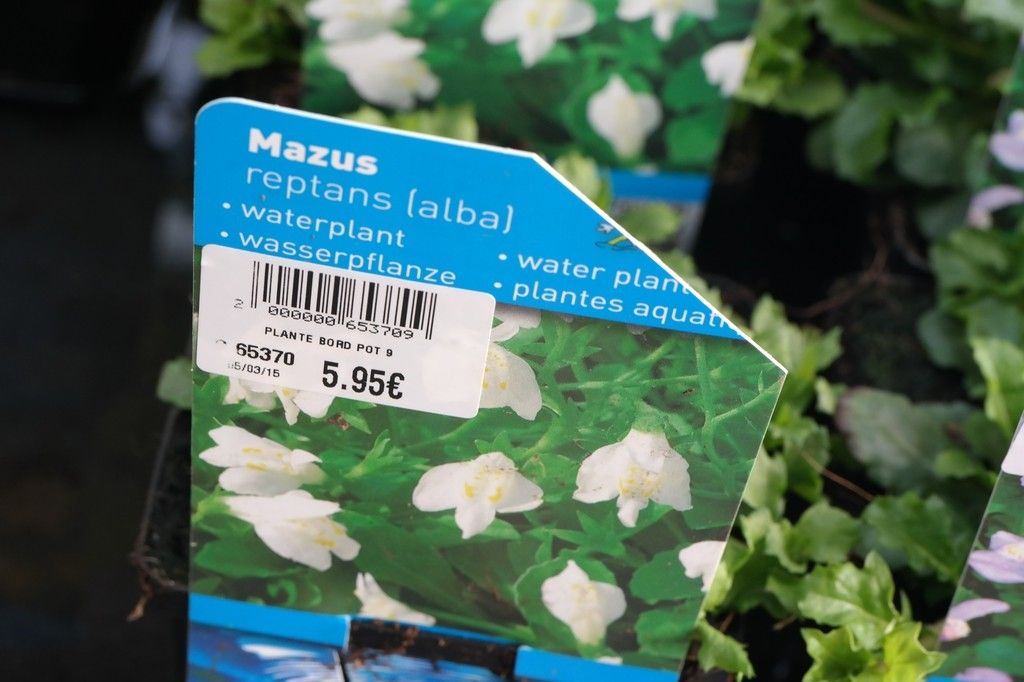
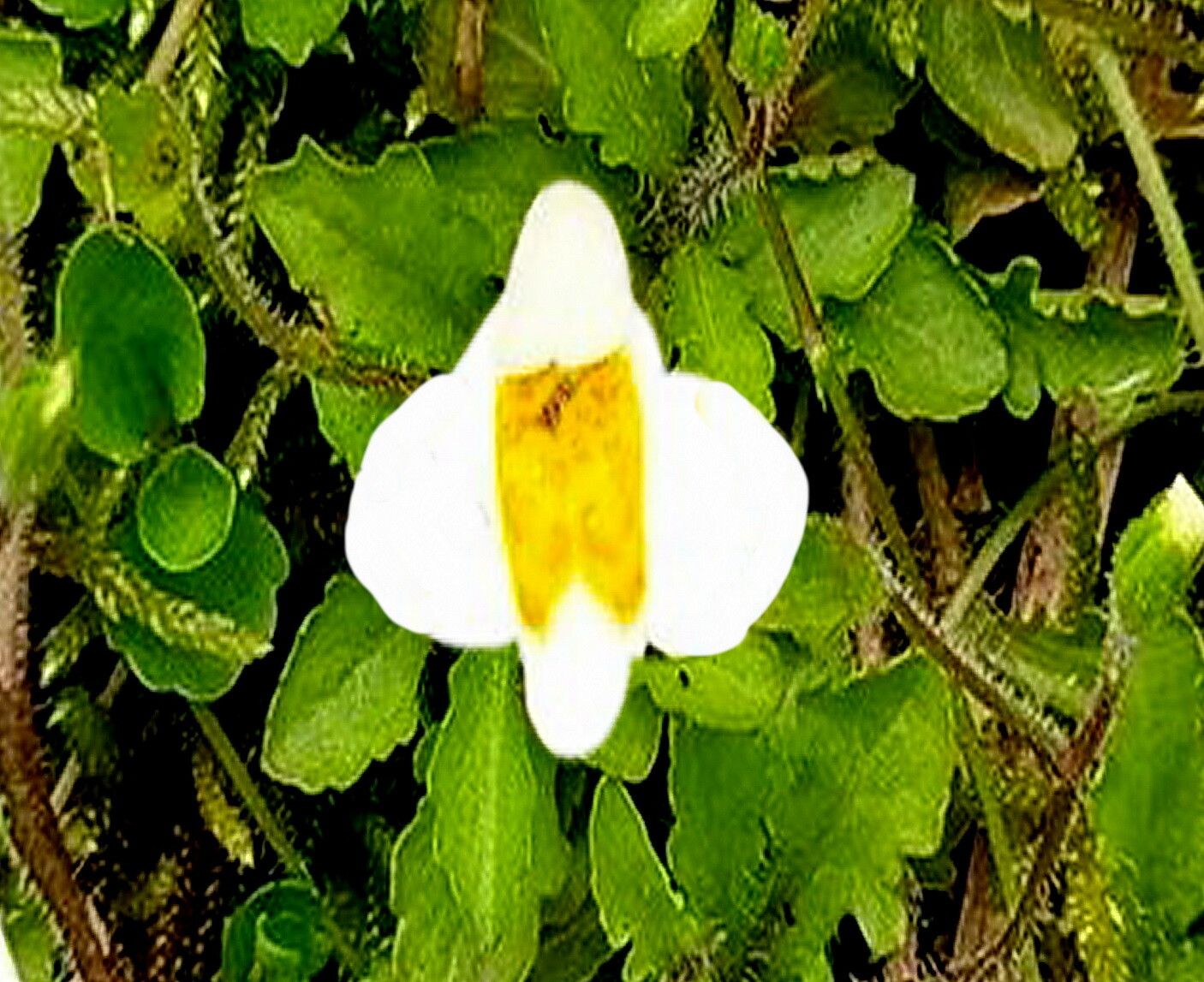
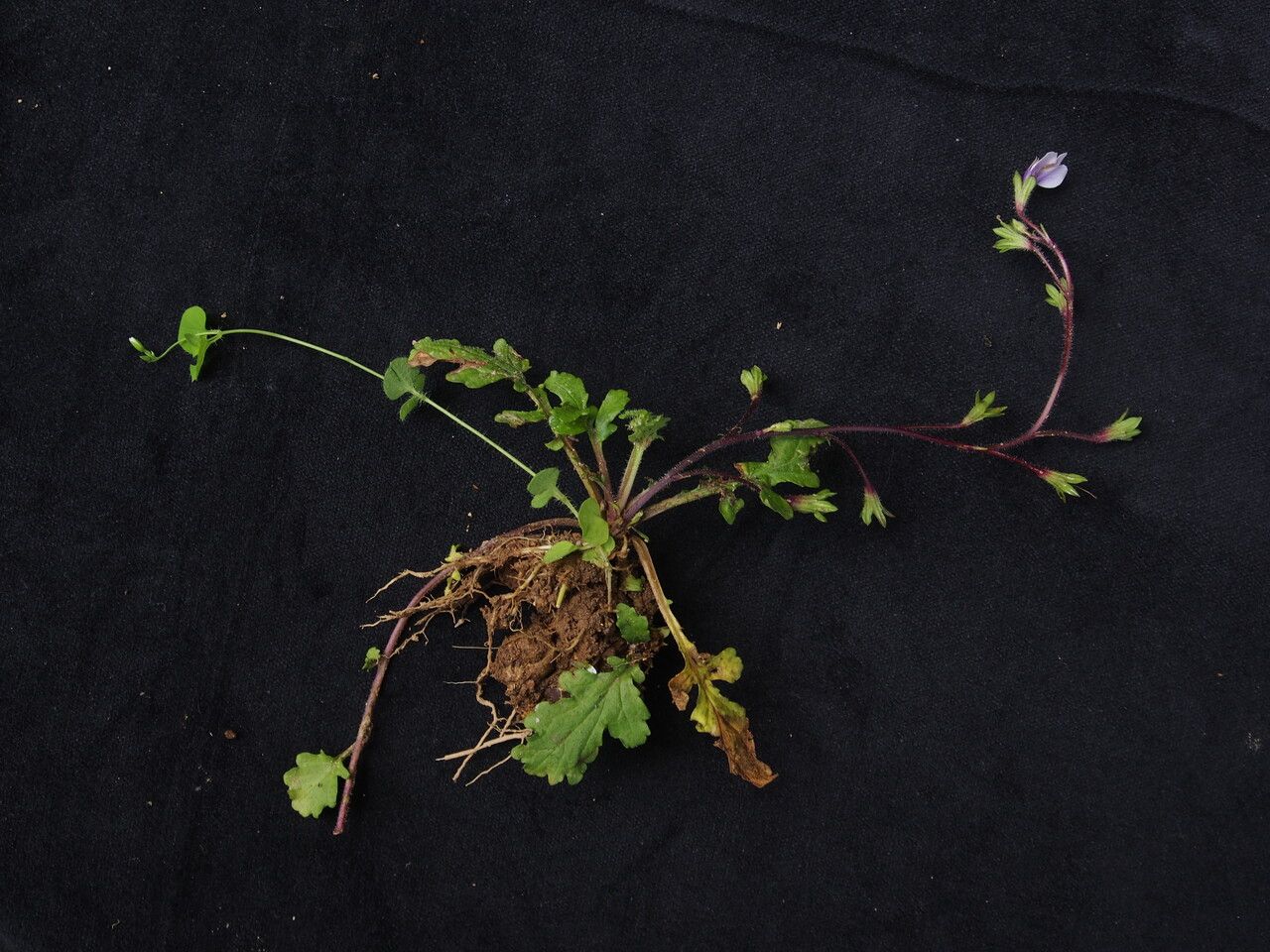
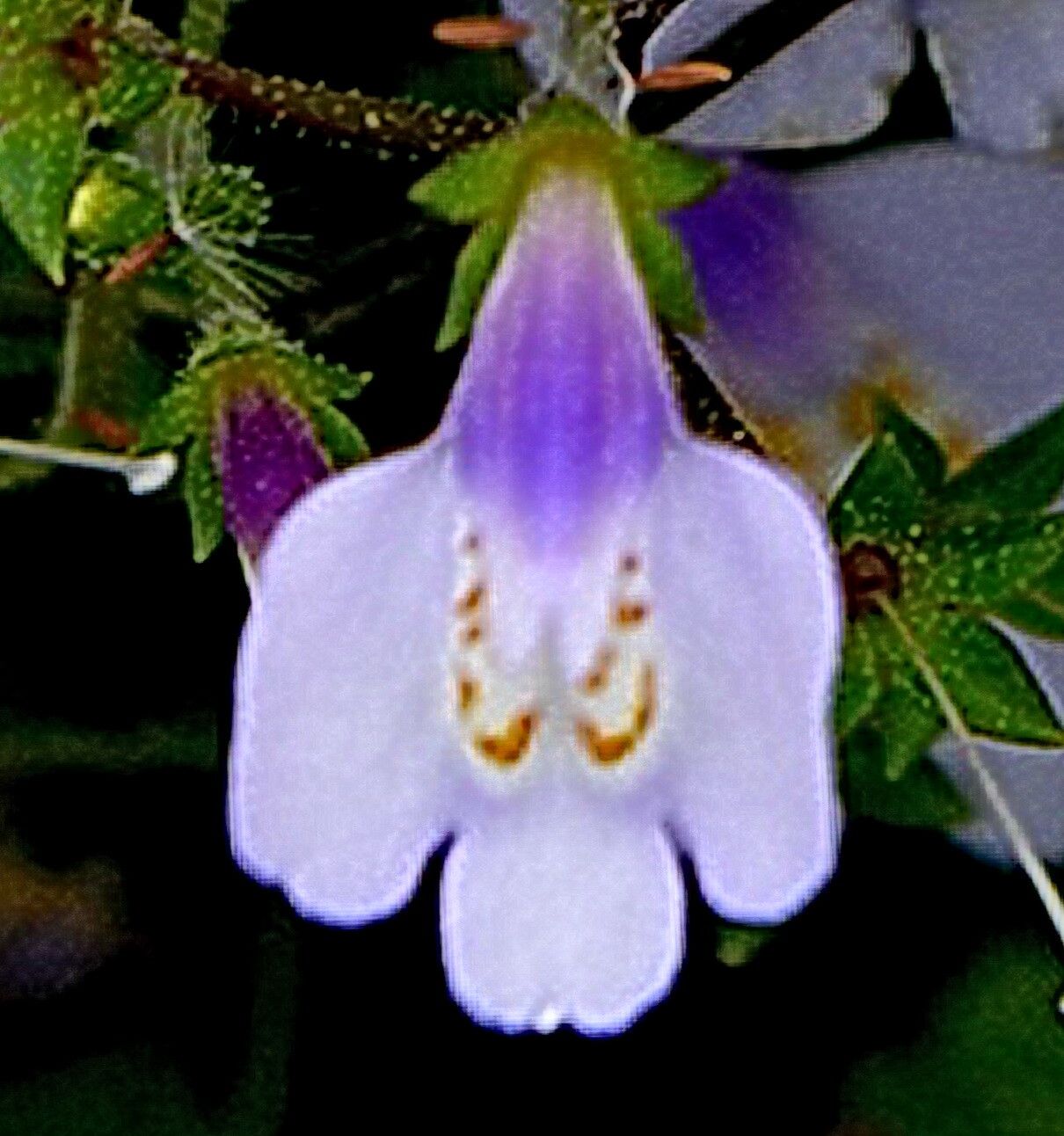
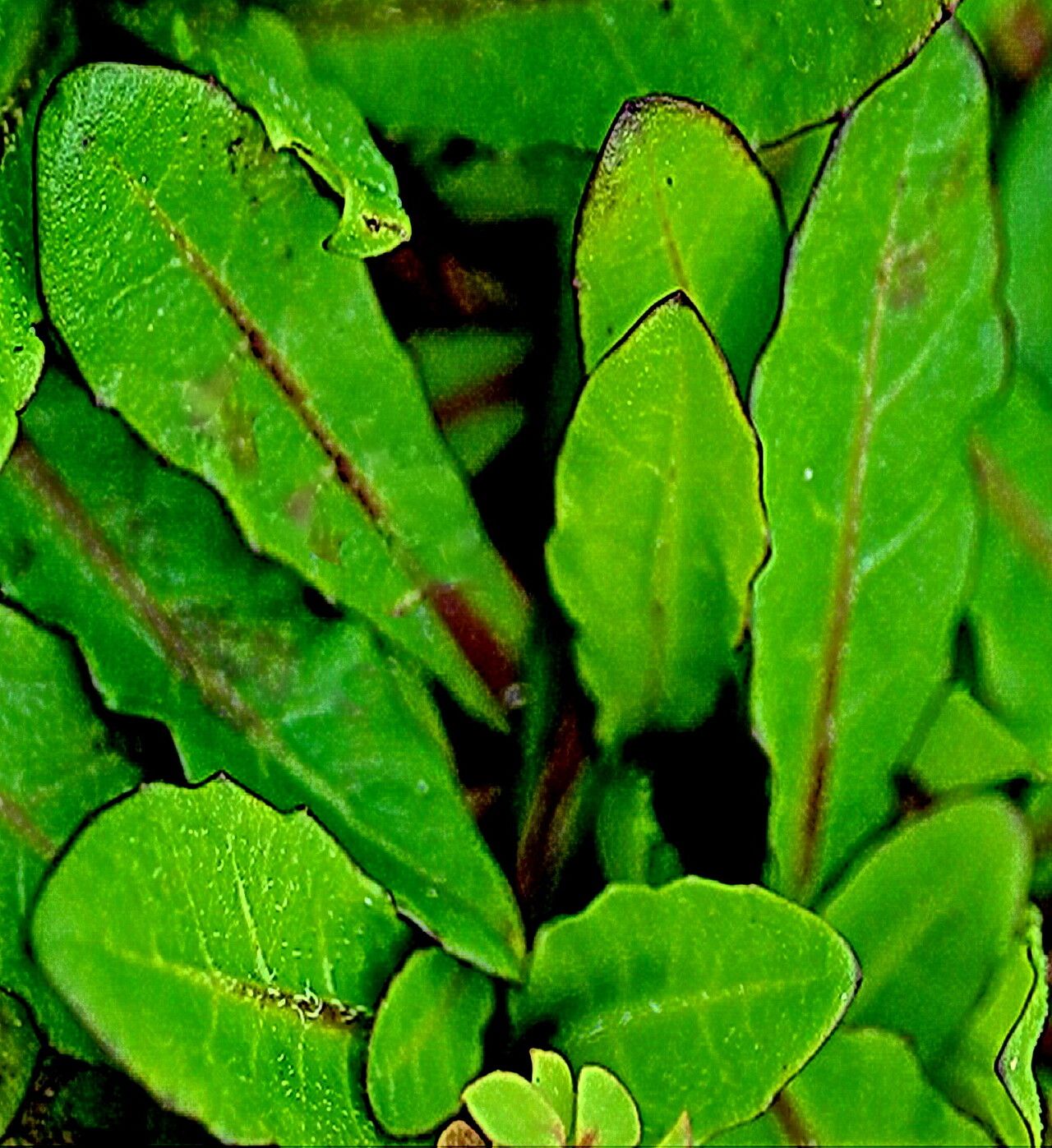
Mazus miquelii, commonly known as Miquel's mazus or creeping mazus, is a species of flowering plant in the family Mazaceae. It is an herbaceous perennial groundcover native to South Central China, Southeast China, Japan, Korea, and Taiwan. Mazus reptans is now considered a heterotypic synonym of M. miquelii, but is still often used in the ornamental plant trade.
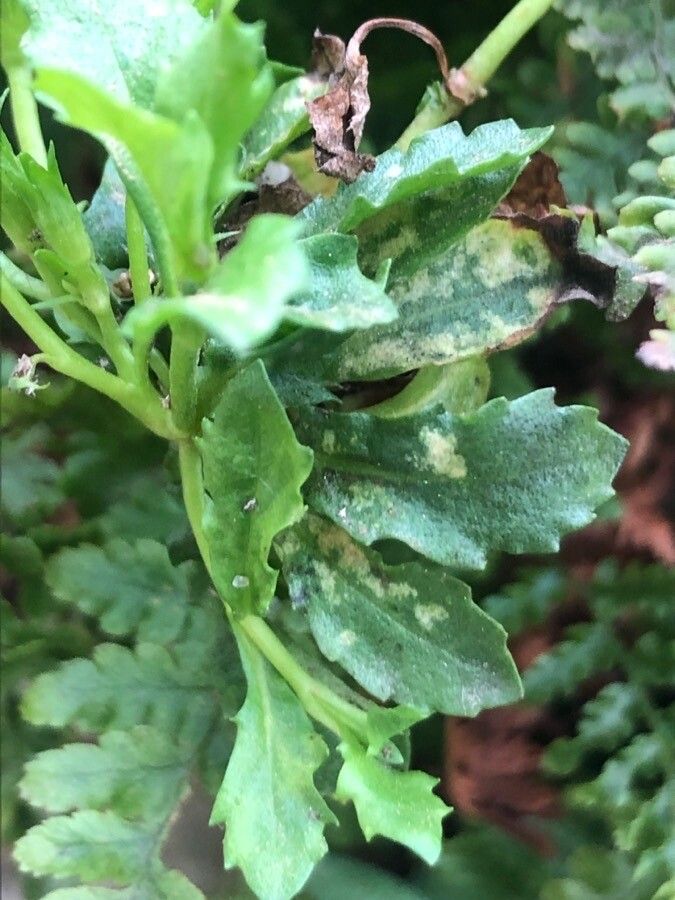
Miquel's mazus has strong disease resistance and is generally unlikely to develop illnesses. Nevertheless, it can be vulnerable to pests and diseases found in its environment. Such infections are typically mild. Regarding care, this plant needs medium maintenance. It should be pruned regularly to preserve a good appearance and encourage healthy growth. Applying fertilizer can also aid in boosting flowering. Miquel's mazus is well suited for anyone with outdoor space, like a garden or patio, and does not demand extensive gardening experience. It may need more attention when cultivated indoors.
How to keep Mazus Miquelii.
Light
Miquel's mazus flourishes in a space where it can bask in the sunlight for the whole day. Optimal sunlight exposure is vital for its healthy growth. Accustomed to consistent sunlight in its natural environment, Miquel's mazus can withstand too much sun but may struggle with growth under excessive shade.
Water
Miquel's mazus thrives in conditions that closely resemble its natural habitat, needing consistently moist soil and high humidity. It should be watered weekly and is usually grown outdoors so it can take advantage of rainfall during its active growing season.
Temperature
Miquel's mazus can acclimate to varying temperature ranges, but various combinations of heat and water conditions may still restrict its distribution. It prospers most effectively in warm summer climates with sufficient rain or irrigation. Long-lasting episodes of cloudy and rainy weather, along with extended periods of high temperatures, can enhance the chances of Miquel's mazus perishing. During the winter months, adequate shielding against the cold can enhance the survivability of the plant.
Fertilizer
The optimal period to apply fertilizer to a Miquel's mazus is during the beginning of spring, as it awakens from its dormant phase and starts active growth. The fertilization process supplies crucial nourishment required for its healthy growth. Even though the Miquel's mazus does not require a large amount of fertilizer, yearly fertilization can boost its lifespan and encourage superior and more enduring blooms.
Pruning
Miquel's Mazus is a low-growing perennial renowned for its vibrant flowers and trailing stems. To encourage dense growth and vibrant flowering, prune it regularly from early to late spring. This routine helps remove dead material and promotes healthy development, enhancing the plant's overall vitality and appearance.
Pot & Repot
Repot Miquel's mazus every 2 to 3 years in early spring to promote growth. Choose a shallow, wide pot to accommodate its spreading nature. After repotting, water the plant moderately and keep it out of direct sunlight for a week. This will help ensure a smooth transition and support healthy development.
Botanical profile.
- Plant Type
- Herb
- Life Cycle
- Perennial
- Genus
- Mazus
- Family
- Mazaceae
- Hardiness Zone
- 5-9
- Mature Height
- 5 cm to 34 cm
- Mature Spread
- 15 cm to 30 cm
- Leaf Color
- Green, Dark Green
- Leaf Type
- Semi-evergreen
- Flower Color
- Purple, Lavender
- Flower Size
- 5.08 cm to 15.24 cm
- Bloom Time
- Mid spring, Late spring, Summer, Early fall
- Planting Time
- Spring, Summer, Autumn
- Harvest Time
- Summer, Fall
- Native Area
- South Korea, Japan, China
Other names.
Reader questions.
What are the sunlight requirements for Miquel's Mazus?
Miquel's Mazus thrives best in full sun conditions, requiring above 6 hours of sunlight daily. It's essential to watch how sunlight moves through your garden to ensure that you provide a perfect balance of light and shade, ensuring the optimal growth and health of your plants.
How important is sunlight for the growth of Miquel's Mazus?
Sunlight plays a crucial role in the growth and development of Miquel's Mazus. Adequate exposure to sunlight is essential for its robust development, with the plant being accustomed to consistent sunlight in its natural habitat. While excessive shading can inhibit growth, Miquel's Mazus generally does not face issues with too much sun exposure.
Can artificial lighting be used for Miquel's Mazus and how?
Yes, artificial lighting can be employed for the growth of indoor plants including Miquel's Mazus, especially when natural sunlight is insufficient. LED lights are a popular choice as they can be customized to deliver specific wavelengths needed by plants. The required intensity of artificial light varies: 30-50W/sq ft for full sun plants, 20-30W/sq ft for partial sun plants, and 10-20W/sq ft for full shade plants. The light source should be placed 12-36 inches above the plant for 8-12 hours per day to mimic natural light conditions.
What are the signs of light deficiency in Miquel's Mazus?
Symptoms of inadequate lighting for Miquel's Mazus include smaller new leaves, leggy or sparse growth, faster leaf drop, slower or halted growth, lighter-colored new leaves, chlorosis (leaves turning yellow), sunscald, leaf curling, wilting, and leaf scorching. These symptoms indicate that the plant is not receiving enough sunlight, affecting its growth and health.
What solutions can address the light deficiency symptoms in Miquel's Mazus?
To address light deficiency in Miquel's Mazus, gradually moving the plant to a sunnier location each week until it gets at least 6 hours of direct sunlight daily is recommended. For indoor plants, consider using artificial lighting for at least 8 hours a day. For outdoor plants, it's important to adapt them gradually to sunnier locations to prevent sunburn. Reducing obstructions such as pruning trees and transplanting to a location with ample sunlight can also help. Note that parts of the plant affected by insufficient sunlight might not recover, but new growth should be healthy with improved lighting conditions.