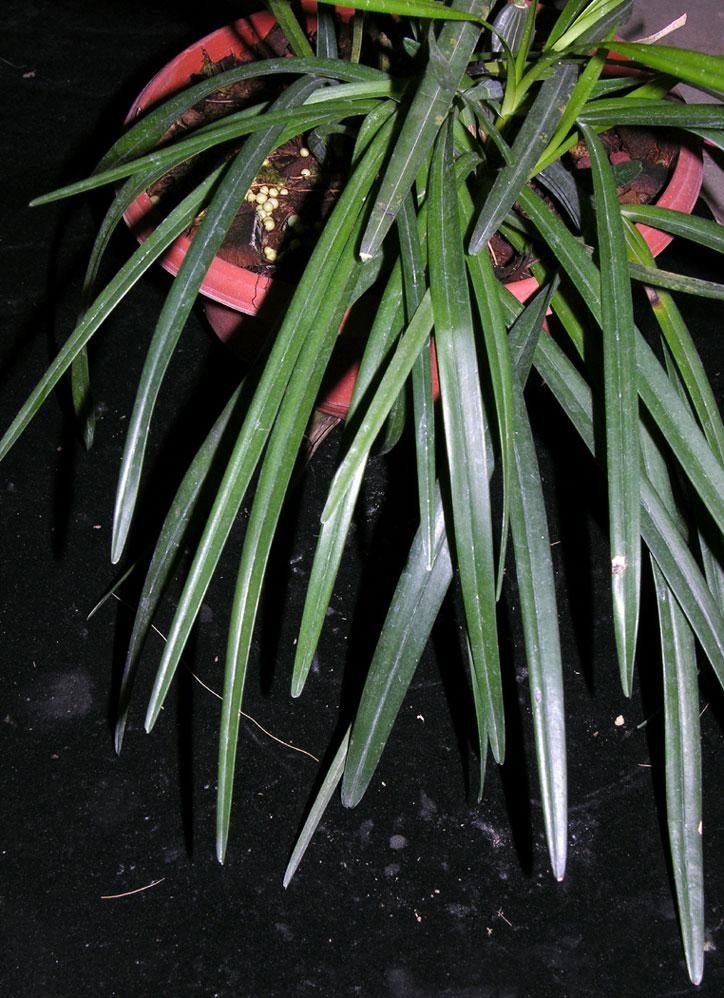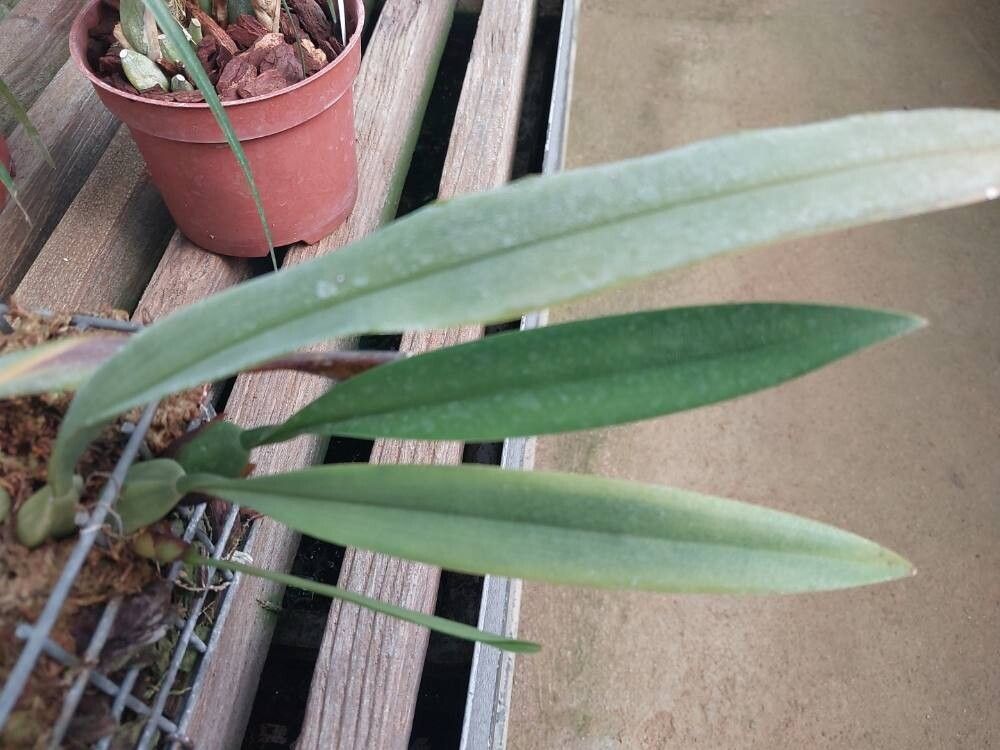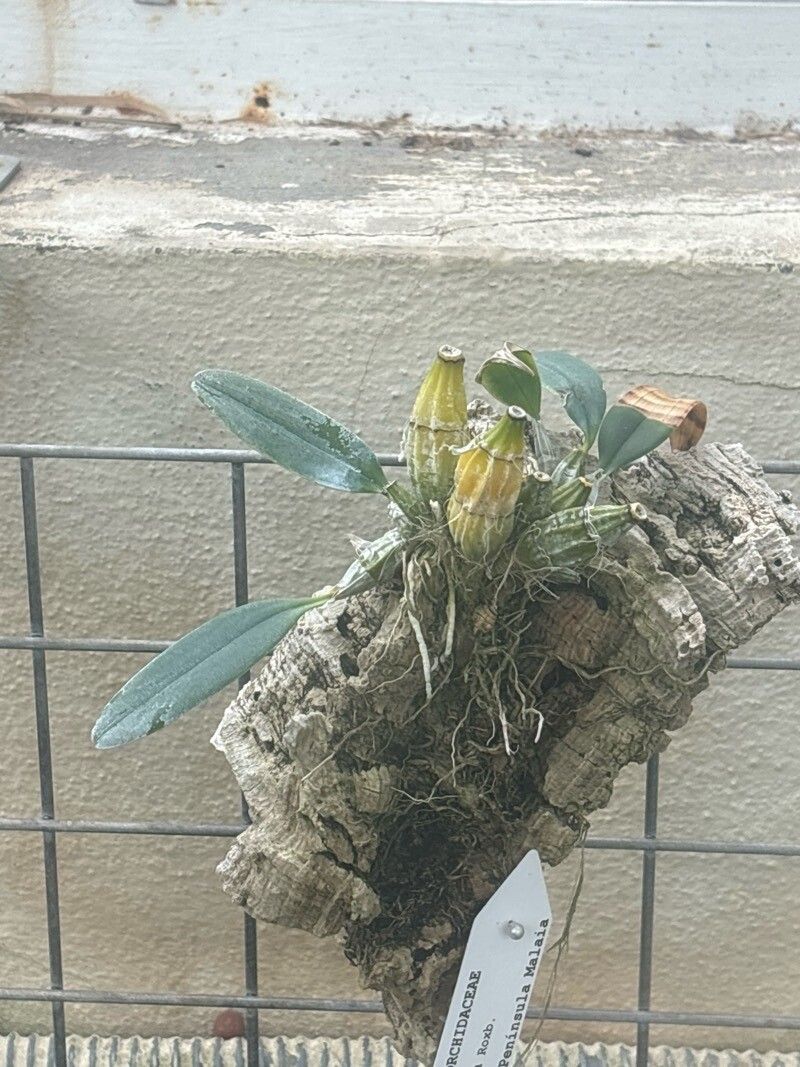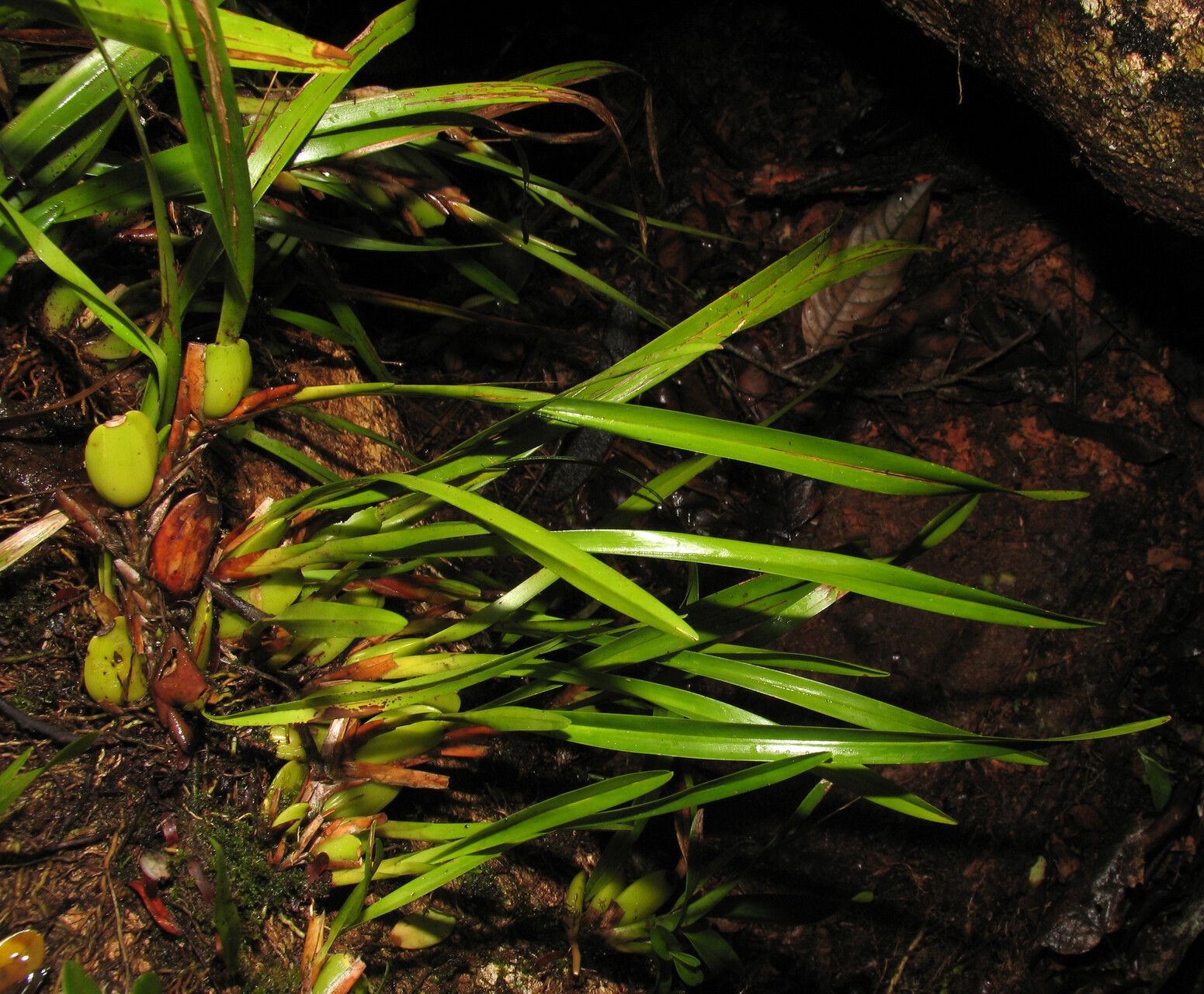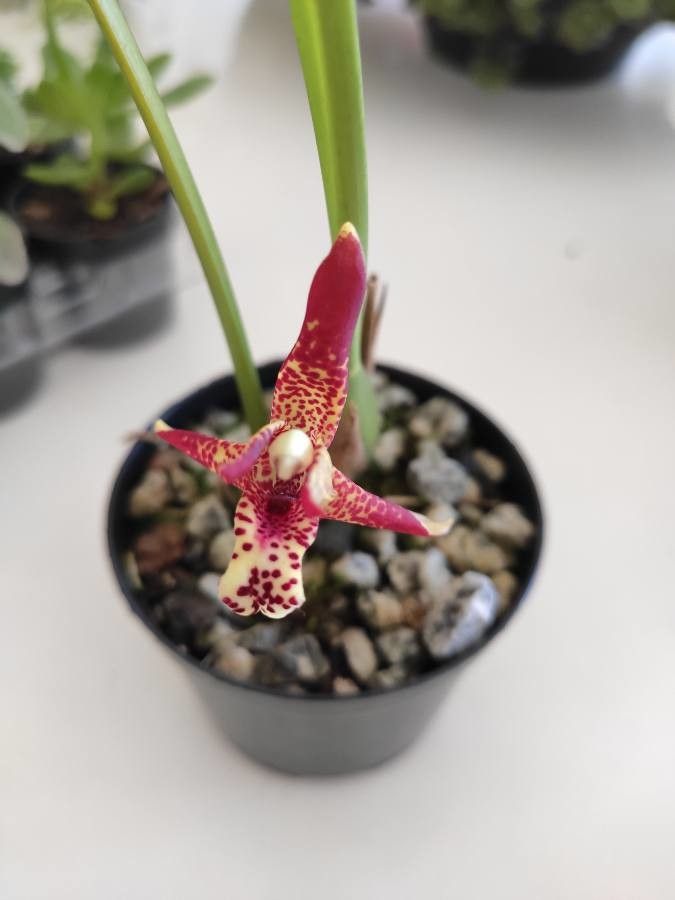
Maxillaria tenuifolia, the delicate-leafed maxillaria or coconut pie orchid, is a species of orchid ranging from Mexico to Nicaragua and possibly Costa Rica. These plants are easy to grow if kept moist and given good air movement in a high-light windowsill of any orientation but North.
Delicate-leafed maxillaria is generally resistant to disease and encounters relatively few insect pests. Its care is considered difficult because it needs high humidity combined with good ventilation and an environment with few harmful pathogens. Overwatering can cause root rot. While anyone can grow Delicate-leafed maxillaria, maintaining its health and getting it to bloom again requires greater growing experience.
How to keep Maxillaria Tenuifolia.
Light
Delicate-leafed maxillaria prefers spots with moderate light, similar to the filtered light it gets under taller canopy in its native habitat. Too much or too little sunlight can impede its growth, possibly resulting in faded foliage or inadequate flowering, respectively.
Water
The delicate-leafed Maxillaria thrives in environments with high humidity and consistently moist soil but can tolerate moderate drought. To ensure optimal growth, especially indoors, it is recommended to water it weekly and mist it regularly. These practices help replicate the plant’s native tropical rainforest conditions, promoting health and vitality during the growing season.
Humidity
This plant will thrive in moderate humidity, which is probably the level in your home. However, misting it a few times a week can be very beneficial. Make sure the room has good ventilation.
Temperature
Delicate-leafed maxillaria is a plant native to temperate climates and prefers temperatures between 68 and 95 °F (20 and 35 °C). If conditions stray outside that range, minor adjustments to keep it comfortable year-round are recommended.
Fertilizer
Proper fertilization is essential for the health and appearance of Delicate-leafed maxillaria. Fertilize Delicate-leafed maxillaria in summer, repeating the application monthly throughout the season. Nutrients supply energy for growth and help maintain the plant's parts. Fertilizing improves Delicate-leafed maxillaria's flower display, ensuring the best blooms.
Pruning
The delicate-leafed Maxillaria showcases slender foliage and fragrant flowers. For best results, prune the plant from late winter to early spring, focusing on removing dead leaves and overgrown stems. Pruning after the plant has flowered encourages new growth and blooms while also improving airflow and reducing pests, leading to a healthier plant overall.
Pot & Repot
When repotting Delicate-leafed maxillaria, select a pot that is only slightly larger and provides good drainage, preferably a clear orchid pot. Use an orchid-specific, well-draining mix that includes bark or moss. Gently clean the roots and cut away any that are dead or rotting. Repot after flowering—usually in spring or fall—water thoroughly, and keep the plant in bright, indirect light. Avoid disturbing the roots once it is repotted.
Botanical profile.
- Plant Type
- Herb
- Life Cycle
- Perennial
- Genus
- Maxillaria
- Family
- Orchidaceae
- Hardiness Zone
- 10
- Mature Height
- 49 cm
- Mature Spread
- 49 cm
- Leaf Color
- Green
- Leaf Type
- Evergreen
- Flower Color
- Red, White, Yellow, Purple, Orange
- Flower Size
- 2.54 cm to 5.08 cm
- Bloom Time
- Mid spring, Late spring, Summer
- Planting Time
- Summer, Autumn
- Harvest Time
- Summer, Early fall, Mid fall
- Native Area
- Belize, Honduras, Mexico, Guatemala, El Salvador, Nicaragua, Costa Rica
Other names.
Reader questions.
What should I do if I give my Delicate-leafed maxillaria plant too much or too little water?
Symptoms of overwatering in Delicate-leafed maxillaria include limp and wrinkled leaves, yellowing or decay, and general failure to thrive. When owners see limp and shriveled leaves, they may mistakenly assume the plant isn't getting enough water and add more, worsening the issue. To determine the problem, it's important to inspect the roots. Healthy roots are silvery green, green, or white and feel firm. Overwatered roots will appear mushy, limp, and brown or black. To rescue an overwatered plant, remove any rotted roots and repot in new growing medium. Overwatering can be detrimental, so it's best to be conservative with water. Symptoms of underwatering are similar to overwatering in Delicate-leafed maxillaria. Check the moisture level of the growing medium using your finger or a moisture meter. Increase watering frequency if necessary. Again, inspect the roots to differentiate between underwatering and overwatering. Underwatered roots will be crisp, brown, and brittle, while healthy roots are pliable and green. To revive an underwatered plant, trim off any dried or dead root pieces and repot. Water thoroughly and within a week or two, the leaves should start firming up. If severely damaged, remove the leaves to make way for new growth.
Why should I use plant food on my sensitive Delicate-leafed maxillaria?
Your Delicate-leafed maxillaria needs fertilizer and soil nutrients to fuel its healthy growth. Plants generally use these nutrients to develop new plant material and maintain their existing components. Specifically for the Delicate-leafed maxillaria, fertilization is crucial for displaying its flowers in the best version. Since the flowers are the main attraction of this plant, most gardeners strive to ensure they appear at their finest. Fertilization is a dependable method to help your Delicate-leafed maxillaria produce its best blooms.
What are the sunlight requirements for Delicate-leafed maxillaria?
Delicate-leafed maxillaria, or Maxillaria tenuifolia, thrives best in partial sun, requiring about 3-6 hours of sunlight each day. It's crucial to observe how sunlight moves through your garden or interior spaces to find spots that offer a balance of light and shade, mimicking the native habitat's filtered light conditions under taller canopy layers. Too much or too little sunlight can hinder the plant's growth, causing faded foliage or insufficient blooming.
What is the ideal temperature range for delicate-leafed maxillaria?
Delicate-leafed maxillaria thrives in temperate climates, with an ideal temperature range between 68 to 95°F (20 to 35°C). These conditions are essential to maintain the plant's health and promote its growth. Adjustments may be required if the temperature veers outside this range to ensure the plant remains comfortable year-round. During winter, if temperatures drop below 5°C, it's recommended to bring the plant indoors and maintain a temperature above 20°C for optimal care.
How frequently should I water my Delicate-leafed maxillaria plant?
When caring for your Delicate-leafed maxillaria, it is important to water it when the mix is mostly but not completely dry, regardless of the medium you use. The watering frequency may vary based on the environmental conditions, but typically it should be done about once or twice a week during summer and as little as once every 2 weeks in winter.
When should I fertilize my Delicate-leafed maxillaria plant?
The Delicate-leafed maxillaria has two main phases each year. The first is the dormant phase during winter, when minimal new growth occurs. The second is the active growth phase in spring and fall when fertilization is most important. For best results, start fertilizing in spring and continue monthly into summer. As fall approaches, reduce the fertilization rate.
How can artificial lighting benefit indoor plants like Delicate-leafed maxillaria?
When natural sunlight is scarce, especially during winter or in darker indoor spaces, artificial lighting becomes vital for the optimal growth of indoor plants like Delicate-leafed maxillaria. LED lights are advisable as they can provide specific light wavelengths needed by plants. The amount of artificial light required varies by plant type: full sun plants need 30-50W/sq ft, partial sun plants 20-30W/sq ft, and full shade plants 10-20W/sq ft. Proper placement (12-36 inches above the plant) and duration (8-12 hours per day) of artificial lighting mimic natural daylight, promoting healthier plant growth.
How should delicate-leafed maxillaria be cared for during winter?
During winter, if the minimum temperature drops below 5°C, delicate-leafed maxillaria should be brought indoors to ensure its survival. It's important to keep the indoor temperature above 20°C and to place the plant near a south-facing window to ensure it gets ample sunlight. Additionally, maintaining high humidity levels by regularly misting the plant or using a humidifier is beneficial. For plants needing to overwinter outdoors, ensuring a sheltered position that receives sunlight is crucial. Use a temporary greenhouse or protective materials such as plastic film or fabric to wrap the plants and shield them from colder temperatures.
How do I properly water delicate-leafed maxillaria plants?
Delicate-leafed maxillaria plants are unique because they don't grow in soil like most plants. When growing them, it's important to choose the right growing medium. Regardless of the medium used, the container should have good drainage. Delicate-leafed maxillaria pots are designed to hold a chunky potting mix with ventilation. They are tall and narrow to allow air circulation around the roots. One popular medium for these plants is bark, which is sourced from fir trees and drains well. Since Delicate-leafed maxillaria naturally grows on bark, using a similar substrate indoors makes sense. However, using bark requires more frequent watering as it dries out quickly. Another common medium for orchids, including Delicate-leafed maxillaria, is sphagnum moss. Most commercially sold specimens come in moss because it's lightweight, cost-effective, and requires less frequent watering. However, moss can be challenging for non-experts as it can hold too much water and cause root rot. If your Delicate-leafed maxillaria is planted in moss and you plan to keep it that way, be cautious with watering. Less is more, and reversing root rot is difficult once it sets in. Watering from below is preferable to avoid splashing the leaves, stem, and flowers. Simply place the pot in a water-filled container for 10-15 minutes, allowing the roots to soak up moisture. Stop when the surface of the moss is wet. Make sure to drain thoroughly before returning the plant to its normal location, as sitting in water is not favorable for these plants.
When is it a bad idea to fertilize my Delicate-leafed maxillaria?
If you want to help your Delicate-leafed maxillaria thrive without risking root burn, it's important to know when to provide extra nutrients. During the spring and summer, when the plant is actively growing, it's crucial to fertilize it. However, in the fall and winter when the plant enters its dormancy stage, it's best to stop fertilizing altogether.
What symptoms indicate insufficient lighting for Delicate-leafed maxillaria?
Symptoms of insufficient lighting for Delicate-leafed maxillaria include smaller new leaves, leggy or sparse growth, faster leaf drop, slower or no new growth, lighter-colored new leaves, chlorosis (yellowing leaves due to chlorophyll breakdown), sunscald, leaf curling, wilting, and leaf scorching. These signs show the plant's struggle in low-light conditions. During the winter or in indoor settings with inadequate lighting, these symptoms are more likely to appear, signaling the need for adjusting the plant's light exposure or using artificial lights.
What are the signs of low temperature stress in delicate-leafed maxillaria and how can it be mitigated?
When exposed to temperatures below their ideal range, delicate-leafed maxillaria shows signs of stress including extensive water-soaked necrosis, wilting, and drooping. These symptoms indicate the plant is not tolerant of low temperatures, particularly below 1°C. To mitigate these issues, affected areas should be trimmed off, and the plant should be moved to a warm indoor environment immediately. Placing the plant near a south-facing window ensures it receives sufficient sunlight. It's also important to avoid placing the plant too close to heaters or air conditioning vents to prevent excessive dryness.