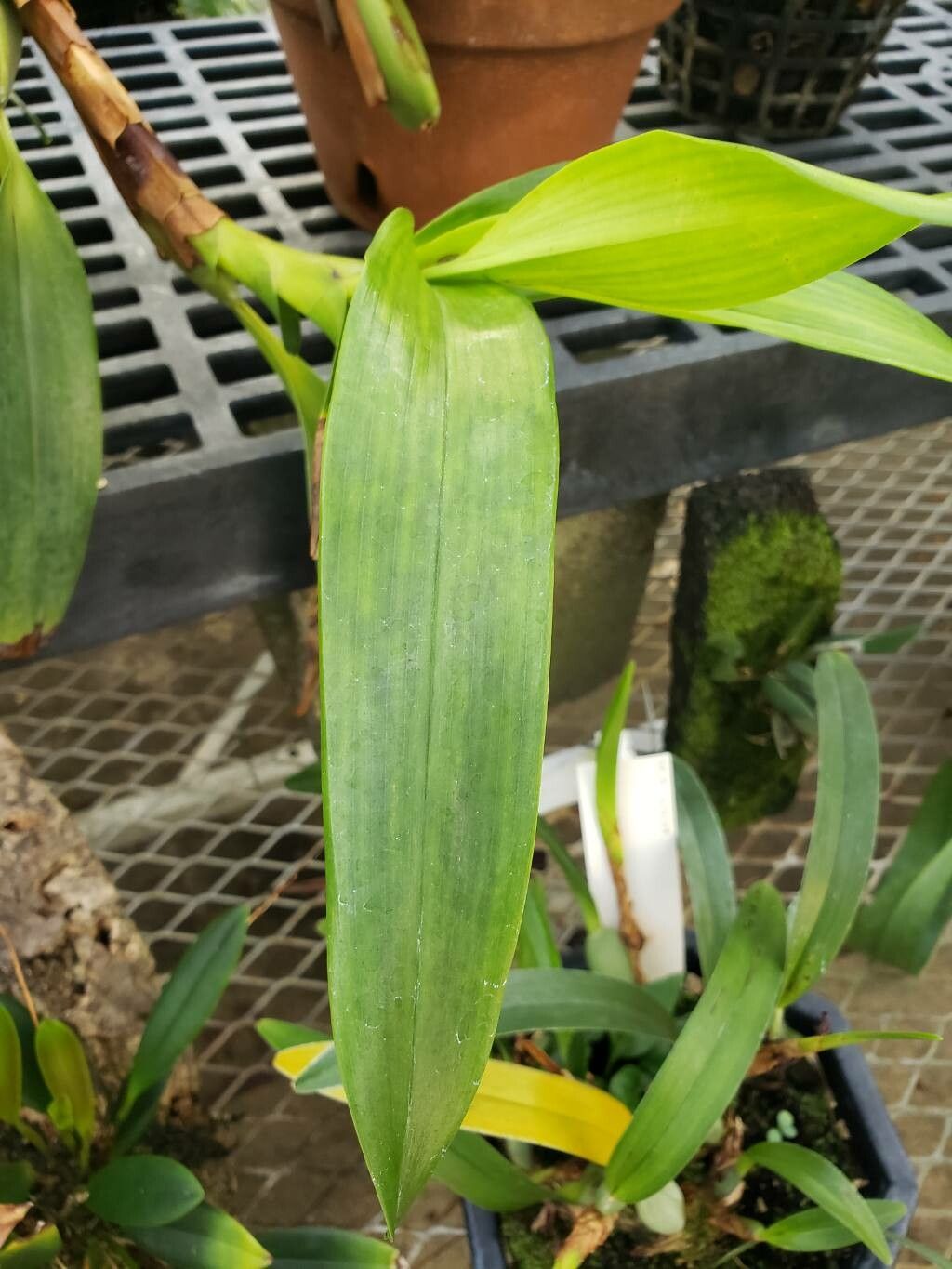
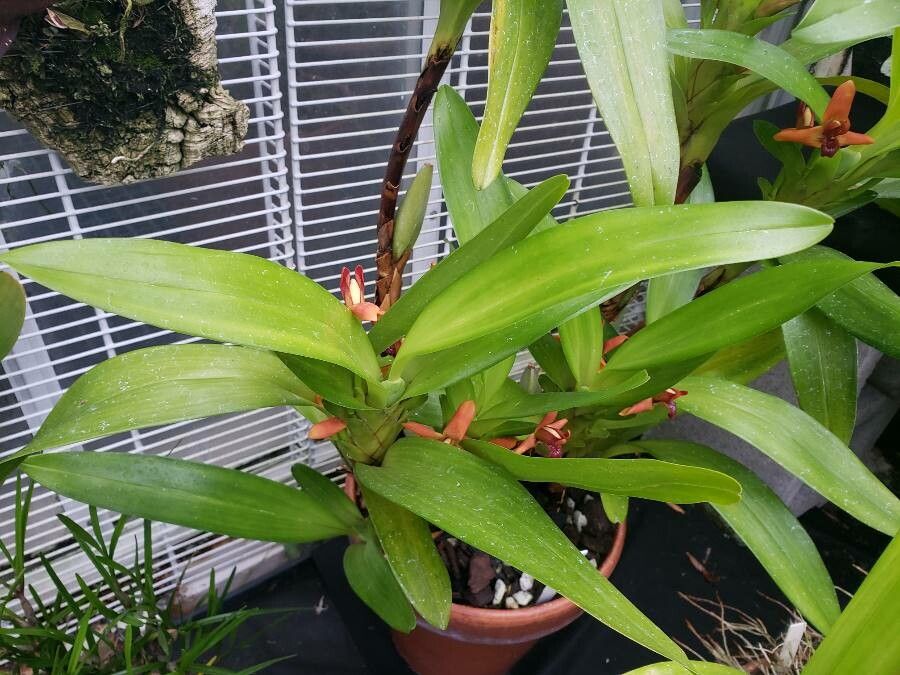
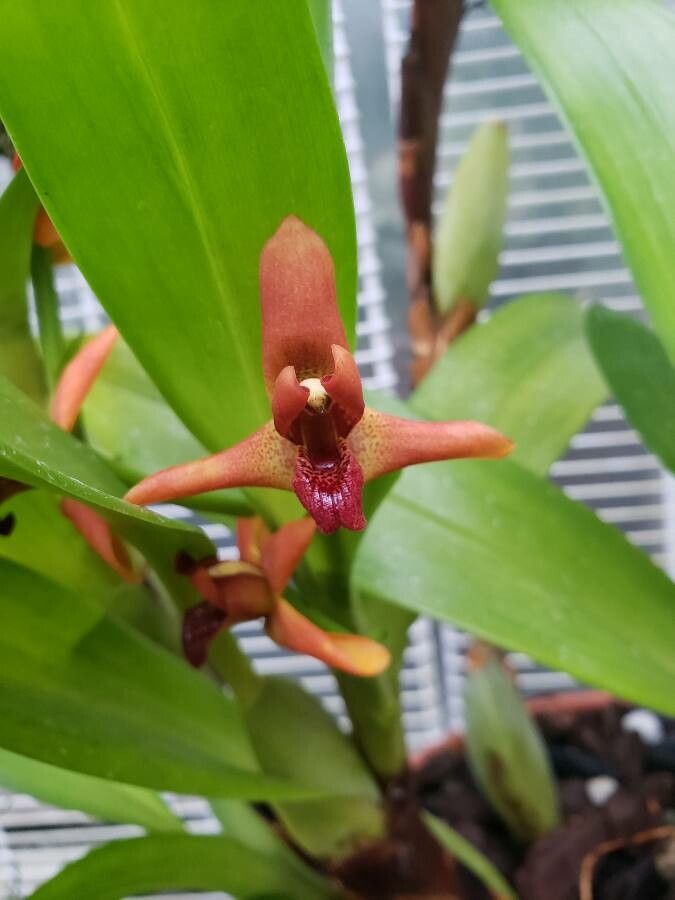
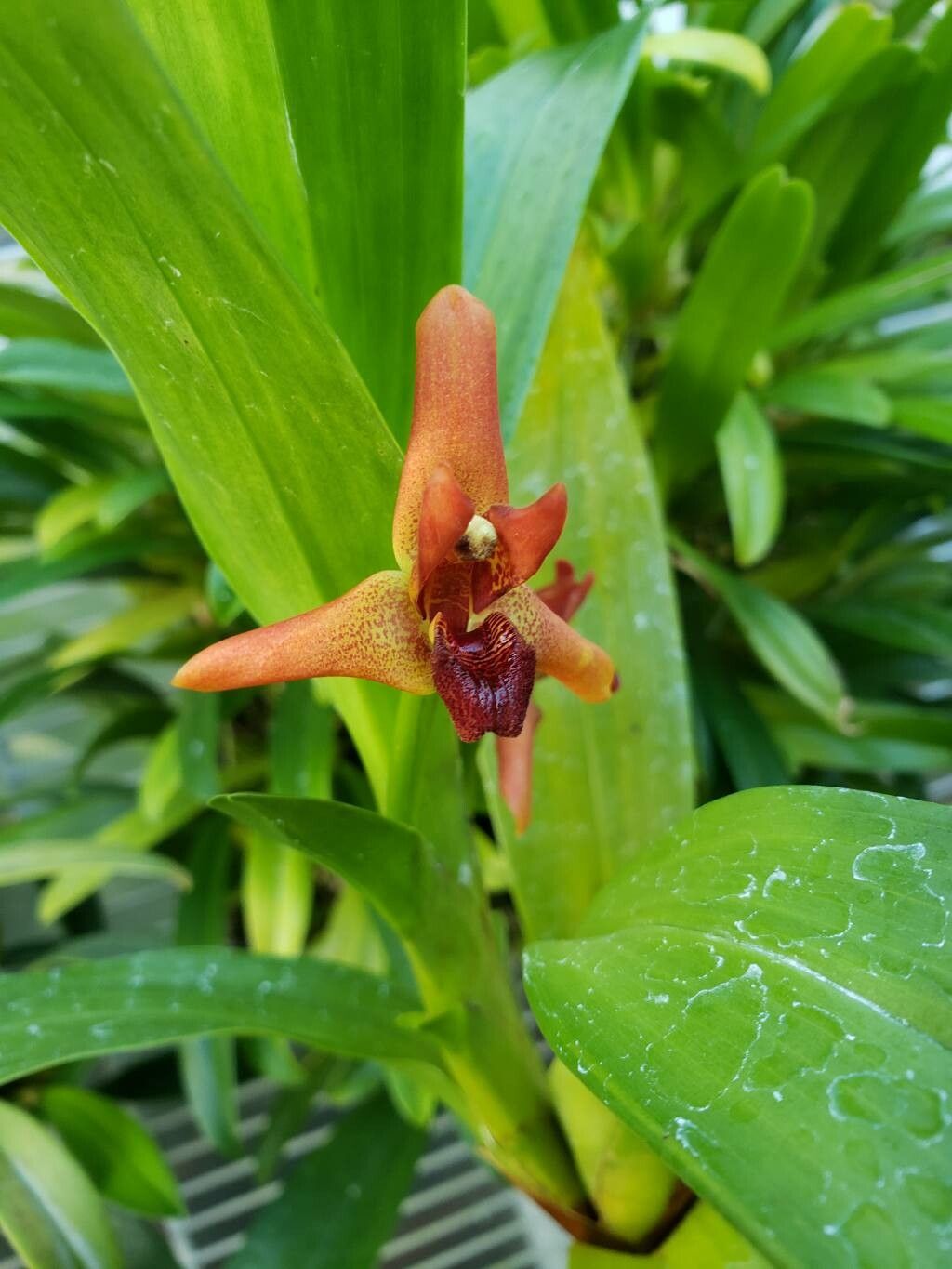
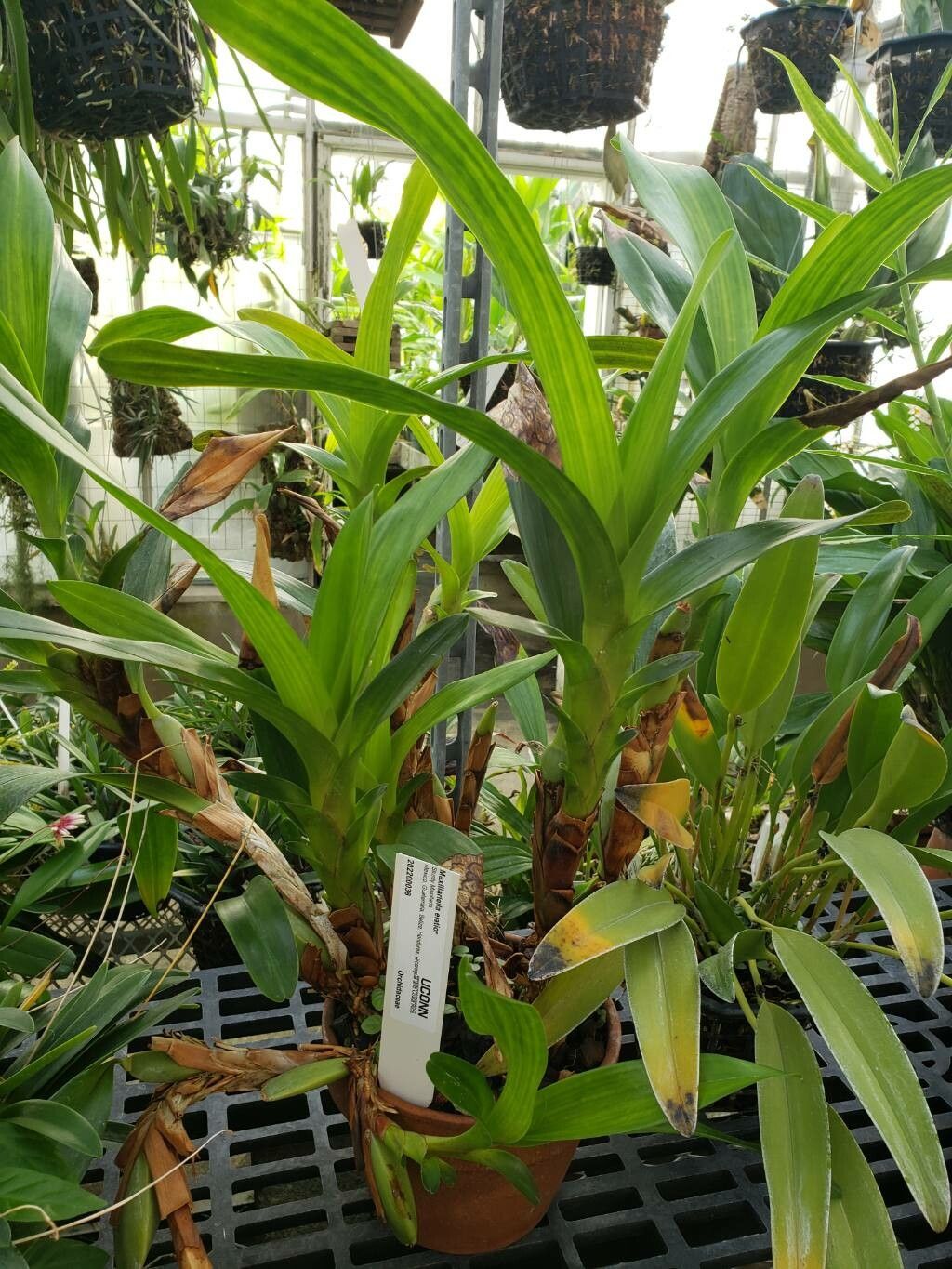
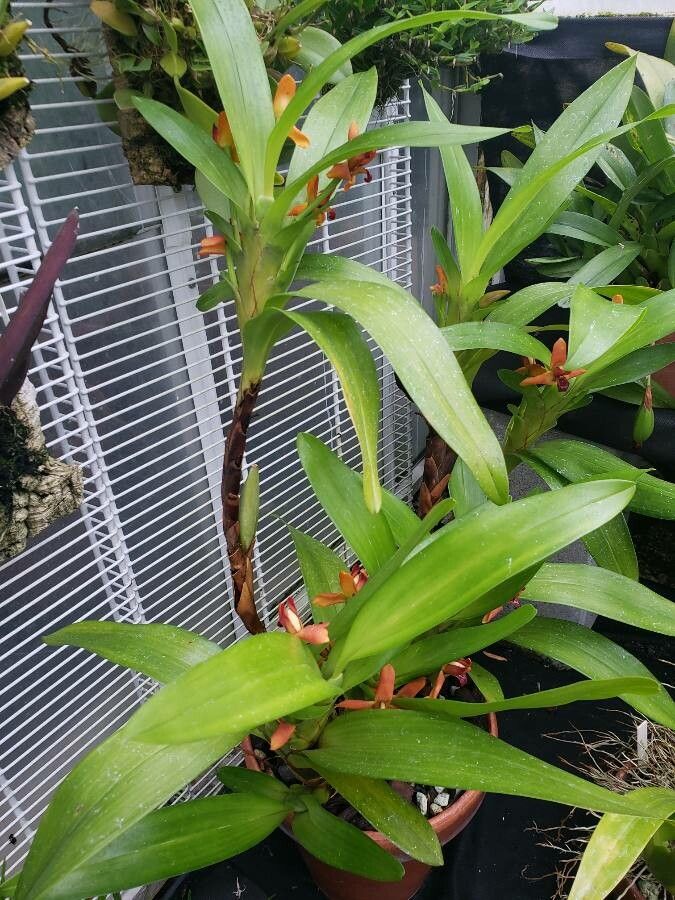
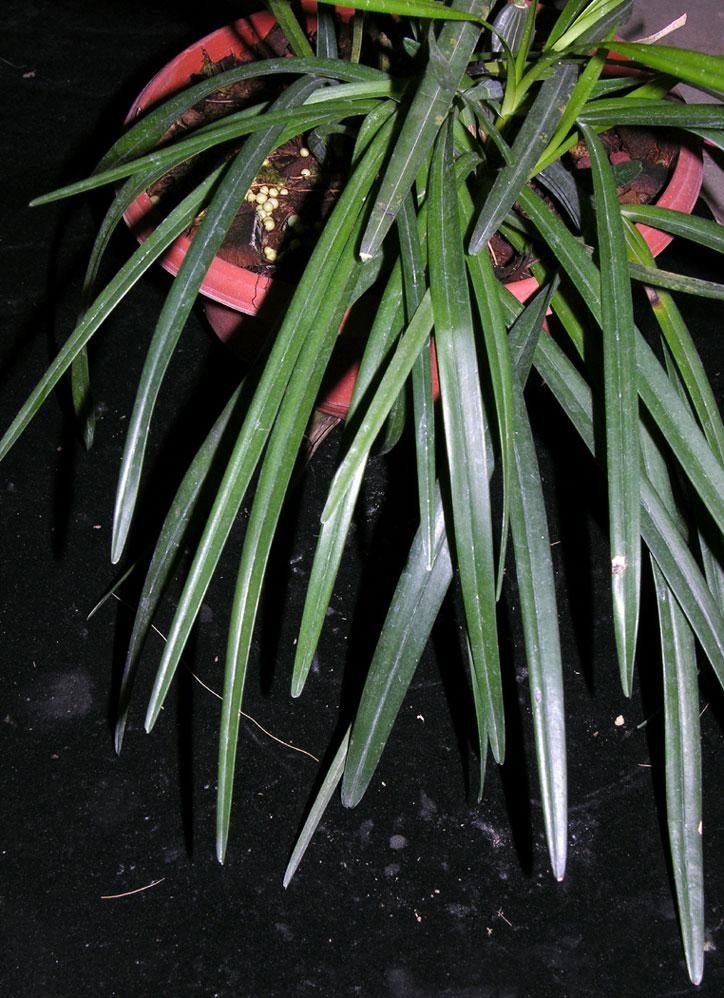
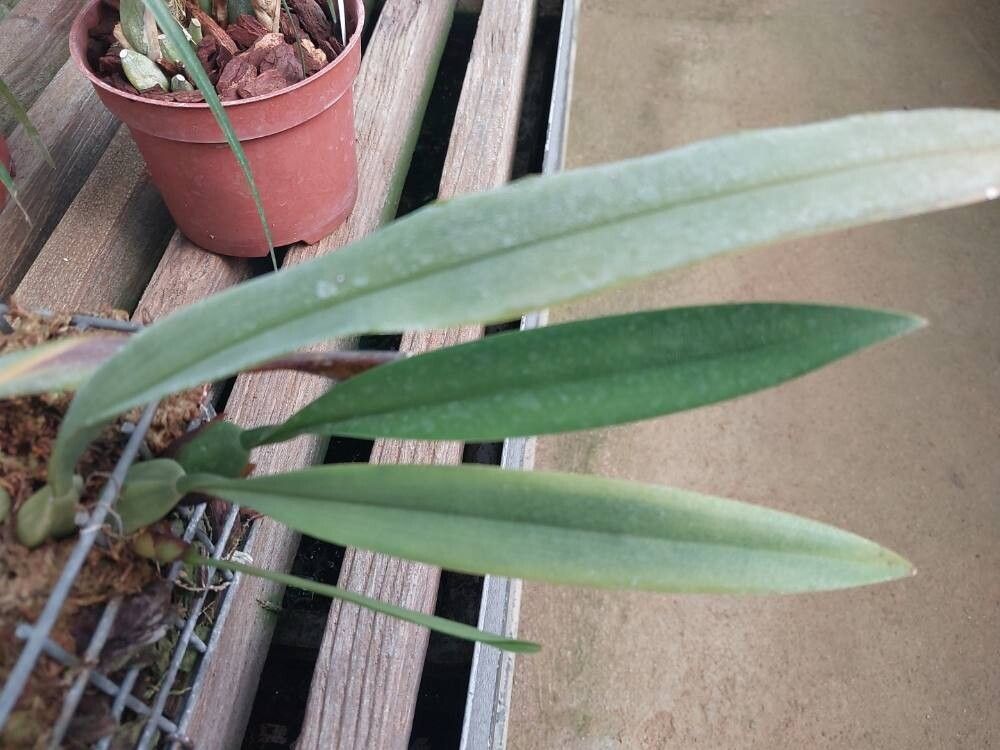
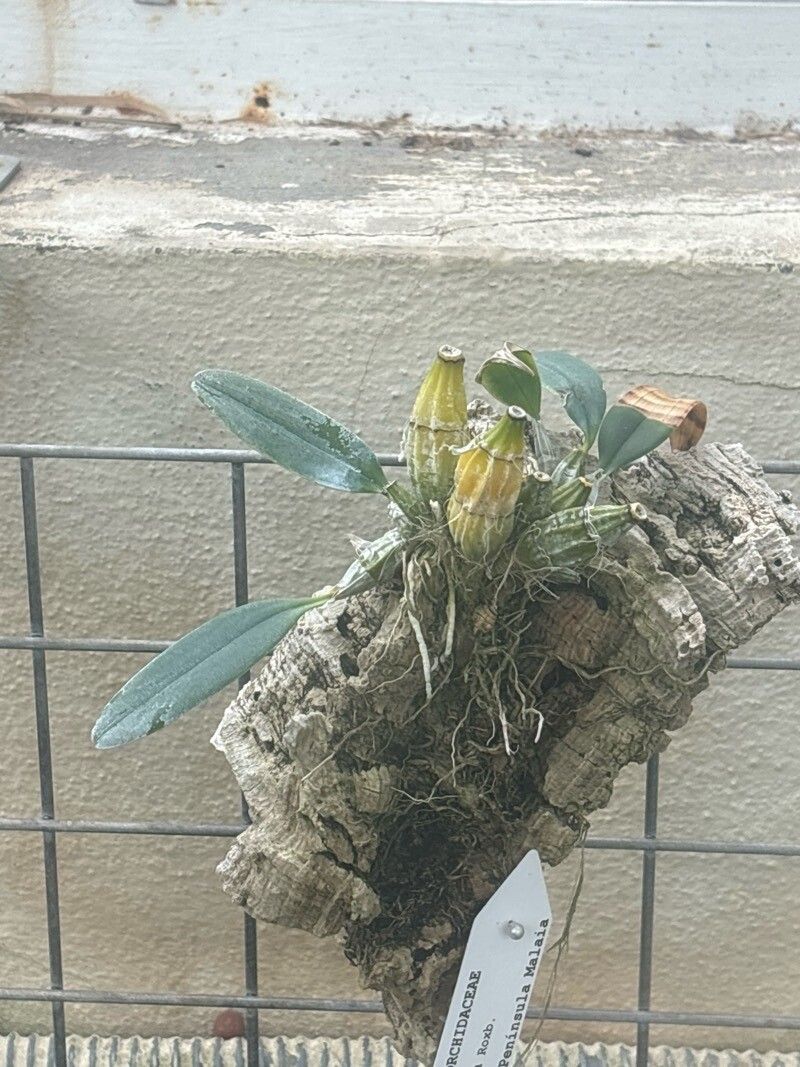
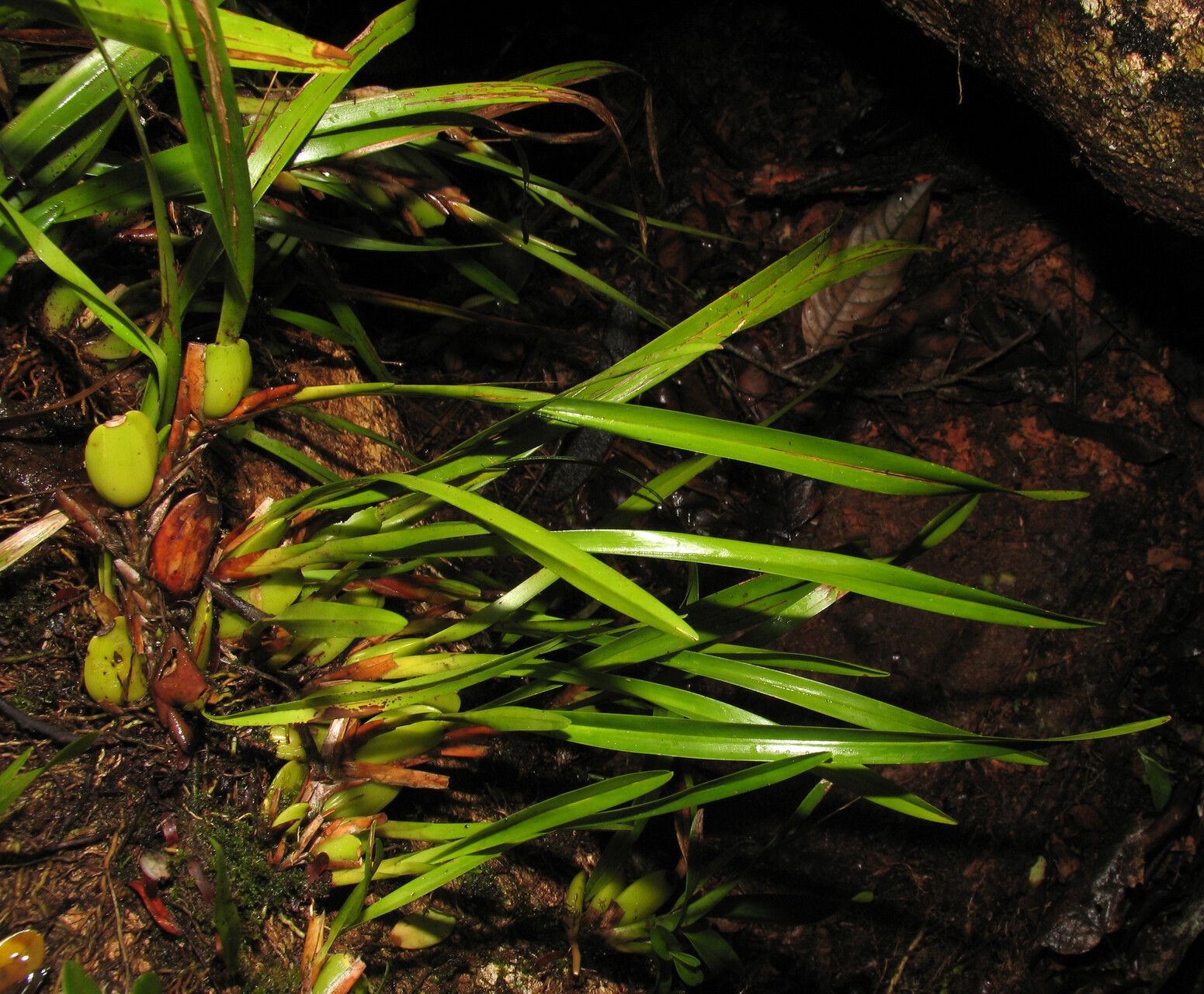
Maxillaria elatior typically shows strong disease resistance and is subject to relatively few insect pests. Its care is rated difficult, since it needs a high-humidity but well-ventilated environment with few harmful pathogens. Too much watering may cause root rot. Although anyone can grow Maxillaria elatior, keeping it healthy and encouraging it to bloom again requires more growing experience.
How to keep Maxillaria Elatior.
Light
Maxillaria elatior occurs naturally in habitats like forest understories or rocky areas, where it receives natural shade. It prefers partial sun but can tolerate full sun or full shade, showing its adaptable, hardy nature.
Water
Maxillaria elatior thrives with adequate moisture but can withstand occasional dryness. It is best to water it weekly during the summer and every ten days during the fall and winter. To maintain humidity levels, regularly mist the plant. Use water with a neutral pH, and if you are using tap or rainwater, let it sit before use to allow any dissolved substances to dissipate.
Temperature
Maxillaria elatior does well in warm surroundings. It prefers moderately high temperatures rather than extreme heat and humidity. Sunlight warms the plant and encourages it to flower. Still, long periods of direct sun in summer can cause sunburn, so the amount of light it gets in that season should be controlled. The plant is generally sensitive to cold, so it needs proper protection and warmer conditions in winter to avoid freezing.
Fertilizer
Proper feeding is essential for Maxillaria elatior's health and appearance. Fertilize Maxillaria elatior during the summer, repeating the application monthly throughout the season. Nutrients provide the energy for growth and help maintain the plant's tissues. Fertilization improves Maxillaria elatior's flower display, ensuring its best blooms.
Pruning
Maxillaria elatior boasts elegant flowers and robust growth. To keep the plant healthy, prune it in early spring. This helps remove dead stems, improve air circulation, and promote blooming. Pay special attention to older stems to maintain their natural shape. Regular pruning encourages the plant to thrive and remain attractive.
Pot & Repot
When repotting Maxillaria elatior, pick a pot that is just a bit larger and has good drainage, ideally a clear orchid pot. Use an orchid-specific, well-draining mix that includes bark or moss. Carefully clean the roots and remove any that are dead or rotting. Repot after flowering, typically in spring or fall, water thoroughly, and place the plant in bright, indirect light. Avoid disturbing the roots once it has been repotted.
Botanical profile.
- Plant Type
- Herb
- Life Cycle
- Perennial
- Genus
- Maxillaria
- Family
- Orchidaceae
- Hardiness Zone
- 10-12
- Mature Height
- 30 cm to 61 cm
- Mature Spread
- 20 cm to 30 cm
- Leaf Color
- Forest Green
- Leaf Type
- Evergreen
- Flower Color
- Yellow, Orange
- Flower Size
- 2.03 cm to 3.05 cm
- Bloom Time
- Late spring, Summer, Early fall
- Planting Time
- Spring, Summer
- Harvest Time
- Late summer, Fall
- Native Area
- Belize, Honduras, Mexico, Guatemala, Nicaragua, Costa Rica