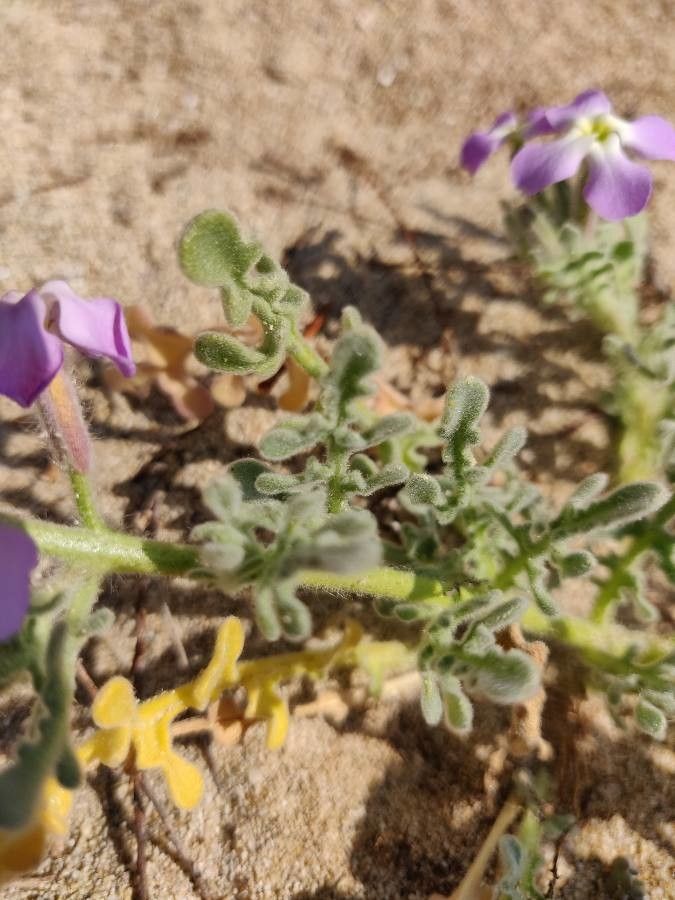
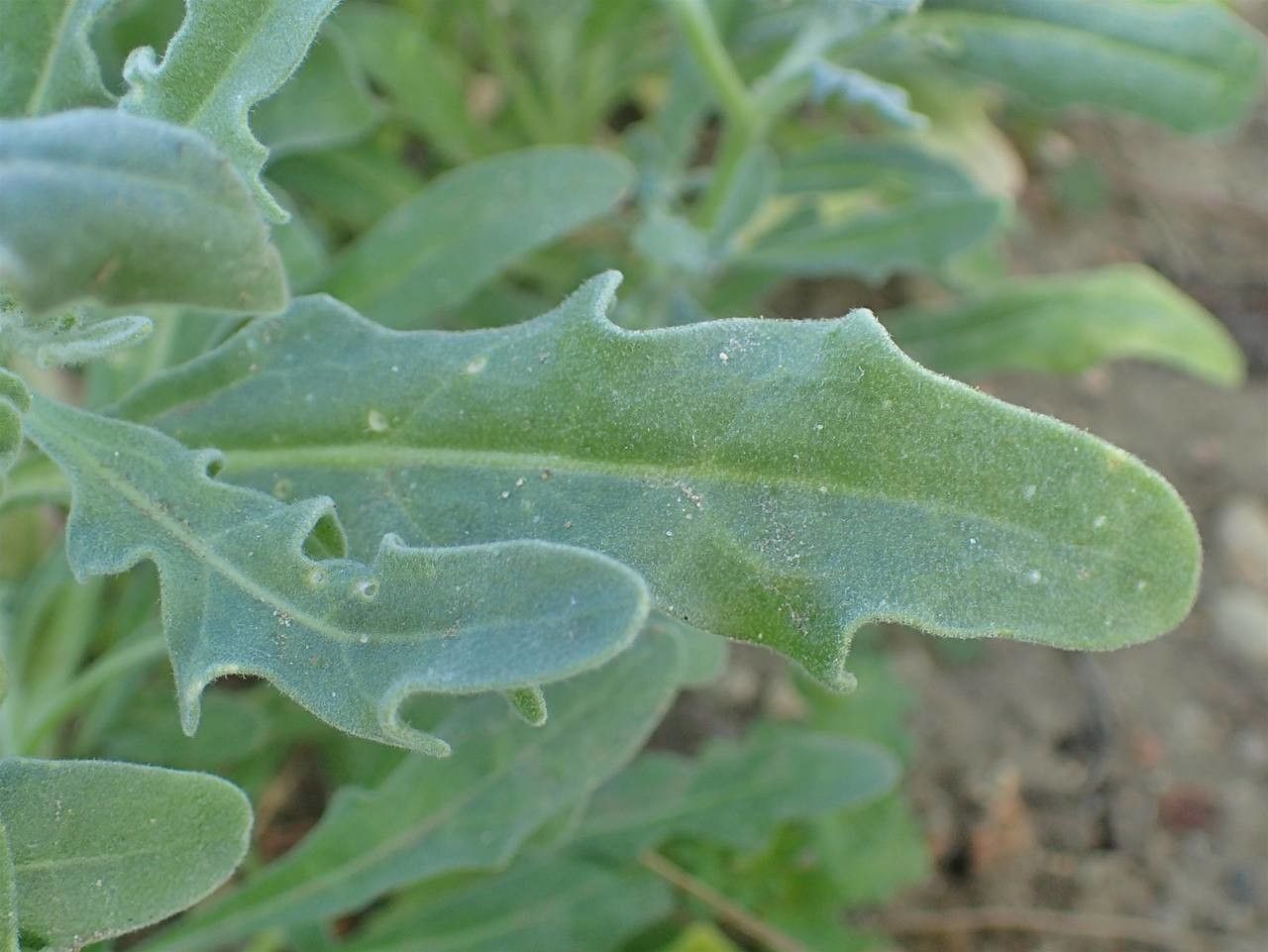
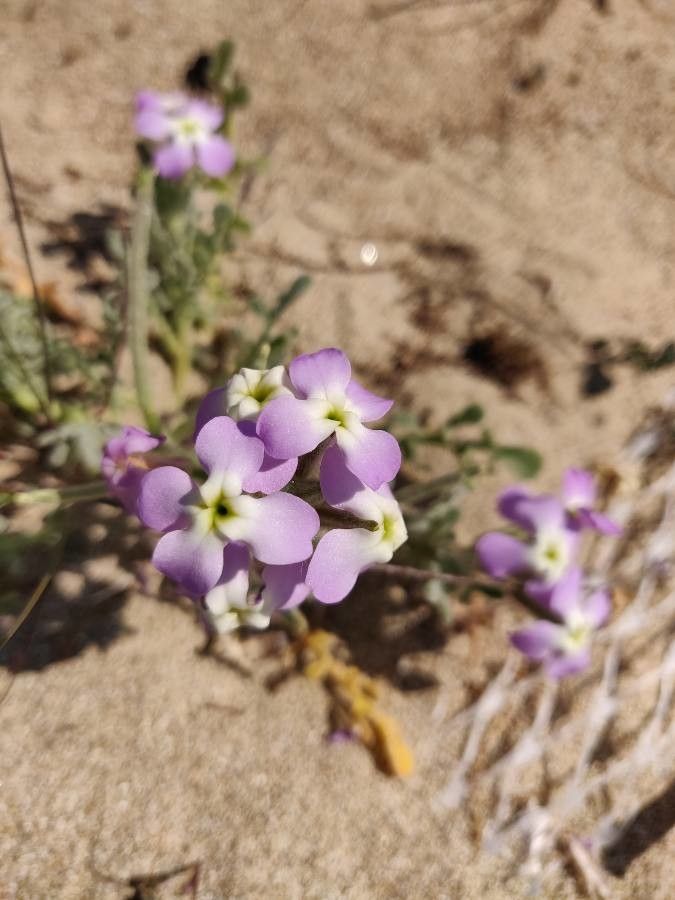
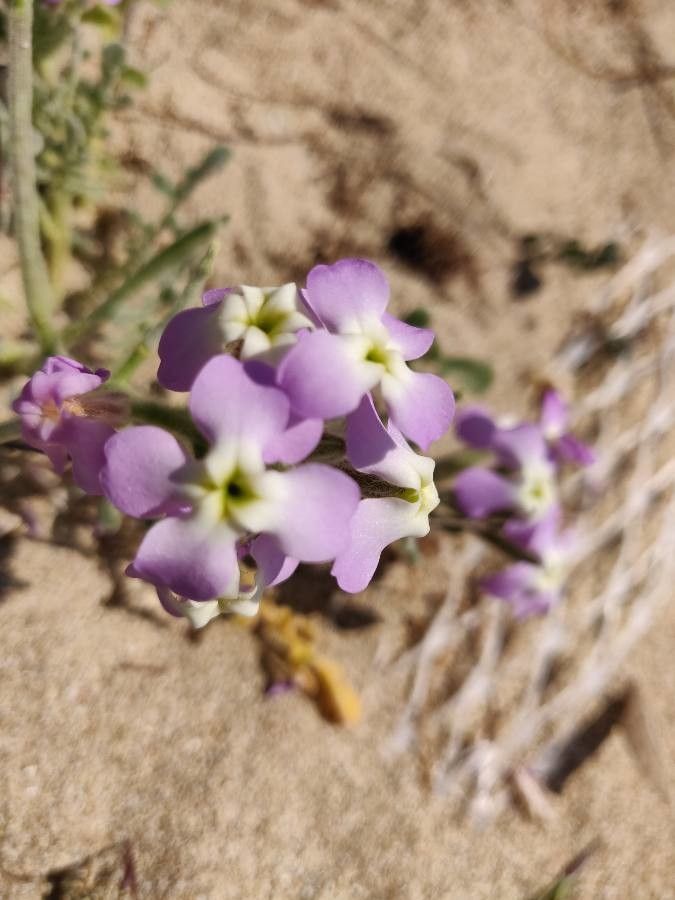
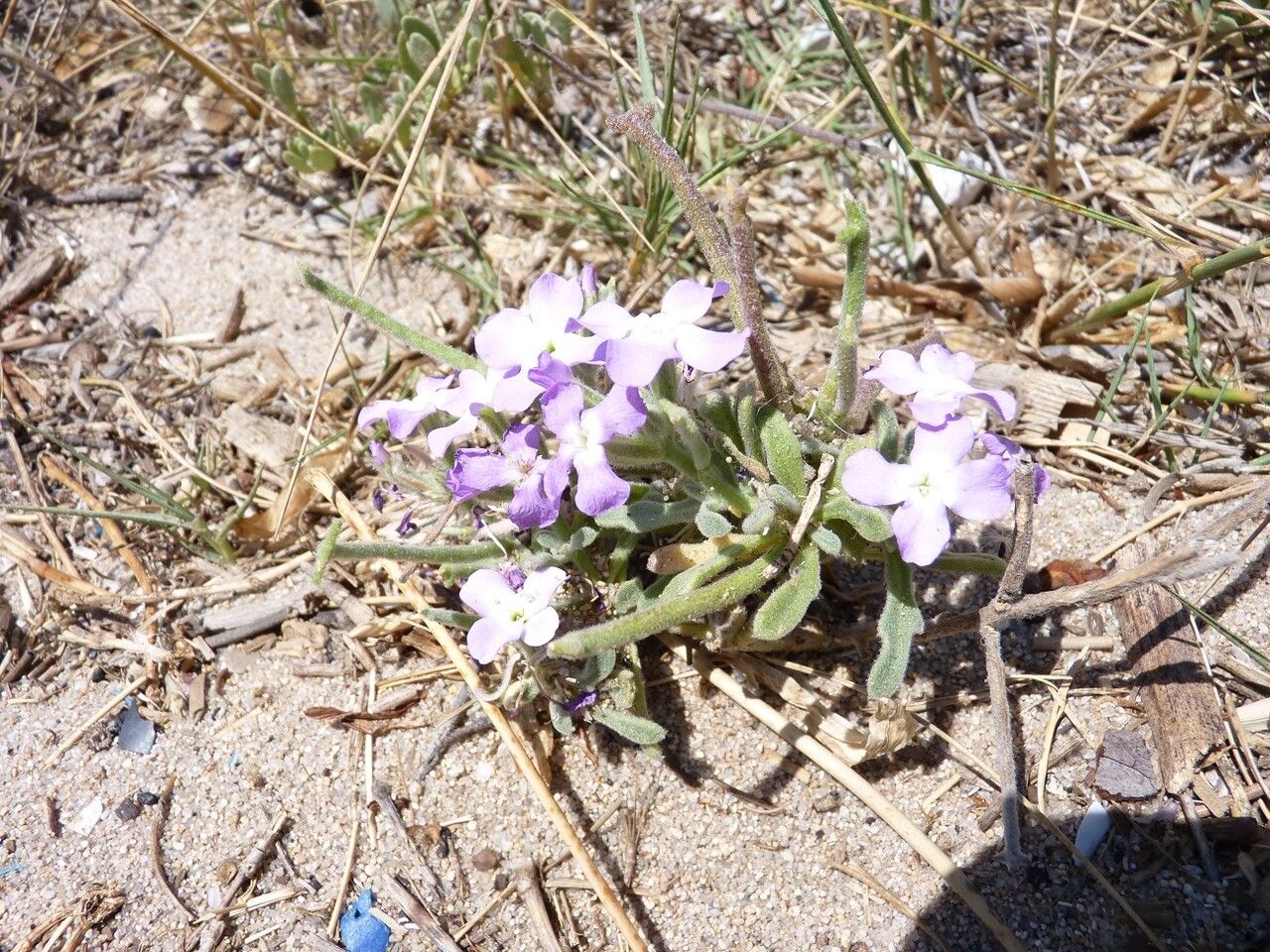
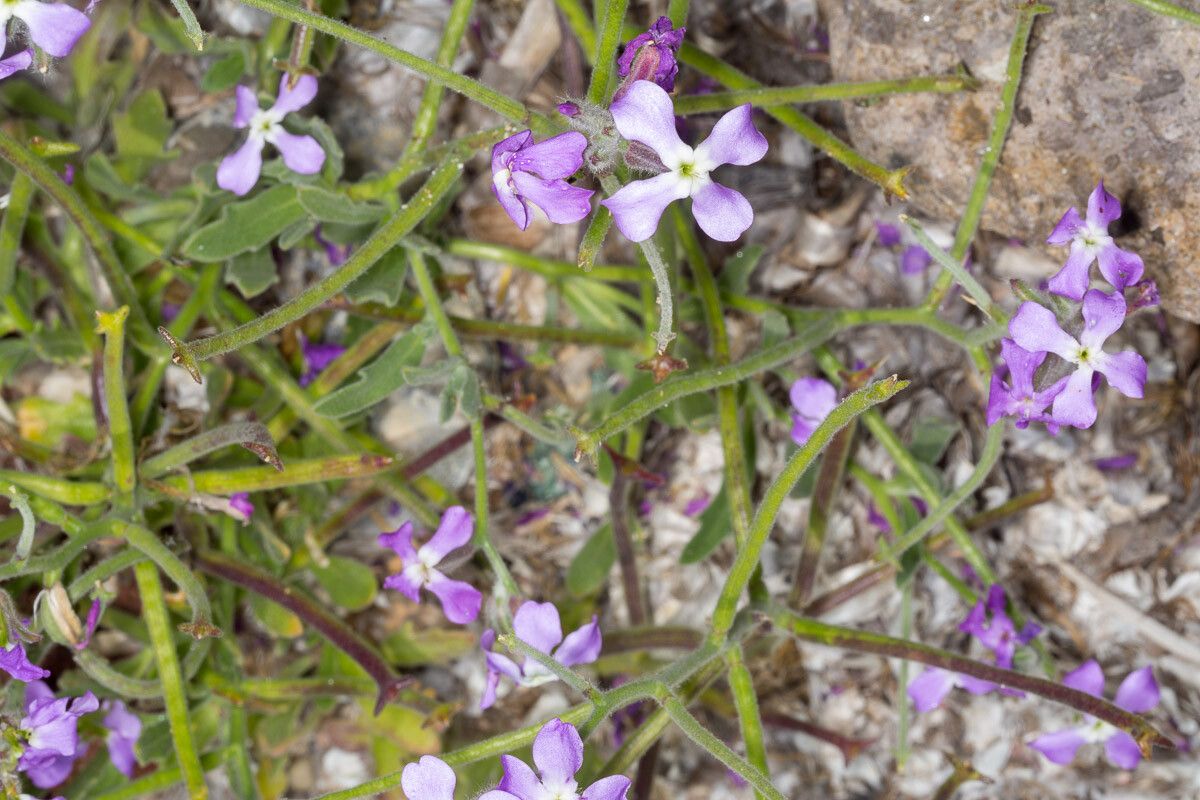
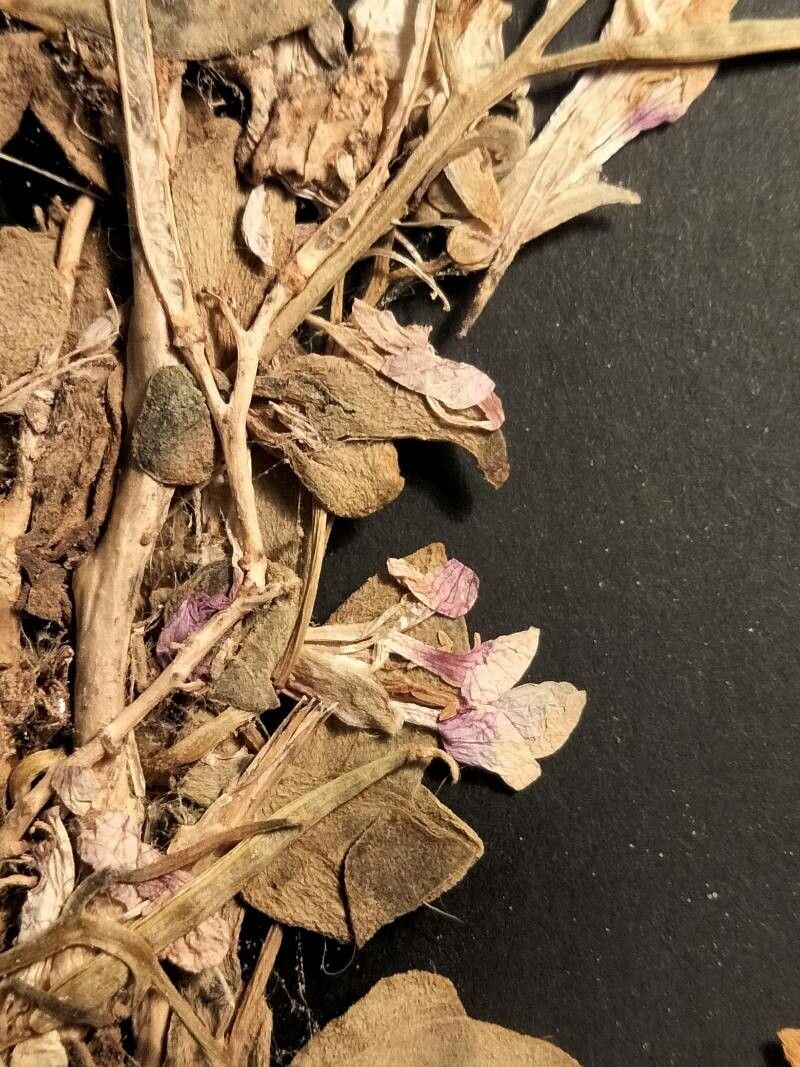
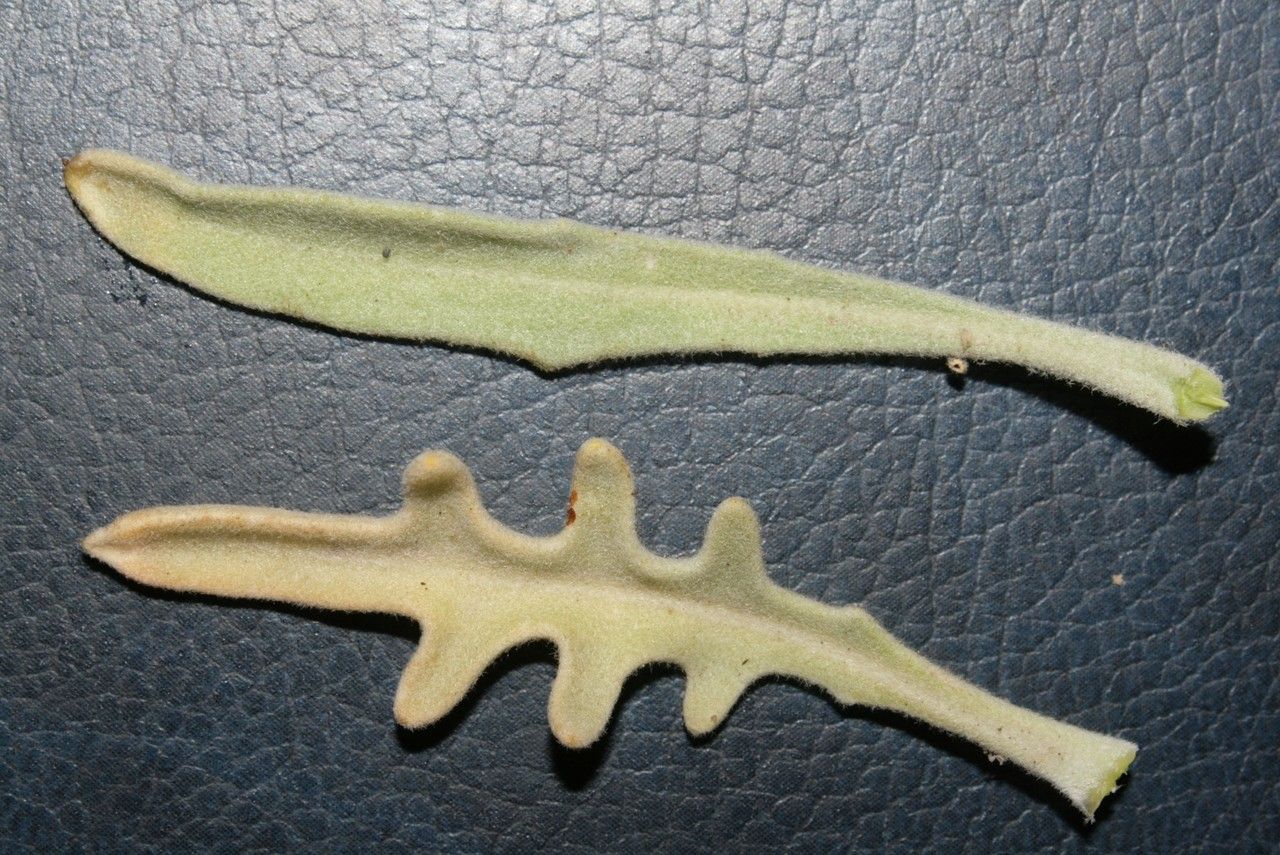
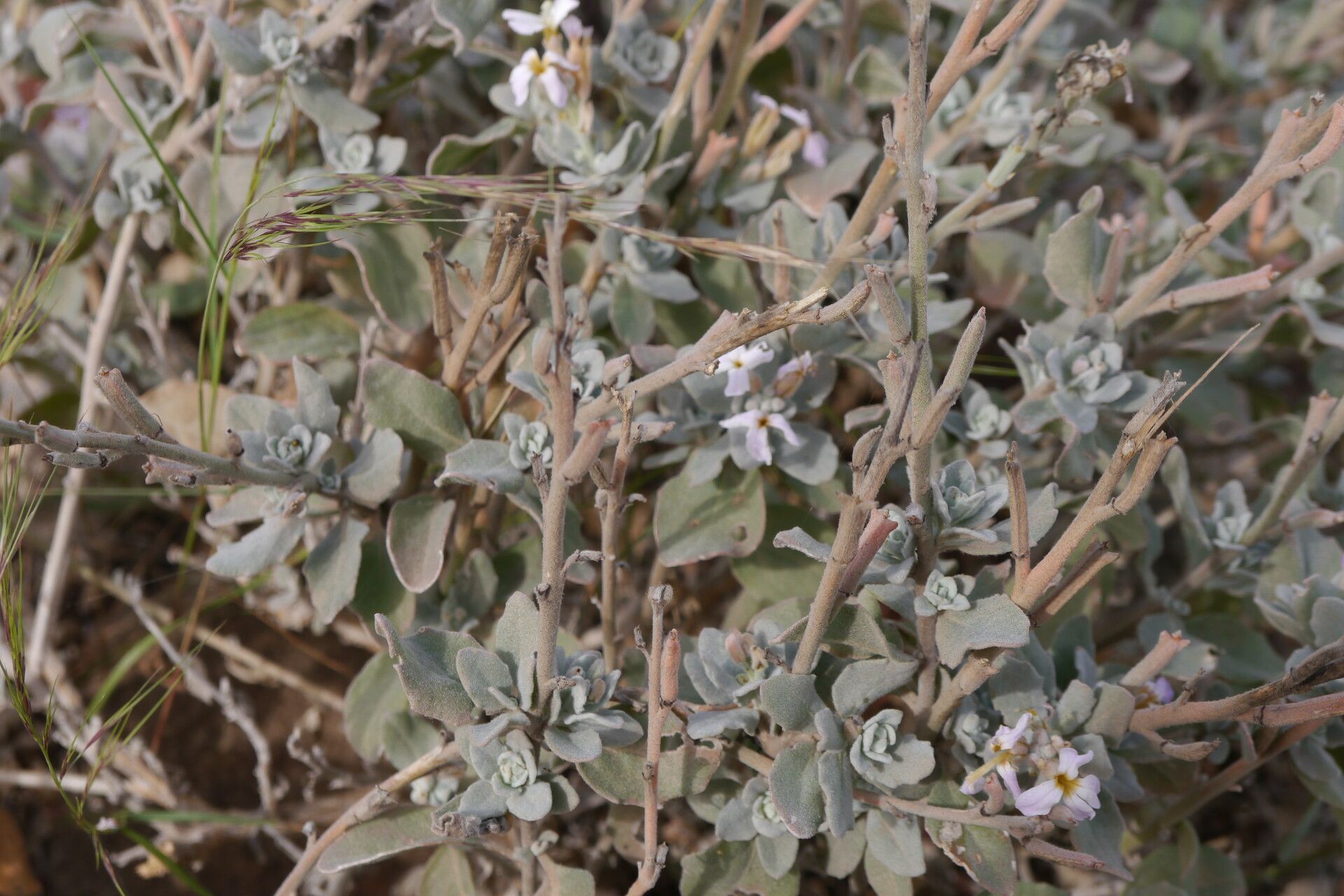
Matthiola tricuspidata, the three-horned stock, is a widespread species of flowering plant in the family Brassicaceae, native to the shores of the Mediterranean. A halophyte, it is found in coastal stable dune grassland and coastal dune scrub, but not on shifting coastal dunes.
Mediterranean stock is fairly disease-resistant and generally not prone to illnesses. However, it can be affected by pests and diseases present in its surroundings. These problems are usually not serious. In terms of care, this plant requires moderate maintenance. Regular pruning is needed to keep a tidy appearance and support healthy growth. Fertilizing can also help encourage flowering. Mediterranean stock is suitable for anyone with outdoor space, such as a garden or patio, and does not demand extensive experience in plant care. It may require more attention when grown indoors.
How to keep Matthiola Tricuspidata.
Light
Mediterranean stock is a sun-loving, perennial herbaceous plant native to open habitats and commonly found in meadows and grasslands. It prefers full sun exposure but can also tolerate partial sun conditions.
Water
Mediterranean stock, which originates from coastal habitats, flourishes with consistent moisture and can tolerate moderate drought. To ensure optimal growth, weekly watering is recommended. This plant's ability to regulate water loss through transpiration is crucial, especially during hot summers when evaporation rates increase.
Temperature
Mediterranean stock shows good temperature adaptability, able to tolerate higher heat and wider temperature fluctuations. In hot weather, attention should be paid to watering and providing suitable shade to prevent sunburn. However, Mediterranean stock is relatively sensitive to low temperatures. While it can endure some cold, excessively low temperatures can cause frost damage.
Fertilizer
The best time to fertilize Mediterranean stock is in early spring, when it is coming out of dormancy and starting active growth. Fertilizing supplies essential nutrients for healthy growth. Although Mediterranean stock has relatively low fertilizer needs, applying fertilizer annually can improve its survival and encourage better, longer-lasting blooms.
Pruning
Mediterranean stock is a hardy perennial plant known for its fragrant flowers. To encourage healthy growth, it's important to prune the plant from early to late spring. Begin by removing any dead or damaged stems, as well as old flower spikes. This practice helps enhance flowering, maintain the plant's shape, improve air circulation, and reduce pest issues. By following these steps, you can ensure your Mediterranean stock remains vibrant.
Botanical profile.
- Plant Type
- Herb
- Life Cycle
- Perennial
- Genus
- Matthiola
- Family
- Brassicaceae
- Hardiness Zone
- 7-10
- Mature Height
- 61 cm
- Mature Spread
- 61 cm
- Leaf Color
- Green
- Leaf Type
- Semi-evergreen
- Flower Color
- Lavender, Pink, White
- Flower Size
- 0.51 cm to 1.02 cm
- Bloom Time
- Mid spring, Late spring, Early summer
- Planting Time
- Spring, Summer, Autumn
- Harvest Time
- Summer
- Native Area
- Libya, Turkey, Tunisia, Italy, Spain, Cyprus, Albania, Algeria, Greece, Croatia, Morocco, Lebanon, France
Other names.
Reader questions.
How should I water my Mediterranean plants to keep them healthy?
To properly care for the Mediterranean stock, follow these steps: 1. Use filtered water at room temperature: Tap water may have harmful particles, so it's better to use filtered water for this plant. 2. Avoid cold water: Since the Mediterranean stock is accustomed to a warm environment, using cold water can be a shock to its system. It's best to use water that is at room temperature or slightly warmer. 3. Avoid overhead watering: Watering the plant from above can lead to issues with the leaves. Instead, apply the filtered room temperature water directly to the soil. 4. Ensure the soil is soaked: It's beneficial to fully saturate the soil. This helps moisten the roots and supports their spread through the soil to collect the necessary nutrients.
What are the sunlight requirements for Mediterranean stock (Matthiola tricuspidata)?
Mediterranean stock, also known as Matthiola tricuspidata, thrives in full sun conditions, requiring more than 6 hours of direct sunlight per day. However, it can also adapt to partial sun conditions, where it gets about 3-6 hours of sunlight. When selecting a spot in your garden or home for Mediterranean stock, it's important to observe the movement of sunlight throughout the day to ensure the plant receives the adequate balance of light and shade it needs for optimal growth.
What is the Mediterranean stock?
The Mediterranean stock, known botanically as Matthiola tricuspidata, is a plant species originating from the Mediterranean region. It is well-regarded for its unique characteristics and contribution to its native habitat's biodiversity. Unfortunately, specific details about its essentials, such as its general description, care, and additional information, as well as its symptoms in a particular context, were not provided.
What should I do if I give too much or too little water to my Mediterranean plants?
Overwatering and underwatering can harm your Mediterranean stock, but overwatering is more common. Too much water can cause wilting, yellowing leaves, and lead to diseases like root rot, mold, and mildew, which can be fatal. Although underwatering is less common due to the plant's drought tolerance, it is still possible. Signs of underwatering include brittle, brown leaves. It's important to recognize early signs of overwatering to prevent irreversible damage. Reduce your watering if you notice these signs and consider replacing poorly draining soil with a loose, well-draining potting mix. If you suspect underwatering, increase your watering until the signs disappear.
How can artificial lighting be used for growing Mediterranean stock indoors?
When natural sunlight is insufficient for indoor Mediterranean stock, artificial lights can be an effective solution for promoting healthy plant growth. LED lights are recommended due to their ability to provide specific wavelengths needed by plants. For full sun plants like Mediterranean stock, an intensity of 30-50W per square foot is ideal. The artificial light source should be placed 12-36 inches above the plant, mimicking natural sunlight distance, with 8-12 hours of light per day to replicate natural daylight hours for the plant.
How frequently should I water my Mediterranean plants?
If your Mediterranean stock plant is in a pot, you can determine if it needs water by checking the moisture of the soil. Simply stick your finger into the soil and if you find that the top two to three inches are dry, it's time to water it. The same method can be used for Mediterranean stock grown outdoors in the ground. If the first few inches of soil are dry, it's a sign that it needs water. Normally, during spring and early fall, watering once a week will suffice. However, during extremely hot weather, you may need to increase the frequency to twice or more per week. It's worth noting that mature and well-established Mediterranean stock plants can withstand drought quite well.
What are the common symptoms of insufficient light in Mediterranean stock?
Common symptoms of light deficiency in Mediterranean stock include smaller new leaves, leggy or sparse growth, faster leaf drop, and slower or halted new growth, indicating the plant is in survival mode. Leaves may also develop a pale color or show signs of chlorosis, where they lose their green color and turn yellow. Excessive sunlight, on the other hand, can cause sunscald, leaf curling, wilting, and leaf scorching, highlighting the importance of providing the right amount of sunlight.
How much water does my Mediterranean plant need?
When watering your Mediterranean stock, don't be afraid to give it a good amount of water. Make sure the first two to three inches of soil are dry before watering. It's important to thoroughly soak the soil, allowing excess water to drain out of the pot. If you don't see any excess water draining, you may have not watered enough. However, be careful not to let water accumulate in the soil, as this can be harmful to the plant. On the other hand, if water isn't draining well from the pot, it's likely that the soil doesn't drain properly, which is not good for the plant's health. If the plant is outside, one inch of rain per week should be enough.
How can I provide the best sunlight conditions for Mediterranean stock?
To ensure Mediterranean stock receives optimal sunlight, gradually introduce the plant to sunnier locations, aiming for at least 6 hours of direct sunlight per day. For outdoor plants, avoid sudden changes in light intensity to prevent sunburn. Indoors, if moving the plant isn't feasible, consider using a desk, ceiling lamp, or professional grow lights for at least 8 hours daily to supplement light. Pruning nearby trees and transplanting smaller plants to sunnier areas with good drainage can also improve sunlight exposure.
How do I water my Mediterranean plants at different stages of growth?
The water needs of Mediterranean stock vary depending on its growth stages. When the stock is in its initial years or has just been transplanted, it requires more water than usual. During these stages, the stock focuses on growing new roots to support future growth, and these roots need slightly more moisture. As the stock matures, its water requirements decrease. However, during the bloom period, additional water might be necessary as flower development consumes a significant amount of moisture.
How should I water my Mediterranean plants throughout the year?
The Mediterranean stock plant has its highest water needs in the hottest months of the year. In summer, you may need to water it more than once per week, depending on how quickly the soil dries out. However, in winter, the plant enters a dormant phase and requires far less water than usual. In fact, you may not need to water it at all during the winter months. If you choose to water it during winter, do so no more than once per month to avoid increasing the risk of disease.
What's the difference between watering my plants from the Mediterranean indoors and outdoors?
Growing the Mediterranean stock indoors is the most common choice for gardeners living outside of temperate and tropical regions. However, it's important to consider that growing in containers can result in faster soil drying. Additionally, if there are elements like air conditioning units, your plant may require more frequent watering compared to being planted outside. In such cases, outdoor plants may not need much watering, especially if there is regular rainfall. On the other hand, indoor plants will require more consistent watering as relying on rainwater is not possible.