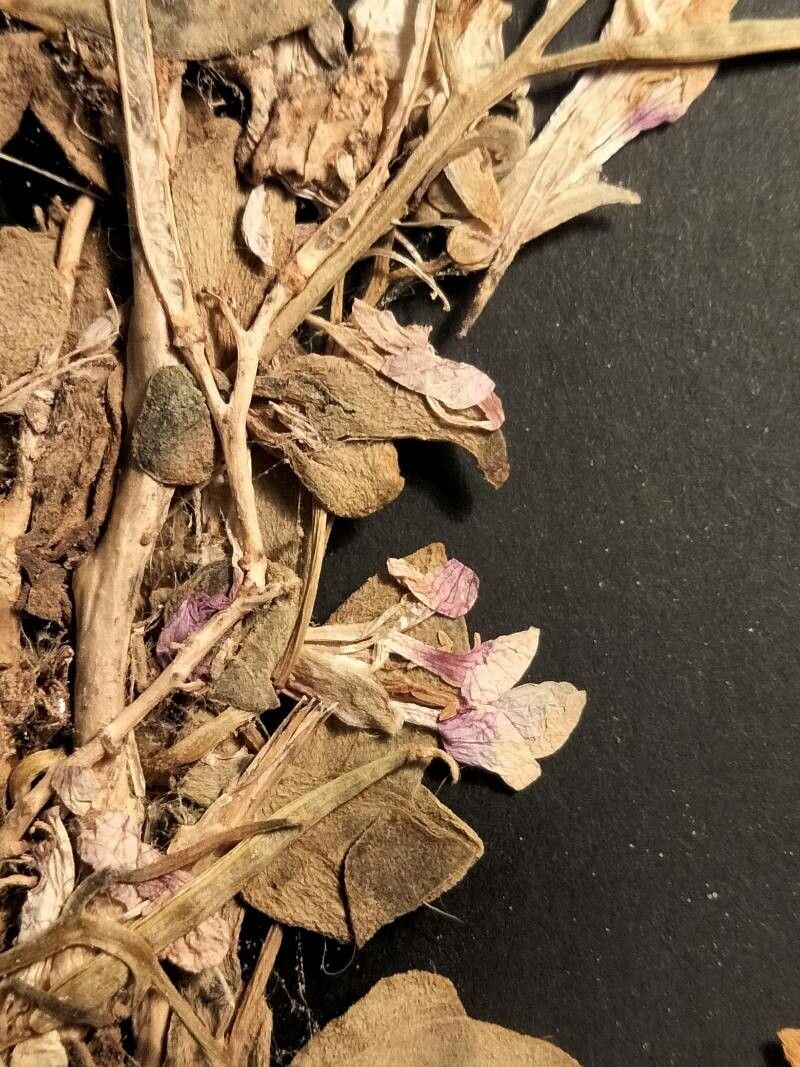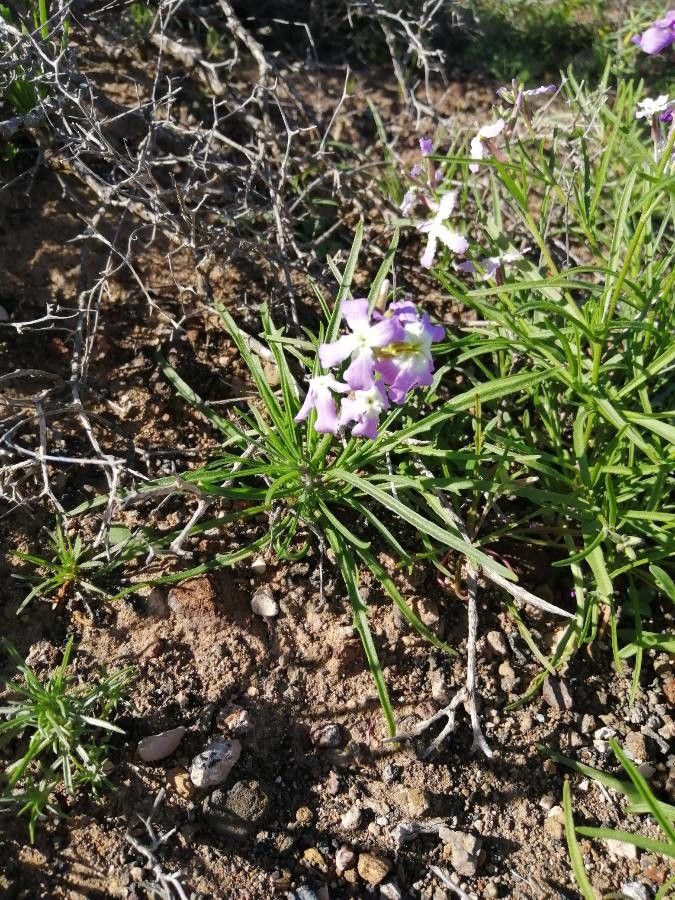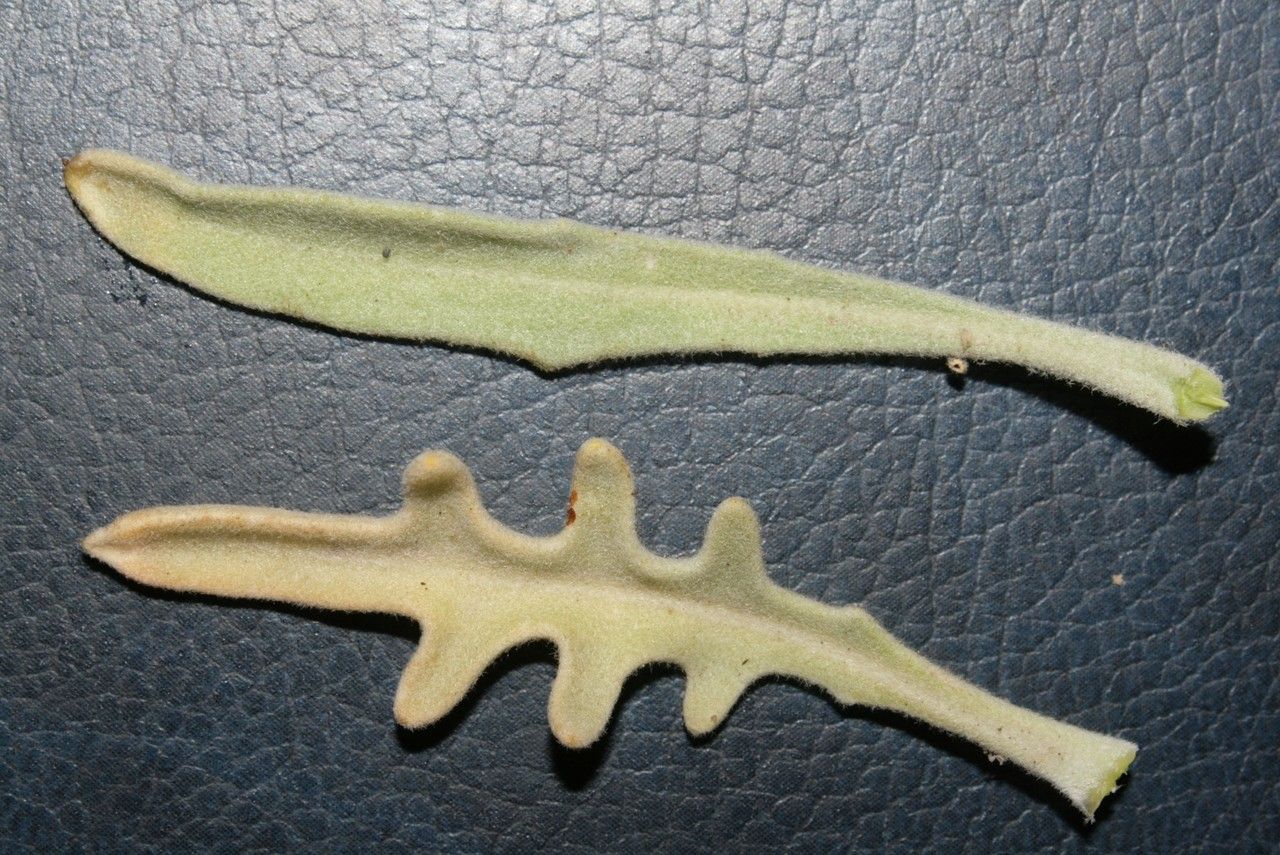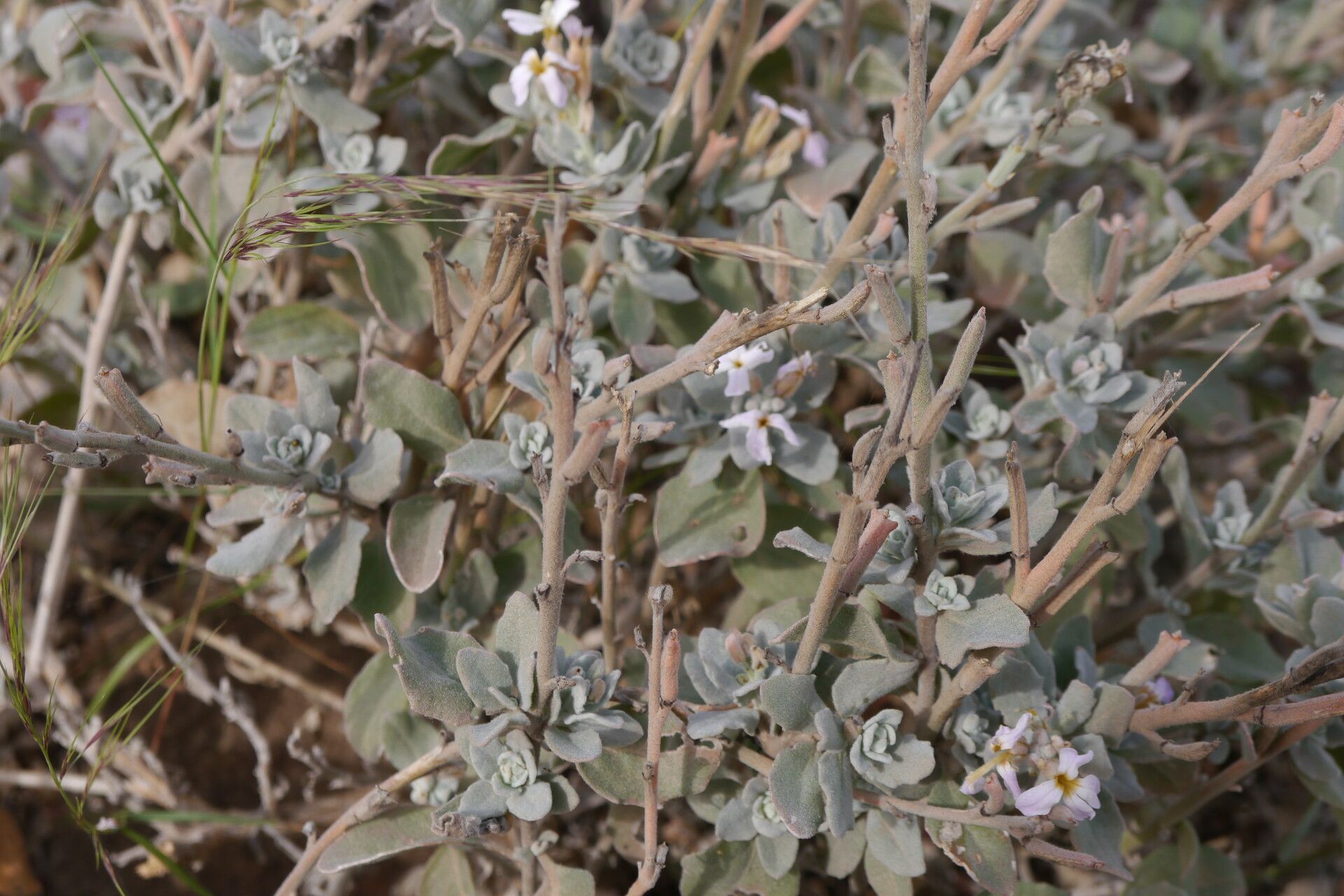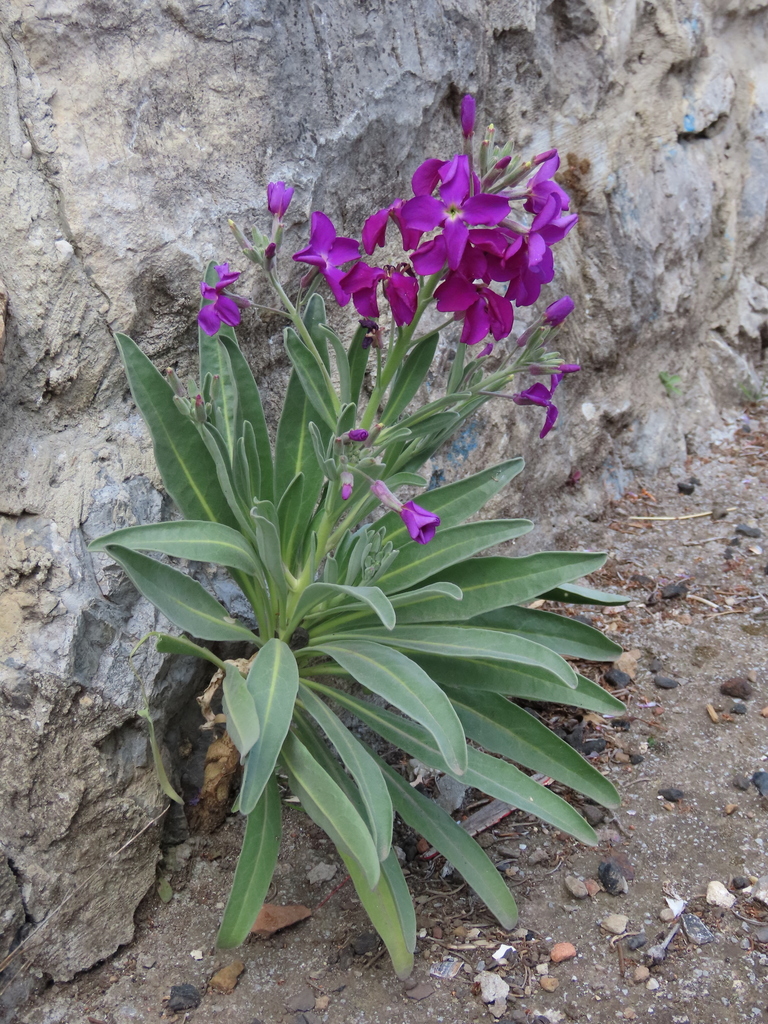
Matthiola incana, commonly known as the stock flower, is a popular ornamental plant belonging to the Brassicaceae family. Native to the Mediterranean region, it has been cultivated for centuries for its fragrant and colorful blossoms. The plant can grow up to 60 cm tall and features gray-green, lance-shaped leaves. Its flowers, which emit a sweet fragrance that attracts bees and butterflies, are typically pink, purple, white, or yellow.
Matthiola incana is a hardy plant capable of tolerating both hot summers and cold winters. It prefers well-drained soil with full sun exposure but can also thrive in partial shade. The stock flower blooms from late spring to early fall, depending on the climate.
The stock flower is often used as a cut flower due to its impressive vase life of up to two weeks when properly cared for. Additionally, it makes an excellent addition to garden beds or borders because of its attractive appearance.
Moreover, Matthiola incana has been traditionally used for medicinal purposes, such as treating respiratory issues like asthma or bronchitis, due to its anti-inflammatory properties.
Overall, Matthiola incana is an appealing ornamental plant with fragrant blooms, suitable for enjoying both indoors as cut flowers and outdoors in garden beds or borders.
Tenweeks stock is a popular garden flower known for its wide range of colors. Many varieties have a strong fragrance and are often used in floral arrangements. This plant is considered fast-growing, typically taking about 10 weeks from germination to flowering, which is how it got its name.
Stock is fairly resistant to disease and generally does not tend to get sick. However, it can be vulnerable to pests and diseases present in its environment. These infections are typically not serious. In terms of care, this plant needs moderate maintenance. It should be pruned regularly to keep a neat appearance and support healthy growth. Fertilizing can also help encourage flowering. Stock is suitable for anyone with outdoor space, such as a garden or patio, and does not require extensive experience in plant care. It may need more attention when grown indoors.
How to keep Matthiola Incana.
Light
Stock does best in locations with abundant, consistent sun for most of the day, though it can tolerate periods of reduced light. Originating from habitats with generous sun exposure, too little light can hinder growth, while excessive light can cause harm, so a balanced light regimen is necessary.
Water
Tenweeks stock thrives in cool, moist coastal environments and prefers consistent moisture, though it can tolerate brief periods of drought. To keep these plants optimally hydrated, it's best to water them twice a week. They flourish when grown outdoors, especially during cooler temperatures and with regular rainfall, which encourages vigorous growth and abundant flowering.
Humidity
This plant will thrive in moderate humidity, which is probably the level in your home. However, misting it a few times a week can be very beneficial. Make sure the room has good ventilation.
Temperature
Stock is native to habitats where temperatures range from 68 to 95 °F (20 to 35 °C). This temperate plant performs best in warmer surroundings. It is important to adjust temperature conditions seasonally to satisfy its optimal growth needs.
Fertilizer
For Stock, the primary time to apply fertilizer is in early spring while the flowers are developing. The appropriate fertilizer promotes better blooms and helps Stock produce attractive flowers. Fertilizing in early spring ensures excellent flowers throughout the season and supplies energy for dormant growth phases.
Pruning
Tenweeks stock flourishes with vibrant blooms and a delightful fragrance. To promote optimal growth, prune the plant from late winter to early spring by removing spent flowers and damaged stems. This practice encourages a compact shape, improves air circulation, reduces the risk of disease, and enhances the plant's overall appearance, ensuring vigorous flowering.
Pot & Repot
When repotting Stock, select a pot 1-2 inches (2.5–5.1 cm) larger with good drainage. Use a well-draining potting mix. Repot in spring or fall, making sure the root ball sits slightly lower than the rim of the flower pot. Water thoroughly after repotting and place in a warm spot with indirect sunlight.
Botanical profile.
- Plant Type
- Herb
- Life Cycle
- Perennial, Annual, Biennial
- Genus
- Matthiola
- Family
- Brassicaceae
- Hardiness Zone
- 7-10
- Mature Height
- 30 cm to 61 cm
- Mature Spread
- 30 cm
- Leaf Color
- Green, Gray, Silver
- Leaf Type
- Evergreen
- Flower Color
- Purple, Pink, White
- Flower Size
- 2.03 cm
- Bloom Time
- Spring
- Planting Time
- Spring
- Harvest Time
- Late spring, Early summer, Mid summer
- Native Area
- Europe, particularly Mediterranean
Other names.
Reader questions.
How should I water my Tenweeks stock plant?
To properly water the Tenweeks stock, it is important to follow a few guidelines. First, using filtered water at room temperature is preferred over tap water, which may contain harmful particles. Secondly, the water should be at room temperature or slightly warmer to prevent shocking the plant, as it originates from a warm environment. It is best to avoid overhead watering and instead apply filtered room temperature water directly to the soil. This method ensures that the soil is fully soaked, benefiting the plant by supporting root moisture and nutrient absorption.
Why should I give food to my Tenweeks stock?
Fertilizing your Tenweeks stock is crucial for several reasons. Firstly, it will enhance the production of beautiful blooms. By fertilizing in early spring, you can ensure an abundance of excellent flowers during the season. Additionally, the fertilizer supplies your Tenweeks stock with ample energy to store in the ground during dormant growth phases. Providing extra nutrients during fall planting or late spring helps your Tenweeks stock retain more energy for when active growth resumes.
What are the sunlight requirements for Tenweeks stock (Matthiola incana)?
Tenweeks stock (Matthiola incana) thrives in environments that provide full sun exposure, defined as above 6 hours of direct sunlight per day, but it can also manage with partial sun, which equates to about 3-6 hours of sunlight daily. It's essential to observe how sunlight moves through your garden to identify the optimal spots that offer a harmonious balance of light and shade, ensuring the plants' well-being.
What is the ideal temperature range for growing Tenweeks stock?
Tenweeks stock flourishes in environments with temperatures between 68 to 95 °F (20 to 35 ℃). This temperate plant prefers warmer climates, and it is crucial to adjust the temperature conditions seasonally to promote optimal growth. Despite its strong cold resistance, ensuring it is protected during extremely cold winters (below its growth temperature limit) is important. This can involve covering the plant with soil or straw and watering it abundantly before the first freeze of autumn to keep the soil moist, aiding in drought prevention through winter and early spring.
What should I do if I give my Tenweeks stock too much or too little water?
Overwatering is a more common issue for Tenweeks stock and can cause wilting, yellowing leaves, and diseases like root rot. Underwatering is less common but can result in brittle, brown leaves. It's important to recognize the signs of overwatering early and reduce watering. If the soil doesn't drain well, replace it with a well-draining mix. If signs of underwatering are present, water more regularly until they subside.
When should I fertilize my Tenweeks stock plant?
There are several optimal times to fertilize Tenweeks stock for better blooms. The main time is in early spring when flowers are forming. Fertilizing then encourages more vibrant blooms. You can also fertilize in late spring after the flowers have faded. This provides energy for the plant to store and use in the following year. Additionally, if you plant Tenweeks stock in the fall, providing fertilizer during the planting process gives it a better chance of producing healthy flowers in its first growing season.
What essentials should be considered for growing Tenweeks stock successfully?
Successfully growing Tenweeks stock involves ensuring thorough and abundant sun exposure for the majority of the day. Originating from habitats accustomed to generous sunlight, these plants can experience stunted growth if light is insufficient and damage under excessive exposure. Artificial lighting can serve as a crucial alternative or supplement, especially indoors or during less sunny months. LED lights are recommended for their customizability to specific wavelengths needed for optimal plant growth, with full sun plants requiring 30-50W/sq ft, partial sun plants 20-30W/sq ft, and full shade plants 10-20W/sq ft. The right placement (12-36 inches above the plant) and duration (8-12 hours per day) of artificial lighting are key factors for mimicking natural sunlight conditions.
How does low temperature affect Tenweeks stock, and what are the solutions?
Tenweeks stock is cold-tolerant and performs best when temperatures are kept above its suitable growth minimum. Throughout winter, temperatures should remain above its tolerable growing minimum. Falling below its growth temperature limit, while not immediately noticeable in winter, may result in decreased or even absent sprouting in spring. The solution for any parts that fail to sprout in spring due to low temperatures is to remove those parts to encourage new growth.
How often should I water my Tenweeks stock plant?
If your Tenweeks stock is in a pot, the most precise way to determine if it needs water is by sticking your finger into the soil. If the top two to three inches of soil feel dry, it's time to water it. If you're growing your Tenweeks stock outdoors in the ground, you can use a similar method to test the soil. Again, if the top few inches of soil are dry, it's time to water. Usually, during the spring and early fall, you'll need to water this plant about once a week using this method. However, in extremely hot weather, you may need to water it two or more times a week. It's worth noting that mature, well-established Tenweeks stock plants are quite resilient and can withstand drought.
When is it a bad idea to use fertilizer on my Tenweeks stock?
To properly care for a Tenweeks stock plant, there are specific times when fertilization is necessary and beneficial. These times include the fall planting process, the early spring bloom period, and the late spring after the bloom period. Fertilizing at any other time of the year is not required and may actually harm your plant. It's important to understand that the Tenweeks stock has two dormant phases when it does not require fertilizer and needs less water. One of these phases occurs during the winter, which is expected. However, this plant also enters a dormant phase during the summer. After the flowers start to fade, the leaves will remain for a short time before ultimately dying back. Once the leaves have died back, the plant has returned to its dormant phase and no longer needs fertilizer.
What are common symptoms of inadequate light exposure in Tenweeks stock?
Tenweeks stock growing in insufficient light may exhibit several symptoms, including smaller new leaves, leggy or sparse growth, faster leaf drop, slower or halted new growth, lighter-colored or chlorotic leaves, sunscald, leaf curling, wilting, and leaf scorching. These symptoms reflect the plant's struggle with poor light conditions, potentially leading to reduced health and growth capacity.
What happens to Tenweeks stock in high temperatures, and how can this be remedied?
In the summer months, it's essential to keep Tenweeks stock below its suitable growth temperature maximum. Exceeding its tolerable growing temperature maximum can cause the leaves to lighten in color, become prone to curling, suffer from sunburn, and in severe cases, the whole plant may wilt and dry out. The remedies include trimming away the sunburned and dried-up parts, moving the plant to a shaded area during the midday and afternoon sun, or using a shade cloth for protection. Additionally, watering the plant in the morning and evening can help keep the soil moist, addressing the stress from high temperatures.