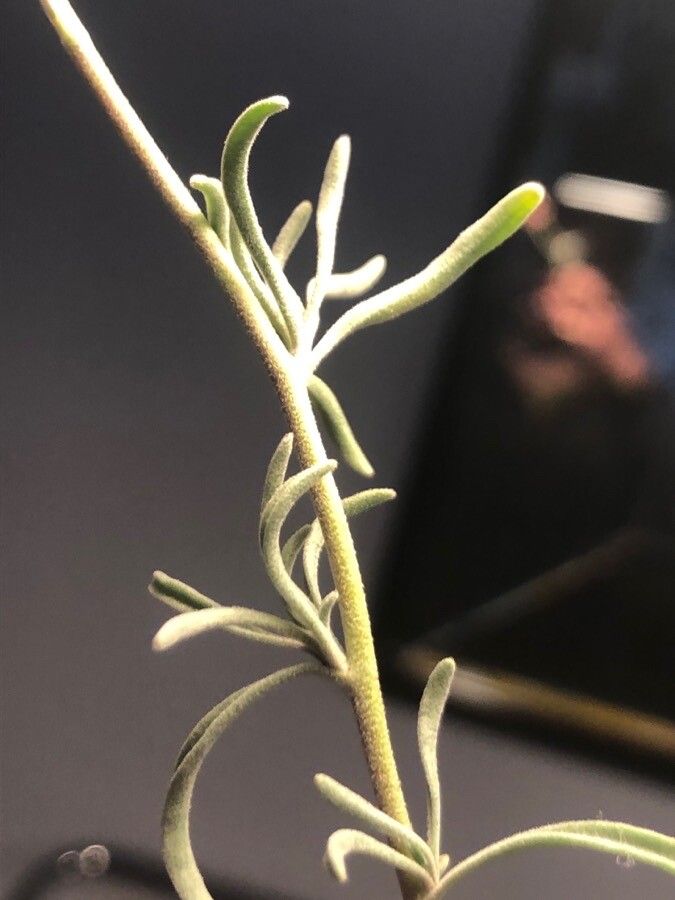
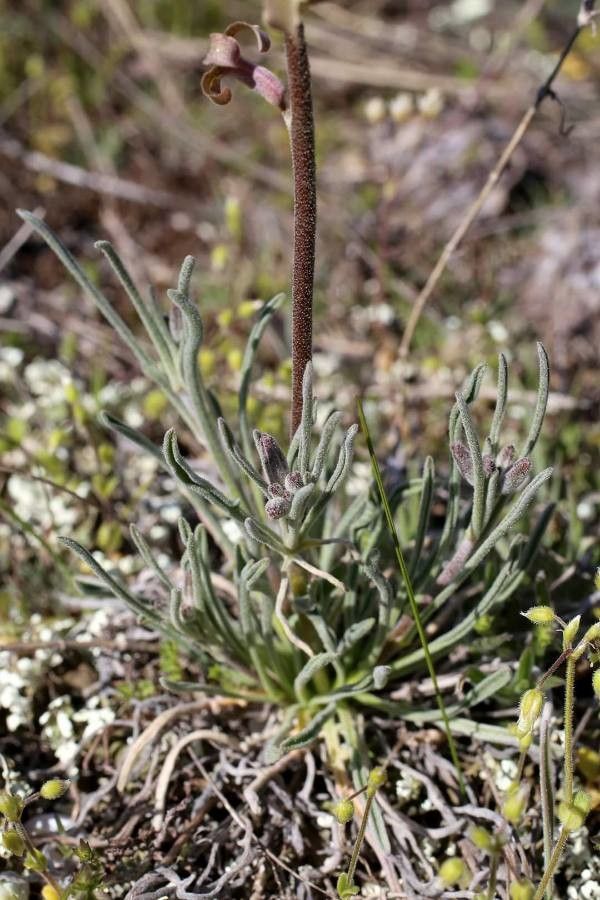
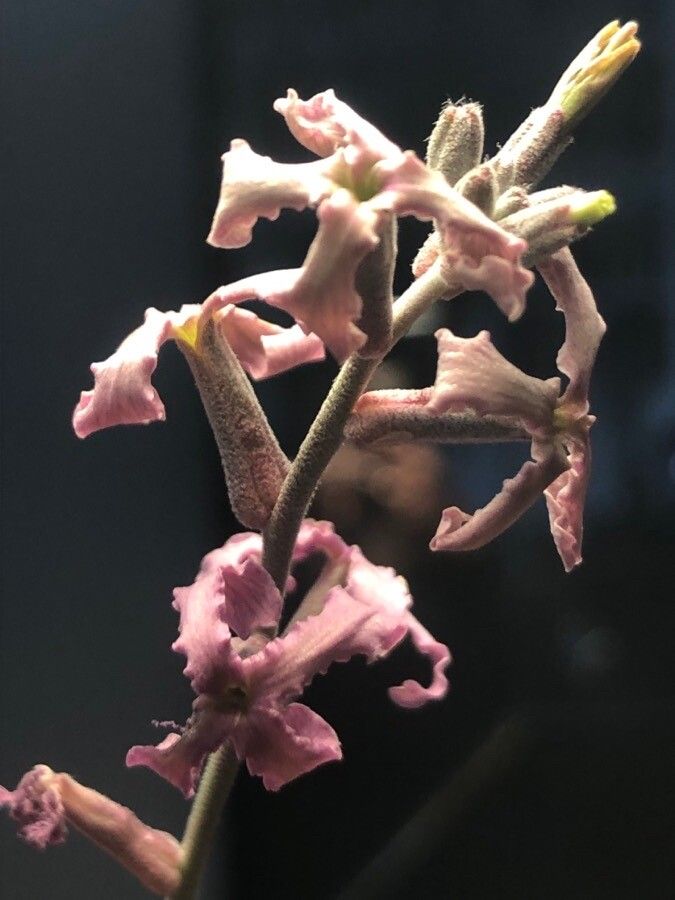
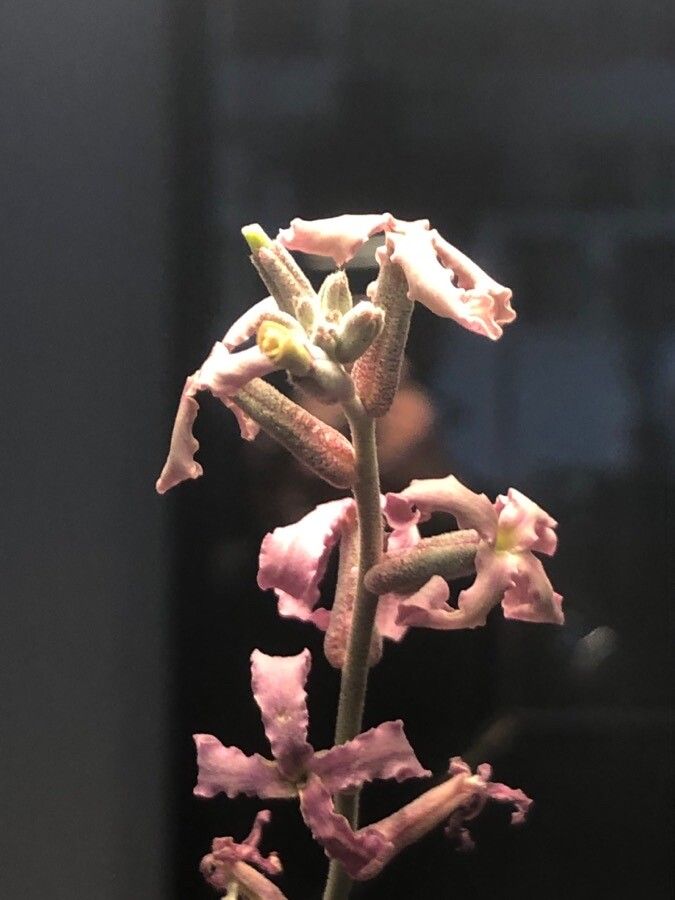
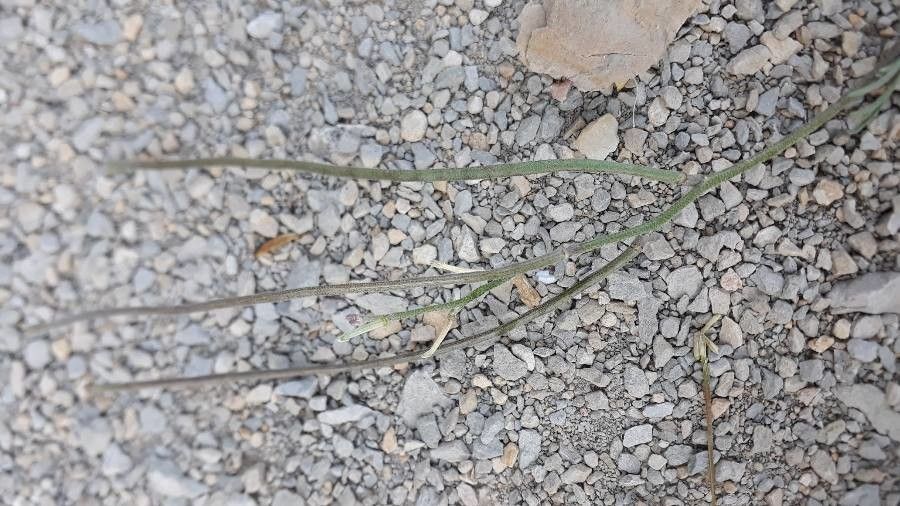
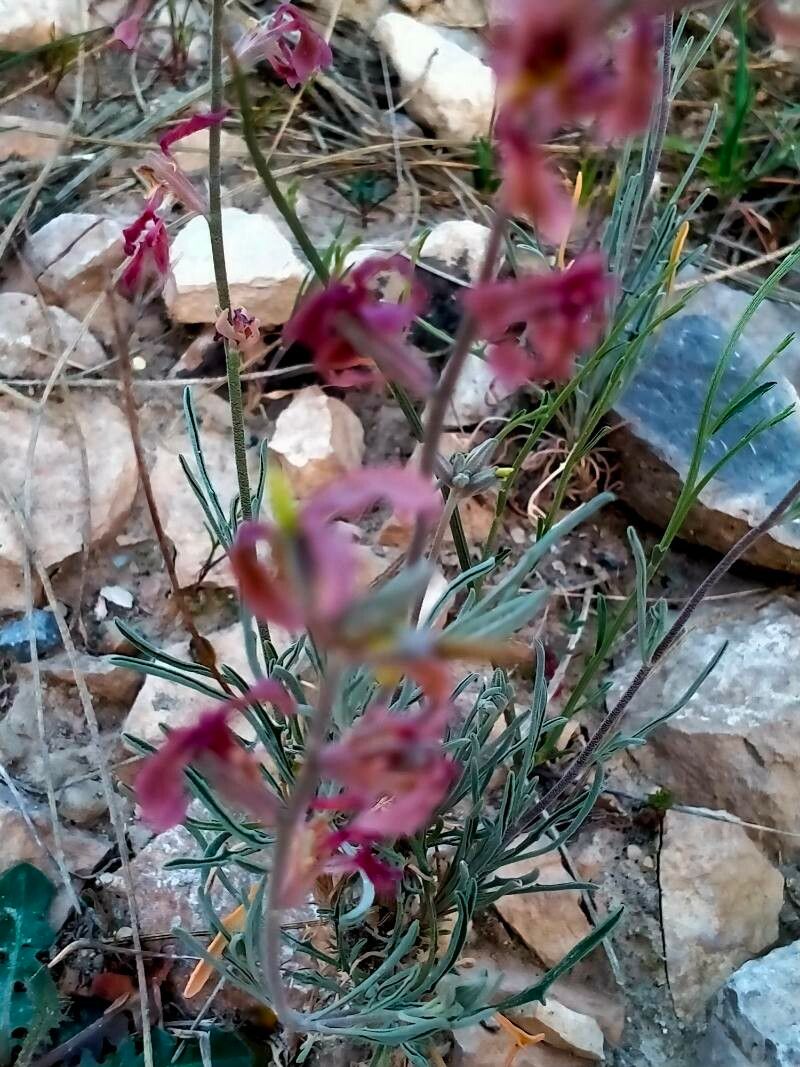
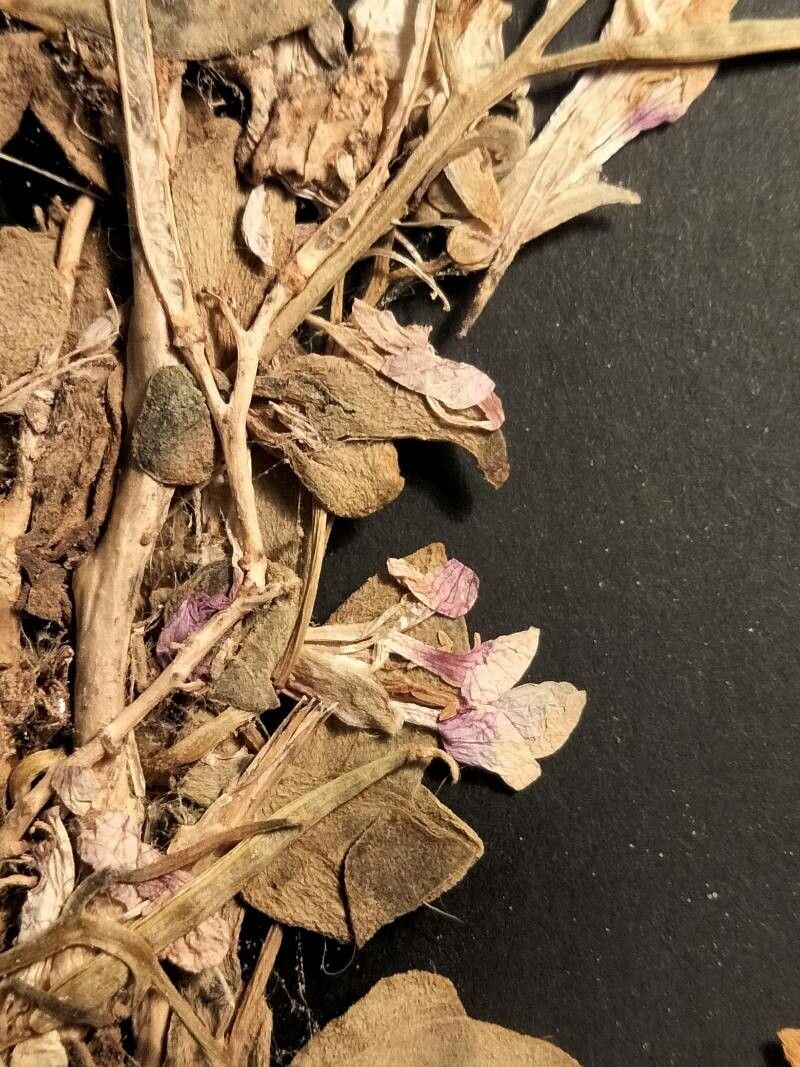
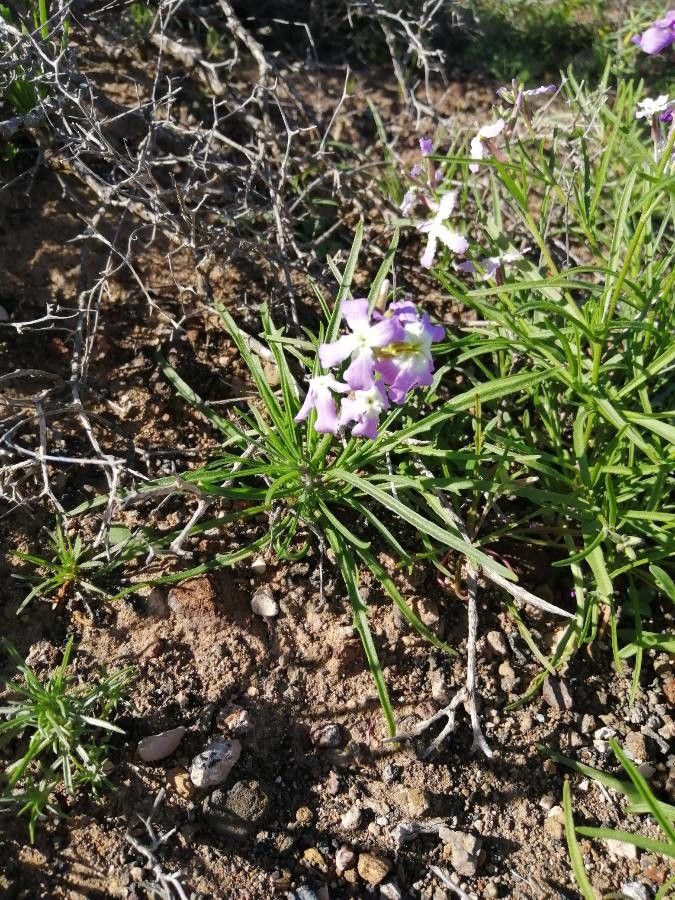
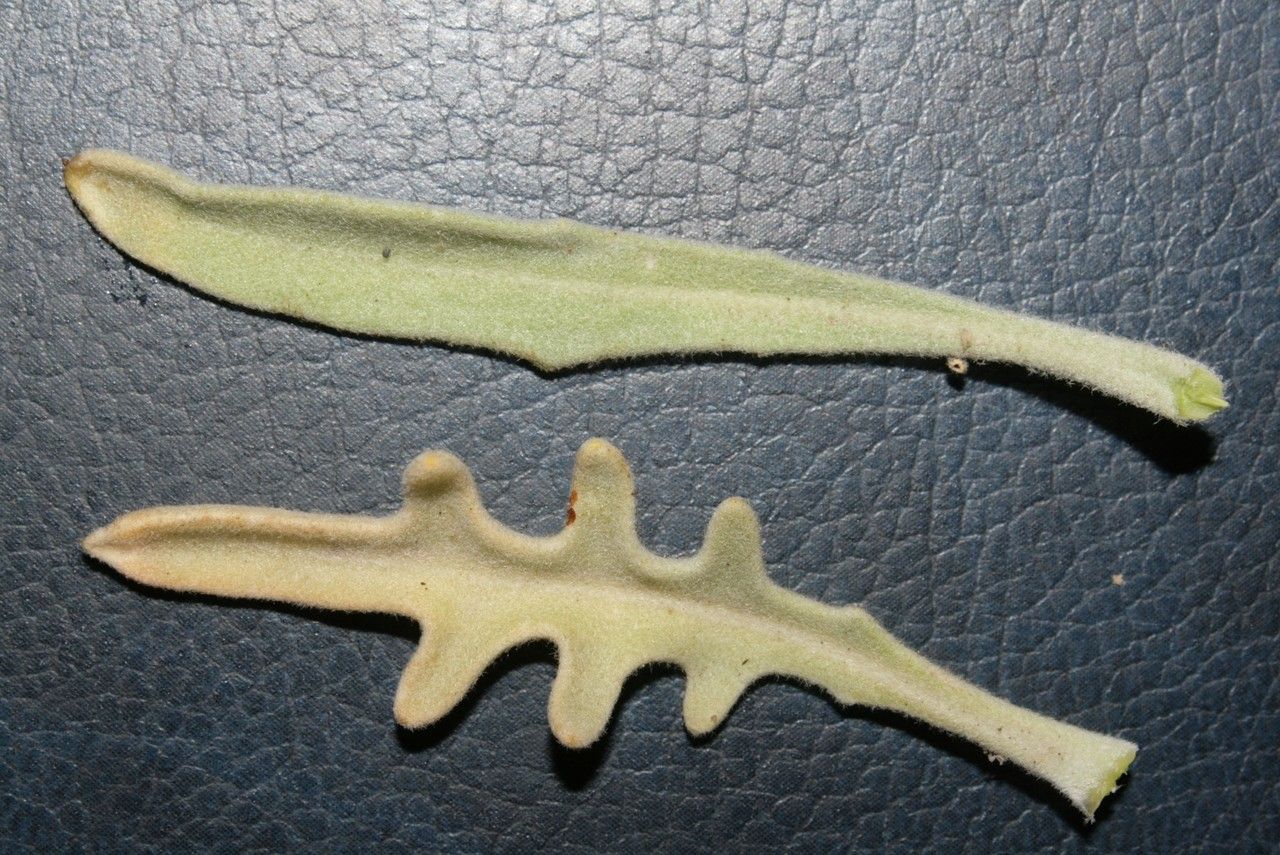
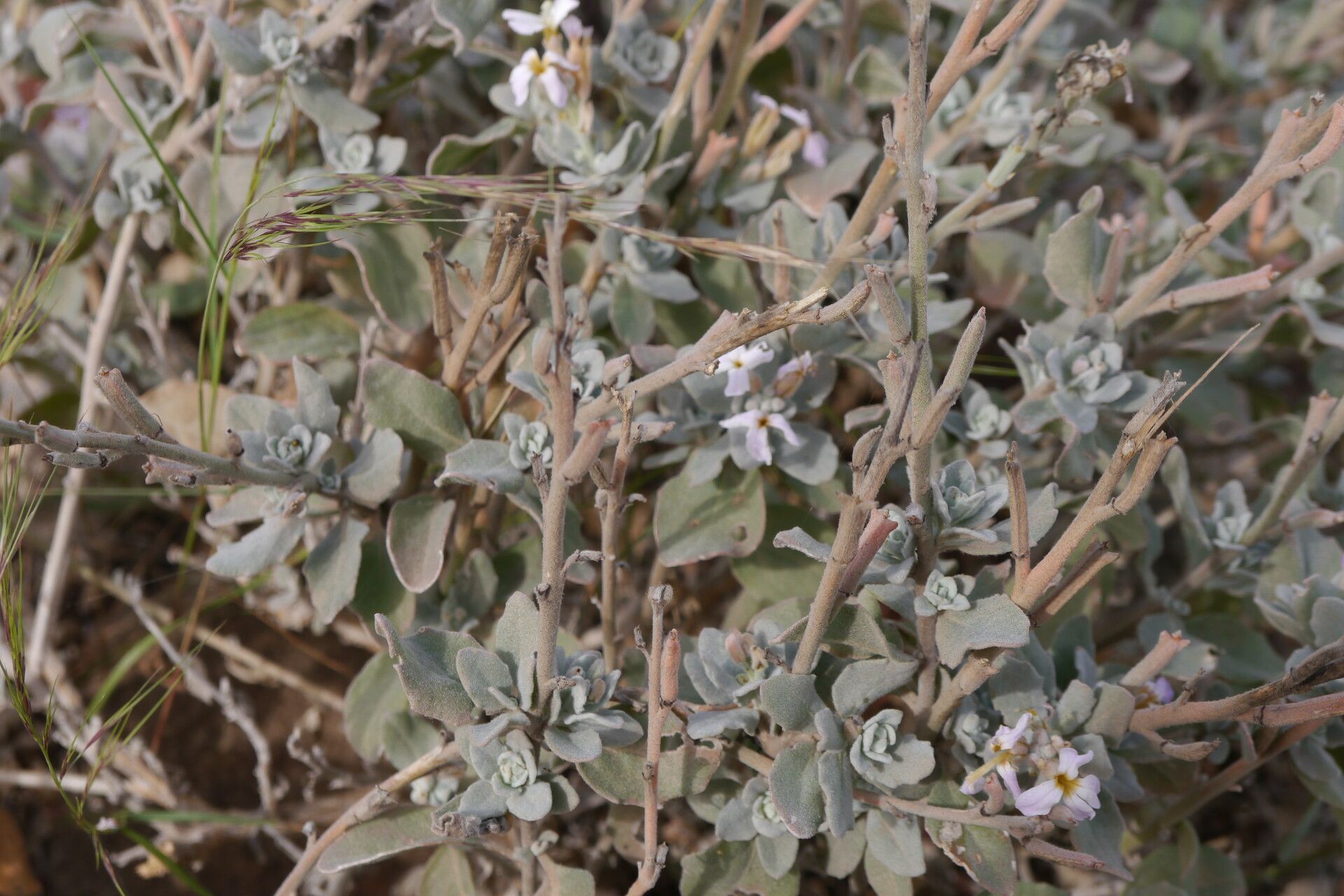
Matthiola fruticulosa, the sad stock or dark-flowered stock, is a species of flowering plant in the family Brassicaceae, native to the Mediterranean region. It is adapted to clay and marl soil types.
Sad stock possesses strong resistance to disease and is typically not susceptible to illnesses. In terms of care, the plant is fairly low-maintenance. When grown outdoors it needs only minimal watering, and larger specimens usually do not require pruning. Smaller plants, however, should be pruned after they finish blooming. Sad stockt is suitable for anyone with an outdoor area, such as a garden or deck, and does not demand much care experience.
How to keep Matthiola Fruticulosa.
Light
Sad stock does best with abundant light and can withstand short periods of lower illumination, reflecting its native habitat. Too little light may restrict its growth, while too much exposure can potentially harm the plant.
Water
The Sad stock plant thrives in dry conditions and has a high tolerance for drought. It needs to be watered infrequently, about once every 2 to 3 weeks. To prevent root rot, it's important to plant it in well-draining soil. Typically grown outdoors, this plant adapts well to environments with low humidity.
Temperature
Sad stock shows considerable adaptability to a wide range of climate conditions, whether in blistering summers or frosty winters. However, it still has an ideal temperature range for growth. If temperatures get too high, the plant is vulnerable to heat and humidity stress, which can cause it to die. In areas where temperatures approach the lower limit of its cold tolerance, providing insulation is important to protect the plant.
Fertilizer
Timing is essential for fertilizing Sad stock. Apply fertilizer in early spring and continue monthly until early summer. Fertilizer encourages attractive blooms and supplies energy during both dormant and active growth phases.
Pruning
Sad stock benefits significantly from early spring pruning. By removing dead stems and reshaping leggy growth, you can encourage denser foliage. Thinning out the plant also improves air circulation, reducing the risk of disease. Additionally, regular pruning enhances flowering. Always use clean, sharp tools for precise cuts, and consider consulting horticultural guides for specific care tips.
Botanical profile.
- Plant Type
- Shrub
- Life Cycle
- Perennial
- Genus
- Matthiola
- Family
- Brassicaceae
- Hardiness Zone
- 7-10
- Mature Height
- 30 cm to 49 cm
- Mature Spread
- 61 cm
- Leaf Color
- Light Green
- Leaf Type
- Semi-evergreen
- Flower Color
- Lavender
- Flower Size
- 1.27 cm to 2.79 cm
- Bloom Time
- Mid spring, Late spring, Early summer
- Planting Time
- Autumn
- Harvest Time
- Summer
Other names.
Reader questions.
What's the best way to water my houseplant named Sad?
To ensure excellent root development, place a garden hose at the base of the plant. It's best to avoid spraying the leaves directly. If the plant is outdoors and exposed to direct sunlight, the leaves will need more watering. You can use bubblers or soaker hoses to moisturize the roots, either individually for each plant or throughout the entire garden or bed. When adding or removing plants, make sure to water deeply to encourage deep root growth. After watering, drain any excess water and allow the soil to dry before watering again. To prevent diseases, water at ground level. On a sunny day, it may be beneficial to spray the entire bush with water. If your plant is potted or in the ground, remember that Sad stock prefers deep watering rather than light sprinkling.
What are the sunlight requirements for Sad stock (Matthiola fruticulosa)?
Sad stock (Matthiola fruticulosa) thrives in conditions that reflect its native habitat, which involves generous amounts of light. It requires full sun, meaning it needs more than 6 hours of sunlight daily, or partial sun, which is about 3-6 hours of sunlight daily. The plant's health and growth are significantly impacted by light, where insufficient light can inhibit growth, and too much exposure may cause damage. Observing the movement of sunlight through your garden is crucial for finding spots that offer the right balance of light and shade to ensure the optimal growth of your plants.
What is the botanical name of 'Sad stock'?
The botanical name of 'Sad stock' is Matthiola fruticulosa.
What should I do if I give Sad stock too much or too little water?
If a Sad stock is overwatered, its leaves may turn yellow, drop off, and wilt. The plant may appear dull with mushy stems. When these signs appear, it's best to adjust your watering schedule. On the other hand, wilting can also be a sign of under-watering. In this case, the leaves become crispy and dry. When the soil is dry and simply watering is insufficient, it's necessary to thoroughly water the plant. Sufficient water will help the Sad stock recover, but it may still have dry and yellow leaves for a few days due to root damage. Once the plant returns to normal, the yellowing of the leaves will stop. Indoors, always check the moisture levels of your Sad stock and avoid overwatering. Look out for black spots, and if they are present, let the soil dry out for a few days before watering again. Overwatering can cause root rot, so consider transferring the plant to a different pot if you notice discolored and slimy roots. Preventing root rot and avoiding overly soggy soil is important. When planting outdoors, ensure the soil is adequately moistened. If the soil feels dry when checked with your fingers, it may indicate underwatering. Adequate watering is necessary to help the plant recover.
How can artificial lighting support Sad stock indoors?
When natural sunlight is not enough, particularly during winter or in less sunny spaces, indoor plants like Sad stock can benefit significantly from artificial lighting. Artificial lights, especially LED lights, are recommended because they can be customized to provide specific wavelengths needed by plants. Full sun plants require 30-50W/sq ft of artificial light, partial sun plants need 20-30W/sq ft, and full shade plants need 10-20W/sq ft. The ideal distance for placing the light source is 12-36 inches above the plant, simulating natural sunlight. To mimic the natural daylight hours, most plants need 8-12 hours of artificial light per day, ensuring they receive adequate light for optimal growth.
How much water does my Sad stock need and how often should I give it to them?
To properly water the Sad stock, it is best to soak them in a gallon of water at a time, especially if they are planted in pots. Potted plants have limited water storage, so the soil will dry out quickly. In colder regions, watering is needed every 3 to 5 days. It is best to water early in the morning when the soil is dry, whether the plant is indoors or outdoors. You can also check the soil moisture to determine if watering is necessary. If the top 2-3 inches of soil is dry, it's time for a full watering. During hot days, you may need to check the moisture daily due to the quick drying of the soil in pots. For garden irrigation, in hot climates, watering once a week is usually sufficient. Only water if the soil becomes too dry, about 2-3 inches deep. Take into account the amount of rainfall and avoid overwatering to prevent root rot. Sad stock usually grows during spring and fall, so adding mulch about 3 to 4 inches deep can help conserve water when planted outdoors. Sandy soil drains faster, so more frequent watering is needed, whereas clay soil requires less frequent watering to avoid root rot. Keep track of your watering schedule by marking it on the calendar and pay attention to drooping leaves, as it may indicate that watering was delayed.
What are the symptoms of light deficiency, excessive sunlight, or improper lighting on Sad stock?
Sad stock may exhibit various symptoms under suboptimal lighting conditions, including small or pale new leaves, leggy growth, faster leaf drop, or even halted growth. These signs indicate either a deficiency or excess of sunlight. Additionally, chlorosis, sunscald, leaf curling, wilting, and leaf scorching can occur due to the plant's sensitivity to light variations. These symptoms reflect the plant's struggle with adaptation to its lighting environment, highlighting the importance of monitoring and adjusting the light exposure for maintaining plant health.
How much water does my Sad stock need?
The Sad stock generally requires about a gallon of water on a regular basis. When it comes to potted plants, it's important to water them deeply until you notice water dripping from the bottom of the pot. After that, wait for the soil to dry before watering again. To determine how much water you've given your plant in a week, you can use a water calculator or a moisture meter. During the flowering period, make sure to provide plenty of water, but allow the moisture to evaporate afterwards to prevent root rot. If the Sad stock is planted outdoors and receives sufficient rainfall, you may not need to water it additionally. When the Sad stock is young or recently planted, ensure it receives 1-2 inches of rain each week. As the Sad stock matures, it can rely solely on rainfall for survival. Only water it fully if the weather is excessively hot or there has been a lack of rainfall for 2-3 weeks. In such cases, it's best to water the Sad stock during cooler moments of the day to avoid damage from high heat. Additional watering will be needed during extended dry spells.
How can I address and remedy the symptoms of poor lighting for Sad stock?
To remedy symptoms of poor lighting for Sad stock, gradual acclimatization to more suitable lighting conditions is essential. For indoor plants, you can gradually move them to sunnier locations or use artificial lighting, such as a desk lamp or professional grow lights, to ensure they receive at least 6 hours of direct sunlight or its equivalent daily. Outdoor plants should be moved to optimal sunlight spots gradually to avoid sunburn. Reducing obstructions, like pruning trees that block sunlight, or transplanting smaller plants to sunnier locations can also help. It's crucial to understand that parts of the plant affected by insufficient light may not recover, but new growth will be healthy with improved light exposure.
Should I water my plant more or less depending on the time of year or the weather?
The Sad stock needs to be watered consistently, but less often during dry weather. It thrives in alternating dry and moist soil conditions during the spring and fall. In the summer, hot weather and lack of rain can cause the water to evaporate quickly, so more frequent watering is necessary to keep the soil moist. During winter when the Sad stock goes dormant and loses its leaves, a well-draining soil mixture like terracotta helps the water evaporate faster. Generally, the Sad stock can rely on fall and winter rains for moisture. After the spring, you can encourage growth and blooming by cultivating the Sad stock in warmer temperatures. Good drainage is important, especially during winter, to avoid ponding or drought. When potted, the Sad stock has limited root growth and should be well-watered, especially in summer. Water the entire root system deeply once or twice a week depending on the weather, and avoid shallow sprinkles that reach only the leaves. Even during dormancy, the Sad stock should not dry out completely in the fall or winter. Avoid overwatering, as sitting in water for too long can be detrimental to the plants, especially in winter. Applying mulch can help reduce stress, conserve water, and promote healthy blooms.
What do I need to be careful about when I water my Sad stock in different seasons, climates, or during different growing periods?
When planting Sad stock in the ground, it mainly relies on rain for water. However, if there is no rainfall for 2-3 weeks, you may need to consider giving the plants a deep watering. In the summer, it is best to water Sad stock in the morning to avoid stressing the roots with a large temperature difference between the water and the root system. Avoid watering the bushes when it's too hot outside. Start mulching them in the spring when the ground is not too cold. The age of the plants is important. Newly planted ones often fail to grow due to a lack of water. Once they are established, you can reduce the watering schedule. During the fall and winter, especially if there is water-retaining material in the soil, water them less. Dry winds in winter can dry out the plants, and newly planted ones are at risk of drought during windy seasons. Windy seasons generally require more watering. Plants in pots tend to dry out faster, so they need more frequent watering. If you notice the plants blooming less and the leaves drying up, it's a sign that they need more water. Watering potted plants can be more complicated and the frequency may fluctuate. Always make sure the pot does not sit in water and avoid using containers with saucers, bowls, or trays. Too much watering in the fall can cause the foliage to look mottled or yellowish. It's important to prevent overwatering regardless of the climate or season. During the months when Sad stock begins to flower, consider increasing the watering frequency, but once they are fully grown, give them a break. Water them adequately every 3 to 5 days, but avoid sticking to a strict schedule. Check the soil moisture by sticking your finger in the pot or using a moisture meter. Overwatering or underwatering can lead to root rot and cause the plants to die, so be cautious regardless of your climate or season.
Why is it important to water my Sad stock?
Watering the Sad stock is important for transporting nutrients from the soil to the rest of the plant. To keep this species healthy, it is necessary to know the appropriate amount of water to provide. The watering requirements depend on the weather and soil conditions in your area. The Sad stock prefers moist soil but cannot tolerate excessive water. When planting in the ground, it is essential to use enough mulch and avoid underwatering. For potted plants, a full can of watering is recommended, ensuring the water is moist at the base for optimal blooms. When growing as foliage, watering should reach a depth of 10 to 20 inches to support growth. If it is raining, refrain from additional watering, as the plant can obtain necessary nutrients from the rainwater.