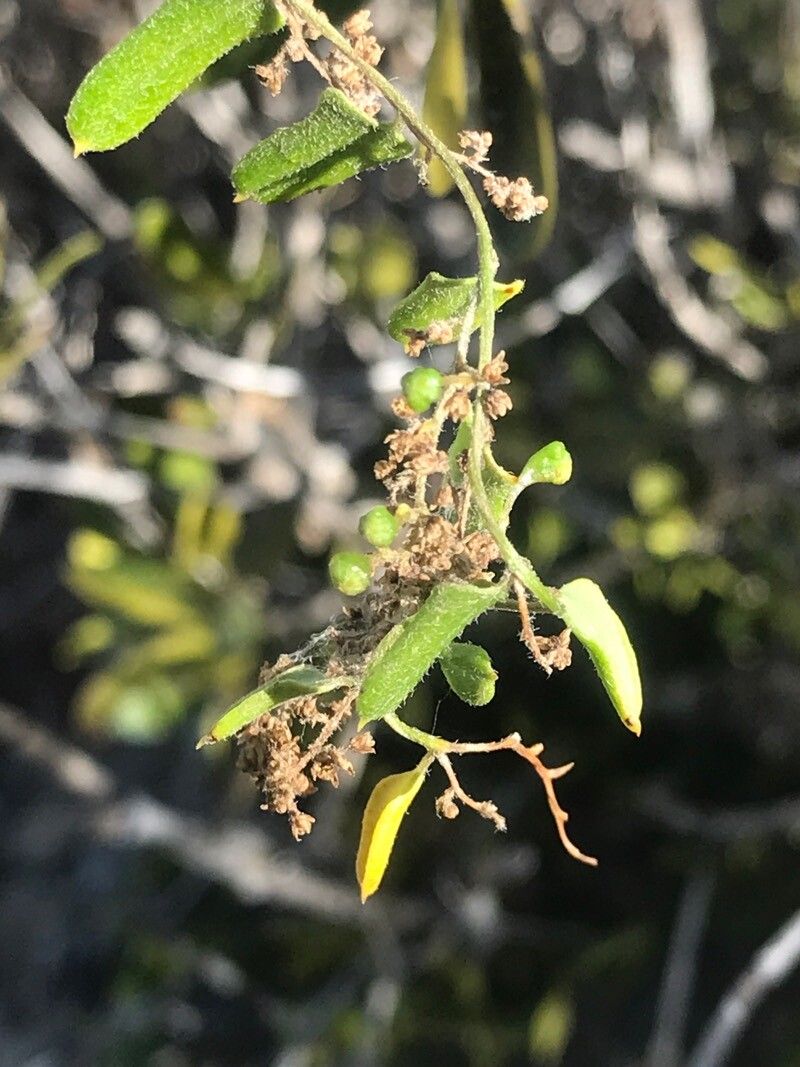
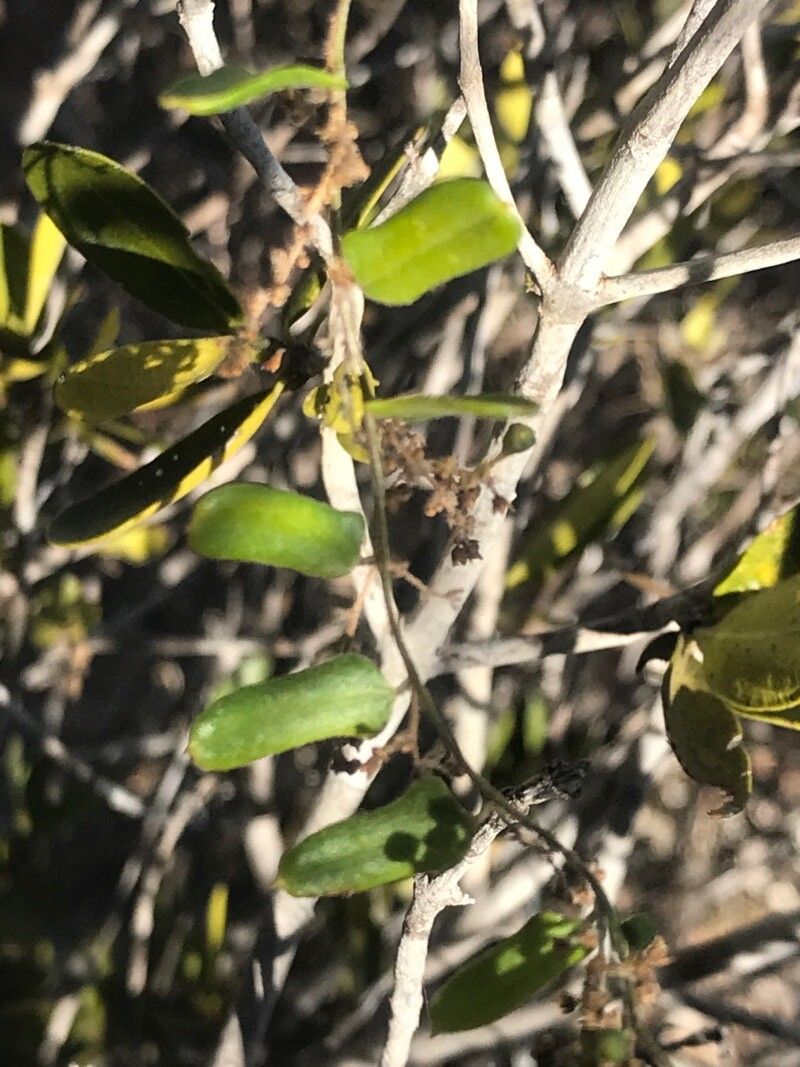
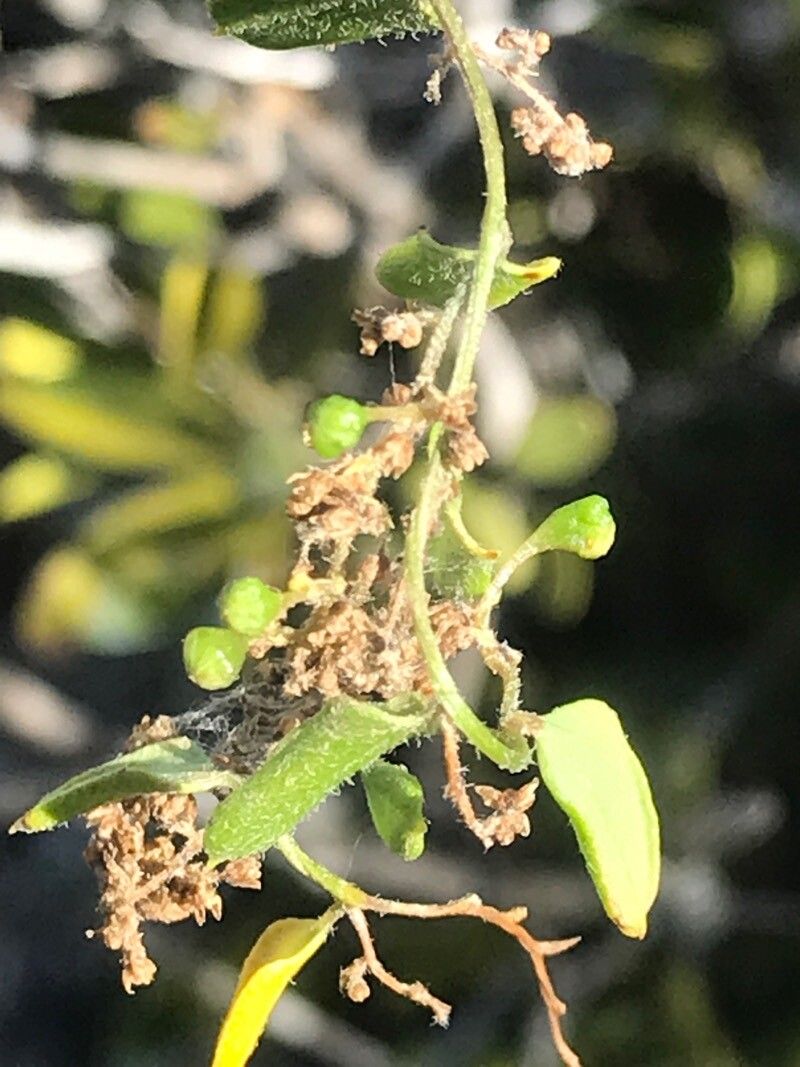
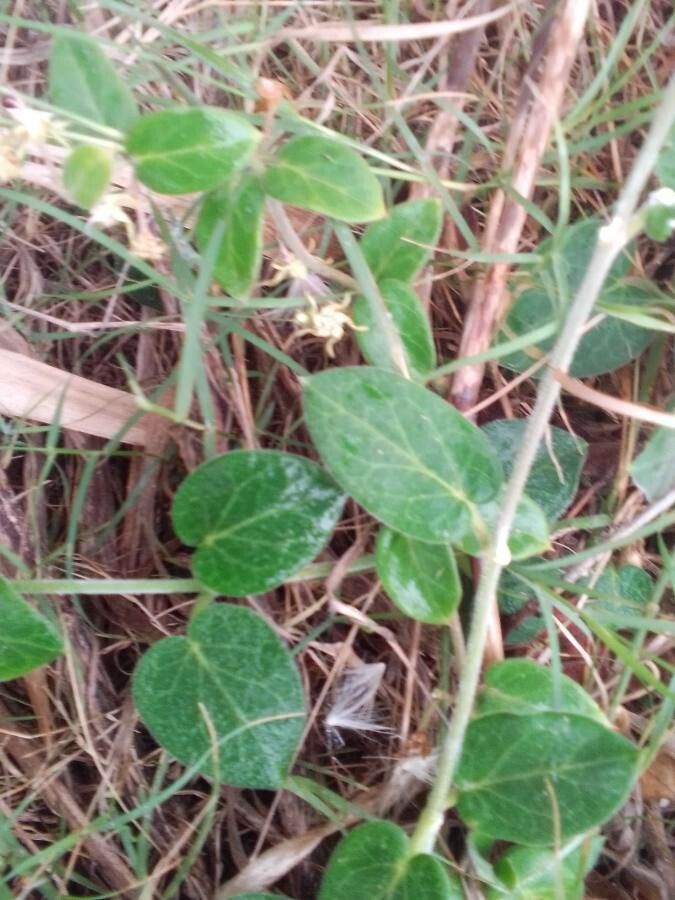
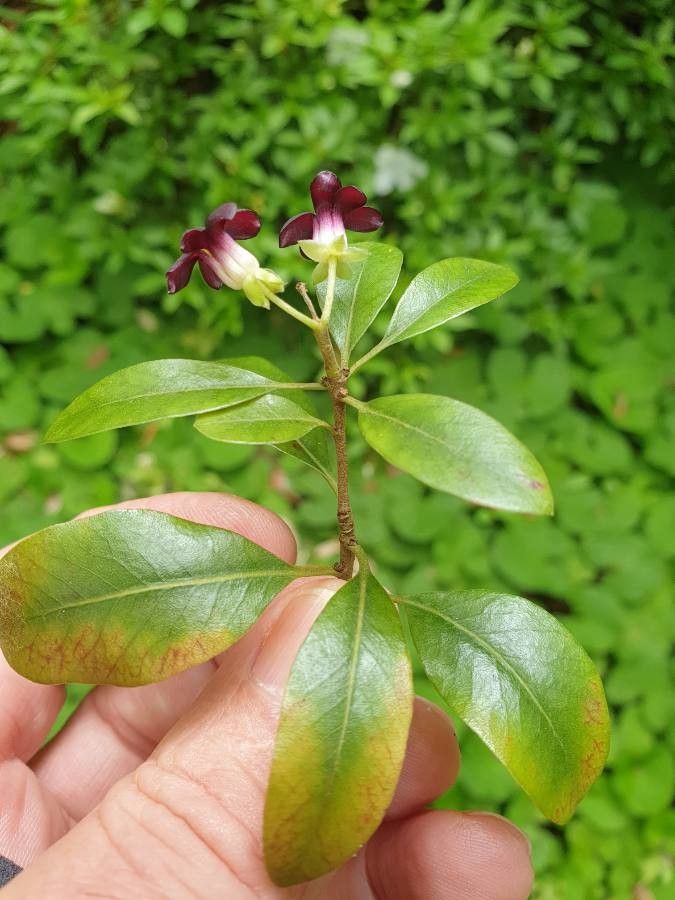
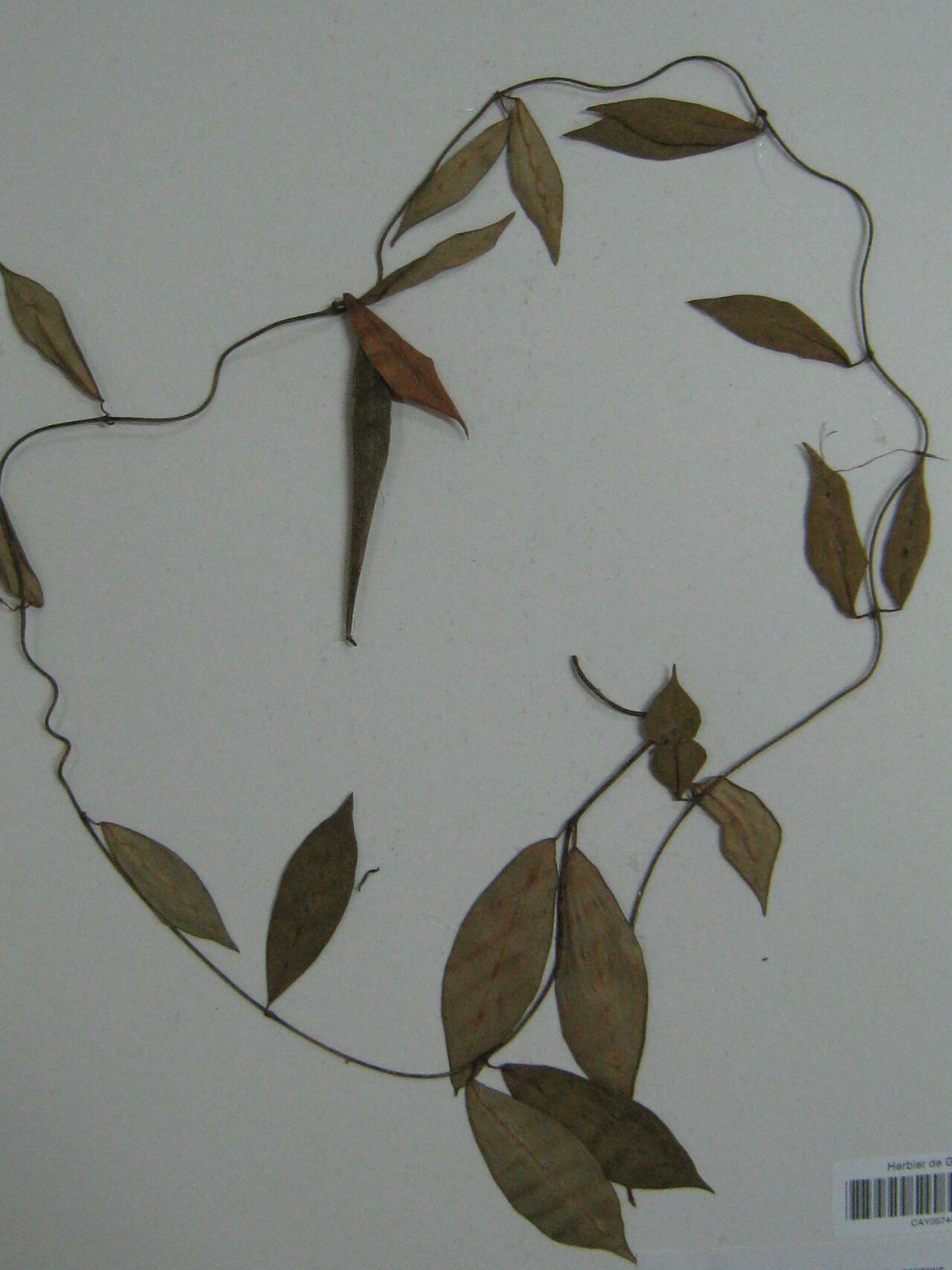
Matelea parvifolia, commonly known as the small-leaved milkweed, is a perennial vine belonging to the Apocynaceae family. Native to the southeastern United States, it thrives in sandy soils found in open woods, fields, and along roadsides. This plant can extend up to 6 feet in length and features small green leaves arranged alternately along its stem.
From May to August, Matelea parvifolia produces small greenish-white flowers. Following the blooming period, the plant develops long, slender seed pods that split open upon ripening, releasing numerous seeds with silky hairs designed for wind dispersal.
This plant is vital for the survival of monarch butterfly larvae due to its toxic compounds called cardiac glycosides, which protect the larvae from predators. Additionally, it provides nectar for adult butterflies and other pollinators.
In traditional medicine, Matelea parvifolia has been used to treat various ailments, such as snake bites and stomach disorders, owing to its medicinal properties.
Overall, Matelea parvifolia is an ecologically significant species. It supports pollinators like monarch butterflies and holds medicinal value for humans.
Spearleaf is resistant to disease and, in general, is not susceptible to many illnesses. As for maintenance, this plant is fairly low-maintenance. When grown outdoors it needs only light watering, and larger specimens typically do not need pruning. Smaller plants, however, should be pruned after they finish blooming. Spearleaf is appropriate for anyone who has outdoor space, like a garden or deck, and it does not demand extensive gardening experience.
How to keep Matelea Parvifolia.
Light
Spearleaf naturally occurs in habitats like forest understories and rocky locations, where it is exposed to natural shade. It prefers partial sun but can tolerate both full sun and full shade, illustrating its versatile, hardy nature.
Water
Spearleaf thrives in moderate humidity and consistently moist conditions, without being waterlogged. To support its growth, water the plant twice a week. Indoors, spearleaf benefits from stable conditions, making it ideal for container cultivation, where you can easily monitor and maintain the moisture levels.
Temperature
Spearleaf comes from tropical areas, where the climate is generally warm and humid. As a result, it is adapted to high temperatures and humidity. It dislikes sudden temperature shifts and prefers a steady thermal environment, so avoiding temperature fluctuations indoors is important. It typically cannot tolerate cold and needs higher temperatures to grow. If the surrounding temperature falls too low, the plant may stop growing or even die.
Fertilizer
Fertilization is essential for Spearleaf care. Regular feeding during the active growing season preserves the energy needed for its showy leaves and promotes overall growth. Failure to fertilize can lead to unhealthy foliage, reduced ornamental value, and growth that is stunted or weak and prone to breakage.
Pruning
Spearleaf is known for its unique leaf shape and climbing habit. To maintain its health and appearance, it's best to prune it in early spring. This will help remove dead stems and encourage more compact growth. Always use sharp, sterilized shears to prevent disease. Proper pruning not only improves air circulation but also enhances flowering and maintains the plant's shape. This ensures that Spearleaf grows optimally and remains visually appealing.
Botanical profile.
- Plant Type
- Vine, Shrub
- Life Cycle
- Perennial
- Genus
- Matelea
- Family
- Apocynaceae
- Hardiness Zone
- 8-11
- Mature Height
- 0.91 m to 2.13 m
- Mature Spread
- 49 cm to 91 cm
- Leaf Color
- Green, Dark Green
- Leaf Type
- Deciduous
- Flower Size
- 0.51 cm to 1.02 cm
- Bloom Time
- Late spring, Early summer, Mid summer
- Planting Time
- Spring, Summer, Autumn
- Harvest Time
- Late summer, Early fall, Mid fall
- Native Area
- Mexico
Other names.