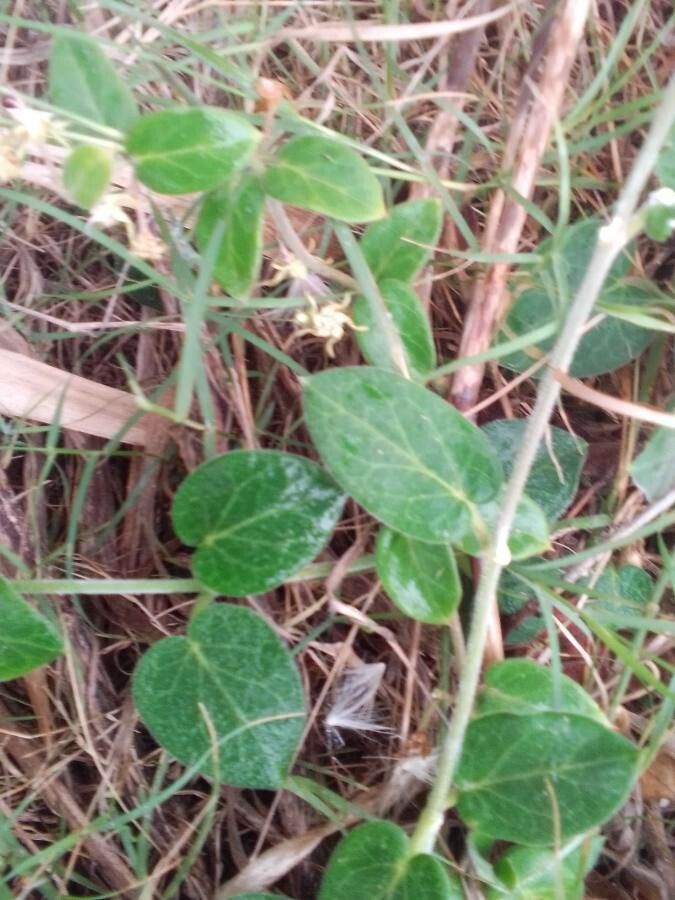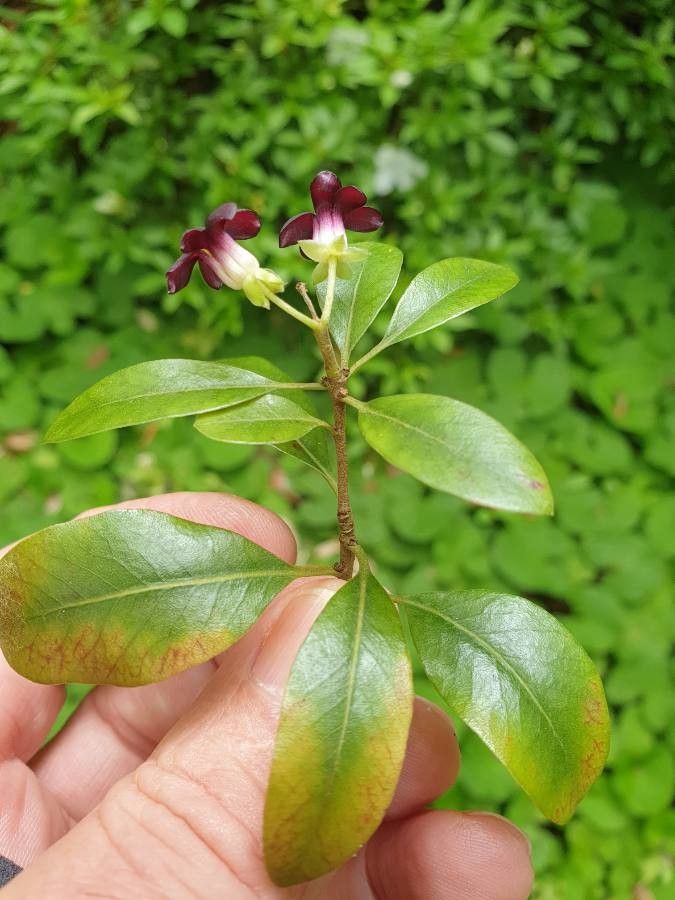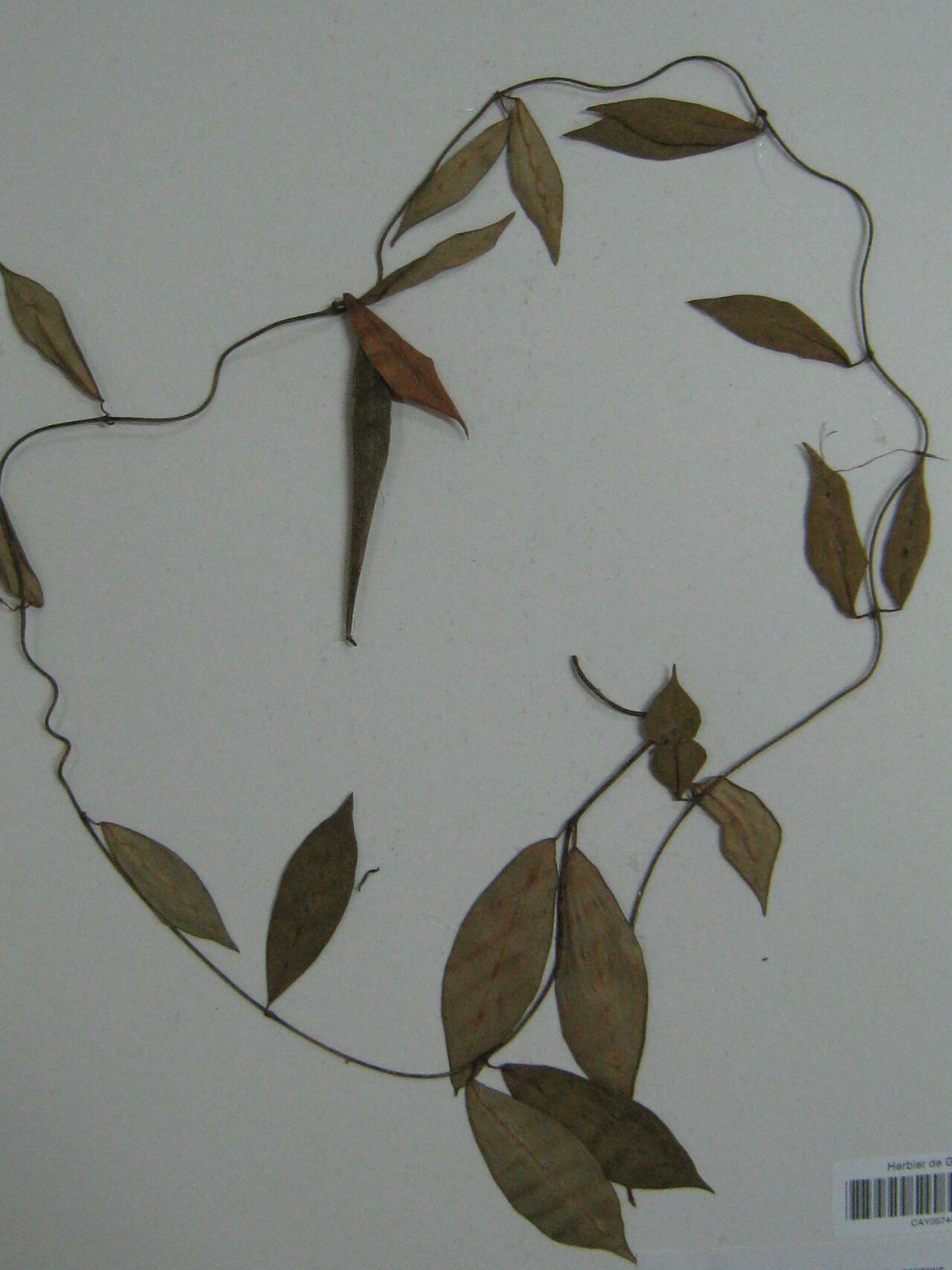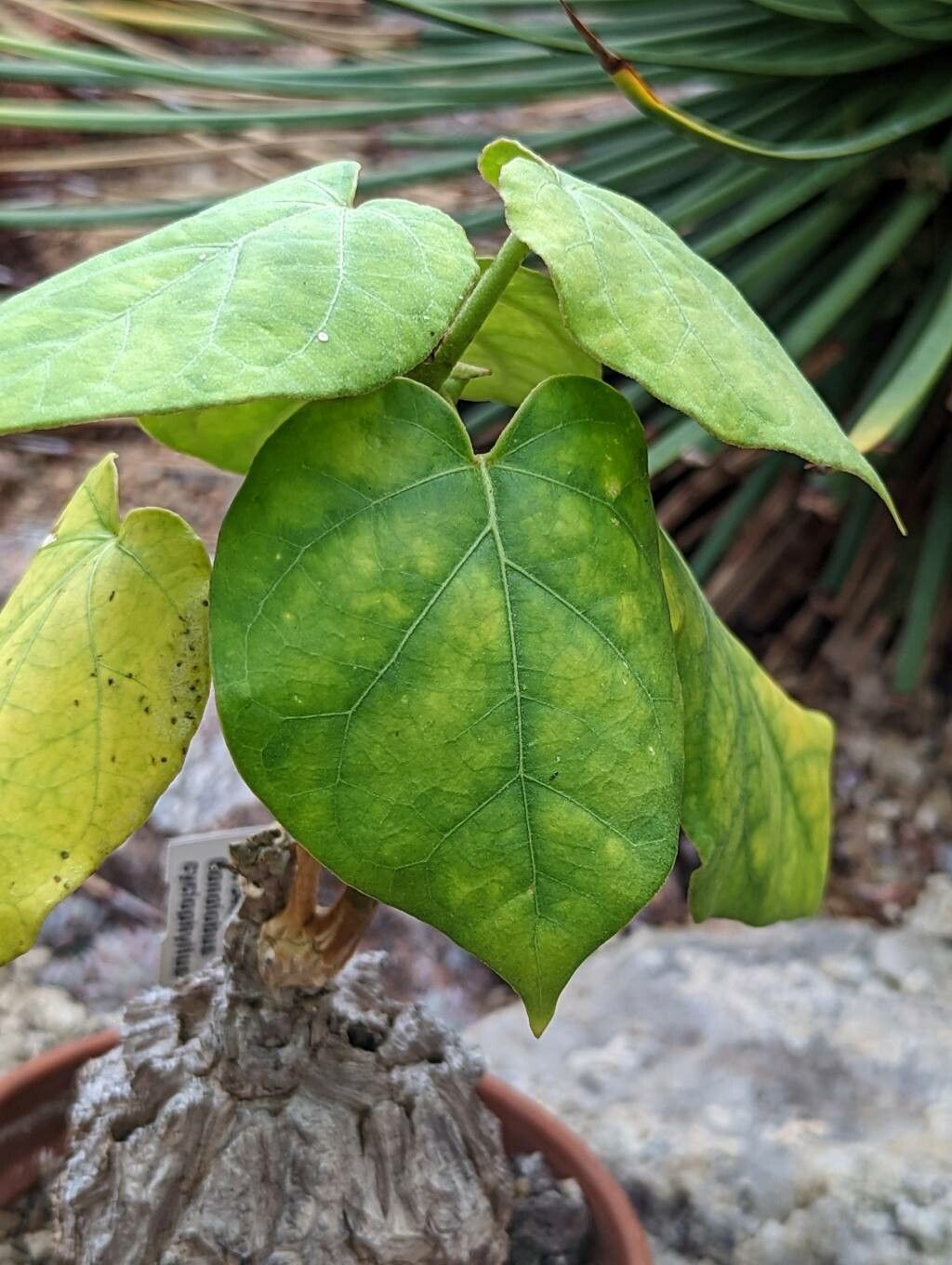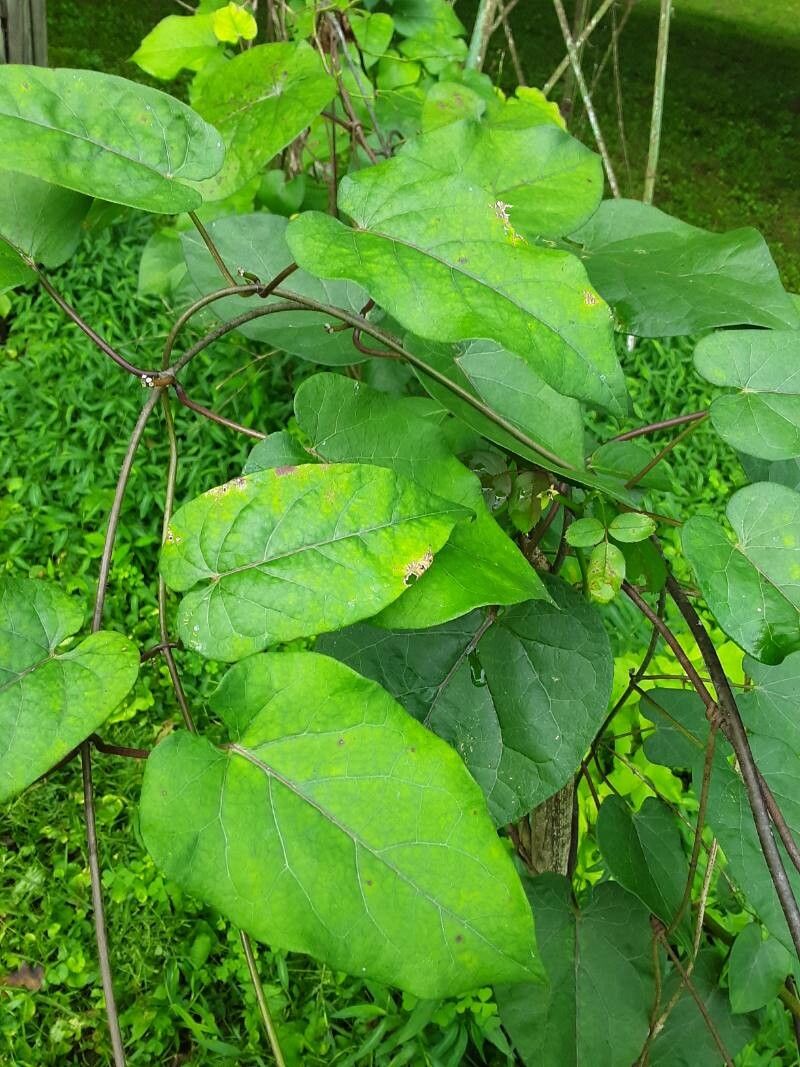
Matelea obliqua, commonly known as climbing milkvine, limerock milkvine or northern spinypod, is a species of flowering plant in the dogbane family. It a twining herbaceous vine that produces maroon flowers in summer. It is native to the eastern United States, where it is found in areas of calcareous rocky woodland. It is generally uncommon throughout its range, and is found in low densities.
Climbing milkvine is fairly resistant to disease and generally not prone to illnesses. However, it can be affected by pests and diseases present in its surroundings. These problems are usually not severe. Regarding care, this plant requires moderate maintenance. It should be pruned regularly to keep a neat appearance and support healthy growth. Fertilizing can also help promote flowering. Climbing milkvine is suitable for people with outdoor spaces such as a garden or patio and does not demand much care experience. It may need more attention when grown indoors.
How to keep Matelea Obliqua.
Light
Climbing milkvine usually does best in locations with moderate sun exposure, which supports its strong health. Coming from areas where sunlight is partly filtered, it can manage without sunlight, although that may affect its growth. Too much sun can be damaging, while too little can slow its development.
Water
Climbing milkvine flourishes in environments with moderate humidity when its moisture levels are kept consistent. Although it prefers to be watered weekly, it can withstand occasional short periods of dryness. When grown indoors, regular misting helps maintain humidity, promoting lush growth and vitality.
Temperature
Climbing milkvine is native to habitats that commonly experience temperatures between 41 and 90 °F (5 and 32 ℃). This plant favors moderate temperatures for optimal growth. Across different seasons, temperature adjustments may be required to maintain its health.
Fertilizer
The best time to fertilize Climbing milkvine is in early spring, as it comes out of dormancy and begins active growth. Fertilizing supplies essential nutrients needed for healthy development. Although Climbing milkvine has fairly low fertilizer requirements, applying fertilizer annually can improve its survival and encourage better, longer-lasting flowers.
Pruning
Climbing milkvine is a vine characterized by its heart-shaped leaves and star-shaped flowers. To manage its growth and encourage healthy foliage, prune it in the spring. Be sure to remove dead stems and thin out crowded areas to improve air circulation. Trim just above the leaf nodes to maintain its shape. Avoid heavy pruning while the plant is actively growing.
Botanical profile.
- Plant Type
- Herb, Vine
- Life Cycle
- Perennial
- Genus
- Matelea
- Family
- Apocynaceae
- Hardiness Zone
- 5-8
- Mature Height
- 1.22 m to 3.05 m
- Mature Spread
- 49 cm to 91 cm
- Leaf Color
- Green, Dark Green
- Leaf Type
- Deciduous
- Flower Color
- Purple, Red, Brown
- Flower Size
- 1.02 cm to 2.03 cm
- Bloom Time
- Early summer, Mid summer
- Planting Time
- Spring, Summer
- Harvest Time
- Late summer, Early fall, Mid fall
Other names.
Reader questions.
What type of sunlight is required for Climbing milkvine?
Climbing milkvine thrives in moderate sun exposure, typically needing about 3-6 hours of sunlight each day to maintain its health. It originates from environments where sunlight is partially filtered, allowing it to withstand periods without direct sunlight, although this may affect its growth rate. Excessive sun exposure can be harmful, while too little may slow its development. Observing how sunlight moves through your garden and selecting locations that offer a balanced mix of light and shade will contribute to the plant's well-being.
What temperature conditions are optimal for Climbing milkvine growth?
Climbing milkvine, known botanically as Matelea obliqua, thrives in moderate temperature environments, typically ranging from 41 to 90 °F (5 to 32 °C). This plant has strong cold resistance, indicating that special frost protection measures are not usually necessary. However, for optimal growth, the plant prefers temperatures within this range, and during varying seasons, adjustments may be needed to maintain its health.
How can artificial lighting benefit indoor climbing milkvine plants?
Indoor climbing milkvine plants require adequate lighting for optimal growth. When natural sunlight isn't enough, especially during winter or in less sunny areas, artificial lights provide a crucial alternative. They promote faster and healthier growth by supplying the necessary light intensity. LED lights are recommended because they can be adjusted to emit specific light wavelengths needed by plants. For full sun plants, 30-50W/sq ft of artificial light is needed; partial sun plants require 20-30W/sq ft; and full shade plants need 10-20W/sq ft. The light source should be placed 12-36 inches above the plant and turned on for 8-12 hours per day to mimic natural daylight conditions.
What should be done to protect Climbing milkvine in winter?
To protect Climbing milkvine during winter, especially if temperatures are expected to drop below -25°C, it's important to provide cold protection. This can be achieved by covering the plant with soil or straw. Additionally, watering the plant abundantly before the first freeze in autumn helps to ensure the soil remains moist and enters a frozen state, preventing drought and water scarcity during winter and early spring.
What are the symptoms of incorrect lighting in climbing milkvine?
Insufficient light in climbing milkvine can lead to several symptoms: smaller new leaves, leggy or sparse growth due to elongated spaces between leaves or stems, premature leaf drop as the plant conserves resources, halted growth as the plant enters survival mode, and lighter-colored new leaves indicating a lack of chlorophyll. Excessive sunlight may cause chlorosis, where leaves turn yellow from chlorophyll breakdown, sunscald with pale or necrotic spots on leaves, leaf curling to minimize water loss, wilting from rapid water loss, and leaf scorching marked by brown, dry, and crispy leaf edges.
How does Climbing milkvine react to low temperatures?
Climbing milkvine is cold-tolerant and thrives best when temperatures are above 5°C. However, during winter, it's advised to keep it above -20°C to prevent damage. If temperatures fall below -25°C, while there might not be noticeable changes during winter, the plant may experience a decrease in sprouting or might not sprout at all come springtime. If this occurs, it's recommended to remove any parts of the plant that have failed to sprout in spring.
What are the solutions for climbing milkvine experiencing light deficiencies or overexposure?
For climbing milkvine with light issues, gradual adjustment to the correct light conditions is key. Indoors, if the plant is too large or immovable, using a desk or ceiling lamp for at least 8 hours a day or investing in professional grow lights can provide the necessary light. Outdoors, moving the plant to a sunnier location progressively each week helps it adapt without risking sunburn. Additionally, reducing sunlight obstructions by pruning nearby trees and, for smaller plants, transplanting them during the dormant period to a spot with more sunlight and good drainage can improve light exposure. It's crucial to remember that parts of the plant damaged by incorrect lighting might not recover, but new growth will be healthier with adjusted light.
What are the signs and solutions for Climbing milkvine exposed to high temperatures?
When Climbing milkvine is exposed to temperatures above its optimal range, specifically over 35°C, signs such as lighter leaf color, curling, susceptibility to sunburn, and in severe cases, wilting and drying out of the entire plant, may occur. To remedy this, trim away the sunburned and dried-up parts. Moving the plant to a location with shade during midday and afternoon sun or using a shade cloth can protect it. Additionally, watering the plant in the morning and evening helps keep the soil moist and supports its health under high-temperature conditions.