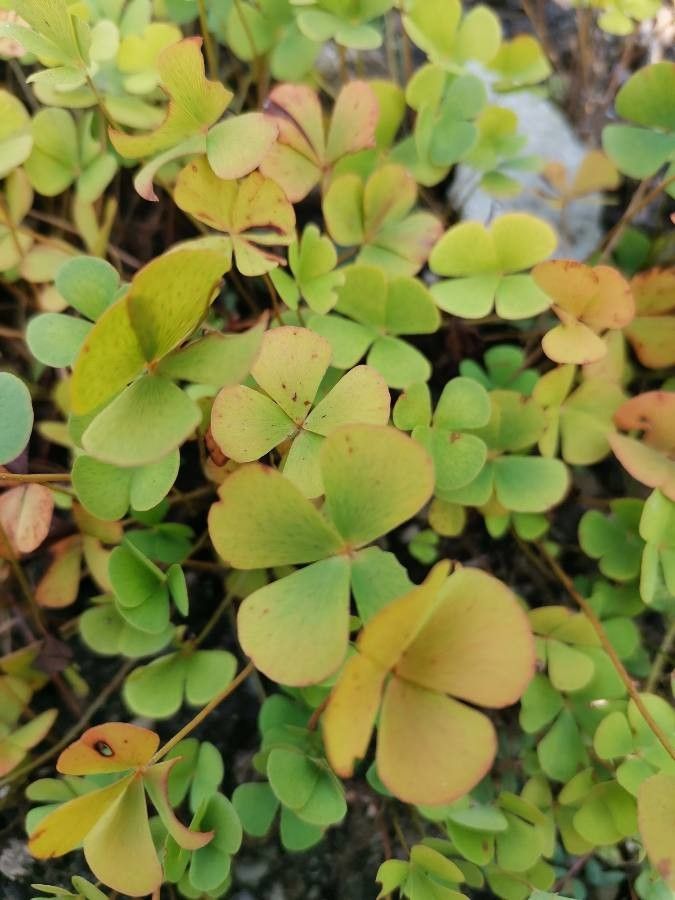
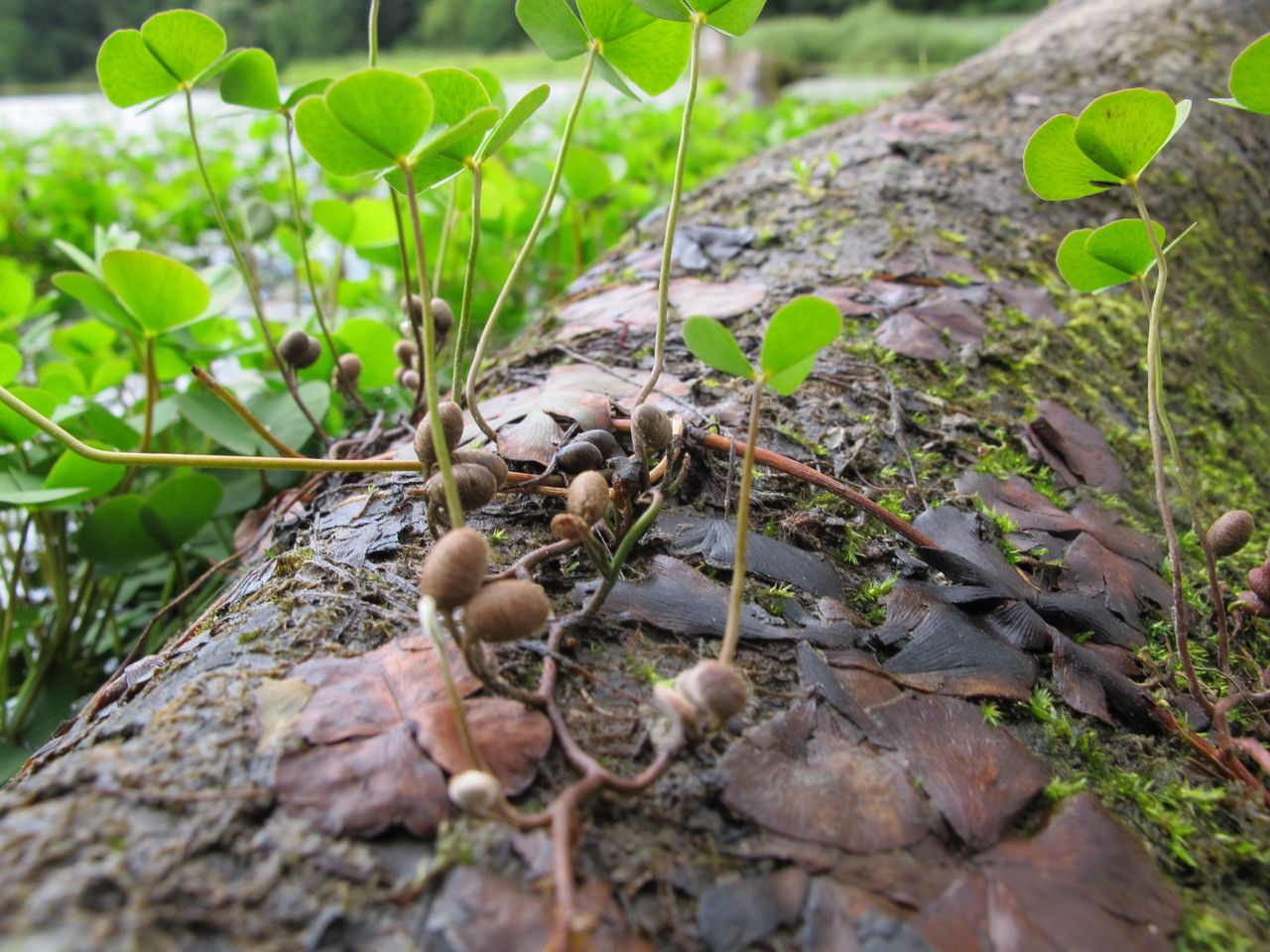
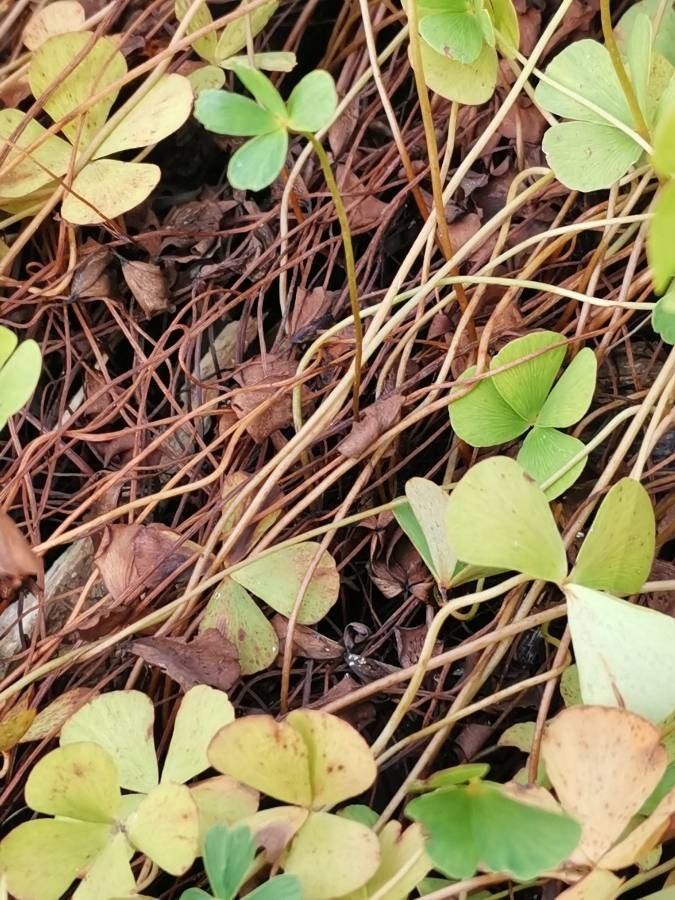
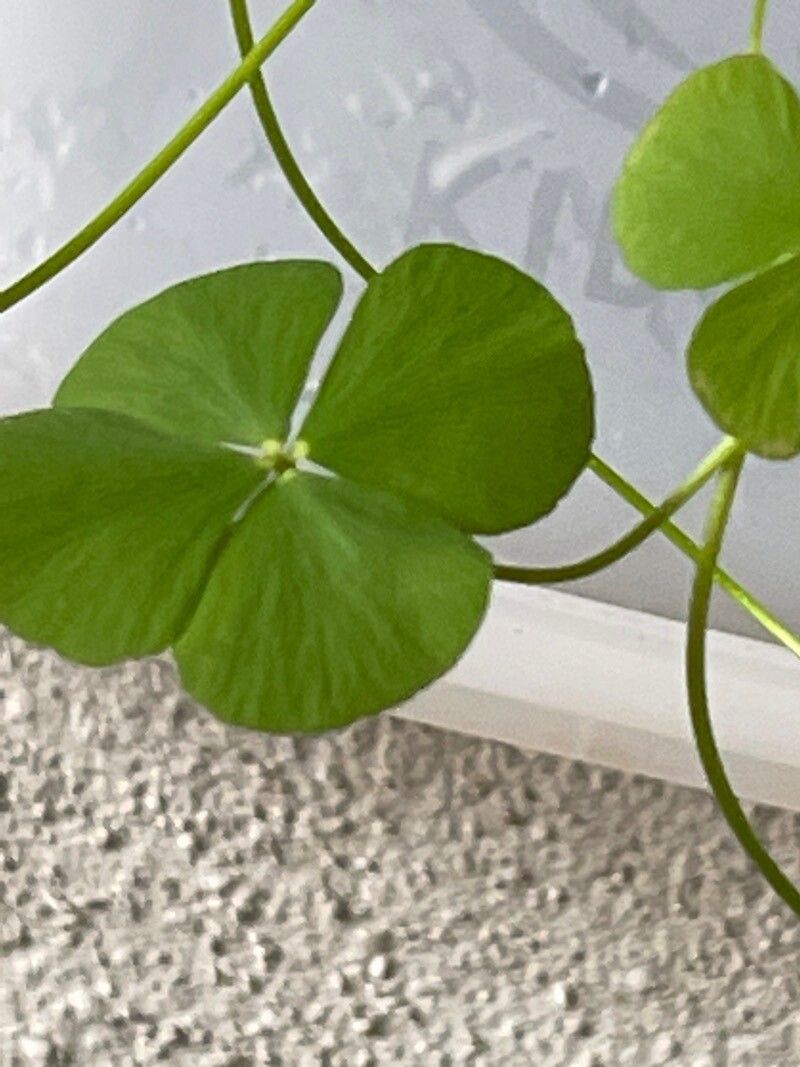
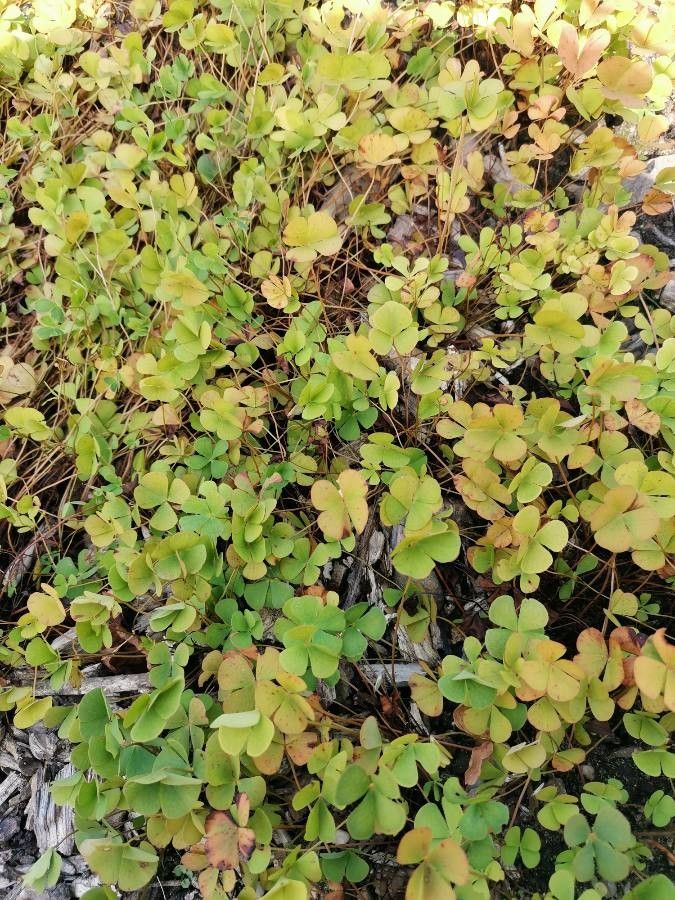
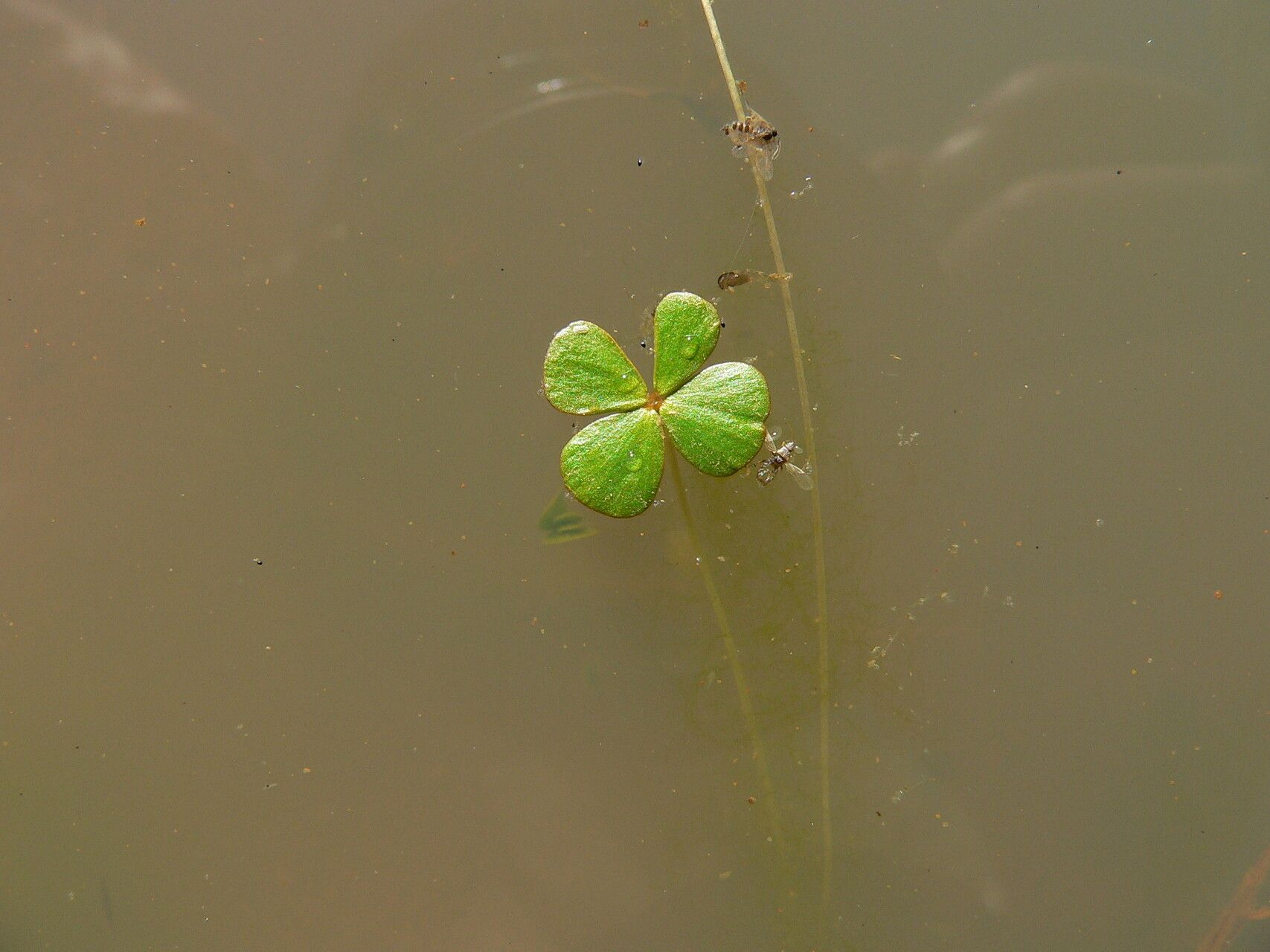
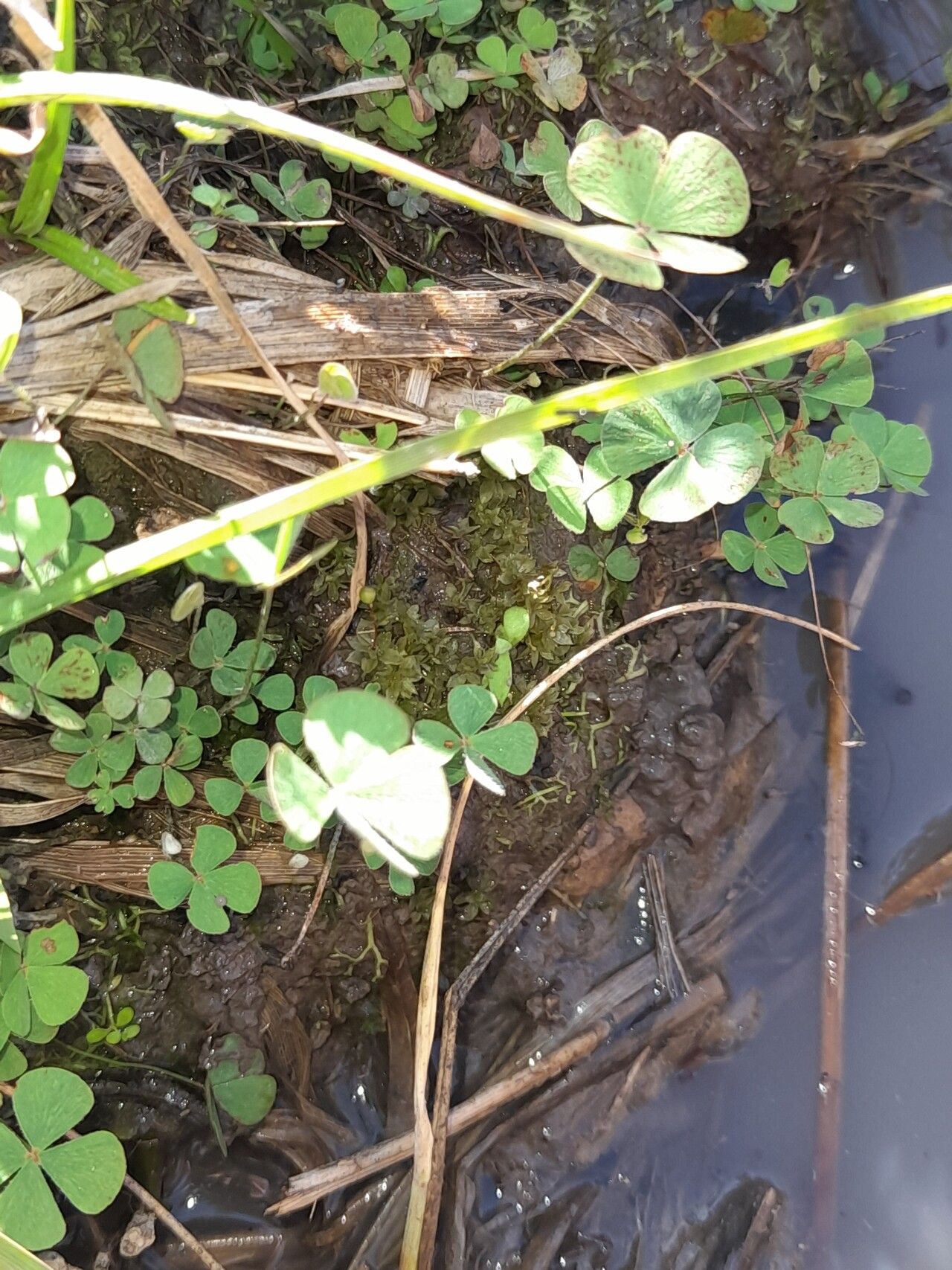
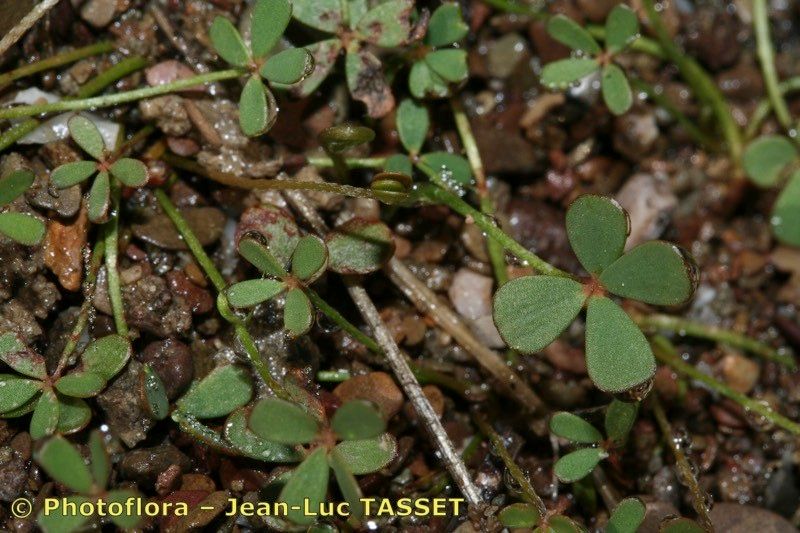
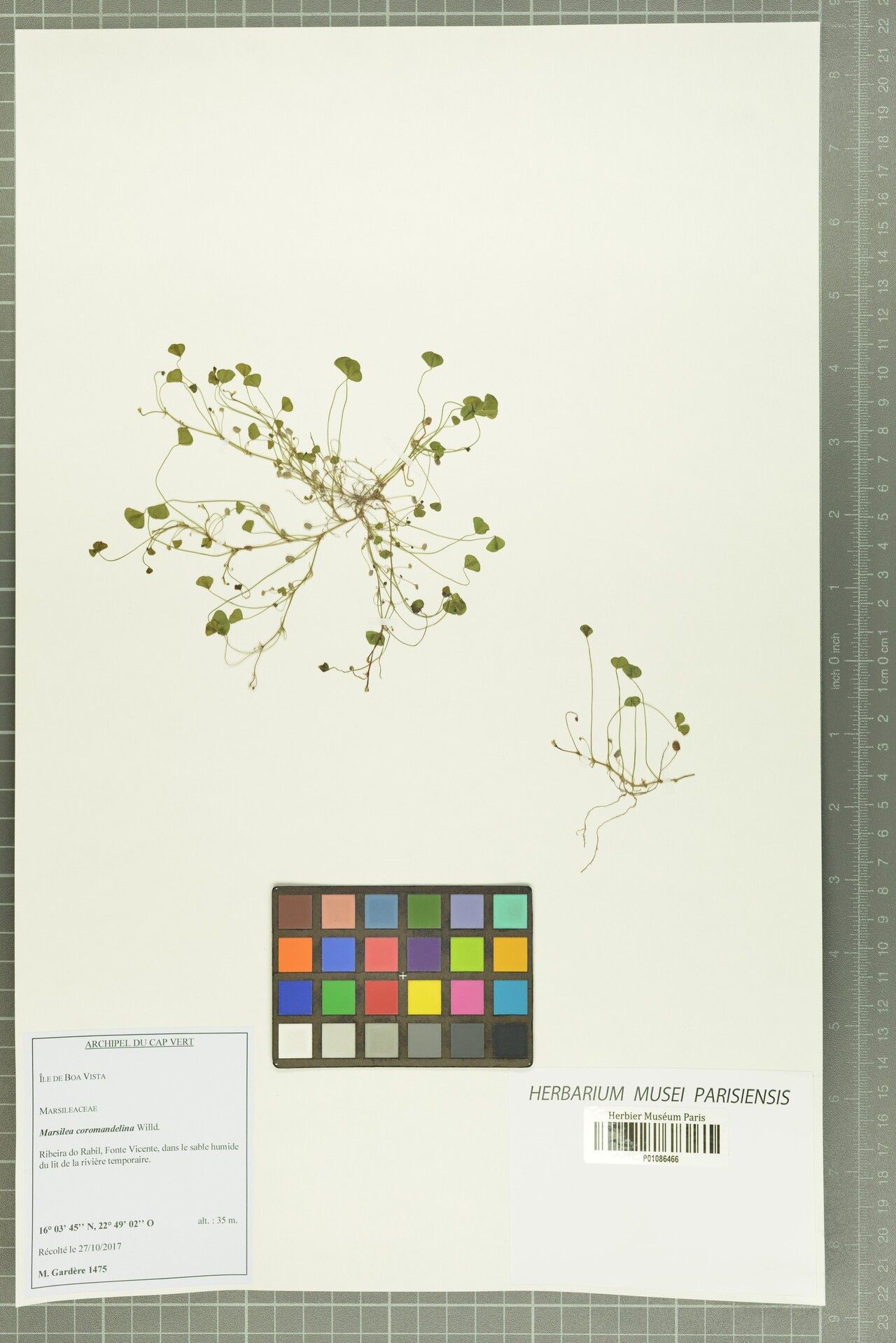
Marsilea quadrifolia, commonly known as four-leaved water clover, is a small aquatic plant belonging to the Marsileaceae family. Native to North America, it thrives in shallow waters such as ponds, lakes, and slow-moving streams. The plant features four leaflets that resemble a clover and are arranged in a cross shape on the stem. These green, glossy leaves can grow up to 2 inches long. This plant plays a crucial role in aquatic ecosystems by providing shelter for small fish and other aquatic animals. Additionally, it helps improve water quality by absorbing excess nutrients from the water. Marsilea quadrifolia reproduces through spores produced on specialized structures called sporocarps, which grow at the base of each leaflet. These sporocarps can remain dormant for extended periods until conditions are favorable for germination. Beyond its ecological importance, Marsilea quadrifolia has been used medicinally by indigenous people to treat various ailments such as fever, diarrhea, and skin infections. Overall, Marsilea quadrifolia is a fascinating aquatic plant with significant ecological value, playing an essential role in maintaining healthy freshwater ecosystems.
European waterclover is fairly disease-resistant and generally not prone to illnesses. Nevertheless, it can be affected by pests and diseases present in its environment. Such infections are typically mild. In terms of care, this plant requires moderate maintenance. It should be pruned regularly to preserve a good appearance and healthy growth. Applying fertilizer can also encourage flowering. European waterclover is suitable for anyone with an outdoor area, such as a garden or patio, and doesn't demand extensive care experience. It may need more attention when grown indoors.
How to keep Marsilea Quadrifolia.
Light
The european waterclover does best in areas with abundant sunlight, though it can tolerate a more shaded setting. Native to sun-rich habitats, its growth may be hindered if it does not receive enough light. It is less able to withstand strong, unfiltered sunlight, which can damage the plant.
Water
The European waterclover thrives in moist conditions, which reflects its aquatic origins. It can tolerate wet soil and prefers to be watered every two days. When grown outdoors, it flourishes in environments that mimic wetland conditions, such as the edges of ponds or bog gardens, especially during its active growth cycles.
Temperature
European waterclover is native to areas where temperatures typically range from 50 to 95 °F (10 to 35 °C). It is highly heat-tolerant but may need extra shading during the height of summer. Warmer temperatures can increase its growth rate.
Fertilizer
For optimal growth, European waterclover should be fertilized with a balanced NPK fertilizer. Apply this fertilizer once a month during the growing season and reduce the frequency in the winter. Use a diluted formula and ensure that the fertilizer does not come into direct contact with the fronds. Keep an eye on how the plant responds to the fertilizer and adjust the amount accordingly. Be cautious, as too much fertilizer can promote the growth of harmful algae.
Pruning
The European waterclover has four-lobed leaves that resemble clover and benefits from regular pruning. Effective techniques for maintaining this plant include trimming damaged growth and thinning the stems. It is best to perform these tasks from early to late spring to encourage healthy new shoots and improve water circulation and light access. Be sure to use sharp tools for the best results.
Botanical profile.
- Plant Type
- Herb
- Life Cycle
- Perennial
- Genus
- Marsilea
- Family
- Marsileaceae
- Hardiness Zone
- 6-10
- Mature Height
- 8 cm to 15 cm
- Mature Spread
- 8 cm to 30 cm
- Leaf Color
- Green
- Leaf Type
- Deciduous
- Planting Time
- Summer
- Native Area
- Tajikistan, Turkey, Austria, Slovakia, Romania, Montenegro, Bulgaria, Poland, Greece, Slovenia, Croatia, Ukraine, Serbia, Uzbekistan, Russia, China, Afghanistan, Germany, Hungary, Italy, Kazakhstan, Spain, Switzerland, Japan, France, Iran, Albania, Azerbaijan, South Korea, Moldova, Portugal
Other names.
Reader questions.
How should I water my European waterclover?
To properly water the European waterclover, it is important to follow these steps. First, use filtered water instead of tap water to avoid any harmful particles. Secondly, make sure the water is at room temperature or slightly warmer to prevent shocking the plant. Furthermore, it is best to avoid overhead watering to prevent any difficulties with the foliage. Instead, pour the filtered room temperature water directly onto the soil until it is completely soaked. This method helps moisten the roots and enables them to continue spreading and collecting essential nutrients.
Why do I need to put fertilizer on my European waterclover?
The main structure of the European waterclover is made up of its leaves. Fertilization is crucial for maintaining the appearance and function of these leaves. When properly fertilized, the European waterclover will have consistent color and a healthy texture in its leaves. Fertilization also benefits the plant's root system by promoting the growth of new roots and maintaining existing ones. This ensures not only the current health of the plant but also its ability to absorb nutrients from the soil in the future.
What are the sunlight requirements for the European waterclover?
The European waterclover requires full sun exposure, ideally above 6 hours of sunlight daily, but it can also adapt to partial sun conditions, receiving about 3-6 hours of sunlight. Originated from habitats that are rich in sunlight, its optimal growth can be compromised if not provided with sufficient light. It’s less tolerant to harsh, direct sunlight for prolonged periods, which could potentially damage the plant. Observing how sunlight moves through your garden will help you choose the best spots that offer a perfect balance of light and shade, ensuring your plants' happiness.
What is the native temperature range for European waterclover?
European waterclover, known botanically as Marsilea quadrifolia, thrives in regions where the temperature typically ranges from 50 to 95 °F (10 to 35 °C). It is highly tolerant of heat but may need additional shading during the hottest summer months to prevent overheating. Warmer temperatures within its tolerance range can even accelerate its growth rate. Despite this heat tolerance, the European waterclover also exhibits strong resistance to cold, normally not requiring special frost protection in winter. However, for extremely cold temperatures dropping below -25°C, protective measures like covering the plant with soil or straw are recommended to safeguard it against the cold.
What should I do if I give my European waterclover too much or too little water?
Overwatering is a more common issue than underwatering for the health of your European waterclover. When the plant gets too much water, its stems and leaves may wilt and turn yellow. Prolonged overwatering can lead to diseases like root rot, mold, and mildew, which can be fatal for the plant. Underwatering is less common, as the European waterclover can tolerate drought well. However, if it happens, the leaves may become brittle and brown. It is important to notice the signs of overwatering early to prevent irreversible damage. If you see these signs, reduce watering immediately and check the soil's drainage. Replace poorly draining soil with a loose, well-draining potting mix. If you notice signs of underwatering, simply increase watering until the signs improve.
When should I put fertilizer on my European waterclover?
When you grow your European waterclover outside, it will start to produce new growth in early spring. This is a signal that it's time to start fertilizing for the year. Usually, one application of fertilizer will be sufficient for the European waterclover to thrive. However, if you want to boost its growth, you can fertilize it multiple times during the spring and early summer. In this case, you can feed your European waterclover once every month to a month and a half.
How can artificial lighting be used for the European waterclover?
Indoor European waterclovers require adequate lighting for optimal growth, especially when natural sunlight is insufficient. Artificial lights, such as LED lights, are beneficial as they can be customized to provide specific wavelengths needed for the plant. For full sun plants, 30-50W/sq ft of artificial light is needed; for partial sun plants, 20-30W/sq ft; and for full shade plants, 10-20W/sq ft. The light source should be placed 12-36 inches above the plant, and the duration should mimic natural daylight hours, usually 8-12 hours per day, to promote faster, healthier growth.
How should you protect European waterclover from low temperatures?
European waterclover is resilient in cold conditions, preferring temperatures to stay above 10°C for optimal health, and can generally withstand winters where temperatures do not fall below -15°C. If temperatures are expected to plummet below -25°C, it's crucial to take preventative actions to protect the plant from extreme cold. One method includes covering the plant with protective materials like soil or straw. Additionally, watering the plant generously before the first freeze of autumn helps keep the soil moist. This moisture allows the soil to freeze, helping prevent drought and water scarcity for the plant throughout the winter and the start of spring. In the event that parts of the plant fail to sprout as a result of the cold, these parts should be removed come spring.
How frequently do I need to water my European waterclover?
If your European waterclover plant is in a pot, the most precise way to determine if it needs water is to check the soil. Simply plunge your finger into the soil and if the first two to three inches feels dry, it's time to water. If you have your European waterclover planted outdoors in the ground, you can use a similar method to test the soil. Again, if the first few inches of soil are dry, it's time to give it some water. Typically, during the spring and early fall, using this method will usually mean watering the plant about once a week. However, during extremely hot weather, you may need to increase the frequency to twice or more per week. It's worth noting that mature and well-established European waterclover plants have an impressive ability to withstand drought.
When is the best time to not fertilize my European waterclover?
During the late fall and winter, European waterclover goes into a dormant phase and stops producing new growth. It is best to avoid fertilizing it during this time. In the spring and summer, if you choose to fertilize multiple times, start reducing the rate as summer approaches because the growth rate of European waterclover slows down. It is not advisable to fertilize during very hot weather or when the soil is exceptionally dry. Fertilizing in these conditions can cause stress and premature death of the European waterclover.
What are the symptoms of inadequate light in the European waterclover?
Symptoms of light deficiency in European waterclover include smaller new leaves, leggy or sparse growth, faster leaf drop, slower or no new growth, lighter-colored new leaves, chlorosis, sunscald, leaf curling, wilting, and leaf scorching. These symptoms indicate either insufficient sunlight or exposure to overly intense sunlight, both of which can hinder the plant's ability to photosynthesize efficiently and maintain its overall health. Understanding these signs can help in adjusting the plant's exposure to light appropriately.
What are the symptoms and solutions for European waterclover exposed to high temperatures?
During the summer months, European waterclover performs best when temperatures are kept below 35°C. An exposure to temperatures above 41°C can lead to visible stress on the plant, including leaves becoming lighter in color, prone to curling, and susceptible to sunburn. In severe cases, the plant may exhibit wilting and dryness throughout. To mitigate these effects, it's advisable to trim away any sunburned or dried parts of the plant. To further protect the plant, relocating it to a shaded area or utilizing shade cloth to block out midday and afternoon sun can be beneficial. Additionally, watering the plant during cooler times of the day, such as morning and evening, helps maintain soil moisture and supports the plant's recovery and well-being in high temperatures.