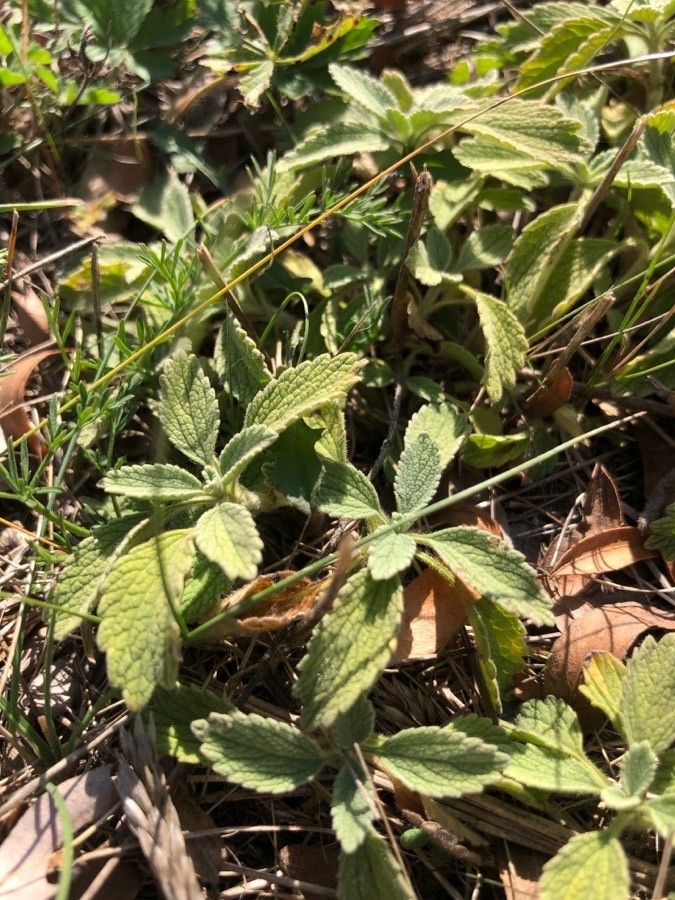
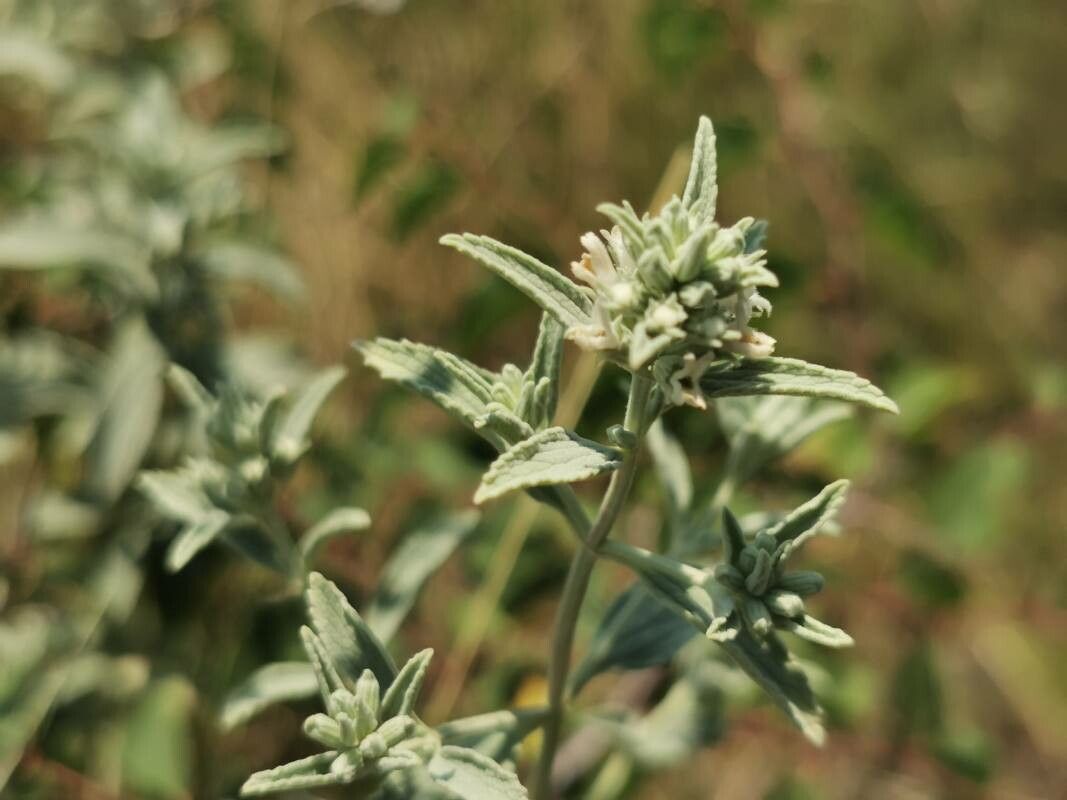
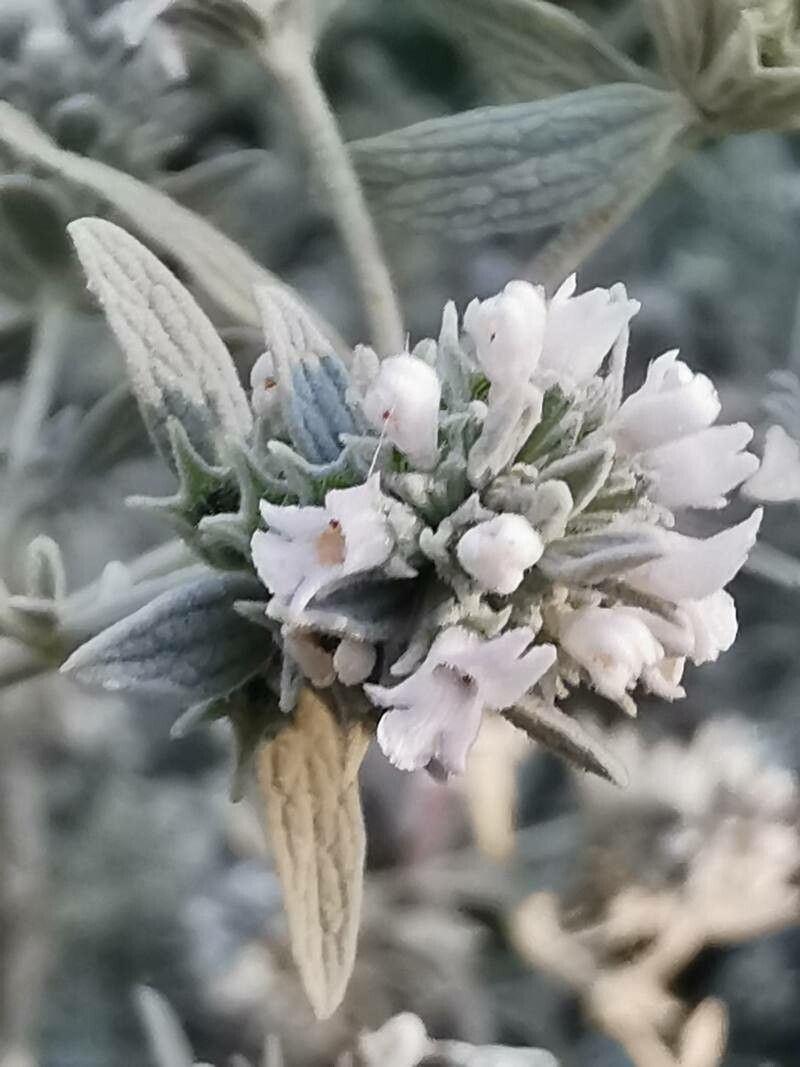
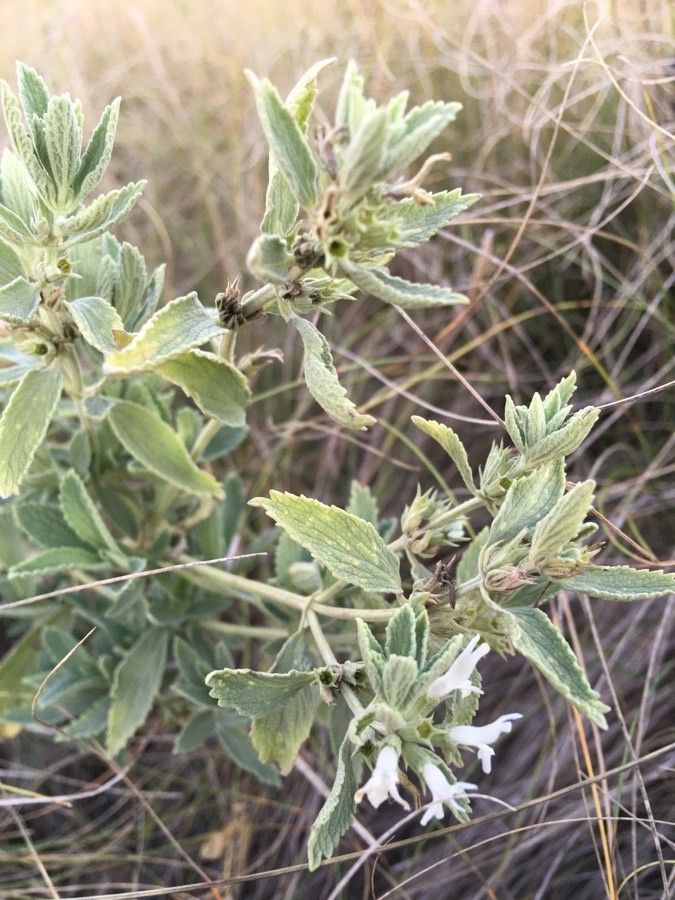
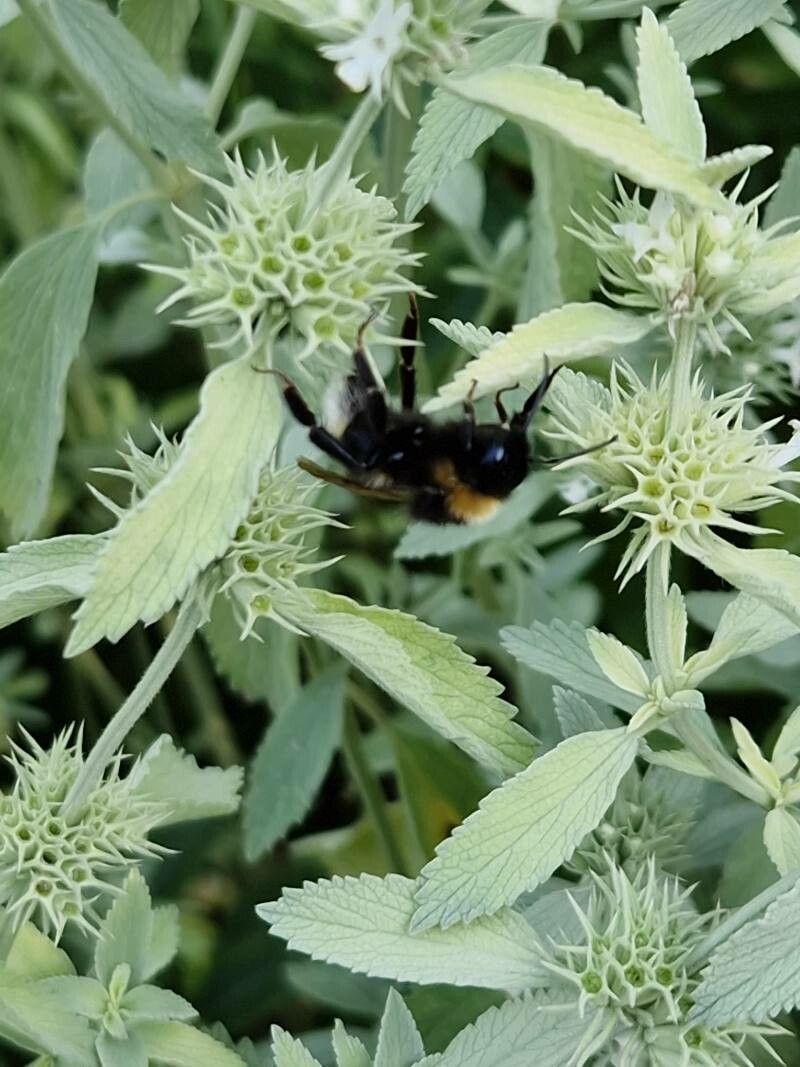
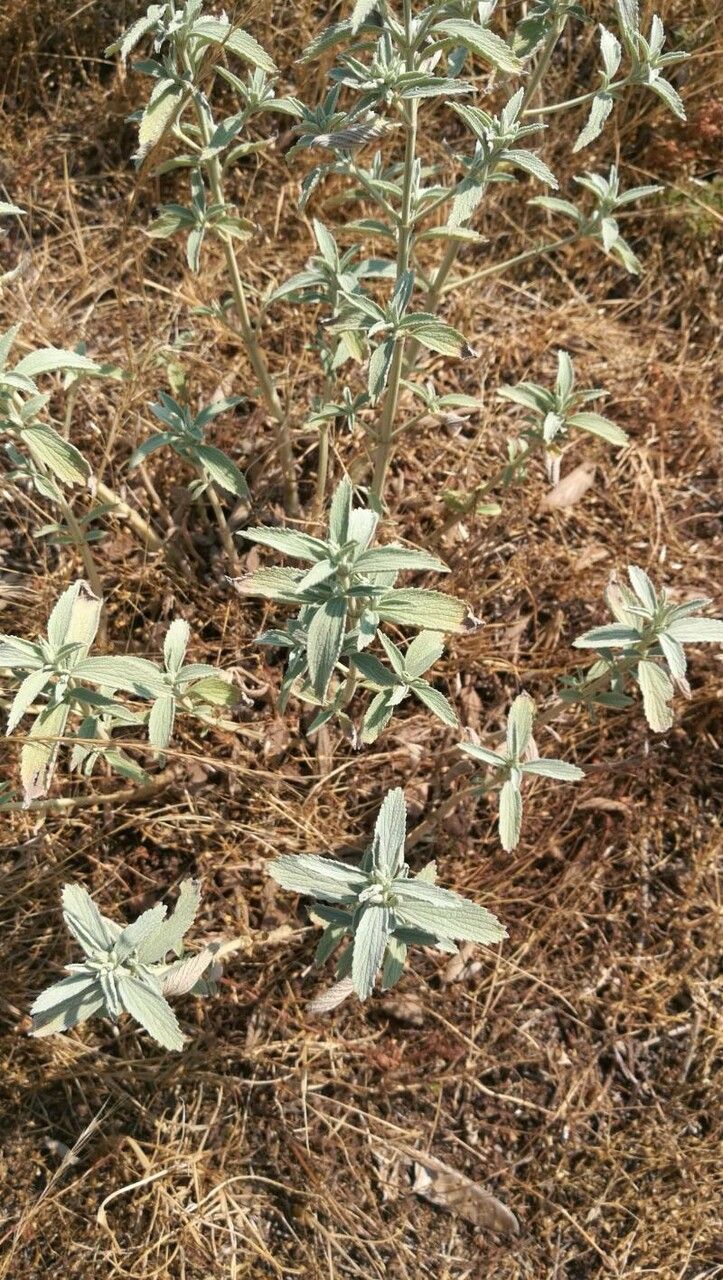
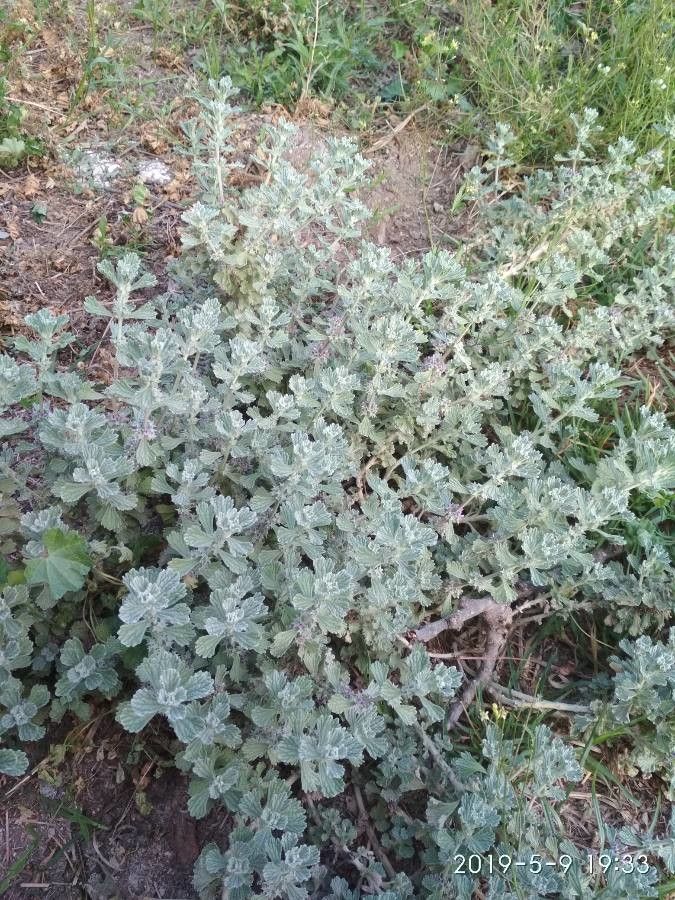
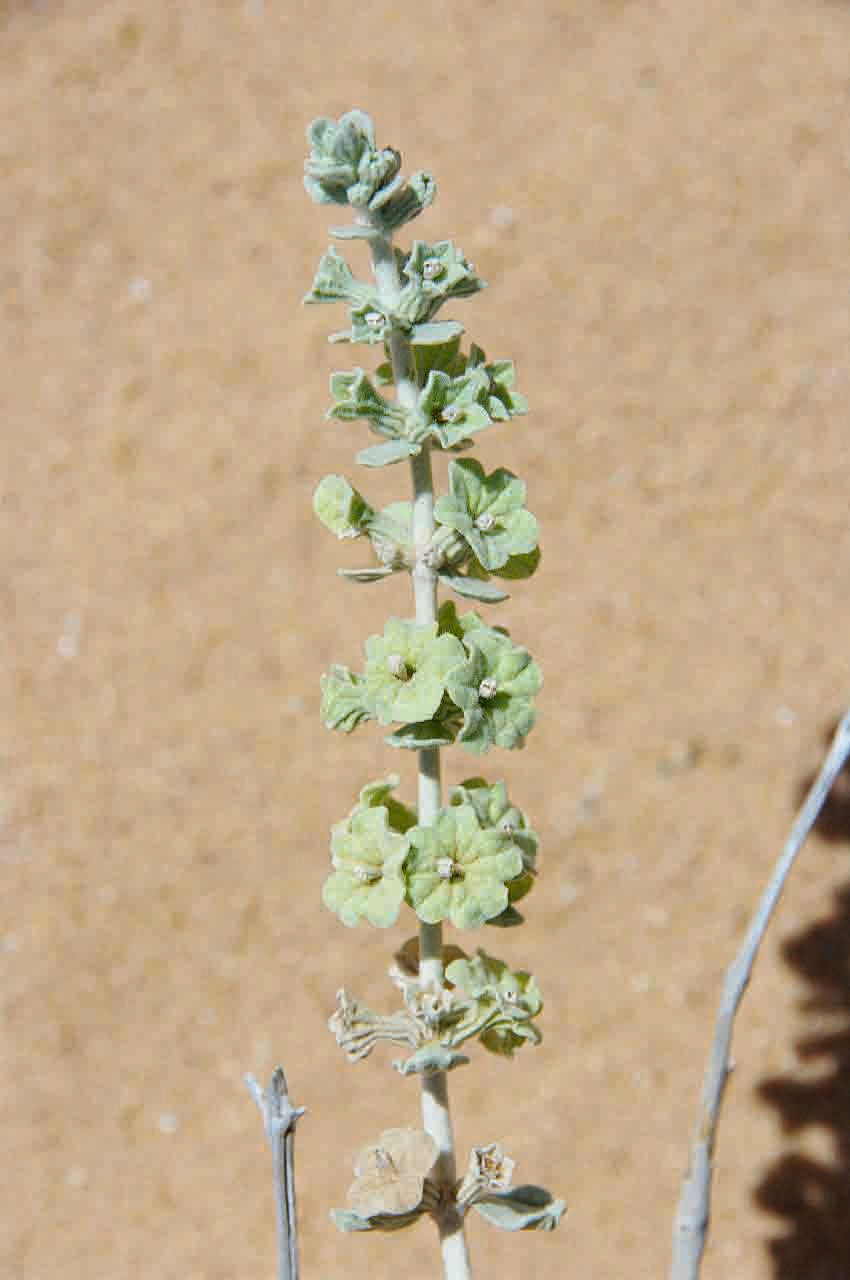
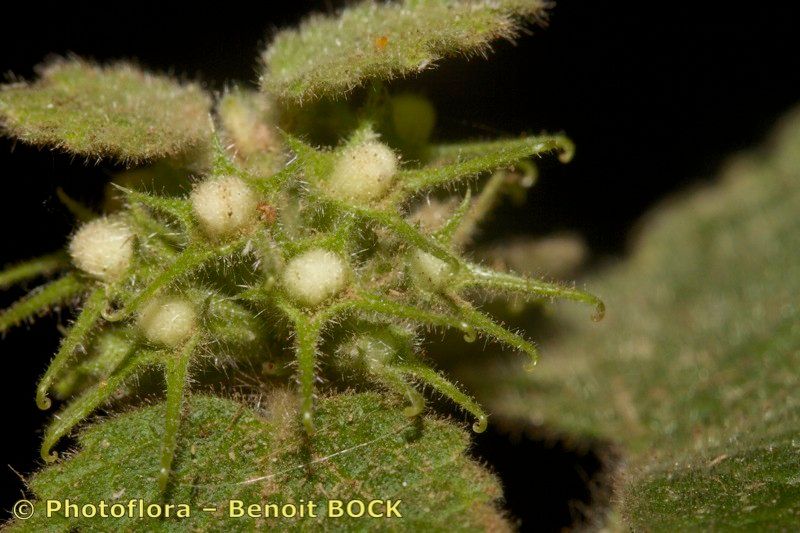
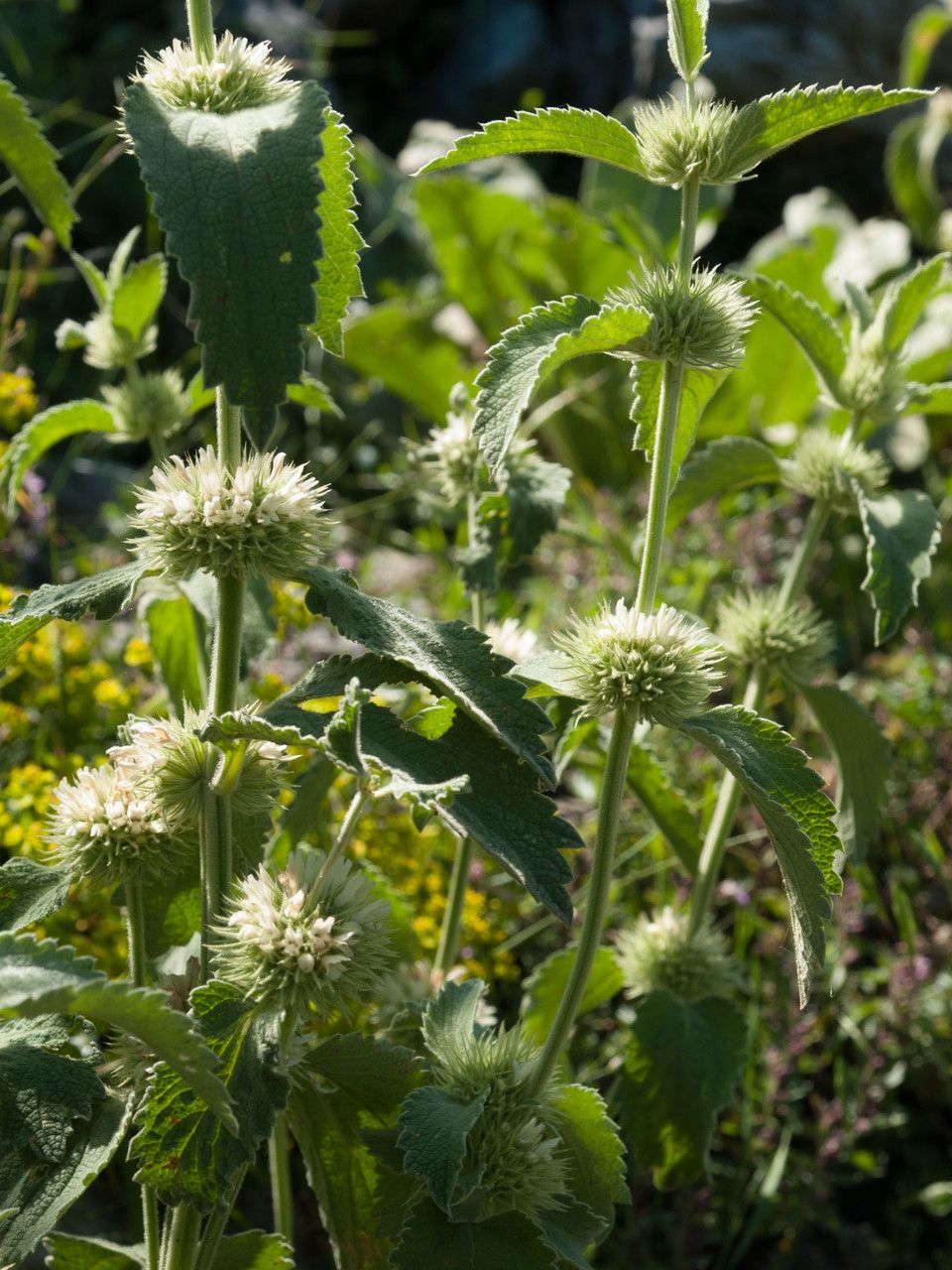
Marrubium peregrinum (horehound) is a species of herbaceous perennial plant, with height up to 60 cm, native to south-east Europe, the Balkans, and Asia Minor.
Horehound has strong resistance to disease and is generally not prone to illness. However, it can be affected by pests and diseases present in its environment. Such infections are generally mild. As for care, this plant needs moderate maintenance. It should be pruned regularly to maintain a tidy appearance and support healthy growth. Applying fertilizer can also encourage flowering. Horehound is well suited for anyone with outdoor space, like a garden or patio, and does not demand extensive gardening experience. It may need more attention when grown indoors.
How to keep Marrubium Peregrinum.
Light
Horehound is a perennial, herbaceous plant that prefers sunny sites and comes from open habitats, commonly flourishing in meadows and grasslands. It favors full sun but can also tolerate partial sun.
Temperature
Horehound can adjust to a wide variety of temperature conditions, but its distribution can still be constrained by different combinations of moisture and heat. It does best in warm summer climates with sufficient rainfall or watering. Extended periods of cloudy, rainy weather, as well as prolonged high temperatures, raise the chances of Horehound dying. In winter, appropriate protection from cold can increase the plant's survival rate.
Fertilizer
A single fertilizer application in spring is generally enough for Horehound, though multiple feedings can boost growth. Apply fertilizer every month to six weeks. Fertilizing improves leaf appearance and function, helping maintain even color and a healthy texture. It also promotes root development and nutrient uptake for long-term plant health.
Pruning
Horehound thrives when its woolly stems are pruned in early spring, offering both medicinal benefits and improved growth. To promote growth and air circulation, remove dead stems. Trimming back vigorous growth helps maintain the plant's shape. Pruning at this time minimizes stress during dormancy, boosting flowering and overall plant vitality for a thriving garden.
Botanical profile.
- Plant Type
- Herb
- Life Cycle
- Perennial
- Genus
- Marrubium
- Family
- Lamiaceae
- Hardiness Zone
- 5-9
- Mature Height
- 30 cm to 61 cm
- Mature Spread
- 30 cm to 49 cm
- Leaf Color
- Silver, Gray
- Leaf Type
- Deciduous
- Flower Color
- White
- Flower Size
- 0.51 cm to 0.76 cm
- Bloom Time
- Summer
- Planting Time
- Spring, Summer, Autumn
- Harvest Time
- Late summer, Early fall, Mid fall
- Native Area
- Russia, Germany, Turkey, Austria, Greece, Czech Republic, Slovakia, Romania, Montenegro, Bulgaria, Albania, Hungary, Croatia, Ukraine, Serbia
Other names.