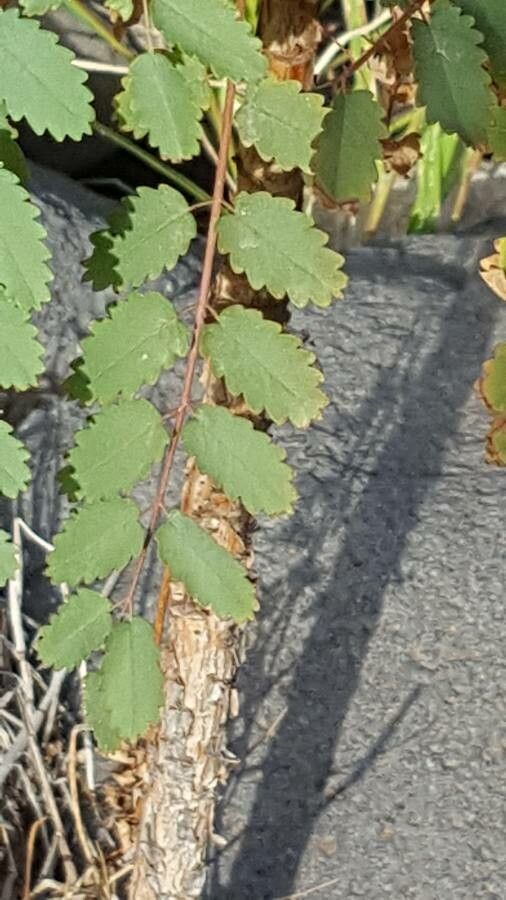
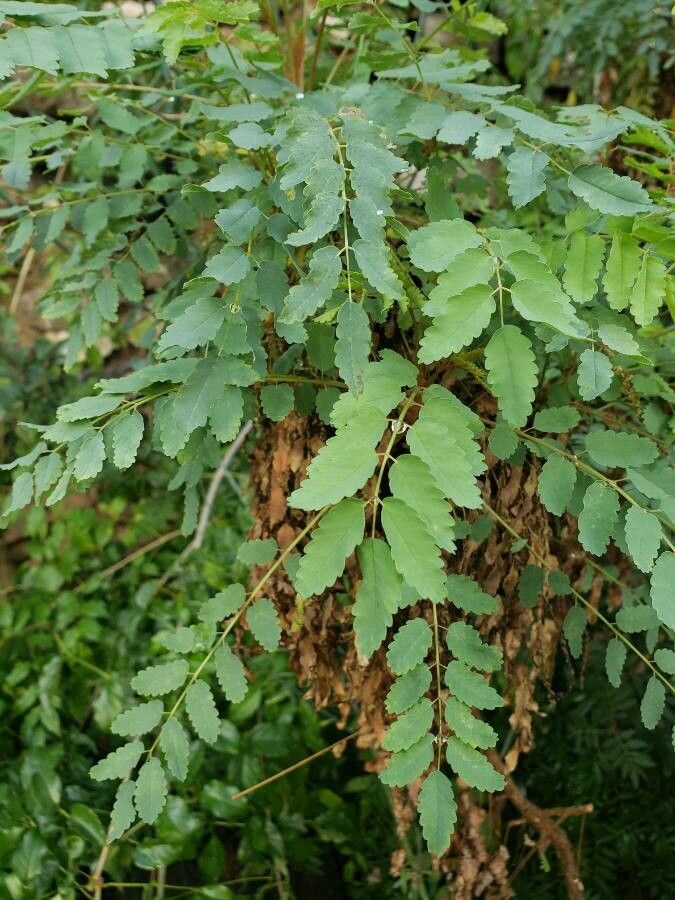
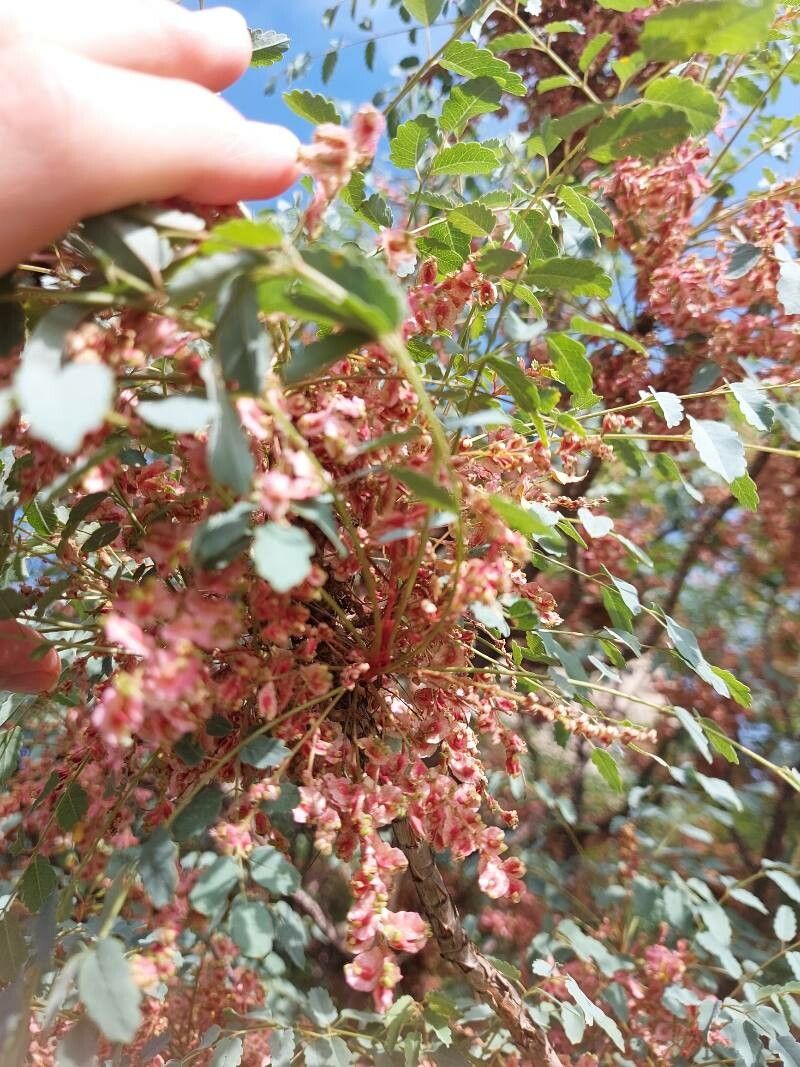
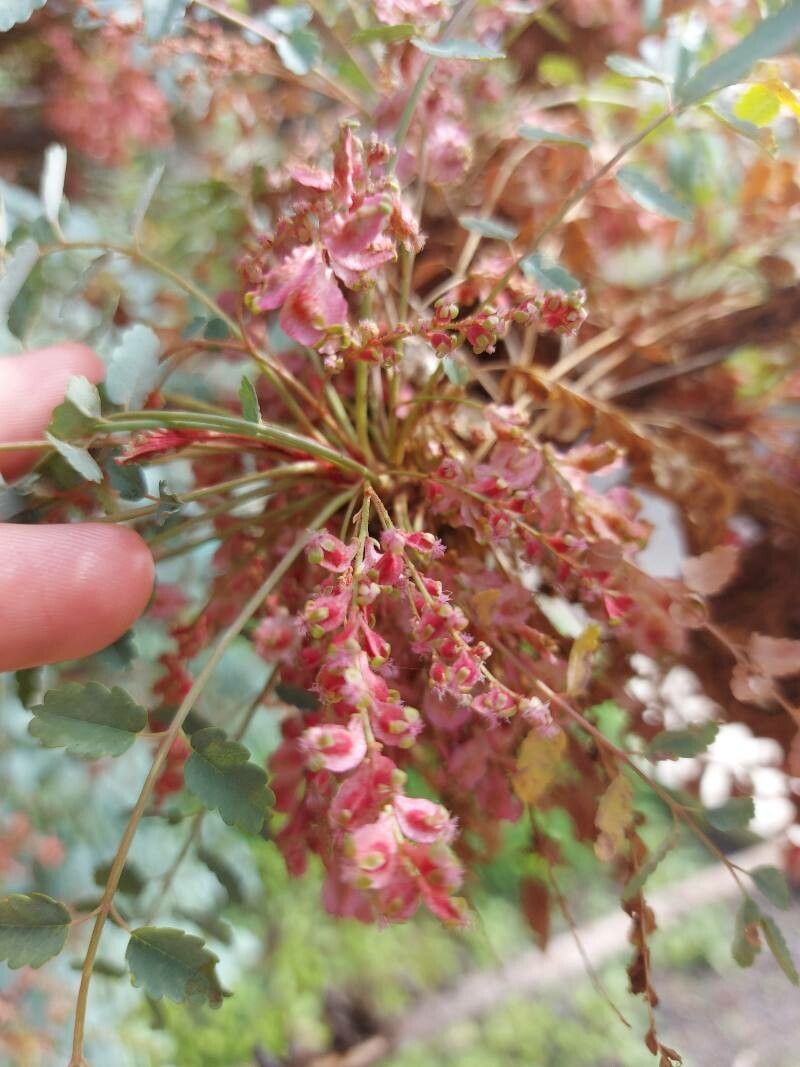
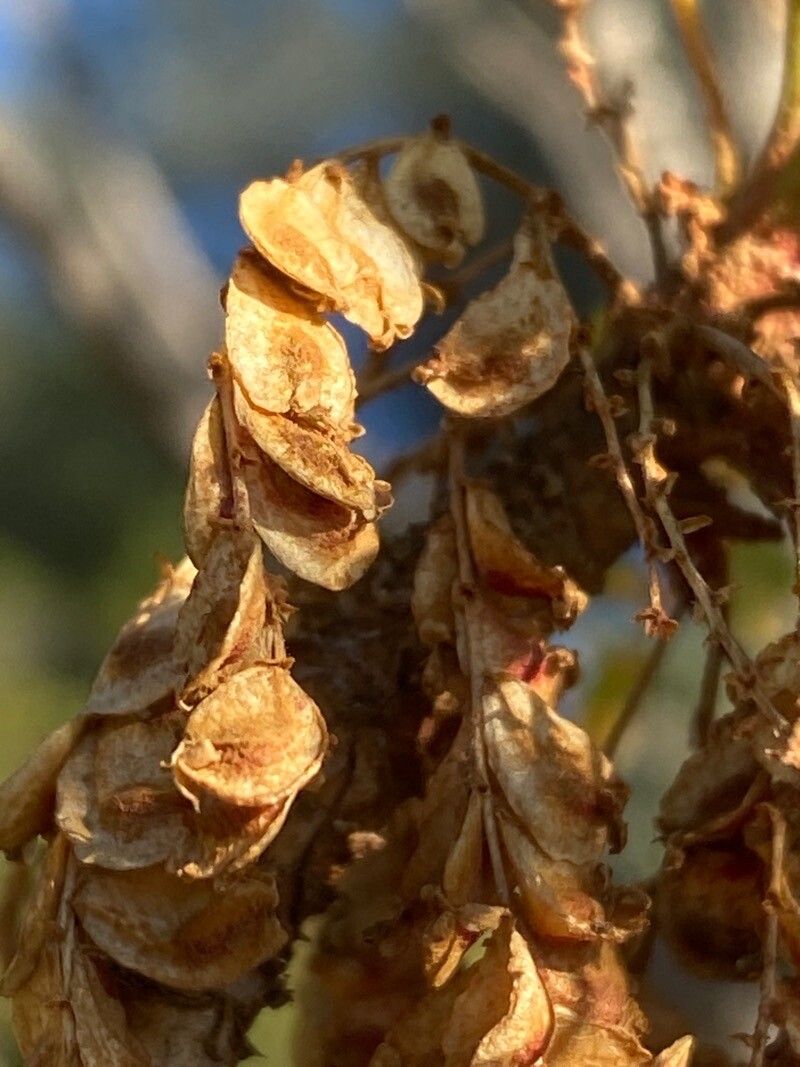
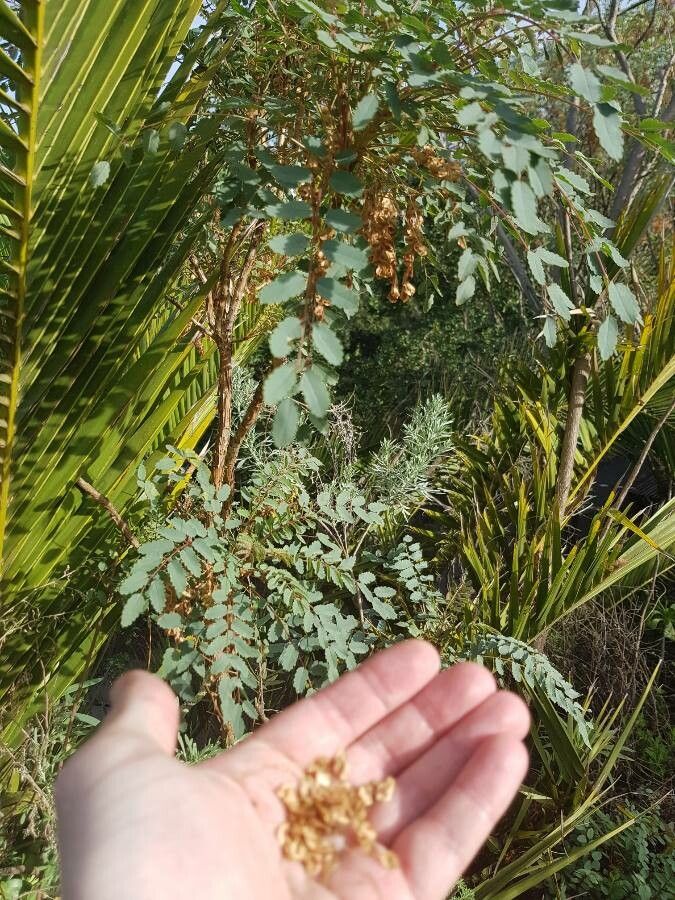
Marcetella moquiniana, commonly known as "false tarragon" or "Mexican tarragon," is a perennial herbaceous plant belonging to the Asteraceae family. Native to Mexico and Central America, this plant grows up to 1 meter in height. It features narrow, lance-shaped leaves that are aromatic with a sweet, anise-like scent. The small yellow flowers are arranged in clusters at the ends of the branches.
Indigenous people have utilized Marcetella moquiniana for centuries due to its antiseptic properties. Additionally, it serves as a culinary herb in Mexican cuisine, often used as a substitute for French tarragon because of its similar flavor profile.
Marcetella moquiniana prefers well-drained soil and full sun exposure but can also tolerate partial shade. It can be propagated through seeds or cuttings and requires regular watering during dry periods.
Overall, Marcetella moquiniana is an attractive ornamental plant with culinary uses and medicinal benefits, making it an excellent addition to any garden or landscape design project.
Marcetella moquiniana is fairly disease-resistant and typically not prone to illnesses. Still, it can be affected by pests and diseases present in its environment. These problems are usually mild. For care, this plant needs moderate maintenance. It should be pruned regularly to maintain an attractive appearance and healthy growth. Fertilizing can also encourage flowering. Marcetella moquiniana is well suited to anyone with outdoor space, such as a garden or patio, and does not demand extensive gardening experience. It may need more attention if kept indoors.
How to keep Marcetella Moquiniana.
Light
Marcetella moquiniana is a perennial herbaceous plant that prefers sunny conditions and comes from open habitats, commonly thriving in meadows and grasslands. It favors full sun but can also tolerate partial sun.
Fertilizer
One spring application of fertilizer is generally enough for Marcetella moquiniana, although repeated feedings can maximize growth. Fertilize every month to every month and a half. Fertilization improves the leaves’ appearance and function, helping maintain uniform color and a healthy texture. It also encourages root development and nutrient uptake, supporting the plant’s long-term health.
Pruning
To promote healthy growth, it's important to prune Marcetella moquiniana in early spring. Begin by removing any dead branches and thinning out overcrowded areas to enhance air circulation. Regular pruning helps maintain the plant's shape. Always use clean tools to prevent disease and aid in the plant's healing process.
Botanical profile.
- Plant Type
- Herb
- Life Cycle
- Perennial
- Genus
- Marcetella
- Family
- Rosaceae
- Leaf Type
- Semi-evergreen
Other names.