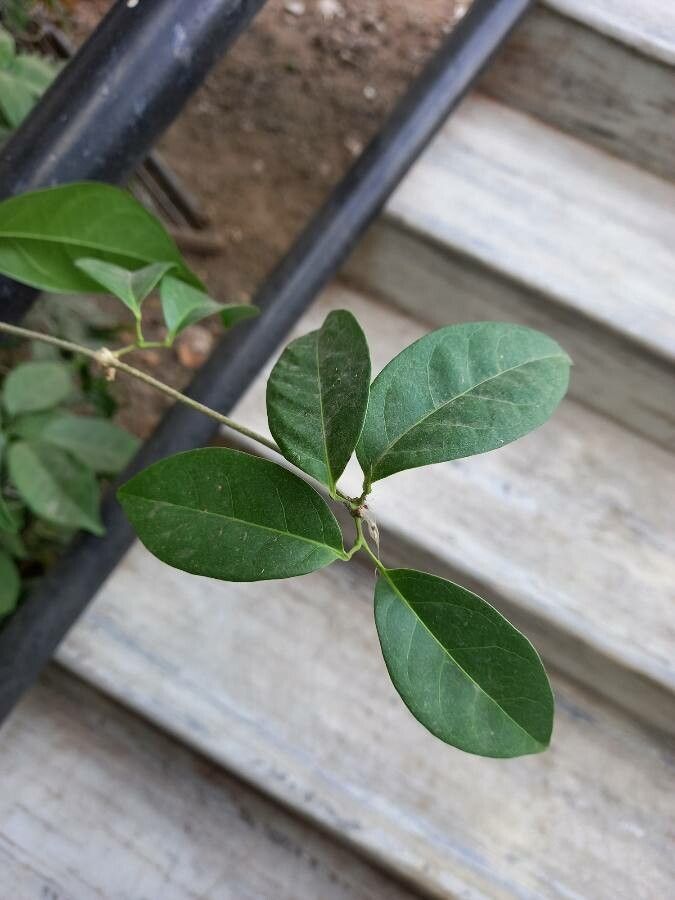
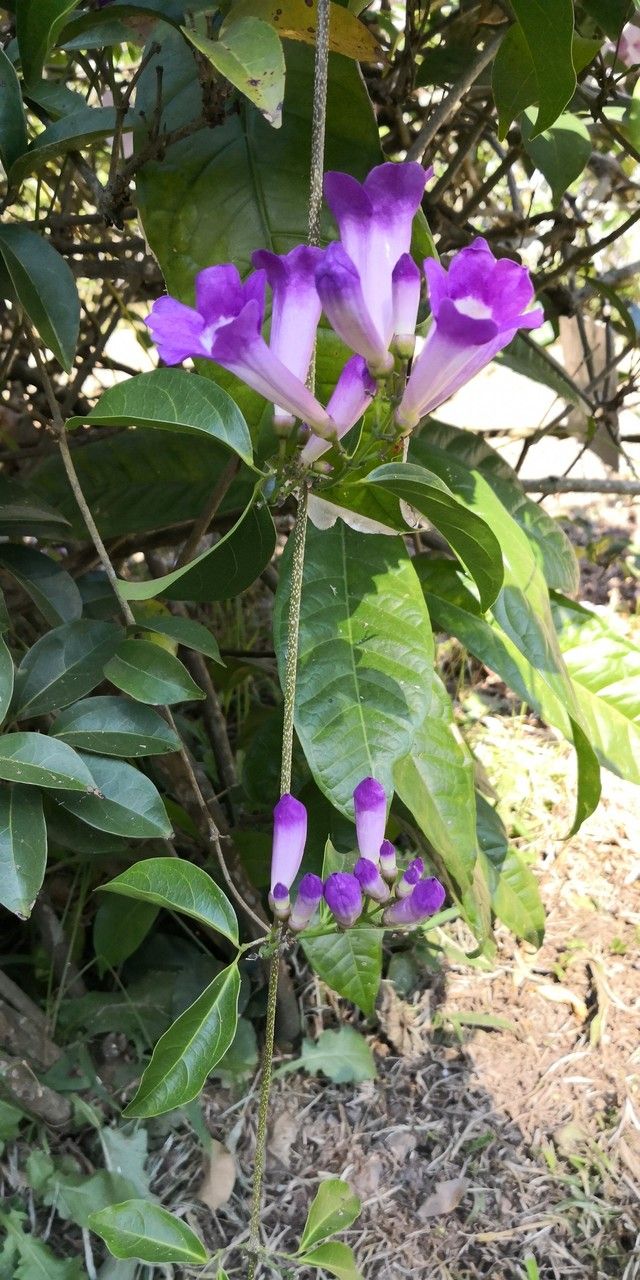
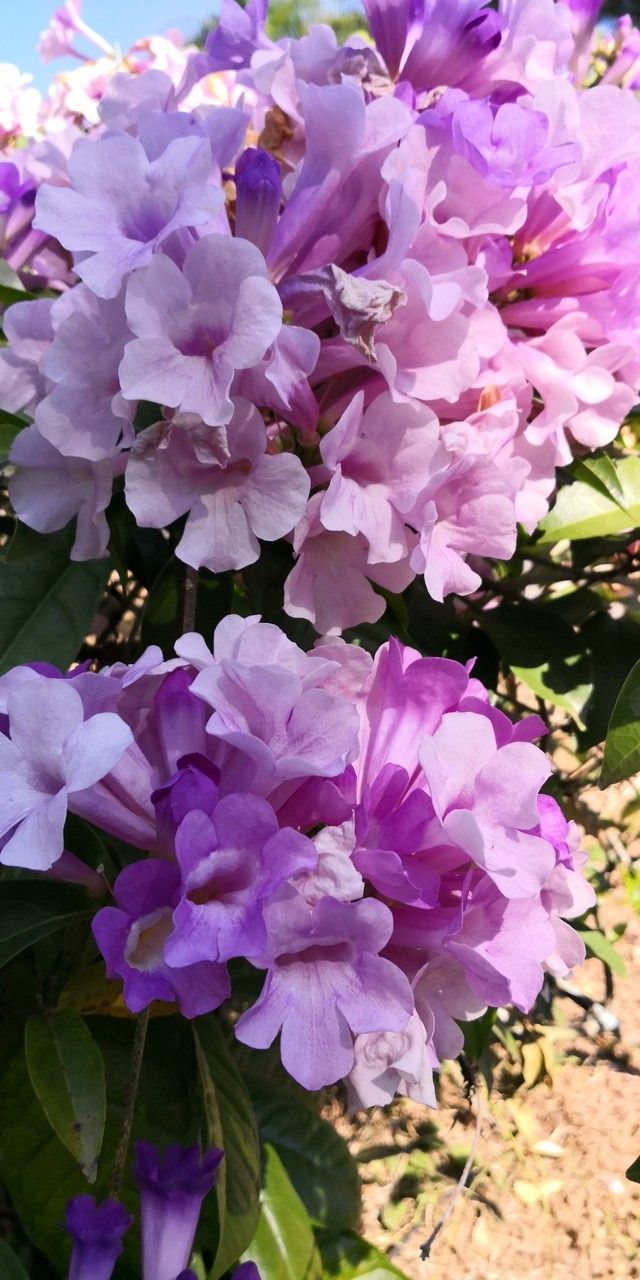
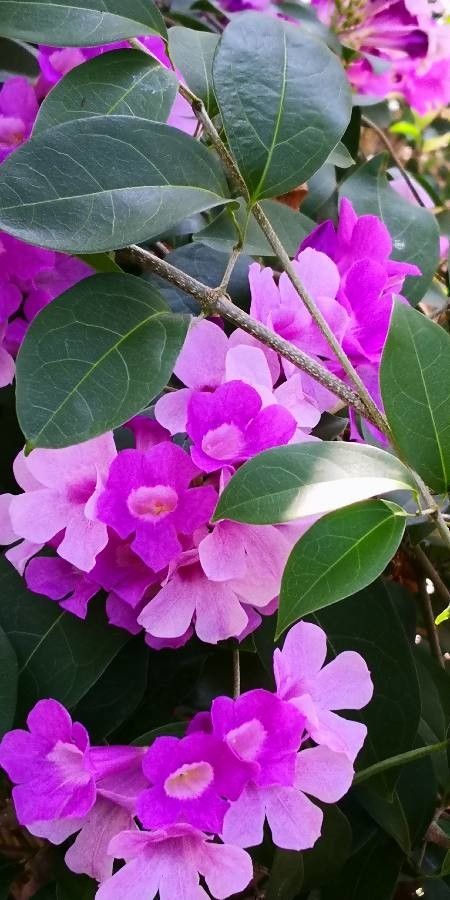
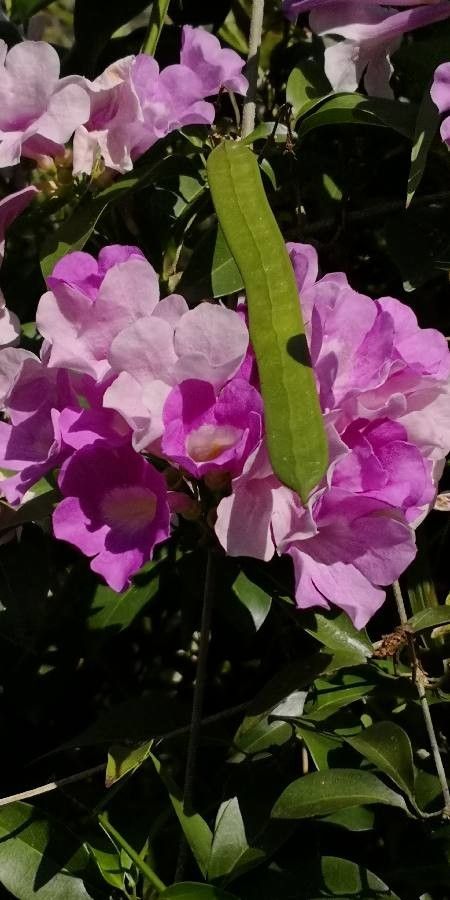
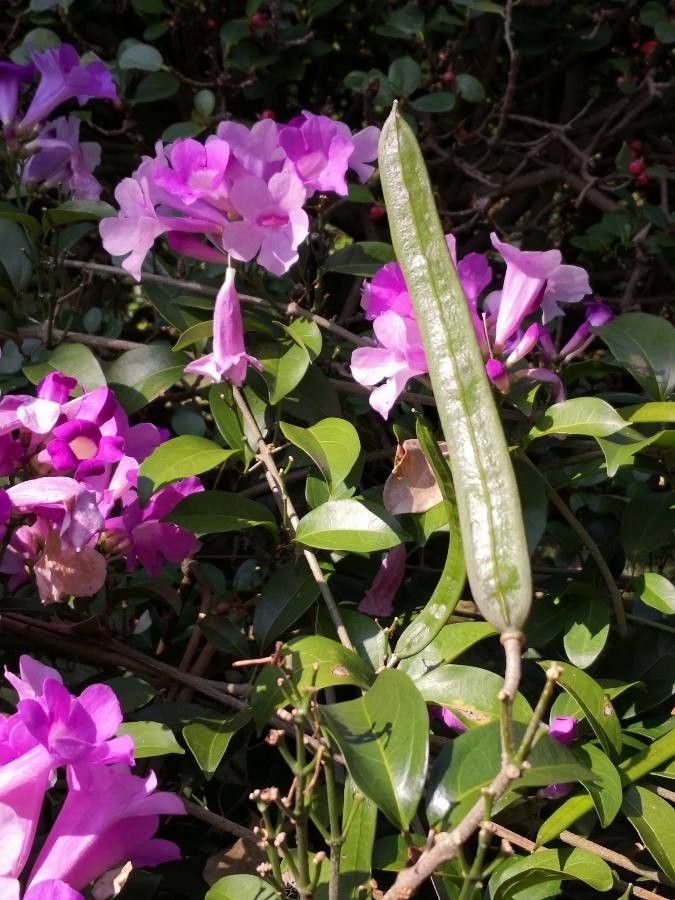
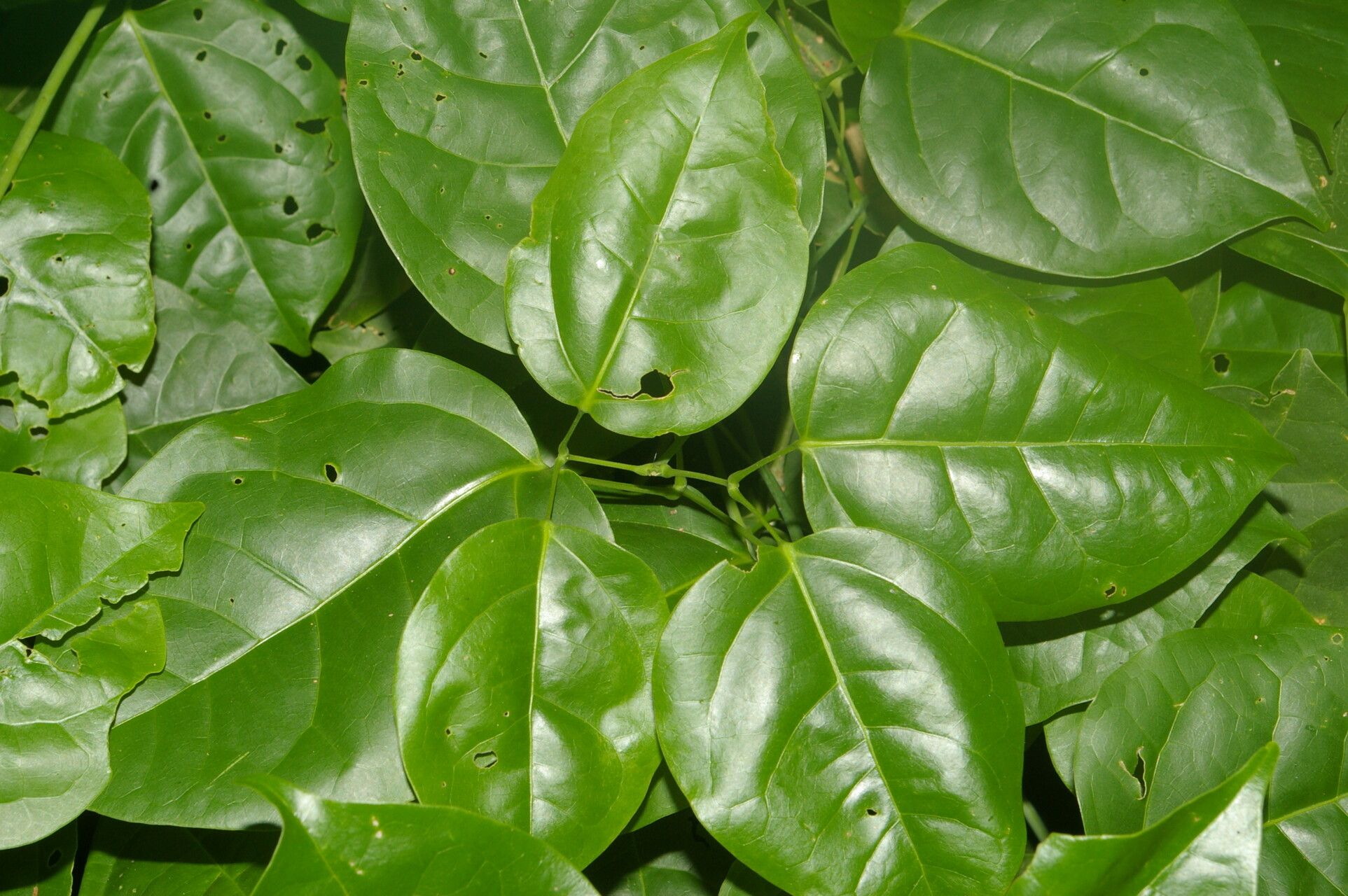
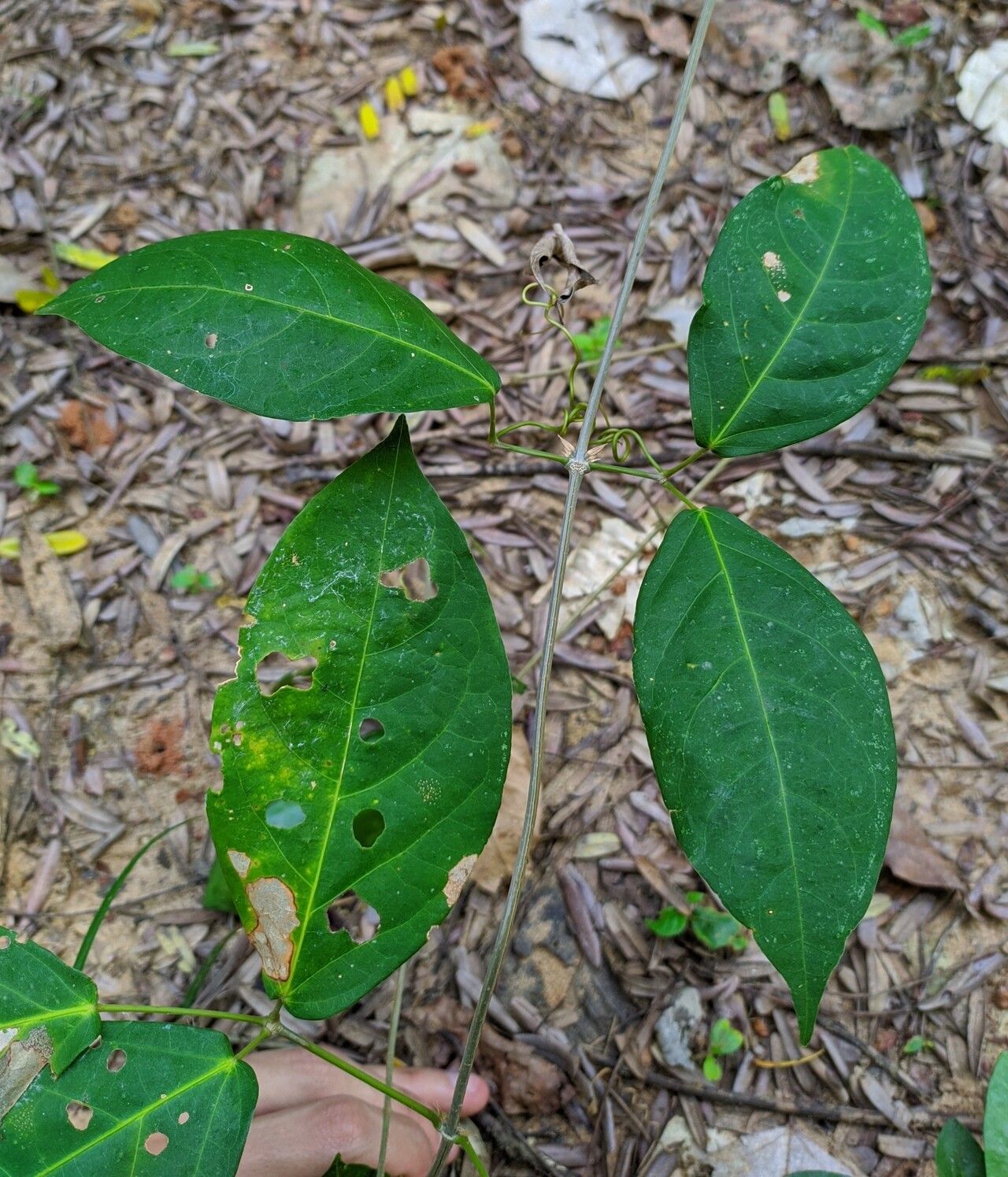
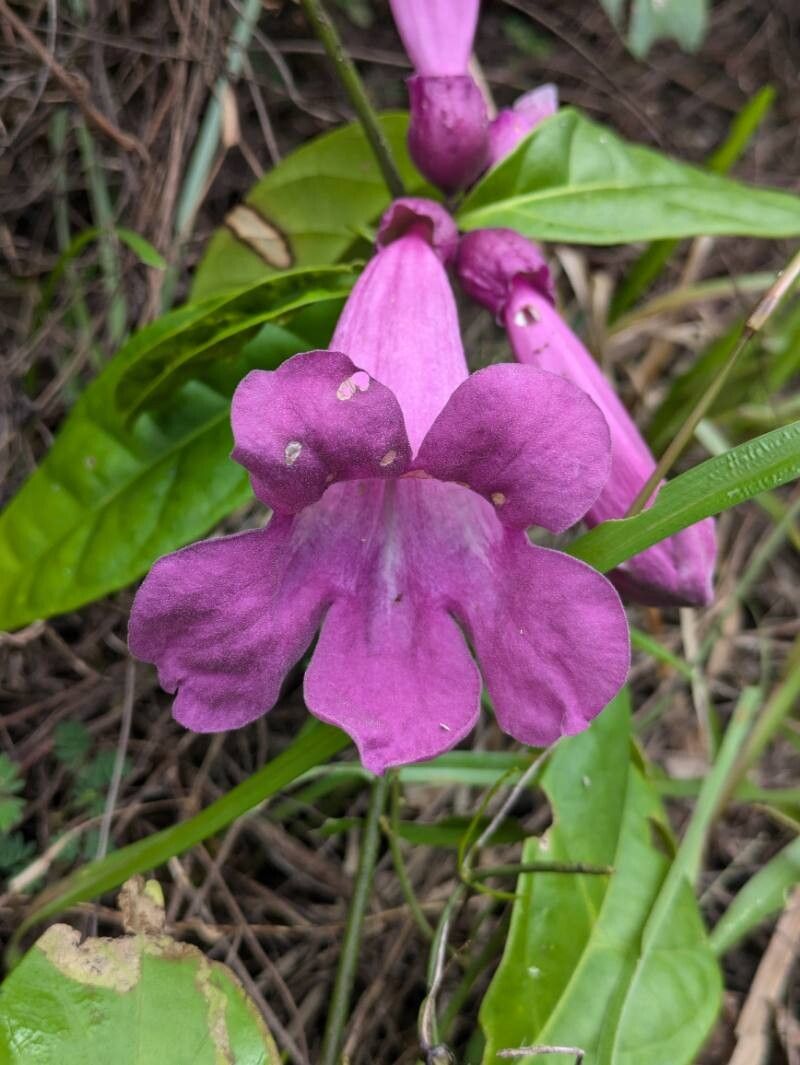
Mansoa alliacea, commonly known as garlic vine or wild garlic, is a flowering plant native to Central and South America. It belongs to the Bignoniaceae family and is a woody vine that can grow up to 10 meters in length. The plant has dark green, oval-shaped leaves that emit a strong garlic-like odor when crushed or bruised.
The flowers of Mansoa alliacea are trumpet-shaped with five petals that range in color from white to pale pink. They bloom in clusters during the summer months and attract bees, butterflies, and hummingbirds.
For centuries, indigenous people of Central America have used Mansoa alliacea for medicinal purposes. It is believed to possess anti-inflammatory properties and to be effective against parasites such as tapeworms.
In addition to its medicinal uses, Mansoa alliacea is valued in culinary applications for its strong garlic-like flavor. The leaves can be used fresh or dried in soups, stews, marinades, or salads.
Overall, Mansoa alliacea is a fascinating plant with both medicinal properties and culinary applications. It holds an important place in traditional medicine practices and is also enjoyed by food enthusiasts around the world.
Garlic vine has strong resistance to disease and is generally not prone to illnesses. Regarding care, this plant is fairly low-maintenance. When grown outdoors it needs only minimal watering, and larger plants typically do not require pruning. Smaller plants, however, should be pruned after they have finished blooming. Garlic vine is suitable for anyone with an outdoor space, such as a garden or deck, and does not demand a lot of care experience.
How to keep Mansoa Alliacea.
Light
Garlic vine grows best with plenty of sunlight to maintain healthy development. In the wild it flourishes beneath open skies and can reach its full flowering potential. Still, as with other plants, excessive sun can scorch the leaves, while too little light may limit its lush growth.
Water
Garlic vine thrives in tropical climates, where it benefits from high humidity and regular rainfall. It prefers to have consistent moisture, with watering every three weeks to allow the soil to dry out in between. During its active growth phase, careful watering is crucial for promoting the vibrant flowering that is characteristic of this evergreen plant when grown outdoors.
Temperature
Garlic vine originates from areas where temperatures range from 68 to 95°F (20 to 35℃). To thrive, it prefers being kept within that temperature span. When seasonal temperatures vary, alter its surroundings to preserve this range whenever possible.
Fertilizer
The best time to fertilize a Garlic vine is in early spring, as it comes out of dormancy. Fertilizing at this time supports overall growth and flower development. It improves the foliage, stems, and branches, and encourages flowers that are larger, more vivid, and longer-lasting. It also helps move nutrients from the roots to the flowers and enhances the plant's health and resistance to disease.
Pruning
The garlic vine boasts lush foliage and vibrant blooms. To promote healthy growth, prune it in early spring by removing any dead stems and lightly trimming it after blooming to maintain its shape. Be careful not to over-prune, as this can hinder flowering. Regular pruning helps enhance airflow, prevent disease, and improve the plant's resilience and appearance.
Botanical profile.
- Plant Type
- Vine
- Life Cycle
- Perennial
- Genus
- Mansoa
- Family
- Bignoniaceae
- Hardiness Zone
- 10
- Mature Height
- 2.44 m
- Mature Spread
- 0.91 m to 3.96 m
- Leaf Color
- Green
- Leaf Type
- Evergreen
- Flower Color
- Lavender
- Flower Size
- 5.08 cm
- Bloom Time
- All year round
- Planting Time
- Spring, Autumn
- Harvest Time
- All year round
- Native Area
- Colombia, Bolivia, Peru, Guyana, Ecuador
Other names.
Reader questions.
How should I water my Garlic vine?
To ensure excellent root development, place a garden hose at the base of the plant. However, avoid spraying water directly on the leaves. If the plants are outdoors and exposed to direct sunlight, the leaves will need more watering. You can use bubblers to moisten the roots of each plant, or soaker hoses to cover the entire garden bed when adding or removing plants to encourage deep root growth. After watering, make sure to drain any excess water and allow the soil to dry before watering again. To prevent diseases, water at ground level. On sunny days, it may be beneficial to spray the entire bush with water. Whether the plant is potted or in the ground, remember that Garlic vines prefer deep watering instead of light sprinkling.
What are the sunlight requirements for Garlic Vine?
Garlic Vine, or Mansoa alliacea, flourishes when exposed to full sun, which means it requires more than 6 hours of sunlight daily. It's essential to observe how sunlight moves through your garden to find spots that offer a balance of light and shade, ensuring the plants' well-being. While Garlic Vine thrives under the open sky, showing its full bloom potential, excessive sun can result in scorched leaves, and insufficient sunlight can impede its lush growth.
What is the native temperature range for Garlic Vine?
Garlic vine (Mansoa alliacea) is native to regions with temperatures ranging between 68 to 95°F (20 to 35°C). For the garlic vine to thrive, it ideally prefers to be within this temperature range. Ensuring the environment for garlic vine is adjusted to maintain within these temperatures as seasons change is beneficial for its growth.
What should I do if I give Garlic vine too much or too little water?
If you overwater your Garlic vine, you may notice yellowing, dropping leaves, and wilting. The plant may also look unhealthy with mushy stems. When these signs appear, try adjusting your watering schedule if possible. Wilting can sometimes indicate under watering too. Underwatered leaves may become crispy and dry, while overwatered leaves will be soft and wilted. If the soil is dry and simply watering isn't enough, give the plant a thorough watering in a timely manner. Sufficient water will help the Garlic vine recover, but the plant may still have dry, yellow leaves for a few days due to root damage. Once it returns to normal, the yellowing of leaves will stop. When you have a Garlic vine indoors, regularly check the moisture levels in the pot to prevent overwatering. Look for signs of black spots, and if present, allow the soil to dry out for a few days without watering. Overwatering can cause root rot, so if you see discolored and slimy roots, consider transferring the plant to a different pot. It's important to prevent root rot by not letting the soil become too soggy. When planting Garlic vine outdoors, dig a little deeper and if the soil feels too dry, it might indicate underwatering. Adequate watering is necessary to aid in the plant's recovery.
How can I ensure my indoor Garlic Vine gets enough light?
For indoor Garlic Vines, adequate lighting is crucial, especially when natural sunlight is lacking, such as during winter or in less sunny spaces. You can provide this essential element through artificial lighting. Choose the right type of light, like LED lights, which can be customized to offer the specific wavelengths needed by your plants. The intensity should be 30-50W/sq ft for full sun plants, 20-30W/sq ft for partial sun plants, and 10-20W/sq ft for full shade plants. Position the light source 12-36 inches above the plant to mimic natural sunlight, ensuring 8-12 hours of light per day depending on the plant's needs.
How should Garlic Vine be cared for in cold temperatures?
Garlic vine is extremely heat-loving and can be harmed by cold temperatures. In the autumn, if the Garlic vine is grown outdoors, it is recommended to bring it indoors and place it near a bright window while keeping it at a certain distance from heaters. During winter, it is beneficial to maintain temperatures above 20°C to support plant growth, and exposure to temperatures approaching 5°C can be detrimental.
How frequently do I need to water my Garlic vine?
The Garlic vine prefers deep and infrequent watering. If planted in pots, it is important to soak them in a gallon of water each time due to the limited water storage in flower pots, which can cause the soil to dry out quickly. In cold regions, watering is needed every 3 to 5 days. It is best to water in the morning when the soil is dry, both indoors and outdoors. To determine if watering is needed, check the soil inside the pot. If the top 2-3 inches of soil are dry, it is time to water the plant thoroughly. During hot days, check the moisture daily as the heat can quickly dry out the soil in the pot. If you have a garden, irrigation of the soil is also necessary. In hot climates, watering once a week is ideal. Only water if you notice that about 2 to 3 inches of soil have become too dry, whether indoors or outdoors. Take into consideration the amount of rainwater received by the plant and avoid overwatering to prevent root rot. If there is ample rainfall, additional watering may not be necessary. Garlic vine typically grows during spring and fall. When planted outdoors, adding mulch about 3 to 4 inches deep can help conserve water. When dealing with sandy soil, more frequent watering is required due to its fast drainage. However, with clay soil, watering can be less frequent, allowing the plant to dry out for 2-3 days without developing root rot. It might be helpful to mark the watering dates on the calendar and watch for drooping leaves, as this can indicate if watering needs to be adjusted.
What are the symptoms of light deficiency in Garlic Vine?
Garlic Vine can show several symptoms when it doesn't receive enough light, including smaller new leaves, leggy or sparse growth, premature leaf dropping, slower or halted growth, lighter-colored new leaves, chlorosis (leaves turning yellow), sunscald, leaf curling, wilting, and leaf scorching. These signs indicate that the plant is struggling with the light conditions, affecting its growth and overall health.
What are the symptoms of low temperature exposure on Garlic Vine?
When exposed to low temperatures, Garlic vine shows a preference for warm temperatures and thrives best when the temperature is above 20°C. Keeping it above 5°C during winter is essential. If the temperature falls below 1°C, its leaves may lighten in color. Following frost damage, the leaves gradually turn brown or black, and the plant may exhibit wilting and drooping symptoms.
How much water should I give my Garlic vine?
The Garlic vine generally needs about a gallon of water on a regular basis. For potted plants, water them deeply and wait until the soil dries before watering again. Use a water calculator or moisture meter to track the amount given in a week. During the flowering period, provide plenty of water, but allow moisture to evaporate to prevent root rot. If Garlic vine is planted outdoors with enough rainfall, it may not need extra watering. When young or newly planted, ensure it receives 1-2 inches of rain per week. As it grows, it can rely solely on rainfall. Only when the weather is hot or there is no rain for 2-3 weeks, consider watering during cooler times to prevent heat damage. Additional watering is necessary during prolonged dry spells.
How can I address light deficiency problems with my Garlic Vine?
To combat light deficiency in Garlic Vine, gradually introduce the plant to more sunlight if outdoor, or use artificial light if indoor. Move plants to a sunnier location each week until they receive at least 6 hours of direct sunlight daily. For indoor plants, consider placing them near a south-facing window or using artificial grow lights for at least 8 hours daily. If the plant is outdoors, ensure it's moved slowly to its new spot to prevent sunburn. For plants struggling due to obstruction, consider pruning or transplanting to an area with better light exposure. Note that while affected parts of the plant may not recover, new growth should be healthy if the light conditions are improved.
How can low temperature damage be managed in Garlic Vine?
To manage low temperature damage on Garlic Vine, trim off the frost-damaged parts and immediately move the plant indoors to a warm environment for cold protection. Placing the plant near a south-facing window ensures ample sunlight. Avoid locating the plant near heaters or air conditioning vents to prevent excessive dryness in the air.